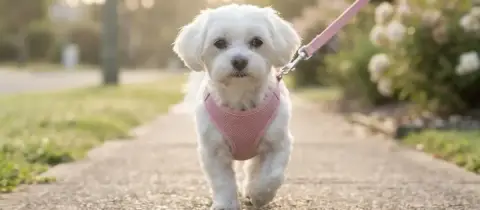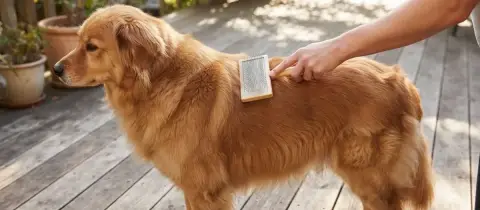
Quick answer: A cavoodle is a crossbreed of a Cavalier King Charles Spaniel and a Poodle, usually a toy or miniature Poodle. Adults are small, commonly 5 to 12 kg, and are often affectionate, people-focused and intelligent. They suit owners who are home a fair bit and happy to brush the coat often.
Cavoodles are everywhere in Australian suburbs, and "toy" and "miniature" get used loosely. This guide covers what those words do and don't tell you, what to expect from the breed, and how to set up your home and gear.
Cavoodle at a glance
A cavoodle is a mixed breed, so there is no official breed standard. The figures below come from Australian vet and pet-health guides, and they describe a typical range, not a promise for any one dog.
| Typical cavoodle | |
|---|---|
| Size category | Small |
| Height at the shoulder | About 25 to 38 cm (guides give 25 to 38 cm, or 28 to 35 cm and 30 to 35 cm for a narrower typical range) |
| Weight | About 5 to 12 kg |
| Lifespan | About 10 to 14 years in the guides below |
| Coat and shedding | Feathered to curly, and it can tangle and mat |
| Energy | Moderate: about 30 to 60 minutes of exercise a day |
| Kids and other pets | Often described as affectionate and good with children and other pets |
| Grooming needs | Brushing every day or most days, and a professional groom about every 6 weeks |
What is a cavoodle?
A cavoodle is a cross between a Cavalier King Charles Spaniel and a Poodle. Greencross Vets says the Poodle parent is often a toy or miniature. Because it's a crossbreed, puppies in one litter can look and behave quite differently. Some take after the more independent Poodle side, others the more relaxed Cavalier.
Toy and miniature cavoodles: what's the difference?
"Toy" and "miniature" usually refer to the size of the Poodle parent or grandparent. The vet guides we read don't give separate weights for toy and miniature cavoodles. Elanco and Greencross give one overall range for the cross. A cavoodle with a toy Poodle parent often ends up at the smaller end, but sizes vary even within a litter, so treat the label as a hint and not a guarantee.
If size matters to you, ask what size both parents are, and plan around the full range of 5 to 12 kg until your dog is grown.
How big do cavoodles get?
Adult cavoodles generally weigh 5 to 12 kg and stand roughly 25 to 38 cm at the shoulder, according to Greencross Vets. Elanco gives 30 to 35 cm and the same weight range. Greencross says they usually stop growing between 8 and 10 months, which is why a full grown cavoodle is often reached sooner than people expect.
A toy cavoodle full grown is usually towards the lower end of that range, but no source we read gives a firm number for toy versus miniature. The most reliable guide is your own puppy's parents, followed by the weight your vet records at check-ups.
How long do cavoodles live?
Greencross Vets and Elanco both give an average cavoodle lifespan of 10 to 14 years. For comparison, the Royal Kennel Club lists both the Cavalier and the miniature Poodle at over 12 years. Individual dogs vary, and weight, dental care and heart checks all affect health in later life.
What is a cavoodle's temperament like?
Cavoodles are often described as affectionate, loyal, gentle and people-focused, and many are intelligent and eager to please. Greencross notes they can be lively, may bark at strangers, and can develop separation anxiety because they crave company. Individual dogs vary a lot.
If your dog struggles when left alone, see our separation anxiety guide and the ideas for keeping a dog busy while you work.
How much exercise does a cavoodle need?
Greencross suggests moderate exercise of about 30 to 60 minutes a day, such as walks, play and mental games. It says under-exercised cavoodles are more likely to chew furniture. Elanco says they adapt to apartments and small yards. Our exercise guide and rainy-day games help on wet days.
How do you groom a cavoodle, and what is a teddy bear cut?
Cavoodle coats can tangle and form painful mats, so plan on brushing every day or most days. Elanco recommends daily brushing and Greencross at least weekly, and both suggest professional grooming about every 6 weeks. Matting is a common reason a groomer ends up shaving the coat short.
A teddy bear cut is a popular clip where the face and body are trimmed to an even, rounded length so the dog looks like a plush toy. The vet guides we read don't describe cut styles, so ask your groomer what length suits your dog's coat and lifestyle. Between visits, a slicker brush and a dematting comb help, and our dog grooming kit guide covers the basics. Regular ear cleaning, teeth care and nail trims are part of the routine too.
Common cavoodle health problems
Greencross Vets lists mitral valve disease (a progressive heart condition), syringomyelia, eye diseases such as cataracts and progressive retinal atrophy, hip dysplasia, luxating patellas (slipping kneecaps), epilepsy and dental problems. Elanco also lists several of these.
Mitral valve disease is relevant because the Royal Kennel Club says it begins earlier in Cavaliers and that breeding dogs should be heart-graded. A mixed breed can inherit problems from either parent, so ask about health testing of both parents, and book regular vet checks, including listening to the heart. See our guides on arthritis and dog limping for joint concerns.
Is a cavoodle right for you?
A cavoodle can suit you if you:
- are home for much of the day, or can arrange company for your dog
- don't mind brushing most days and regular grooming visits
- want a small dog with moderate daily exercise needs
- are happy to prepare for possible heart, joint and dental checks
A cavoodle may not suit you if you are away long hours, want a low-maintenance coat, or are hoping for a guaranteed size or personality. Mixed breeds are less predictable than breeds with a standard.
Caring for a cavoodle in Australian weather
Small, fluffy dogs can struggle in summer heat, so walk early or late, keep fresh water available and never leave a dog in a car (see dogs in hot cars). Our guides on keeping your dog cool in summer and cooling mats help. The sources we read don't give cavoodle-specific heat advice, so ask your vet if your dog seems to overheat.
In tick areas, a long coat can hide a tick, so run your hands through the coat daily and read our paralysis tick guide. In cooler months a short clip may need a coat, and our dog coats guide covers fit. Snake bite is an emergency, covered in our snake bite guide.
Gear that fits a cavoodle
Measure your dog first, since cavoodle sizes vary. Our how to measure a dog for clothes page shows how.
- Harness: a small dog harness sized to your dog's chest, measured at the widest point behind the front legs. Check the fit as your puppy grows.
- Brush: a slicker brush suits a feathered or curly coat, with a dematting comb for tangles.
- Bed: a small dog bed sized for your dog's full adult length, not the puppy size.
- Crate: a small dog crate sized for your dog's adult length and height.
- Clothes: small dog clothes and a dog raincoat help in wet or cool weather.
- Car safety: a dog car seat or car harness suited to a 5 to 12 kg dog.
- Dental care: a dog toothbrush fits the daily teeth brushing Elanco recommends.
When to see a vet
See a vet promptly if your cavoodle has:
- a cough, tiring quickly on walks, fast breathing at rest or fainting, which can be signs of heart disease
- seizures, or sudden changes in behaviour
- limping, skipping on a back leg or reluctance to jump
- cloudy eyes, a red or painful eye, or sudden loss of vision (see our conjunctivitis guide)
- scratching, shaking the head or smelly ears
- painful mats or skin sores
- a tick, or wobbly back legs, a changed bark or vomiting after time in a tick area (this is urgent)
- signs of heat stress such as heavy panting, drooling or collapse (this is an emergency)
Frequently asked questions
Do cavoodles shed?
It varies by dog. Greencross describes the coat as low to non-shedding, while Elanco says a poodle-type coat sheds very little and a Cavalier-type coat sheds more. A low-shedding coat still tangles and mats, so brushing matters either way. Low shedding is not a guarantee for people with allergies, so spend time with the dog before committing.
Are cavoodles good for first-time owners?
Many are friendly and eager to please, which helps. They do need regular grooming and company, and can struggle when left alone. Our new puppy checklist and puppy training schedule help you plan the first months.
Are cavoodles easy to train?
Sources describe them as intelligent and eager to please, which suits training. Keep sessions short and reward-based, with training treats, and start early with toilet training and crate training.
Do cavoodles bark a lot?
Greencross says cavoodles can be good watchdogs that may bark at strangers. Barking also rises with boredom or loneliness. Our barking guide explains the causes and what helps.
How often should a cavoodle be professionally groomed?
Greencross and Elanco both suggest about every 6 weeks, with brushing at home between visits. Your groomer can advise based on your dog's coat and how fast it grows.
When should a cavoodle be desexed?
The sources we read don't cover desexing age. The right time depends on your dog's size, sex and health, so ask your vet at your puppy's first check-ups and follow their advice for your dog.
Related guides
- Cavoodle dog food
- Dog DNA tests: what they can and can't tell you
- Groodle breed guide
- Dachshund breed guide
- French bulldog guide
- Best dog brushes
- Dog hub
Sources
- Greencross Vets, "Cavoodle Dog Breed Guide: Facts & Information": https://greencrossvets.com.au/pet-library/dogs/breed-guides/cavoodle-owners-guide (page read 24 November 2026)
- Elanco My Pet and I, "Breed profile: Cavoodle": https://mypetandi.elanco.com/au/new-owners/breed-profile-cavoodle (page read 24 November 2026)
- Royal Kennel Club (UK), "Cavalier King Charles Spaniel": https://www.royalkennelclub.com/search/breeds-a-to-z/breeds/toy/cavalier-king-charles-spaniel/ (page read 24 November 2026)
- Royal Kennel Club (UK), "Poodle (Miniature)": https://www.royalkennelclub.com/search/breeds-a-to-z/breeds/utility/poodle-miniature/ (page read 24 November 2026)
This guide provides general information and isn't a substitute for veterinary advice. If you're concerned about your dog's health, speak with your vet.