Quick answer: Dog separation anxiety is distress that shows up when a dog is left alone, often as barking, toileting, destruction or pacing. It is helped by a vet check, then slow, reward-based training that builds up time alone in tiny steps. Products can support the plan, but they don't treat it.
If you come home to a wrecked door frame or a neighbour's note about howling, it is easy to feel awful. This guide covers the signs, what may be behind them, a gentle training approach, what not to do, and where calming products fit. For the gear side, see our Thundershirt guide and Adaptil guide, which both start from the same honest point: they are extras, not fixes.
Quick picks
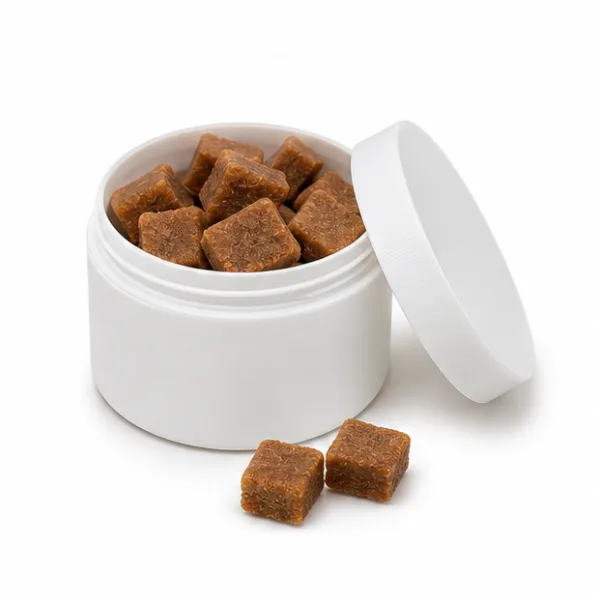
Vetalogica VitaRapid Calming Treats, 210 g, pack of 2
Evidence for calming supplements is limited. Ask your vet first.
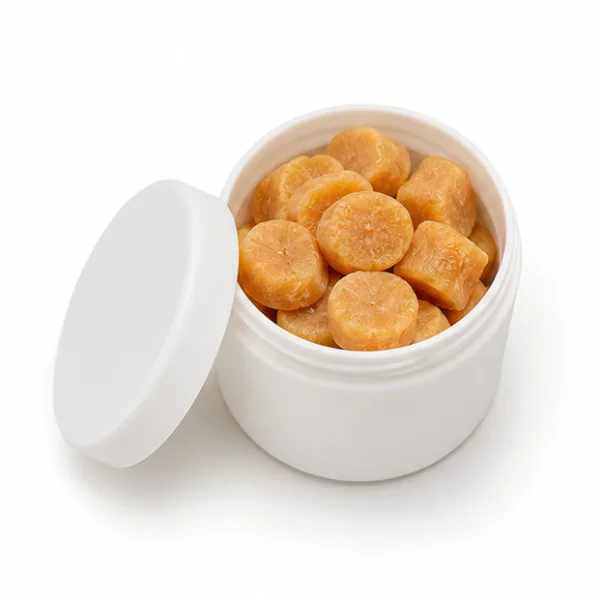
Vetafarm Lovebites B-Calm Chews, 60 chews
A second option to discuss with your vet; check the pack details before buying.

Bedfolks calming donut bed, 76 cm
A roomy round bed with a zip-off cover, for settling, not a treatment.
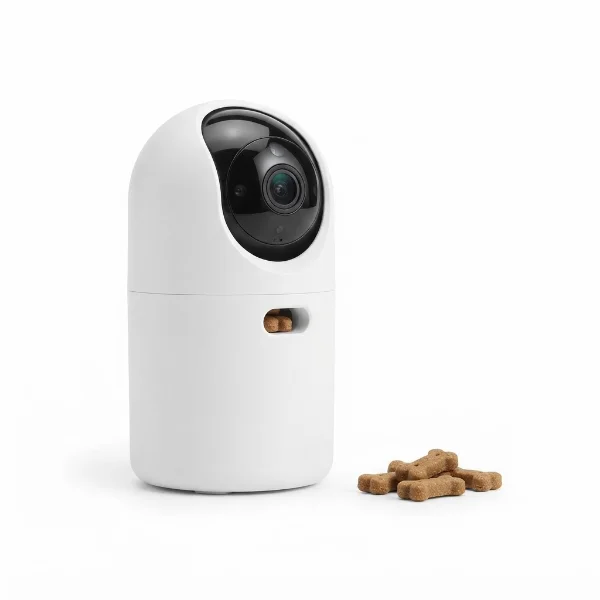
Furbo 360 dog camera
Shows how your dog behaves while you're out; the listing says a subscription is needed.
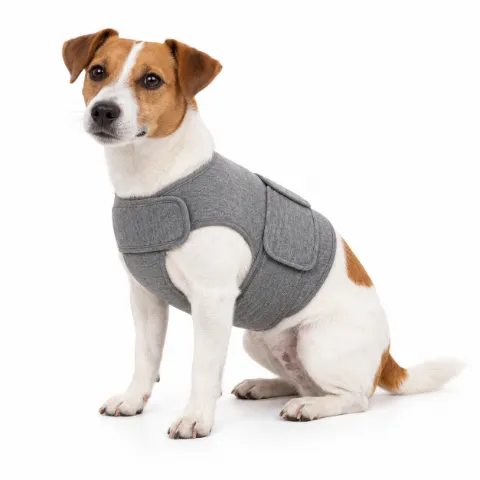
Thundershirt Classic dog anxiety jacket
Some dogs seem calmer, but evidence is weak and it doesn't treat separation anxiety.

KONG Classic
A stuffed toy can help once you've watched your dog use it at home; KONG advises supervision.
Bedfolks calming donut bed, 76 cm
A roomy round bed with a zip-off cover and a non-slip base, a comfortable place to settle.
Furbo 360 dog camera
Lets you see what happens when you're out, which helps tell anxiety from boredom.
Thundershirt Classic dog anxiety jacket
Some dogs seem calmer in a pressure wrap, though the evidence is weak.
KONG Classic
A stuffed rubber toy can be a settling activity when you go, once you've watched your dog use it many times at home.
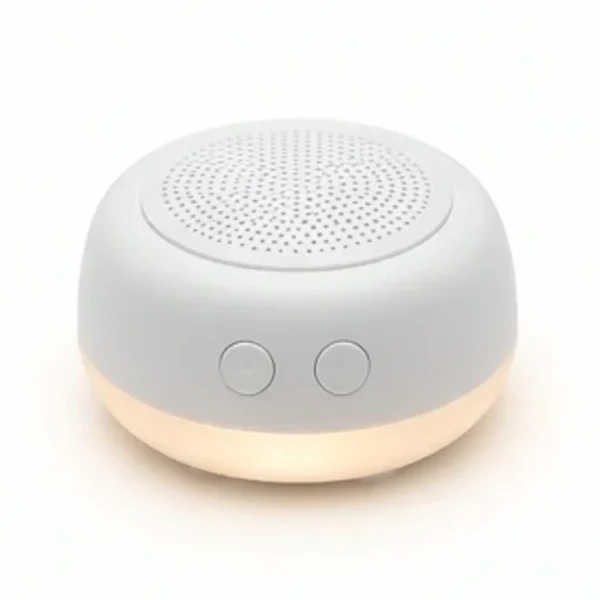
Easysleep IS05 White Noise Machine
Steady background sound can soften street noise that sets some dogs off when the house is quiet.

rabbitgoo Frosted Window Film, white, 44.5 x 200 cm
Blocks the view of passers-by for a dog who gets worked up watching the street while you're out.
Pictures are illustrations, not the actual products.
More detail on the calming treats is in Do calming treats help? below, and the rest are the "You may also like" cards at the end of the row. These support a training plan; they don't treat separation anxiety, so see your vet first.
What are the signs of separation anxiety in dogs?
Signs may include barking or howling, toileting indoors, chewing or scratching at doors, pacing, drooling and trying to escape, mostly when your dog is alone or you are getting ready to leave. One sign on its own doesn't tell you much. The pattern and the timing matter. If the door itself is suffering, a door scratch protector saves the paint while you work on the cause; it doesn't treat the anxiety.
RSPCA Australia lists unexpected toileting, destructiveness, excessive barking, digging, pacing and trying to escape (RSPCA Australia, 17 August 2021). VCA Animal Hospitals adds restlessness, shaking, drooling, refusing food, following you from room to room, and a very excited greeting when you return (VCA Animal Hospitals, last edited 18 July 2019).
Is it anxiety, boredom or toilet training?
It may be something else if it also happens while you are home. VCA says destruction, barking or toileting when you are around points to other causes first, such as incomplete toilet training, a medical problem, or barking at things outside. Behaviour that gets worse the longer you are gone may mean the dog has been left too long. If your dog also chews when you're home, start with our guide to stopping a dog chewing, which covers boredom, teething and attention as well as anxiety.
A bored dog tends to settle once it has something to do. A dog with anxiety may seem distressed from the moment you reach for your keys. Our is my dog bored? guide helps you tell the two apart. Filming your dog while you are out is a good way to see what really happens, and a pet camera makes that easy.
What causes separation anxiety in dogs?
There is rarely one cause. VCA lists strong attachment to family members, little practice at being alone as a puppy, a fright while alone (such as a storm or fireworks), and anxiety about being confined. RSPCA Australia notes that routine changes can be stressful, and that many dogs struggle most when they first have to spend a whole day alone.
Older dogs can also become more anxious with pain, hearing or sight loss, or cognitive changes, according to VCA. That is one reason a sudden change in an adult or older dog needs a vet check first. If storms are part of the picture, see dogs scared of storms and fireworks, because VCA says dogs with both problems need help with both.
How do I train my dog to be alone?
Teach it slowly, in steps small enough that your dog stays relaxed. Start with a few seconds out of sight, reward calm, and lengthen the time while your dog is coping. If your dog panics, you went too fast, so go back a step. Results vary, and progress can be slow.
A plan based on the RSPCA and VCA advice looks like this:
- See your vet first. Rule out pain and other medical causes. Your vet may help directly or refer you to a behaviour specialist who uses humane, reward-based training (RSPCA Australia).
- Keep a steady routine. Meet exercise, play, sniffing and toilet needs before you go, so your dog is more likely to settle (VCA).
- Make leaving boring. RSPCA Australia suggests not fussing over your dog for a while before you go and greeting calmly when you return. VCA suggests waiting until your dog has settled before giving attention.
- Take the sting out of departure cues. Pick up your keys or put on your shoes, then sit back down, so they stop predicting you leaving. VCA suggests three or four repeats a day at most.
- Build up absences in small, varied steps. Seconds, then minutes, and lengthen the time while your dog stays relaxed (VCA).
- Give a settling activity. A stuffed toy given as you leave helps some dogs. Brands label most puzzle toys for supervised use, so see keeping your dog busy while you're at work for how to do this safely.
- Arrange cover while you retrain. VCA says a sitter, a friend, day boarding or time off work may be needed. RSPCA Australia suggests friends or family for company, a reputable doggy daycare, or someone you trust to walk your dog in the middle of the day.
A calm resting spot helps. Our calming dog bed guide covers beds that suit anxious dogs, though a bed is a comfortable place to settle, not a treatment.
What should I not do with dog separation anxiety?
Don't punish your dog, don't start with long absences, and don't shut an anxious dog in a crate. Punishment can make anxiety worse. Long first absences push your dog past what it can cope with, and a panicking dog in a crate can injure itself.
VCA says not to punish a dog for the behaviour, and to avoid excited greetings, which can raise anxiety. It also warns that crates can lead to intense escape attempts and injuries for some dogs. If your dog already copes well in a crate, that is different, and our crate training guide covers the gentle way. A crate, playpen or kennel doesn't treat separation anxiety.
Other common mistakes:
- Leaving for hours and hoping your dog gets used to it.
- Big, emotional goodbyes and wild hellos.
- Telling your dog off after you find damage. Your dog can't link it to what happened hours ago.
- Expecting a product to do the work.
Do calming treats help?
Evidence for calming treats and supplements is limited, so treat them as a possible extra and ask your vet first. They don't treat separation anxiety, and they don't replace a training plan. If your dog takes medication or has a health condition, check with your vet before trying any.
We checked two on Amazon Australia on 2 November 2026. We include both with a plain warning: the evidence behind calming supplements is thin, and we can't tell you how your dog will respond. The claims below are the listings' own.
Vetalogica VitaRapid Calming treats: calming treats to ask your vet about
The listing says these chicken-flavoured sticks contain tryptophan, are made by an Australian company, and are meant to help maintain calmness during things like storms and fireworks. The listing also mentions separation. It lists blueberry, flaxseed and pumpkin among its special ingredients and says they are grain free. This is a pack of two.
- Pros: the listing gives ingredient and allergen details to show your vet; grain free and limited ingredient, per the listing
- Cons: evidence for calming supplements is limited, and the listing's claims are the maker's own; the listing doesn't say how long they take to work or how your dog may react
- Best for: dogs whose vet agrees a calming treat is worth trying alongside a training plan
- Skip it if: your dog takes medication or has a health condition, unless your vet agrees
Vetafarm Lovebites B-Calm chews: a second calming chew option
This is a newer, smaller listing. The listing says the chews contain L-tryptophan and thiamine, are non-drowsy and non-sedative, and are flavoured with Australian lamb, chicken and kangaroo. It suggests daily use during stressful times such as travel, relocation or separation, and says they may suit older animals with night-time stress. It comes as a pack of 60.
- Pros: the listing names its two active ingredients clearly; listed for dogs
- Cons: evidence for calming supplements is limited, and the benefits listed are the maker's claims; the listing is thin and its description has inconsistent pack details (a pack of 60, but the text mentions 20 chews), so check the pack before buying; the meat flavours matter for dogs with food allergies
- Best for: owners who want a second option to discuss with their vet
- Skip it if: your dog takes medication, has a health condition or a food allergy, unless your vet agrees
Calming treats are still treats, so keep all treats to about 10% of your dog's daily calories, with complete and balanced food making up the rest, as explained in our training treats guide. Introduce any new one slowly, and stop if your dog has vomiting or diarrhoea.
Can a vet prescribe medication for separation anxiety?
Yes. Medication for dog anxiety is prescribed by a vet, and it is meant to support training rather than replace it. Your vet can tell you whether it suits your dog after checking for medical causes, and only a vet can decide which medicine, if any, and the dose.
VCA says medication can help, especially early in departure training, and that it is meant to support the retraining programme. It also says sedatives alone aren't the answer, as they make a dog drowsy without teaching it to cope. Never give your dog human medication or leftover pills.
How long does it take to fix separation anxiety?
There is no set timeline. It depends on how severe the anxiety is, how long it has been going on, and how consistently you can practise. Some dogs improve steadily, others have setbacks, and VCA notes that medication courses can run for months. Watch how your dog responds and go at their pace.
Does getting a second dog help?
Sometimes, but not reliably. VCA says a second pet can occasionally keep a dog occupied when you leave, but is rarely useful for dogs that are too anxious. A dog anxious about being left may not be calmed by company, and you would then have two dogs to look after. Talk to your vet or behaviour professional before deciding.
Products that support a training plan
None of these treat separation anxiety. They are tools within a routine, to use with your vet's advice and a training plan.
- Thundershirt guide: a pressure wrap, with an honest look at what the evidence says.
- Adaptil for dogs: dog appeasing pheromone products and what research shows.
- Pet cameras: to see how your dog really behaves when you are out.
- Calming dog beds: a comfy place to settle.
- Treat dispensing toys: a stuffed rubber toy can be a settling activity when you go, once you've watched your dog use it many times at home (KONG advises supervision). Lick mats are for supervised calm time while you're home, so pick them up before you leave.
When to see a vet
See your vet if your dog:
- shows a sudden change in behaviour, especially an adult or older dog
- is toileting indoors when you are home, or seems unwell, in pain or off their food
- drools heavily, pants, shakes or seems panicked when left, or tries to escape
- has hurt themselves trying to get out, such as broken nails, damaged teeth or cuts
Your vet can check for medical causes, discuss prescription options, and refer you to a qualified, reward-based behaviour professional or veterinary behaviourist. Avoid anyone who suggests punishment. See the RSPCA Australia advice.
Frequently asked questions
What is the best way to treat separation anxiety in dogs?
Start with a vet check, then a gradual, reward-based training plan, often guided by a qualified behaviour professional. Your vet may also discuss medication. Products such as wraps, pheromones, toys and calming treats can sit alongside the plan but don't treat separation anxiety on their own.
Can separation anxiety in dogs be cured?
Many dogs improve a lot with the right plan, but results vary and setbacks are common. It is more helpful to aim for a dog who copes with time alone than to expect a cure. Your vet or behaviour professional can set realistic goals for your dog.
How long can you leave a dog alone?
It depends on the dog's age, health, toilet needs and how well they cope. A dog with separation anxiety may struggle with very short absences, so training starts with seconds. Ask your vet what suits your dog, and see our guide to keeping your dog busy at work.
Will my dog grow out of separation anxiety?
Not reliably. Some dogs settle as they mature, but anxiety can also continue or get worse without help. Early training and a vet check give your dog the best chance. Puppies benefit from short, relaxed practice at being alone, as VCA suggests.
Do calming treats work for dog anxiety?
Evidence for calming supplements is limited, and they don't treat separation anxiety. Ingredients vary, so read the label for what the maker actually lists, such as tryptophan. Ask your vet before trying one, especially if your dog takes medication or has a health condition, and keep the training plan as the main work.
Does a Thundershirt help with separation anxiety?
Some dogs seem calmer in one, but a 2024 review found only weak and limited evidence that pressure wraps reduce anxiety, and a vest won't treat separation anxiety. Introduce it on a calm day, and take it off if your dog seems distressed or too hot. Our Thundershirt guide explains more.
Is separation anxiety the same as boredom?
No, though they can look alike. Boredom behaviour often eases once your dog has something to do, while anxiety tends to start as you get ready to leave and may include panting, drooling and escape attempts. See is my dog bored? to compare.
Should I crate my dog if they have separation anxiety?
Not if they panic in it. VCA warns crates can lead to intense escape attempts and injury in some dogs. A crate doesn't treat separation anxiety. Ask your vet or behaviour professional what suits your dog, and see our crate training guide.
Related guides
- How to stop a dog barking
- Why does my dog chew their bed?
- Door scratch protectors for dogs
- How to stop a dog chewing furniture and everything else
- Calming treats for dogs
- Thundershirt for dogs: does it work?
- Adaptil for dogs: does it work?
- Dog scared of storms and fireworks
- Keeping your dog busy while you're at work
- Is my dog bored? Signs and how to tell
- Best pet cameras
- Best calming dog beds
- Crate training a puppy
- All our dog guides
Sources
- RSPCA Australia, Is your dog anxious when you're not home? 17 August 2021, page read 2 November 2026 (https://www.rspca.org.au/latest-news/blog/your-dog-anxious-when-youre-not-home/)
- VCA Animal Hospitals, Separation anxiety in dogs, last edited 18 July 2019, page read 2 November 2026 (https://www.vcahospitals.com/know-your-pet/separation-anxiety-in-dogs)
This guide provides general information and isn't a substitute for veterinary advice. If you're concerned about your dog's anxiety or behaviour, speak with your vet.