Calming treats for dogs: do they work and are they safe?
By Anish PuriUpdated 6 Nov 20268 min readResearched, not tested by us
Research guide. WhiskerFinds may earn a commission from links, at no extra cost to you.
Quick answer: Calming treats for dogs are supplements, often built around L-tryptophan, that some owners give for storms, travel or mild nerves. The evidence is limited and mixed, and they don't treat anxiety. Our top pick is Vetafarm Lovebites B-Calm. Ask your vet first if your dog is on medication.
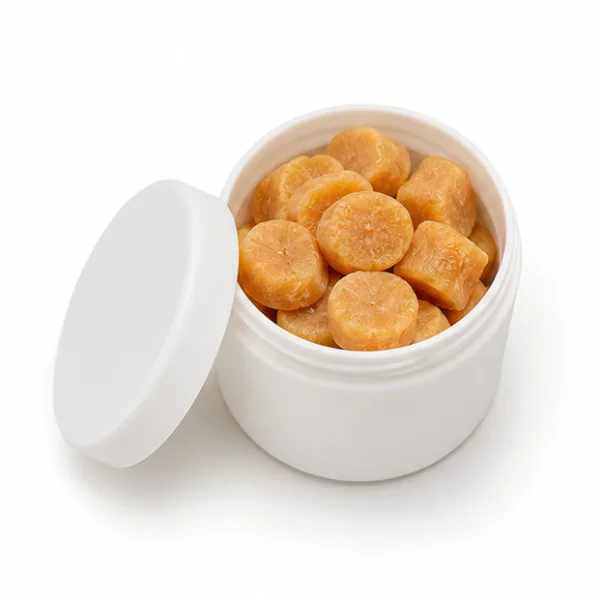
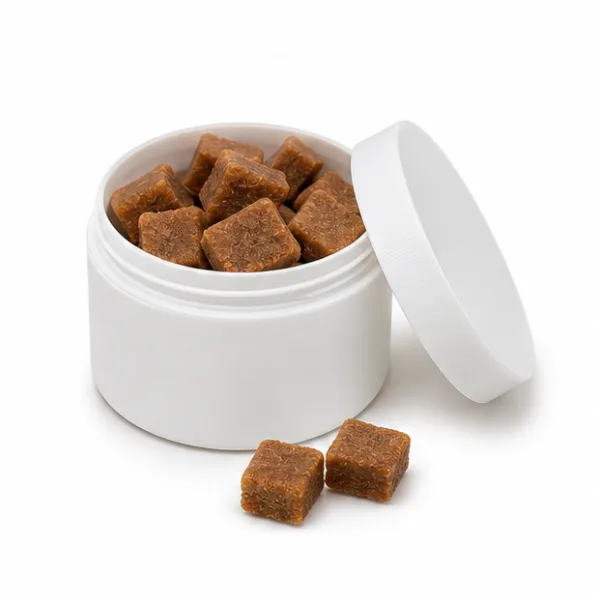
Illustration, not the actual product
Our top pickVetafarm Lovebites B-Calm Chews, 60 chews
Calming treats are easy to buy and hard to judge, so this guide covers what is usually in them, what the evidence says, and how two products on Amazon Australia compare. We found few that met our checks, so there are two picks, not a long list. If your dog struggles when left alone, start with our separation anxiety guide, and for noise fear see our storms and fireworks guide.
Quick picks
Our top pickBest overall
Vetafarm Lovebites B-Calm Chews, 60 chews
Chews with L-tryptophan and thiamine, flavoured with lamb, chicken and kangaroo
Pictures are illustrations, not the actual products.
Calming treats are also sold at vets and pet shops, and your vet can tell you which products suit your dog. Treat these as extras within a routine, not a fix.
Do calming treats for dogs work?
Maybe a little for some dogs, but the evidence is limited and mixed. A 2024 Veterinary Evidence summary looked at two placebo-controlled studies of dietary tryptophan in anxious dogs. They disagreed, and the author concluded tryptophan isn't enough as a sole treatment (Veterinary Evidence, 2024, page read 6 November 2026).
The summary said one study found no overall benefit, while the other found owners reported less anxious behaviour, without a clear change in a stress hormone measure. That second study's diet also contained alpha-casozepine, a milk protein, so the result can't be pinned on tryptophan alone. So a dog may seem calmer, or may not, and results vary. Watch how your own dog responds, and don't count on a treat to do the job of training or a vet plan.
What is in calming treats for dogs?
Many list L-tryptophan, an amino acid, sometimes with thiamine (vitamin B1) or other ingredients. The two products here are examples: the Vetafarm listing names L-tryptophan and thiamine, and the Vetalogica listing names tryptophan, with pumpkin, blueberry, flaxseed and a prebiotic among its special ingredients.
Everything a brand says about effect is a claim from the listing, so we attribute it that way. Read the ingredient panel on the pack, and tell your vet exactly what your dog is getting. Don't give human supplements, because ingredients and amounts differ; ask your vet.
Our picks in detail
1. Vetafarm Lovebites B-Calm Chews, 60 chews: best overall
The listing says these chews contain L-tryptophan and thiamine and are non-drowsy and non-sedative, which is the maker's claim. They're flavoured with Australian lamb, chicken and kangaroo, with no artificial binders, colours or flavours, per the listing. The description says to use them daily during stress such as travel, relocation, separation or noise, and that they may suit older dogs with night-time stress and barking. The listing mentions a one-year manufacturer warranty.
The listing is a bit muddled: the title says 60 chews, one line says 20, and the item form says powder. Check the pack when it arrives.
Pros: names its active ingredients; 60 chews; non-sedative per the maker; covers storms, travel and older dogs in its description
Cons: the listing text gives no dose by weight; conflicting chew counts; the effects are the brand's claims, and the evidence for tryptophan is mixed
Best for: an owner who wants a daily chew for mild nerves or a short stressful period, alongside a vet plan
Skip it if: your dog has anxiety that disrupts daily life (see your vet first), or takes medication and you haven't checked with your vet
2. Vetalogica VitaRapid Calming Treats, 210 g, pack of 2: best for storm season
Chicken-flavoured sticks the listing describes as grain free and limited ingredient, with no artificial colours, flavours or preservatives. It lists tryptophan, and pumpkin, blueberry, flaxseed and a prebiotic as special ingredients. The listing says the brand is Australian made and owned, and that the treats help with stress around storms and fireworks. That is the brand's claim, not something we checked. The pack is two 210 g bags, 0.42 kg in total.
Pros: grain free and gluten free per the listing; ingredients named; a large pack of two
Cons: the listing text gives no dose by weight; the benefit wording is marketing, and the evidence is mixed; the listing's "fast-acting" claim is the brand's own
Best for: a dog who needs a grain-free treat around storm or fireworks season
Skip it if: your dog is allergic to chicken, or you want a chew with a listed dose by weight
Are calming treats safe for dogs?
They are food-style products, but "natural" doesn't mean risk free. Check the ingredients for anything your dog is allergic to, give the amount on the pack, and ask your vet first if your dog is on medication, is pregnant, is elderly or has a health condition. Count the treats toward the day's food. VCA Animal Hospitals says to check with your vet before giving your dog any therapeutic product for noise fear, because side effects and drug interactions can occur (VCA Animal Hospitals, updated 12 June 2026).
Our toxic foods list covers what dogs must never eat, such as xylitol, grapes, raisins, onion and garlic. If your dog eats a lot more than the pack says, call your vet or the Animal Poisons Helpline (1300 869 738, 24/7). Stop the treats and see your vet if your dog has vomiting, diarrhoea or seems unwell.
What can I give my dog for storm or fireworks anxiety?
Start with a safe, quiet place. RSPCA NSW suggests bringing your dog indoors somewhere secure and comfortable, masking noise with a TV or radio, exercising and feeding them beforehand, and talking to your vet if loud noises are an ongoing problem (RSPCA NSW, page read 6 November 2026).
A calming treat can sit alongside that, not replace it. The Vetafarm listing describes daily use during stressful periods rather than a single dose on the night, so if you try one, start it in the days before, and keep your dog's ID tag and microchip details up to date, as RSPCA NSW advises, because dogs can bolt in a panic. See our Adaptil guide and Thundershirt guide for other tools.
Can calming treats help with travel or separation anxiety?
They may or may not help with mild nerves, because the evidence is mixed, and they don't treat separation anxiety or travel fear. The Vetafarm listing mentions travel, relocation, separation and noise as times of stress, and that is the maker's claim. Real progress comes from slow, reward-based training and a vet check.
For ongoing distress, talk to your vet and a qualified behaviour professional, as our separation anxiety guide explains. For car trips, our dog car sickness guide covers motion sickness, which is a different problem from fear.
Calming treats compared
Details from each Amazon Australia listing, checked on 5 Nov 2026.
We searched Amazon Australia for calming treats and chews for dogs, then shortlisted ones that met all of these checks:
Well rated: a strong average rating with plenty of buyer reviews.
No red flags: no pattern of poor reviews, safety complaints or listing problems.
Available on Amazon Australia when we checked.
Ingredients listed on the product page.
A named active ingredient (such as L-tryptophan) rather than an unnamed "calming blend". We also looked for a dose by weight on each listing; neither gives one, so follow the pack and ask your vet.
These are researched picks, not products we've personally tried. We compared the specifications and features shown on each Amazon Australia listing, checked on 5 Nov 2026. We didn't accept payment from any brand, and no brand saw this page before it was published.
Left out this time: products containing CBD or melatonin, human supplements, and treats that didn't list their ingredients or that didn't meet our other checks. Few met them, which is why there are two picks.
How do I give a calming treat?
Follow the pack, and start a small trial on a calm day, not in the middle of a storm. Watch for tummy upsets or sleepiness. For storm season, the Vetafarm listing describes daily use during stressful periods, so a once-off chew as the thunder starts isn't how the maker says to use it. Keep a note of how your dog behaves, and take it to your vet.
Treats should stay a small part of the diet. VCA Animal Hospitals suggests keeping all treats to about 10% of daily calories, with the other 90% from complete and balanced food (VCA Animal Hospitals, updated 26 September 2024), so cut back the main meal if you add a daily chew (see our dog training treats guide).
When to see a vet
See your vet if your dog's fear or anxiety is ongoing, is getting worse, or leads to injury, destruction or toileting indoors. Anxiety has many causes, including pain and illness, and your vet may suggest a behaviour professional or other options. Calming treats don't treat anxiety.
Stop the treats and call your vet if your dog has vomiting, diarrhoea, excess drowsiness or a reaction. If your dog has eaten something toxic, call the Animal Poisons Helpline (1300 869 738, 24/7). See our toxic foods list.
Frequently asked questions
What is the best calming treat for dogs in Australia?
We found two on Amazon Australia that met our checks: Vetafarm Lovebites B-Calm and Vetalogica VitaRapid Calming Treats. Neither is proven to work, and the listing text gives no dose by weight. Our top pick is Vetafarm. Your vet is the best person to say what suits your dog.
Can I give my dog calming treats every day?
The Vetafarm listing says its chews should be used daily during stressful times, but check the pack and ask your vet about long-term use, especially if your dog takes medication or has a health condition. If a dog needs them every day, a vet check for the underlying cause makes sense.
How long do calming treats take to work?
We can't give a timeline, because results vary and some dogs may not respond at all. The Vetafarm listing describes daily use during stressful periods, and the Vetalogica listing gives no timing at all. Try them on a calm day first, follow the pack, and watch how your dog responds.
Are calming treats safe for puppies and older dogs?
Ask your vet first, because the listings we read give no age guidance for puppies, and older dogs are more likely to have health conditions or take medication. The Vetafarm listing does mention older dogs with night-time stress. Follow the pack and check with your vet before starting.
Can my dog have calming treats with their medication?
Ask your vet first. VCA Animal Hospitals says to check with your veterinarian before giving a dog any therapeutic product for noise fear, because side effects and drug interactions may occur. Tell your vet exactly what the pack lists, including tryptophan, and whether your dog takes anything else, including flea and worm treatments.
Can calming treats replace training or medication?
No. They don't treat anxiety, and a treat doesn't teach a dog to cope. A vet-guided plan with reward-based training, and sometimes medication, does more. Treats can be one extra tool within that routine, if your vet agrees, and they should never delay a vet visit for a dog whose fear is getting worse.
Should I give my dog human supplements or CBD to calm them?
No, ask your vet instead. Human products can have different ingredients and amounts, and we don't recommend CBD or melatonin products for dogs. If you're thinking about a supplement, ask your vet which options suit your dog, and tell them about everything your dog already takes.
Product details from each linked Amazon Australia listing, checked on 5 Nov 2026.
This guide provides general information and isn't a substitute for veterinary advice. If you're concerned about your dog's anxiety or behaviour, speak with your vet.