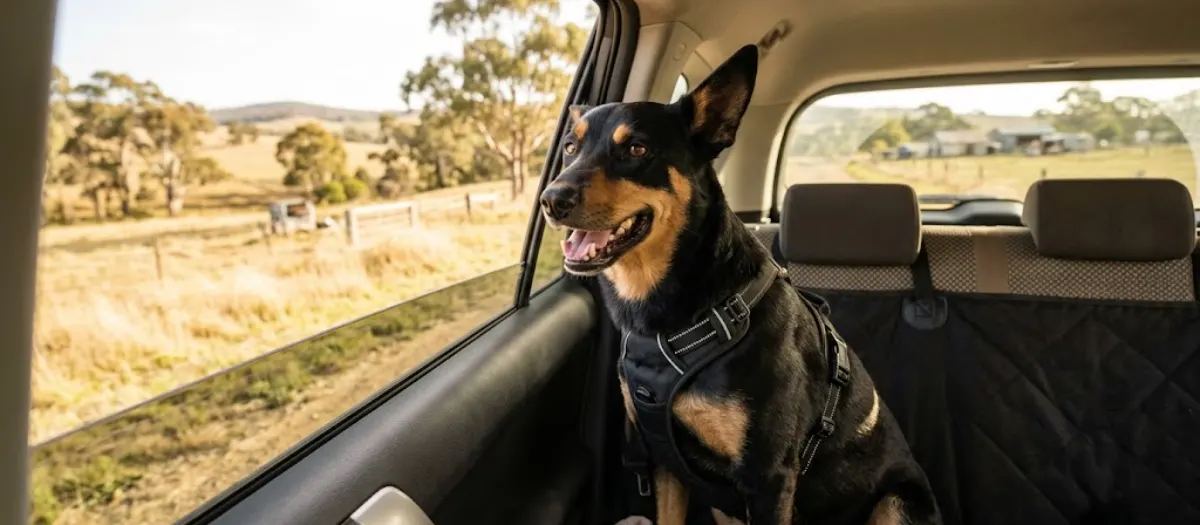
Quick answer: Car sickness is common in dogs, especially puppies, and many grow out of it by about a year old. Give a light meal or no food for a few hours before the trip, keep the car cool, restrain your dog facing forward and build up from short, happy drives. If it keeps happening, your vet can prescribe anti-nausea medicine.
If your dog drools, whines or vomits every time the car starts moving, road trips can be miserable for everyone. Car sickness is common, it often improves with age and practice, and your vet can help when it doesn't.
Quick picks
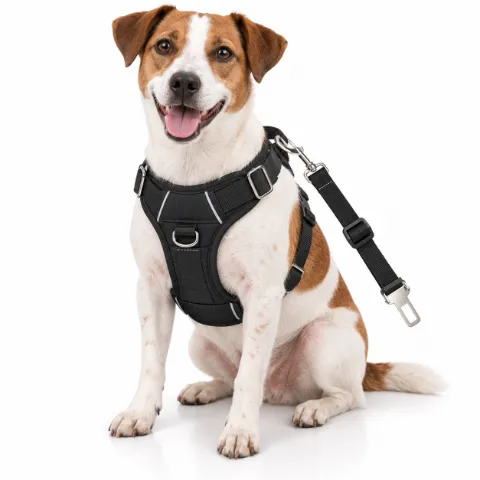
Kurgo Tru-Fit Enhanced Strength harness
Sold as a crash tested harness with a seat-belt tether. Safety claims are the maker's.
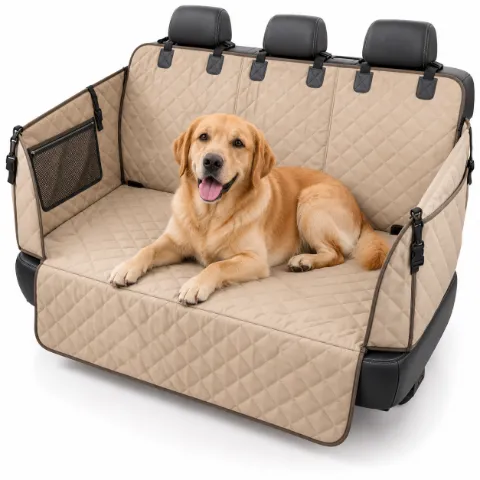
Bark Lover Deluxe back-seat cover
Waterproof and can be hosed down. Keep your dog in a harness on top.
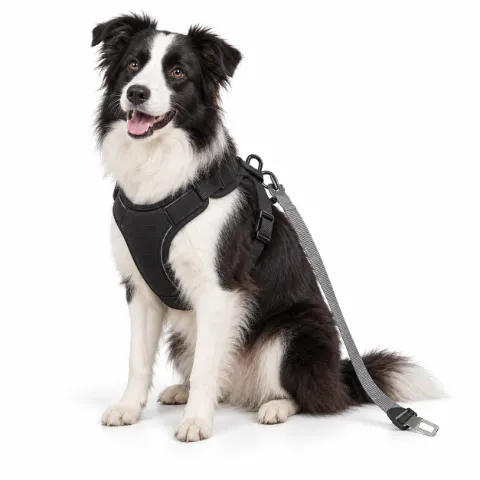
EzyDog Drive Harness
A second harness option. Follow the maker's instructions for the car.
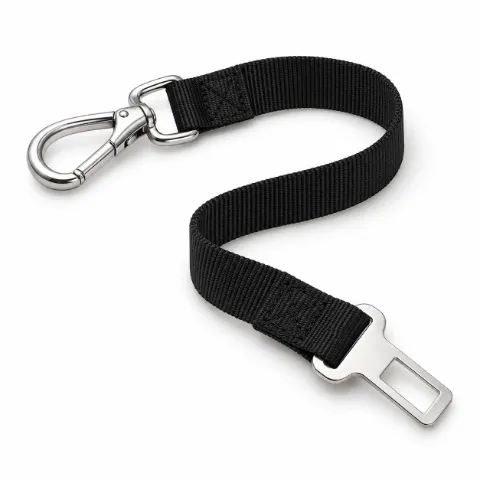
KONG Dog Travel Seat Belt Tether, 56 cm
Clips a harness to the seat belt. Never attach a restraint to a collar.
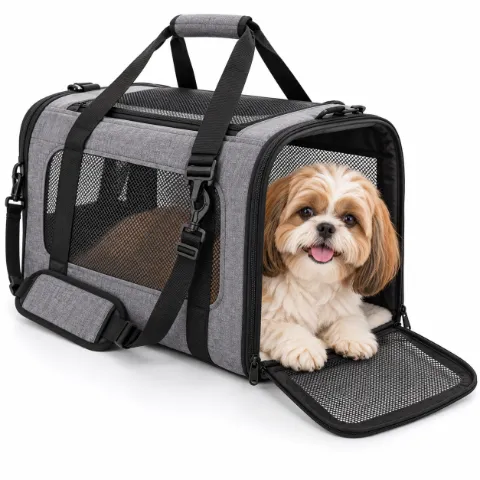
K&H Travel Safety Carrier, Medium
A crate option for the car. Check the fit and the maker's instructions.
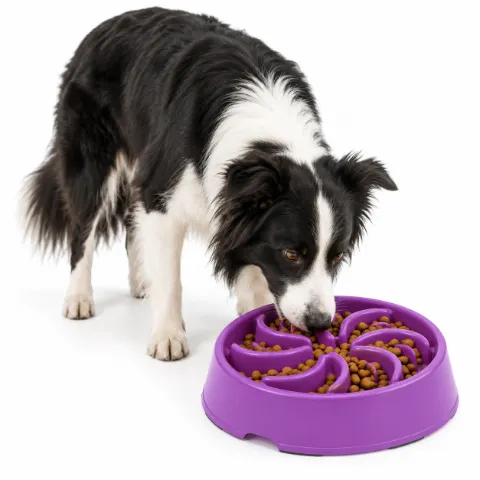
Outward Hound Fun Feeder Slo Bowl
Stretches out a light meal for dogs who wolf their food.
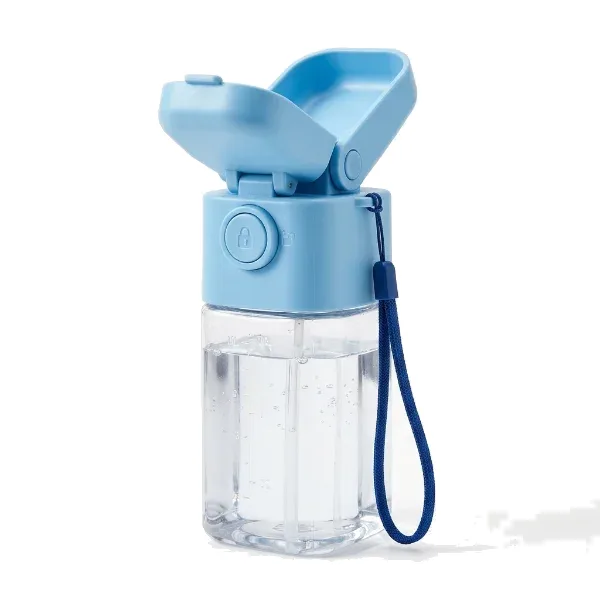
Cibaabo dog water bottle 300 ml
Offers water before and after the drive, and at breaks.
EzyDog Drive Harness
Another car harness to compare with the Kurgo above.
KONG Dog Travel Seat Belt Tether, 56 cm
Clips a harness to the seat belt.
K&H Travel Safety Carrier, Medium
A secured crate is another option for the car.
Outward Hound Fun Feeder Slo Bowl
A slow feeder can stretch out a small meal for a dog who wolfs their food.
Cibaabo dog water bottle 300 ml
For offering water before and after the drive and at breaks.
Pictures are illustrations, not the actual products.
More detail on the first two is in Gear that can help below. Gear won't stop car sickness, and your vet can talk through medicine if it keeps happening.
Signs your dog is car sick
Watch for:
- drooling or licking and smacking their lips
- yawning, whining or restlessness
- looking flat, unusually still or reluctant to move
- vomiting, and sometimes toileting in the car
Signs often start early in a drive, sometimes before you've left the street. Some dogs start drooling or shaking as soon as they see the car, which can mean the car itself has become stressful.
Car sickness or car anxiety? How to tell
Look at when the signs start. Car sickness tends to build once the car is moving and can end in vomiting. Car anxiety can start before the engine does: a dog may drool, tremble, whine, pace or refuse to get in. Many dogs have a bit of both, and stress on its own can bring on drooling and vomiting (VCA Animal Hospitals). If the signs begin as soon as your dog sees the car, start with the parked-car steps below. If your dog seems worried in other situations too, our guide to whether your dog is bored or anxious can help you look at the pattern.
Why do dogs get car sick?
Like people, dogs feel sick when what their eyes see doesn't match the movement their inner ear senses. Puppies are more prone because the parts of the inner ear that control balance aren't fully developed yet, and many puppies outgrow car sickness by about a year old (VCA Animal Hospitals).
Stress plays a part too. If a dog's only car trips end at the vet, or they were sick on early trips, they can learn to dread the car, and anxiety can bring on drooling and nausea by itself. That's why helping your dog feel relaxed in the car matters as much as settling their stomach.
How to help a car-sick dog
Give a light meal, or no food for a few hours, before the trip (ask your vet first for puppies, small or older dogs), keep the car cool, restrain your dog facing forward, drive smoothly and stop for breaks. If your dog dreads the car, practise short, happy trips. If the sickness keeps happening, ask your vet about anti-nausea medicine.
Before the trip
- Go easy on food. A light meal well before you leave, or no food for a few hours, can reduce nausea. VCA suggests holding food back before travel; for puppies, small or older dogs, and dogs with health conditions, ask your vet how long is safe. If your dog wolfs their meals, a slow feeder bowl for fast eaters can stretch out that small meal.
- Keep water available before and after the drive.
- Toilet break just before you set off.
In the car
- Keep it cool. Use the air con, or open the windows a little for fresh air. Never let your dog hang their head out of the window.
- Help them face forward. Many dogs feel better restrained facing forward on the back seat, rather than looking out the side windows.
- Drive smoothly. Gentle acceleration, braking and cornering help a queasy dog.
- Take breaks. On long drives, stop every couple of hours for a short walk, a drink and fresh air.
- Keep it quiet. Low music or none, and calm voices.
If your dog is sick in the car
Pull over somewhere safe, let your dog have some fresh air and a small drink, and clean up before you carry on. Next time, make the trip shorter and go back a step in the practice plan below. A small clean-up kit in the boot makes it much less stressful:
- old towels or a waterproof seat cover
- paper towel, wipes and a bag for dirty towels
- water and a travel bowl
- a spare lead, and your dog's favourite treats for practice trips
Build good feelings about the car
For dogs who are anxious or have been sick before, go back to basics, over days or weeks (VCA Animal Hospitals):
- Sit in the parked car with the engine off, give a treat or a favourite toy, then get out.
- Repeat with the engine running, still parked.
- Try a very short drive around the block, ending somewhere fun, like a park, rather than home or the vet.
- Slowly make the drives longer, staying at a length your dog copes with.
Go at your dog's pace. If they start drooling or worrying, make the next session shorter.
Car sickness medicine and remedies
Your vet is the place to start. Vets can prescribe anti-nausea medicine made for dogs, given before the trip, and the right choice depends on your dog's age, size and health. For dogs who are very stressed in the car, your vet can also talk you through anxiety options, some of which need to start well before you travel (VCA Animal Hospitals).
Can I give my dog Gravol or Travacalm?
Only if your vet says so. Some human travel-sickness medicines are used in dogs, but your vet needs to check they suit your dog and work out the dose for their size, age and health (VCA Animal Hospitals). Never go by the dose on the packet. These medicines help with nausea, not with fear of the car.
What about natural remedies?
Ask your vet before trying ginger, supplements or calming products. Some vet sources list ginger and calming pheromone sprays among things that may help some dogs, but VCA advises checking with your vet before starting any supplement or medicine (VCA Animal Hospitals). Treat them as a possible extra alongside slow practice, not a fix.
Keep your dog safely restrained
An unrestrained dog can be badly hurt, or hurt others, if you brake hard or crash, and a dog moving around the car is a distraction for the driver. RSPCA Australia says a car harness should have passed safety or crash tests, and should clip into the seat belt as the maker directs. Secured crates that have passed crash tests are another option. Never attach a car restraint to a collar, as a sudden stop can injure your dog's neck. Laws on restraining dogs in vehicles vary between states and territories, so check your state's road rules (RSPCA Australia). For the rules in your state and the safest set-ups, see our dog car restraint guide, and compare options in our car harness and car crate guides.
Never leave your dog in a parked car, even for a few minutes, and even on a mild day. Cars heat up fast. See our guide to keeping your dog cool in summer.
When to see your vet
Talk to your vet if your dog is sick on most trips, if car sickness hasn't eased by around a year old, or before a long road trip with a dog who struggles. Vets can prescribe anti-nausea medicine made for dogs, and can help if anxiety is part of the problem. Never give your dog human travel-sickness tablets or other medicines unless your vet tells you to.
See your vet promptly if your dog keeps vomiting after the trip has ended, can't keep water down, seems weak or flat, or vomits blood. Vomiting that isn't linked to car trips needs a vet check too.
Gear that can help
Gear won't stop car sickness on its own, but it can keep your dog safer and your car cleaner. We compared these on specs and listings; we haven't used them ourselves.
A crash tested car harness. The Kurgo Tru-Fit Enhanced Strength harness is sold as a crash tested car safety harness, comes with a seat-belt tether, and doubles as a walking harness. Fit it snugly using the brand's size chart, and follow the maker's instructions for attaching it in the car.
A waterproof back-seat cover makes clean-up easier if your dog is sick. The listing for the Bark Lover Deluxe back-seat cover says it's waterproof and can be hosed down. Check it fits your car, and keep your dog restrained in a harness on top of it.
Our picks are research based, not products we've personally tested. We compare the specifications and features on each Amazon Australia listing, checked on 13 Oct 2026. Availability and prices can change. A product's own safety-test claims are the maker's; we haven't verified them.
Frequently asked questions
How do I stop my dog getting car sick?
Feed only a light meal, or nothing for a few hours, before the trip, keep the car cool with fresh air, restrain your dog facing forward, drive smoothly and take breaks. Build up from short, happy drives. If your dog is still sick, your vet can prescribe anti-nausea medicine.
Do dogs grow out of car sickness?
Many do. Puppies are most prone because their inner ear is still developing, and many grow out of it by about a year old. Dogs who have learned to dread the car may need gradual practice, and sometimes help from your vet.
How do I know if my dog is getting car sick?
Early signs include drooling, lip licking, yawning, whining and restlessness, or looking unusually still and flat. Vomiting often follows. Pull over somewhere safe for a break when you see the early signs.
Is car sickness common in dogs?
Yes. Car sickness is common, especially in puppies, because the parts of the inner ear that control balance are still developing. Many puppies grow out of it by about a year old. Dogs who had bad early trips can stay queasy or worried for longer, and gradual practice and your vet can help.
What can I give my dog for car sickness?
Only what your vet prescribes. Vets can prescribe anti-nausea medicine made for dogs, given before the trip, and the right one depends on your dog's age, size and health. Never give human travel-sickness tablets unless your vet tells you to, and never guess a dose from the packet.
Can I give my dog Gravol or Travacalm for car sickness?
Only if your vet says so. Some human travel-sickness medicines are used in dogs, but your vet needs to check they suit your dog and work out a safe dose for their size, age and health. Your vet can also prescribe anti-nausea medicine made for dogs.
What are the signs of car anxiety in dogs?
Car anxiety often shows before the car moves: drooling, trembling, panting, whining, pacing or refusing to get in. Car sickness tends to build during the drive and can end in vomiting. Many dogs have a bit of both, so look at when the signs start and talk to your vet if they're strong.
What can I give my dog to calm down in the car?
Start with a cool, quiet car, a secure harness or crate, and short practice trips that end somewhere fun. For dogs who stay very stressed, your vet can talk you through options, including anxiety medicine that may need to start before you travel. Anti-nausea medicine helps with sickness, not fear.
Are there natural remedies for dog car sickness?
Ask your vet before trying any. Ginger, supplements and calming pheromone sprays are sometimes suggested, but your vet should check they suit your dog first, especially if your dog takes other medicines. They work best as an extra alongside slow, happy practice trips, not as a fix on their own.
What breeds are prone to car sickness?
Any breed can get car sick. Age and past experiences matter more than breed: puppies, and dogs who've had bad car trips, are most likely to struggle.
Should my dog ride in the front seat?
No. The back seat is safer, with your dog in a crash tested harness clipped to the seat belt, or in a secured, crash tested crate. Front airbags can seriously injure a dog.
Can a dog develop car sickness later in life?
It can happen. If an adult dog who used to travel well suddenly starts drooling, vomiting or wobbling in the car, see your vet, as it can have a medical cause such as an ear problem. It can also follow a scary or uncomfortable trip, which gentle practice drives can help with.
Related guides
- Going on holiday? Your dog care options
- How to keep your dog cool in summer
- Dog scared of storms or fireworks?
- Is my dog bored, or is it something else?
Sources
- VCA Animal Hospitals: Motion sickness in dogs
- RSPCA Australia: Do I need to restrain my dog when travelling in my car?
- Product details from each linked Amazon Australia listing, checked on 13 Oct 2026.
This guide provides general information and isn't a substitute for veterinary advice. If you're concerned about your dog's car sickness or health, speak with your vet.