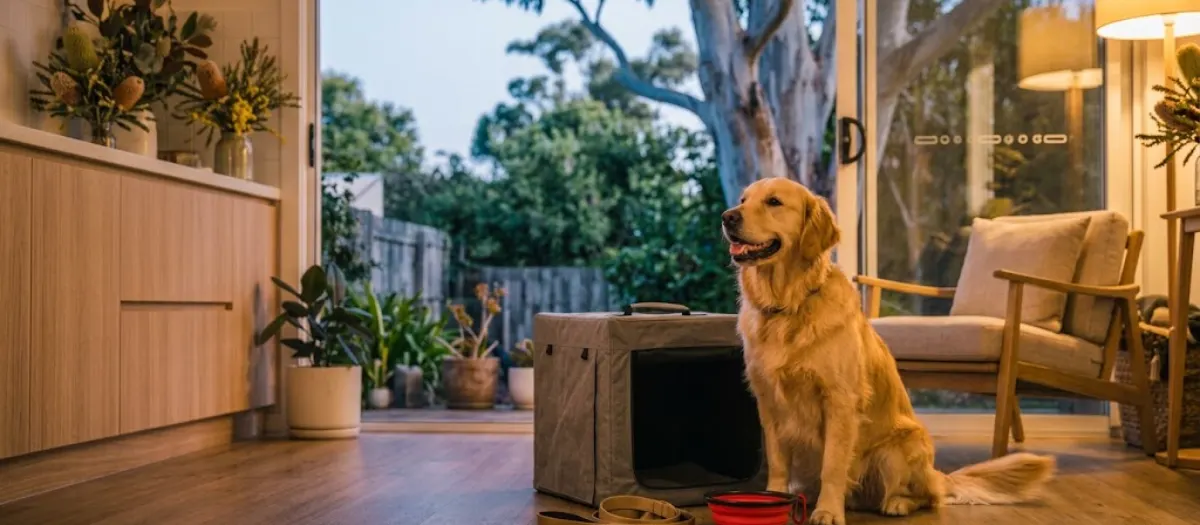
Quick answer: For dog care while you're on holiday, your options are a boarding kennel, in-home boarding at someone else's house, a pet sitter who stays at or visits your home, a friend or family member, or taking your dog along. Choose by how your dog copes with other dogs, noise and time alone, and never leave a dog home alone for days. Book early for Christmas.
Planning a trip is exciting, but working out who'll look after your dog can be stressful, especially over Christmas and the summer school holidays when everyone is going away at once. This guide compares your options, shows what to ask before you book, and covers how to help your dog cope while you're gone. If you're also wondering how to keep your dog busy while you're at work, that guide covers day-to-day absences.
Quick picks
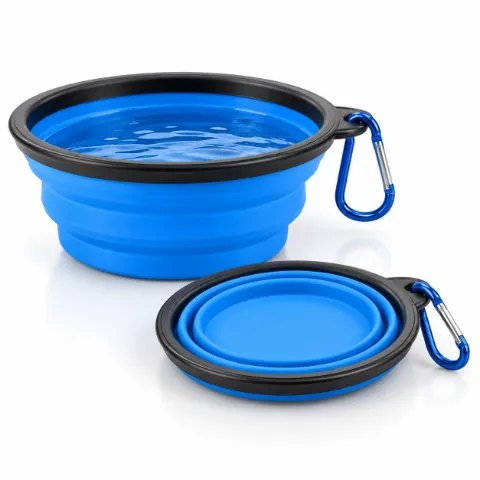
1000 ml collapsible silicone bowl
Folds to 1.7 cm and comes with a carabiner for clipping onto a bag or lead.
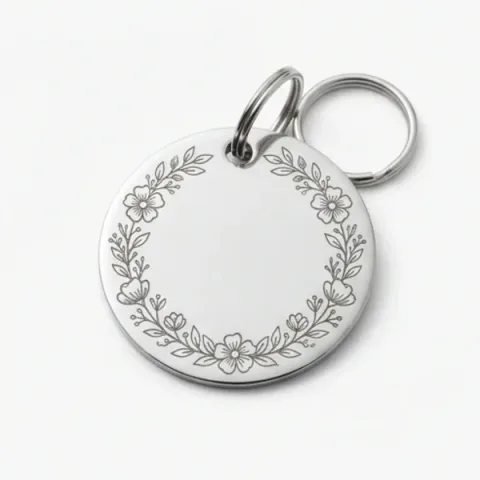
Meow the Woof deep-engraved 316L stainless tag
Goes with updated microchip details and a collar carrying your mobile number.
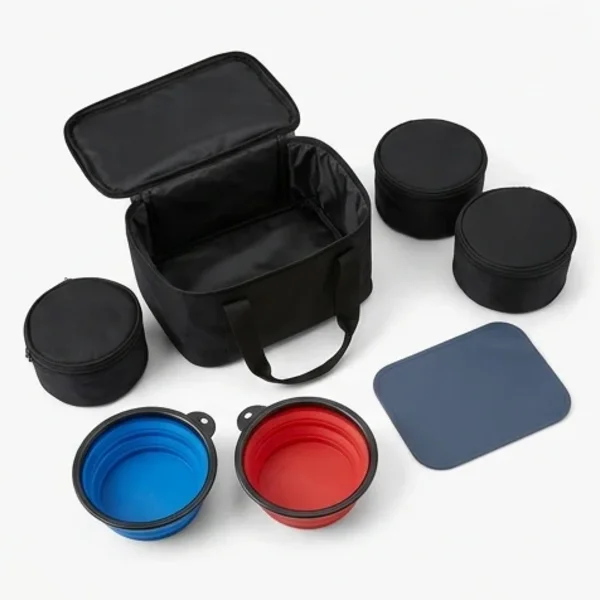
Abrimelodi 6 Set Dog Travel Bag, Large
An organiser kit keeps food, bowls and supplies together for the carer.
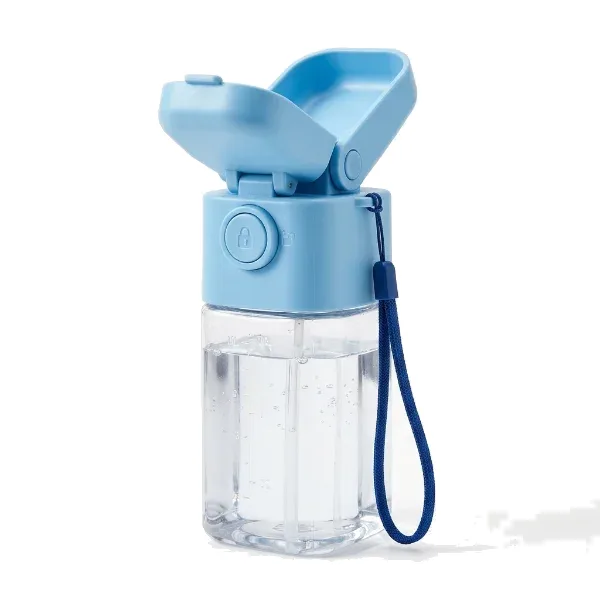
Cibaabo dog water bottle 300 ml
Handy for walks and drives if you take your dog along.
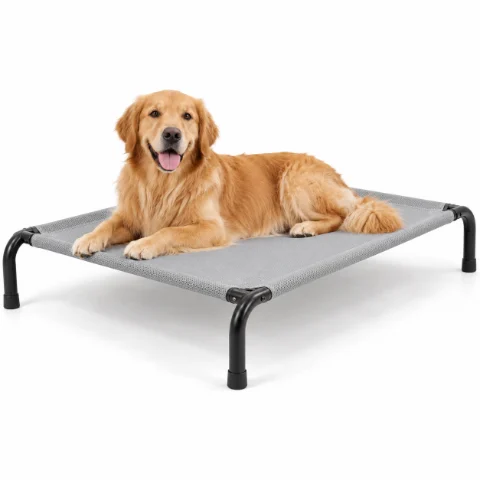
Amazon Basics Cooling Elevated Dog Bed
A raised bed lets air flow underneath, useful to leave for hot days.
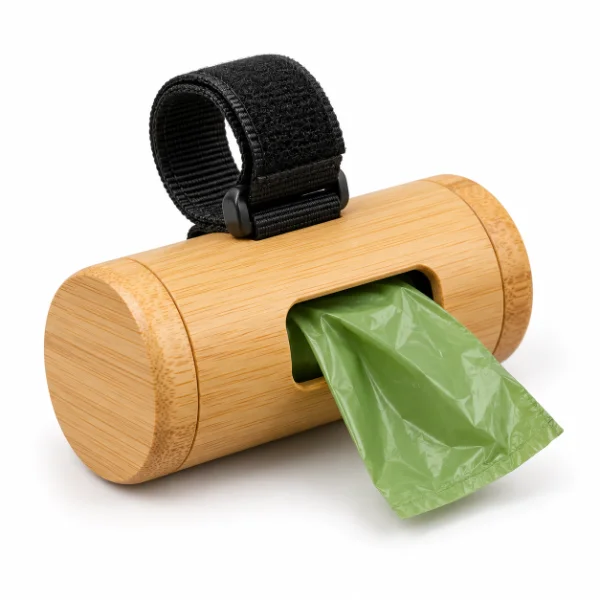
Tuff Pets bamboo poop bag holder
Keeps bags handy on walks so clean-up is easy for the carer.
Meow the Woof deep-engraved 316L stainless tag
An ID tag with your mobile number, to go with updated microchip details.
Abrimelodi 6 Set Dog Travel Bag, Large
An organiser kit that keeps food, bowls and supplies in one place for the carer.
Cibaabo dog water bottle 300 ml
Useful for walks and drives if your dog comes on holiday with you.
Amazon Basics Cooling Elevated Dog Bed
A raised bed you could leave for the carer if you're away over summer.
Tuff Pets bamboo poop bag holder
Keeps bags handy on walks so clean-up is easy for the carer.
Pictures are illustrations, not the actual products.
More detail on the bowl is in Gear that can help below, and the rest are the "You may also like" cards at the end of the row. Gear is a small extra; choosing the right carer matters far more.
Where can I leave my dog while on holiday?
You can leave your dog at a boarding kennel, in someone else's home through an in-home boarding service, with a sitter who stays in your house or visits, or with a friend or relative who knows your dog. Which is right depends on how your dog copes with other dogs, noise and being alone. Meet the carer or visit first, and book months ahead for Christmas.
| Option | How it works | Suits which dogs | What to check | Booking ahead |
|---|---|---|---|---|
| Boarding kennel | Your dog stays at a facility with runs, staff and set routines | Social, confident dogs; longer trips | Council registration, insurance, vaccination rules for every dog, whether dogs share runs, exercise plan, vet access | Book as early as you can for Christmas, January and school holidays |
| In-home boarding (someone else's home) | Your dog lives with a carer and their household for the stay | Dogs who do better with one carer than a busy kennel | Meet the carer and any other pets first, how secure the yard is, what insurance covers, who decides if your dog needs a vet | Book early, as carers take few dogs at once; do an overnight trial first |
| Pet sitter staying at your home | The sitter lives in your house for the trip | Older or anxious dogs, dogs attached to home, multi-pet homes | References, police check, insurance, overnight hours, house rules, emergency plan | Good sitters fill early over summer; meet them with your dog beforehand |
| Pet sitter visiting your home | The sitter drops in once or several times a day to feed, walk and play | Independent, settled dogs on short trips | How long each visit lasts, how many hours your dog is alone in between, backup if the sitter is sick | Book early and confirm visit times in writing |
| Family or friend | Your dog stays with them, or they stay or visit at your place | Dogs who already know and trust them | A secure yard, gates and fences, your written routine, your vet's details, the plan if they can't cope | Ask early, and agree dates before you book travel |
| Taking your dog along | Your dog travels and stays with you | Easy-going dogs who travel well | Pet-friendly accommodation, dog rules at beaches and parks, a vet nearby, car restraint | Book dog-friendly stays early, as fewer places accept dogs |
There's no single best choice. A dog who struggles when left alone usually does better with someone staying in the house than with a sitter who just visits.
Which option suits which dog?
| Your dog is... | Worth considering first | Why |
|---|---|---|
| Social, confident, loves other dogs | Boarding kennel | Company and activity, with staff on site |
| Older, anxious or attached to home | Sitter staying in your home | Familiar bed, smells and routine |
| Fine with people but not other dogs | Sitter at home or in-home boarding with no other dogs | Avoids shared runs and unfamiliar dogs |
| Has medication or a health condition | Someone who can follow your written plan, or a kennel with vet access | Doses and changes need to be noticed |
| A puppy or a very young dog | Family, a sitter at home, or a kennel once vaccinations are complete | Check timing with your vet |
| A good traveller | Take them along | Only if the accommodation and activities allow dogs |
Can a dog be left alone for 3 days?
No. A dog shouldn't be left alone for days, even with plenty of food and water out. Dogs need fresh water, meals, toilet breaks, company and someone to notice if they're unwell or a gate blows open. For a few days away, arrange a sitter who stays in your home, a trusted person who visits several times a day, or a kennel.
Booking dog care over Christmas and school holidays
Book as early as you can. Choice advises booking early for peak periods and looking at several places well ahead, and says unfamiliar dogs sharing a run is more likely when demand is high (Choice, updated 17 April 2023, read 25 November 2026). Once your travel dates are set, call your first-choice kennel or sitter, then book your vet visit.
- Book the carer first, then your vet. Kennels and sitters can fill ahead of December and January, and your vaccination check has to fit before check-in.
- Do a trial stay. RSPCA Australia suggests a short trial stay so your dog can get used to the place and you can see how they like it. Choice suggests a trial night or weekend when your dog will stay in someone else's home (RSPCA Australia, updated 14 June 2023, read 25 November 2026; Choice, updated 17 April 2023).
- Expect paperwork. RSPCA Australia says most facilities need up-to-date vaccinations, worming and external parasite control. Many Australian kennels ask for a C5 vaccination (details below), so don't wait until the week before you leave.
- Confirm in writing. Check dates, what's included (walks, medication, extra play), the cancellation terms and who to call in an emergency.
- Christmas food. Tell the carer about the foods dogs mustn't have, such as chocolate, grapes, raisins, fruit mince, pudding and cooked bones. Our toxic foods list and Christmas foods guide cover them, and the Animal Poisons Helpline is 1300 869 738 (24/7).
Questions to ask a kennel or sitter
Choosing a boarding kennel
Visit before you book. A good kennel will happily show you around. Look for:
- clean, secure runs with shade, shelter and fresh water
- staff who ask about your dog's food, health, medication and habits
- a clear plan for exercise, play and time out of the run
- a vet they use, and what they do if your dog gets sick
- proof of vaccination asked of every dog, not just yours
- whether your dog could share a run with unfamiliar dogs, which Choice calls "dog stacking", whether someone is on the premises after hours, and what exercise or play costs extra
- whether the kennel is registered with the council and has insurance (Bow Wow Insurance suggests checking both)
- the cancellation and refund terms, which Choice says vary
RSPCA Australia also suggests asking about daily routines (food, exercise, one-on-one time, play and cleaning), getting referrals from other owners, and arranging a short trial stay (RSPCA Australia, updated 14 June 2023; Choice, updated 17 April 2023; Bow Wow Insurance, updated 28 October 2025).
Choosing a kennel that requires full vaccination of every dog lowers the risk of your dog getting sick during their stay (Vetwest).
Vaccinations kennels ask for
Most Australian kennels ask for an up-to-date C5 vaccination, and the Australian Pet Care Association's boarding guide sets C5 as the minimum (Kip Pet Resorts, Australian Pet Care Association guide). A C5 covers parvovirus, distemper and hepatitis, plus parainfluenza and Bordetella, two causes of canine cough (Walkerville Vet). Our kennel cough guide explains what it is and what to do if your dog starts coughing.
Protection isn't instant. PetSure's vet advice is to vaccinate two to three weeks before a high-risk stay like a boarding kennel (PetSure), and an overdue adult dog on an injected C5 may need a second canine cough dose about four weeks later (Walkerville Vet). So book your vet visit well ahead, and ask your vet what timing suits your dog. Bring your vaccination certificate, and check whether the kennel also asks about flea, tick and worming treatments.
Choosing a pet sitter
If you're using a sitter, meet them with your dog before you book, and ask:
- how long they'll spend with your dog each day, and whether they'll stay overnight
- whether they've cared for dogs like yours, including any health needs
- what they'll do in an emergency, and whether they can get to your vet
- who can make decisions about your dog's care if you can't be reached
- whether they have references, and whether they're insured
Do a short trial, like a day or a weekend, so your dog gets to know them and you can see how it goes.
Pet-sitting websites and in-home boarding
Websites that connect you with sitters, or with people who board dogs in their own homes, sit between a kennel and a friend. Choice names Mad Paws, PawShake, PetCloud and Don't Fret Pet as examples, and warns that vetting varies and reviews can be falsified, so do your own checks (Choice, updated 17 April 2023).
- Sitter in your home: Choice suggests checking references and police checks, meeting the sitter first, and leaving house rules, a walk map and emergency contacts.
- Dog in someone else's home: Choice suggests a first meeting on neutral ground, a look at how secure the home is, and finding out about other pets there. Bow Wow Insurance suggests asking carers how they manage other animals in their care (Bow Wow Insurance, updated 28 October 2025).
- Either way: do a short overnight trial, and give written instructions and your vet's details.
What if something goes wrong?
Ask whether the kennel, sitter or platform has public liability insurance and what it covers. Choice says policies often exclude things like damage to the host's property and pre-existing conditions, and that refunds depend on the sitter and how much notice you give. If you have pet insurance, keep your policy details handy for the trip, as Bow Wow Insurance suggests.
If your dog finds it hard to be apart from you
Some dogs struggle when their people go, and a long trip can be a lot to ask. RSPCA Australia describes separation anxiety as distress when a dog is parted from the people it's attached to, with signs such as toileting indoors, destructive chewing, excessive barking, digging or pacing, and escape attempts (RSPCA Australia, 17 August 2021). One sign on its own doesn't tell you much, so think about when and how often it happens. If this sounds like your dog, talk to your vet before a long trip: a vet may help directly or refer you to a behaviour specialist who uses reward-based training.
Our separation anxiety guide explains what helps at home, and our guide to whether your dog is bored or anxious can help you tell the difference. RSPCA Australia also notes that a trusted sitter who stays in your home may suit animals stressed by a new place or other animals (RSPCA Australia, updated 14 June 2023). Comfort items and a familiar routine can help, but they don't treat anxiety.
How to prepare your dog for their first stay
Start small. Try a day visit, then one night, before you book a longer stay. Pack your dog's usual food and something that smells of home. When your dog comes back, notice how they ate, slept and settled over the next day or two. If they seemed very unsettled, a sitter in your own home may suit them better next time.
How will I know my dog is coping?
Ask the carer for a quick message or photo each day. A dog who is eating, drinking, toileting normally and settling to sleep is a good sign. Look at the pattern rather than one moment: refusing food over several meals, constant pacing or hiding, or toilet changes are worth a call to the carer, and to your vet if they continue.
Holiday pet care: what about cats?
Cats need daily care too, even though they cope with a few hours alone better than most dogs. A sitter who visits once or twice a day usually suits a cat better than a cattery, and an automatic feeder covers meals between visits but never replaces a person checking water, litter and health. Our automatic cat feeder guide explains how long a cat can really be left.
What to pack and leave with the carer
Put it all in one bag or box, with a written note on top:
- Food: enough for the whole stay plus a few extra days, with the amount for each meal written down, so their tummy isn't upset by a sudden change
- Medication: with the dose and times your vet gave you, and the dates flea, tick and worming treatments are due
- Vet details: your vet, a 24-hour emergency vet, and a note saying the carer can get treatment for your dog and how you'll pay
- ID: microchip details updated on the register, and a collar with an ID tag and your mobile number (see our dog ID tags guide)
- Bed and a favourite toy, or an unwashed T-shirt that smells like you
- Lead and harness
- Bowls and water bottle, and poop bags so clean-up is easy for the carer
- Your dog's routine: meals, walks, toilet times, bedtime, and anything they're scared of or mustn't eat
- Your contacts: your mobile and a local backup person
A few more things before you go:
- Tell your vet who'll be caring for your dog.
- Plan for hot days and storms if you're away over summer: shade, water and a safe indoor spot. See keeping your dog cool in summer, our best dog cooling mats if you'd like to leave one for the carer, and dogs scared of storms or fireworks.
- Add a few dog enrichment ideas the carer can use. Chews, lick mats and puzzle toys need supervision, so tell the carer to stay with your dog.
- Keep goodbyes calm and short, so leaving isn't a big event.
An organiser kit can keep it all in one place; see our dog travel bag guide.
Taking your dog with you
If your dog travels well, a holiday together can be great fun. Book pet-friendly accommodation and check its rules, find a vet near where you're staying, and check which beaches, parks and national parks allow dogs, because many don't. Pack water and a bowl for the trip, stop for breaks every couple of hours, and never leave your dog in a parked car (see leaving a dog in a car). If your dog gets queasy on long drives, see our guide to dog car sickness.
If you're travelling interstate or to areas with paralysis ticks, ask your vet about tick prevention before you go. See our paralysis tick guide.
When you get home
Expect your dog to be tired, extra thirsty, or a little unsettled for a day or two. Get back into your normal routine of meals, walks and play. Some dogs pick up a mild cough after boarding; if it lasts more than a few days, or your dog seems unwell, see your vet.
When to see your vet
Book a check-up before you go if your dog is due for vaccinations, needs medication refilled, or has a health condition the carer must manage. After you're home, see your vet if your dog has a cough that lasts more than a few days, is off their food, has vomiting or diarrhoea, or seems lethargic or unwell. If your dog shows signs of tick paralysis after a trip, such as a change in bark, gagging or wobbly back legs, go to a vet straight away.
Gear that can help
You don't need much. This is a handy extra, compared on specs and listings; we haven't used it ourselves.
A collapsible travel bowl for trips, walks and drives. The listing for this 1000 ml collapsible silicone bowl gives it as 17.5 cm across and 7 cm high when open, 1.7 cm when folded, and 0.06 kg. It says the bowl comes with a carabiner for clipping onto a bag or lead, and that it's dishwasher safe. Our collapsible dog bowl guide compares more options.
Our picks are research based, not products we've personally tested. We compare the specifications and features on each Amazon Australia listing, checked on 25 November 2026. Availability and prices can change.
Frequently asked questions
Do dogs get sad when their owners go on holiday?
Some dogs may be unsettled when their people go away. RSPCA Australia notes that some animals find a new place or other animals stressful, and that a trusted sitter at home may suit them better. Familiar food, a bed and a routine can help, and a short trial stay shows how your dog copes.
What vaccinations does my dog need for boarding?
Most Australian kennels ask for an up-to-date C5 vaccination, which covers parvovirus, distemper, hepatitis and two causes of canine cough. Protection isn't instant, so see your vet a few weeks before check-in (two to three weeks ahead is a common guide), ask what timing suits your dog, and bring the certificate.
When should I book a kennel or pet sitter for Christmas?
As early as you can. Choice advises booking early for peak periods, and kennels and sitters can fill months ahead for December and January. Once your dates are set, call your preferred kennel or sitter, then book your vet visit for a few weeks before the stay.
Is a kennel or a pet sitter better?
It depends on your dog. Social, confident dogs often enjoy a good kennel. Older or anxious dogs, and dogs who don't like other dogs, often do better with a sitter in their own home. Either way, visit or meet them first and do a short trial stay before a long trip.
How do I take my dog on holiday with me?
Book pet-friendly accommodation and read its rules, check which beaches, parks and national parks allow dogs, and find a vet near where you're staying. Pack your dog's food, water, a bowl, lead and bed. Restrain your dog in the car, stop every couple of hours, and never leave them in a parked car. Our dog car restraint guide explains the rules and the safest options.
Is boarding bad for dogs?
No, many dogs cope well in a good boarding kennel. Some find the noise and change stressful, especially older, anxious or very attached dogs. A short trial stay before a long trip shows you how your dog copes, and a sitter who stays in your home can suit dogs who struggle.
How much does dog boarding cost?
It varies a lot by city, the size of your dog, the season and what's included, and prices usually rise over Christmas and school holidays. Ask each kennel or sitter for a quote, and check what it covers, such as walks, medication and extra playtime.
Do kennels take puppies?
Many do, once the puppy has finished their puppy vaccinations and the kennel's required waiting time has passed. Ask the kennel what they need, and check with your vet about timing well before you travel. Our puppy vaccination schedule explains when the course is complete.
Related guides
- Puppy vaccination schedule in Australia
- Best dog travel bags
- Kennel cough in dogs
- Dog separation anxiety: signs and what helps
- Dog car sickness: signs, tips and what helps
- Dog car restraints: the law and the safest way to travel
- Is my dog bored, or is it something else?
- Dog scared of storms or fireworks?
- How to keep your dog busy while you're at work
- Aussie Seasons: seasonal care for dogs and cats
Sources
- Vetwest: Boarding your dog or cat and vaccinations
- Kip Pet Resorts: Australian Pet Care Association, Boarding your dog (PDF)
- RSPCA Australia Knowledgebase: How can I find a good boarding facility for my companion animal? (updated 14 June 2023, read 25 November 2026)
- RSPCA Australia: Is your dog anxious when you're not home? (17 August 2021)
- Choice: Holiday pet care, boarding and in-home pet sitters (updated 17 April 2023, read 25 November 2026)
- Bow Wow Insurance: Finding the perfect pet care option for the holidays (updated 28 October 2025)
- RSPCA Australia: What you need to know about pet vaccinations
- Walkerville Vet: C3 vs C5? Vaccines dogs need and how often
- PetSure: Canine cough and the importance of vaccination
- Product details from each linked Amazon Australia listing, checked on 25 November 2026.
This guide provides general information and isn't a substitute for veterinary advice. If you're concerned about your dog's health or wellbeing while you're away, speak with your vet.