Quick answer: The puppy vaccination schedule in Australia starts with the core C3 vaccine at 6 to 8 weeks, repeated every 2 to 4 weeks, with the final dose at 16 weeks or later. The C5 adds two kennel cough agents. Your vet sets dates by brand, and routine walks wait 10 to 14 days after the last vaccination (RSPCA, Greencross).
The first months with a new puppy are a puzzle of vet visits, "not yet" and "carry them". This guide lays out what each vaccine covers, how the timing works, what is fine before the course is finished, and what else to line up at home, including a safe den, as in our puppy crate guide.
Quick picks
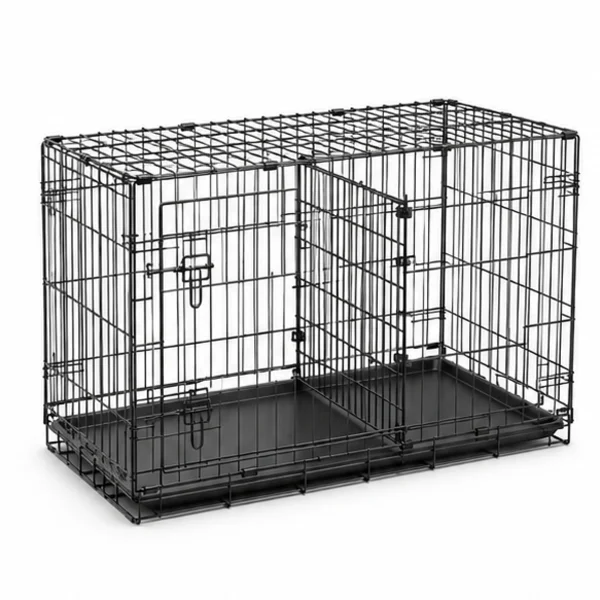
MidWest iCrate 30 inch folding crate with divider
The divider shrinks it for a small puppy; the listing gives about 76 x 48 x 53 cm.
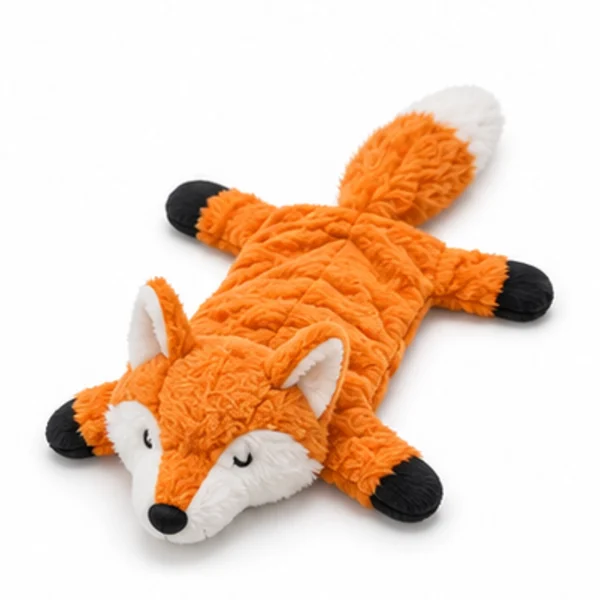
Best Pet Supplies crinkle duck, no stuffing, yellow
A soft carry-and-crinkle toy about 38 cm long, with no stuffing.
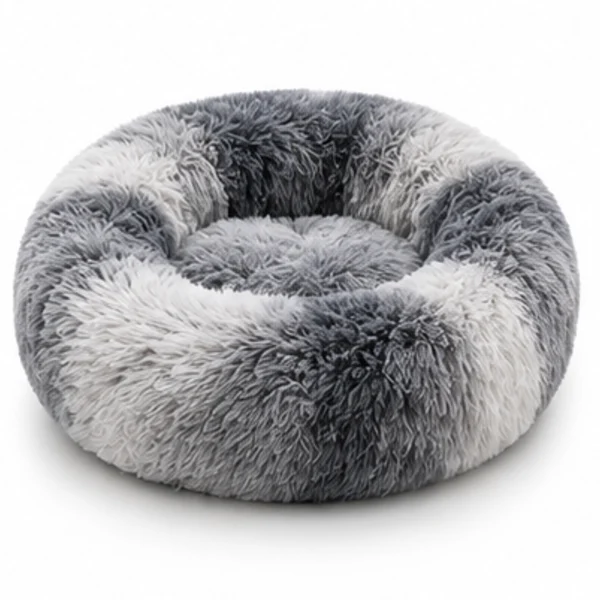
MidWest Ombré Swirl plush bed, 24 inch
A flat bed of about 58 x 46 cm that fits a 24 inch crate and is machine washable.
ALLSOPETS portable fabric playpen
Gives a puppy a contained spot at home while walks aren't allowed yet.
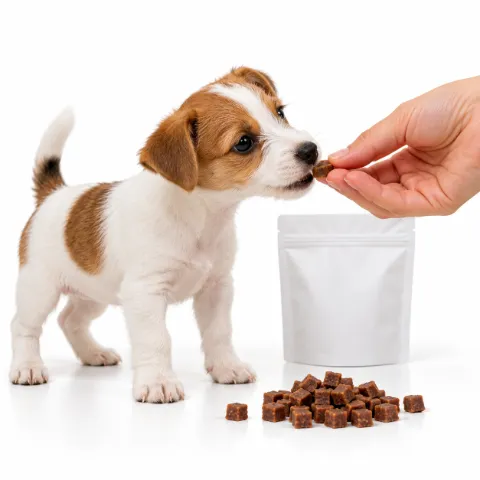
SavourLife Puppy Training Treats, Australian Chicken, 165 g
Small treats for short training sessions in the weeks before walks.
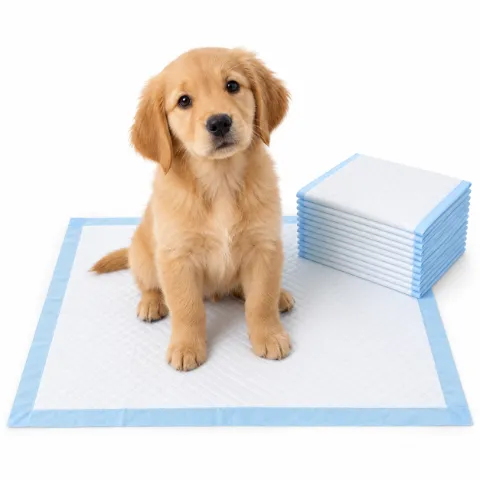
Amazon Basics Pee Pads, Heavy Duty, 50 pack
Handy while your puppy learns toilet training at home.
ALLSOPETS portable fabric playpen
A contained play space at home while walks aren't allowed yet.
SavourLife Puppy Training Treats, Australian Chicken, 165 g
Small treats for short training sessions at home.
Amazon Basics Pee Pads, Heavy Duty, 50 pack
Useful while your puppy learns toilet training indoors.
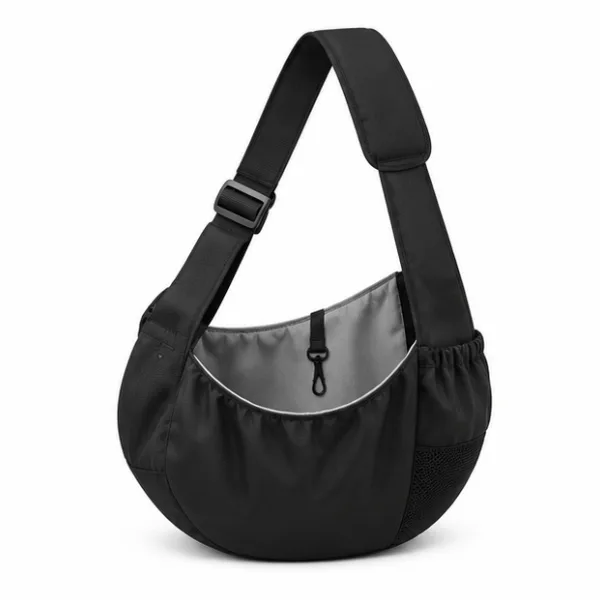
Reversible hands-free sling
A way to carry a small puppy for exposure to sights and sounds before the course is finished, without putting them on the ground.
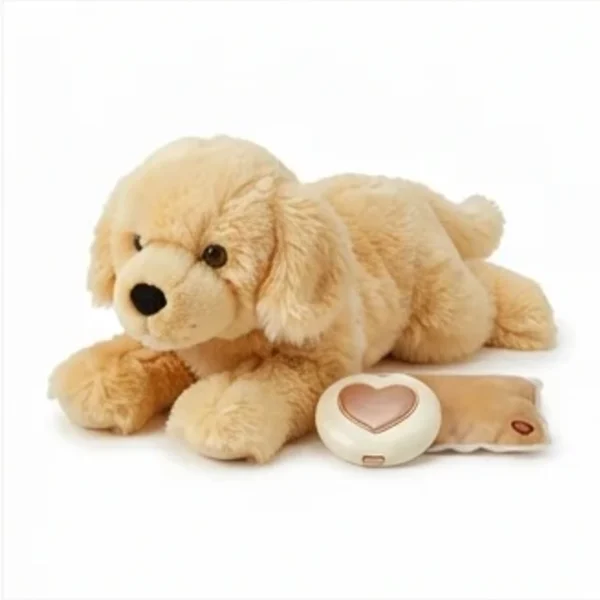
SmartPetLove Snuggle Puppy, original size
A soft companion for a puppy settling into a new home.
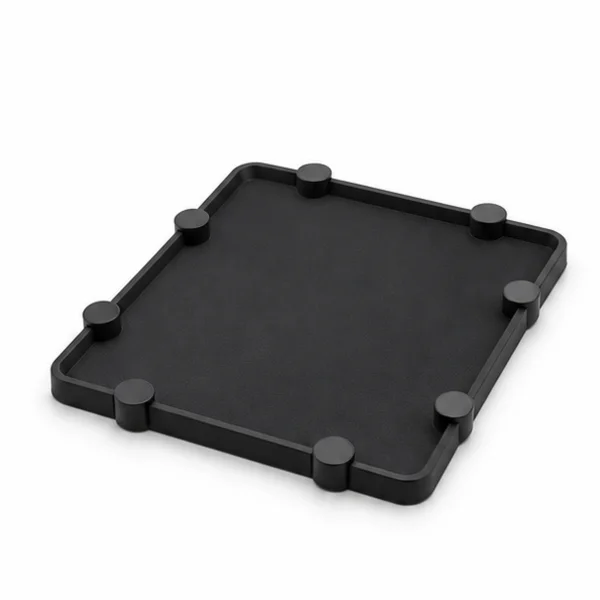
VavoPaw 60 x 60 cm silicone pad holder with 8 clamps
Keeps puppy pads in place so toilet training indoors is tidier.
Pictures are illustrations, not the actual products.
More detail on the first three is in Useful gear for the weeks before walks below, and the rest are the "You may also like" cards at the end of the row. These are tools within a routine, and your vet sets the vaccination plan.
What vaccinations does a puppy need in Australia?
Every puppy needs the core C3 vaccine, which covers canine distemper, adenovirus (hepatitis) and parvovirus. The C5 adds parainfluenza and Bordetella, the kennel cough agents, for puppies who will meet other dogs. Leptospirosis is an extra your vet recommends by where you live (AVA, RSPCA Australia).
| Vaccine | Diseases covered | Core or non-core | Who needs it | How it's given |
|---|---|---|---|---|
| C3 | Distemper, adenovirus (hepatitis), parvovirus | Core: the AVA says core vaccines "should be administered to all animals" | Every puppy | Injection |
| C5 | The C3 diseases plus parainfluenza and Bordetella | The C3 part is core; the cough part is non-core (AVA, RSPCA) | Puppies who regularly meet other dogs: parks, day care, puppy school, boarding (RSPCA) | Cough part by intranasal or oral single dose, or two injections (RSPCA, Walkerville Vet) |
| Leptospirosis | Leptospirosis | Non-core: by location, water, livestock or rodent contact | Puppies in higher-risk areas; Walkerville Vet says it is only needed in certain parts of Australia | Two injections 4 weeks apart (RSPCA) |
What is the puppy vaccination schedule?
Core vaccination typically starts at 6 to 8 weeks and repeats every 2 to 4 weeks, with the final dose at 16 weeks or later (AVA). The RSPCA's example is 8, 12 and 16 weeks. Clinics differ because vaccine brands differ, so your vet sets your puppy's dates.
| Age | AVA policy | RSPCA Australia example | Greencross | University of Sydney | Why your vet may differ |
|---|---|---|---|---|---|
| 6 to 8 weeks | Course starts | First core dose | First dose (distemper, hepatitis, parvovirus) | Course starts | Some brands start at 6 weeks, others at 8 (Walkerville Vet) |
| 10 to 12 weeks | Repeat every 2 to 4 weeks | Second dose (about 12 weeks in the example) | Booster that adds parainfluenza and Bordetella | A series every 2 to 4 weeks | Brand protection dates differ |
| 14 to 16 weeks | Final dose not earlier than 16 weeks | Third dose at 16 weeks | Final puppy dose; the cough part may not be needed again, depending on brand | Until around 16 weeks | Walkerville Vet gives a 16-week "safety net" dose to all puppies |
| 6 months on | First adult booster about 12 months after the last puppy dose; WSAVA allows it from 6 months | Booster at 6 months, or a blood test | Yearly boosters | Not covered | Your vet decides |
Why 16 weeks? The AVA says some labels allow a 10-week finish, but a final dose at 16 weeks is good practice where environmental risk is high. Walkerville Vet describes the 16-week dose as a "safety net" in line with WSAVA guidelines. If your puppy's schedule ends earlier or later than a friend's, the brand is the usual reason.
When can my puppy go outside and meet other dogs?
Carry your puppy outside before the course is finished. The RSPCA says routine walks start at least 14 days after the last vaccination, and Greencross says new people and places 10 to 14 days after. Both defer to your vet, so ask for your puppy's date and don't count from the calendar.
Don't wait in a bubble, though. The RSPCA's knowledgebase puts the critical socialisation window at approximately 2.5 to 14 weeks, and its 2021 blog (cited on our checklist page) gives 3 to 17 weeks, so think of it as roughly the first 3 to 4 months. The RSPCA says the AVA considers infection risk low for most puppies with adequate precautions, and that the benefits usually outweigh the risks (RSPCA Australia).
| Activity | Before the course is finished | After the last dose plus 10 to 14 days | Source |
|---|---|---|---|
| Carried outside to see the world | Yes, carried, not put down in public | Yes | RSPCA |
| Indoor puppy preschool | Usually yes: the RSPCA says the AVA considers a well run, clean class no risk to puppies not yet fully vaccinated | Yes | RSPCA, University of Sydney (needs the first vaccination only), Greencross |
| Visits at home from healthy, fully vaccinated dogs | Yes | Yes | RSPCA |
| Your own yard | Ask your vet; no source we read sets a rule, so be cautious about spots other dogs use | Yes | Our view, ask your vet |
| Footpath and neighbourhood walks | Wait | Yes, per your vet | RSPCA, Greencross |
| Parks and dog beaches | Wait; avoid unknown dogs | Yes, per your vet | RSPCA, Greencross, Walkerville Vet |
| Day care and boarding | Ask your vet; kennels ask for a current C5 (see our holiday care guide) | Ask the venue | Our holiday page |
| Groomer or dog wash | Ask your vet first | Ask your vet | Walkerville Vet: avoid public areas until fully protected |
Does my puppy need the C5 kennel cough vaccine?
Many do. The C5 adds parainfluenza and Bordetella for puppies who will meet other dogs at puppy school, parks, day care or boarding. The RSPCA says it is usually a single intranasal dose with the second C3, then yearly. Cornell's canine health centre says a vaccine can lessen the severity of symptoms rather than prevent infection, so the C5 reduces kennel cough rather than guaranteeing protection.
Boarding venues often want a current C5, so book that chat before holidays. Our kennel cough guide covers the signs, and the holiday care guide covers what boarding places expect.
What happens at each vaccination visit?
Expect a physical check and a chat about growth, diet and parasite control. The University of Sydney's hospital says a first visit may include a full exam, a parasite risk review and vaccination planning. The RSPCA suggests asking about vaccination, worming and external parasite control together.
- Worming: makers' puppy schedules start from 2 weeks. Our dog wormer guide has them, and your vet can set the plan.
- Fleas and ticks: labels start at about 7 to 8 weeks, with minimum weights as well. Our puppy flea treatment guide lists each label.
- Microchip and registration: our new puppy checklist has the RSPCA table. The University of Sydney says a microchip is permanent identification linked to registration.
- Questions to bring: which vaccine brand, when the course ends, when walks start and whether the C5 or leptospirosis suits your puppy. Ask what to watch for after a vaccination.
How often do adult dogs need boosters?
It depends on the vaccine and your vet. The AVA permits core boosters every three years where risk doesn't call for more, and says many non-core vaccines need yearly doses. Greencross says yearly boosters for life. Both views exist, so ask your vet which vaccine your dog had and what schedule suits them.
The RSPCA also says adult core vaccines are every 1 to 3 years depending on the vaccine, or guided by blood tests. Walkerville Vet notes some products are triennial (Duramune, Nobivac) and others annual (Canigen, Canvac, Protech), so ask which one your dog had.
What else matters in the first months at home?
Vaccination visits sit alongside worming, flea cover, a safe place to sleep, toys and training. The RSPCA suggests a cosy, dry sleeping spot with soft bedding, plus a water bowl your puppy can't chew or knock over. This table puts it all on one timeline, with the vet visits first.
| Age band | Vet visits and vaccines | Worming | Flea and tick cover | Crate and bed | Toys and chewing | Training and socialising |
|---|---|---|---|---|---|---|
| 7 to 8 weeks | First dose and health check | Per the makers' schedules from 2 weeks, see the wormer guide | Labels from about 7 to 8 weeks, see the puppy flea guide | A puppy crate and a flat washable puppy bed | A few soft puppy toys | Carry outside; start toilet training |
| 8 to 12 weeks | Second dose, C5 chat | Ask your vet | Ask your vet | Divider in, collar off | Redirect nipping with toys, see puppy biting | Indoor puppy preschool if your vet agrees |
| 12 to 16 weeks | Final dose at 16 weeks or later | Ask your vet | Ask your vet | Check the divider weekly | Teething begins, see puppy teething toys | Keep socialising within your vet's limits |
| 16 weeks to 6 months | Walk date from your vet, booster plan | Ask your vet | Year-round per your vet | Move the divider back as your puppy grows | Chews on rotation | See the puppy training schedule |
Useful gear for the weeks before walks
A few simple things make the stay-at-home weeks easier. These are tools within a routine, and none replaces your vet's advice. Pet shops and vet clinics also sell this type of gear.
- MidWest iCrate 30 inch folding crate with divider: a den for the weeks before walks are allowed. The divider shrinks it for a small puppy, and the listing gives about 76 x 48 x 53 cm for adults of about 11 to 18 kg. Imported, so check the delivery details on Amazon before you order. It's the winner in our puppy crate guide.
- Best Pet Supplies crinkle duck, no stuffing, yellow: a soft carry-and-crinkle toy about 38 cm long for indoor play. The listing says it has no stuffing and isn't edible; bin it once a seam opens, which is VCA's rule for any plush toy. See our puppy toys guide.
- MidWest Ombré Swirl plush bed, 24 inch: a flat bed of about 58 x 46 cm that the listing says fits a 24 inch crate and is machine washable. Remove it if your puppy starts pulling the fur. See our puppy bed guide.
When to see a vet
Ring your vet the same day, or an after-hours clinic, if your puppy:
- vomits repeatedly or has diarrhoea, especially if it is bloody
- is lethargic, won't eat or seems weak
- starts coughing, or has a runny nose or eyes
- was exposed to an unwell or unvaccinated dog before the course was finished
Never give human medicines, because many are dangerous for dogs. Ask your vet what to watch for after each vaccination, and ring the clinic straight away if anything seems wrong in the hours afterwards. See RSPCA Australia and the AVA policy; your vet sets the protocol.
Frequently asked questions
Can a puppy go outside before vaccinations are finished?
Yes, if you carry them, but not onto the ground in public areas, parks or beaches. The RSPCA says carrying lets an unvaccinated puppy still see the world. Ask your vet about your own yard, and when walking can start.
How long after the last vaccination is my puppy protected?
It takes time. Greencross says protection needs 1 to 2 weeks after the final injection, and the RSPCA says routine walks start at least 14 days after the last vaccination. Treat that as a minimum and ask your vet for your puppy's date.
Can puppy school start before the vaccinations are complete?
Often yes. The University of Sydney says puppies need only their first vaccination to join its classes, and Greencross says puppies from 8 weeks are eligible. The RSPCA says the AVA considers a clean, well run class no risk. Ask the school what it requires.
Does my puppy need a vaccination at 6 months?
Possibly. The RSPCA recommends a booster at 6 months, or a blood test at least 4 weeks after the last puppy dose, to check a protective response developed. The AVA says the first adult booster is traditionally about 12 months after, though WSAVA allows 6 months. Your vet decides.
What if my puppy missed a vaccination or I don't know their history?
Book a vet visit rather than guessing. The RSPCA says a dog 26 weeks or older with an unknown history likely needs a single core dose, but a vet confirms. Younger puppies with a missed dose may need the course adjusted. Your vet works out what's needed.
Does my puppy need the leptospirosis vaccine?
Only some do. The RSPCA calls it non-core, based on where you live and contact with water, livestock or rodents. Walkerville Vet says it is only needed in certain parts of Australia. It is usually two injections 4 weeks apart. Ask your vet whether it suits your area.
Can a vaccinated puppy still catch parvovirus or kennel cough?
No vaccine covers every cause of kennel cough, and the C5 lessens it rather than guaranteeing protection (see our kennel cough guide). Distemper, parvovirus and hepatitis are the C3 diseases. A vaccinated puppy who starts coughing or vomiting still needs a vet.
Do I need a vaccination certificate for puppy school or boarding?
Usually, yes. Puppy school asks for proof of at least the first vaccination (University of Sydney, Greencross), and boarding kennels typically ask for a current C5, as our holiday care guide explains. Ask the venue what they need, and keep your puppy's vaccination record handy.
Related guides
- Best puppy crate
- Best puppy toys
- Best puppy bed
- Puppy flea treatment
- New puppy checklist
- Kennel cough in dogs
- Crate training a puppy
- Puppy training schedule
Sources
- Australian Veterinary Association: Vaccination of dogs and cats (policy ratified 6 August 2018, page read 19 November 2026)
- RSPCA Australia Knowledgebase: What vaccinations should my dog receive? (updated 5 March 2026, page read 19 November 2026)
- RSPCA Australia Knowledgebase: How can I socialise my puppy? (updated 7 February 2023, page read 19 November 2026)
- RSPCA Australia Knowledgebase: What should I do when I bring home a new puppy? (updated 30 July 2024, page read 19 November 2026)
- Greencross Vets: The Complete Guide to Puppy Vaccinations in Australia (page read 19 November 2026)
- University of Sydney, University Veterinary Teaching Hospitals: New puppy care (page read 19 November 2026)
- Walkerville Vet: What Vaccines Do Dogs Need? (page read 19 November 2026)
- Cornell Riney Canine Health Center: The risks of kennel cough (page read 19 November 2026)
This guide provides general information and isn't a substitute for veterinary advice. If you're concerned about your puppy's vaccinations or health, speak with your vet.