Best puppy toys: a first toy kit by age, from 8 weeks to 6 months
By Anish PuriUpdated 19 Nov 202615 min readResearched, not tested by us
Research guide. WhiskerFinds may earn a commission from links, at no extra cost to you.
Quick answer: The best puppy toys for a first kit are a soft toy with no stuffing, a tug-and-fetch toy and a few light plush toys on rotation, and the Best Pet Supplies crinkle duck is our top pick. Choose toys too big to fit fully in the mouth, soft enough to dent with a fingernail, and always supervise.
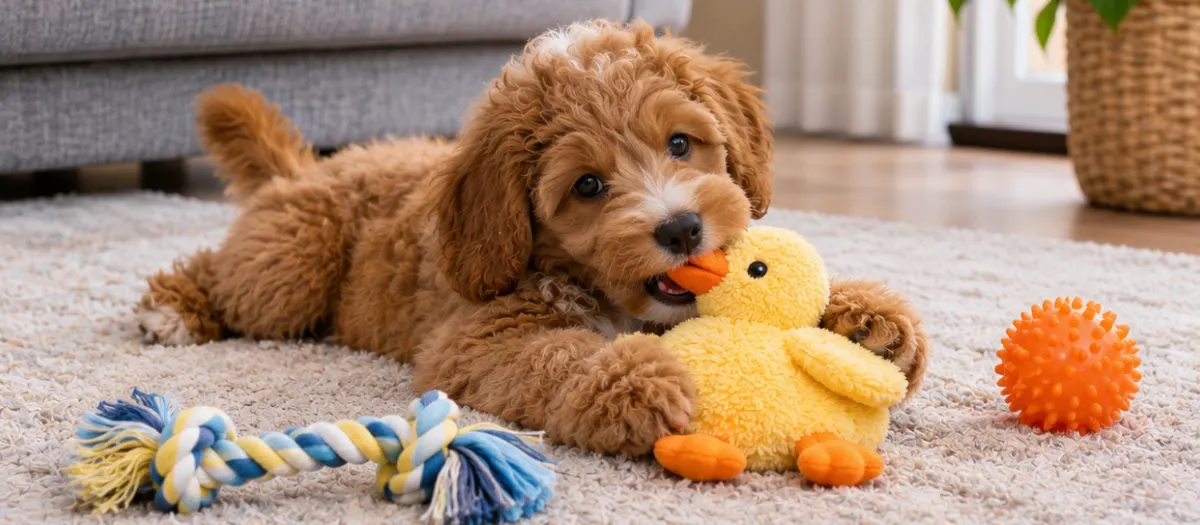
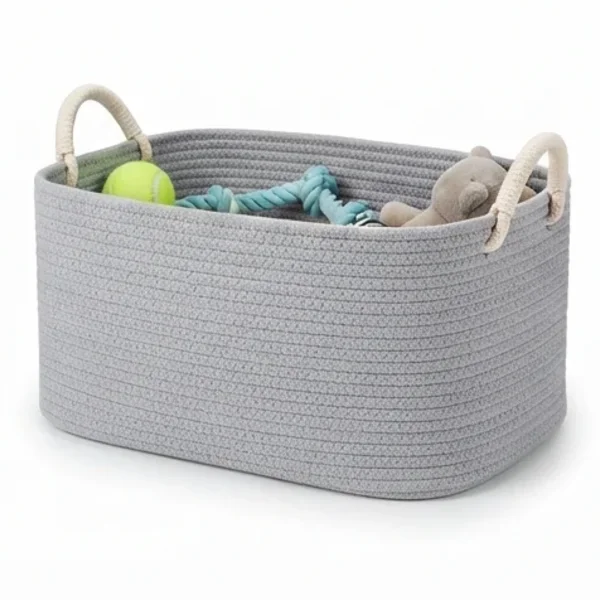
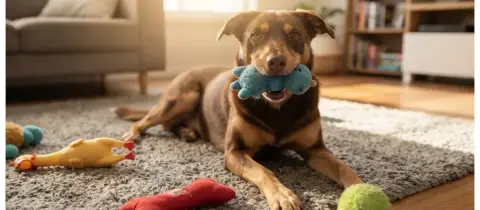
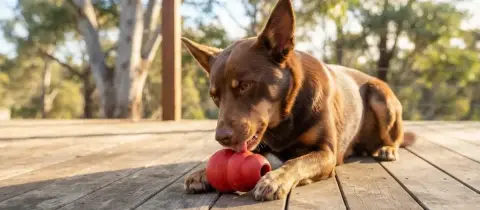
Illustration, not the actual product
Our top pickBest Pet Supplies crinkle duck, no stuffing
Your puppy needs a few toys that do different jobs: something soft to carry and settle with, something to tug and chase, and something safe to chew. This guide compares six toys on Amazon Australia by size in centimetres, adds one chew-style add-on, and keeps the safety checks front and centre. If your main worry is sore gums, start with our puppy teething toys guide, because chews live there. For the rest of the first weeks, see our puppy vaccination schedule for when outings can start, and our puppy crate guide and puppy bed guide for where the toys will be used.
Quick picks
Our top pickBest overall
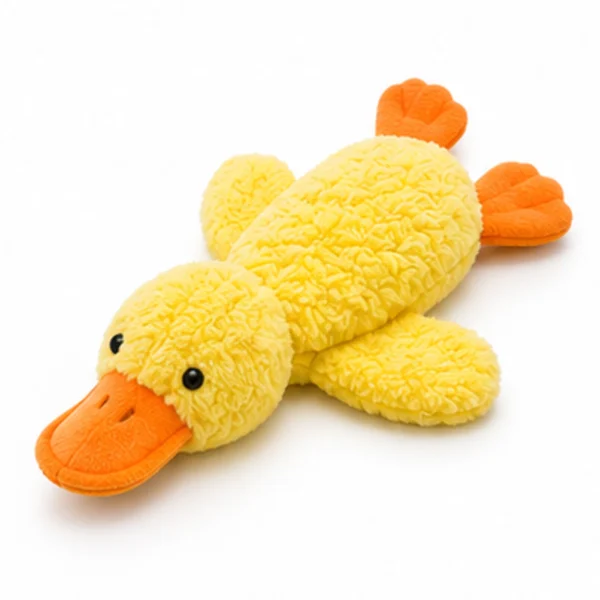
Best Pet Supplies crinkle duck, no stuffing
No stuffing to swallow, about 38 cm long, easy to carry
A soft duck with no stuffing, a built-in squeaker and crinkle paper inside. The listing says it is about 38 cm (15 in) long, comes in six colours, and is made with reinforced fabric and stitching. It's light enough for a small puppy to carry and long enough for a medium one. A blue version is on a separate listing.
The listing makes claims about stress and separation anxiety. We don't repeat them: a toy isn't a treatment, and our separation anxiety guide covers what helps. The listing says the toy isn't edible. Check the seams and bin it once torn, which is VCA's rule for any plush toy.
Pros: no stuffing to swallow when a seam goes; about 38 cm long; squeaks and crinkles; six colours
Cons: fabric can still be shredded by a determined puppy; washing isn't stated
Best for: a comfort-and-carry toy from 8 weeks
Skip it if: your puppy shreds fabric fast (go to rubber, via our teething guide)
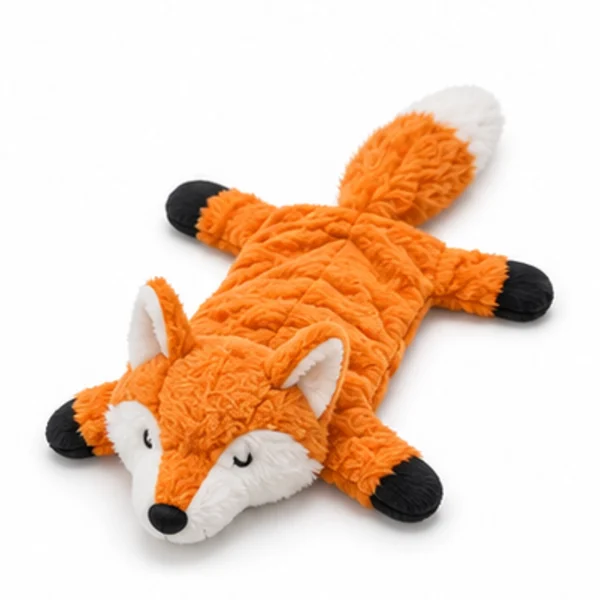
One box that covers plush, rope and a first food toy. The listing says four squeaky plush toys (including a fox with no stuffing, a squeaker and crinkle paper), three rope toys, one treat ball and some poop bag rolls, made for small puppies. The listing gives no sizes in cm, so check the size image before ordering.
Rope is for supervised use and goes in the bin once it frays (VCA). Treat-ball food counts toward the 10% treat allowance VCA gives (VCA Animal Hospitals, "Dog treats", updated 26 September 2024), as on our dog treats guide. The listing calls its materials "natural and high quality", which is the brand's claim, and says to supervise if your dog is an extremely aggressive chewer. The other plush pieces follow the stuffed-toy rule in pick 4.
Pros: plush, rope and a treat ball in one set; includes a no-stuffing fox; small-puppy sizing
Cons: no sizes in cm stated; stuffing in some pieces is not confirmed; rope needs supervision
Best for: a first kit for a small puppy
Skip it if: you have a medium or large-breed puppy, because the pieces are sized small
3. Chuckit! Ultra Tug, small: best tug and fetch toy
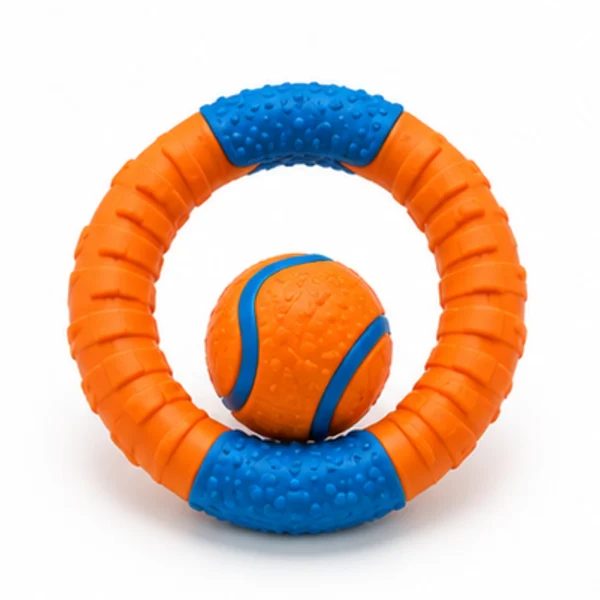
A ball on a two-ply nylon cord handle. The listing says the small size is 2 in (about 5 cm) across and suits dogs of 0 to 20 lb (0 to 9 kg). It says "not a chew toy; always supervise", and adds that a ball should be small enough to carry but too big to fit fully in the mouth, and to buy a size up when in doubt.
The handle keeps fingers out of a mouthy puppy's way. Keep tug gentle and short with a young puppy (the FAQ below has our view). It works with Chuckit! launchers ending in "S", but a hand toss suits a young puppy better. For medium and large-breed puppies, our dog balls guide has the sizes by weight.
Pros: handle keeps fingers back; size and weight range stated; bright colours
Cons: not a chew toy; a nylon cord needs checking for wear
Best for: gentle tug and fetch with a small puppy
Skip it if: your puppy is already over 9 kg (size up) or you want something to chew
4. Best Pet Supplies Ducky Doodle, stuffed, small: best cuddle plush for gentle chewers
A soft duck with two squeakers (beak and body) and a crinkle wing. The listing says it has 100% polyester stuffing and suits small to medium dogs and soft chewers. It comes in small and medium, but the sizes aren't given in cm in the text, so check the size image.
It is stuffed, so the moment a seam opens, the filling and squeakers become a swallowing risk. VCA says to retire a toy when stuffing shows. Treat it as a settling toy for supervised time, and take it away if it's damaged.
Pros: soft; two squeakers and a crinkle wing; suits small to medium puppies
Cons: stuffed, so a seam failure leaves filling and squeakers loose; sizes not given in cm
Best for: a gentle puppy and supervised cuddles
Skip it if: your puppy opens plush toys (pick 1 or 5 are better)
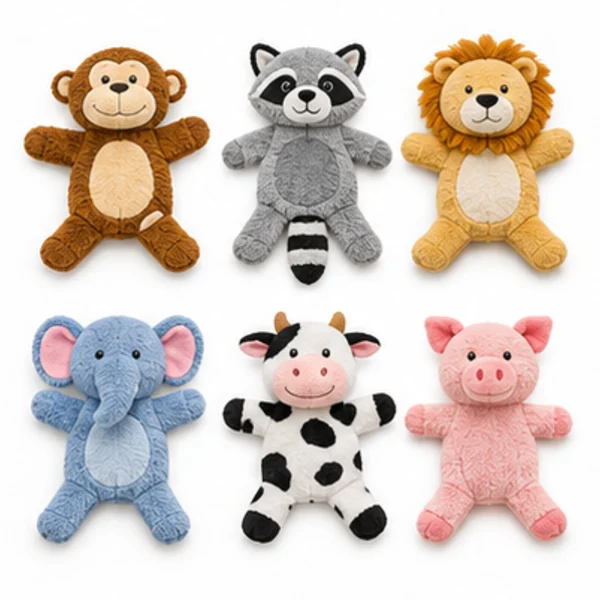
5. SHARLOVY no-stuffing squeaky plush, 6 pack: best value multipack for rotating toys
Six flat, unstuffed animals (pig, lamb, lion, cow, chipmunk and leopard), each with two squeakers and crinkle paper, plus a storage box. The listing gives lengths of 14.1 to 17.72 in, so about 36 to 45 cm, and widths of 3.54 to 3.94 in, so about 9 to 10 cm. The listing says they are machine washable and ideal for small dogs, and that medium and large dogs enjoy them too. Our view: a medium puppy can use them, supervised only.
The listing says not for aggressive chewers, supervised play and prompt replacement of broken toys. Its "non-toxic" and "safe" wording is the brand's, not ours. Because the six toys are light, they suit the rotation idea: put two out, keep four away.
Pros: six no-stuffing toys; 36 to 45 cm long; machine washable; storage box
Cons: light fabric won't stand up to a determined shredder; sizes are manual measurements, so allow for a little variation
Best for: rotating a few toys for a small puppy
Skip it if: you want one sturdy toy rather than six light ones
6. Wobble Wag Giggle, glow in the dark: best rolling ball, supervised
A vinyl ball with internal tubes that "giggle" when it rolls and four clutch pockets to pick it up by. The listing says no batteries, a glow-in-the-dark shell the listing says to charge under a light before play (about 30 seconds under a torch), "phthalate-free vinyl" (the brand's claim), and fits all sizes. It recommends supervised play sessions.
A vinyl shell can be punctured by puppy teeth, so this is a rolling toy for supervised sessions, not a chew. Bin it once it is dented or holed. The listing gives no diameter, so check the size image against your puppy's mouth.
Pros: no batteries; clutch pockets make it easy to pick up; encourages chasing
Cons: vinyl can be punctured by teeth; no diameter stated
Best for: a chasing puppy, supervised
Skip it if: your puppy chews rather than chases
Add-on: a chew-style toy to bridge the gap
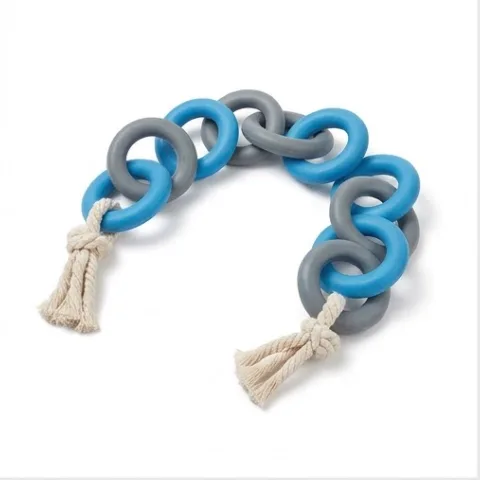
If chewing is your main worry, the Petstages Orka Dental Links are floppy synthetic rubber loops with rope. The listing says "for supervised use only" and suits all life stages. They're pick 4 on our puppy teething toys guide, which is where to read about chews.
Skip anything hard, stringy or battery powered. Cornell's vet school describes the thumbnail test: if you can't dent a chew with your thumbnail, don't give it. It advises against antlers, hooves and bones, which can break teeth (Cornell Riney Canine Health Center, "Risks of a fractured tooth", page read 19 November 2026). VCA adds hard rawhides and large ice cubes to its too-hard list.
Swipe sideways to see every column
Toy type
OK for a puppy?
The risk
What to do
Stuffed plush
Supervised only
Filling and squeakers if a seam opens
Retire it when stuffing shows (VCA)
No-stuffing plush
Yes, supervised
Fabric can still be shredded and swallowed
Check seams, bin it when torn
Rope
Supervised only
Frayed strands can be swallowed
Bin it when it frays (VCA)
Soft rubber ball or toy
Yes, if the right size
Choking if small enough to fit in the mouth
Size by the maker's guide, then go up if unsure
Vinyl ball
Supervised only
Teeth can puncture it
Bin it once dented or holed
Nylon bone
No
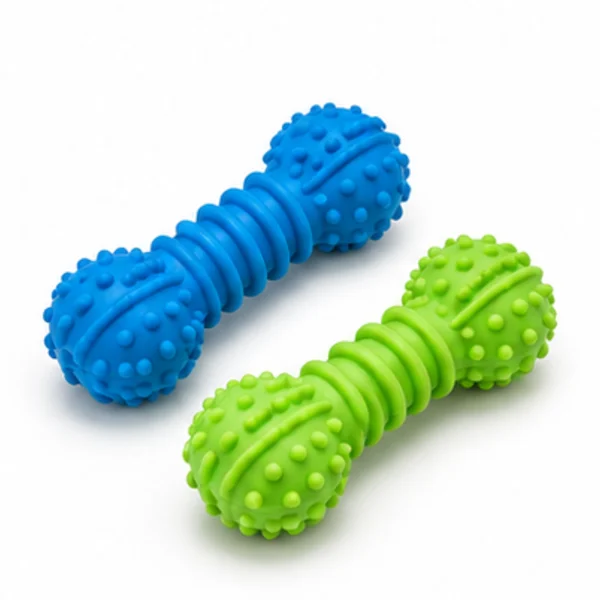
VCA says to avoid nylon chews for puppies because they can damage teeth; they fail the fingernail test
Leave out
Antler, hoof or real bone
No
Can break teeth (Cornell)
Leave out
Stick
No
Our view: splinters and hard edges
Use a soft toy
String or ribbon
No
Can be swallowed (VCA says no ribbons)
Keep out of reach
Toy with batteries
Not for a first kit
Battery compartments are small, hard parts, our view
Choose battery-free
If your puppy has swallowed fabric, stuffing or a toy part, contact a vet straight away, even if they seem fine. PDSA says never to wait and see, and never to try to make a dog sick at home (PDSA, "Gut blockages in dogs", page read 19 November 2026).
Puppy toys by age
These ages are a guide, not a rule. Puppies vary, and your vet can help with timing around vaccinations (see our vaccination schedule).
Swipe sideways to see every column
Age
What's going on
Toys that suit
Hold back
Read more
8 to 12 weeks
Settling in, carrying everything in the mouth
Comfort plush, a few no-stuffing toys, a first food toy, rope only while you watch
We searched Amazon Australia for puppy toys and shortlisted those that met all of these checks:
Well rated: a strong average rating with plenty of buyer reviews.
No red flags: no pattern of poor reviews, safety complaints or listing problems.
Available on Amazon Australia when we checked.
Passes the VCA and Cornell checks: no hard, nylon or bone-style chews, and a size or supervision line on the listing.
Honest about limits: stuffed or vinyl toys are only included with their risk stated.
These are researched picks, not products we've personally tested. We compared the specifications and features on each Amazon Australia listing, checked on 19 Nov 2026, and we didn't accept payment from any brand.
Left out this time: nylon chews, including ones sold as puppy chews, because they fail the fingernail test, and a large "indestructible" rope kit for aggressive chewers, because it isn't an 8 week old puppy's toy.
How do you teach a puppy to play with toys instead of hands?
Offer a toy the moment teeth meet skin, and stop play for a moment if your puppy keeps biting. Praise when the toy is in the mouth. Biting is normal puppy behaviour, and our how to stop puppy biting guide covers the steps. A tug with a handle, like pick 3, gives your puppy something to grab that isn't your hand.
Where else can you buy puppy toys?
Pet shops and vet clinics stock puppy toys too, and staff can help you match a toy to your puppy's size and chewing style. Wherever you buy, check the size against your puppy's mouth, because a toy that fit last month may not fit now.
When to see a vet
Call a vet straight away if your puppy has swallowed part of a toy, stuffing, a squeaker or rope, even if they seem fine. Vomiting, a painful tummy, low energy, poor appetite or diarrhoea can be signs of a blockage, and a vet can work out what's going on. Don't try to make your puppy sick at home (PDSA).
Book a vet visit if your puppy has a cracked tooth, bleeding gums or won't eat after chewing. Our teething guide and vaccination schedule cover what comes next.
Frequently asked questions
Are plush toys safe for puppies?
Plush toys can be fine with supervision, and no-stuffing ones are the better first choice. VCA says to retire a toy once stuffing shows, because swallowed pieces can be harmful. Check seams often, and take a toy away if your puppy tears chunks off it.
How many toys does a puppy need?
There's no set number. Our view is a few on rotation: a comfort plush, something to tug or chase, a chew and a food toy. RSPCA Australia suggests rotating toys daily so they stay interesting, so put two or three out and keep the rest away.
Can an 8 week old puppy play tug?
Gentle, short tug is generally fine, and a handle like the Ultra Tug's keeps fingers back. This is our view, not a vet rule: keep your feet on the floor, let your puppy win sometimes and stop if your puppy gets too excited. Ask your vet if you're unsure.
Are squeaky toys OK for puppies?
Yes, with supervision, and a no-stuffing plush with a built-in squeaker is the better first choice. Take the toy away if the squeaker is exposed or the seam opens. Our squeaky toys guide goes through more options for older dogs.
Can puppies have rope toys?
Rope toys can be used under supervision, as long as the rope isn't frayed. VCA says to retire rope toys once they fray, so strands aren't swallowed. A rope isn't a toy to leave with a puppy who isn't being watched.
What size ball is safe for a puppy?
Choose a ball small enough to carry but too big to fit fully in your puppy's mouth. Chuckit! lists its small size as 2 in (about 5 cm) for dogs of 0 to 9 kg and says to buy a size up when in doubt. Our dog balls guide has sizes by weight.
Should I leave toys in the crate overnight?
Only intact, soft toys with no loose parts, and only once your puppy is calm in the crate. Don't leave rope, stuffed or vinyl toys unsupervised. Our puppy crate guide covers what goes in, and our puppy bed guide covers bedding.
Why does my puppy destroy every toy?
Chewing is normal for puppies, especially while teething, and shredding fabric is a common way of playing. A toy that suits a gentle chewer won't suit a shredder. A vet or trainer can help if chewing is intense, and our teething guide has chews to try. For older dogs, see our tough toys guide.
Product details from each linked Amazon Australia listing, checked on 19 Nov 2026.
This guide provides general information and isn't a substitute for veterinary advice. If you're concerned about your puppy's chewing or health, speak with your vet.