Research guide. WhiskerFinds may earn a commission from links, at no extra cost to you.
Quick answer: The best dog treats are simple, meaty and sized to suit your dog, kept to about 10% of daily calories. Our top pick is K9 Natural freeze-dried green-lipped mussel bites, a single-ingredient treat per the listing. Lamb, duck and kangaroo options suit other dogs, and one sweet treat is for occasional use.
Treats are small, but they add up, and the label on the front of the bag doesn't always tell the whole story. This guide compares five treats on Amazon Australia by main protein, texture and pack size, and explains how to choose, how many to give and what to skip. For small soft rewards used in training, see our dog training treats guide.
Quick picks
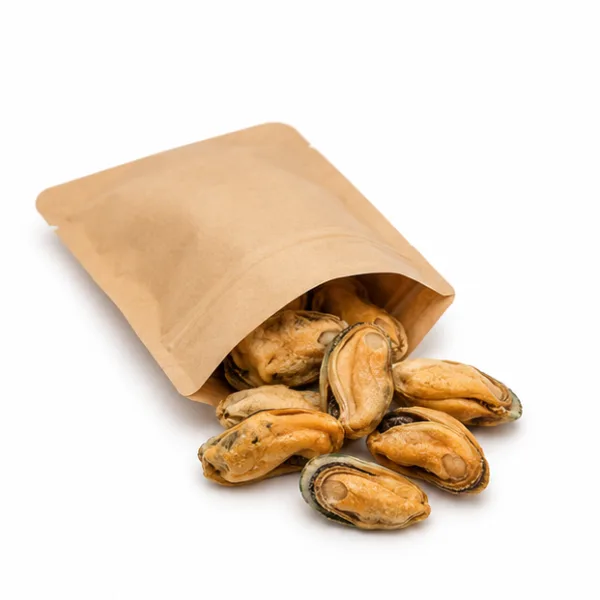
K9 Natural green-lipped mussel freeze-dried treats, 50 g
Single-ingredient bites in a resealable pouch, grain free per the listing
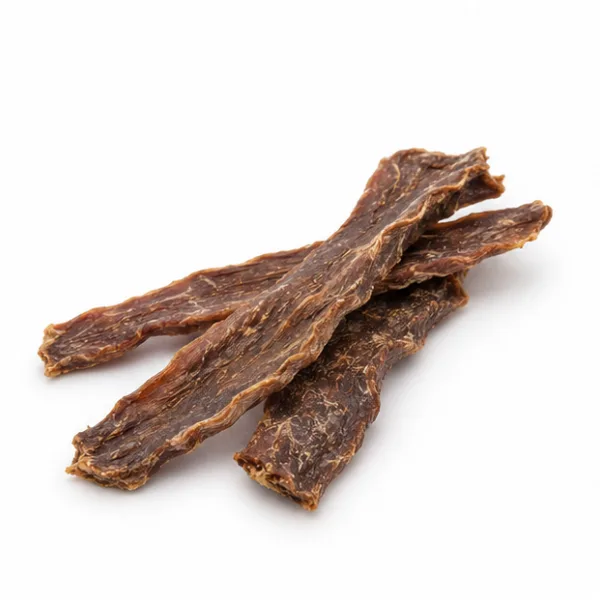
SavourLife Australian lamb strips, 165 g
Lamb strips made from Australian meat, with fish oil added
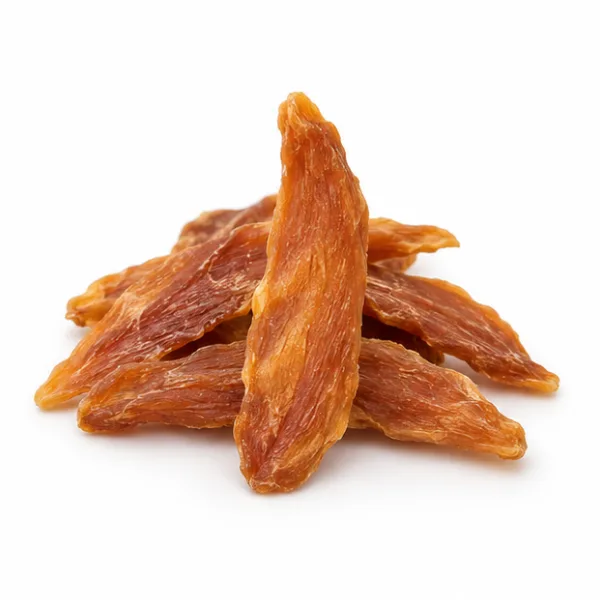
Vita Pet duck tenders
Duck chunks you can break into small pieces
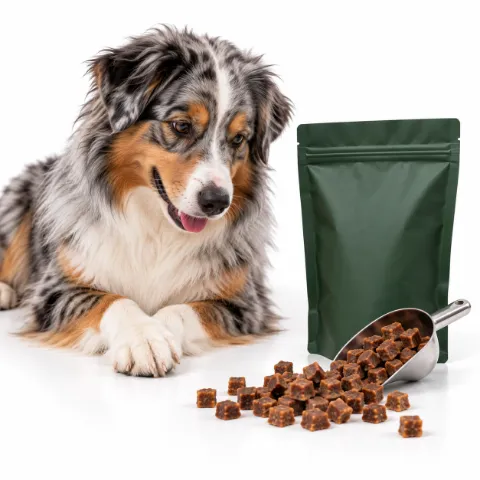
love'em kangaroo training treats, 400 g
Soft, bite-sized kangaroo, with no artificial colours, flavours or preservatives per the listing
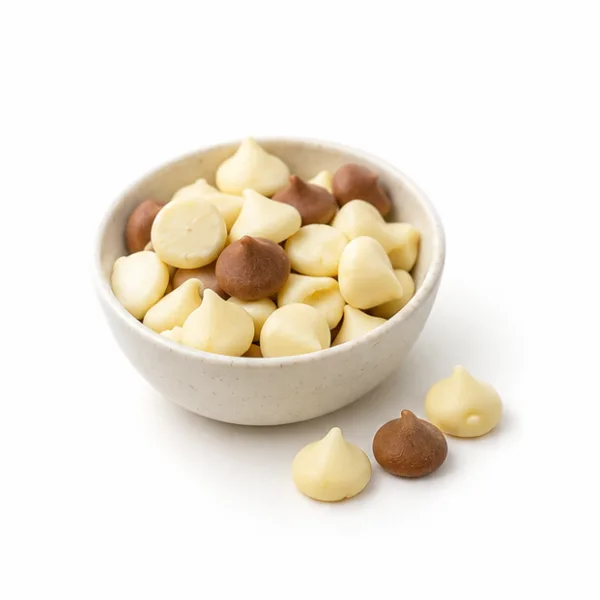
BLACKDOG yoghurt drops (carob)
Carob-based drops made in Australia, for now and then
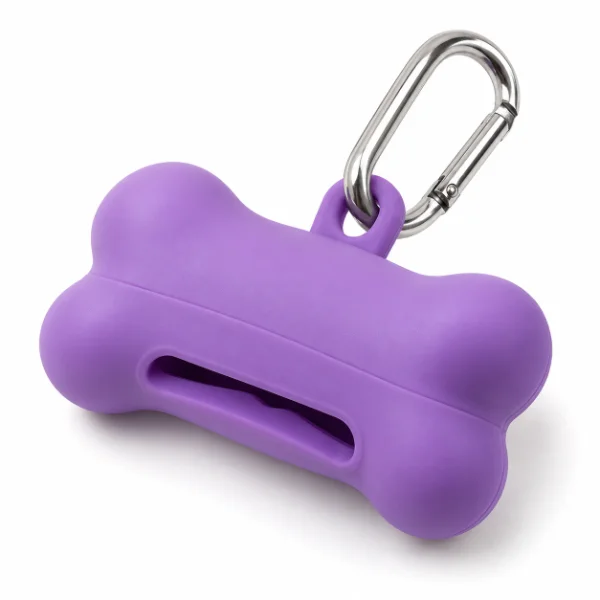
Silicone treat pouch
A small clip-on pouch keeps training treats within quick reach and out of your pockets.
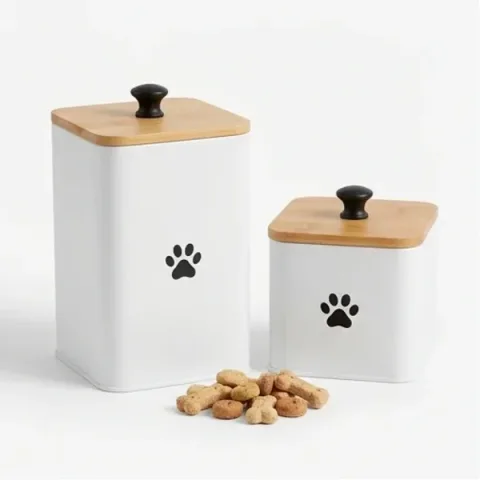
Airtight treat jar
Helps keep treats tidy and stored away from curious noses between rewards.
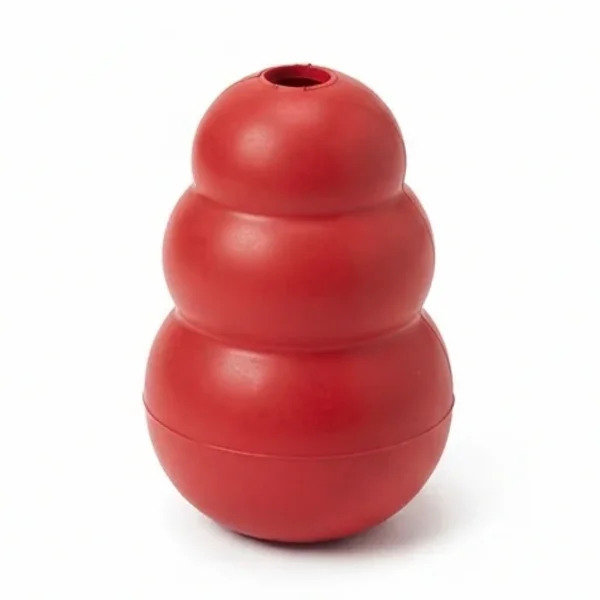
KONG Classic, Medium
A stuffable rubber toy that turns a few treats into a longer activity.
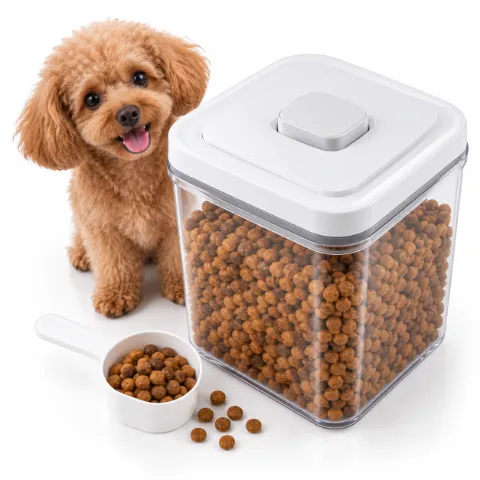
OXO Good Grips Pet POP container
An airtight container for bulk treats or kibble, so storage stays tidy.
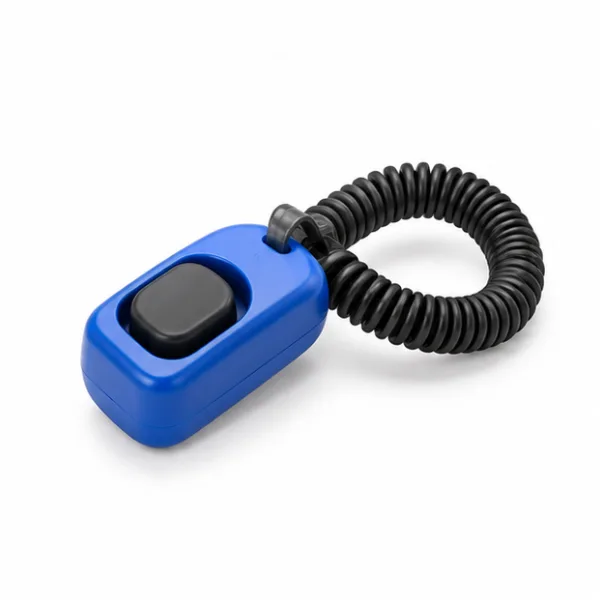
PetSafe Clik-R training clicker
Marks the moment your dog does the right thing, so you can reward with smaller treats.
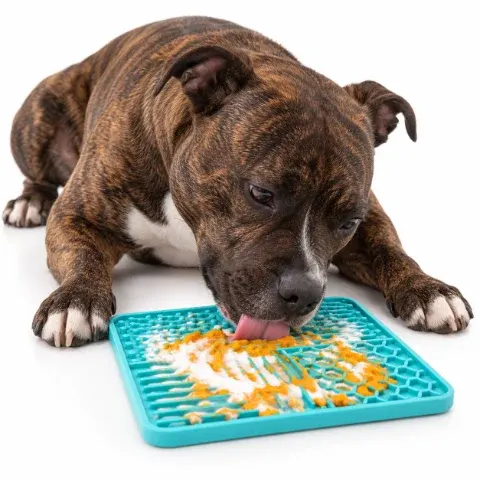
LickiMat Classic Buddy
A lick mat that gives a spoonful of dog-safe food a slower, calmer finish.
Pictures are illustrations, not the actual products.
The yoghurt drops are an occasional sweet treat, not an everyday one. The picks below explain why.
Which treat suits your dog?
The right treat depends on the job. Small, soft treats suit training, chew-style treats suit dogs who like to gnaw, and single-protein treats suit sensitive tummies once your vet agrees. Freeze-dried bites make a strong-smelling reward for hard moments. Use the table to find the type, then the guide that covers it in detail.
| Your dog | Treat type | Where to look |
|---|---|---|
| Needs lots of small rewards for training | Small, soft treats | Dog training treats |
| Likes to chew for a while | Chew-style treats | Bully sticks |
| Has a sensitive tummy | One protein, few ingredients | Lamb strips or kangaroo below, with your vet's okay |
| Needs a strong-smelling, high-value reward | Freeze-dried | K9 Natural below |
| Needs help with teeth | Dental chews | Dog dental chews |
| Loves the kitchen | Home baking | Homemade dog biscuits |
| Needs to cool down | Frozen treats | Frozen dog treats |
What are the healthiest treats for dogs?
The healthiest treats are short on ingredients, meaty and small enough to fit your dog's calorie budget. Check the label for a named meat rather than "meat meal", pick a size that suits your dog, and keep treats to about 10% of daily calories, with complete and balanced food making up the rest.
VCA Animal Hospitals gives that 10% rule, and also warns that treats labelled "light" or "lower calorie" may not be much lower in calories (VCA Animal Hospitals, updated 26 September 2024, page read 2 November 2026). So healthy is partly about the treat and partly about how many you hand over. Break treats into small pieces, and cut a little off dinner on days with lots of rewards.
Our picks in detail
1. K9 Natural green-lipped mussel freeze-dried treats: best freeze-dried
A 50 g pouch of freeze-dried New Zealand green-lipped mussel bites. The listing calls it a single-ingredient, grain-free treat made with 100% real meat, in a resealable pouch that won't crumble. The listing also says it supports joint mobility and skin and coat health, but those are the maker's claims, so talk to your vet if joints are a worry. It says a 7 to 10 day feeding transition is recommended while packaging and formulation change, and that you may get either version.
- Pros: one ingredient; resealable pouch; bites are easy to portion
- Cons: small pouch; the listing lists it for adult dogs, so ask your vet before giving it to a puppy; freeze-dried treats carry the raw handling cautions on this page; the listing says packaging or formulation may vary between versions
- Best for: a high-value reward for most dogs, once you've checked with your vet
- Skip it if: your dog has a fish or shellfish allergy, or someone at home has a weak immune system
We compare it with other single-ingredient options in our freeze-dried dog treats guide.
2. SavourLife Australian lamb strips: best single protein
A 2 x 165 g pack of lamb strips. The listing says they are made from real Australian meat with fish oil for omega 3 and 6, and with added vitamins and minerals. It lists the diet type as raw and the sizes as small and medium dogs. The coat and teeth claims are the maker's.
- Pros: one named meat; Australian meat per the listing; strips can be torn smaller
- Cons: the listing names a raw diet type, so wash up after handling; the added fish oil adds another ingredient to check for sensitive dogs
- Best for: small and medium dogs who do well on lamb
- Skip it if: your dog is on a vet-prescribed elimination diet, or is allergic to lamb or fish
3. Vita Pet duck tenders: best for small dogs
Duck chunks in a 2 x 100 g pack. The listing says they suit all sizes and life stages, and are meant as a training and reward treat. Their small chunk shape is easy to break into tiny bits for a small mouth. The listing is newer, with little detail beyond the flavour and protein, and doesn't show the origin.
- Pros: duck is a change from chicken and beef; chunks are easy to break up; smaller packs stay fresh
- Cons: thin listing details; no origin shown
- Best for: small dogs and pea-sized rewards
- Skip it if: you want a complete ingredient list before buying. Check the pack when it arrives
4. love'em kangaroo training treats: best kangaroo
A 2 x 400 g bag set of soft, chewy, bite-sized kangaroo treats. The listing says they are 100% Australian meat with no artificial colours, flavours or preservatives, and suit all sizes from puppies to adults. We also list them in our training treats guide, where small soft rewards are the focus.
- Pros: big pack; soft; named single meat
- Cons: a large amount to store, so keep it sealed; soft treats can be messy in pockets
- Best for: households with a big appetite for rewards, or more than one dog
- Skip it if: your dog has had a reaction to kangaroo, or you need just a few treats a week
5. BLACKDOG yoghurt drops (carob): best occasional sweet treat
A pack of two 1 kg bags of drops, with carob powder listed as the special ingredient and Australia as the country of origin. The listing says they are vegetarian, and lists them for dogs and cats. The listing names carob, not chocolate, as the special ingredient. The listing doesn't give the full ingredients, so check the pack for sugar, dairy and any ingredient on our foods to avoid list.
- Pros: a different kind of treat for dogs that enjoy sweet flavours; made in Australia per the listing; big pack
- Cons: sweet and not meat-based, so keep it occasional; the listing gives no full ingredient list, and the large pack is more than most dogs will need
- Best for: an occasional reward for a healthy-weight dog
- Skip it if: your dog is overweight, diabetic or sensitive to dairy
Are natural dog treats better?
Natural treats can be a good choice, but "natural" is a marketing word, not a guarantee. It usually means few ingredients and no artificial colours or flavours, which is worth having, but it says nothing about calories, fat or hardness. Read the ingredients and the feeding guide on the pack.
A natural treat is still a treat. A chewy kangaroo strip and a sweet yoghurt drop can both be called natural and suit different dogs. Look for a clear main protein, a texture your dog can manage and a pack size you'll use up. For chews, use the thumbnail test from our toys for heavy chewers guide: Cornell's canine health centre says veterinary dentists use it, and if you can't dent the chew with a fingernail, it's likely too hard.
Are kangaroo treats good for dogs?
Kangaroo treats can be a good choice for many dogs. It is a single meat, so it suits dogs who need a protein they haven't had much of, and the love'em treats here are soft enough for small mouths. They don't suit every dog, so ask your vet if your dog has allergies.
The listing says the love'em treats are 100% Australian meat, soft and chewy, bite-sized and free from artificial colours, flavours and preservatives. Treats made from a leaner meat still count: add the pieces to the day's treat budget like any other. For kangaroo jerky and tendons, see our kangaroo treats guide.
Are freeze-dried dog treats safe?
Freeze-dried treats can be a good option, but raw versions can carry bacteria. VCA Animal Hospitals warns that freeze-dried or dehydrated raw treats pose a bacterial contamination risk that can spread to other pets and people. Wash your hands and any bowls after handling them, and take extra care if someone at home has a weak immune system.
VCA Animal Hospitals lists freeze-dried and dehydrated raw treats among the treats that pose a bacterial contamination risk (VCA Animal Hospitals, updated 26 September 2024, page read 2 November 2026). Store the pouch sealed as the maker directs, keep treats away from kitchen benches where food is prepared, and don't let children share them. Our top pick is freeze-dried, so this applies to it. The lamb strips listing also names a raw diet type, so treat those the same way.
Freeze-drying freezes the meat and then draws the moisture out under low pressure, so the treat is light, dry and shelf-stable without cooking. That is why these treats keep well in a sealed pouch and smell strong to a dog, and also why they count as raw.
How many treats can a dog have a day?
A dog can have treats up to about 10% of its daily calories. For most dogs that is a small handful of tiny pieces, not several whole treats. Complete and balanced food should supply the other 90%, so adjust meals on days with lots of rewards.
The right number depends on your dog's size, age and activity, and the calories on the pack. A small dog may fit just a few pea-sized pieces. Check the calories on the label, then divide big treats up. Dogs with weight trouble need an even smaller budget, so ask your vet what suits yours. Introduce any new treat slowly, one at a time and in small pieces, as VCA Animal Hospitals advises (page read 2 November 2026). Stop if your dog has vomiting or diarrhoea.
What treats are bad for dogs?
Some foods are toxic to dogs, including xylitol, chocolate, grapes, raisins and sultanas, onion and garlic, and macadamia nuts. Never give treats containing them, and read labels on anything sweetened or flavoured. Hard chews that don't pass the thumbnail test can also damage teeth. Our full list of foods to avoid is in the KONG recipes guide.
On teeth: skip antlers, hooves, real bones and nylon bones, and supervise any chew. Cornell's canine health centre says to avoid antlers, hooves and bones, which can break a tooth or splinter, and that rawhide always needs supervision (Cornell Riney Canine Health Center, page read 2 November 2026). Pick a chew bigger than your dog's mouth and take away the last small piece, because it can be swallowed whole. For stronger chews, read our bully sticks guide.
Which treats suit dogs with allergies or sensitive tummies?
If your dog has itchy skin or an unsettled tummy, don't guess. Food allergy is usually worked out with your vet using a strict elimination diet, and treats are usually left out during that trial. Ask your vet before choosing any "hypoallergenic" or single-protein treat.
VCA Animal Hospitals describes an elimination trial of 8 to 12 weeks, in which the dog eats a diet built around ingredients it hasn't had before, and no other foods or treats are fed (VCA Animal Hospitals, food allergies in dogs, updated 24 January 2022, page read 2 November 2026). Once your vet has cleared your dog, a single-protein treat such as the lamb strips or kangaroo is an easy way to keep ingredient lists short. See also dog itchy skin.
Dog treats compared
Details from each Amazon Australia listing, checked on 2 Nov 2026.
| Product | Main protein or ingredient | Texture or form | Pack |
|---|---|---|---|
| K9 Natural green mussels | Green-lipped mussel | Freeze-dried bites | 50 g |
| SavourLife lamb strips | Lamb | Strips | 2 x 165 g |
| Vita Pet duck tenders | Duck | Chunks | 2 x 100 g |
| love'em kangaroo | Kangaroo | Soft, bite-sized | 2 x 400 g |
| BLACKDOG yoghurt drops | Carob powder | Drops | 2 x 1 kg |
How we chose
We searched Amazon Australia for dog treats, then shortlisted treats that met all of these checks:
- Well rated: a strong average rating with plenty of buyer reviews.
- No red flags: no pattern of poor reviews, safety complaints or listing problems.
- Available on Amazon Australia when we checked.
- A clear main protein or ingredient on the listing.
- A treat type and texture that suits a defined kind of dog.
- Country of origin shown on the listing where the maker gives it.
- A pack size that makes sense for a household.
These are researched picks, not products we've personally tested. We compared the specifications and features shown on each Amazon Australia listing, checked on 2 Nov 2026. We didn't accept payment from any brand, and no brand saw this page before it was published.
Left out this time: cooked bones and very hard chews such as antlers, hooves, real bones and nylon bones (tooth safety), rawhide chews and rawhide-wrapped treats, and anything with xylitol or other ingredients on our never list.
How to give treats well
Small steps keep treats helpful:
- Start with one new treat at a time, in a small piece, and watch for vomiting or diarrhoea.
- Cut it small. Most treats can be halved or quartered.
- Count it. Keep the day's treats to about 10% of calories.
- Match it to the job. Use soft, small treats for training and offer chews under supervision.
- Wash up after raw or freeze-dried treats.
If you'd rather bake your own reward, try our homemade dog biscuits.
When to see a vet
See your vet straight away if your dog swallows a large piece of a chew, or has repeated vomiting, a sore or swollen tummy, bloody diarrhoea or seems very unwell after a treat. Treats are not a substitute for a balanced diet.
Speak with your vet before changing treats if your dog has allergies, pancreatitis, kidney disease, diabetes or weight trouble, takes medication, or is a young puppy. Itchy skin or repeated tummy upsets may point to a food problem, and your vet can help you work it out (VCA Animal Hospitals, page read 2 November 2026).
Frequently asked questions
What are the best dog treats in Australia?
The best treats are the ones that suit your dog's size, diet and job. Our top pick is the K9 Natural freeze-dried mussel bites, followed by lamb strips for single-protein feeding and kangaroo for a single red meat. Small dogs can use the duck tenders. Compare all five in the table above.
Are training treats healthy for dogs?
They can be, as long as they're small, made from a named meat and counted inside the 10% treat budget. Training means dozens of rewards in a session, so break pieces pea-sized. The treats on this page are everyday and chew-style picks; our training treats guide covers the small, soft kind.
What is the 90/10 rule for dogs?
It means about 90% of your dog's daily calories should come from complete and balanced food and no more than about 10% from treats, including chews and table scraps. VCA Animal Hospitals gives this guide. On days with lots of rewards, trim the main meal a little to stay inside it.
Are Australian-made dog treats better?
Not automatically, but the label tells you more. Several picks here state Australian meat or origin on the listing, which makes it easier to check what you're buying. Judge any treat by its ingredient list, size and calories first, and treat origin as a bonus rather than a guarantee of quality.
Should I give my dog treats every day?
A few small treats most days is fine for a healthy dog if they fit the 10% budget. Richer chews suit now and then rather than daily. Watch your dog's weight and tummy, and ask your vet if your dog is overweight or has a health condition.
What treats are bad for dogs?
Anything with xylitol, chocolate, grapes, raisins, sultanas, onion, garlic or macadamia nuts, and hard chews such as antlers, hooves and bones, which can crack teeth. Our full list is in the KONG recipes guide. If your dog swallows something harmful, call your vet straight away.
Can I give my dog sweet treats?
Occasionally, if they're made for dogs and your dog is healthy. The BLACKDOG drops use carob, not chocolate, but they're sweet, so keep them rare. Skip them if your dog is overweight, diabetic or sensitive to dairy, and always check the ingredient list first.
Related guides
- Dog jerky treats compared
- Best puppy food
- Cow ears for dogs
- Best dog food toppers
- Pigs ears for dogs
- Green-lipped mussel for dogs
- Best liver treats for dogs
- Best kangaroo treats for dogs
- Can dogs eat peanut butter?
- Best dog training treats
- Best bully sticks for dogs
- Best dog dental chews
- Homemade dog biscuits
- Best frozen dog treats
- Foods your dog must never eat (KONG recipes guide)
Sources
- VCA Animal Hospitals: Treats for dogs, updated 26 September 2024, read 2 November 2026
- VCA Animal Hospitals: Food allergies in dogs, updated 24 January 2022, read 2 November 2026
- Cornell Riney Canine Health Center: Risks of a fractured tooth, read 2 November 2026
- Product details from each linked Amazon Australia listing, checked on 2 Nov 2026.
This guide provides general information and isn't a substitute for veterinary advice. If you're concerned about your dog's diet, weight or tummy, speak with your vet.