Dog training clicker: picks and how to start training
By Anish PuriUpdated 4 Nov 202614 min readResearched, not tested by us
Research guide. WhiskerFinds may earn a commission from links, at no extra cost to you.
Quick answer: A dog training clicker is a small handheld device that makes a click to mark the exact moment your dog gets something right, and a treat always follows. For most people the PetSafe Clik-R is our top pick: it has a finger band, a lanyard loop and a training guide.
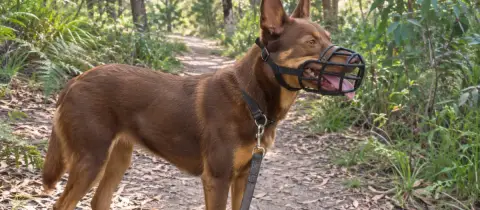
Clicker training is a clear, gentle way to teach a dog new skills, and it also helps with skills like wearing a muzzle comfortably. This guide compares four clickers on Amazon Australia, then walks you through your first session and the mistakes that slow dogs down. If you are still choosing rewards, start with our dog training treats guide.
Quick picks
Our top pickBest overall
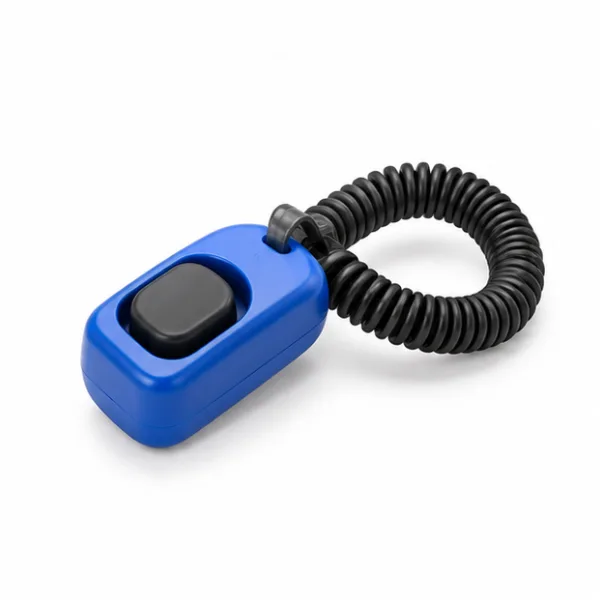
PetSafe Clik-R Training Clicker
Plastic clicker with an anti-slip coating, finger band, lanyard loop and a training guide
Pictures are illustrations, not the actual products.
Which one suits you?
Choose by how you will hold the clicker and how your dog copes with sound. A first-timer with a confident dog has plenty of choice, while a dog who startles easily needs a softer clicker or a marker word instead.
Swipe sideways to see every column
Your situation
Type
Our pick
First clicker, you want a guide
Box clicker with a finger band
PetSafe Clik-R
You want a starter set to keep on your keys
Metal box clicker
StarMark system
Your dog is sound-sensitive
Any clicker muffled in a pocket at first, or a marker word
ASCO finger clicker, muffled
You want one at the door, one in the car, one in your bag
Multi-pack
Toozey 5 pack
Your dog is very scared of clicks
No clicker, use a marker word
See the marker word section
What is a dog training clicker?
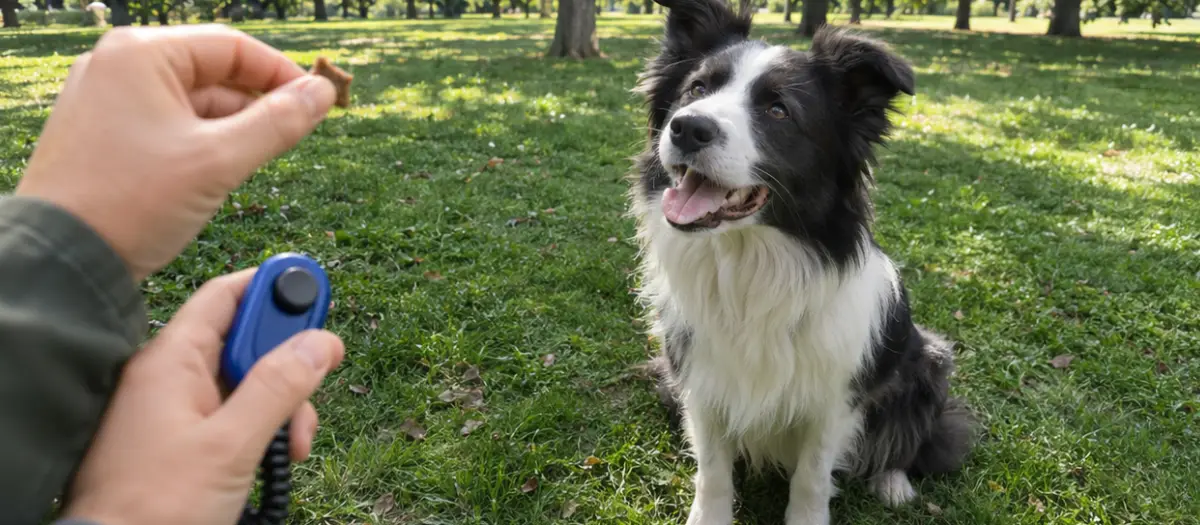
A dog training clicker is a small handheld device that makes a short, sharp click. You press it at the exact moment your dog does what you want, and a treat follows. Because the sound is the same every time, it tells your dog precisely which action earned the reward.
Best Friends Animal Society (page read 4 November 2026) describes it the same way: the click marks the moment your pet does the behaviour you want, and it tells them a reward is coming (Best Friends: clicker training). Think of the click as a quick "yes, that one!" that is faster and more consistent than your voice.
A plastic box clicker with an anti-slip rubber coating and an attached finger band. The listing says it also has a lanyard attachment and clips to any lead up to 2.5 cm wide, and that a training guide is in the box. It is listed for dogs of any size and for cats and other animals, and the listing is set out for dog training. The listing gives its size as 15.9 x 12.1 cm, which probably includes the band.
Pros: finger band for a steady hold; lanyard and lead attachment; training guide included; suits dogs of any size per the listing
Cons: the listing doesn't say how loud it is; the listed item weight (0.06 grams) is clearly a mistake, so check the size before buying; plastic body
Best for: first-time clicker trainers who want a simple, comfortable clicker
Skip it if: your dog is very sound-sensitive, unless you start by muffling the click
2. StarMark Clicker Dog Training System: best starter kit
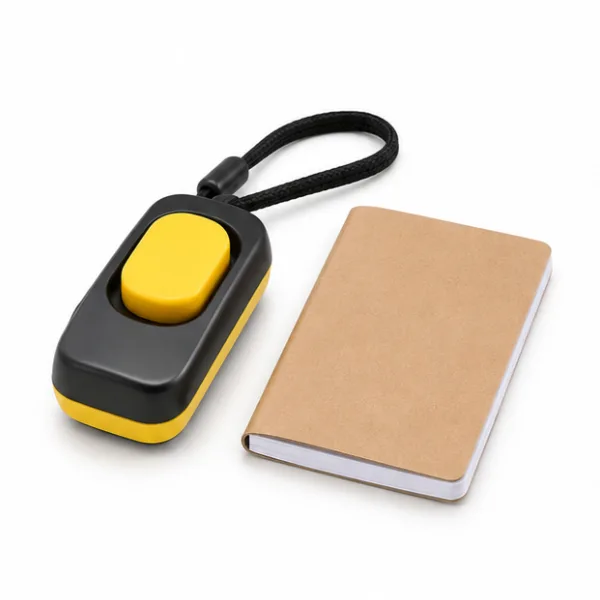
A compact clicker, 5.1 x 3.2 x 1.3 cm and about 11 g (0.4 oz). The listing says the clicker element is stainless steel, that it attaches to a keychain or lanyard, and that a free step-by-step training guide is included. The pack holds one clicker plus the guide, and the listing gives a one-year manufacturer warranty. It is listed as water resistant, which is the brand's claim.
Pros: small and light; clips to keys or a lanyard; stainless steel element; step-by-step guide; one-year warranty per the listing
Cons: one clicker only; the listing doesn't say how loud it is; some listing details look mismatched (it is listed as a fetch toy, with some German words), so confirm before buying
Best for: beginners who want a clicker and a guide in one go, kept on a keyring
Skip it if: you want a finger strap, or a clicker for each room
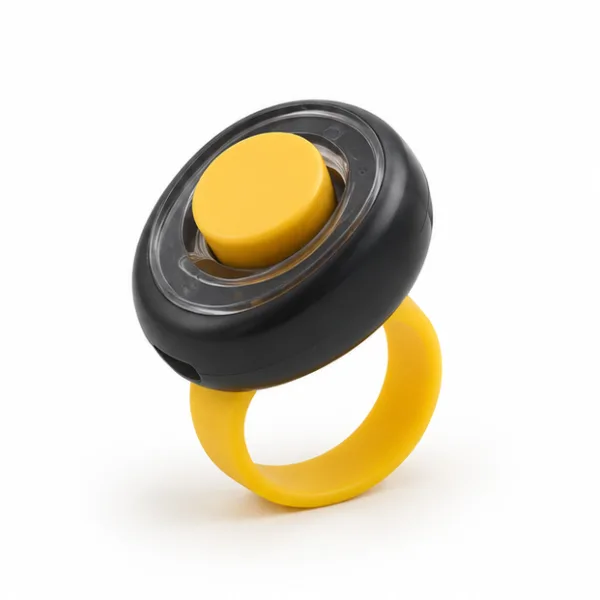
A small clicker you wear on a finger, about 6 x 4 x 2 cm and 9 g per the listing, so your hand stays free for the lead and the treats. The listing says it gives a clear, consistent click tone and suits dogs, cats and other pets, and it describes the clicker as a tool for positive reinforcement rather than pressure or punishment, which matches how we suggest using any clicker.
Pros: wear it on a finger, so both hands stay useful; very light; works for dogs and cats per the listing
Cons: the listing gives no way to make the click softer, so muffle it in a pocket for a dog who startles; no strap or wrist cord, so it's easier to drop or misplace; one clicker only
Best for: walkers and trainers who want a free hand
Skip it if: your dog is very sound-sensitive and you'd rather start with a marker word, or you want a spare clicker in the pack
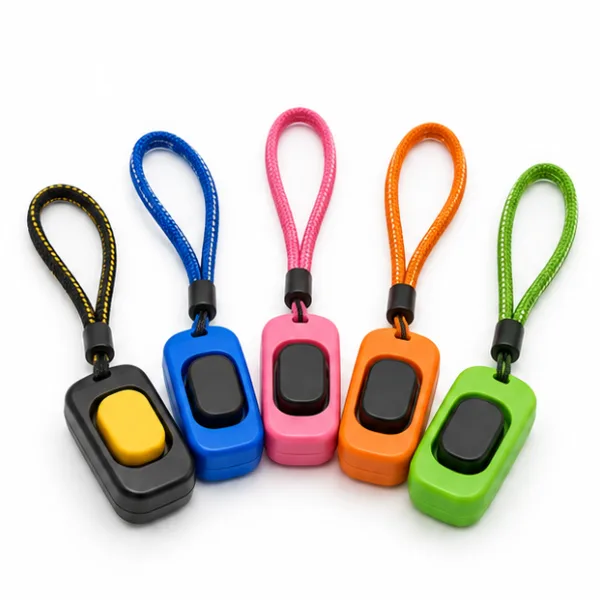
Five box clickers in black, yellow, pink, red and blue, each 6 x 4 x 1.8 cm with a 15.5 cm elastic bracelet. The listing says they are 201 stainless steel and ABS, the sound is crisp but not harsh, and the set includes a free e-book. It says they suit dogs, cats and horses, and gives the pack weight as 140 g. Material and sound are the brand's claims.
Pros: five clickers, one for every spot; wrist bracelet makes them hard to drop; different colours help you find one fast; e-book included
Cons: more clickers than most people need; the listing doesn't say how loud they are beyond "crisp"; no printed training guide mentioned
Best for: households where several people train, or anyone who keeps losing their clicker
Skip it if: one clicker is plenty for you, or you want a guide in the box
How do I start clicker training?
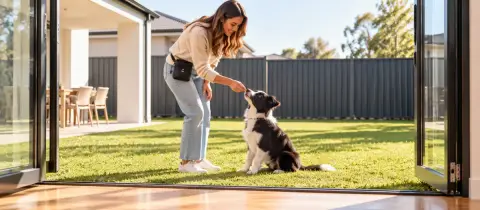
Start by "charging" the clicker. In a quiet spot, click once and give a small treat straight away, and repeat many times until your dog looks to you for a treat whenever they hear the click. Then use the click to mark simple behaviours, always followed by a reward.
Best Friends describes charging the same way: a quiet spot, small soft treats, and a click followed straight away by a treat, repeated until your pet expects food when they hear it. The full step-by-step is further down this page.
Do clickers work for all dogs?
A clicker suits most dogs, but the sound is the sticking point for some. A dog who flinches, hides or avoids you when it clicks should not be pushed to put up with it. Pick a softer clicker or switch to a marker word, which is a short word you say instead of clicking.
Best Friends notes that noise-sensitive pets may need a softer marker and that the clicker should not startle your pet. Watch your dog's body language during the charging step. If your dog seems worried, pause, make the sound softer or stop using the clicker. For dogs frightened of loud noises more generally, our storms and fireworks guide may help.
Clicker or marker word?
Both do the same job: they mark the moment your dog gets it right, then a treat follows. A clicker is the same sound every time, so it stays clear. A marker word, such as "yes", is always with you but can vary with your mood and tone. Many trainers use either.
If you choose a word, keep it short, say it in the same tone each time and always follow it with a reward, just like a click. A clicker is handy when you are learning, since it keeps your timing sharp and your voice calm. A marker word is the easier option for dogs that dislike the click, or when your hands are full.
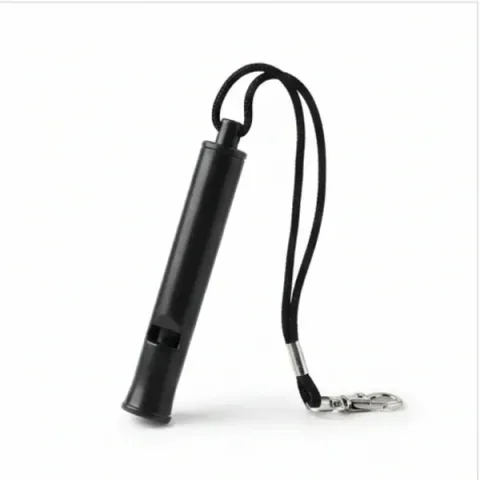
Thinking of a whistle as the signal instead? It works like a clicker or a word, but it carries further. See our dog whistle guide for how a whistle compares with a clicker for recall.
Box clicker or finger clicker?
A box clicker has a button you press with your thumb, and it is usually the easiest to get started with. A finger clicker is small, sits on your finger and frees your hand for treats or a lead. Both work, so pick the one that feels comfortable in your hand.
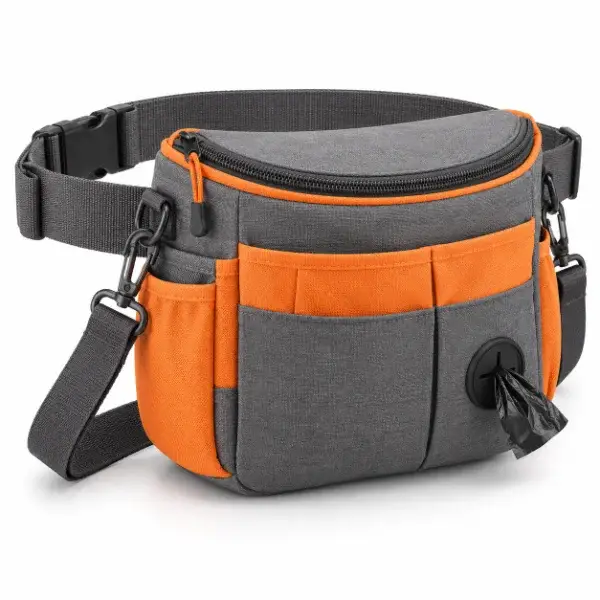
A box clicker is simple and familiar. A finger clicker keeps one hand free, which suits training while walking or holding a lead. Our dog treat pouch guide is a handy companion, because a pouch keeps treats ready so you can click and reward in a flash.
What treats should I use?
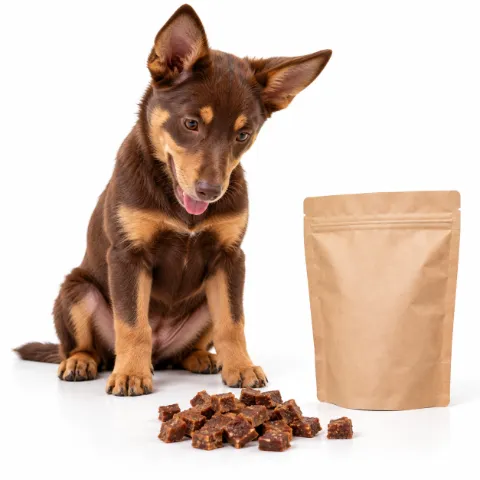
Use small, soft treats your dog finds exciting, ideally pea-sized so they can swallow them fast and get back to learning. Keep all treats to about 10% of the day's food, as our training treats guide explains. The click means "a treat is coming", so make the treat worth it.
Our dog training treats guide compares options. If you are training a lot in one day, count the treats as part of your dog's meals so they do not put on weight.
Can I clicker train a puppy or a cat?
Yes, for both, as long as sessions stay short and the sound is gentle. Puppies can start with simple things like coming to you or sitting, and cats can learn too. Cats are sometimes frightened by a loud click, so use a quiet clicker or a softer sound.
Best Friends says cats can be clicker trained and are sometimes frightened by a loud click, so a quiet clicker helps. A click and treat can also help a cat accept handling, such as the paw tidy-ups in our cat hair clippers guide. For puppies, our puppy training schedule shows what to teach and when, and our puppy biting guide and crate training guide pair well with clicker sessions. The PetSafe listing says its clicker is for dogs, cats and other animals.
Dog training clickers compared
Details from each Amazon Australia listing, checked on 4 Nov 2026. The listings do not state how loud each clicker is, apart from what the brands claim.
We searched Amazon Australia for dog training clickers, then shortlisted ones that met all of these checks:
Well rated: a strong average rating with plenty of buyer reviews.
No red flags: no pattern of poor reviews, safety complaints or listing problems.
Available on Amazon Australia when we checked.
Clicker type stated (box or finger).
Sound: we noted what each listing says about the sound, and where it says nothing, so you know which clickers claim a softer click.
Strap or finger loop so it is easy to hold and hard to drop.
What comes in the pack is clear.
These are researched picks, not products we've personally tried. We compared the specifications and features shown on each Amazon Australia listing, checked on 4 Nov 2026. We didn't accept payment from any brand, and no brand saw this page before it was published.
Left out this time: clickers with a pattern of sticking buttons.
Where else can you buy dog training clickers?
Pet shops and some vet clinics stock clickers, and trainers often sell them at puppy classes. Seeing one in person lets you try the sound and the button, which helps if your dog is noise-sensitive. Whichever you choose, compare the strap and what is in the pack using the table above.
How to start clicker training, step by step
Go slowly, keep sessions short and make each session fun. These steps follow the approach described by Best Friends (page read 4 November 2026), and results vary from dog to dog.
Gather soft treats. Break them into tiny pieces and keep them in a treat pouch.
Pick a quiet spot with little to distract your dog.
Charge the clicker. Click, then give a treat straight away. Repeat many times, until your dog looks to you for a treat when they hear the click.
Mark a simple behaviour. When your dog does something easy, like sitting, click the moment it happens, then treat.
Guide, don't force. If your dog doesn't know what you want, hold a treat above their nose and lead them into a sit (luring), or click small steps towards the goal (shaping). Never push or pull your dog into position.
Click once per behaviour, then reward.
Teach one thing at a time. Add a new behaviour when the first is reliable.
End on a win. Keep sessions short so training stays fun.
RSPCA Australia (page read 4 November 2026) supports reward-based training, where the dog is set up to succeed and then rewarded, and says it is the most humane and effective way of training dogs (RSPCA Australia: reward-based training). A clicker is a tool within that routine, and it never replaces patience.
A clicker isn't for stopping unwanted behaviour. Don't click to interrupt your dog, and don't use it as a reprimand. Instead, RSPCA Australia says unwanted behaviour is generally ignored so the dog is never rewarded for it, and you reward the behaviour you want instead.
Common clicker training mistakes
Most problems come down to timing and consistency. Click at the moment of the right behaviour, not a few seconds later, and follow every click with a treat. Once these habits are in place, most dogs get the idea, though the pace varies from dog to dog.
Clicking without a treat. A click that isn't followed by a reward loses its meaning. Always treat after a click.
Clicking late. Click as the behaviour happens or right after, not once your dog has moved on.
Clicking more than once for a single behaviour.
Using it to call your dog. The click marks a behaviour, it isn't a call or a command.
Pushing, pulling or forcing your dog into position.
Teaching several things at once, or running sessions that are too long.
Ignoring a worried dog. If the click startles your dog, make it softer or use a marker word.
Best Friends lists late clicks, clicks without a treat, forcing the pet and sessions that run too long among the common slips. If a behaviour isn't working, go back a step rather than pushing on. A well-planned routine, like our puppy training schedule, also keeps sessions short and varied.
When to get help
See your vet if your dog suddenly stops responding, seems sore, or if their behaviour changes. Pain, hearing loss or illness can sometimes be behind training troubles. A clicker is a training tool, not a treatment for fear, anxiety or aggression.
Ask a qualified, reward-based trainer or behaviour professional if your dog is very fearful of sounds, growls, snaps or bites. For more on the approach, see RSPCA Australia: reward-based training.
Frequently asked questions
What does a dog training clicker do?
A clicker makes a distinct click that marks the exact moment your dog does the right thing. A treat always follows, so the dog learns that the click means a reward is coming. It makes it easier to tell your dog precisely which action earned the treat.
How do you use a dog training clicker?
First charge it: click, then give a treat straight away, repeated many times. Then click the moment your dog does a simple behaviour, such as sitting, and follow with a treat. Keep sessions short, click once per behaviour and teach one thing at a time.
Is clicker training good for dogs?
Clicker training is a form of reward-based training, which RSPCA Australia supports as humane and effective. It relies on rewards and does not involve punishment. As with any method, watch how your dog responds, keep sessions fun and stop if your dog seems worried.
Do I need a clicker, or can I use a word?
You can use either. A marker word such as "yes" works the same way, as long as you say it in the same tone each time and always follow it with a reward. A word is a good option for dogs that dislike the clicking sound.
What if my dog is scared of the clicker?
Stop and make the sound softer, for example by muffling the clicker in a pocket, or switch to a marker word. Don't push your dog to cope. If your dog is frightened of many noises, speak with your vet or a qualified, reward-based trainer.
Can you clicker train a cat?
Yes. Best Friends says cats can be clicker trained, though a loud click sometimes frightens them, so choose a quiet clicker or a softer sound, such as a ballpoint pen. Use small, tasty treats, keep sessions brief and stop if your cat seems stressed.
Should I click to stop my dog barking or jumping?
No. A clicker marks behaviour you want, and a treat always follows. It isn't for stopping unwanted behaviour. Reward the behaviour you do want, such as four paws on the floor, and speak to a trainer if the problem continues.
Product details from each linked Amazon Australia listing, checked on 4 Nov 2026.
This guide provides general information and isn't a substitute for veterinary advice. If you're concerned about your dog's behaviour or training, speak with your vet.