Research guide. WhiskerFinds may earn a commission from links, at no extra cost to you.
Quick answer: A dog treat pouch keeps rewards at your hip so your dog gets one the moment it does the right thing. Our top pick is the Gobeigo 8-cup pouch, which has a zip, three ways to wear it and a poop bag dispenser. For a lighter, washable pouch, choose silicone.
A treat pouch is a small bag you wear or clip on, so your hands stay free and the treats are always within reach. This guide compares four pouches on Amazon Australia, then covers how to wear one, which treats work, and how to keep it clean. It sits alongside our dog water bottle guide for walking gear, and our training treats guide for what goes inside.
Quick picks
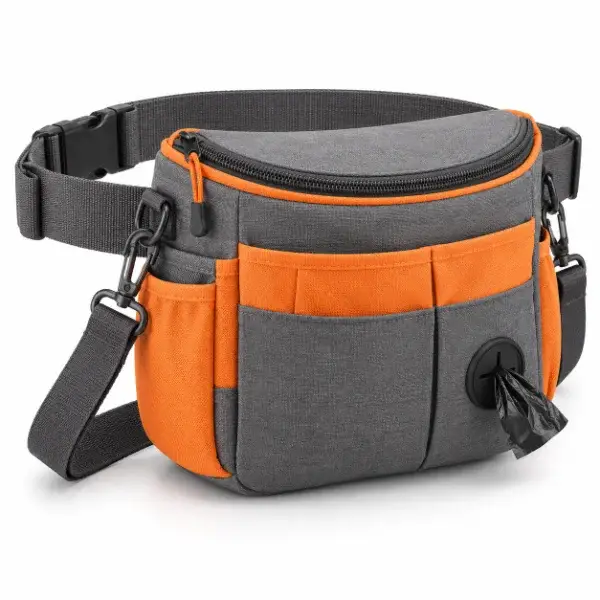
Gobeigo 8-cup treat pouch
Zip top, five compartments, belt clip, waist belt or shoulder strap, built-in poop bag dispenser and a clicker
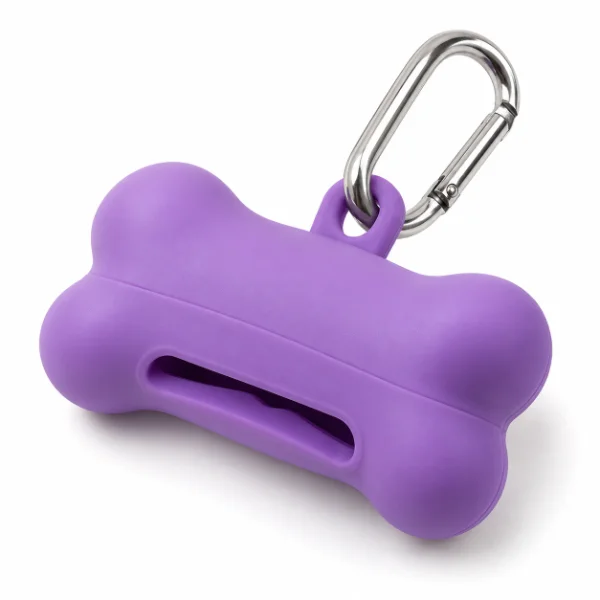
Silicone small treat pouch
Bone-shaped, 120 ml, squeeze to dispense, clip included, dishwasher safe per the listing
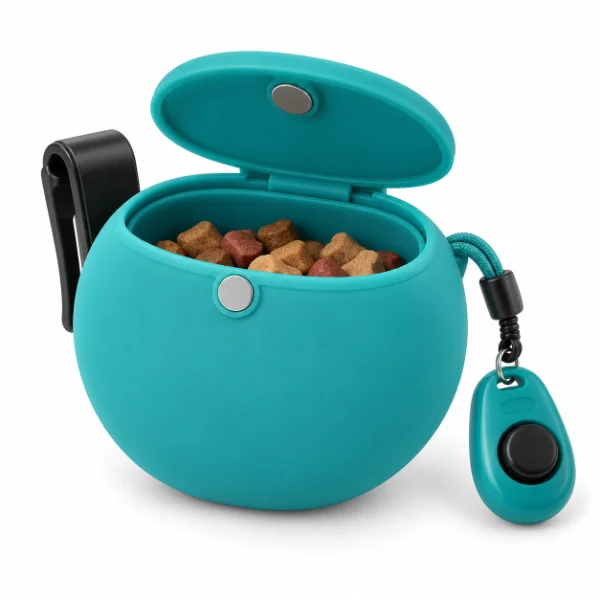
AUDWUD silicone treat pouch with clicker
Magnetic closure you can open one-handed, plus a clip for pockets or belt loops
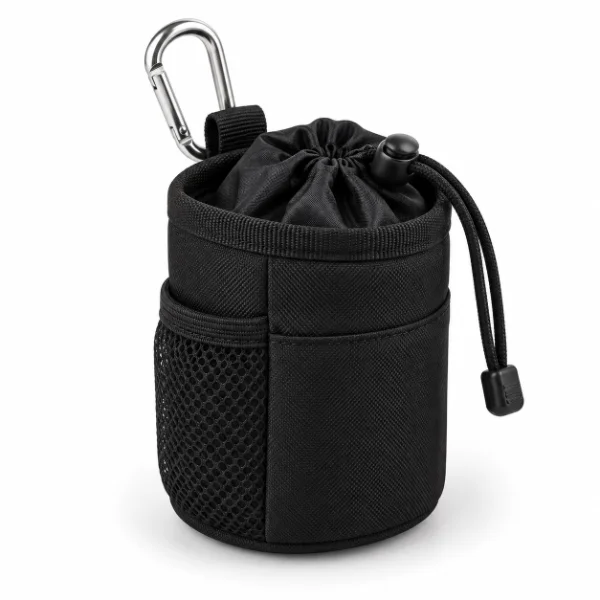
igadgitz mini treat bag
Tube shape about 10 cm long, zipped lid and carabiner clip, very light
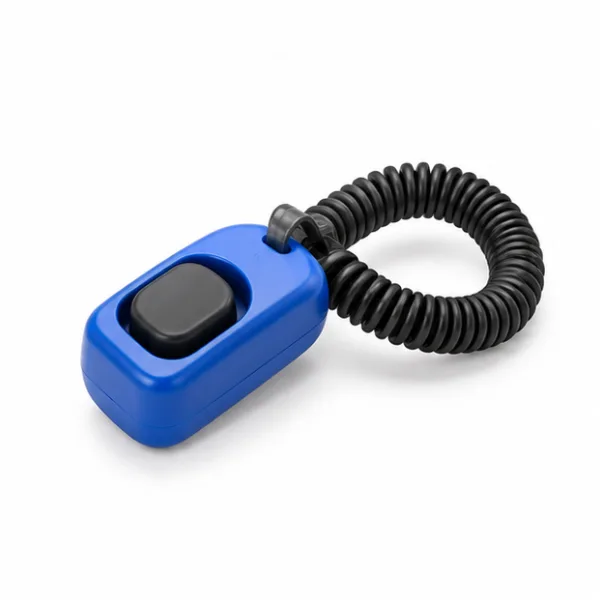
PetSafe Clik-R Training Clicker
Marks the right moment before the treat comes out of the pouch.
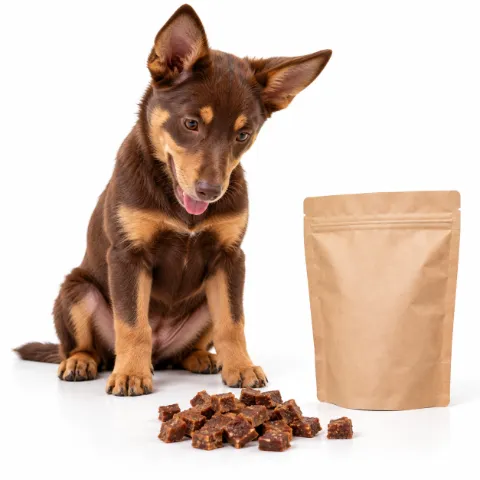
SavourLife Dog Training Treats, Australian Kangaroo, 165 g
Small meaty chunks made for training.
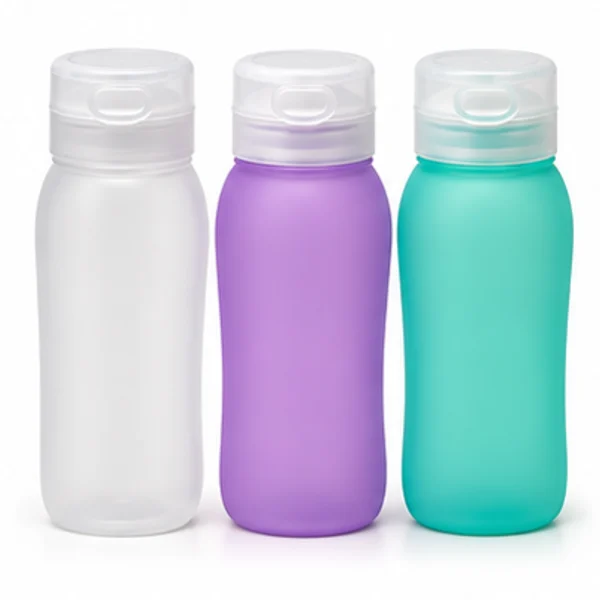
GoToob+ Medium 3-pack, 74 ml each
Refillable tubes for soft food rewards on walks.
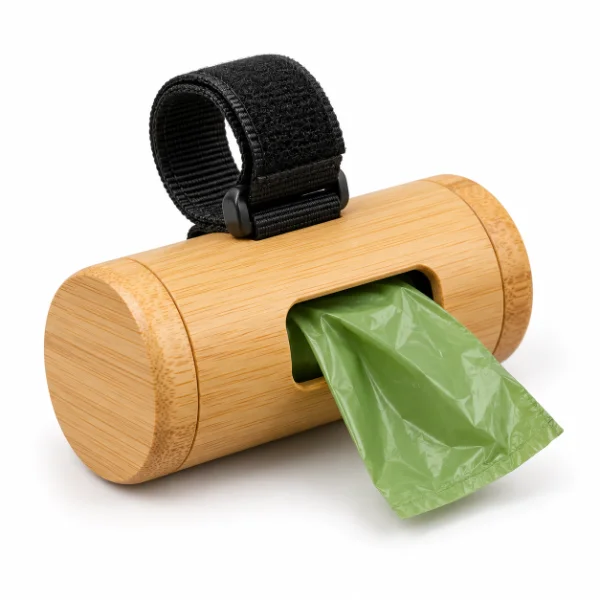
Tuff Pets bamboo poop bag holder
Keeps bags clipped on beside your pouch for walks.
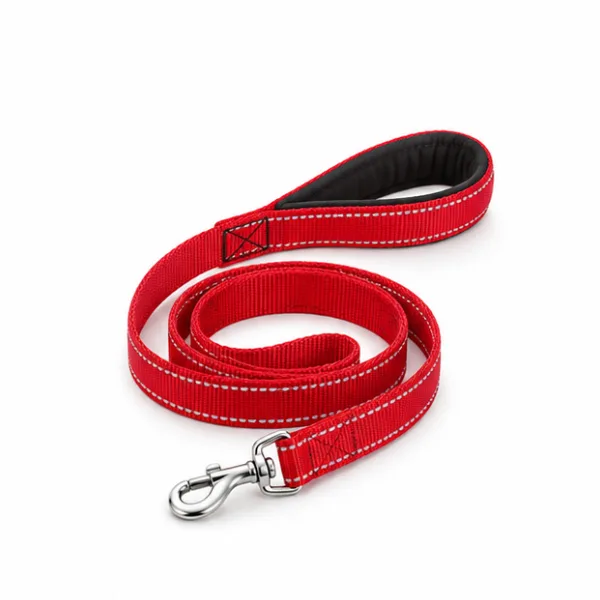
FunTags reflective padded dog lead, 1.8 m
A comfortable lead for walks and training outings.
Meow the Woof deep-engraved 316L stainless tag
A tag with your contact details for outings.
Pictures are illustrations, not the actual products.
Not sure which type suits you? The sections below explain the differences.
Do I need a treat pouch for dog training?
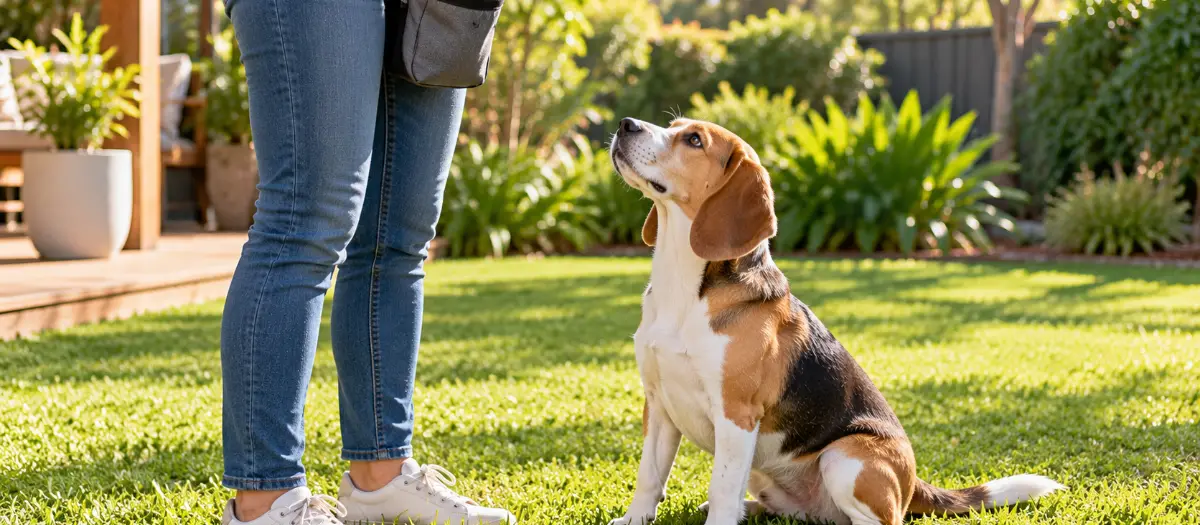
No, you can train with treats in a pocket. But a pouch helps because timing matters: RSPCA Australia's own example rewards the dog as soon as it does the wanted action. A pouch you can open with one hand makes that easier, and keeps smelly treats out of your pockets.
RSPCA Australia supports reward-based training, where wanted behaviour is rewarded and unwanted behaviour is ignored rather than punished. Rewards can be food, a favourite toy or praise (RSPCA Australia, page read 1 November 2026). A pouch is a handy tool in that routine, not a training method by itself. Treats also make muzzle training easier (see our dog muzzle guide), and a training clicker can mark the moment before the treat.
Silicone or fabric treat pouch?
Silicone is easier to wash, while fabric pouches usually hold more and wear in more ways. If you train in short sessions with small treats, silicone is neat and simple. If you walk for an hour and carry kibble, a larger zipped fabric pouch is the better fit.
Here is how the types compare, based on the four listings in this guide:
- Silicone with a squeeze or magnetic closure: the listings say these are dishwasher safe and BPA free. They are small, so they hold a handful of treats.
- Zipped fabric pouch: the Gobeigo listing says the lining is smooth and waterproof and can be cleaned with wet wipes or a towel. It holds far more and has extra pockets.
- Mini zipped tube: the igadgitz is made from water-resistant polyester per the listing and is the lightest of the four.
Check closure style too. A pouch that snaps shut by itself, like a magnetic one, can help stop treats spilling when you bend over or your dog jumps up.
Our picks in detail
1. Gobeigo 8-cup treat pouch: best overall
A large zipped pouch with five compartments. The listing says it holds 8 cups of treats, has a curved zip top so treats stay in when you bend over, and a lining that is waterproof and wipes clean. There's a front pocket for a phone and keys, a small card pocket, a mesh pocket, a D-ring for a bowl or clicker, and a poop bag dispenser. A clicker is included. It's made from nylon and polyester per the listing.
- Pros: big capacity; three ways to wear; extra pockets; poop bag dispenser; clicker included
- Cons: the listing gives its weight as 907 grams, so it's the heaviest pick; bulky for short training sessions; at about 15 x 10 x 19 cm per the listing, it's a bulky thing to wear for a quick session
- Best for: long walks, kibble rewards and owners who want everything in one bag
- Skip it if: you need just a handful of treats for backyard training
2. Silicone small treat pouch: best silicone pouch
A bone-shaped pouch made from silicone, listed under the brand name Kibble Bubble, with a listed capacity of 120 ml and a size of about 11 x 6.5 x 3.5 cm. The listing says you squeeze it to dispense treats from the bottom, that a clip is included, and that it's food grade silicone, BPA free and dishwasher safe. It suits biscuits and jerky-type treats per the listing.
- Pros: easy to wash; clip included; light at 80 grams per the listing; the listing says the silicone keeps its shape
- Cons: small capacity; the listing is confusing, as the bullets describe a squeeze opening but the details say "zipper", so check how it opens in the photos
- Best for: short training sessions with small, soft treats
- Skip it if: you carry large treats or kibble for a whole walk
3. AUDWUD silicone treat pouch with clicker: best with a clicker
A silicone pouch with a magnetic closure. The listing says it opens with one hand and closes itself after you take a treat, which leaves your other hand free for a clicker or hand signals. It clips to pockets or belt loops, and the listing describes it as BPA free and dishwasher safe, with a wide opening that turns inside out for cleaning. The title mentions a clicker, so check the listing to confirm what arrives in the box.
- Pros: one-handed magnetic closure; wide opening for cleaning; soft silicone; very light at 91 grams
- Cons: the listing doesn't state the capacity, just the package size of about 12.4 x 12.1 x 4.9 cm; a clicker is in the title but not clearly described in the details
- Best for: clicker training where you want one hand free
- Skip it if: you need to know exactly how much it holds
4. igadgitz mini treat bag: best pocket size
A small tube pouch about 10 cm long and 5.5 cm across. The listing says it weighs 25 grams, fits a large handful of treats, has a zipped lid and a metal carabiner clip, and is made from water-resistant polyester. It clips to a lead handle, keys, a belt loop or clothing.
- Pros: very light; easy to forget you're wearing it; carabiner clip fits many places
- Cons: small capacity, with the listing saying it holds a large handful; zipped lid needs two hands compared with a magnetic closure
- Best for: quick walks, puppy outings and a back-up pouch in a coat
- Skip it if: you train with big treats or for longer than a short session
How do I wear a treat pouch?
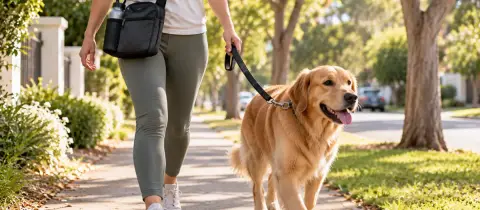
You can clip it to a belt or waistband, wear it as a waist pack, or carry it on a cross-body strap. Wear it on the side away from your dog, so your dog isn't tempted to dive in. Clip-on silicone pouches also hook onto belt loops, pockets or a lead handle.
The Gobeigo listing gives three options: a metal belt clip, an adjustable waist belt (the listing says it fits waists of 23 to 49 inches), or a removable shoulder strap (31 to 58 inches). The other three pouches clip on. If you wear a bag for the whole walk, our dog walking bag guide covers bigger options that hold water, bowls and more.
What treats are best for training?
Small, soft, smelly treats that your dog can swallow in a second work best, so the session keeps moving. Break each one into pea-sized bits. Choose treats your dog finds exciting, and save the best ones for harder tasks like coming back when called. For wet food rewards, a squeeze treat tube keeps your hands clean.
Treats count towards your dog's daily food. VCA Animal Hospitals advises that about 10% of daily calories can come from treats, with the rest from complete and balanced food, and suggests using part of your dog's usual food as rewards. It also advises introducing new treats one at a time (VCA Animal Hospitals, page read 1 November 2026). See our dog training treats guide for picks, and remember that dogs with health conditions or special diets need a vet's advice first.
Never put anything with xylitol, chocolate, grapes, raisins, sultanas, onion, garlic or macadamia nuts in your pouch. Our frozen KONG recipes guide has the full toxic foods list.
How do I keep a treat pouch clean?
Empty it after each outing, then wash it with warm soapy water and dry it fully before refilling. Treat crumbs can go stale and smell. The silicone listings say their pouches are dishwasher safe, while the Gobeigo listing says to wipe the lining with wet wipes or a towel.
A few habits help:
- Tip out old treats every few days, especially meaty ones.
- Dry zips and seams so damp doesn't sit inside.
- Don't store treats and used poop bags in the same compartment.
- Replace a pouch that cracks, tears or stays smelly after washing.
Can a treat pouch hold poop bags?
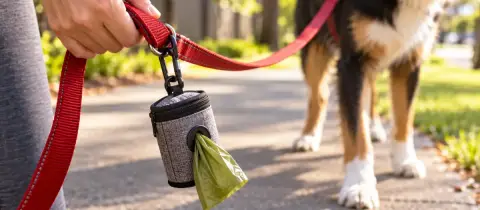
Some can. The Gobeigo has a poop bag dispenser on one side per the listing, so you carry everything on one belt. The other three have no dispenser, so use a separate holder. Keep used bags well away from treats, and see our poop bag holder guide.
Sorting where each item lives stops mix-ups. A pouch with separate pockets, like the Gobeigo, makes this simpler than a single open bag. If you also carry a travel bowl, our collapsible dog bowl guide shows options that clip on.
Dog treat pouches compared
Details from each Amazon Australia listing, checked on 1 Nov 2026.
| Product | Closure | Size | How to wear | Best for |
|---|---|---|---|---|
| Gobeigo 8-cup | Zip | 8 cups | Belt clip, waist belt or shoulder strap | Long walks, kibble |
| Silicone small pouch | Squeeze (listed as zip) | 120 ml | Clip | Short training sessions |
| AUDWUD silicone | Magnetic | Not stated | Clip | One-handed access |
| igadgitz mini | Zipped lid | About 10 cm x 5.5 cm | Carabiner clip | Pocket carry |
How we chose
We searched Amazon Australia for dog treat pouches and training bags, then shortlisted pouches that met all of these checks:
- Well rated: a strong average rating with plenty of buyer reviews.
- No red flags: no pattern of poor reviews, safety complaints or listing problems.
- Available on Amazon Australia when we checked.
- A clear closure type on the listing.
- A stated capacity or size.
- At least one way to wear it, such as a clip, belt or strap.
- Washable, by wipe, hand or dishwasher.
These are researched picks, not products we've personally tested. We compared the specifications and features shown on each Amazon Australia listing, checked on 1 Nov 2026. We didn't accept payment from any brand, and no brand saw this page before it was published.
Left out this time: pouches with unclear materials.
How to set up your pouch for a training session
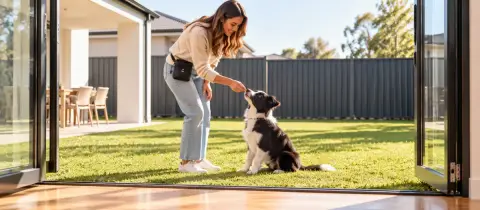
Fill it with small treats before you start, wear it on your hip and keep your hand near it. Mark the right moment with a word or a click, then reward right away. Keep sessions short and end while your dog is still keen. Results vary from dog to dog, so watch how yours responds.
- Pack the right treats: small pieces, with a few extra-tasty ones for harder moments.
- Wear it on the side away from your dog.
- Mark and reward: say "yes" or click, then give the treat.
- Fade the pouch over time: use praise and play too, so your dog isn't working purely for food.
- Wash it: empty and clean it after each outing.
Our puppy training schedule shows how to fit short sessions into a day. For pullers, treats work alongside a no-pull harness.
Treat pouch safety
Keep the pouch out of your dog's reach when you're not wearing it. A dog can chew through a pouch to get at treats, and may swallow zips, clips or pieces of silicone.
Don't use the pouch to carry anything toxic to dogs, and keep treats within the day's food allowance. Carrying water on warm days matters too, so pair your pouch with a dog water bottle and read our keep your dog cool in summer guide before heading out.
When to get help
Call your vet straight away if your dog swallows part of a pouch, a magnet, a clicker or any other non-food item, even if it seems fine. PDSA advises contacting a vet immediately rather than waiting to see what happens. Vomiting, a sore tummy, low energy or a poor appetite can be signs of a blockage (PDSA, page read 1 November 2026).
Talk to your vet if your dog gains weight with training treats, or if your dog has a health condition or special diet. For training that isn't working, such as a dog who is scared, reactive or won't focus, ask a qualified reward-based trainer or behaviour professional.
Frequently asked questions
What is the best dog treat pouch?
For most owners, the Gobeigo 8-cup pouch is the best all-rounder because it carries plenty, has three ways to wear it and includes a poop bag dispenser. If you want something light and washable, choose a silicone pouch such as the AUDWUD with its magnetic closure.
Is a silicone treat pouch better than a fabric one?
It depends. Silicone wipes clean and the listings here say it's dishwasher safe, but it holds less. A zipped fabric pouch holds more and offers more pockets and ways to wear it. Pick silicone for short training and fabric for long walks.
Where should I wear a treat pouch?
Wear it on your hip or waist, on the side away from your dog, so you can reach in without a struggle. Some pouches also clip to a lead handle or belt loop. Choose a spot where your hand can reach it quickly for fast rewards.
How many treats should I carry?
Carry enough for the session, cut small, and count them as part of the day's food. VCA Animal Hospitals suggests about 10% of daily calories from treats. Using part of your dog's usual food as rewards is another good option.
Can I put kibble in a treat pouch?
Yes, many owners do. A larger pouch such as the Gobeigo holds kibble easily, while a mini tube suits small treats alone. Kibble is a handy low-fuss reward at home, and then you can save high-value treats for outdoors. Empty and rinse the pouch more often, because kibble dust builds up.
Can I use a treat pouch to train a puppy?
Yes. Puppies learn well from short, frequent sessions with tiny treats. A light, clip-on pouch is easy to carry around the house and on walks. Keep treats small so they fit within your puppy's daily food, and ask your vet if you're unsure.
Does a treat pouch replace a clicker?
No. A pouch carries the rewards, while a clicker is a marker sound that tells your dog it did the right thing. You can use either, both or neither. A voice marker such as "yes" works too, as long as you reward straight away.
Related guides
- Dog treat squeeze tubes: refillable food tubes for training
- Reactive dog training: a calm plan for lunging and barking
- Best dog water bottle for walks
- Best dog poop bag holder
- Best dog walking bag
- Best collapsible dog bowl
- Best dog training treats
- Puppy training schedule
- Best no-pull dog harness
- Best dog whistles
Sources
- RSPCA Australia Knowledge Base: What is reward-based dog training and why does the RSPCA support it?, read 1 November 2026
- VCA Animal Hospitals: Dog treats, read 1 November 2026
- PDSA: Gut blockages in dogs, read 1 November 2026
- Product details from each linked Amazon Australia listing, checked on 1 Nov 2026.
This guide provides general information and isn't a substitute for veterinary advice. If you're concerned about your dog's diet or training, speak with your vet.