Squeeze treat tubes for dogs: which refillable food tube size suits training walks
By Anish PuriUpdated 23 Nov 202611 min readResearched, not tested by us
Research guide. WhiskerFinds may earn a commission from links, at no extra cost to you.
Quick answer: A dog treat squeeze tube is a refillable silicone tube you fill with soft, dog-safe food so your dog can lick a quick reward from the tip while your hand stays clear. Our top pick is the GoToob+ Medium 3-pack (74 ml each). A tube is a training tool, not a chew toy or a treatment for anxiety.
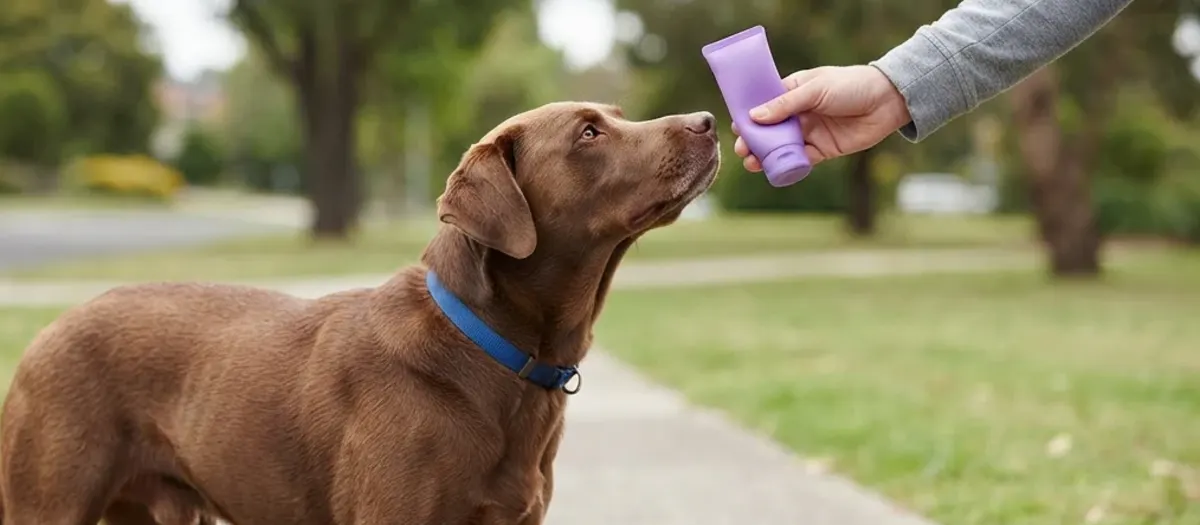
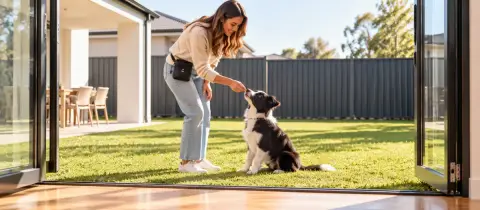
A squeeze tube delivers a fast, high-value reward without a handful of crumbs or a sticky pocket. That suits training walks, where a lick of wet food the moment your dog notices another dog can be easier to manage than fumbling in a pouch. The method for using one on a reactive dog lives in our reactive dog training guide; this page is about which tube to buy and how to use it safely.
The honest picture of the range: every tube that passed our checks on Amazon Australia this time is a humangear GoToob+ silicone travel bottle. It is sold for people (toiletries and condiments), and the listings don't mention dogs. Some dog-training suppliers sell the same style of tube for soft treats, and pet shops also sell squeeze tubes made for dogs. So this page is really "which size and pack", not a comparison of different brands.
Quick picks
Our top pickBest overall
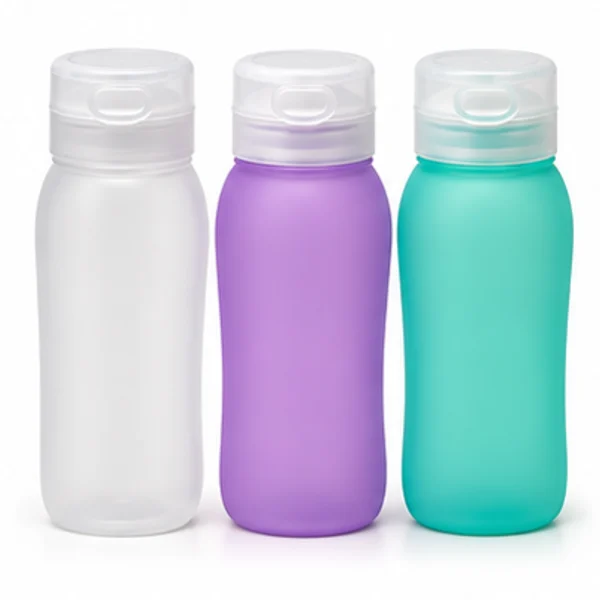
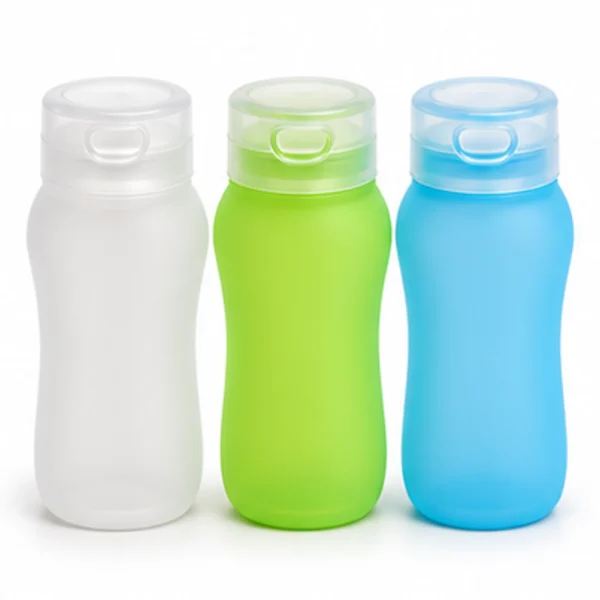
GoToob+ Medium 3-pack, 74 ml each
Three tubes: one on the walk, one in the fridge, one in the wash
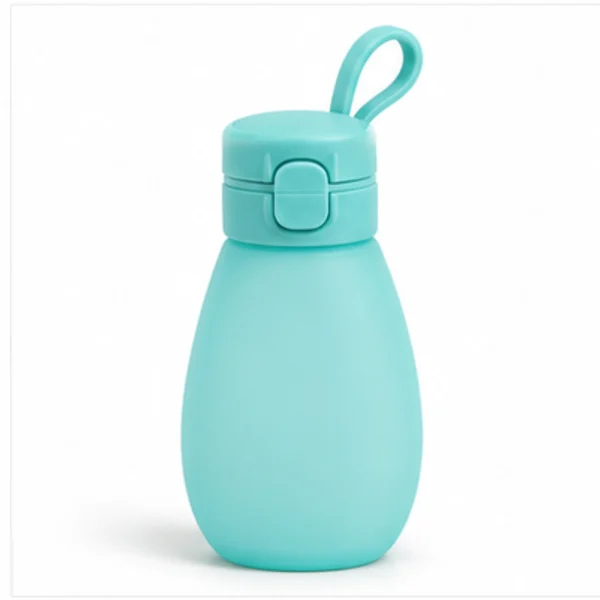
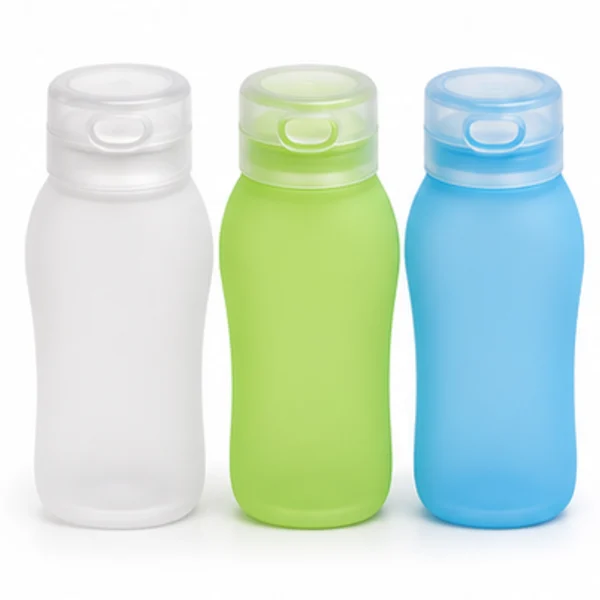
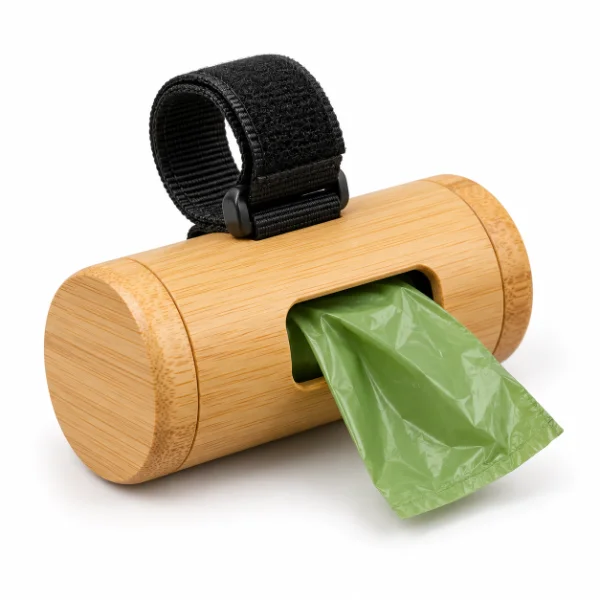
Pictures are illustrations, not the actual products.
Dog treat squeeze tubes compared
Details from each Amazon Australia listing, checked on 23 Nov 2026. Capacities are as the listings state them (fluid ounces converted to ml).
Swipe sideways to see every column
Tube
Capacity (ml)
Pack
Size (cm)
Care per listing
GoToob+ Medium
74
3 tubes
5.1 wide x 10.2 high
Details say hand wash only; the description says tubes are top-rack dishwasher safe, caps hand wash only
GoToob+ Small
53
1 tube
5.1 wide x 8.3 high
Hand wash only
GoToob+ Large
100
3 tubes
Pack 17.15 x 3.81 x 11.43; 231 g
Not stated
GoToob+ Mini
26.6
3 tubes
3.8 wide x 7.1 high
Dishwasher safe
Why does wet food suit a tube?
A tube suits soft, smelly food that a pouch handles badly. Your dog licks from the tip, so the reward is quick, you don't have to pick a crumb out of a pocket, and your fingers stay away from your dog's teeth. VCA Animal Hospitals advises having very high-value treats ready when you work near a trigger. VCA doesn't mention wet food or tubes; a smooth paste your dog loves is our suggestion for one way to do that (VCA Animal Hospitals, "Reducing fear and stress with desensitization and counterconditioning", page read 23 November 2026).
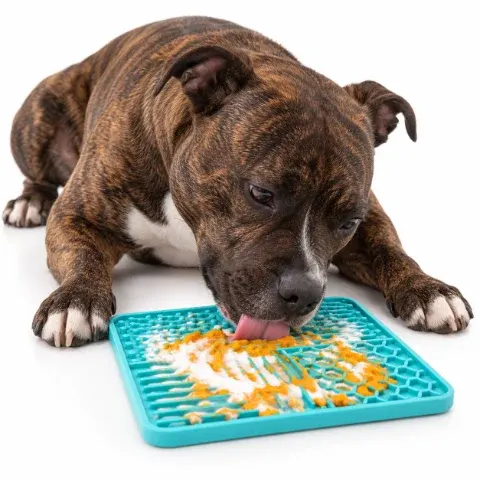
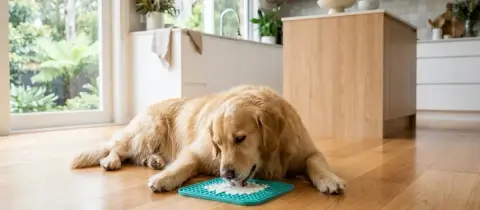
For home enrichment rather than walks, a lick mat does the licking job without you holding anything.
Our picks in detail
1. GoToob+ Medium 3-pack, 74 ml each: best overall
Three tubes in one pack means one in your bag, one filled in the fridge and one drying after a wash. The listing says 2.5 fl oz (74 ml) each, 5.1 x 10.2 cm, food-safe silicone, BPA-free, with a flip cap, a leak-proof valve and a LoopLock that the listing says can hang from a hook or clip to the outside of a pack. It says the opening is 25% larger than the older tube, which helps when you fill it.
On care, the listing's details say hand wash only, while the description says tubes and collars are top-rack dishwasher safe and caps are hand wash only. We'd hand wash. The listing says there's a lifetime warranty.
Pros: three tubes in a pack; a middle size that suits most dogs; clips to a bag; wide opening
Cons: made for people, not marketed for dogs; conflicting care advice on the listing; chewable if your dog bites it
Best for: reactive walks, puppy class and a normal walk with a medium dog
Skip it if: you have a toy breed that needs tiny portions, or a big dog on long sessions
2. GoToob+ Small single, 53 ml: best for trying one
A single tube is the low-commitment way to find out if a tube suits you. The listing says 1.7 fl oz (53 ml), 5.1 x 8.3 cm, silicone, BPA and phthalate free, with a LoopLock cap and hand wash only. It says the contoured tube stands on its own for easy filling and cleaning. It fits a pocket easily, which suits small dogs and short walks.
Pros: pocket-sized; stands on its own for filling; the simplest way to try a tube
Cons: only one tube, so you wash between walks; made for people, not dogs; hand wash only
Best for: trying one, small dogs and short outings
Skip it if: you walk twice a day and don't want to wash between outings
3. GoToob+ Large 3-pack, 100 ml each: best for big dogs
The most food per tube, for large dogs and training sessions that run long. The listing says 3.4 fl oz (100 ml) each; the details give the pack as 17.15 x 3.81 x 11.43 cm and 231 g. The listing doesn't state care instructions, so follow the maker's guidance and hand wash to be safe.
On a warm day, more food means more to keep cool. Wet food spoils, so carry only what a walk needs and bin the leftovers.
Pros: the biggest capacity here; three tubes; fewer refills in a long session
Cons: bulky in a pocket; more food to keep cool; care instructions not stated on the listing
Best for: large dogs, classes and long training sessions
Skip it if: you want a pocket tube or have a small dog
4. GoToob+ Mini 3-pack, 26.6 ml each: best for toy breeds and puppies
Tiny tubes for tiny portions. The listing says 26.6 ml (0.9 fl oz) each, 3.8 x 7.1 cm, food-grade silicone, BPA and phthalate free, dishwasher safe, with an attachment loop. Three minis let you carry different fillings or keep a spare for the next walk.
Pros: small enough for toy breeds; three tubes; an attachment loop; dishwasher safe per the listing
Cons: small capacity so you refill often; the listing's wording is about toiletries and condiments, not dogs
Reward when your dog notices the trigger, not after the barking starts. A lick of the tube right as your dog looks, at a distance that still lets it take food, is the idea. If your dog can't take the food, you're too close. Our reactive dog training guide explains thresholds and the walk plan.
One lick is a reward. Squeeze a little, let your dog lick, and stop. A long, continuous lick can be a useful distraction in the moment, but it isn't training your dog to feel differently.
A tube doesn't treat reactivity or anxiety. Dogs Trust advises vet advice if reactions start suddenly, because pain and illness can play a part. See your vet first, then a qualified reward-based trainer or a veterinary behaviourist, which your vet can refer you to. Results vary.
Gear that keeps your dog safe is separate. A basket muzzle can add safety for some dogs, as our dog muzzle guide explains, and a front-clip harness gives more control. Neither changes how your dog feels.
Tubes also help away from reactive walks: puppy class, vet clinic visits, nail trims and car rides all use a quick lick of something delicious. The same rules apply.
Filling ideas: what goes in, and what never does
Soft, smooth, plain, dog-safe food in small amounts. The tube's opening is narrow, so thin pastes work and chunky food blocks it.
Swipe sideways to see every column
Filling
Notes
Never add
Plain wet dog food, blended smooth
Part of your dog's usual meal, so it fits the treat allowance. Thin with a little water if it won't squeeze.
Anything with onion or garlic listed on the label
Plain cooked meat puree
Cooked, cooled and blended, with no seasoning, stock cubes or sauce.
Onion, garlic, chives, cooked bones
Plain unsweetened yoghurt
Small amounts only, if your dog tolerates dairy.
Sweetened or flavoured yoghurt, anything with xylitol
Xylitol-free peanut butter with no added salt or sugar, thinned
Our frozen KONG recipes page has the full list of foods that must never go in a tube; check it before you try anything new.
How do you fill a tube without mess?
Spoon or pipe the filling in with the tube standing up. The Small tube's listing says it stands on its own for easy filling and cleaning, and the Small, Medium and Large listings say the opening is 25% larger than the maker's older tube. A spoon or a piping bag works for thick fillings. You can fill the tube the night before and keep it in the fridge. Put the tube in a cool spot on the walk and keep it out of the sun.
What size tube suits your dog and the session?
Choose the tube by how much food you'll hand out on one walk. Smaller tubes mean refilling more often but less waste; bigger tubes mean more to keep cool. We give no calorie numbers because they depend on the food; check the label of what you fill it with.
Swipe sideways to see every column
Dog and session
Tube size
Portion note
Toy breed or puppy, short outing
Mini, 26.6 ml
Tiny licks; a whole tube may be more than a small dog's treat allowance
Small dog, short walk
Small, 53 ml
Fill part of the tube if your dog is very small
Medium dog, a normal training walk
Medium, 74 ml
Count what you use against the day's 10%
Large dog, long session or class
Large, 100 ml
Carry only what the session needs
Choose by situation
Swipe sideways to see every column
Your situation
What to look for
Our pick
Reactive walks
A flip cap and a spare tube ready to go
Medium 3-pack (1)
Trying a tube for the first time
Just one tube to start
Small single (2)
Puppy class
A small tube and tiny licks
Mini 3-pack (4)
Hot days
A small tube, carried cold and out of the sun
Mini (4) or Small (2)
Vet visits
A tube you can clip to your bag
Medium 3-pack (1)
Home training
A spare tube per session, no need to carry it
Medium 3-pack (1)
Large dog, long session
The biggest tube
Large 3-pack (3)
Is a squeeze tube safe for your dog?
It can be a useful licking tool while you hold it, but it isn't a chew toy. The listings describe food-safe silicone for people, not dog-safe products, so we make no "pet safe" claim. If your dog bites the tube or chews the cap, stop and put it away. Don't leave a tube with your dog, and keep spare tubes out of reach.
Swallowed silicone or a cap can cause a blockage. Dogs Trust says dogs that swallow non-food items are at risk of dangerous medical problems and need prompt vet advice, and that vomiting can mean an emergency (Dogs Trust, "Resource guarding in dogs: how to keep everyone safe", page read 23 November 2026). A tube is no help for a dog that guards food or toys either; our food aggression guide covers those dogs, including when a squeeze of wet food from a safe distance can work as a trade.
Reading your dog matters too. If your dog avoids the tube, stiffens or won't take food on a walk, you may be too close to a trigger or your dog may be worried; our dog body language guide shows what the quieter signs can look like.
Where else can you buy a treat tube?
Some dog-training suppliers sell squeeze tubes for soft treats, and pet shops and vet clinics may sell tubes made for dogs. Check the capacity in ml, whether the opening is wide enough to fill, and how the cap closes, as we have here.
How we chose
We searched Amazon Australia for refillable squeeze tubes for wet food and shortlisted those that met all of these checks:
Well rated: a strong average rating with plenty of buyer reviews.
No red flags: no pattern of poor reviews, safety complaints or listing problems.
Available on Amazon Australia when we checked.
Capacity stated in ml or fluid ounces on the listing.
Food-grade silicone described on the listing, with a cap that closes.
Care instructions stated, or flagged here when they weren't.
These are researched picks, not products we've personally tested. We compared the specifications and features on each Amazon Australia listing, checked on 23 Nov 2026, and we didn't accept payment from any brand. The listings are written for travellers, so anything about dogs here is our own suggestion, not the maker's.
Left out this time: the same Small tube in other colours, the same Medium 3-pack in other colours, and Small 3-packs in other colours. They are the same products as our picks, with no extra reason to list them.
When to see a vet
Book a vet visit if your dog's reactivity is new or getting worse, if your dog seems sore, or if your dog stops eating its usual food. Pain and illness can lower a dog's tolerance, so see your vet first, then a qualified reward-based trainer or a veterinary behaviourist, which your vet can refer you to. See our reactive dog training guide.
Call your vet straight away if your dog may have swallowed a tube, a cap or a piece of silicone, even if it seems fine, and go to a vet or emergency clinic at once if it is vomiting, off its food or in pain. If your dog may have eaten something toxic, such as xylitol, chocolate, grapes, raisins, onion or garlic, call your vet or the Animal Poisons Helpline on 1300 869 738 (24/7).
Frequently asked questions
What can I put in a dog treat squeeze tube?
Plain, smooth, dog-safe food: wet dog food blended smooth, plain cooked meat puree, a little plain unsweetened yoghurt, or xylitol-free peanut butter thinned. Never use xylitol, chocolate, grapes, raisins, onion or garlic. Our frozen KONG recipes page has the full list.
Is peanut butter safe in a treat tube?
Only if it's xylitol-free, and you need to read the label every time because recipes change. Thin it so it squeezes, and use small amounts, since it's rich. Xylitol is dangerous for dogs, so ring your vet or the Animal Poisons Helpline (1300 869 738) if you think your dog had some. See can dogs eat peanut butter.
How do you clean a squeeze treat tube?
Wash it after every walk in warm, soapy water, use a bottle brush on the opening if food sticks, and air dry it fully with the cap open. The listings differ: the Small says hand wash only, the Mini says dishwasher safe, and the Medium says both. We'd hand wash tube and cap to be safe. Don't leave food sitting in it.
Can I freeze a filled treat tube?
The listings don't say anything about freezing, so we can't confirm it's fine. A fridge and same-day use is what we suggest, and we have no source on how long a filled tube keeps. For frozen treats, see our frozen dog treats guide.
How much wet food counts as a treat?
All of it counts. VCA says treats should stay at about 10% of your dog's daily calories, with complete and balanced food making up the rest (VCA Animal Hospitals, "Treats for dogs", updated 26 September 2024, page read 23 November 2026), and a tube of your dog's usual wet food counts toward that. Use small licks and reduce the meal on heavy training days. Ask your vet if your dog needs a tighter limit.
Is a treat tube better than a treat pouch?
It depends on the food. A tube suits soft, smelly rewards and keeps your hands clean; a treat pouch suits small dry treats and scatter feeding. Many owners carry both. For walks with a reactive dog, a tube gives a quick, high-value reward that fits one lick at a time.
Can I use a squeeze tube for a puppy?
Yes, with a small tube and tiny licks, but a puppy's treats still count toward its daily food, so keep portions small. Never let a puppy chew the tube or cap, since puppies tend to chew everything, and stop if it bites down. Our Mini 3-pack suits tiny puppies; see the puppy training schedule for what to teach and when.
Product details from each linked Amazon Australia listing, checked on 23 Nov 2026.
This guide provides general information and isn't a substitute for veterinary advice. If you're concerned about your dog's behaviour or health, speak with your vet.