By Anish PuriUpdated 2 Nov 202615 min readResearched, not tested by us
Research guide. WhiskerFinds may earn a commission from links, at no extra cost to you.
Quick answer: The best dog lead for most everyday walks is a padded, reflective nylon lead about 1.8 m long, so the FunTags reflective padded lead is our top pick. It gives you a comfortable grip, steady control and some visibility after dark. Swap to a shorter lead for busy footpaths, and clip to a harness if your dog pulls.
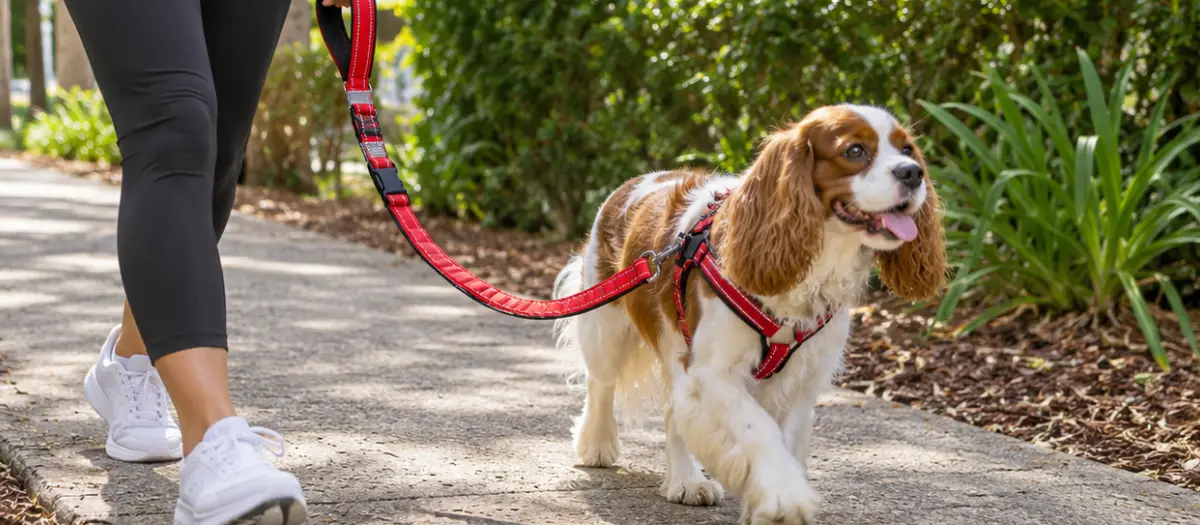
Illustration, not the actual product
Our top pickFunTags reflective padded dog lead, 1.8 m
Most walks need a plain, strong lead that sits well in your hand, not a gadget. This guide compares five everyday leads on Amazon Australia and explains length, material and fit. If you want a specialist style, see our guides to retractable leads and long training lines.
Quick picks
Our top pickBest overall
FunTags reflective padded dog lead, 1.8 m
Padded handle, reflective threads and a swivel clip, in two widths for different dog sizes
Pictures are illustrations, not the actual products.
Lengths and widths vary by option on some listings, so check the size you select before you buy.
Which lead suits your walk?
For most people, a plain fixed lead about 1.8 m long is the right everyday choice, and the rest of this page compares five of them. Some walks call for something else: a short lead for crossings, a harness for a dog that pulls, a long line for recall practice, or a waist lead for jogging. The table points you to the right guide. Matching collar and lead sets, sized by neck in cm, are in our collar and lead set guide; how long the walk should be is in how much exercise a dog needs.
For everyday walks, the best type is a fixed-length lead in nylon, webbing or rope, with a padded or soft handle and a strong clip. A fixed length keeps you in control near roads and other dogs. Specialist leads suit particular jobs, such as training or running, but they aren't the best starting point.
RSPCA Australia's knowledgebase suggests a lead in good condition that suits your dog's size. Heavy leads with big clips are too much for small dogs, and thin ones can break on large dogs (RSPCA Knowledgebase, page read 2 November 2026). It also advises against retractable leads because they give less control, can hurt the neck when a dog hits the end of the lead, and encourage pulling. Our retractable lead guide covers the extra care they need if you already own one.
Our picks in detail
1. FunTags reflective padded dog lead: best overall
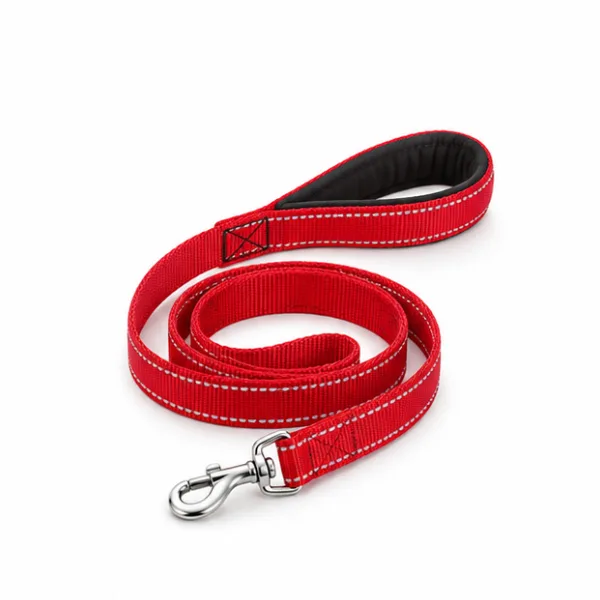
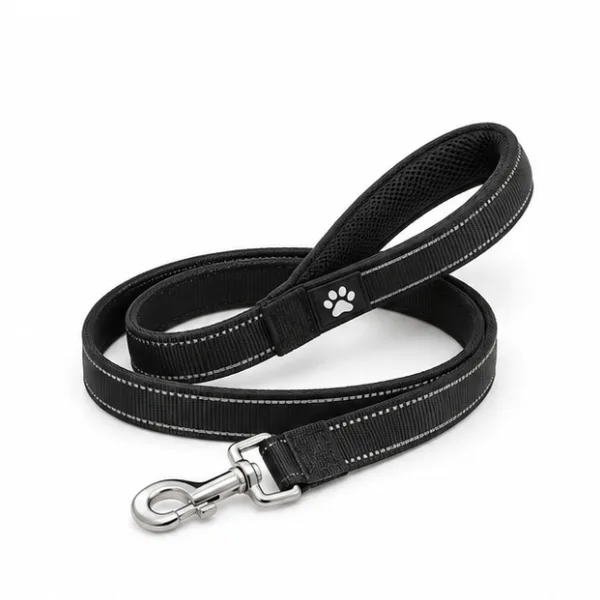
A 1.8 m (6 ft) nylon lead with a padded handle. The listing says reflective threads run along the lead to help you be seen on dark mornings and evenings, and that the metal spring snap clip swivels 360° to reduce tangling. It comes in a 3/4 inch width for small to medium dogs under 50 lbs and a 1 inch width for dogs over that, and the listing also mentions a 4 ft option for close control. It weighs about 109 g.
Pros: padded handle; reflective threads; swivel clip; widths for different dog sizes
Cons: the listing says nylon isn't chew proof; it says the clip works best with a single D-ring attachment; the size text on the listing mixes several options, so check what you select
Best for: everyday walks with a dog that doesn't chew the lead
Skip it if: your dog chews leads, or you need a very short lead for crowds
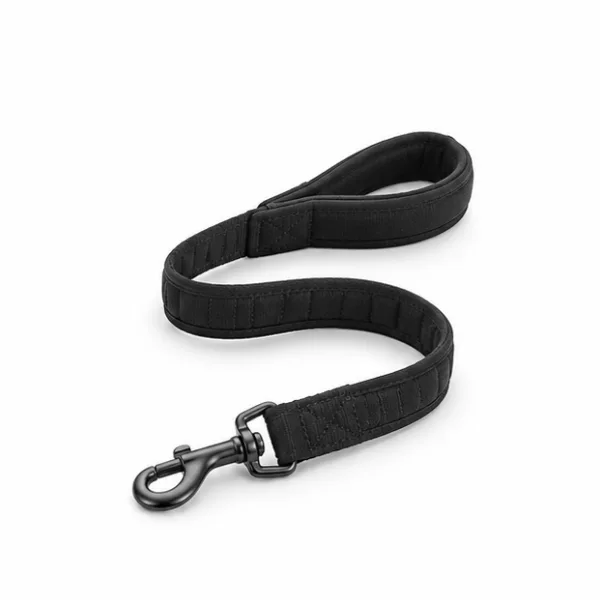
A 1.2 m nylon lead, 25 mm wide, with a neoprene-lined handle that the listing says is easy to clean. The listing says it has a 3M Scotchlite reflective strip and strong nylon webbing, with a snap closure. It weighs about 100 g. The listing says you can pair it with a matching Halti collar or harness, sold separately. This is a lead only, not a head collar. For the head collars themselves, see our dog head collar guide.
Pros: short and easy to handle; lined handle; reflective strip; matching accessories available
Cons: at 1.2 m it is shorter than the roughly 2 m the RSPCA suggests for general walking; the listing doesn't say whether the clip swivels; the listing text is brief
Best for: medium to large dogs on suburban footpaths where you want them close
Skip it if: you want a longer lead, or a swivel clip
3. Mile High Life leash with leather-wrapped ends: best leather trim
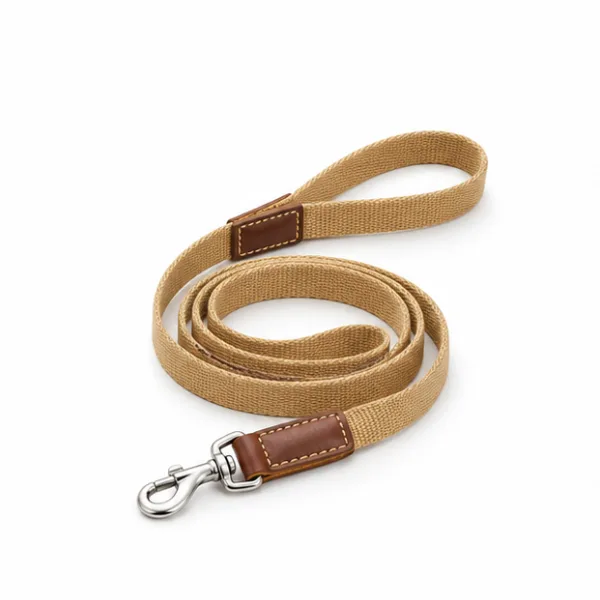
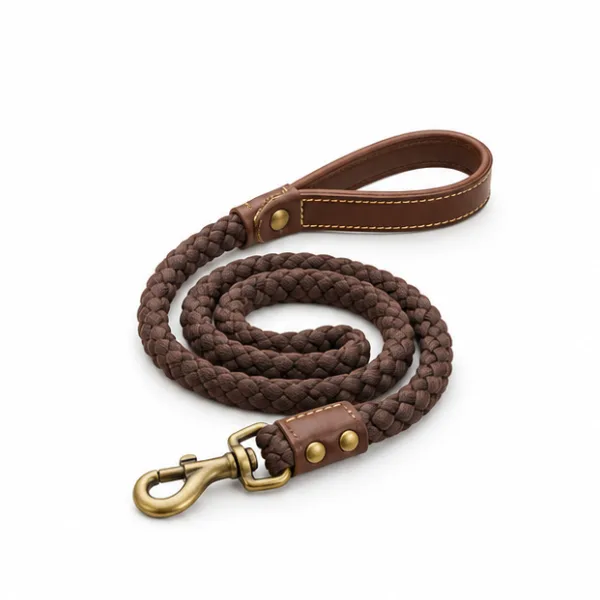
A rope lead with leather-wrapped ends. The listing says it is made from nylon climbing rope, 1/2 inch across, with cotton stitching, a leather knot and a snap closure, in 4, 5 and 6 ft lengths. The product details show the 5 ft (1.5 m) option and list it for medium and large dogs. The listing says the leather connection gives a comfortable grip.
Pros: thick rope that is easy to hold; classic leather look; several lengths
Cons: the listing is inconsistent, naming nylon rope in the bullets but cotton as the material; it has no padded handle; the listing text mentions double dogs and a swivel clasp without explaining them
Best for: owners who like a rope lead with a leather finish
Skip it if: you want a lead with a reflective detail, or a clear materials list
4. Mile High Life braided cotton rope leash: best rope lead
A soft braided cotton rope lead with a leather tailor tip and a metal clasp that the listing calls rust proof. It comes in 4, 5 and 6 ft lengths plus an 18 inch short lead for training, in 1/2 inch for medium and large dogs or 1/3 inch for small to medium dogs. The 5 ft option measures about 152 cm. The listing describes it as gentle on hands and reinforced at the end.
Pros: soft in the hand; two thicknesses; short lead option; leather tip
Cons: the listing makes no chew-proof claim; there is no reflective detail; there is no padded handle
Best for: calm walkers who want a soft rope lead in a size to suit their dog
Skip it if: your dog chews the lead, or you often walk after dark
5. iGadgitz padded dog lead, 1 m: best traffic lead
A fixed 1 m polyester lead, 2.5 cm wide, with a padded handle. The listing says the metal buckle swivels 360° to prevent tangling and that the lead carries a 2.2 cm round reflective paw logo. It says the lead folds easily into a bag. The listing also shows 1.22 m and 1.8 m versions, so check the size you select.
Pros: short and controlled; padded handle; swivel buckle; folds small
Cons: the reflective detail is a small logo, not a full strip; at 1 m it is short for relaxed walking; the listing shows several sizes in one place
Best for: busy footpaths, crossings and crowded places where you want your dog close
Skip it if: you want a lead with more length
How long should a dog lead be?
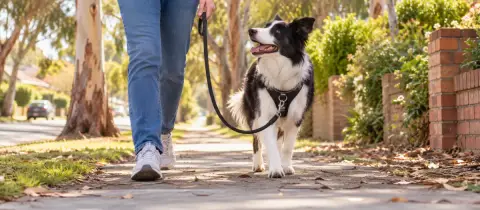
About 1.8 to 2 m suits most everyday walks. It gives your dog room to sniff without letting them wander into the road. A lead around 1 to 1.2 m keeps a dog close and is handy on busy footpaths, but a very short lead can encourage pulling.
The RSPCA knowledgebase aims for about 2 m and notes that a short lead encourages pulling (page read 2 November 2026). That is why our top pick is 1.8 m. Use a shorter lead such as the Halti or the iGadgitz for crowded places or crossings, and shorten a longer lead by holding it closer to the handle instead of looping it around your hand.
Is a leather or nylon lead better?
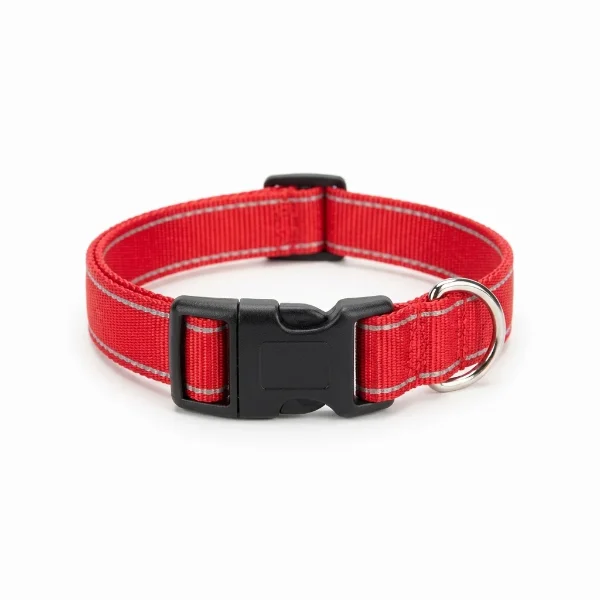
Neither is better for every dog. Nylon and webbing are light and easy to carry. Leather and rope are often softer in the hand and some people prefer how they look. What matters most is a sound clip, good stitching and a width that suits your dog's size. For a lead that wipes clean after swims, see the coated leads in our waterproof dog collar guide.
Going by the listings, nylon and polyester leads here are light, with a padded handle on three of them. Rope leads feel different in the hand and use a thicker diameter. The listings for the Mile High Life leads mention leather ends, which can add a classic look. None of the listings say a lead is chew proof, and the FunTags listing says nylon leads aren't. If your dog chews the lead, see toys for heavy chewers for a better outlet.
Should I use a lead with a collar or a harness?
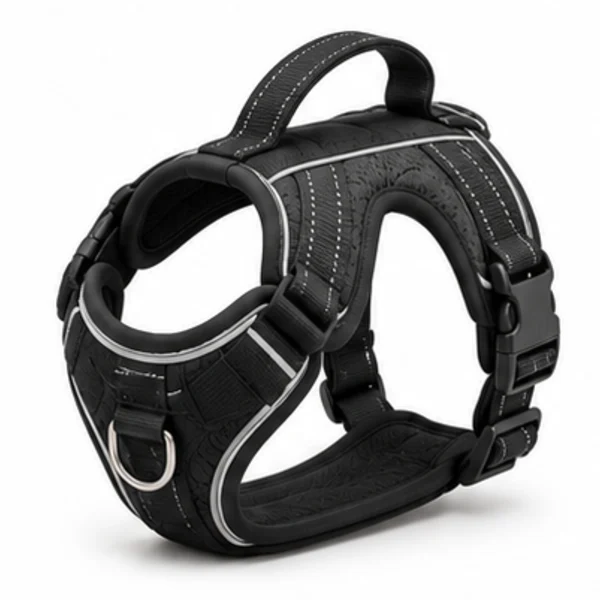
Either works, as long as it fits and your dog can't slip out. A harness spreads pressure across the chest and avoids strain on the neck, so it often suits dogs that pull or have narrow necks. A flat collar with ID is still worth wearing. Never use slip, choke, prong or shock collars. Which harness type suits your dog is in our dog harness buying guide; the two-point method with a double-ended lead is explained in our front clip harness guide.
RSPCA Australia's knowledgebase says a harness is preferred for walking because it avoids strain on the neck, and that choke, slip and prong collars can injure (page read 2 November 2026). Check a collar by sliding two fingers under it. Our dog collar guide covers ID tags, microchip and council registration, and the rules differ between states and councils. For young dogs, see the puppy collar guide.
What lead is best for a dog that pulls?
A standard lead on a well-fitted harness, paired with reward-based loose-lead training, is the usual starting point. The lead itself doesn't stop pulling. Avoid slip leads and retractable leads. If pulling continues, a front-attaching harness may help, ideally with advice from a reward-based trainer.
The RSPCA knowledgebase strongly recommends a front-attach harness with a double-ended lead for dogs that pull strongly, and says head collars should only be considered after trying loose-lead training and a front-attach harness, because they can cause discomfort or injury if misused (page read 2 November 2026). Stop walking when the lead goes tight, and move on when it loosens, rewarding your dog. Results vary, so watch how your dog responds. See our no-pull dog harness guide. A treat pouch keeps rewards handy.
Do I legally need my dog on a lead in Australia?
Generally yes. In most public places your dog must be on a lead unless you are in a signed off-lead area. The rules differ by state and council, and some parks ban dogs altogether. Check your own council's website and the signs on site before you let your dog off.
Woollahra Council in NSW states that dogs must be on a lead at all times in public unless in a sign-posted off-leash area, and that a fine can apply (Woollahra Council, page read 2 November 2026). Other states and councils set their own rules. Even in an off-lead area you need to keep your dog under control. Don't let a dog off lead near roads or wildlife.
Dog leads compared
Details from each Amazon Australia listing, checked on 2 Nov 2026.
We searched Amazon Australia for everyday dog leads, then shortlisted leads that met all of these checks:
Well rated: a strong average rating with plenty of buyer reviews.
No red flags: no pattern of poor reviews, safety complaints or listing problems.
Available on Amazon Australia when we checked.
A clear length on the listing, with a fixed-length lead preferred.
A usable width for the dog size the listing names.
A secure clip: metal hardware that closes firmly, with swivel or snap type stated.
A comfortable handle: padded, lined or soft rope.
Reflective stitching or detail where the listing offers it, noted per product.
These are researched picks. We haven't used them ourselves. We compared the specifications and features shown on each Amazon Australia listing, checked on 2 Nov 2026. We didn't accept payment from any brand, and no brand saw this page before it was published.
Left out this time: slip leads, because they tighten around the neck like a choke, and chain leads.
How to fit and set up a lead
Start by checking the collar or harness, since a lead is just as secure as what it's clipped to. Fit it so you can slide two fingers under the strap, and check the clip is fully closed before each walk.
Choose the width for your dog's size. The FunTags listing suggests 3/4 inch for dogs under 50 lbs and 1 inch for bigger dogs.
Clip to a harness or flat collar with ID. Use a harness for running, cycling and car travel, and never clip a car tether to a collar. See our dog car harness guide.
Hold the handle, not the length. Never wrap a lead around your hand or wrist.
Check before every walk. Look for fraying, loose stitching, a stiff clip or a worn handle. Replace a lead showing damage.
Keeping walks safe
Keep your dog on a lead near roads, in busy places and around wildlife, and keep the lead short in crowds. Don't let a dog off lead outside a signed off-lead area. A lead is a tool for control, not a substitute for training.
If your dog lunges at other dogs, bolts or drags you over, stay calm and speak with a reward-based trainer. Don't pull hard or jerk the lead. Snakes and ticks are worth keeping in mind on bush tracks, so keep your dog out of long grass and see our paralysis ticks guide. On hot days, walk early or late and see how to keep your dog cool in summer.
Looking after a lead
Wipe or wash your lead when it's muddy, let it dry fully and store it away from hot sun. The Halti listing says the neoprene handle is easy to clean. For the other leads, follow any care label and check the listing. Leather ends can dry out if left wet, so dry them naturally.
When to get help
See your vet if your dog suddenly pulls, limps, coughs or gags on the lead, or if its neck, chest or armpits look sore or rubbed after a walk. Pain can change how a dog walks, so a vet check is a good first step before blaming training.
If your dog lunges, bolts or panics on walks, talk to your vet or a qualified, reward-based trainer. Choose equipment that doesn't cause pain. The RSPCA says choke, slip and prong collars must not be used (RSPCA Knowledgebase, page read 2 November 2026), and we never recommend shock collars either.
Frequently asked questions
What is the best dog lead?
For everyday walks, a padded, reflective nylon lead around 1.8 m long is a solid choice, and the FunTags is our top pick. Pick a width that suits your dog's size, make sure the clip closes firmly, and use a harness if your dog pulls. Compare all five in the table above.
What is a dog lead called?
A dog lead is also called a leash in Australia and elsewhere. In everyday use, "lead" and "leash" mean the same thing: a strap or rope that clips to your dog's collar or harness. The part you hold is the handle, and the clip at the other end is the snap or buckle.
Is a 1 m dog lead too short?
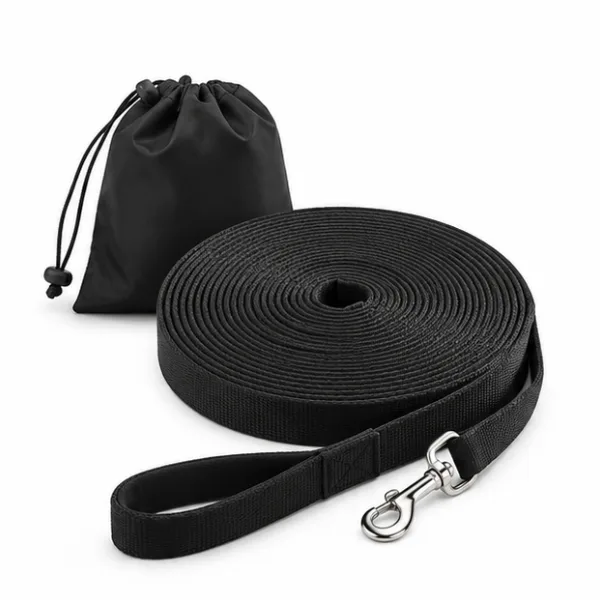
Not for busy places. A 1 to 1.2 m lead keeps a dog close at crossings and in crowds, which is why the iGadgitz and Halti are here. For relaxed walks the RSPCA knowledgebase notes that a short lead can set a dog up to pull, so 1.8 to 2 m suits most outings. See our long dog lead guide for training lines.
Is a retractable lead good for dogs?
Not for most dogs. The RSPCA knowledgebase advises against them because they give less control, can jerk the neck when a dog reaches the end, and encourage pulling. If you already own one, keep it for quiet open spaces and lock it short near roads. Our retractable dog lead guide covers tape, cord and safer picks.
Is it better to walk a dog on a harness or a collar?
A well-fitted harness is often more comfortable because it avoids strain on the neck, which the RSPCA knowledgebase prefers for walking. A flat collar with ID tag is still useful. Never use slip, choke, prong or shock collars. See our dog collar guide.
Can I walk two dogs on one lead?
You can use a double or coupler lead, but each dog must be comfortable walking beside the other and you must be able to control both. It can be harder with dogs that pull or differ a lot in size. Our double dog lead guide explains how to choose.
Do I need a hands-free lead?
Not for most walks. A hands-free lead can help for jogging or when you carry things, but your dog should already walk calmly on a standard lead. It can pull on your waist if a dog lunges. See our hands-free dog lead guide.
Product details from each linked Amazon Australia listing, checked on 2 Nov 2026.
This guide provides general information and isn't a substitute for veterinary advice. If you're concerned about your dog's walking or training, speak with your vet.