Aussie Seasons · Dogs and cats
Pet care through the year
Hot footpaths in summer, wet walks in autumn, cold floors in winter, ticks and snakes in spring. Here's what changes for your dog or cat each season, and what to do about it.
Choose a season
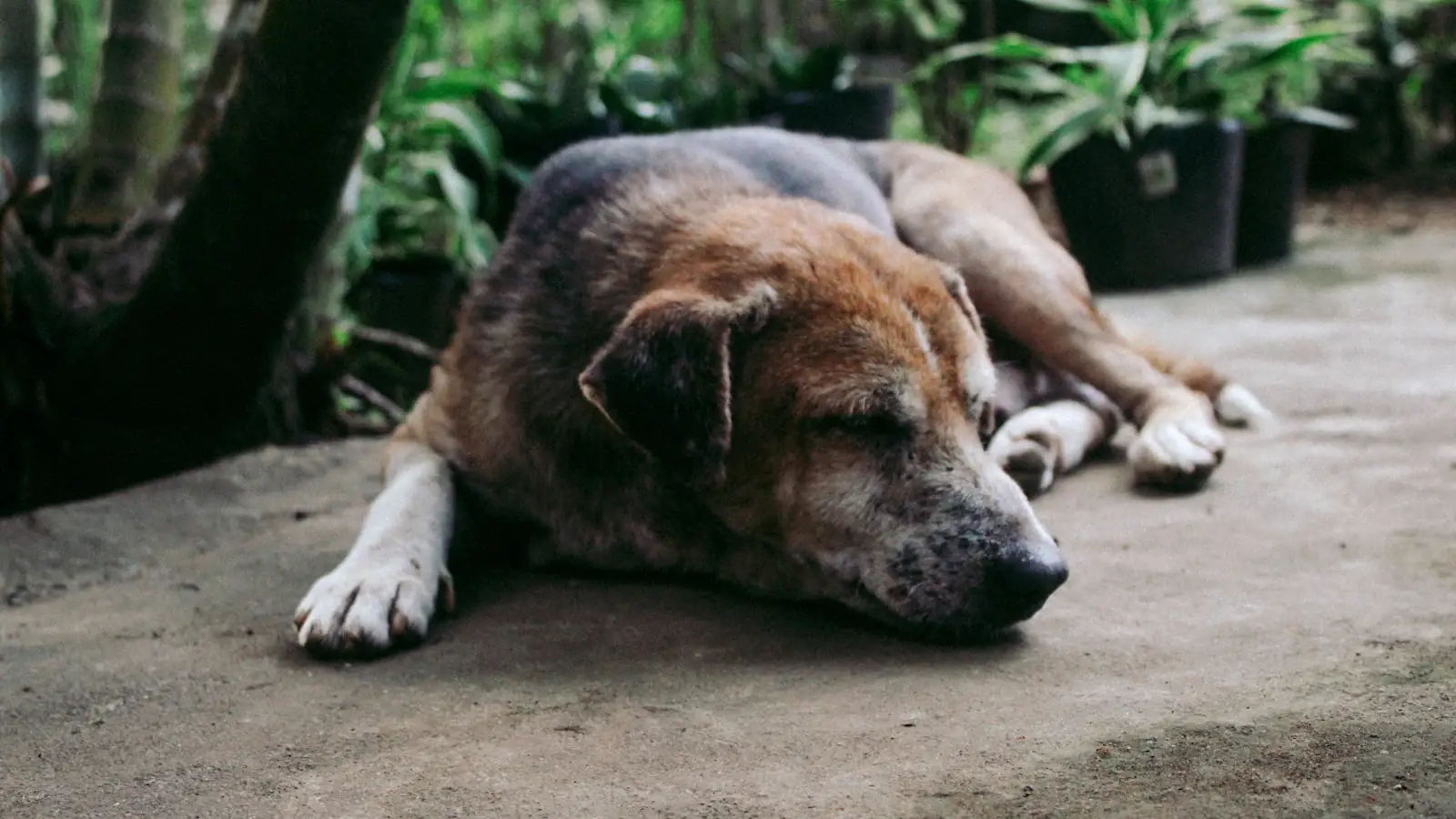 SummerDec to FebShade, water and cooler walks
 AutumnMar to MayWet walks and rainy-day games
 WinterJun to AugWarm beds and indoor fun
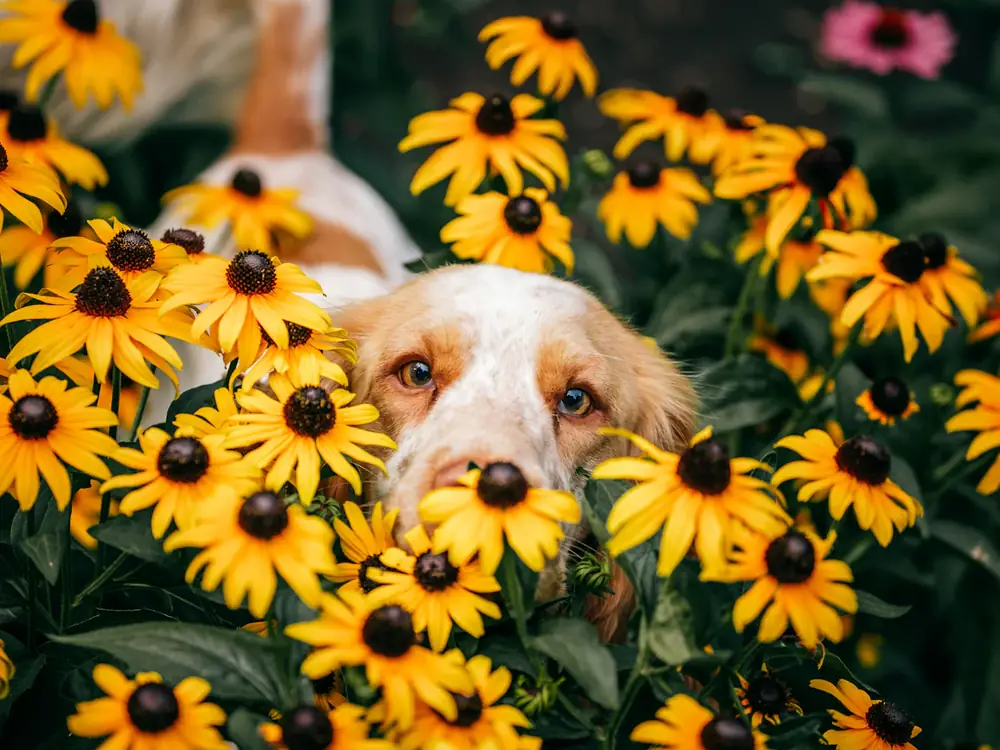 SpringSep to NovTicks, snakes and garden safety
Your weather may differ. These seasons suit most of southern Australia. In the tropical north, the year is better described as a wet season and a dry season, and conditions vary a lot between regions. Use the tips that match the weather where you live.
December to February
Summer
Hot days and warm nights are the biggest risk of the year for many pets. Plan walks around the heat, keep water and shade easy to reach, and know the warning signs of overheating.
For dogs
- Walk very early or in the evening. Test the footpath with the back of your hand for five seconds: if it's too hot for you, it's too hot for paws.
- Leave plenty of fresh water in bowls that are hard to tip over, plus shade all day. Bring dogs inside on very hot or humid days.
- Never leave a dog in a car, even with the windows down. A car can heat up to more than double the outside temperature, and even a mild day of around 22°C is dangerous.
- Flat-faced breeds, older, overweight and unwell dogs overheat more easily, so take extra care with them.
For cats
- Give indoor cats a cool room, airflow from a fan or air con, and more than one water bowl. A tile chilled in the fridge makes a handy cool spot.
- White and pale cats can get sunburnt ears and noses, so keep them out of the midday sun.
- Open-mouth breathing or panting in a cat is a sign of distress. Move them somewhere cool and call your vet.
Read next
- How to keep your dog cool in summer (and spot heatstroke early) →
- How to keep your indoor cat cool in summer →
- Do dog cooling mats work? What vets say →
- Dog scared of storms or fireworks? What helps →
- Going on holiday? Your dog care options →
- Hot-day ideas for home-alone dogs →
- Frozen KONG and lick mat recipes →
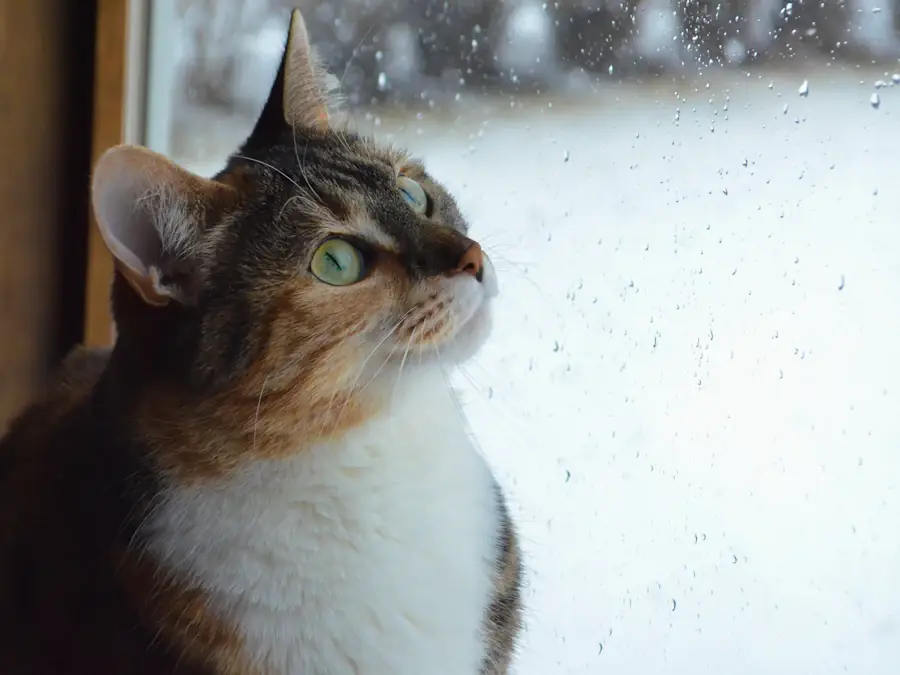
March to May
Autumn
Cooler mornings make walking easier again, but autumn can bring rain and muggy days. A few small habits keep coats, skin and ears comfortable, and rainy-day games stop boredom building up.
For dogs
- As days cool, move walks back to times that suit you both, and enjoy longer, sniffier walks.
- After wet walks or swims, towel your dog dry and gently dry around the ears. Moisture trapped in the ear canal is a common cause of ear problems.
- Warm, humid weather after rain can bring on itchy hot spots. Check the skin when you brush, and see your vet about red, weepy patches.
- On rainy days, swap a walk for nose games, a frozen KONG or a short training session.
For cats
- Rainy days are a good time for extra play: a few short wand-toy sessions and a food puzzle.
- A window perch gives indoor cats something to watch when they can't get outside.
- Brush regularly. It helps with shedding and lets you spot skin changes early.
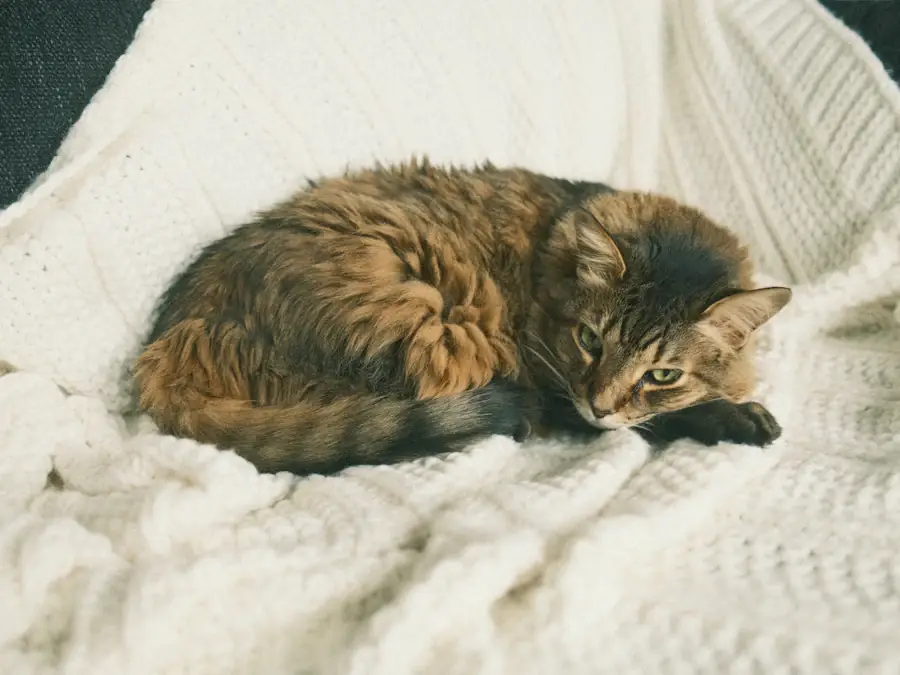
June to August
Winter
Cold, damp weather is hardest on older pets and those with stiff joints. Warm, raised bedding, gentle regular exercise and a few safety checks make a big difference.
For dogs
- Raise beds off cold, hard floors, keep bedding dry, and keep beds at least a metre from heaters and fireplaces.
- Keep walks going. Older dogs often do better with shorter walks on even ground than with none.
- Thin, short-haired, small and older dogs may need a coat outside. Take it off indoors so they don't overheat.
- Stiffness, licking at joints or trouble with stairs can be signs of arthritis, so book a vet check.
For cats
- Offer a warm, draught-free bed and a few cosy hiding spots. Skip hot water bottles, which pets can chew.
- Cats sometimes shelter under car bonnets. Check under the car and tap the bonnet before starting the engine.
- Keep up daily play so indoor cats stay active through the colder months.

September to November
Spring
Longer days are perfect for getting outside again. Spring is also when paralysis ticks and snakes become more active and gardens fill with plants that can harm pets, so build a few quick checks into your routine.
For dogs
- On the east coast, paralysis tick season usually starts in spring, and in some areas ticks are around all year. Check your dog every day, even if you use a tick product. Run your fingers over the face, neck and ears first.
- Signs of tick paralysis include a change in bark, gagging or vomiting, and back-leg weakness. Go to a vet straight away.
- If your dog may have been bitten by a snake, keep them calm and go straight to an emergency vet, even if they seem fine.
- After walks in long grass, check paws, ears and eyes for grass seeds. Brush often as winter coats shed.
For cats
- Never use a dog tick or flea product on a cat. Some dog products contain permethrin, which is highly toxic to cats.
- Keep lilies out of the house and garden. Every part, including the pollen, can cause fatal kidney failure in cats.
- Spring bulbs such as daffodils and tulips can make pets sick, and the bulb is the most dangerous part.
- Cats love watching birds come back in spring. A window perch keeps them busy and safely inside.
Read next
Year-round help
Explore all our guides
Dog guides
Boredom, chewing, time alone at work, hot days, safe treats and our researched product guides.
See all dog guides →Cat guides
Happy indoor cats: play, climbing, scratching and food games, plus the plants and foods to keep away.
See all cat guides →Looking for gear? See all our researched product picks for dogs and cats in one place.
Any season: get help straight away if your pet…
- shows signs of heatstroke, such as relentless panting, drooling, very red or pale gums, staggering or collapse
- may have been bitten by a snake, or shows signs of tick paralysis
- is a cat that may have touched or eaten any part of a lily
- may have eaten something poisonous, such as a toxic food
Call your vet or nearest emergency vet. For possible poisoning you can also call the Animal Poisons Helpline on 1300 869 738 (24/7).
Sources for this page
- RSPCA Australia: Five ways to keep your pet cool this summer
- RSPCA Australia: Protect pets from heatstroke
- RSPCA Australia: 4 ways to keep your dog cool this summer
- Australian Veterinary Association: Don't let your dog go barking mad
- RSPCA NSW: Heat stress
- RSPCA SA: Protect white pets from sunburn
- RSPCA NSW: Fireworks and storms
- Greencross Vets: Ear infections
- Greencross Vets: Wet weather worries
- RSPCA Queensland: Tips for pet owners this winter
- RSPCA NSW: Keeping pets safe and healthy this winter
- RSPCA NSW: Tick season
- International Cat Care: Permethrin poisoning
- RSPCA Australia: My pet has been bitten by a snake
- RSPCA Australia: Are lilies toxic to cats?
- Animal Poisons Helpline: Spring bulbs and your pet
- Greencross Vets: Grass seeds and your pet
- Bureau of Meteorology: The wet and the dry seasons in the tropics
This page provides general information and isn't a substitute for veterinary advice. Some links go to our researched product guides, and WhiskerFinds may earn a commission from links in those guides, at no extra cost to you. See how we research and choose products and our affiliate disclosure.