Quick answer: To keep cats cool in summer, give them the coolest, shaded room with moving air, fresh water in several bowls and a cool surface to lie on, such as a chilled tile. Keep pale cats out of the midday sun. A cat who pants is too hot, so cool them gently and call your vet.
Most cats are good at handling warm weather. They nap through the hottest part of the day and find the coolest spot in the house. But a heatwave, a stuffy room or an older or flat-faced cat can change that quickly. This guide covers easy ways to keep your cat comfortable, which cats need extra care, and the signs that your cat is too hot.
Quick picks
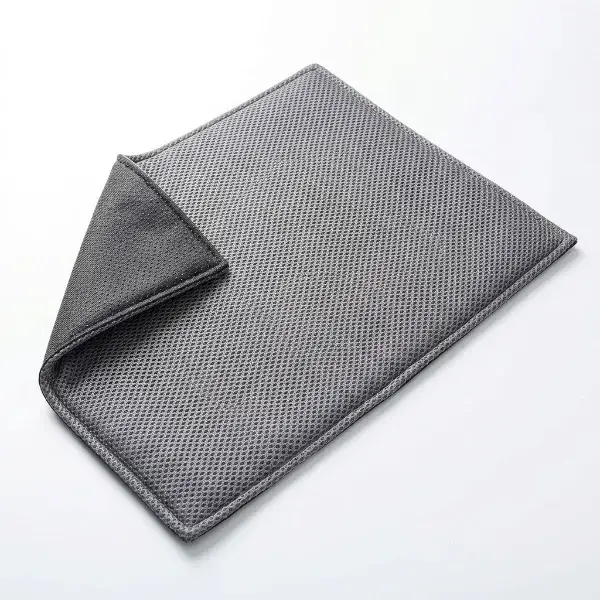
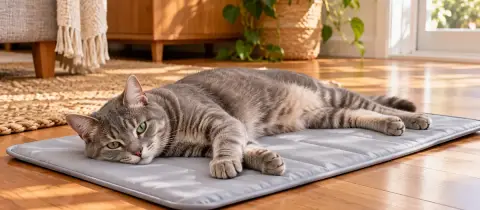
Petfelix cooling mat for cats and dogs
A cool surface to lie on, always leaving your cat a choice to move away.
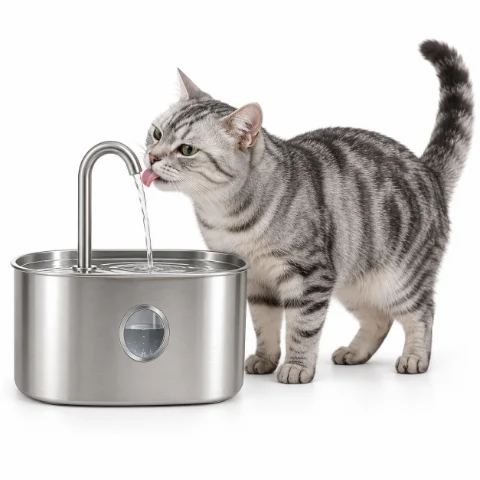
OMIPAWZ 3.2 L stainless steel fountain
Many cats drink more from a fountain, and water helps on hot days.
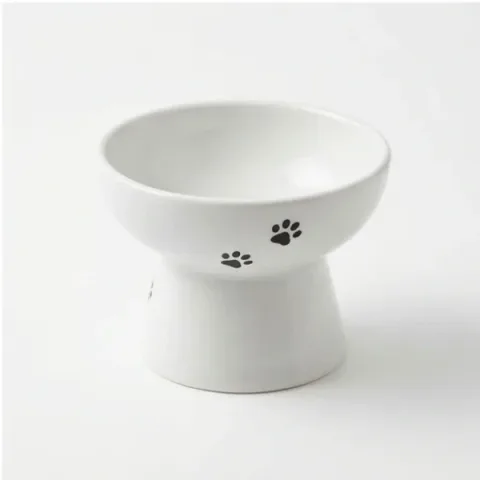
necoichi Happy Dining Cat Water Bowl with stem, Regular
Put several bowls near resting spots and change the water through the day.
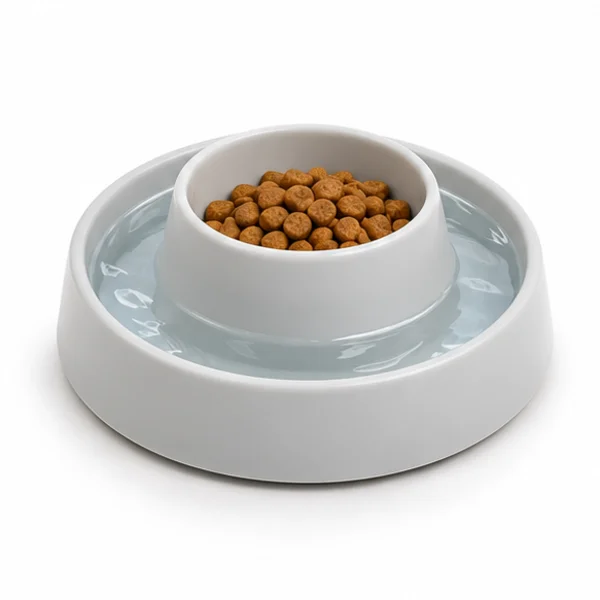
GRPET ant-proof 2-in-1 food and water bowl, M
For when ants find the bowl in the heat.
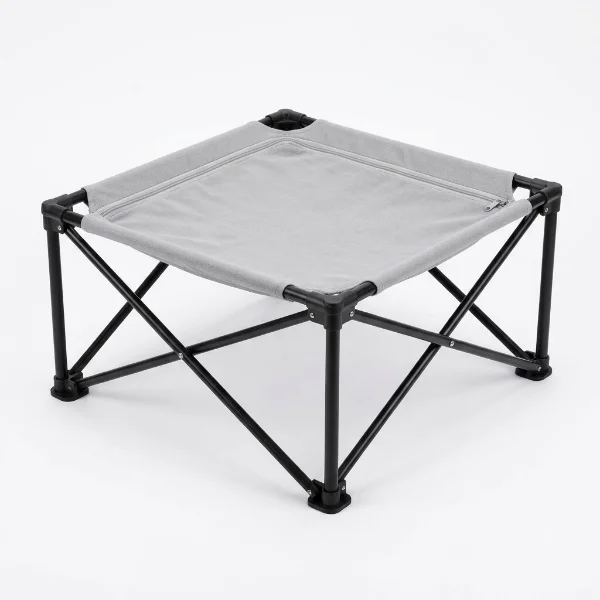
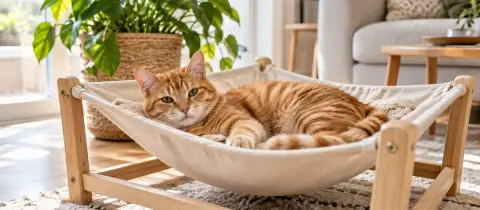
GUUSII Raised Cat Hammock Bed, 64 x 40 x 19 cm
Lifting the bed off the floor lets air move underneath.
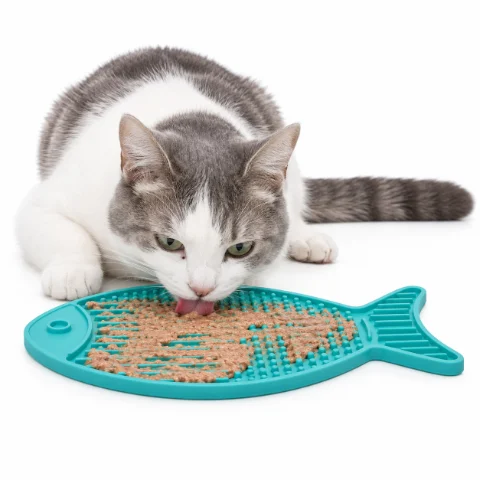
LickiMat Felix
A fish-shaped lick mat for frozen wet food; supervise and put it away afterwards.
Petfelix cooling mat for cats and dogs
A cool surface to lie on, with a choice to move away.
OMIPAWZ 3.2 L stainless steel fountain
Many cats drink more from a fountain.
necoichi Happy Dining Cat Water Bowl with stem, Regular
Put several bowls near resting spots and change the water through the day.
GRPET ant-proof 2-in-1 food and water bowl, M
For when ants find the bowl in the heat.
GUUSII Raised Cat Hammock Bed, 64 x 40 x 19 cm
Lifting the bed off the floor lets air move underneath.
Pictures are illustrations, not the actual products.
More detail on the lick mat is in Something that can help below. You don't need special gear; a cool room, water and a chilled tile do most of the work.
Quick checklist for a hot day:
- Coolest room, blinds closed on sunny windows.
- Air con on, or a fan running while you're home.
- Fresh water in several spots.
- A chilled tile or wrapped frozen bottle to lie on.
- Pale cats kept out of the midday sun.
- A quick check on your cat every few hours.
How do cats cool themselves down?
Cats don't sweat much. They have a few sweat glands in their paw pads, cool down by grooming as saliva evaporates from the coat, and rest somewhere cool in the afternoon. Unlike dogs, cats don't normally pant to cool down, so a panting cat is too hot and needs help.
Because those sweat glands are in the paw pads, slightly damp paws can be a sign your cat is feeling hot. Many cats also shift their routine in summer, staying more active at dawn and dusk and resting through the afternoon (Cats Protection (UK)).
A panting cat needs help. A cat who pants or breathes with their mouth open in the heat is far too hot, and it's a sign of distress (Cats Protection (UK); RSPCA NSW).
Cats who need extra care in the heat
- Flat-faced breeds, such as Persians and Himalayans, because their shorter airways make it harder to cool down (RSPCA NSW; RSPCA Australia).
- Kittens and older cats, which don't regulate their body temperature as well.
- Overweight cats, and cats with heart or breathing problems, or who take certain medications (RSPCA NSW).
- Cats shut in a hot room, sunroom or poorly ventilated space (International Cat Care).
- White cats, and cats with pale noses, ears or eyelids, which are at risk of sunburn (Cat Protection Society of NSW). There's more on this below.
How hot is too hot for a cat?
There's no single safe temperature, because age, coat, health and humidity all matter. Watch your cat instead: restlessness, lying stretched out flat or seeking cool floors mean they're feeling the heat. Panting, drooling or breathing with the mouth open mean they're too hot, and that's an emergency (RSPCA NSW; International Cat Care).
Kittens, older cats, overweight cats, flat-faced breeds and cats with heart or breathing problems feel the heat sooner, so start cooling their room earlier in the day (RSPCA NSW).
12 ways to keep cats cool in summer
Most of these cost nothing. Start with the room and the water, then add cool surfaces, and save the car and sun tips for the days you need them. Most tips come from RSPCA NSW, International Cat Care or the Cat Protection Society of NSW, linked where they apply; the rest are simple common sense.
Give them the coolest, shadiest room, with blinds and curtains closed on sunny windows (International Cat Care).
If you open windows for a breeze, make sure they have secure flyscreens or are only open a crack. Cats can fall from open windows and balconies, so if your cat uses the balcony, see our guide to cat netting for balconies. For windows, our window restrictor and adjustable window screen guides cover limiting the gap and adding a screen, though neither is a fall barrier on its own, and the high-rise syndrome guide explains the risk. In an apartment, screened windows on opposite sides can give a cross-breeze, but keep balcony doors shut unless you're out there with your cat.
Keep air moving: air conditioning if you have it, or a fan while you're home to supervise (International Cat Care; RSPCA NSW).
Chill a ceramic tile or an oven tray in the fridge for them to lie on (RSPCA NSW).
Wrap a frozen water bottle in a towel, or try a cat cooling mat, and always leave them a choice to move away (International Cat Care).
Put several water bowls near their resting spots and change the water through the day; many cats drink more from a fountain (International Cat Care).
Feed wet food if your cat eats it, because it adds water to their day. Pick wet food up after the meal in the heat, and if ants find the bowl, see our ant proof pet bowl guide.
Freeze a little wet food on a cat lick mat for a cool, calm activity, and put it away when they're done; our wet food puzzle feeders guide has more frozen ideas.
Brush often so air moves through the coat (RSPCA NSW), and don't shave without asking your vet.
Play at dawn and dusk, when cats are active anyway, and let them rest through the afternoon.
Keep white and pale cats inside from 11am to 4pm, and use a pet sunscreen only if your vet recommends one; never human sunscreen (Cat Protection Society of NSW).
Check sheds, garages and cars before shutting them, because cats nap in quiet spots and get trapped (International Cat Care).
Never leave your cat in a parked car; cool the car first and use a ventilated, shaded carrier, and if your cat shows signs of heat stress on the way, stop somewhere cool and call your vet (International Cat Care).
Should I leave the air con on for my cat?
If you have air conditioning, it's one of the easiest ways to keep your cat comfortable on a hot day, especially for older cats and flat-faced breeds. RSPCA NSW suggests letting pets inside to share the air conditioning or a fan in hot weather (RSPCA NSW). A comfortable setting is plenty. Also leave water, shade and a cool surface, in case the power goes out.
Do cats need a fan in summer?
Not every cat needs one, but a fan helps move warm air out of a stuffy room, and most cats cope well with one running nearby. International Cat Care suggests using a fan while you're home to supervise, with the cord out of reach. Aim it across the room, not at a sleeping cat, and use air conditioning on very hot days if you have it.
How to keep cats cool in summer without air con
You can keep a cat comfortable without air conditioning by combining shade, moving air, water and a cool surface.
- Keep your cat in the coolest room, with blinds and curtains closed during the day.
- Lay out a chilled tile or a frozen water bottle wrapped in a towel. A cat cooling mat is another option; our guide explains how the different types work.
- Put a fan nearby while you're home, with the cord out of reach.
- Set out extra water bowls, and add a couple of ice cubes to keep them cool.
- Plan for power cuts during a heatwave: know which room stays coolest, and freeze some water bottles in advance.
How do I keep my indoor cat cool in summer?
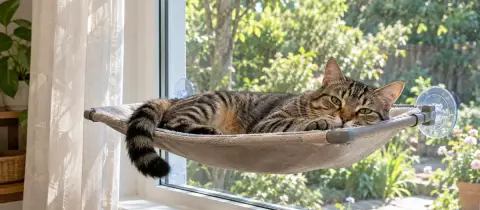
Indoor cats rely on you to set up the house, so close blinds on sunny windows before the room heats up and use the tips above. Don't forget windowsills: sun through glass heats a cat's favourite perch quickly. Move a window perch or hammock to a window that stays out of the sun, or offer a raised cat bed in the cooler part of the room instead. Lifting the bed off the floor lets air move underneath.
Sunburn and skin cancer in pale cats
Australia's sun is harsh, and white cats, and cats with pale noses, ears or eyelids, are at the highest risk of sunburn and skin cancer. Repeated sunburn damages the skin over time (Cat Protection Society of NSW).
- Watch the windows. Sun can burn through glass, so a cat who lies in a sunny window may need protecting too.
- See your vet if you notice red or flaky skin, sores that don't heal, or dark crusting on the ear tips, nose or eyelids. Treated early, skin cancer can often be removed.
If your cat goes outside
Keep your cat indoors during the hottest part of the day (International Cat Care), and make sure there's shade and water outside if they're out.
If you live along the east coast, outdoor cats can also pick up ticks in the warmer months, so learn the signs of paralysis ticks in cats and check your cat every day.
Travelling with your cat in hot weather
- Choose the carrier with care. Our cat carrier guide compares options.
- Check before you drive off that your cat hasn't snuck into the car (International Cat Care).
Signs your cat is too hot
Early signs your cat is getting too hot:
- slightly damp paw pads
- restlessness, or looking for cool floors and hiding spots
- grooming more than usual, or lying stretched out flat
Signs of heat stress or heatstroke, which are an emergency (RSPCA NSW; International Cat Care):
- panting or breathing with the mouth open
- drooling
- weakness, wobbliness or confusion
- vomiting or diarrhoea
- shaking or seizures
- collapse
How do you cool down a cat in hot weather?
If your cat is only warm, a cool room, moving air, water and a chilled tile are usually enough. If they're panting or showing heat stress, move them somewhere cool and shaded, dampen their fur with cool, not ice-cold, water, and add a fan or air conditioning, then call your vet straight away (RSPCA NSW).
For a cat who is showing signs of heat stress, RSPCA NSW's steps are:
- Move your cat out of the sun to a cool, shaded spot.
- Dampen their fur with cool, not ice-cold, water, especially on the belly, groin and paw pads.
- Increase air flow with a fan or air conditioning.
- Offer small sips of water, but don't force your cat to drink.
- Contact your vet or nearest emergency vet straight away.
Don't wait to see if it passes, and go even if your cat seems to pick up. Heatstroke is an emergency, and cooling at home is only a first step on the way to the vet.
Heatstroke in cats is an emergency
Call your vet or nearest emergency vet straight away if your cat is panting, drooling, wobbly, vomiting, shaking, collapsed or very weak in the heat. Start gentle cooling as described above, but don't delay the trip (RSPCA NSW; International Cat Care).
Go even if your cat seems to be recovering. Use a well-ventilated carrier and keep the car cool on the way (Cats Protection (UK)).
Something that can help
You don't need special gear to keep a cat cool. A cool room, water and a chilled tile do most of the work. If you'd like a calm, cool activity for hot afternoons, a lick mat with frozen wet food is a good option. The LickiMat Felix is a small, fish-shaped lick mat made for cats, from our cat toys and puzzle feeders guide. The listing says it isn't a chew toy and to supervise your cat, so stay nearby and put it away afterwards.
Frequently asked questions
Can cats get heatstroke?
Yes. It's less common than in dogs, but it can happen, especially in flat-faced breeds, kittens, older and overweight cats, and cats shut in a hot room. It's an emergency, so call your vet if you think your cat is affected.
Is it normal for a cat to pant?
Not usually. A short burst of panting straight after very energetic play can happen, but it should stop quickly once your cat rests. If your cat pants in the heat, or the panting doesn't settle, cool them down and call your vet (PetMD).
Should I shave my long-haired cat for summer?
Ask your vet first. Regular brushing to remove loose undercoat is usually the better option. Shaving can stress your cat and leave their skin open to sunburn.
Is it safe to leave my cat home alone on a hot day?
Usually, if you set things up before you go: the coolest room, blinds closed, several bowls of water, a cool surface to lie on, and air conditioning if you have it. Older cats, kittens and flat-faced breeds cope less well with heat (RSPCA NSW), so during a heatwave they may need someone to check on them. If you'll be home late, an automatic cat feeder keeps meals on time, but it doesn't replace a person checking in.
Can I put sunscreen on my cat?
Only a sunscreen made for pets, and ideally one your vet recommends. Human sunscreen is toxic to cats (Cat Protection Society of NSW). Our cat sunscreen guide has more.
How do I keep my cat cool at night?
Keep the coolest room open for them, with a fan moving air around the room (not blowing straight at them), fresh water nearby and a cool surface such as tiles or a chilled ceramic tile to lie on. Close blinds during the day so the room doesn't heat up before night.
Related guides
- High-rise syndrome in cats
- Ant proof pet bowls
- Best cat water bowls
- Best cat cooling mats
- Best elevated cat beds
- Best cat window hammocks and perches
- Cat sunscreen: what is safe for cats
- How to keep your dog cool in summer
- Cat boredom & enrichment: a guide for indoor cats
- Best cat toys and puzzle feeders
- Best cat water fountains
- Paralysis ticks in dogs and cats
- Aussie Seasons: seasonal care for dogs and cats
Sources
- RSPCA NSW: Heat stress
- RSPCA Australia: Warm weather worries, protect pets from heatstroke
- International Cat Care: Hazardous weather and your cat (page read 25 November 2026)
- Cats Protection (UK): Do cats sweat?
- Cat Protection Society of NSW: Skin cancer factsheet (PDF)
- PetMD: Cat panting
- Product details from the linked Amazon Australia listing, checked on 25 November 2026.
This guide provides general information and isn't a substitute for veterinary advice. If you're concerned about your cat's health in the heat, or think they may have heatstroke, contact your vet or an emergency vet straight away.