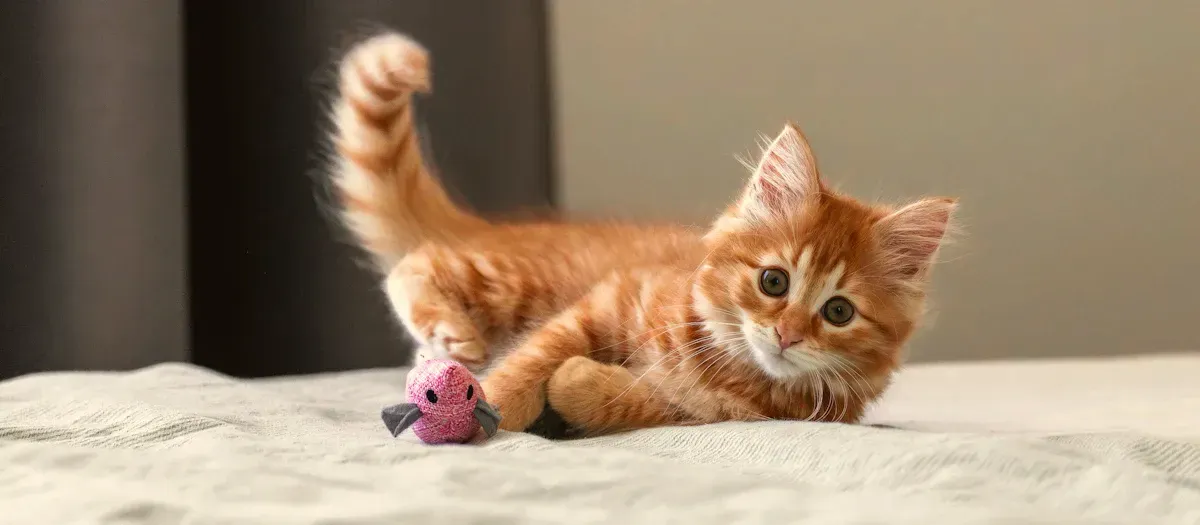
Your cat races around the house at 3am, shreds the side of the couch, or follows you from room to room complaining. It's easy to call that naughty. Sometimes, though, it's a cat who doesn't have enough to do. Cats who live indoors need plenty of play and stimulation to keep boredom away (International Cat Care). Boredom isn't the only possible cause, so it helps to look at the whole picture, and there's a lot you can try at home.
Quick answer: Cat enrichment means giving indoor cats chances to hunt, climb, scratch, hide and spend time with you. A good starting point is a few short play sessions a day with a wand toy, letting your cat catch the toy at the end, plus somewhere high to sit, a sturdy scratching post and part of their food in a puzzle feeder. Every cat is different, so watch how yours responds. If behaviour changes suddenly, or your cat has trouble using the litter tray, see your vet first.
This guide covers how to spot possible boredom, what cats need indoors, easy and free enrichment ideas, safety, and the gear that can help.
Quick picks
| Pick | Product | Why |
|---|---|---|
| Height, scratching and hiding | Feandrea 206 cm Cat Tree | Our top cat tree pick; fix tall trees to the wall with the anti-tip kit |
| Play together, then put away | Hianjoo Feather Teaser Set | A wand toy for "hunting" games; put it away after play, as cats can swallow string |
| Food as a game | Petstages Buggin' Out Puzzle & Play | Turns part of a meal into a puzzle; count it as part of the daily ration |
| Lick mat for wet food | LickiMat Felix | Part of a meal on a lick mat; supervise, as lick mats aren't chew toys |
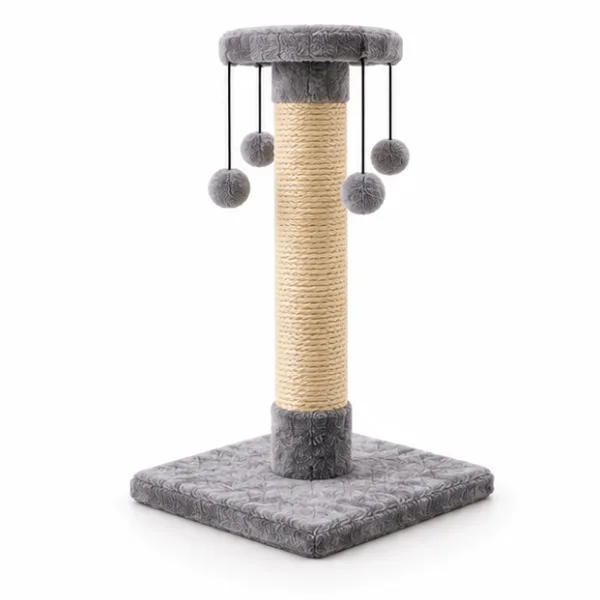
| Stretch and scratch | Dimaka 74 cm sisal scratching post | A tall, sturdy post lets your cat stretch out and scratch |
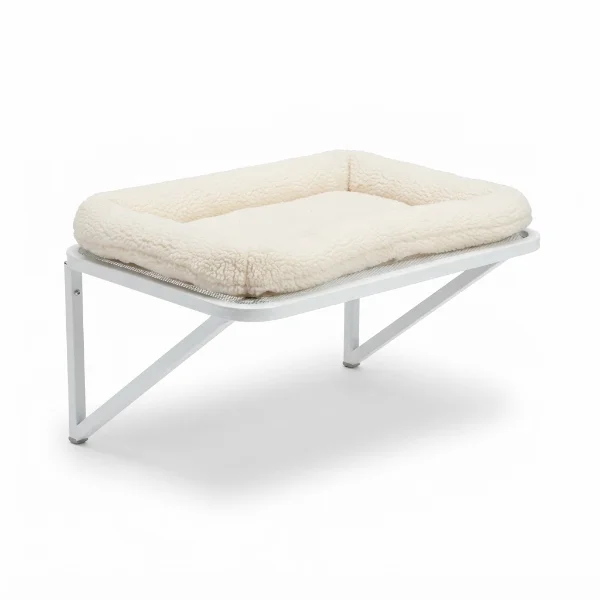
| Window watching | Zakkart metal window perch | A perch with a view of birds or the street gives your cat something to watch |
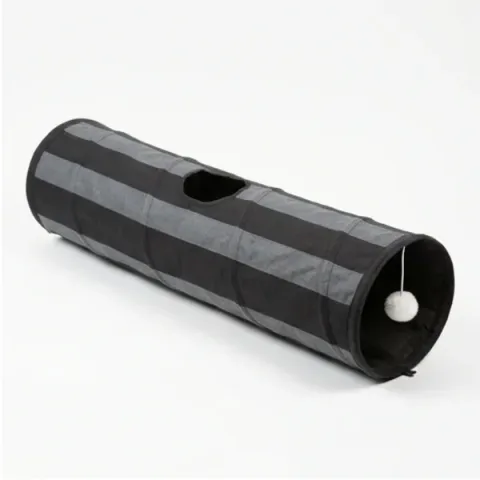
| Tunnel to chase through | lionto Cat Tunnel, 30 x 130 cm | Something to dash through and hide in between play sessions |
| Catnip kicker | Catstages Crunchy Pickle Kicker | A catnip toy for the cats that respond; only some do |
More detail on each is in Gear that can help below. No product fixes boredom on its own, and they don't replace your vet.
Signs your cat may be bored or understimulated
Your cat can't tell you they're bored, but their behaviour can give you clues. Signs that may point to boredom include:
- Scratching furniture, carpet or doors
- Being very active at night, or waking you up
- Following you around and meowing for attention
- Rough or "ambush" play aimed at your feet and hands
- Chewing plants, cords or fabric
One sign on its own doesn't mean your cat is bored. Scratching is normal and healthy, and many cats are naturally more active at dawn and dusk. Look at the pattern, and whether things improve once your cat has more to do.
Some changes need a vet check before you think about boredom. Overgrooming, bald patches, hiding much more than usual, eating non-food items, toileting outside the tray, or seeming flat and losing interest in play can be caused by pain, illness or stress. For example, overgrooming is usually linked to skin problems (such as flea allergy), pain or stress, and vets look for a medical cause first (International Cat Care). See when to see your vet below.
What indoor cats need
Vets often describe a cat's needs in five parts, from the feline environmental needs guidelines written by the AAFP and ISFM, two international groups of cat vets (AAFP and ISFM):
| Need | What it means | Easy ways to provide it |
|---|---|---|
| A safe place | Somewhere to hide and feel secure | A cardboard box, a covered bed, a high shelf |
| Separate resources | Food, water, litter tray, scratching post, play and resting areas, kept apart | Don't put the water bowl next to the litter tray (the same goes for water fountains for cats) |
| Play and "hunting" | A chance to stalk, chase, pounce and catch | Wand toys, food puzzles, toys to bat around |
| Kind, predictable people | Regular, gentle time with you, on your cat's terms | Short play and cuddle sessions at similar times each day |
| Smell | Cats rely heavily on scent to feel at home | Let them rub and scratch to leave their scent; go easy on strongly scented cleaners, air fresheners and essential oils |
In homes with more than one cat, RSPCA Australia suggests one of each key resource per cat, plus one extra, in separate spots. So two cats need three litter trays, three food bowls and three water bowls (RSPCA Australia). If a tray isn't being used, see why cats pee outside the litter box.
A simple starter kit
If you'd like a little gear to go with the free ideas below, three things cover most of a cat's needs:
| Need | What helps | Our guide |
|---|---|---|
| Climb, scratch and hide | A stable cat tree with a scratching post | Best cat trees and scratching posts |
| Play and "hunt" | A wand toy you use together, then put away | Best cat toys |
| Work for food | A food puzzle, or a lick mat for wet food (supervised) | Cat toys and puzzle feeders or puzzle feeders for wet food |
Easy enrichment ideas
These simple ideas can help keep an indoor cat entertained, active and mentally stimulated. You don't need to do them all: pick a few that suit your cat and your home.
Free and cheap enrichment ideas
You don't need to spend much. RSPCA Australia suggests plenty of low-cost ideas made from things around the house (RSPCA Australia):
- A cardboard box to explore and hide in.
- A paper bag with the handles cut off, so your cat can't get tangled.
- A toilet roll puzzle: cut a few small holes in a cardboard tube, drop in some kibble, and fold the ends closed so your cat has to roll it to get the food out.
- A treasure hunt: scatter a few pieces of kibble around a room, or hide them in safe spots to make it harder.
- A paper ball with a couple of treats scrunched inside.
- A soft blanket by a window so your cat can watch the world go by.
Use part of your cat's daily food so treats don't add up, and supervise new homemade toys. Skip string, ribbon, elastic, plastic bags and small parts that could be swallowed.
Play like a hunter
Cats hunt in a pattern: search, stalk, chase, pounce, catch. Good play lets them do all of it.
- Use a wand or fishing-rod toy, and move it like prey: hiding, darting, then stopping still.
- Let your cat catch it at the end. Finishing with a catch helps avoid frustration.
- Keep sessions short. Cats are sprinters, not marathon runners, so several short sessions a day suit most cats.
- Rotate toys. Keep two or three on the go and swap them regularly, so they stay interesting (International Cat Care).
- Skip the laser pointer, or finish the game with a real toy your cat can catch. RSPCA NSW advises against using laser pointers, hands or feet as toys, because they can confuse or frustrate cats (RSPCA NSW).
Safety: put wand toys away after play, and avoid toys made of string, ribbon or wool. Swallowed string can cause a serious blockage in the gut (International Cat Care).
Give them height and hiding spots
Cats feel safer when they can watch the room from up high. Offer shelves, window ledges, the top of a bookcase or a cat tree, plus a few hiding spots such as empty cardboard boxes (Agriculture Victoria). See our best cat trees guide. If the tree you already own sits unused, why cats ignore a cat tree explains what to change; for climbers who want to go higher, see tall cat trees.
Provide the right scratching spots
Scratching keeps claws in good condition, leaves scent from glands in the paws, and can help cats let off frustration or excitement (RSPCA Australia). Choose a post that's tall enough for your cat to stretch out and sturdy enough not to wobble. Many cats also like a flat scratcher on the floor, so offer both upright and flat surfaces. If your cat already scratches the couch, put a post right in front of that spot.
Make food a game
Instead of a bowl, serve part of your cat's daily food in a puzzle feeder, on a lick mat, or scattered for them to find. Puzzle feeders help meals last longer and make your cat work a little for their food. Cats naturally eat small meals often, so splitting food into several portions suits them (International Cat Care). Start easy so your cat doesn't give up, and count it as part of their daily food so they don't gain weight. If your cat eats wet food, see our guide to cat puzzle feeders for wet food. If you're out for long days, automatic cat feeders can serve small meals on a timer while you're gone.
Bring the outdoors in
- A window seat or perch with a view of birds or the street, so your cat has something to watch.
- A pot of cat grass to nibble, and no toxic plants in the house (see the safety section below).
- A catio or enclosed outdoor area, if you have space. A window catio suits smaller homes. Contained cats don't have to live totally indoors, and RSPCA Australia recommends a safe, escape-proof outdoor area where you can (RSPCA Australia).
- Harness walks suit some cats, but not every cat. Train slowly with plenty of treats. See how to fit and train a cat harness.
Containment rules: in the ACT, cats born after 1 July 2022 must be contained 24 hours a day, and in some suburbs all cats must be contained (ACT Government). Some councils in other states have containment rules or night curfews, so check with your local council. Our cat curfew rules guide sums up each state. Keeping cats at home also protects them from cars, fights and disease, and protects wildlife, because even well-fed cats hunt (Agriculture Victoria).
Scent games
Cats rely heavily on smell. RSPCA Australia suggests catnip or silvervine sticks as simple scent enrichment (RSPCA Australia). Some cats love them and others aren't interested, so watch how yours responds. Our catnip guide explains why only some cats react. If you try silvervine, we'd choose the powder over sticks, which can splinter (see our silvervine guide).
Spend time together
Positive, predictable time with you is one of a cat's five core needs (see the table above). Let your cat choose how close they want to be, and keep to similar times each day so they know what to expect.
Kittens
Kittens have lots of energy and short attention spans. Give them plenty of short play sessions with safe toys, a few scratching options, and a quiet spot to sleep. Don't use your hands or feet as toys. Redirect rough play onto a wand toy instead, so they learn early that hands aren't for biting.
Safety: plants, foods and household items
Some everyday things are very dangerous to cats. These include:
- Lilies, including true lilies and day lilies. Every part is toxic, including the pollen, which cats can swallow when they groom it off their coat. The water in the vase is also thought to be toxic. Even a small amount can cause kidney failure, which can be fatal. RSPCA Australia treats lily poisoning as an emergency (RSPCA Australia).
- Some human foods, including onion, garlic, leeks and chives; chocolate; grapes, raisins, sultanas and currants; alcohol; caffeine; and cooked bones (Agriculture Victoria).
- Essential oils. Cats break down some compounds in essential oils poorly, so they're more sensitive to them than people are. The risk depends on the oil, how concentrated it is, and how your cat is exposed: swallowing it, getting it on their skin or fur (and then licking it off), or breathing it in. Oils linked to poisoning in pets include tea tree, eucalyptus, clove, wintergreen and pennyroyal, and concentrated tea tree oil on the skin has caused severe poisoning in cats. Never put essential oils on your cat, keep bottles out of reach, and ask your vet before using a diffuser around cats, as some diffusers leave tiny droplets on fur (Animal Poisons Helpline; MSD Veterinary Manual).
- String, thread, ribbon and elastic, which can cause a blockage if swallowed.
This isn't a complete list. If your cat eats or touches something that might be toxic, call your vet or the Animal Poisons Helpline (1300 869 738, 24/7) straight away, even if they seem fine (Animal Poisons Helpline).
Gear that can help
You don't need much, and no product will fix boredom on its own. One or two well chosen items, used regularly, usually beat a basket of toys your cat ignores.
Cat tree
Gives your cat height, scratching posts and places to hide and nap (compare cat trees and scratching posts). It suits most indoor cats. Choose one tall and stable enough for your cat's size, and fix tall trees to the wall with the anti-tip kit. Our top pick: the Feandrea 206 cm Cat Tree. See all our cat tree picks.
Wand toys
Let you play "hunting" games together. They suit most cats, and kittens love them. Put them away after play, because cats can chew and swallow the string. Our top pick: the Hianjoo feather teaser set. Compare cat toys.
Puzzle feeders and lick mats
Turn part of a meal into a game. They can suit food motivated cats and fast eaters. Start easy, count the food as part of their daily ration, and supervise, as lick mats aren't chew toys. Our top picks: the Petstages Buggin' Out puzzle and the LickiMat Felix. Compare cat toys and puzzle feeders. Our cat puzzle feeder guide shows how to start a cat on food puzzles step by step.
Our picks are research based, not products we've personally tested. We compared the specifications and features on each Amazon Australia listing, checked on 10 Oct 2026. Availability and prices can change, so check the listing before you buy.
You may also like
A few more ideas that fit the same routine of climbing, scratching, watching and playing.
Dimaka 74 cm sisal scratching post: a tall post to stretch out against, which suits cats who scratch the couch. See our scratching post guide.
Zakkart metal window perch: a lookout with a view of birds or the street. Our window hammock and perch guide compares the options.
lionto Cat Tunnel, 30 x 130 cm: a tunnel to chase through and hide in between play sessions. Read our cat tunnel guide.
Catstages Crunchy Pickle Kicker: a catnip toy for cats who respond to catnip. Our catnip toys guide covers the options.

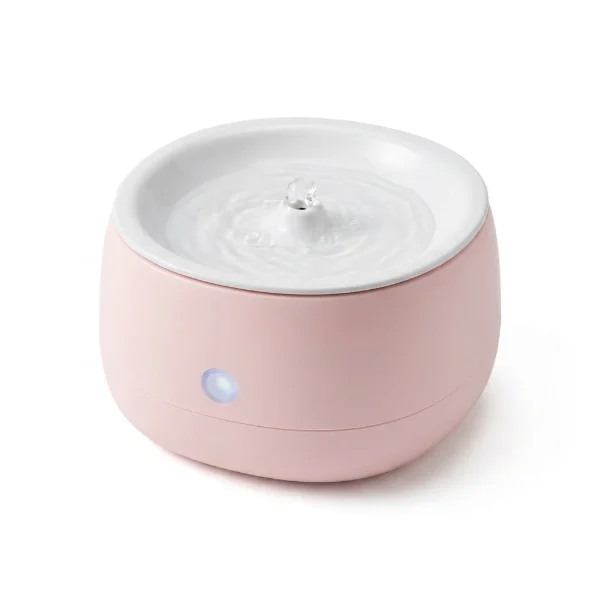
Catit Pixi fountain: moving water can tempt some cats to drink and gives them something to watch and paw at. See our cat water fountains guide.
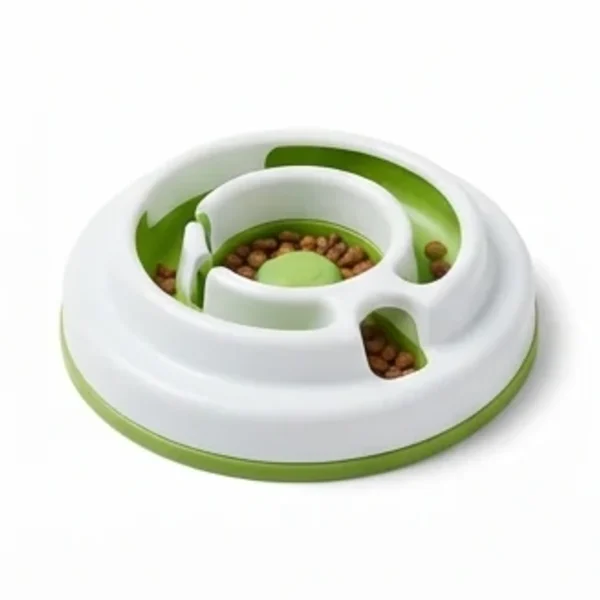
Catit Senses 2.0 Food Digger: a food puzzle that makes meal or treat time a little more of a hunt. Count the food as part of the daily ration. See our cat puzzle feeder guide.
When it might be more than boredom
Get help straight away
Straining to wee with little or no urine is an emergency. If your cat keeps going in and out of the litter tray, squats and strains, cries while trying to wee, or passes only drops or nothing at all, they may have a urinary blockage. It happens almost only in male cats and can be fatal within 2 to 3 days. Other signs can include licking their rear end, vomiting, not eating and seeming flat. Call your vet or an emergency vet straight away, day or night, and don't wait to see if it passes (International Cat Care).
Also get urgent help if your cat is panting or breathing with their mouth open and it doesn't settle quickly, is struggling to breathe, or may have touched or eaten any part of a lily.
When to see your vet
Some changes look like boredom but have a medical or stress-related cause. Book a vet visit if you notice:
- Weeing or pooing outside the litter tray
- Overgrooming, bald patches or sore skin
- Hiding much more than usual
- Eating much more or much less, or eating non-food items
- Seeming flat, sleeping more than usual, or losing interest in play
- Any sudden change in behaviour, especially in an older cat
For ongoing behaviour problems, your vet can refer you to a qualified behaviour professional who uses reward based methods. Never punish a cat for scratching or toileting problems. It can increase stress and make things worse.
Frequently asked questions
How much play does an indoor cat need?
There's no set amount. Cats are built for short bursts, so several short play sessions a day suit most cats. Stop when your cat loses interest. If your cat pants or breathes with their mouth open, stop and let them rest somewhere cool. Call your vet straight away if it doesn't settle quickly, happens after very little activity, or comes with laboured breathing, pale or bluish gums or collapse (PDSA; Cornell Feline Health Center).
Why is my cat so active at night?
Cats are naturally most active around dawn and dusk. RSPCA Australia suggests play sessions in the afternoon and early evening, an evening meal, and another small meal close to bedtime. It also suggests checking with your vet to rule out medical causes, such as pain or thyroid problems (RSPCA Australia). Our full guide to cats that go crazy at night has the routine and the signs that need a vet.
Is it OK to keep my cat indoors all the time?
Yes, if their home meets their physical and mental needs. RSPCA Australia says contained cats can thrive with the right environment, such as places to climb, hide, scratch and play, and ideally a safe, escape-proof outdoor area.
Are laser pointers bad for cats?
They can be frustrating, because your cat never gets to catch anything. If you use one, finish the game with a real toy your cat can catch.
Can cats use lick mats and snuffle mats?
Yes. RSPCA NSW lists snuffle mats, treat balls and homemade food puzzles as ways to give cats mental enrichment. Choose a cat-sized mat, use cat safe foods, and supervise.
How do I keep my indoor cat cool in summer?
Give them a cool room with airflow from a fan or air conditioning, more than one water bowl, and shady spots to rest. Keep pale and white cats out of the midday sun. Panting or open-mouth breathing is a sign of distress, so move your cat somewhere cool and call your vet. See how to keep indoor cats cool in summer.
Will a second cat stop my cat being bored?
Not necessarily. Some cats enjoy company, but others don't, and a new cat can cause stress and conflict over food, litter trays and resting spots. A second cat is a big commitment, not a boredom cure.
How can I tell if my indoor cat is bored?
Look at the pattern, not one sign. Scratching furniture, racing around at night, ambushing your feet, meowing for attention or chewing plants can all point to boredom, especially if they ease once your cat gets more play. Overgrooming, hiding, toileting outside the tray or losing interest in play can be health or stress problems, so see your vet first.
What are good enrichment toys for cats?
Good enrichment toys let a cat stalk, chase, pounce and work for food. A wand toy for play together and a food puzzle or lick mat for meals cover most of that, and a cat tree adds height and scratching. Our research picks are in the cat toys and cat trees guides.
How often should I rotate cat toys?
Keep two or three toys in use and swap them regularly, because cats can lose interest in toys that never change. International Cat Care suggests having two or three on the go and rotating them (International Cat Care). Put wand toys and anything with string away after every session.
How much enrichment do cats need?
There's no single amount, and every cat is different. Several short play sessions a day, food that makes your cat work a little, and places to climb, scratch and hide cover the main needs. See the play answer above and the "What indoor cats need" table in this guide, and watch how your cat responds.
Is it okay to leave a cat alone for 8 hours a day?
For most healthy adult cats, a normal workday alone is fine if they have food, fresh water, a clean litter tray and things to do. Cats Protection says most cats are OK left for the day or overnight, but kittens, older cats and cats with health needs need checking on more often (Cats Protection).
Related guides
- Why won't my cat use the cat tree?
- Best tall cat trees
- Best indoor cat houses
- Why is my cat crazy at night?
- Cat exercise wheels
- Best interactive cat toys
- Best cat trees and scratching posts
- Best cat toys and puzzle feeders
- Best automatic cat feeders
- Best cat water fountains
- Best cat puzzle feeders for wet food
- How to keep your cat cool in summer
- Cat grooming at home
- Cat hairball remedies
Sources
- AAFP and ISFM: Feline environmental needs guidelines
- International Cat Care: Playing with your cat
- International Cat Care: Feeding your cat or kitten
- International Cat Care: Over-grooming in cats
- International Cat Care: Urethral obstruction in cats
- RSPCA Australia: Multi-cat households
- RSPCA Australia: Why does my cat scratch the furniture?
- RSPCA Australia: My cat is very active at night
- RSPCA Australia: Is it okay to keep my cat at home all of the time?
- RSPCA Australia: Are lilies toxic to cats?
- RSPCA Australia: How can I create low-cost DIY enrichment for my cat or dog?
- RSPCA NSW: What does enrichment mean?
- Agriculture Victoria: Creating the perfect indoor haven
- Agriculture Victoria: Keeping your cat safe at home
- Agriculture Victoria: Human foods to avoid for cats
- ACT Government: Cat containment
- Animal Poisons Helpline: About us
- Animal Poisons Helpline: Essential oils and pets
- MSD Veterinary Manual: Essential oil toxicoses in animals
- Cats Protection: How long can you leave a cat alone?
- PDSA: Breathing problems in cats
- Cornell Feline Health Center: Difficulty breathing
- Product details from each linked Amazon Australia listing, checked on 10 Oct 2026.
This guide provides general information and isn't a substitute for veterinary advice. If you're concerned about your cat's behaviour, health or safety, speak with your vet.