By Anish PuriUpdated 1 Nov 202612 min readResearched, not tested by us
Research guide. WhiskerFinds may earn a commission from links, at no extra cost to you.
Quick answer: The best cat scratching post for an adult cat is a sturdy one, tall enough for a full stretch, with a loosely woven surface the claws can catch on. Our top pick is the Dimaka 74 cm sisal post. For smaller spaces, the Feandrea 44 cm post has a heavy base.
A scratching post gives your cat a proper place to do something it needs to do anyway, so your couch and carpet get a break. This guide compares four posts on Amazon Australia and covers height, sisal versus jute, where to put a post and how to get your cat using it. It's the main guide in our scratching series, alongside our tall scratching post guide, cardboard scratcher guide and couch scratcher guide. If you have a kitten, start with our kitten scratching post guide.
Quick picks
Our top pickBest overall
Dimaka 74 cm sisal scratching post
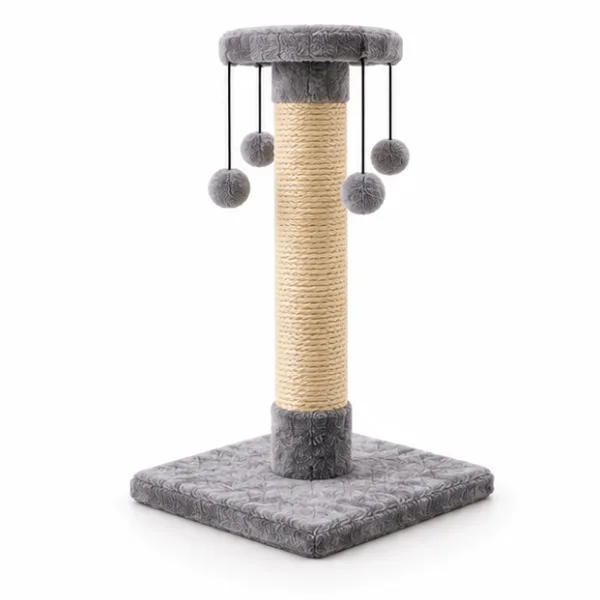
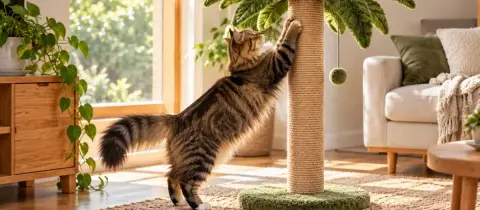
74 cm sisal-wrapped post on a plush-covered base, with dangling balls
The best post is one your cat actually uses, which usually means it's tall enough to stretch against, steady enough not to wobble, and covered in something the claws can grip. The ASPCA says to choose a post tall enough for a full stretch and sturdy enough that it won't tip or fall over (ASPCA, page read 1 November 2026).
Beyond that, cats have preferences. The ASPCA notes that some cats like vertical posts, others horizontal or slanted ones, and a mix of materials is a good way to find out what yours likes (ASPCA). That's why this guide includes both sisal and jute, and why we link to a cardboard scratcher guide for cats that prefer a flat surface.
Sisal or jute: which do cats prefer?
Neither wins for every cat. Both are natural woven fibres that claws can catch on, and RSPCA Victoria advises a tall, sturdy post with a loosely woven surface (RSPCA Victoria, page read 1 November 2026). Sisal rope is the more common choice. Try one, watch your cat, and switch if they ignore it.
In this guide, the Dimaka and Feandrea posts are sisal, and the Tyrol is jute with fabric and felt. The Tyrol listing says jute is easy to clean, which is the brand's claim. Because the sources we opened don't rank one fibre above the other, we wouldn't buy on fibre alone: height, base and your cat's habits matter more.
Our picks in detail
1. Dimaka 74 cm sisal scratching post: best overall
The tallest post in this guide at 74 cm (29 inches in the title), wrapped in natural sisal over a cardboard tube. The base is chipboard covered in plush, and the listing gives it as 35 x 35 cm and the weight as 4.5 pounds (about 2 kg). It comes with dangling balls and the parts screw together, according to the listing. The listing says it suits cats of all sizes "except large ones", although the title says "for large cats", so the listing contradicts itself. Care says to keep it dry and not machine wash the sisal.
Pros: tall enough for most cats to stretch; wide base; sisal wrap; dangling balls; screws together
Cons: the listing is unclear on whether it suits large cats; no replacement sisal mentioned; the cardboard tube core and plush base need to stay dry
Best for: an average adult cat that likes to stretch up
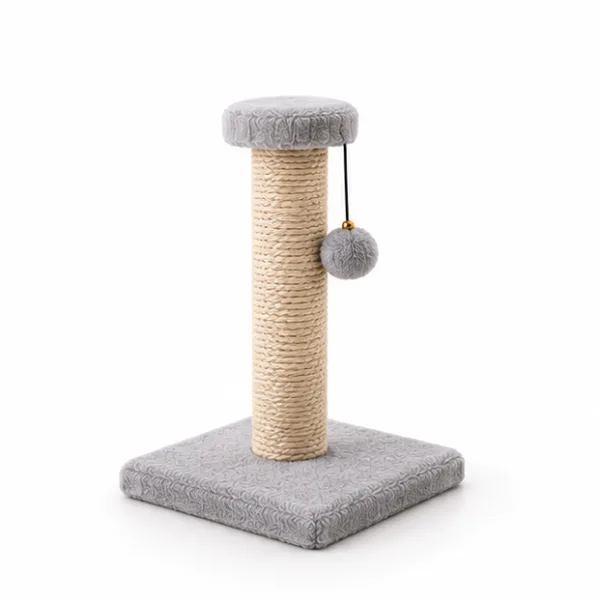
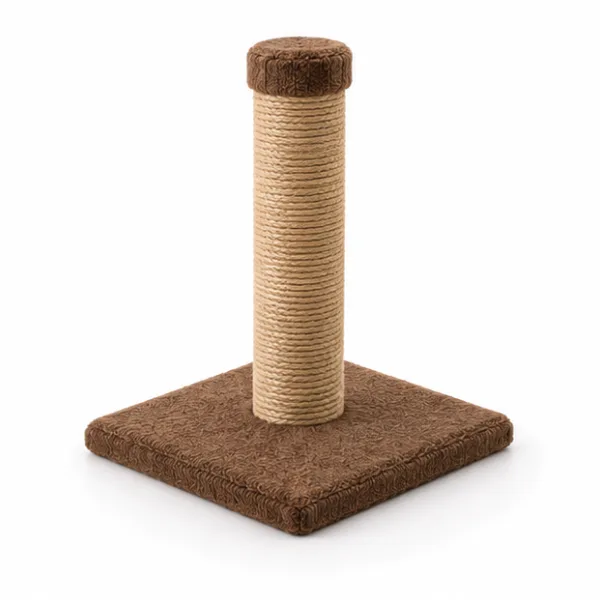
A 44 cm post in 100% natural sisal, per the listing, with a heavy particleboard base the listing says lowers the centre of gravity, plus a dangling plush ball. The listing gives the weight as 2 kg and describes it as made for adult cats, saying 44 cm lets them stretch fully, which is the brand's claim. It suggests standing it on a flat, level surface against a wall and keeping it dry. Care is hand wash only. The listing's 42 x 22 x 15 cm size is unclear next to the 44 cm height, so check the base before you buy.
Pros: heavy base for stability; natural sisal; made for adult cats per the listing; fits smaller rooms
Cons: lower than the Dimaka; size figures in the listing are unclear; no replacement sisal mentioned
Best for: a flat or small room, or a cat who scratches at medium height
Skip it if: your cat stretches tall or is large
3. Tyrol jute scratching post, 42 cm: best jute post
A 42 cm post made of jute, fabric, felt and seagrass, with a 30 x 30 cm base, according to the listing. A plush ball spins at the top. The listing says the rectangular base is stable and that jute is easy to clean, both brand claims. At 1.25 kg it's lighter than the Feandrea. The listing's other size figures (32 x 38 x 32 cm) don't match the 42 cm height, and its care details are unclear, so check the listing before you buy.
Pros: jute surface for cats that don't take to sisal; wide base; modern look
Cons: conflicting size figures in the listing; unclear care instructions; no replacement parts mentioned
Best for: cats you'd like to try on jute, and owners who prefer a neutral look
Skip it if: your cat stretches tall, or you want clear care instructions
4. Ram large scratching post, 42 cm: best short post
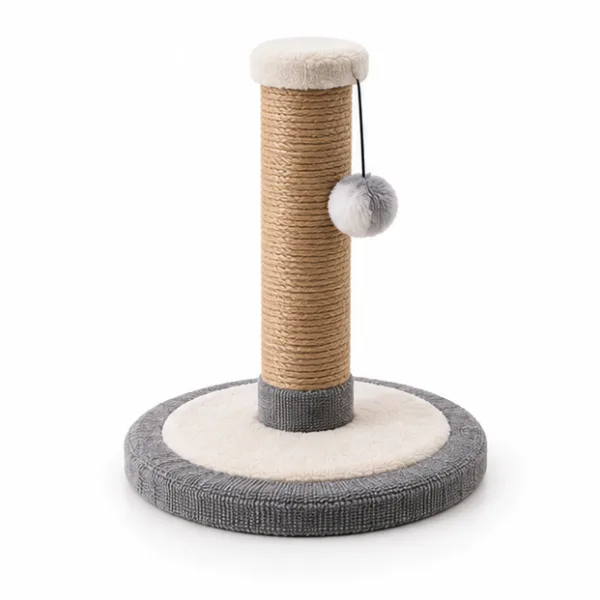
A 42 cm brown post with a plush base and a dangly ball, according to the listing. It weighs 1.16 kg, is spot clean only, and the listing gives little detail on the surface material. Its dimensions field reads 10 mm, which is clearly wrong, so rely on the 42 cm in the title. The listing calls it a large cat post, but 42 cm is short for a full stretch for a big cat, and at that weight stability may be a concern on a slippery floor.
Pros: compact; lightweight to move around; dangly ball
Cons: short for a big cat to stretch fully; light, so it may wobble; the listing is thin on material and size details
Best for: a small or medium cat and a spot where a short post is enough
Skip it if: your cat is large or stretches tall, or you want a clearly described surface and base
How tall should a cat scratching post be?
Tall enough that your cat can stretch their body out fully while scratching. The ASPCA gives this as the guide rather than a set number of centimetres. As a practical check, watch your cat stretch up a wall or couch arm and compare that reach with the post height listed.
Posts of 40 to 45 cm suit a lot of cats who scratch low or like a compact post. A cat that stretches up high is more likely to want something closer to the 74 cm Dimaka, or taller still. Listings vary in what they call "large", so check the centimetres, not the word.
Where should I put a scratching post?
Put it where your cat already scratches, or where they sleep and spend time. RSPCA Victoria suggests at least one post near the sleeping area, and a post directly in front of a scratched spot, moved gradually if you want to shift it. The ASPCA also suggests places where your cat likes to stand or climb.
Cats often stretch and scratch after waking, so a post near the bed or favourite sunny spot is a smart start. A post tucked away in a spare room is easy to ignore. If the post wobbles on carpet, stand it on a flat, level floor against a wall, as the Feandrea listing suggests, or choose a heavier base.
How do I get my cat to use a scratching post?
Make the post the most interesting scratching spot in the room, with rewards and play, never force. RSPCA Victoria suggests catnip near the post, and playing with your cat beside it or dangling a toy against it. The ASPCA warns against dragging a cat's paws across a post, since that can frighten them and put them off.
Praise and a treat when your cat scratches the post can help, and results vary from cat to cat. Don't punish scratching elsewhere. RSPCA Victoria says you should never punish a cat for scratching household items: scolding a cat only when you catch them may just teach them to scratch when you aren't around. Our guide on how to stop a cat scratching furniture goes through the full routine, and our catnip toys guide covers ways to add catnip. A couch scratcher can also redirect a cat that targets the sofa.
How many scratching posts does a cat need?
There isn't a magic number in the sources we opened. RSPCA Victoria suggests several scratching posts in your cat's play area, with at least one near where they sleep. The ASPCA suggests adding more posts of the type your cat likes in several spots once you know their preference.
So think in terms of places, not a count: one by the bed, one by the spot they scratch now, and one where they stand to survey the room. Homes with more than one cat may do better with extra posts so nobody has to queue.
Cat scratching posts compared
Details from each Amazon Australia listing, checked on 1 Nov 2026.
We searched Amazon Australia for cat scratching posts, then shortlisted ones that met all of these checks:
Well rated: a strong average rating with plenty of buyer reviews.
No red flags: no pattern of poor reviews, safety complaints or listing problems.
Available on Amazon Australia when we checked.
Height stated on the listing.
Post material stated (sisal or jute).
Base size and weight given or clear from the listing.
Replaceable parts checked: we looked at whether each listing offers replacement sisal, jute or parts, and noted the answer in the picks (none of these four do).
These are researched picks, not products we've personally tested. We compared the specifications and features shown on each Amazon Australia listing, checked on 1 Nov 2026. We didn't accept payment from any brand, and no brand saw this page before it was published.
Left out this time: wobbly posts with small bases, and wall-mounted posts whose fixings weren't clear.
How do I care for a scratching post?
Keep it dry and clean as the listing says: wipe stains with a damp cloth, and don't machine wash sisal. The ASPCA says not to replace a worn post too quickly, because cats like shredded surfaces and familiar scents. Replace it when it becomes unstable or falls apart.
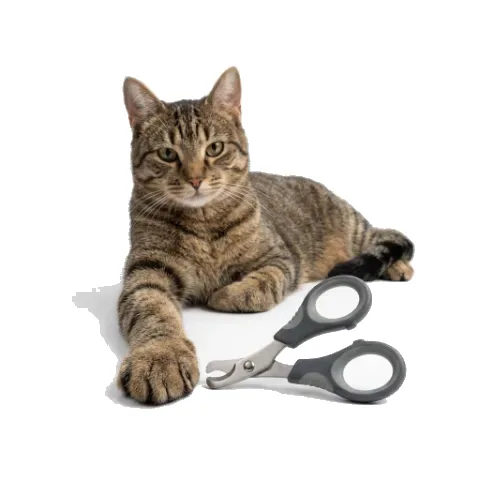
Check the base screws and the joins now and then. If a post starts to lean or the covering is coming loose, retire it before your cat gets caught in it. Trimming your cat's nails regularly also helps: see our cat nail clippers guide for how to choose clippers.
Is it a good idea to declaw a cat?
No. Both sources we opened discourage it. RSPCA Victoria strongly discourages declawing and says claws help cats defend themselves, and the ASPCA opposes it because it hasn't been shown to fix behaviour problems. A post, regular nail trims and some patience are the kinder route.
When to see a vet
Call your vet if your cat's claws look torn, bleeding or overgrown, if a paw seems sore, or if they suddenly stop scratching, limp or lick their paws a lot. These can have many causes, so a vet check comes first.
Talk to your vet or a qualified behaviourist if scratching is sudden, intense, or comes with other changes such as hiding or aggression. The ASPCA suggests a behaviourist for persistent problems. A scratching post is a tool, not a treatment.
Frequently asked questions
Do cats need a scratching post?
Cats scratch because it's normal behaviour: RSPCA Victoria says they do it to mark territory and keep their claws in good condition. A post gives them a suitable place to do it, which can also help protect your furniture, though it won't stop all scratching.
Why does my cat scratch the furniture instead of the post?
The post may be the wrong height, wobbly, in the wrong spot or covered in a material your cat dislikes. Try placing a sturdy post right in front of the scratched furniture, as RSPCA Victoria suggests, and rewarding use. Our furniture scratching guide has more steps.
Is a cheap scratching post from a discount store good enough?
It can be, if it passes the same checks as any post: tall enough for your cat's full stretch, a base wide and heavy enough not to wobble, and a loosely woven surface such as sisal that claws can hook into. Short, light posts with small bases are the ones to skip, wherever you buy them. Measure your cat stretched out before you choose.
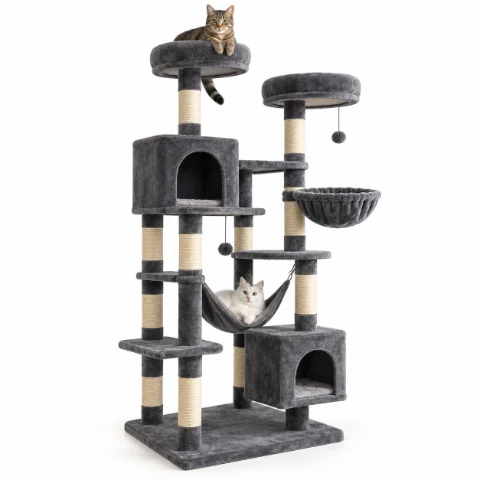
Can I use a cat tree instead of a scratching post?
Yes, if it has a sturdy scratching surface. Many cat trees have sisal-wrapped posts, and our cat trees guide compares them. A stand-alone post is a good addition because you can place it where your cat actually scratches, such as beside the couch or bed.
Do cats prefer vertical or horizontal scratching?
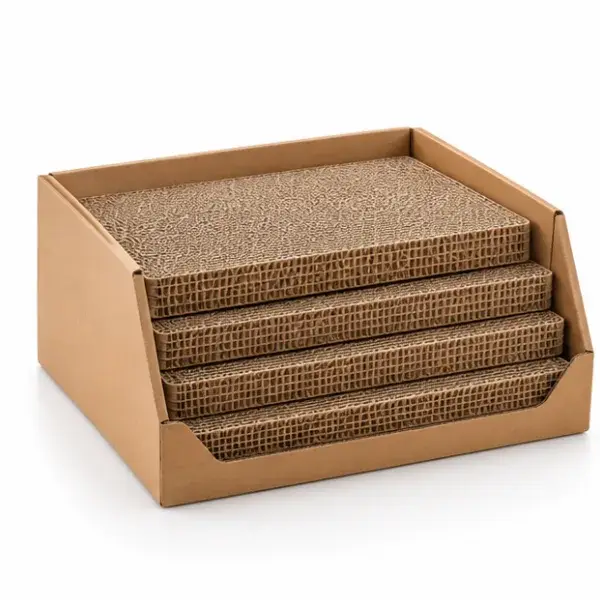
It varies. The ASPCA says some cats prefer vertical, horizontal or slanted surfaces, and offering a mix is the easiest way to learn their taste. If your cat scratches the carpet or a rug, a flat cardboard scratcher may suit them better than a post.
Should I replace a scratching post when it looks shredded?
Not straight away. The ASPCA says cats often like a shredded surface and familiar scent, so a worn but stable post is fine. Replace it if it wobbles, leans or the covering comes loose. When you do, keep the old one nearby for a while so the new one smells familiar.
Product details from each linked Amazon Australia listing, checked on 1 Nov 2026.
This guide provides general information and isn't a substitute for veterinary advice. If you're concerned about your cat's claws or behaviour, speak with your vet.