Quick answer: Nail caps for cats are small plastic covers glued over the claws, but International Cat Care advises against them because they can distress cats and lead to problem behaviours. We haven't included a pick. A sturdy post, tip trims and a couch protector look after your sofa and skin without covering the claws.
If a scratched sofa or sore forearms have you eyeing a pack of claw covers, this guide explains how they work, what welfare and vet sources say, and what to do instead. For the bigger picture on scratching, see our guide to stopping a cat scratching furniture.
Quick picks
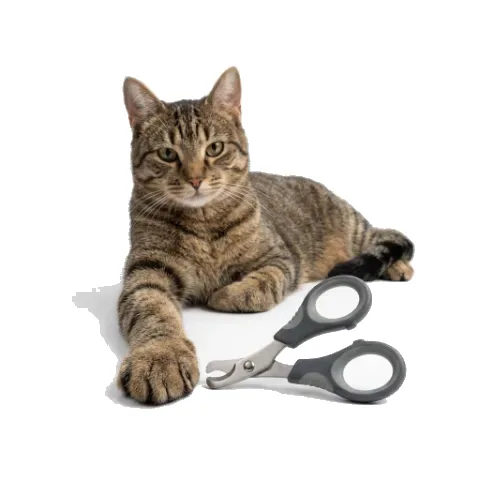
Pet Republique cat nail clipper
A small scissor-style clipper with stainless blades, for trimming just the tips.
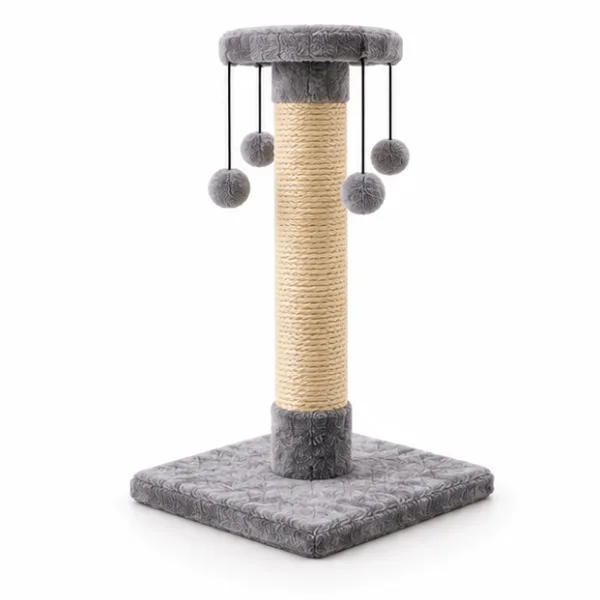
Dimaka 74 cm sisal scratching post
A 74 cm sisal post; check it against your cat, especially a large one.
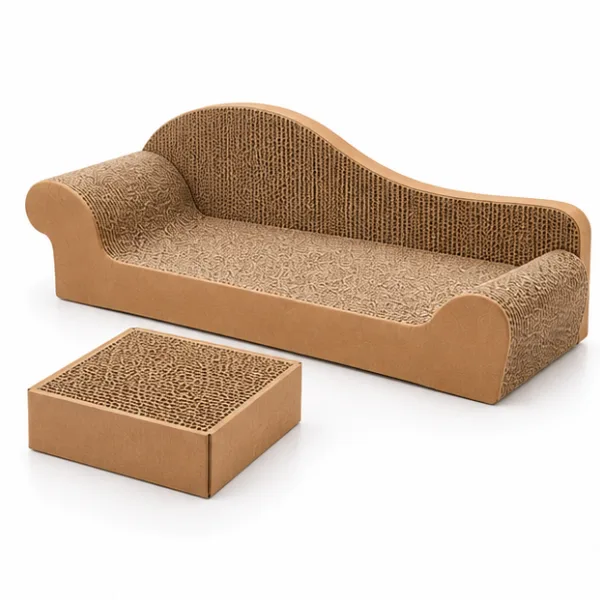
Cat couch scratcher bed, 76 cm, with scratch box
A 76 cm corrugated cardboard lounger plus a 44.5 cm scratch box.
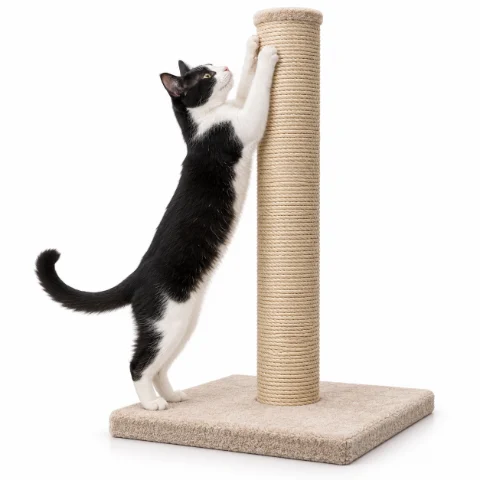
SmartCat Ultimate Scratching Post
A tall post lets your cat stretch fully, which RSPCA Australia advises.
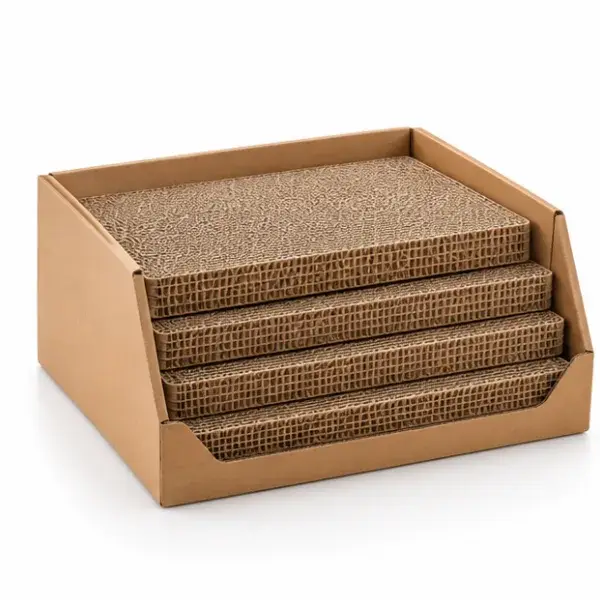
PatiencET 4-pack scratch pads with box
Cardboard pads for cats that scratch flat on the carpet.
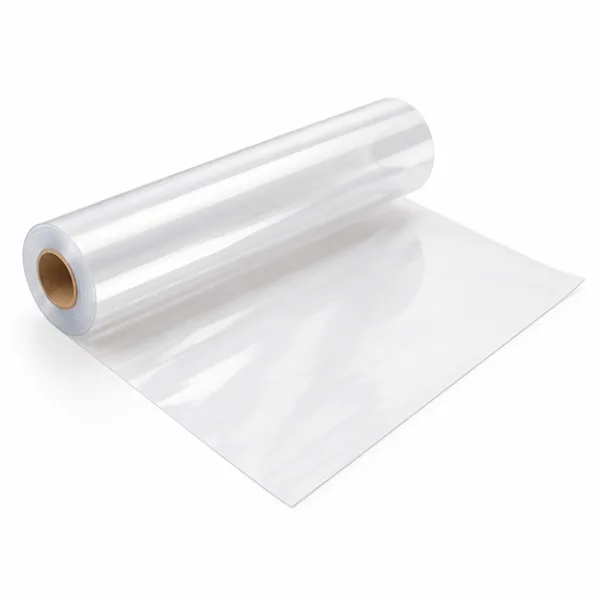
TOOSOFt clear anti-scratch furniture protector roll
A protector on the sofa gives your cat something better to use while the habit changes.
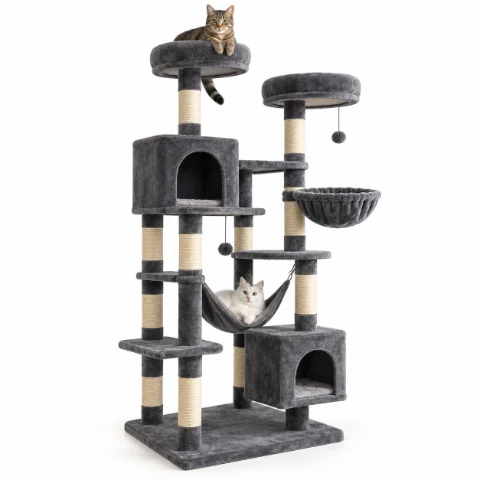
Feandrea 206 cm Cat Tree
A cat tree combines scratching with climbing in one spot.
SmartCat Ultimate Scratching Post
A tall post for cats who like to stretch fully while scratching.
PatiencET 4-pack scratch pads with box
Cardboard pads for cats that scratch flat on the carpet.
TOOSOFt clear anti-scratch furniture protector roll
A clear protector for the sofa while your cat learns to use the post.
Feandrea 206 cm Cat Tree
Combines scratching with climbing for a cat who needs more than a post.
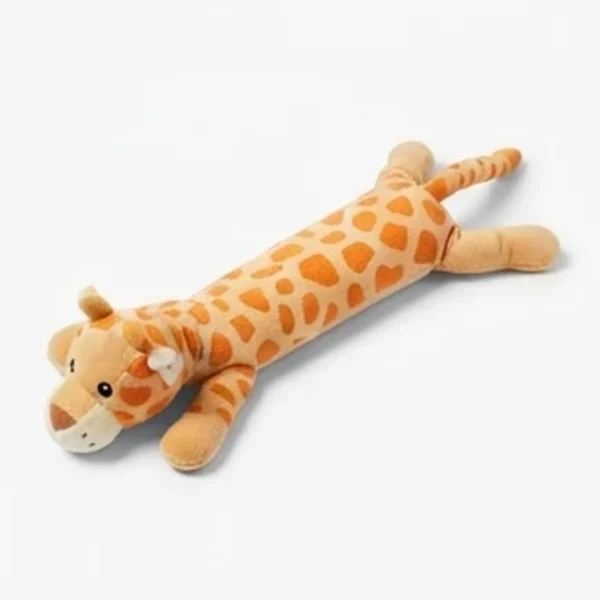
Multipet Katz Kickers
A kicker toy gives your cat something to grab and bunny-kick besides the furniture.

INABA Churu Bites, chicken, 18 tubes
A treat to reward calm paw handling.
Pictures are illustrations, not the actual products.
More detail on the first three is in Useful gear below, and the rest are the "You may also like" cards at the end of the row. None is a nail cap, and none replaces advice from your vet.
What are nail caps and how do they work?
Nail caps are small, hollow plastic covers that are glued onto a cat's claws, usually after the tips are trimmed. The claw underneath can't snag fabric or skin. Because claws keep growing, caps loosen and fall off, so they need replacing.
VCA Animal Hospitals describes soft plastic caps glued onto clipped nails as one approach to scratching damage. It says they fall off as the nail grows and need to be reapplied, and that most cats put up with the process (VCA Animal Hospitals, page read 18 November 2026).
Are nail caps safe? What International Cat Care says
International Cat Care advises against covers over the claws, even to protect furniture. It says they can be very distressing and lead to problem behaviours, because a cat with caps can't scratch, retract its claws or groom normally (International Cat Care, updated 26 September 2025, page read 18 November 2026). That is why we haven't included a pick or any cap links.
Some vet sources list caps as an option, and a clinic may offer to apply them, so you may see them suggested elsewhere. We follow the welfare body's position: the behaviours caps block are normal, and covering the claws doesn't give your cat anywhere better to put them.
Why do cats need their claws?
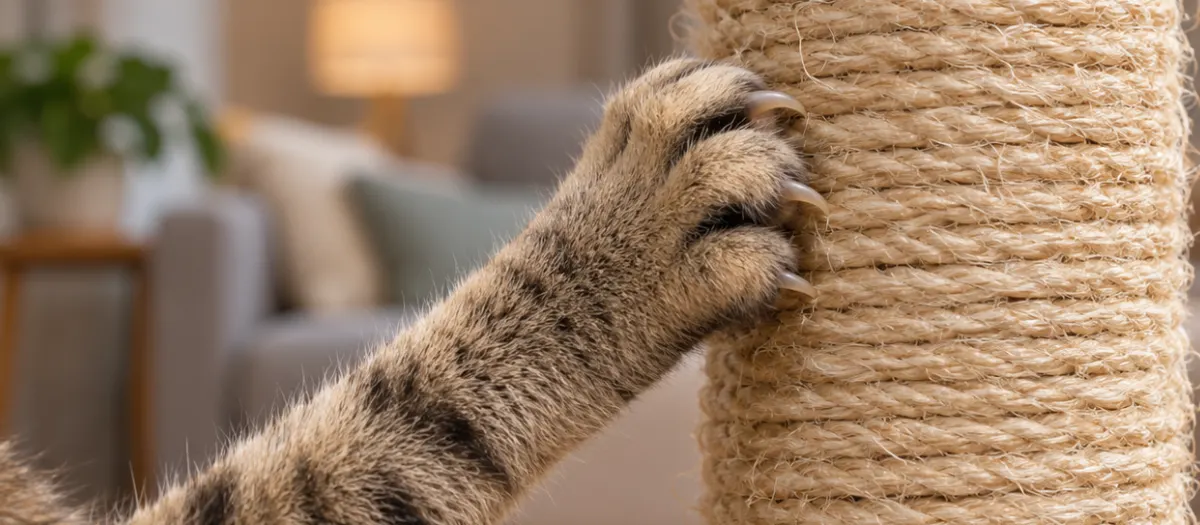
Claws aren't just a furniture problem. International Cat Care says cats need sharp, healthy claws for climbing, hunting, playing and defence, and that most cats keep them at a good length by scratching. Scratching also sharpens the claws, removes the old outer sheath and exercises the front legs (International Cat Care).
RSPCA Australia adds that scratching leaves scent from the paw pads and lets cats release feelings such as frustration or excitement (RSPCA Australia Knowledgebase, updated 17 June 2024, page read 18 November 2026). So the useful question isn't how to stop scratching, but where it should happen.
What risks should you watch for with nail caps?
The main concerns are the behaviours caps block, plus a few practical things to watch if a cat has had caps fitted. None of these are certain to happen, and a vet can work out what is going on if you're unsure.
- A cat that seems frustrated or unsettled. Chewing at the paws, hiding or a change in routine may be more consistent with a cat that can't use its claws normally.
- Caps that come off early. A cat may chew one off, and a swallowed cap is a reason to call your vet (see the questions below).
- A claw that looks sore under a cap. Redness, swelling, a bad smell or limping is a reason to have your vet look at the paw and remove the cap.
- Cats that go outside. International Cat Care says claws are a cat's climbing and defence tools, which is a further reason caps don't suit a cat that goes outdoors.
- Older cats. Arthritis can make scratching harder, so claws may overgrow. Overgrown claws can grow into the pad, which is painful, so ask your vet for help instead of covering them (International Cat Care).
Is declawing an option in Australia?
No. RSPCA Australia says claws shouldn't be removed for non-medical reasons. It describes declawing as major surgery that removes part of the toe, and says the Australian Veterinary Association and the RSPCA both consider it unacceptable (RSPCA Australia Knowledgebase, page read 18 November 2026). International Cat Care calls it unethical unless there is a genuine medical reason. It isn't a treatment for scratching.
Caps, trimming, posts and protectors compared
Here is how the main options stack up against the thing most owners want: fewer scratches on furniture and skin.
| Option | What it does | What it doesn't do | Welfare position | Upkeep | Who it suits |
|---|---|---|---|---|---|
| Nail caps | Cover the claw so it can't snag | Doesn't let your cat scratch, retract its claws or groom normally | International Cat Care advises against them | Fall off as the claw grows and need reapplying (VCA) | Nobody we'd suggest them for |
| Trimming the tips | Blunts the sharp point | Doesn't remove the urge to scratch | International Cat Care: not routinely, only when claws catch or the cat is older | Repeat when the tips are sharp or catching | Older cats, and cats whose claws catch on bedding or carpet |
| Scratching posts and pads | Gives scratching a better home | Won't work if it wobbles or sits in the wrong spot | RSPCA Australia and VCA recommend them | Replace when the surface wears through | Every cat; the first step for furniture scratching |
| Couch protectors and covers | Shield the furniture | Doesn't redirect the scratching on its own | RSPCA Australia lists thick covers as a way to restrict access | Keep in place while the post habit builds | Cats that already target the sofa |
| Declawing | Surgical removal of part of the toe | Isn't a treatment for scratching | RSPCA Australia and the AVA consider it unacceptable; not done for non-medical reasons | Not applicable | No cat |
What to do instead of nail caps
The plan welfare and vet sources describe combines a good post, blunter tips and a protected sofa. Results vary from cat to cat, so watch what your cat actually uses and adjust.
Give the scratching a better home
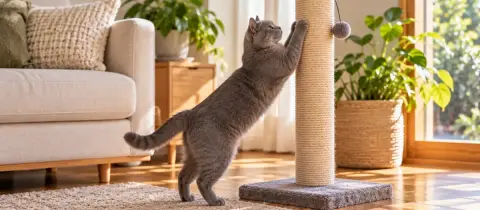
RSPCA Australia says a post should let your cat stretch fully and be sturdy enough to lean on, with one post per cat in a multi-cat home. VCA says tall enough to scratch standing on the hind legs, placed where your cat spends time, and directly in front of furniture that keeps getting scratched (VCA Animal Hospitals). Our cat scratching post guide and tall cat scratching post guide cover height and stability, and a cat tree combines scratching with climbing. For cats that scratch flat on the carpet, try a cardboard scratcher.
Trim the tips, only when needed
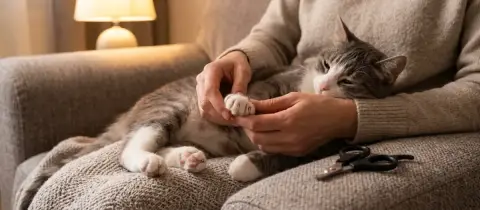
Trimming only the clear tip blunts a claw without covering it. International Cat Care says routine trims aren't advisable for most cats, but they help when claws catch on bedding or the cat is older. Our cat nail clippers guide shows the technique, and the cat grooming guide fits it into a routine. Your vet clinic can show you how, or do it for you.
Protect the sofa while the habit changes
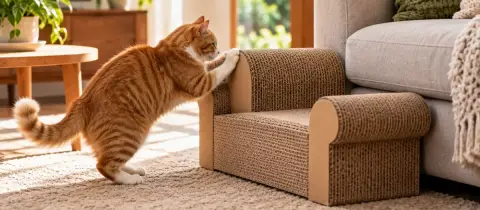
A scratcher placed against the sofa, or a protector on it, gives your cat something better to use while you reward the post. Our cat scratcher for couch guide explains the options. Never punish scratching. RSPCA Australia calls punishment ineffective and counterproductive.
Keep play safe
Wand and teaser play burns off energy that might go into the sofa. Keep it supervised and put wands, string and ribbon away afterwards, because cats can swallow them.
Useful gear
These are existing picks from our own product guides, matched to the plan above. None of them is a nail cap, and none replaces advice from your vet.
- Pet Republique cat nail clipper: a small scissor-style clipper with stainless blades, for trimming just the tips. It's our top pick in the cat nail clippers guide.
- Dimaka 74 cm sisal scratching post: a sisal post for a first, sturdy place to scratch. The listing gives 74 cm in height and says it suits kittens, cats and medium breeds, so check it against your cat, especially a large one. It comes with dangling toy balls; check the cords for fraying and take them off if they wear. See the cat scratching post guide.
- Cat couch scratcher bed, 76 cm, with scratch box: a 76 cm corrugated cardboard lounger plus a 44.5 cm scratch box, for cats that go for the sofa. See the cat scratcher for couch guide.
When to see a vet
See your vet if your cat:
- has a cap that won't come off, or a claw that looks red, swollen or smelly underneath one
- has a claw growing into the pad, or overgrown claws on an older cat that no longer scratches
- is limping, licking or chewing one paw a lot, or over-grooming
- has swallowed a nail cap, or is vomiting, gagging or off its food afterwards (call promptly)
A sudden change in scratching can have several causes, so a check comes first. If it continues, ask about a qualified, reward-based behaviour professional. See International Cat Care for more on claws.
Frequently asked questions
Do nail caps really work?
They stop claws snagging while they stay on, but they don't change why your cat scratches, and they fall off as the claw grows. International Cat Care advises against them because they can distress cats and cause problem behaviours, so we suggest posts, tip trims and protectors first.
Will vets put nail caps on cats?
Some clinics may, and VCA lists caps as one approach. International Cat Care advises against them, so opinions differ. If you're curious, ask your own vet what they'd advise for your cat's age, health, home and any outdoor access before agreeing to anything.
How long do cat nail caps last?
They stay on until the claw grows out, then loosen and fall off, which is why VCA says they need reapplying. The maker of one brand, Soft Paws, says each application lasts about four to six weeks. That is the maker's figure, and timing varies between cats. A cap that comes off early may be chewed or swallowed.
Can a cat still retract its claws with nail caps on?
Not normally, according to International Cat Care, which says caps can stop a cat scratching, retracting its claws and grooming normally, and that being unable to do these things can be very distressing. That is the main reason it advises against them. The maker disagrees, so we follow the welfare body. If your cat chews at a capped paw or seems bothered by it, ask your vet.
Can you put nail caps on a kitten?
We don't suggest it. Kittens are learning to scratch, climb and play, and the behaviours caps block are normal ones. Start early with a small, stable post, gently handle the paws and trim only the tips if needed. See our kitten scratching post guide.
What happens if my cat swallows a nail cap?
Call your vet or an after-hours emergency clinic and tell them what happened, especially if your cat is vomiting, gagging, off its food or straining. Don't try to make your cat vomit at home. A vet can work out what is needed.
How much do cat nail caps cost?
We don't print prices on WhiskerFinds, because they change too often to stay accurate, and cost isn't why we steer away from caps. The reason is the welfare position of International Cat Care. A sturdy post and a pair of cat nail clippers are usually the more useful place to spend.
Can an outdoor cat wear nail caps?
We wouldn't suggest it. International Cat Care says cats need sharp claws for climbing, hunting, play and defence, and caps cover them. If your cat goes outside, the claws are part of how it stays safe. Check your local cat curfew rules too.
Related guides
- How to stop a cat scratching furniture
- Best cat nail clippers
- Best cat scratching posts
- Best tall cat scratching posts
- Best cardboard cat scratchers
- Cat scratcher for couch
- Best cat trees and towers
- Cat grooming at home
- Cats: all our cat guides
Sources
- International Cat Care: Trimming your cat's claws (updated 26 September 2025, read 18 November 2026)
- RSPCA Australia Knowledgebase: Why does my cat scratch the furniture? (updated 17 June 2024, read 18 November 2026)
- VCA Animal Hospitals: Scratching behavior in cats, various approaches (18 February 2020, read 18 November 2026)
- Soft Paws (maker): About Soft Paws for cats (read 18 November 2026)
- Product details from each linked Amazon Australia listing, checked on 18 Nov 2026.
This guide provides general information and isn't a substitute for veterinary advice. If you're concerned about your cat's claws, paws or scratching, speak with your vet.