By Anish PuriUpdated 1 Nov 202612 min readResearched, not tested by us
Research guide. WhiskerFinds may earn a commission from links, at no extra cost to you.
Quick answer: A tall cat scratching post should let your cat stretch right up on their hind legs, so large cats usually do best with a post of 80 cm or more and a wide, steady base. Our top pick is the Furlogy palm tree sisal post, about 102 cm tall. The SmartCat Ultimate (81 cm) is the classic alternative.
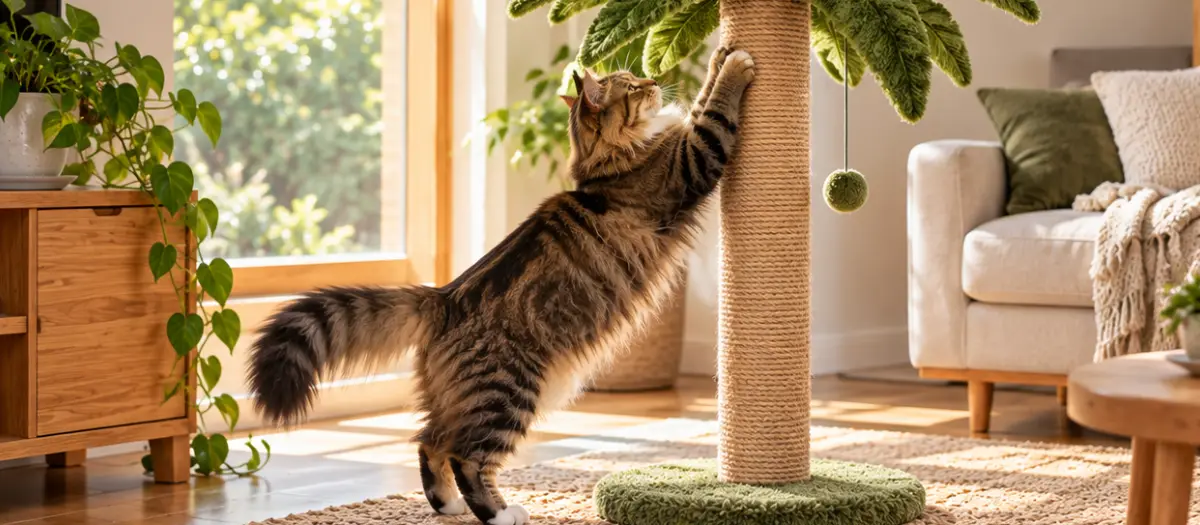
Illustration, not the actual product
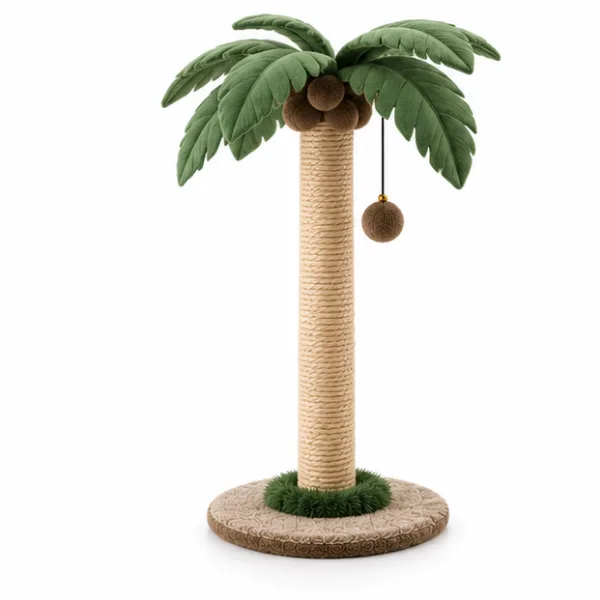
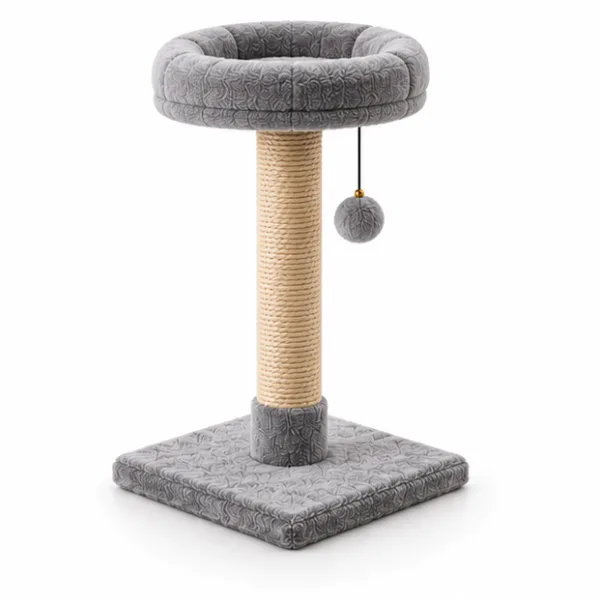
Our top pickFurlogy 40 inch Palm Tree Cat Scratching Post
Big cats stretch further, push harder and tip short, light posts over. This guide compares four options on Amazon Australia and explains height, base weight and set-up. If you're still choosing between styles, start with our cat scratching post guide, and for flat options see our cardboard cat scratcher guide. If you want a full tower rather than a post, our cat trees for large cats guide compares six by base and perch size.
Quick picks
Our top pickBest overall
Furlogy 40 inch Palm Tree Cat Scratching Post
About 102 cm tall, wrapped in sisal rope, with 3 hanging balls
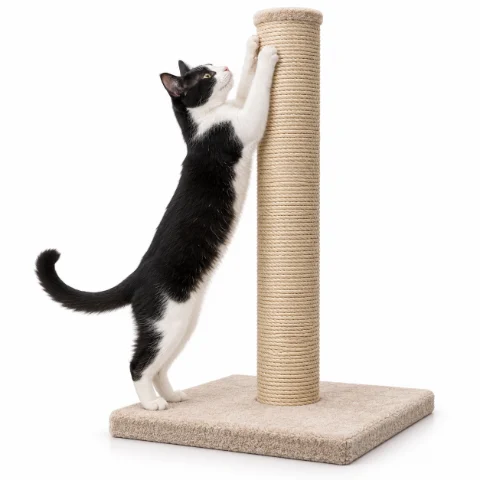
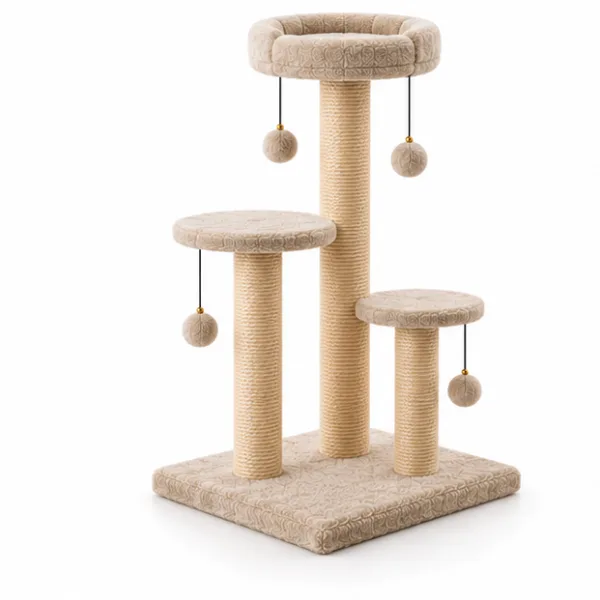
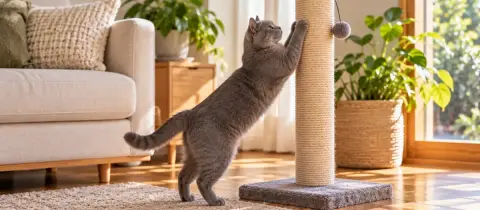
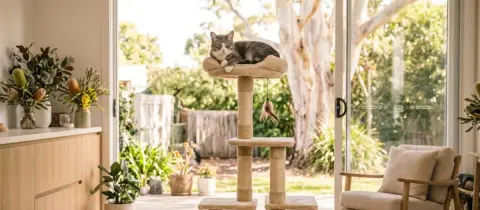
Pictures are illustrations, not the actual products.
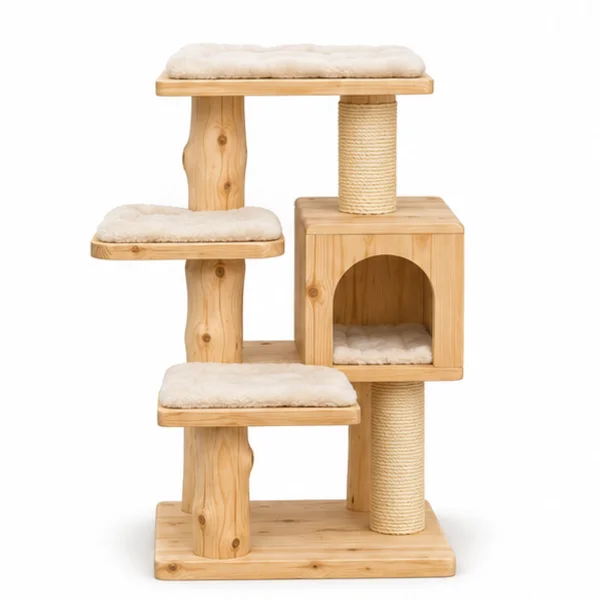
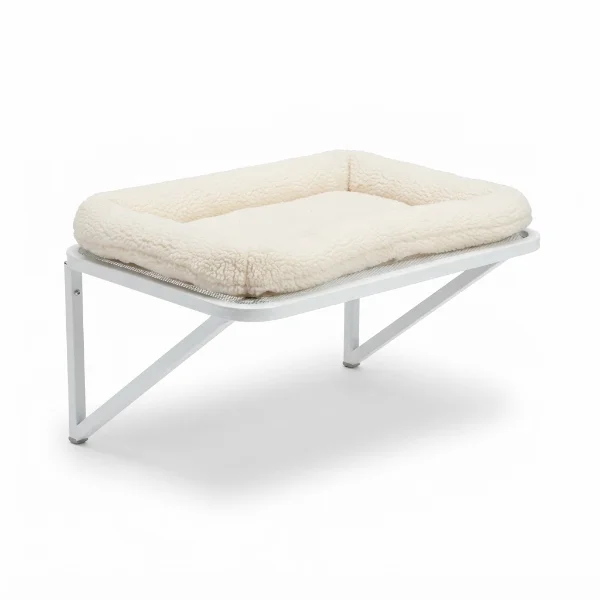
The perch tree is a smaller product, so it suits a different job from the other three. For true tall climbing towers, see our cat tree guide.
How tall should a scratching post be for a large cat?
A scratching post should be tall enough for your cat to stretch fully while standing on their hind legs. That is the guidance from VCA Animal Hospitals. Measure your cat stretched out against a wall, then choose a post taller than that, which is why large cats often need 80 cm or more. If you want platforms as well as a post, tall cat trees compares 184 cm towers and floor-to-ceiling trees.
Posts that are too short make a cat hunch, so they may prefer the arm of your couch. VCA also says to put posts where your cat spends time, including near their sleeping area (VCA Animal Hospitals, page last edited 18 February 2020, read 1 November 2026, VCA). Cats often like a good stretch after waking, so a bedside spot makes sense. If your big cat also needs a roomier bed, see our bed for large cats guide.
Why does a scratching post need a heavy base?
A post should be sturdy so it doesn't tip when your cat uses it, according to VCA. A wide, heavy base keeps a tall post upright when a large cat pulls and leans on it. A post that wobbles once can put a cat off using it again.
The listings give us a few numbers to compare. The Furlogy post is listed at 3.3 kg with a base of about 40 x 40 cm. The SmartCat is listed at 35.2 ounces (about 1 kg) on a 40.6 cm square base. The Dimaka is listed at 1.81 kg with a 35.6 cm base. Weight alone doesn't prove stability, so see each pick below for what the listing says and where to be careful. If a post feels light, you can place it in a corner or against a wall to give it more support.
Our picks in detail
1. Furlogy 40 inch Palm Tree Cat Scratching Post: best overall
The tallest post in this guide. The listing gives the height as 40 inches and the item dimensions as about 39.9 x 39.9 x 102.1 cm, with a weight of 3.3 kg. The post is wrapped in natural sisal rope, has 3 hanging balls, and the listing lists a soft non-slip flannel among the parts. The listing says it assembles in minutes with tools included and that several posts can be connected together. It is described as modern and meant for indoor use, with simulation leaves for the palm look.
Pros: about 102 cm of sisal for a full stretch; non-slip flannel included, per the listing; modular, so you can add more posts; tools included
Cons: 3.3 kg is on the light side for a post this tall, so check it sits firmly; hanging balls and decorative leaves are extra bits a rough cat could pull off; care notes say hand wash or spot clean and avoid moisture
Best for: large or adult cats that stretch right up, in a living room corner
Skip it if: your cat is a very hard scratcher who may lean hard on the post, or you want a perch
2. SmartCat Ultimate Scratching Post, 81 cm: best classic tall post
A plain, no-fuss post. The listing says the 81 cm height lets cats stretch vertically, and that the 40 cm square base eliminates tipping and wobbling, which is the maker's claim. The scratching surface is woven sisal, and the item dimensions are about 40.6 x 40.6 x 81.3 cm. The listing shows the weight as 35.2 ounces (about 1 kg) and lists two screws as included components.
Pros: simple design; woven sisal; wide base; suits all sizes of cats, per the listing
Cons: the listed weight is low, so a strong cat may still move it; 81 cm may be short for the longest cats; no toys or perch
Best for: cats that like a plain, solid post and a neutral colour
Skip it if: your cat is very long when stretched, or you want hanging toys
3. Dimaka Tall Cat Scratching Post, double lower posts: best stability
Built around a wide, plush-covered base. The listing says the base is heavy chipboard that is meant to avoid tipping and wobbling, and the tube is wrapped in natural sisal over cardboard. It adds extra lower posts and 4 plush balls in total, and is listed at 35.6 x 35.6 x 66 cm and 1.81 kg. The listing says assembly takes three steps and less than four minutes, with tools included.
Pros: double lower posts add scratching surface near the floor; plush base; quick assembly per the listing
Cons: at 66 cm it is the shortest scratching post here, so it may not give a big cat a full stretch; the product name says "tall" but the height is modest; listing text is a little unclear about what is included
Best for: average-sized adult cats and anyone who wants a steady base and extra low scratching spots
Skip it if: your cat is large or stretches a long way
4. Cat Tree with Top Perch and sisal scratching post: best with a perch
A small cat tree, not a tall post. The listing gives the dimensions as 40 x 40 x 50 cm and 4 kg. It has a 40 x 30 cm top perch with a removable cover, a sisal post and a dangling ball. The listing describes the perch as designed for small to medium-sized indoor cats, and lists the age range as kitten and a 30 day warranty. Some of its listed details are mixed, so read it closely.
Pros: scratching and a lounging spot in one; removable cover on the perch; the heaviest item here at 4 kg listed
Cons: 50 cm is not tall; the listing says it suits small to medium cats; the warranty is short, per the listing
Best for: a small cat or kitten that likes watching from a perch
Skip it if: your cat is large; the other three are better matches
If a tower is what you're after, our best cat trees guide covers bigger options.
Do cats prefer sisal or jute?
Most cats take to a surface their claws can catch in and pull through. VCA lists cardboard, carpet, wood and sisal as good options and says many cats like loosely woven surfaces. We didn't open a source that compares sisal with jute directly, so we don't rank them. All four picks here use sisal.
If your cat already has a favourite texture, such as the rough arm of a chair, offering something similar is a sensible start, according to VCA. A flat scratcher can also work alongside a post, and our cardboard scratcher guide covers those.
Tall cat scratching posts compared
Details from each Amazon Australia listing, checked on 1 Nov 2026.
We searched Amazon Australia for tall cat scratching posts, then shortlisted ones that met all of these checks:
Well rated: a strong average rating with plenty of buyer reviews.
No red flags: no pattern of poor reviews, safety complaints or listing problems.
Available on Amazon Australia when we checked.
Height stated on the listing, in cm or inches.
Base size and weight given on the listing.
Sisal type: the scratching surface is sisal rope or woven sisal.
Assembly: the listing says how it goes together or what is included.
These are researched picks, not products we've personally tested. We compared the specifications and features shown on each Amazon Australia listing, checked on 1 Nov 2026. We didn't accept payment from any brand, and no brand saw this page before it was published.
Left out this time: wall-mounted tall poles with unclear fixings.
Where should I put a tall cat scratching post?
Put it where your cat already scratches, and near where they sleep. VCA suggests several posts in the areas your cat uses, with one close to their sleeping spot. If a cat keeps scratching one piece of furniture, place a post directly in front of it.
Move it to where your cat spends time and make it rewarding. VCA says catnip or pheromone products can attract a cat to a post, and treats or affection when your cat uses it can build a good link. Some cats don't respond to catnip, so see our catnip toys guide.
Never punish or spray your cat for scratching elsewhere. RSPCA Australia says punishing natural scratching is ineffective and counterproductive, and that punishment has been linked to more unwanted scratching (RSPCA Australia Knowledgebase, updated 17 June 2024, page read 1 November 2026). Keep scented or citrus deterrents and essential oils away from cats. Results vary, so watch what your cat does and adjust the spot. A wobbly post is a common reason cats walk away, so check the base first.
Set-up and care
Assemble on a flat floor and tighten screws or fittings first, using the tools in the box if supplied.
Test the wobble. Push the top firmly. If it moves, try a corner or against a wall.
Add more than one post in busy rooms, ideally including one by the sleeping area.
Check the sisal now and then for loose threads and tidy any that catch claws.
Call your vet if your cat suddenly stops scratching, has torn, bleeding or overgrown claws, or seems sore when stretching or climbing. Changes like these can have several causes, so a vet check comes first. Scratching is normal cat behaviour, as VCA Animal Hospitals explains, but a sudden change is worth mentioning.
For behaviour problems, speak with your vet or a qualified behaviourist. A post is a tool, not a fix for stress.
Frequently asked questions
How tall is too tall for a cat scratching post?
There isn't a set limit in the sources we opened. The post needs to reach above your cat's full stretch, so taller is fine as long as the base is wide and heavy enough to stay upright and your cat can reach the sisal. Very tall posts with small bases are the risk, because one wobble can put a cat off for good.
Is a heavier scratching post better?
Usually, yes, because a post that doesn't tip is more likely to be used. VCA says a post should be sturdy. A heavy, wide base helps, but compare the listed base size and weight and give the post a firm push at home before trusting it with a big cat.
Can a large cat use a cat tree instead of a tall post?
Yes, if the tree has a sturdy, tall sisal post and a wide base. Many trees combine a scratching post with perches, and our cat trees guide compares them. A plain tall post is easier to place right beside the furniture your cat scratches, so many homes do best with both.
Should you put catnip on a scratching post?
You can try it. VCA says catnip can attract a cat to a post, but not every cat responds to it. Treats and play when your cat uses the post also help. Offer a little at first and see what happens. Our catnip toys guide has more.
How do I get my cat to use a new post?
Put it near where your cat sleeps or already scratches, then reward them with treats or affection when they use it. VCA says to place a post directly in front of a scratched piece of furniture. Never punish your cat. Results vary, so give it time.
Can one tall post be enough?
It depends on your home. VCA suggests several posts in the areas your cat spends time. One tall post near a favourite resting spot is a good start, and you can add a flat scratcher or a second post later. Our main scratching post guide compares styles.
Product details from each linked Amazon Australia listing, checked on 1 Nov 2026.
This guide provides general information and isn't a substitute for veterinary advice. If you're concerned about your cat's claws or behaviour, speak with your vet.