Cat scratcher for couch: sofa scratchers and protectors
By Anish PuriUpdated 1 Nov 202614 min readResearched, not tested by us
Research guide. WhiskerFinds may earn a commission from links, at no extra cost to you.
Quick answer: The best cat scratcher for a couch is one your cat actually likes, placed right beside the spot they already scratch. Our top pick is the KEBKE couch scratcher bed with scratch box. A clear sofa protector can add a deterrent surface, but it works best alongside a scratcher, not instead of one.
Illustration, not the actual product
Our top pickCat couch scratcher bed, 76 cm, with scratch box
Cats scratch to keep their claws healthy, stretch and leave scent, so the aim is to give them a better place to do it, not to stop it. This guide compares five couch-friendly options on Amazon Australia and covers placement, sizing and set-up. For the full how-to, read our guide on how to stop a cat scratching furniture, and for the wider range see our best cat scratching post guide.
Quick picks
Our top pickBest overall
Cat couch scratcher bed, 76 cm, with scratch box
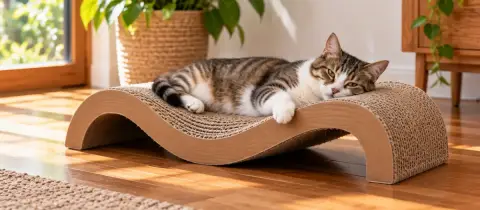
A couch-shaped scratcher and lounger, plus a second cardboard scratch box, in one set
Pictures are illustrations, not the actual products.
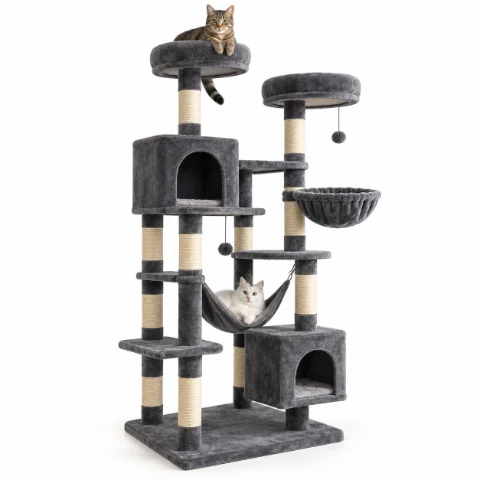
A scratcher works when your cat chooses it. If your cat already loves a tall post, our tall cat scratching post guide is a good next stop.
How do I protect my couch from my cat?
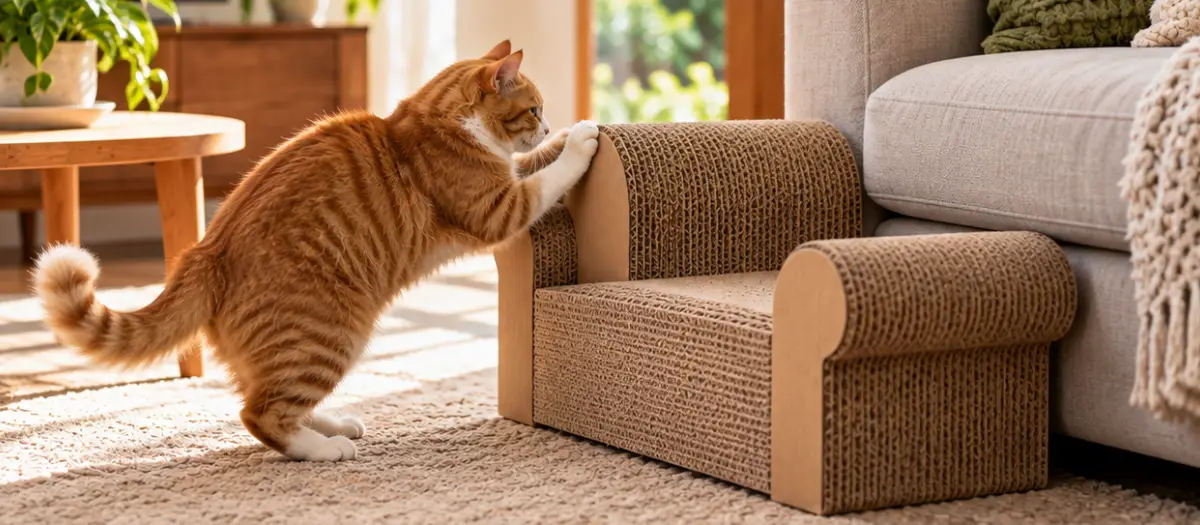
Give your cat a scratcher they prefer, put it where they already scratch, and make that spot on the couch less rewarding. Reward use of the scratcher with treats or play. Never punish or spray water. Protection is a mix of an alternative, good placement and a temporary cover.
Cat Protection Society of NSW (factsheet on furniture scratching, page read 1 November 2026) says cats scratch to mark territory with scent from their paws, to shed the dead outer layer of the nail and to stretch. It warns that stopping scratching altogether can lead to behaviour or health problems, so an acceptable outlet matters. It also advises never yelling at or acting aggressively toward a cat (Cat Protection Society of NSW).
In practice that means three steps. Put a scratcher next to the damaged spot. Make the couch spot harder to grip with a protector or cover for a while. Praise or reward your cat the moment they use the scratcher. Results vary, so watch how your cat responds.
Do sofa protector films work?
They can help as a deterrent, but they are not a scratcher. A clear film covers the spot your cat likes and changes how it feels under their claws. Cats can still scratch somewhere else, so pair the film with a scratcher placed beside it.
The TOOSOFt listing describes a clear vinyl roll that sticks to sofas and fabric and removes cleanly without residue, which are the brand's claims. We can't verify those, so cover a small hidden patch first and check the fabric after a few days before you roll it across a whole arm. Cat Protection Society of NSW mentions a sticky pad that cats may dislike the feel of, which is the same idea. Think of a film as a short-term helper while the new scratching habit settles, not a permanent fix.
Our picks in detail
1. Cat couch scratcher bed, 76 cm, with scratch box: best overall
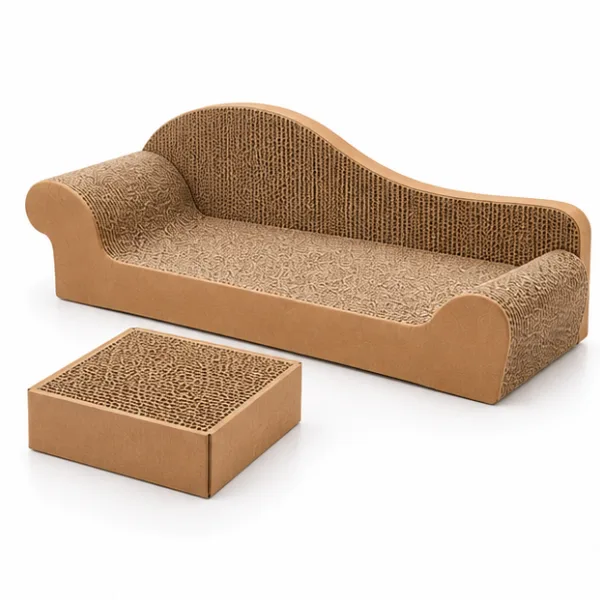
A two-piece set. The listing describes a sofa-shaped scratcher and lounger, 76 x 31.7 x 14 cm, plus a cardboard scratch box, 44.5 x 31 x 16 cm, with a double-sided scratch panel. The listing says it uses felt fabric and corrugated cardboard, includes catnip, and is suitable for multiple cats. It needs assembling, and the listing says it comes with a toolkit and instructions. The care notes say not to wash it and to keep it away from moisture and fire.
Pros: couch shape that doubles as a lounger; extra scratch box in the set; catnip included, per the listing; suits more than one cat, per the listing
Cons: needs assembly; cannot be washed; keep it dry; felt and cardboard will wear with use
Best for: a living room where you want a scratcher your cat can also nap on
Skip it if: you want something that can be washed, or you have little floor space
2. TOOSOFt clear anti-scratch furniture protector roll: best clear protector
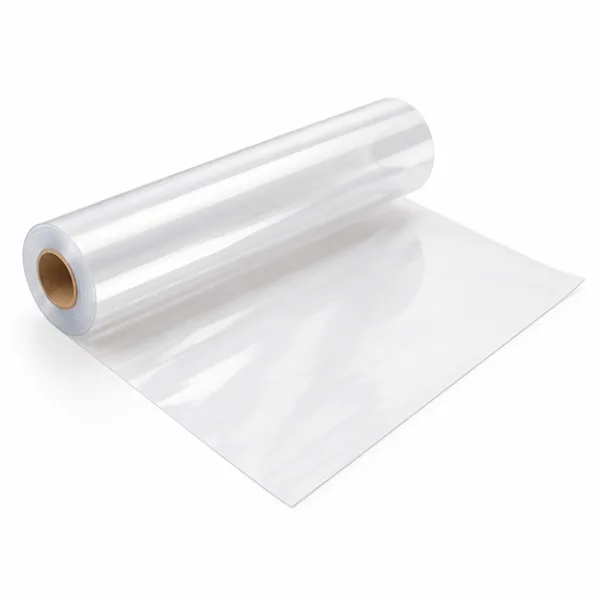
A clear PVC roll, 4.1 m long and 31.5 cm wide. The listing says it is 0.12 mm vinyl, twice as thick as standard film, and that it moulds to curved arms and removes cleanly without residue. Those are the brand's claims. It is a deterrent surface, so use it alongside a scratcher. Patch-test a hidden spot on your fabric first, because the listing doesn't mention testing and fabrics differ. The care note says to remove and replace it if cleaning is needed.
Pros: clear, so it blends in; cut-to-size roll; covers several spots on one sofa; no tools needed, per the listing
Cons: doesn't give the cat a place to scratch; adhesive hold on delicate fabric is unverified; has to be replaced rather than cleaned
Best for: protecting one or two couch arms or corners while a new scratcher habit forms
Skip it if: your fabric is delicate or hard to patch-test, or you want a scratcher itself
3. Gimars sofa-shaped cardboard scratcher, 43 cm: best small couch scratcher
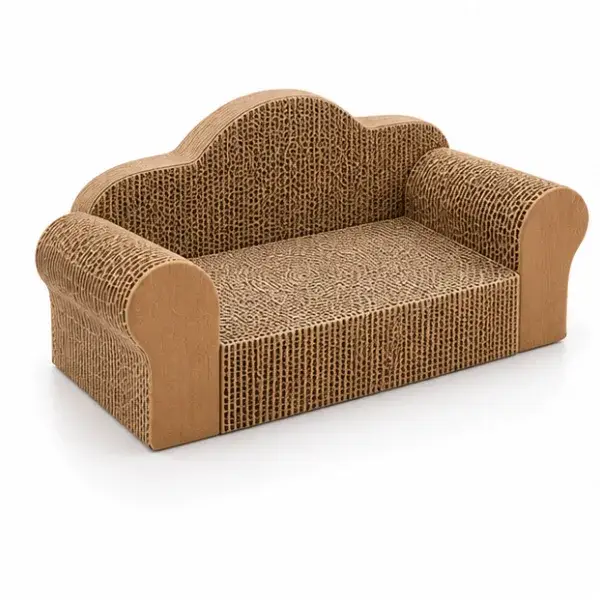
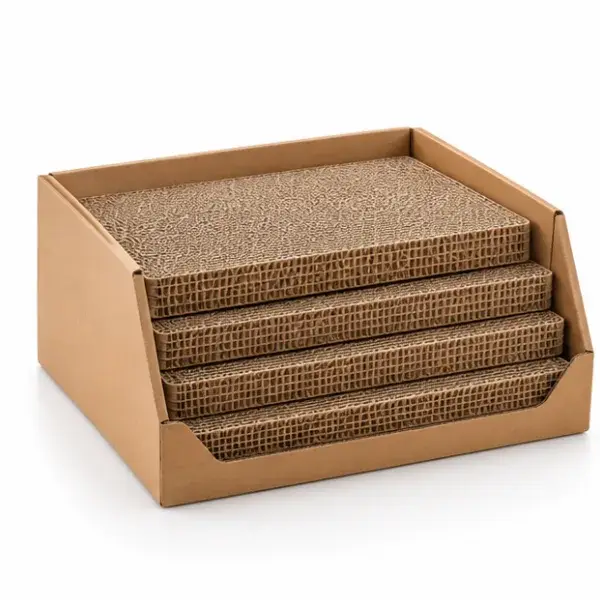
A compact cardboard scratcher, 43 x 29.5 x 14.5 cm, with a curved top the listing says fits a cat's body for lounging. The listing says it is made of thick, high-density corrugated cardboard and comes in natural and walnut finishes. Care is to wipe with a dry or damp cloth and keep it indoors and dry. The warranty is listed as 1 month. A recurring limitation of small cardboard scratchers is that large cats can outgrow the space, and cardboard sheds crumbs as it wears.
Pros: small enough for apartments; curved lounging top; light and easy to move
Cons: small for big or long cats; cardboard sheds and wears down; short warranty period
Best for: small to average cats and tight spaces
Skip it if: your cat is large or likes a full-body stretch
4. Graciadeco sisal scratching boards, 2-pack: best sisal boards
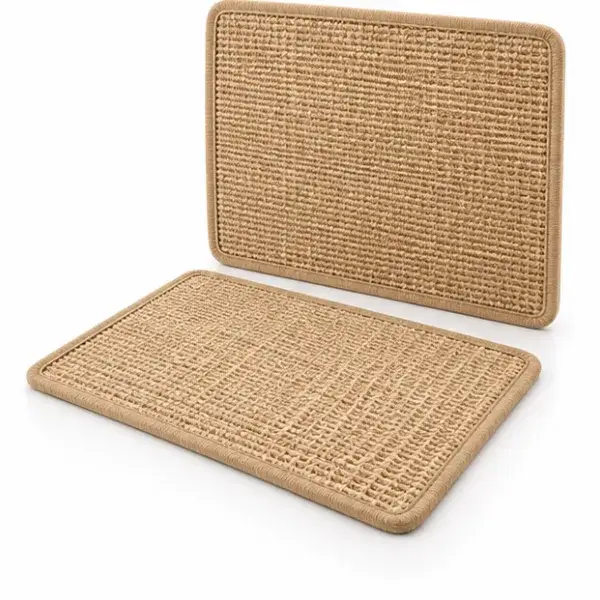
Two sisal boards. The listing says each is about 60 x 40 cm and suits most cats fully stretched, though another line on the listing gives a different, smaller size, so check before buying. It says the boards use hook and loop bands to stay in place and can strap on to furniture to form a protective layer. The listing also says you need to guide your cat to use it the first time, and that care is hand wash only. The wording on the listing is a little confusing, so read it twice.
Pros: two boards in a pack; sisal is a texture many cats like; straps rather than glue; fits a couch corner or wall
Cons: listing dimensions are inconsistent; your cat may need guidance at first; hand wash only
Best for: covering a favourite couch corner without adhesive
Skip it if: your cat dislikes sisal, or you want a freestanding lounger
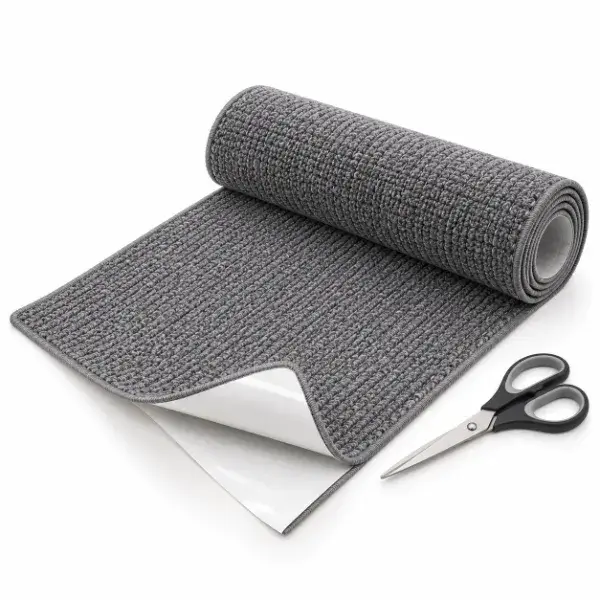
A trimmable polyester mat, 40 x 100 cm in the grey option, with a self-adhesive back. The listing says it sticks to wood, glass, fabric and leather, can be cut to size without fraying, and is not recommended for plaster walls. Care is spot clean only. The adhesive may not hold on every surface, and it may mark some when removed, so test a small spot first.
Pros: cut to fit; no screws or nails; works on corners and shelves
Cons: adhesive may not hold or may mark some surfaces; spot clean only; not for plaster walls
Best for: wood, tile or sturdy cat furniture
Skip it if: you need it on delicate fabric or leather
Where should I put a cat scratcher for the couch?
Put it directly against the part of the couch your cat scratches, such as the arm, corner or front, where they can see it. Cats are more likely to use scratchers that are visible and where they already spend time. Hidden or far-off scratchers often get ignored.
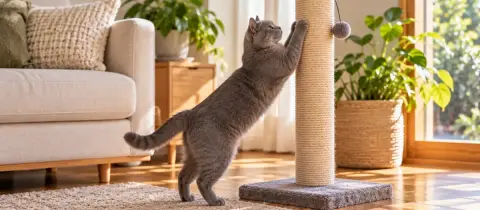
Cat Protection Society of NSW says to place posts where the cat already scratches, in a spot that is visible and well used, and notes hidden posts are rarely used. It also suggests more than one scratcher per cat in a multi-cat home and a mix of shapes, since flat surfaces suit cats who scratch on all four paws and tall posts suit cats who stretch upward.
A few ideas for a couch:
Lay a flat or sofa-shaped scratcher on the floor at the foot of the couch arm.
Strap a sisal board to the couch corner your cat targets, then move it away slowly once they use it.
Put a second scratcher near where your cat sleeps, because many cats scratch right after waking up.
Many will, but there is no guarantee. Cats have texture preferences, and a couch-shaped scratcher gives them a flat scratching surface and a place to lounge in one. Try it beside the couch, add a little catnip or a toy, and give it time before you decide.
The KEBKE set in this guide includes catnip, per the listing, and the Gimars scratcher has a curved top for lounging. Cat Protection Society of NSW lists carpet, sisal rope, corrugated cardboard and seagrass rope as materials cats may like. If your cat ignores cardboard, a sisal board may suit better. If your cat is still a kitten, see our kitten scratching post guide.
Can I use sticky tape or pads on furniture?
Possibly, but we can't confirm double-sided tape from a source we opened. The Cat Protection Society of NSW factsheet does mention a sticky pad cats may dislike the feel of. If you try anything sticky, patch-test a hidden spot first and never leave it where the cat could swallow it.
Our advice is to treat any sticky cover as temporary and to keep the scratcher beside it, so your cat has somewhere to go. Avoid scented or citrus sprays and essential oils on furniture, because they are not a kind or safe choice for cats, which is why we left them out of this guide.
Do adhesive scratch mats damage furniture?
They can. The adhesive may not hold on some surfaces, and removing it can mark delicate ones. The self-adhesive mat in this guide says it suits wood and tile walls and is not recommended for plaster walls, per the listing, so check before sticking it anywhere.
The listing says the adhesive bottom sticks to wood, glass, fabric and leather. We would still patch-test a hidden corner and avoid delicate fabric, leather and painted or plaster walls. A strap-on board is the gentler way to cover a couch corner because nothing sticks to your furniture.
We searched Amazon Australia for cat scratchers made for couches, shortlisted the options that met all of these checks, and kept a mix of floor scratchers, a clear protector, strap-on boards and a stick-on mat:
Well rated: a strong average rating with plenty of buyer reviews.
No red flags: no pattern of poor reviews, safety complaints or listing problems.
Available on Amazon Australia when we checked.
Size stated on the listing, so you can compare it with your cat.
Material stated, such as cardboard, sisal, felt or polyester.
How it attaches is clear: freestanding, adhesive or straps.
These are researched picks, not products we've personally used. We compared the specifications and features shown on each Amazon Australia listing, checked on 1 Nov 2026. We didn't accept payment from any brand, and no brand saw this page before it was published.
Left out this time: deterrent sprays with essential oils or citrus, which are not safe or kind for cats.
How big should a couch scratcher be?
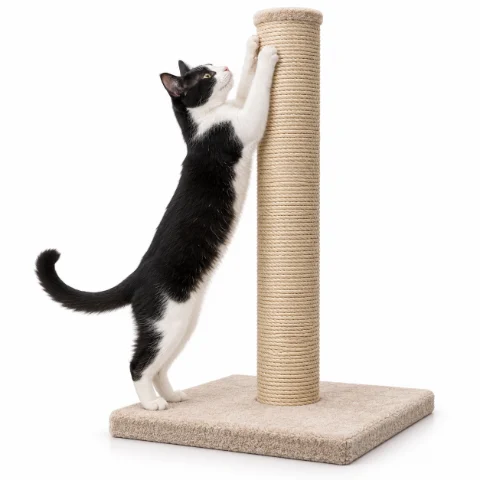
Size depends on your cat. A cat should be able to stretch fully or stand on the scratcher without it sliding. Measure your cat from nose to rump when stretched out, then compare it with each listing's length, not the box size. Large cats often need more room than compact scratchers give.
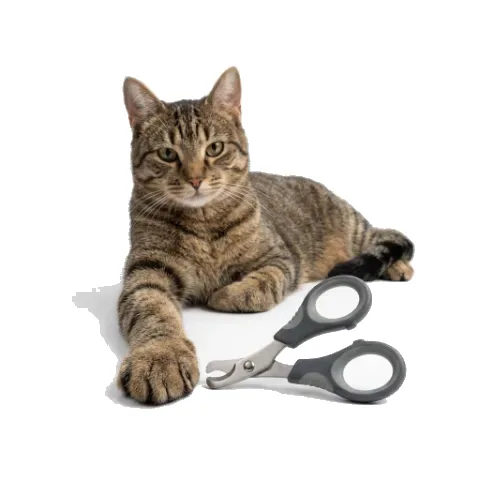
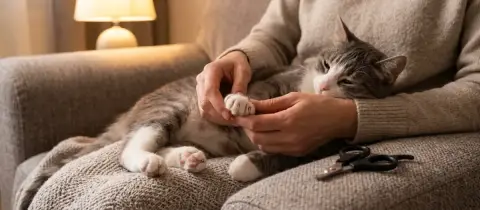
Floor scratchers should be heavy or grippy enough not to skid. The listings above give sizes in centimetres, so measure the spot on your couch and the floor space before you order. Trim claws regularly too. Our cat nail clippers guide compares options. Cat Protection Society of NSW says trimming reduces damage but won't stop scratching, and suggests a vet or vet nurse show you how the first time.
How do I set it up so my cat uses it?
Put it beside the scratched spot, sprinkle on a little catnip or play near it, and reward every use. Move it slowly if you want it elsewhere. Do not push your cat's paws onto it. Let them choose.
Start with the scratcher against the couch arm, then shift it a few centimetres at a time. Keep a mix of options: a floor scratcher, a strap-on board and, if there is room, a cat tree. Check that nothing is left loose that your cat could chew and swallow, and never leave string or ribbon toys out. Cleaning the couch with a pet-safe cleaner may remove scent marks, which can affect where your cat scratches, so offer a scratcher nearby straight after.
When to get help
Speak to your vet if your cat's claws look split, overgrown or bleeding, if they limp, lick their paws a lot or seem sore when they scratch, or if scratching suddenly increases or changes. Scratching can have several causes, so a vet check comes first.
Ask a vet or vet nurse to show you how to trim nails the first time. See the Cat Protection Society of NSW factsheet for its advice on trimming and on never yelling at a cat.
Talk to a vet or qualified behaviourist if scratching comes with stress signs such as hiding, over-grooming or toileting outside the litter box.
Frequently asked questions
What is the best cat scratcher for a couch?
The best scratcher is the one your cat uses, placed beside the spot they already scratch. Many cats take to a sofa-shaped scratcher or a sisal board strapped to a couch corner. Our top pick is the KEBKE couch scratcher set, and a clear protector can sit on the spot as a deterrent.
Do cat scratchers really stop cats scratching the couch?
They can help, but they rarely work alone. Scratching is normal cat behaviour, so cats need an outlet. Place a scratcher right beside the couch, reward its use and make the couch spot less appealing for a while. Results vary from cat to cat, so watch how yours responds.
Does a sofa protector damage fabric?
It depends on the fabric and the product. The TOOSOFt listing says it removes cleanly without residue, which is the brand's claim. Test a small hidden spot first and check the fabric after a few days. Avoid delicate fabrics and leather if you are unsure.
Where is the best place for a cat scratcher near the couch?
Right against the part of the couch your cat scratches, such as the arm or corner, where they can see it. Add a second scratcher near their sleeping spot. Cat Protection Society of NSW says hidden posts are rarely used, so keep scratchers in view.
Are cardboard scratchers good for couches?
Cardboard scratchers suit many cats and are easy to place at the foot of the couch. They wear down and can shed crumbs, and small ones may not suit large cats. If your cat ignores cardboard, try sisal. See our cardboard cat scratcher guide.
Should I trim my cat's nails to protect the couch?
Trimming reduces damage but won't stop scratching, according to Cat Protection Society of NSW. Only cut the sharp tip, because nails contain blood vessels, and ask a vet or vet nurse to show you first. Our cat nail clippers guide has options.
Can I stop my cat scratching the couch with a spray?
We don't recommend scented, citrus or essential oil sprays on furniture, because they are not a kind or safe choice for cats. Offer a better scratcher, place it well and reward its use. If scratching worries you, speak with your vet.
Product details from each linked Amazon Australia listing, checked on 1 Nov 2026.
This guide provides general information and isn't a substitute for veterinary advice. If you're concerned about your cat's claws or behaviour, speak with your vet.