Research guide. WhiskerFinds may earn a commission from links, at no extra cost to you.
Quick answer: The best cat tree is one that's stable, sized for your cat and easy for them to climb. Of the trees we compared on Amazon Australia, the Feandrea 206 cm stands out for its clear dimensions, a stated 75 kg load limit and an anti-tip kit. For small rooms, kittens or big cats, see our picks by size below.
Cats feel safer when they can climb up high, look down on their world and tuck themselves away. A cat tree (also called a cat tower) gives an indoor cat all of that in one spot, plus a place to scratch, stretch and nap. For many homes it's one of the most useful things you can buy for a cat.
Quick picks
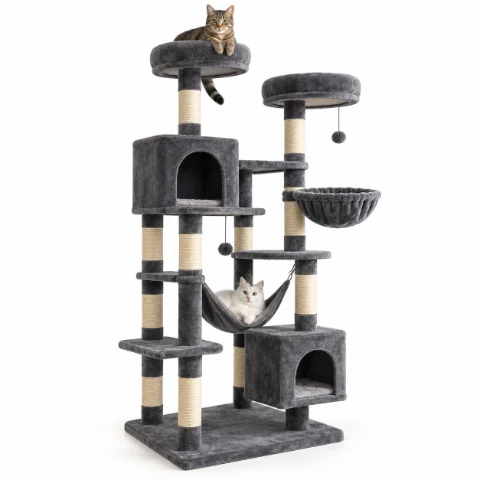
Feandrea 206 cm Cat Tree
Five levels, a stated 75 kg load limit, and an anti-tip kit included
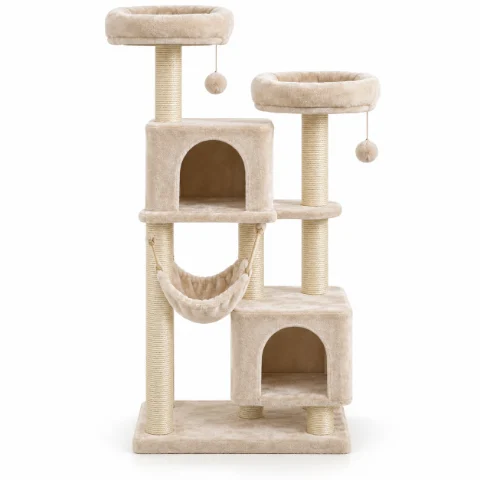
Feandrea 151 cm Plush Cat Tree
About 1.5 metres tall on a compact 49 × 40 cm base
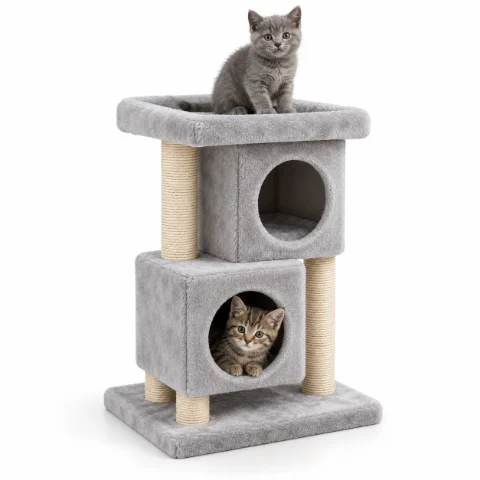
Feandrea Small Cat Tree with 2 Caves
About 65 to 67 cm tall, two caves, anti-tip kit included
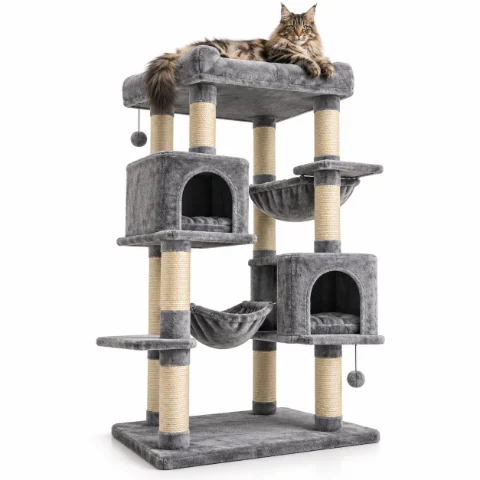
Heybly 193 cm Heavy Duty Cat Tree
Long 70 × 40 cm base and the biggest top perch on our list, listed for large breeds
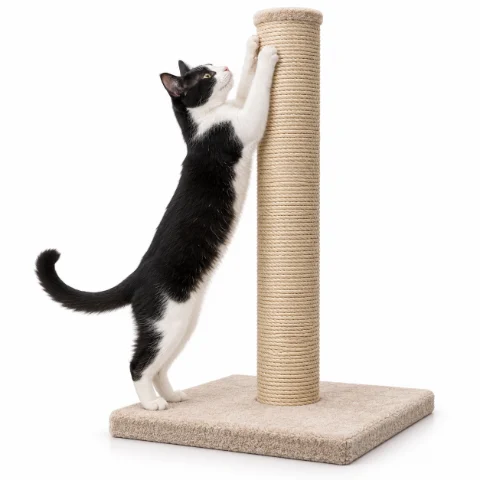
SmartCat Ultimate Scratching Post
81 cm tall sisal post, so most cats can stretch out to scratch
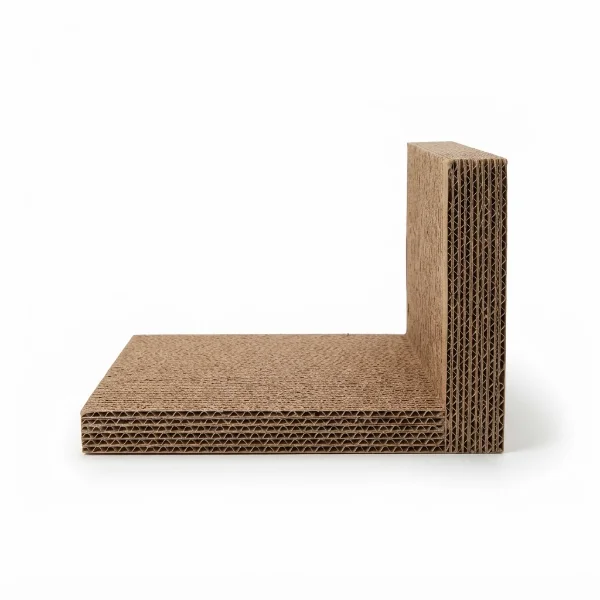
FUKUMARU L-Shape Cat Scratcher
Scratch flat or upright against a wall, 68 cm long
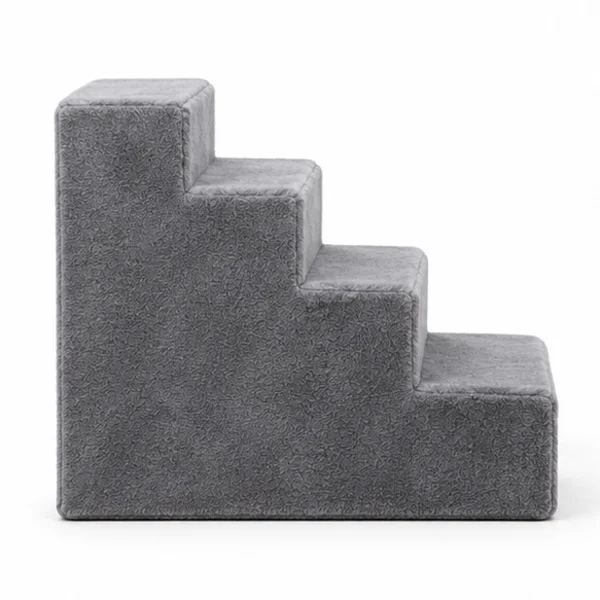
Feandrea 4-step foam stairs, 72 x 40 x 50 cm
Low steps can help a young, older or stiff cat reach a higher spot without a big jump.
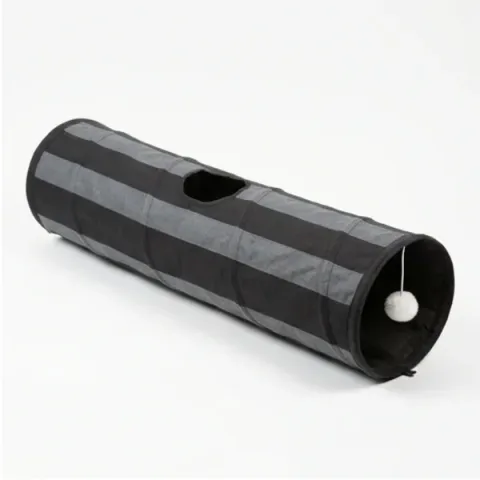
lionto Cat Tunnel, 30 x 130 cm
A folding play tunnel that adds hide-and-pounce games on the floor around the tree.
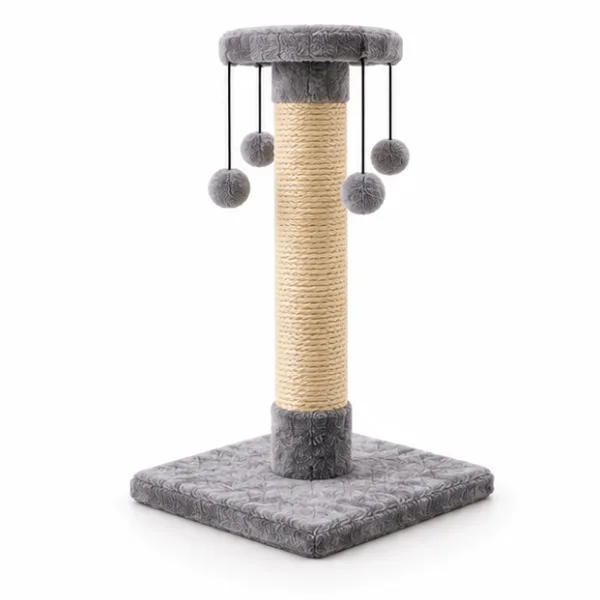
Dimaka 74 cm sisal scratching post
A sturdy sisal post that gives scratching its own spot beside the tree.
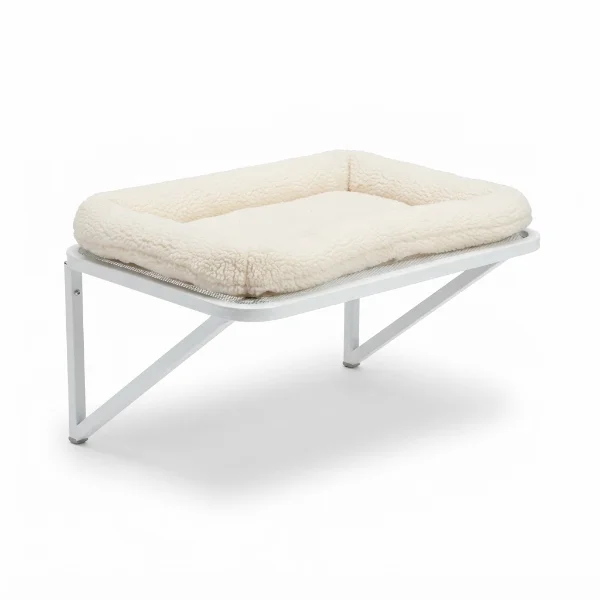
Zakkart metal window perch
A lookout for cats who like watching the street, as a second high spot away from the tree.
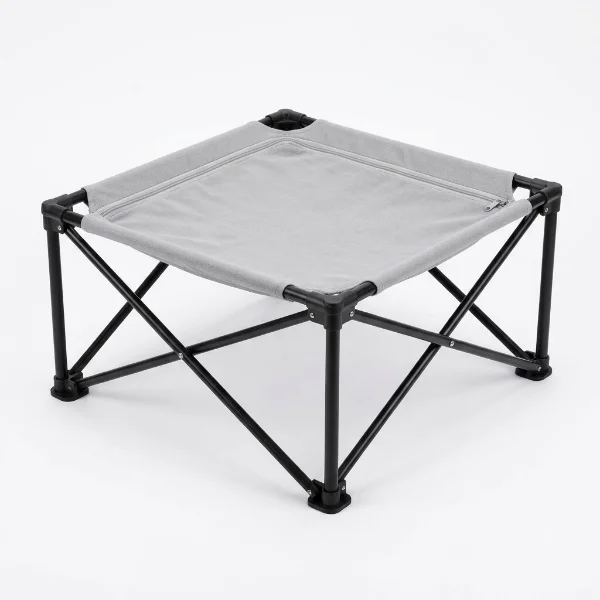
GUUSII raised cat hammock bed, 64 x 40 x 19 cm
A raised bed for a cat who likes an elevated nap without a full tree.
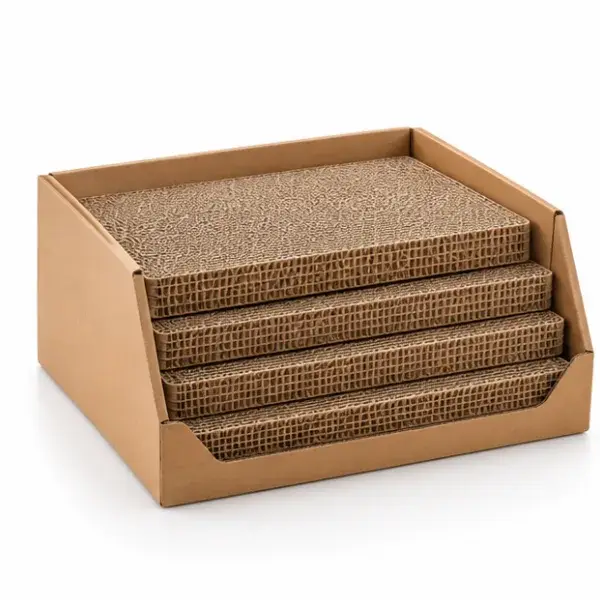
PatiencET 4-pack scratch pads with box
Low cardboard pads for cats who scratch along the floor as well as up.
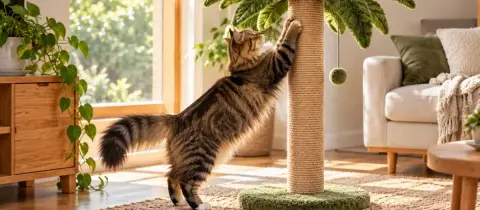
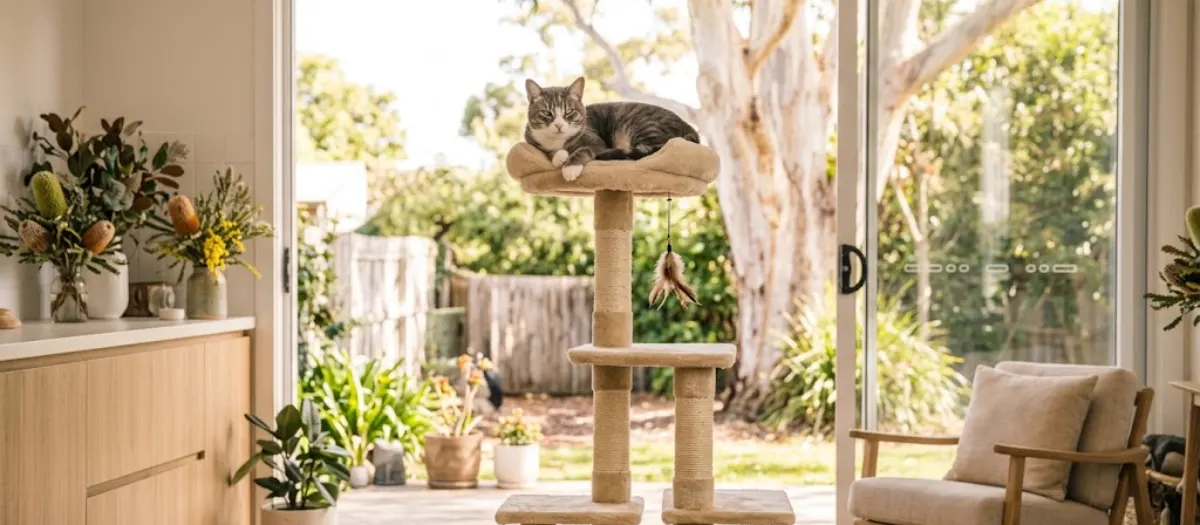
Pictures are illustrations, not the actual products.
Is a cat tree right for your cat?
- It can help indoor cats, cats who scratch the furniture, and homes with more than one cat, because it adds more places to climb, hide and rest.
- It may suit most cats, as long as the size and layout match your cat. Kittens, older cats and cats with stiff joints usually need low, wide platforms that are easy to step onto.
- It may not suit small spaces if you choose a tall one. A sturdy scratching post can be a better first buy.
- It's a tool, not a fix. A cat tree works best alongside daily play, including a good wand toy, and time with you. An exercise wheel or a play tunnel adds more ways to burn energy. See our guide to cat boredom and enrichment.
Side by side comparison
Details checked on Amazon Australia on 13 Nov 2026.
| Product | Height | Base | Stability features | Price band |
|---|---|---|---|---|
| Feandrea 206 cm | 204 to 206 cm* | 59 × 48.5 cm* | Anti-tip kit | Premium |
| Feandrea 151 cm Plush | 150 to 155 cm* | 49 × 40 cm | Anti-tip kit | Mid |
| Feandrea Small, 2 Caves | 65 to 67 cm* | 40 × 30 cm | Anti-tip kit | Budget |
| Heybly 193 cm Heavy Duty | 193 cm | 70 × 40 cm | Anti-tip strap | Premium |
| SmartCat Ultimate Post | 81 cm | 40.6 × 40.6 cm | Square base (no anti-tip kit listed) | Premium |
| FUKUMARU L-Shape Scratcher | 68 x 42 x 29 cm (L shape) | Sits on the floor | Low, so nothing to tip | Not banded |
*The listing gives slightly different figures in different places: the Feandrea 206 cm is listed as both 204 and 206 cm tall, and its size option reads 60 × 50 cm; the Feandrea 151 cm gives 150, 151 and 155 cm; the Feandrea Small gives 65 and 67 cm. Check the measurements on the listing before you buy.
Price bands compare the five trees and posts with each other, based on the prices shown on 10 Oct 2026: Budget = the cheapest, Mid = in between, Premium = the three dearest, which were close in price. The cardboard scratcher isn't banded. Prices change often, so tap "Check price on Amazon" for today's price.
Our picks in detail
1. Feandrea 206 cm Cat Tree: best overall
A tall, five-level tree with two caves, a basket, a hammock, two perches and sisal wrapped posts for scratching. The listing says it supports up to 75 kg and comes with an anti-tip kit. At around two metres, it gives confident climbers real height. We picked it as best overall because it combines clear dimensions, a stated load limit and anti-tip hardware.
- Pros: stated 75 kg load limit; anti-tip kit included; two caves, a basket and a hammock
- Cons: big and tall, so measure your ceiling and floor space first; takes time to put together; the listing gives two heights (204 and 206 cm) and two base sizes; check the platform sizes against your cat if they're large; plush is vacuum-only, not machine washable
- Best for: confident adult cats in homes with room for a tall tree
2. Feandrea 151 cm Plush Cat Tree: best for smaller rooms
A plush tree about 1.5 metres tall on a compact 49 × 40 cm base, with two caves, two perches, a hammock and five sisal posts. It includes an anti-tip kit, and its compact platforms suit small to medium cats best.
- Pros: smaller footprint than the taller trees; anti-tip kit included; five sisal posts
- Cons: listed for small to medium breeds, so large cats may find the platforms tight; the listing gives its height as 150, 151 and 155 cm; plush fabric holds onto fur, so it needs regular vacuuming
- Best for: apartments, smaller rooms and small to medium cats
3. Feandrea Small Cat Tree with 2 Caves: best low tree for kittens
A low tree, about 65 to 67 cm tall, with two caves, a top perch and sisal posts. The listing says it comes with an anti-tip kit, and its care notes say to secure it to the wall. A low tree with short steps between levels can be easier for kittens and cats who aren't confident climbers. Height alone doesn't make a tree safe, though. Check that it's steady, the platforms are big enough for your cat, and your cat can get on and off easily. More low trees sized for kittens are in cat trees for kittens.
- Pros: the cheapest tree on our list; low, short steps; two caves give shy cats somewhere to hide; anti-tip kit included
- Cons: an active adult cat may soon want something taller; the listing gives two heights (65 and 67 cm)
- Best for: kittens and shy cats, and older or less mobile cats who can step up comfortably (check with your vet if your cat has stiff joints)
4. Heybly 193 cm Heavy Duty Cat Tree: a roomier option for larger cats
A tall tree on a 70 × 40 cm base with five main posts, two condos, a basket, a hammock and a 55 × 30 cm top perch. The listing recommends it for large breeds and includes an anti-tip strap. A wider base and bigger top perch may suit a larger cat better than a compact tree, but a wide base on its own doesn't guarantee a tree suits a big or heavy cat. The listing doesn't give a weight limit, so compare the platform sizes with your cat and secure it as the instructions say.
- Pros: the longest base (70 cm) and the biggest stated top perch on our list; anti-tip strap included
- Cons: no weight limit given in the listing; takes up a lot of floor space
- Best for: owners of larger cats who have room for a big tree and are happy to check the platform sizes first
5. SmartCat Ultimate Scratching Post: best scratching post
A simple, 81 cm sisal-covered post on a 40.6 cm square base. Cats like to stretch right out when they scratch, and many posts are too short for that. At 81 cm, this one is tall enough for most adult cats to stretch out. The listing says it's for all sizes of cats, and it doesn't come with an anti-tip kit.
- Pros: sisal-covered; tall enough for most cats to stretch; takes up very little room
- Cons: it's a post, not a tree, so there's nowhere to perch or hide; costs about as much as the tall trees on this list; no anti-tip kit, so stand it on a flat, level floor
- Best for: cats who scratch the furniture, and homes with no room for a tree
6. FUKUMARU L-Shape Cat Scratcher: best cardboard cat scratcher
An L-shaped cardboard scratcher, 68 x 42 x 29 cm with 4 cm thick cardboard. Your cat can scratch it lying flat, stand it against a wall for upright scratching, or curl up in the corner. The listing says it's made from non-toxic, recyclable corrugated cardboard.
- Pros: works flat or upright; at 68 cm it gives most cats a full upright stretch; a cheap way to test what kind of scratching your cat likes
- Cons: cardboard sheds bits and wears out, so you'll replace it more often than a sisal post; takes more floor space than a flat pad
- Best for: cats who scratch the carpet or rug, and as an extra scratcher next to a cat tree
Put every tree together exactly as the manufacturer's instructions say, and use the supplied anti-tip hardware wherever the instructions tell you to. Check bolts and fittings every few weeks. A stated weight limit is the total load the maker says the tree can hold, not a promise that it's safe for several cats jumping on it at once.
How we chose
We searched Amazon Australia for cat trees, cat towers, scratching posts and cardboard scratchers, then shortlisted products that met all of these checks:
- Well rated: a strong average rating with plenty of buyer reviews.
- No red flags: no pattern of poor reviews or safety complaints.
- Available on Amazon Australia when we checked.
- Made for cats, with sizes given in the listing.
- Stability features: tall trees had to come with anti-tip hardware, and the listing had to give the base size.
We then chose each "best for" pick by matching the listing's size, layout and stated features (such as load limit, base size and caves) to a type of home or cat. None of this replaces checking the fit for your own cat.
These are researched picks, not products we've personally tested. We compared the specifications and features shown on each Amazon Australia listing, checked on 13 Nov 2026. Availability and prices can change. We didn't accept payment from any brand, and no brand saw this page before it was published.
Left out this time: many cheaper towers had small bases for their height, or didn't list measurements clearly. We'll recheck them when we update this guide.
How to choose a cat tree
Height: taller isn't always better. What matters most is whether your cat can get up and down easily and safely. Kittens, older cats and nervous cats often do better with a lower tree. Confident, active cats may enjoy a tall one. For a new kitten's first scratcher, see our kitten scratching post guide.
Material: solid timber, board and cardboard all suit different homes; our wooden cat trees guide compares what each listing is made of.
| Your cat | Look for | Our pick |
|---|---|---|
| Kitten or shy cat | A low tree, short steps between levels, a cave | Feandrea Small, 2 Caves |
| Older or less mobile cat | Low, wide platforms and easy steps; avoid big jumps | Feandrea Small, 2 Caves (check the step heights suit your cat; for the bed or sofa, see our stairs and ramps guide) |
| Adult cat, smaller home | Around 1.5 metres on a compact base | Feandrea 151 cm Plush |
| Confident adult, room for a tall tree | Around 2 metres, several perches, anti-tip kit | Feandrea 206 cm |
| Larger cat (such as a Maine Coon or Ragdoll) | Wide base, big platforms and perches; check sizes against your cat | Heybly 193 cm |
| Scratches furniture, not much room | A tall, steady scratching post | SmartCat Ultimate |
Stability: a wobbly tree can put a cat off for good. Look for a wide base, follow the assembly instructions, and use the supplied anti-tip hardware where directed, especially on tall trees.
Platform size and access: check that the platforms and beds are big enough for your cat to lie on, and that the gaps between levels are easy for your cat. This matters more for kittens, larger cats and older cats.
Scratching surface: sisal rope or sisal fabric suits most cats. Make sure at least one post is tall enough for your cat to stretch out fully.
Where to put it: many cats love a tree beside a window, so they can watch birds and people. Put it in a room where the family spends time, not hidden away. Scratching posts also work well near where your cat sleeps, because many cats like a good stretch and scratch when they wake up.
Several cats: give each cat its own perch or resting spot, so nobody has to compete. RSPCA Australia's rule of thumb is one of each resource per cat, plus one extra (RSPCA Australia).
When to see your vet
If your cat suddenly stops climbing or jumping, struggles to get up or down, or seems stiff or sore, speak with your vet. Changes like these can be a sign of pain, such as arthritis.
Cat trees for large and heavy cats: what to look for
The best cat tree for a heavy cat is one with a stated load limit and a wide, long base, fixed to the wall. Of our picks, the Feandrea 206 cm lists a 75 kg total load and the Heybly 193 cm has the longest base at 70 x 40 cm, though its listing gives no weight limit.
A cat tree for large cats, such as Maine Coons, Ragdolls and big moggies, needs more than height. Check these on the listing before you buy:
- Base size: a wider, longer base is harder to tip. The Heybly 193 cm has a 70 × 40 cm base, the longest on our list.
- Platform and perch size: your cat should be able to lie flat on a perch without hanging off the edge. Compare the listed sizes with your cat stretched out.
- Post thickness and stated load: thicker posts flex less. The Feandrea 206 cm lists a 75 kg total load limit; that's the whole tree, not one perch.
- Anti-tip hardware: big cats launch hard. Fix tall trees to the wall with the supplied kit.
- Hole and cave sizes: many caves are made for average cats, so check the opening size if your cat likes to hide.
Our picks for bigger cats are the Heybly 193 cm Heavy Duty Cat Tree and the Feandrea 206 cm. For six trees compared on base size, perch size and stated weight limits, see our cat trees for large cats guide.
Outdoor cat trees: what to look for
We compare six weatherproof towers in our outdoor cat tree guide; the short version is below. An outdoor cat tree only belongs somewhere your cat is safely contained, like a cat run, catio or enclosed balcony. Indoor trees use carpet, particleboard and fabric that go mouldy or fall apart outside, so look for:
- Weatherproof materials: plastic (PE) boards, PVC or powder-coated metal posts, and outdoor-grade rope or sisal.
- Stainless or rust-resistant fixings, and a base you can anchor so wind can't topple it.
- Shade and drainage: a perch in full sun gets hot in an Australian summer, and platforms should shed rain.
Our six picks, with heights, footprints and an anchoring checklist, are in the outdoor cat tree guide.
Frequently asked questions
Do cats really need a cat tree?
Not every cat needs one, but most indoor cats benefit from having somewhere high to climb, rest and look out from. Shelves, a cleared windowsill or the top of a sturdy cupboard can also work. A cat tree just puts climbing, scratching and resting in one place.
How tall should a cat tree be?
It depends on your cat. A low tree with short steps often suits kittens and older or less mobile cats, while confident adult cats may enjoy 1.5 metres or more. Whatever the height, the tree should be stable, with platforms your cat can reach and use comfortably. For 2 metre towers and floor-to-ceiling trees matched to your ceiling, see tall cat trees.
What is a good beginner cat tree?
A low or mid-height tree with short steps, a cave and an anti-tip kit, so a cat who has never climbed can build confidence without a wobble. The Feandrea Small with 2 Caves is our beginner pick, and the Feandrea 151 cm suits an adult cat in a smaller room. Put it by a window and lead your cat up with a wand toy.
Where is the best place to put a cat tree?
Near a window is a favourite for many cats, in a room where the family spends time. Avoid putting it right beside food bowls or the litter tray.
How do I stop my cat scratching the furniture?
Give them a better place to scratch. Put a tall, sturdy scratching post right in front of the spot they're scratching, and reward them when they use it. Never punish scratching, as it's normal cat behaviour. Our guide on how to stop a cat scratching furniture has the step-by-step plan, and RSPCA Australia explains why cats scratch.
My cat won't use the new cat tree. What can I do?
Give it time. Move it next to a window or your cat's favourite spot, rub a little catnip or silvervine on it if your cat likes those, and use a wand toy to lead them up the levels. Put treats on the lower platforms to start. Our guide to why a cat won't use the cat tree works through placement, wobble and sore joints step by step.
Is a cat tower the same as a cat tree?
Yes. Shops and brands use both names for the same thing: a frame with platforms, scratching posts and often a cave or hammock. Some brands call taller, narrower models towers, but there's no fixed rule, so compare the height, base size and platform sizes rather than the name.
Are department store cat trees any good?
They can be, but we've only compared trees sold on Amazon Australia. Wherever you buy, check three things: the base size against the height, anti-tip hardware on tall trees, and platforms big enough for your cat to lie on. Sisal-wrapped posts are a bonus for scratching.
How often should I replace a cat tree?
When it starts to wobble, the posts are badly worn, or the fabric is torn. Many owners replace the sisal rope instead of the whole tree, if the brand sells spare parts.
What's the best cat tree for a Maine Coon or other big cat?
For a large cat, compare base size, usable perch size and anti-tip hardware rather than height. Our pick is the Heybly 193 cm Heavy Duty Cat Tree, with a 70 × 40 cm base and a 55 × 30 cm top perch. Its listing doesn't give a weight limit, so check the platform sizes against your cat and secure it to the wall. Our large-cat tree guide compares six by base and perch size.
What is the best cat tree in Australia?
The best cat tree is the one that's stable, sized for your cat and easy for them to climb. Of the trees we compared on Amazon Australia, the Feandrea 206 cm stands out for its clear dimensions, a stated 75 kg load limit and an anti-tip kit.
How many cat trees do you need for two cats?
Often one big tree with several perches is enough for two cats who get along, as long as each can rest up high without sharing a spot. RSPCA Australia's rule of thumb for multi-cat homes is one of each resource per cat, plus one extra, so cats who don't get on may need a tree each or extra shelves and window perches.
Do cat trees need to be anchored to the wall?
Tall ones should be. A cat leaping onto the top of a tall tree can tip it, and a fall can put a cat off the tree for good or injure someone nearby. Use the anti-tip kit or strap that comes with it, follow the instructions, and check the bolts every few weeks. For low trees, follow the maker's instructions: some, like the Feandrea Small, still say to secure them to the wall.
Cat tree or cardboard cat scratcher?
Many cats like both. A tall cat tree gives height, a lookout and an upright post to stretch on, while a flat cardboard scratcher suits cats who like to scratch along the floor. Watch how your cat scratches now (up the couch or across the rug) and give them that kind of surface first. Cardboard scratchers wear out fast, so they're a cheap extra rather than a replacement for a sturdy post. Our pick is the FUKUMARU L-Shape Cat Scratcher, which works lying flat or stood upright against a wall.
Can a cat tree go outside?
Only somewhere safe and enclosed, like a covered cat run or enclosed balcony, and only if it's made for outdoor use. Most indoor cat trees use carpet, particleboard and fabric that go mouldy or fall apart in the weather. Check the base is stable on the surface underneath. Our outdoor cat tree guide compares weatherproof towers.
How do I clean a cat tree?
Vacuum the platforms and posts each week to lift fur and litter dust. Spot clean marks with warm water and a little mild, unscented detergent, then let it dry fully before your cat uses it again. Avoid strong-smelling cleaners and essential oils, which can be unsafe or off-putting for cats.
Related guides
- Why won't my cat use the cat tree?
- Best wooden cat trees
- Best tall cat trees
- Best cat trees for kittens
- Best indoor cat houses
- Best cat trees for large cats
- Best modern cat trees
- Why is my cat crazy at night?
- Cat exercise wheels
- Cat wall shelves and climbing walls
- Best tall cat scratching posts
- Best cat scratching posts
- Best cat beds
- Cat guides
- Cat boredom & enrichment guide
- Best cat toys and puzzle feeders
- Best cat puzzle feeders for wet food
- Best cat nail clippers
- Outdoor cat trees for catios and runs
Sources
- AAFP and ISFM: Feline environmental needs guidelines
- RSPCA Australia: Why does my cat scratch the furniture?
- RSPCA Australia: Multi-cat households
- Agriculture Victoria: Creating the perfect indoor haven
- Product details from each linked Amazon Australia listing, checked on 13 Nov 2026.
This guide provides general information and isn't a substitute for veterinary advice. If you're concerned about your cat's health or safety, speak with your vet.