Best cat treats: lickable, crunchy, soft and dental picks
By Anish PuriUpdated 7 Nov 202612 min readResearched, not tested by us
Research guide. WhiskerFinds may earn a commission from links, at no extra cost to you.
Quick answer: The best cat treats are small, low-calorie ones that fit within about 10% of your cat's daily calories. Our top pick is GREENIES Feline Dental Treats, Catnip, 60 g, with lickable, soft and jelly options below. Ask your vet first if your cat has kidney disease, diabetes or eats a prescription diet.
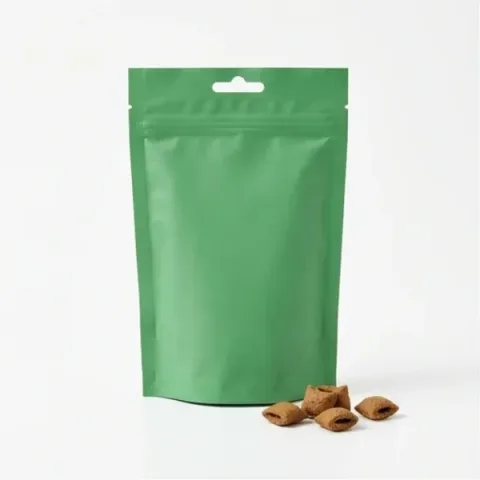
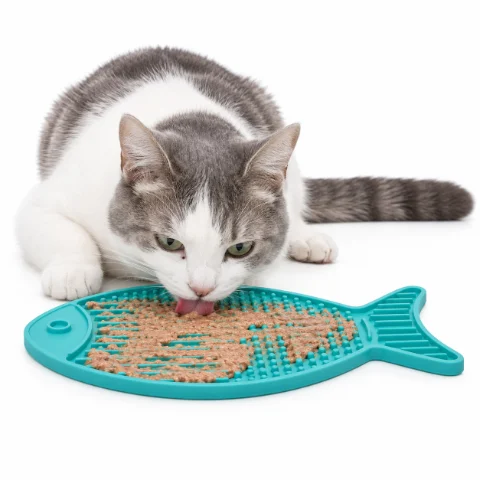
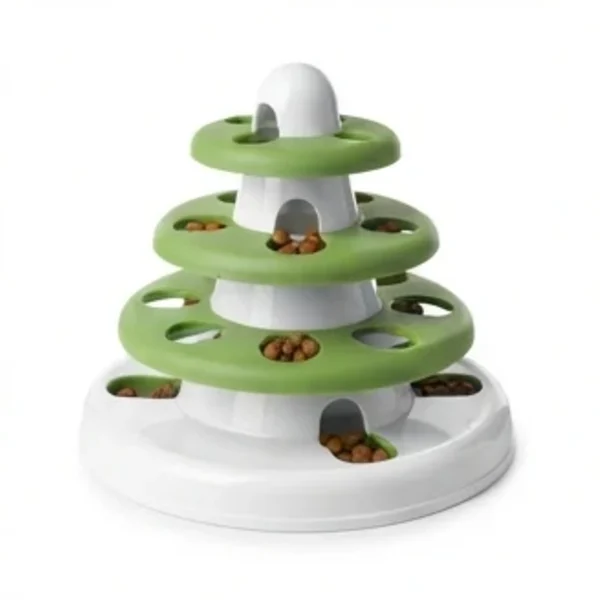
Illustration, not the actual product
Our top pickGREENIES Feline Dental Treats, Catnip, 60 g
Treats come in very different types, and the number you can safely hand out matters more than the flavour. This guide compares four picks by type, shows a worked example of the daily allowance, and covers what to check on the label. For tube treats in depth, see our Churu cat treats guide, and for teeth-focused treats, our cat dental treats guide.
Quick picks
Our top pickBest overall
GREENIES Feline Dental Treats, Catnip, 60 g
Small crunchy wafers, listed as under 2 calories each; Feline Greenies are on the VOHC accepted list for tartar
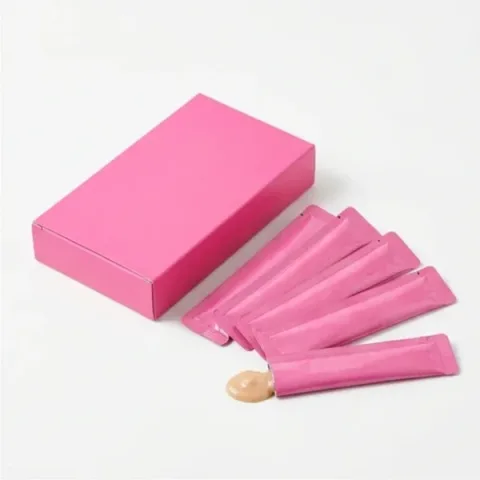
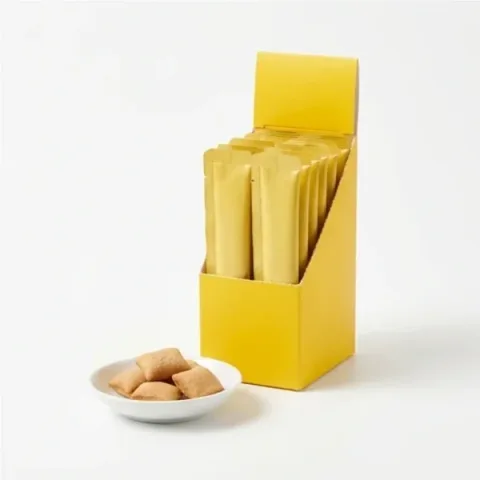
Pictures are illustrations, not the actual products.
Supermarkets, pet shops and vet clinics also sell cat treats.
What is the best treat for a cat?
The best treat is one your cat enjoys, in a texture they can manage, that fits the daily allowance and suits their health. A low-calorie treat made for cats and clearly labelled as a treat is a sensible start. Which type is best depends on your cat's mouth, weight and temperament.
Crunchy treats are tidy and easy to count out. Lickable and jelly treats suit cats who prefer soft food, and add a little moisture. Freeze-dried meat is a single-ingredient option, but it comes with a safety caution, so we explain below why we didn't pick one. Soft bites sit in between.
Cat treats compared
Details from each Amazon Australia listing, checked on 7 Nov 2026. Where a listing gives no figure, we say so.
Swipe sideways to see every column
Pick
Type
Pack size
Calories per listing
Life stage per listing
GREENIES Catnip
Crunchy dental wafer
60 g (2.1 oz) pouch
Less than 2 per treat
Adult
Vitakraft Liquid Snack
Lickable sachets
48 x 15 g (720 g)
Not given
Adult in the details; "from 3 months" in the uses field
INABA Churu Bites
Soft baked bites, creamy centre
18 tubes of 9.92 g (0.35 oz)
About 13 kcal, but per bite or per tube isn't clear
Adult
Vitakraft Jelly Lovers
Jelly sticks
6 x 15 g (90 g)
Not given
All life stages
Our picks in detail
1. GREENIES Feline Dental Treats, Catnip, 60 g: best overall
Small crunchy wafers in a 60 g (2.1 oz) pouch. The listing says the texture helps reduce tartar build-up when used daily and that each treat has less than 2 calories. The VOHC lists Feline Greenies for tartar, as our dental treats guide explains. The details table lists the age range as adult and the allergen as chicken meat. Its other claims are the brand's, so read the pack. Our dental treats guide goes into the VOHC detail and other pack sizes.
Pros: a calorie figure per treat; easy to count out; crunchy texture that suits training-sized rewards; a smaller pouch is a low-commitment way to try them
Cons: an adult recipe per the listing; chicken is named as an allergen; the catnip flavour won't suit every cat; treats don't replace brushing or a vet clean
Best for: an adult cat who likes crunchy treats and an owner who wants a clear per-treat calorie figure
Skip it if: your cat is a kitten, has a chicken allergy, or has a medical condition until your vet agrees
2. Vitakraft Liquid Snack, chicken, 48 x 15 g: best lickable treat
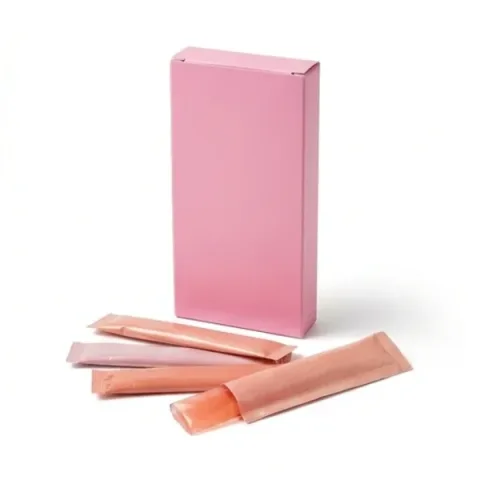
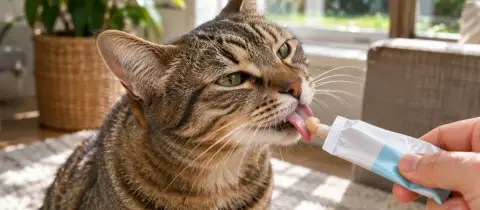
A mega pack of 48 individual 15 g sachets (720 g in total) of creamy chicken, meant to be licked, often straight from your hand. The listing says it's a low-calorie recipe suitable for daily consumption, contains taurine and has no added sugar, artificial flavours, colours or preservatives. It gives no calorie figure, and "suitable for daily" still means counting it in the 10%. Churu is the other well-known lickable option, and our Churu guide covers those tubes.
Pros: single-serve sachets make portions easy to control; soft texture for cats with sore or missing teeth; large pack for regular use
Cons: no calorie figure on the listing; the details say adult while the uses field says from 3 months; imported, so the pack's label and feeding guide may not be in English
Best for: a fussy cat, or an older cat who prefers soft food
Skip it if: you want a clear calorie figure per sachet, or you'd rather buy a smaller pack first
3. INABA Churu Bites, chicken, 18 tubes: best soft treat
Soft baked chicken bites with a creamy Churu centre, packed in 18 tubes of 9.92 g (0.35 oz), with about ten bites in each tube. The listing says each bite is made without grains, preservatives, carrageenan or artificial colours, adds vitamin E and green tea extract, and has 72% moisture. It says about 13 kcal, but doesn't make clear whether that is per bite or per tube.
Pros: soft and easy to chew; tubes keep portions fresh; adds a little moisture
Cons: the 13 kcal figure isn't clear as to bite or tube, so check the pack before counting; an adult recipe per the listing; the details table has odd fields such as a medium dog size
Best for: a cat who likes the Churu flavour and prefers a bite to a lick
Skip it if: you need a precise calorie figure, or you want tube-style lickables (see our Churu guide)
4. Vitakraft Jelly Lovers, salmon, 6 x 15 g: best jelly treat
Six 15 g jelly sticks (90 g in total) for cats who like a jelly texture, to feed from the sachet or in the bowl. The listing says low calorie, grain-free, no added sugar, no dyes or preservatives, and fish from MSC sustainable fisheries. The description names salmon and plaice varieties. It gives no calorie figure. The listing is also a bit muddled, with the flavour field saying sea products and breed fields that mention medium dogs, so check the pack for ingredients.
Pros: soft jelly texture; small pack to try; all life stages per the listing
Cons: no calorie figure; the listing's fields don't all agree; imported, so check the delivery details on Amazon before you order; fish-based, so not for cats with a fish allergy
Best for: a cat who prefers jelly or gravy-style food, in small amounts
Skip it if: your cat has a fish allergy, or you want a clear calorie figure per stick
Choose by situation
Swipe sideways to see every column
Your situation
What to look for
Our pick
Fussy cat
A strong-smelling or creamy treat in small amounts, counted in the day's allowance
Vitakraft Liquid Snack
Cat watching their weight
A treat with a clear calorie figure, kept within the allowance
GREENIES (less than 2 calories each per the listing)
Older cat with few teeth
A soft or lickable texture
Vitakraft Liquid Snack or Jelly Lovers
Kitten
A pack whose life stage names kittens, and your vet's OK first
Check each pack; most here say adult
Training or clicker sessions
Tiny pieces you can give quickly
GREENIES
Cat on a prescription diet, with kidney disease or diabetes
Nothing until your vet says so
Ask your vet first
Cat who drinks little
Moist treats add a little water, but bowls and wet food matter more (see our cat water bowl guide)
Jelly Lovers or Churu Bites
Cat who brings up hairballs
A fibre-based treat inside the allowance, plus brushing (see our hairball treats guide)
Vets commonly say treats should make up no more than about 10% of a cat's daily calories, with the rest from complete and balanced food. VCA Hospitals says the same, and notes that treat calories add up fast for cats with low needs (VCA Hospitals, page last updated 26 September 2024, read 7 November 2026). Treats from every source count. Our how many treats a day guide has a table of daily allowances by cat weight in kilograms.
Here's an example only, with made-up numbers. If a cat's daily food comes to 200 calories (your vet can give you your cat's real figure), 10% is 20 calories. The GREENIES listing says each treat has less than 2 calories, so at least ten treats would be needed to use up the allowance, and the real number depends on the pack's exact figure. The INABA Churu Bites listing says about 13 kcal without making clear whether that's per bite or per tube of about ten bites, so check the pack before counting.
What to avoid in cat treats?
Avoid treats that aren't made for cats, that are sold as a complete meal replacement, or that list onion or garlic. Check the pack calls itself a treat or complementary food, follow its feeding guide, and read the ingredients. Ask your vet if your cat has allergies or a medical condition.
Onions, garlic and chives belong to the allium family, and the ASPCA says they can damage red blood cells, with cats more susceptible than dogs (ASPCA, page read 7 November 2026). Our what can cats eat guide has the full list of foods to keep away from cats. Dog treats are best left for dogs unless the pack names cats too.
Are freeze-dried treats good for cats?
They can be a simple, single-ingredient treat, but freeze-dried treats are often raw meat that hasn't been cooked, and VCA Hospitals says to be wary of freeze-dried or dehydrated raw treats because they pose a risk of bacterial contamination that can spread to other pets and people (VCA Hospitals, read 7 November 2026). That is why none is among our picks here. If you do choose one, our freeze-dried cat treats guide covers handling and what to look for on the pack.
Freezing and drying doesn't mean the meat is cooked. If you're considering a freeze-dried treat, ask your vet first, wash your hands after handling it, and remember that a cooked or commercially made treat is the simpler choice if anyone at home is very young, elderly or unwell, or you share your space with other pets.
Are lickable treats healthy for cats?
Lickable treats can be a fine occasional extra, but "healthy" depends on the amount and your cat's needs. They're still treats, not meals. The listings make claims such as low calorie and taurine, which are the brand's words, so read the pack and count them in the daily allowance.
The Vitakraft Liquid Snack listing says its recipe has no added sugar, colourings or preservatives and contains taurine, but it gives no calorie figure, so use the pack's feeding guide. Moist treats add a little water, which can suit a cat who drinks little, but they don't replace fresh water. Our Churu guide goes through tube calories in detail.
Can kittens have cat treats?
Ask your vet first. We found no vet source giving kitten treat amounts, and the VCA treat page doesn't cover kittens. Most of our listings say adult, so choose a pack that names kittens or all life stages, and keep treats tiny so they never replace kitten food.
Only the Jelly Lovers listing says all life stages, and the Vitakraft Liquid Snack listing is mixed: its details say adult but its uses field says complementary food for cats from 3 months. Treat that as a brand claim and confirm with your vet.
How we chose
We searched Amazon Australia for cat treats of different types and shortlisted ones that met all of these checks:
Well rated: a strong average rating with plenty of buyer reviews.
No red flags: no pattern of poor reviews, safety complaints or listing problems.
Available on Amazon Australia when we checked.
Calories per treat where the listing gives one, and "not given" where it doesn't.
Treat type and texture (lickable, crunchy, soft or jelly).
Life stage and species the listing names.
Ingredients and claims attributed to the brand ("the listing says low calorie").
These are researched picks, not products we've personally tried. We compared the specifications and features shown on each Amazon Australia listing, checked on 7 Nov 2026. We didn't accept payment from any brand, and no brand saw this page before it was published.
Left out this time: Churu tubes (our Churu guide covers them), other Greenies packs (see our dental treats guide), treats with cheese fillings (we kept dairy to the cat milk guide), whole dried fish, a freeze-dried raw chicken treat (VCA Hospitals is wary of raw freeze-dried treats, so we left it out), and other treats whose listings gave too little information to describe honestly.
When to see a vet
See your vet if your cat has vomiting or diarrhoea after a new treat, stops eating for more than a day, gains or loses weight, or starts drinking much more or less than usual. These signs can have many causes, and a treat is one possibility among several.
Ask your vet before giving treats to a cat with kidney disease, diabetes, a weight problem or a prescription diet. If your cat has eaten something toxic, call your vet, an emergency vet or the Animal Poisons Helpline (1300 869 738, 24/7) straight away, even if the cat seems fine. See our what can cats eat guide for foods to avoid.
Frequently asked questions
What human food can I give my cat as a treat?
Plain cooked meat or fish with no bones, skin or seasoning is fine as a small treat, and it counts toward the 10% allowance. Foods such as onion, garlic, chocolate and grapes are not safe. Our what can cats eat guide has the full list.
What treats suit an older cat with few teeth?
Soft or lickable treats are usually easier, such as sachets, jelly sticks or soft bites. Crunchy wafers may be hard going if your cat has sore gums or missing teeth. If your cat suddenly drops food or avoids chewing, see your vet, because dental pain is one possible cause.
Will treats fix a fussy eater?
No. A treat can add interest, but filling up on treats can dull appetite for regular meals, as VCA Hospitals notes. A cat who suddenly goes off food for more than a day needs a vet check, not a bigger treat supply. Our puzzle feeders for wet food guide offers another way to make meals more interesting. Set meal times help too, and an automatic cat feeder keeps them steady on long work days.
Is it okay to give cats treats every day?
Yes, if the day's treats fit within about 10% of your cat's calories and your cat is eating normal meals, per VCA Hospitals. Smaller or less active cats have less room, and milk, scraps and tuna from your plate count too. Too many treats can dull appetite for regular food.
Do dental treats replace brushing?
No. A dental treat is a helper, not a replacement for brushing or a vet clean. Check for the VOHC wording on the pack, count the treats in the daily allowance, and see our cat dental treats guide and how to clean your cat's teeth for the full routine.
Are low-calorie cat treats really low in calories?
Not always. VCA Hospitals warns that "light" or "lower calorie" treats may not be meaningfully lower in calories. Look for an actual calorie figure per treat or per serve on the pack, and count it against your cat's daily allowance. Where a listing gives no figure, we say "not given".
How should I introduce a new treat?
Go slowly. VCA Hospitals suggests offering one new treat at a time, in a small amount, especially for cats prone to stomach upset. That way, if your cat has loose stools or vomits, you know what the likely cause is. Stop the treat and call your vet if signs continue.
Product details from each linked Amazon Australia listing, checked on 7 Nov 2026.
This guide provides general information and isn't a substitute for veterinary advice. If you're concerned about your cat's diet or weight, speak with your vet.