Research guide. WhiskerFinds may earn a commission from links, at no extra cost to you.
Quick answer: The best cat toothbrush and toothpaste combination is a soft brush small enough for a cat's mouth, used with a toothpaste made for cats. Small-head brushes suit most cats, while finger brushes need extra care because of the bite risk. Our pick is the Virbac C.E.T. Oral Hygiene Kit, with a dual-ended brush, a finger brush and toothpaste.
Cats have small mouths and strong opinions, so the brush matters. This guide compares four options on Amazon Australia, explains finger brushes versus small-head brushes, and walks through a gentle way to get your cat used to it. For the full routine, see our guide on how to clean your cat's teeth.
Quick picks
Virbac C.E.T. Oral Hygiene Kit for Cats and Dogs
Dual-ended brush, finger brush and enzymatic toothpaste in one box
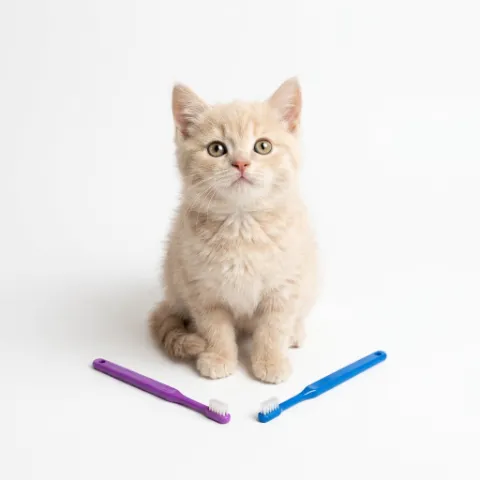
RYERCAT Micro Head Cat Toothbrushes (2-pack)
A very small brush head, plus a pick side for gentle use
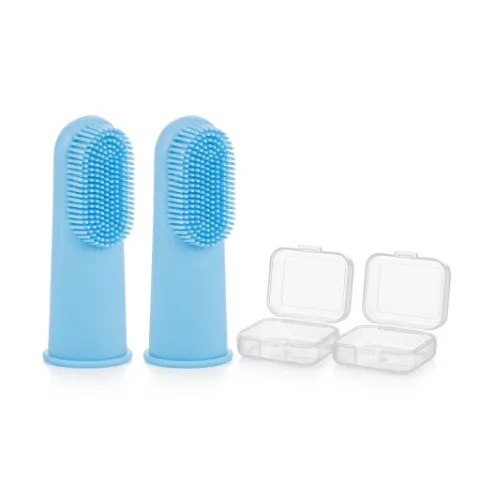
Jasper 360 Finger Toothbrush (2-pack)
Soft bristles all the way around your fingertip
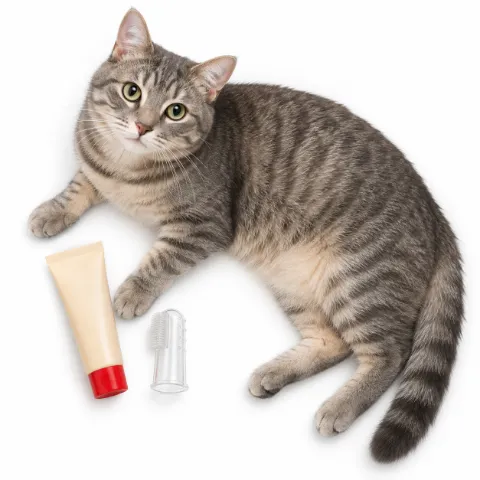
Petrodex Dental Care Kit for Cats
Malt-flavoured cat toothpaste and a dual-ended finger brush
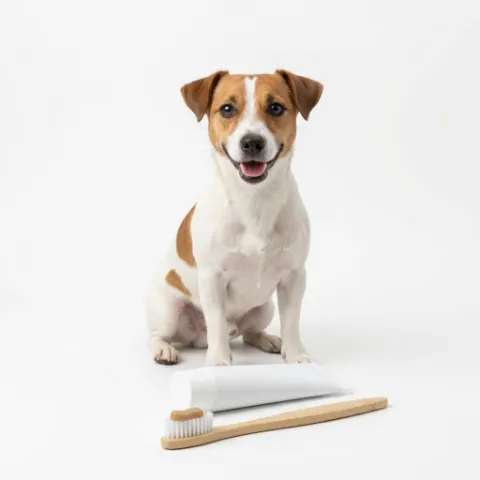
Virbac C.E.T. Enzymatic Toothpaste, Poultry
A pet toothpaste to use with a brush that doesn't come with one, such as the RYERCAT micro head.

Greenies Feline Dental Treats, Catnip, 277 g
A crunchy dental treat that can sit alongside brushing, never replace it.

Lickable chicken cat treat tubes
A small reward to offer after brushing so your cat connects the routine with something nice.
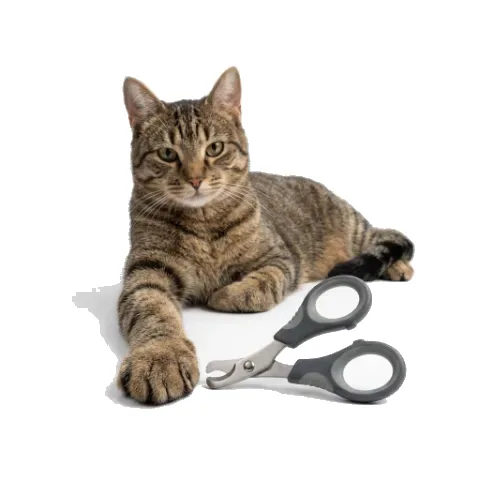
Cat nail clipper
Another short handling job that goes well in the same calm session.
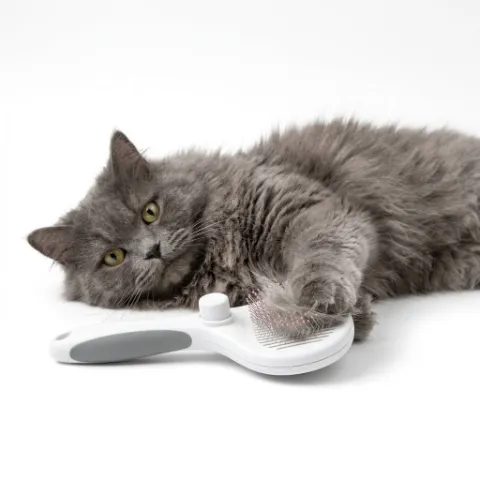
Self-cleaning slicker brush
A gentle brush for a cat that has learned to enjoy being handled.

Cat ear finger wipes
Another quick, gentle grooming habit to keep up once your cat is happy with having their face touched.
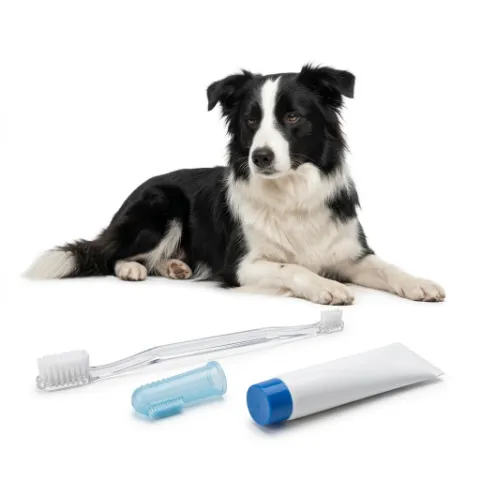
Pictures are illustrations, not the actual products.
Need a toothpaste to go with a brush? See our best cat toothpaste guide.
Do cats need their teeth brushed?
Brushing is the best way to keep a cat's teeth and mouth healthy, according to International Cat Care, and once a day is ideal if your cat is happy with it (iCatCare, updated 26 September 2025). If your cat won't tolerate it, ask your vet about other home options.
Cornell's Feline Health Center explains why: plaque drives gingivitis, which is usually reversible, but untreated it can progress to periodontitis, which isn't (Cornell Feline Health Center, June 2017).
Brushing can't remove tartar that has already hardened. iCatCare says that usually needs a vet's scale and polish under anaesthetic (iCatCare, dental disease in cats). Brushing is prevention, not a fix for a mouth that's already sore.
Finger brush or small-head brush for cats?
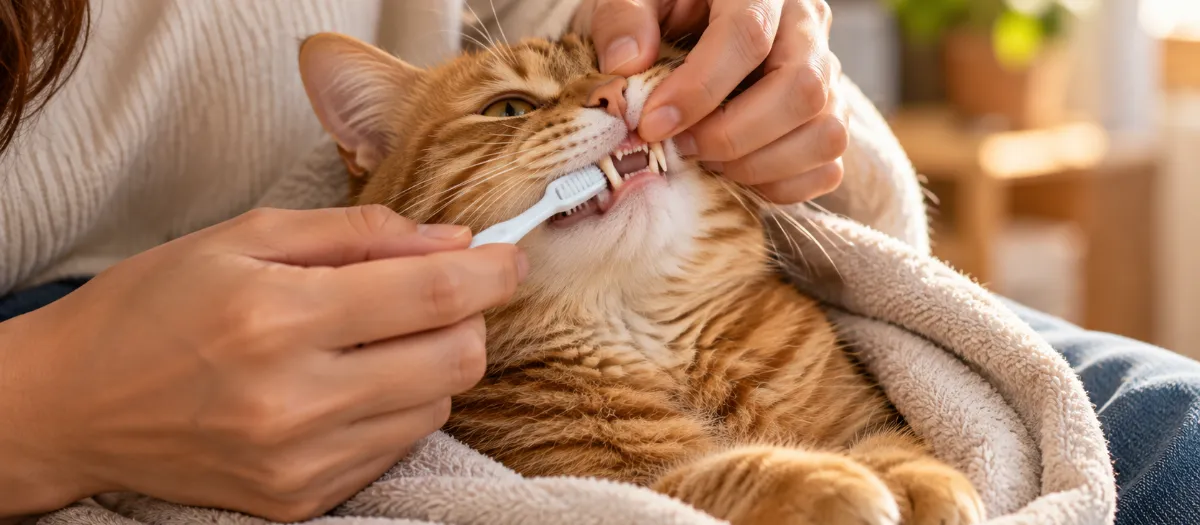
For most cats, a small-head brush made for cats is the safer choice. Finger brushes feel gentler, but iCatCare advises caution and says they should probably be avoided in most cases because of the risk of bites (iCatCare, updated 26 September 2025).
| Finger brush | Small-head brush | |
|---|---|---|
| Easiest for | Getting a cat used to being touched near the mouth | Reaching the back teeth with your fingers well clear |
| Feels like | Your finger, so less strange | A tool, which some cats need time to accept |
| Watch out for | Bites: stop if your cat starts to mouth or chomp | Brushes made for dogs can be too big |
| Our picks | Jasper 360, Petrodex kit | RYERCAT, Virbac kit |
A sensible middle path is to use your bare finger or a finger brush for the first touching-and-tasting steps, then move to a small-head brush for the actual cleaning. Two of our picks come with both types.
Our picks in detail
1. Virbac C.E.T. Oral Hygiene Kit for Cats and Dogs: best starter kit
A three-piece kit from Virbac's C.E.T. dental range, made for both cats and dogs. The brush is dual-ended with a larger and a smaller head, on a long handle with a reverse angle, and has soft bristles. For a cat, use the smaller end. It also comes with a finger brush and a 2.5 oz tube of poultry-flavoured enzymatic toothpaste.
- Pros: everything in one box; two brush sizes plus a finger brush so you can progress step by step; long handle keeps your fingers away from the teeth; one kit works for a cat and a dog in the same home (use a separate brush for each pet)
- Cons: the larger head is more than most cats need; the poultry flavour won't suit a cat that dislikes it or has a poultry allergy
- Best for: owners who want one box to start with and a cat that tolerates handling
- Skip it if: you have a kitten or a very small cat (the RYERCAT head is smaller)
2. RYERCAT Micro Head Cat Toothbrushes (2-pack): best for small mouths and kittens
A two-pack of small brushes designed for cat mouths. Each is dual-sided, with a micro-sized bristle head on one side and a small pick side on the other. The listing says they're made from cornstarch-based plastic.
Use the pick side very gently on the surface of the teeth only, and never on the gum line.
- Pros: a genuinely small head for small mouths and kittens; two brushes in the pack, handy for a second cat or a spare; no toothpaste included, so you can pick a flavour your cat likes
- Cons: a micro head means short strokes and a bit more patience; you need to buy toothpaste separately; the pick side needs care around gums
- Best for: kittens, small cats and cats with a small jaw
- Skip it if: you want a toothpaste and finger brush in the same box
3. Jasper 360 Finger Toothbrush (2-pack): best finger brush
A soft finger brush with bristles all the way around the tip, so one swipe covers several surfaces. The listing says it's made for dogs, cats and small pets, and that it may not suit extremely small pets.
- Pros: soft and gentle for early touching-and-tasting steps; two brushes in the pack; works with any cat toothpaste
- Cons: iCatCare advises caution with finger brushes because of the bite risk; the listing itself says it may not suit very small pets; imported, so check the delivery details on Amazon before you order
- Best for: calm, handling-friendly cats and the first steps of a training routine
- Skip it if: your cat bites or grabs when you touch their mouth, or you have a kitten or a tiny cat
4. Petrodex Dental Care Kit for Cats: best kit made for cats
A two-piece kit with a dual-ended finger toothbrush and Petrodex enzymatic cat toothpaste in a malt flavour. The listing says the paste is non-foaming and needs no rinsing, and the ingredients listed don't include xylitol.
- Pros: the toothpaste is made for cats; non-foaming and no rinse needed, per the listing; the finger brush has two ends
- Cons: it's a finger brush, so the same bite caution applies; some cats won't like the malt flavour, so try a small taste first; a finger brush is only as small as your fingertip, so a kitten or very small cat may do better with the RYERCAT micro head
- Best for: beginners who want a cat-specific toothpaste and a brush together
- Skip it if: you'd rather use a handled brush, or your cat dislikes malt
Can you use a human toothbrush for a cat?
It's better not to. iCatCare says to use a toothbrush made for cats, and that human dental products aren't safe for cats (iCatCare, updated 26 September 2025). Our view is that most adult toothbrush heads are also too big and too firm for a cat's small mouth.
Never use human toothpaste either. Cornell states plainly that it isn't safe for cats (Cornell Feline Health Center, June 2017).
Which cat toothbrush and toothpaste kit should you buy?
The Virbac C.E.T. kit if you want to progress from a finger brush to a handled brush with one poultry-flavoured enzymatic paste, and the Petrodex kit if you'd rather a malt-flavoured cat paste with a finger brush only. Neither suits a kitten's mouth as well as the RYERCAT micro head, which needs its own toothpaste.
Cat toothbrushes compared
Details from each Amazon Australia listing, checked on 13 Nov 2026.
| Toothbrush | Type | Best for | In the box |
|---|---|---|---|
| Virbac C.E.T. Oral Hygiene Kit | Dual-ended long handle, plus finger brush | Cats with a patient owner; use the smaller end | Brush, finger brush, 2.5 oz poultry toothpaste |
| RYERCAT Micro Head (2-pack) | Small-head brush with a pick side | Small mouths and kittens | Two dual-sided brushes |
| Jasper 360 Finger Toothbrush (2-pack) | Silicone finger brush | Cats who are used to handling | Two finger brushes |
| Petrodex Dental Care Kit for Cats | Dual-ended finger brush | Beginners who want a cat toothpaste included | Finger brush, malt enzymatic toothpaste |
How we chose
We searched Amazon Australia for cat toothbrushes and dental kits, then shortlisted ones that met all of these checks:
- Well rated: a strong average rating with plenty of buyer reviews.
- No red flags: no pattern of poor reviews, safety complaints or listing problems.
- Available on Amazon Australia when we checked.
- Sized for a cat's mouth: a small head or a finger brush, not a brush made for large dogs.
- Soft bristles.
These are researched picks, not products we've personally tested. We compared the specifications and features shown on each Amazon Australia listing, checked on 13 Nov 2026. We didn't accept payment from any brand, and no brand saw this page before it was published.
Left out this time: a single-pack small-head brush that didn't pass our red flags check, and human toothbrushes, which are too big and too hard for most cats and aren't recommended by iCatCare.
How do I get my cat used to toothbrushing?
Go slowly and let your cat set the pace. iCatCare's method moves through five stages, and you only move on when your cat is comfortable (iCatCare, updated 26 September 2025). Progress can take longer than a few days per stage, so there's no deadline.
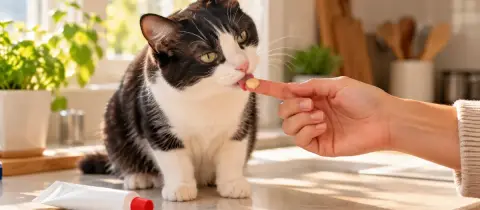
- Touch and reward. Gently stroke around the head and mouth when your cat is relaxed, and finish each session with a reward. A lickable treat makes a good reward for a cat who won't take a biscuit.
- Taste. Let your cat lick a cat toothpaste from your finger. Try a different flavour if they turn their nose up.
- Hold. Practise holding the head gently while your cat is calm.
- Teeth. Lift the lip, then rub the toothpaste over the teeth with a cotton bud.
- Brush. Introduce the toothbrush, with small circular motions for about 10 seconds a side, building up to 30 seconds.
iCatCare suggests starting with the back teeth and working forward, one side at a time. Cornell's plan focuses on the outer surfaces of the upper and lower teeth, noting that the cat's tongue cleans the inner surfaces well (Cornell Feline Health Center, June 2017). A little bleeding early on can happen, but stop and call your vet if it continues or your cat seems in pain.
If your cat already has red or painful gums, brushing may hurt, so check with your vet first. A cat that won't accept a brush isn't failing. Our guide to cat dental treats and PlaqueOff for cats covers other options to discuss with your vet.
How often should you brush a cat's teeth?
Once a day is ideal if your cat is happy to have it done, and a consistent time of day helps make it a routine (iCatCare, updated 26 September 2025). Cornell also names daily brushing as the key preventive step.
If daily isn't realistic, VCA gives three times a week as the minimum to help remove plaque (VCA Animal Hospitals, updated 21 June 2023). Short and calm beats long and stressful, and results vary from cat to cat.
When should you replace a cat toothbrush?
Replace a cat toothbrush when the bristles splay, bend or come loose, and check the bristles on any brush for loose ones before each use. We couldn't find a cat-specific timeline from a vet source, so this is practical advice rather than a rule. Rinse the brush after each use, let it air dry, and give each cat in your home their own brush, as iCatCare advises.
When should kittens start toothbrushing?
Start while they're young. A kitten's habit forms early, and iCatCare says kittens usually adapt quickly to brushing, though it can be introduced at any age (iCatCare, updated 26 September 2025). A client handout from veterinary publication dvm360 also suggests starting early, so the habit is in place before the adult teeth arrive (dvm360).
For a kitten, a micro-head brush like the RYERCAT fits better than a kit made for bigger pets. Don't use a toothpaste or dental treat on a kitten unless the pack says it's suitable for their age.
If you share your home with a dog too, see our best dog toothbrush guide, and keep a separate brush for each pet.
When to see a vet
Book a vet check if your cat has red or bleeding gums, drooling, drops food while eating, paws at their mouth, has a broken or loose tooth, strong bad breath that won't go away, or isn't eating. Cats often hide pain, so some with severe dental disease show no signs at all (iCatCare).
Brushing can't remove hardened tartar, and tartar removal and dental X-rays are done by a vet under general anaesthetic. Please don't try to scrape tartar off at home, and stop brushing if it seems to hurt.
Frequently asked questions
Do cats need to be toothbrushed?
Brushing is the best way to keep a cat's mouth healthy, and iCatCare says daily is ideal if your cat allows it. Not every cat tolerates it. If yours won't, ask your vet about other home dental care options and keep up regular check-ups.
What kind of toothbrush to use for cats?
Use a soft toothbrush made for cats, with a head small enough for a cat's mouth. A micro-head brush like the RYERCAT suits most. Finger brushes need care because of the bite risk. See finger brush or small-head brush above.
Can cats use a normal toothbrush?
A normal human toothbrush isn't a good fit. Most heads are too large and firm for a cat's mouth, and iCatCare says to use a brush made for cats. A kit made for pets, like the Petrodex kit, is a safer starting point.
How often should I brush my cat's teeth?
Once a day is ideal if your cat is comfortable with it. If that's not realistic, regular short sessions are still worth doing. Go at your cat's pace, and ask your vet what suits their mouth. See how often to brush above.
What if my cat won't let me brush?
Go back a step. Spend more time on touching and tasting, and keep sessions short and calm. Some cats never accept a brush. If yours is one of them, ask your vet about other options, and see our guide to cat dental treats.
Is a finger brush better for cats?
Not always. A finger brush feels gentler, but iCatCare advises caution and says they should probably be avoided in most cases because of the bite risk. A small-head brush keeps your fingers clear. A finger brush can still be useful for early touching-and-tasting steps.
What are the signs of dental disease in cats?
Red or bleeding gums, bad breath that doesn't go away, drooling, dropping food, chewing on one side, pawing at the mouth, a loose or broken tooth, or eating less. International Cat Care notes that cats often hide pain, so some with severe disease show nothing. Any of these is a vet visit, not a brushing problem.
Do vets recommend a particular cat toothbrush and toothpaste?
The vet sources we read recommend a type rather than a brand: a soft brush made for cats and an enzymatic toothpaste made for pets, never a human one. Cornell says human toothpaste isn't safe for cats. Both kits here fit that description, so choose by the flavour your cat accepts and the brush you can hold steadily.
Related guides
- How to clean your cat's teeth at home
- Best cat toothpaste
- Best cat dental treats
- PlaqueOff for cats
- Best dog toothbrush
- Cats
Sources
- International Cat Care: How to brush your cat's teeth (updated 26 September 2025)
- International Cat Care: Dental disease in cats (updated 26 September 2025)
- Cornell Feline Health Center: Feline dental disease (last updated June 2017)
- dvm360: Client handout, how to brush your kitten's teeth (overview page)
- VCA Animal Hospitals: Brushing your cat's teeth (updated 21 June 2023)
- Product details and contents from each linked Amazon Australia listing, checked on 13 Nov 2026.
This guide provides general information and isn't a substitute for veterinary advice. If you're concerned about your cat's teeth or gums, speak with your vet.