Freeze-dried cat treats: single-ingredient meat and fish compared
By Anish PuriUpdated 21 Nov 202612 min readResearched, not tested by us
Research guide. WhiskerFinds may earn a commission from links, at no extra cost to you.
Quick answer: Freeze-dried cat treats are simple, single-ingredient meat or fish, but they are usually raw, so handle them like raw meat. If you choose one, our top pick is Feline Natural Beef, 50 g, which lists four beef ingredients. Skip them if anyone at home is under 5, 65 or older, pregnant or has a weakened immune system.
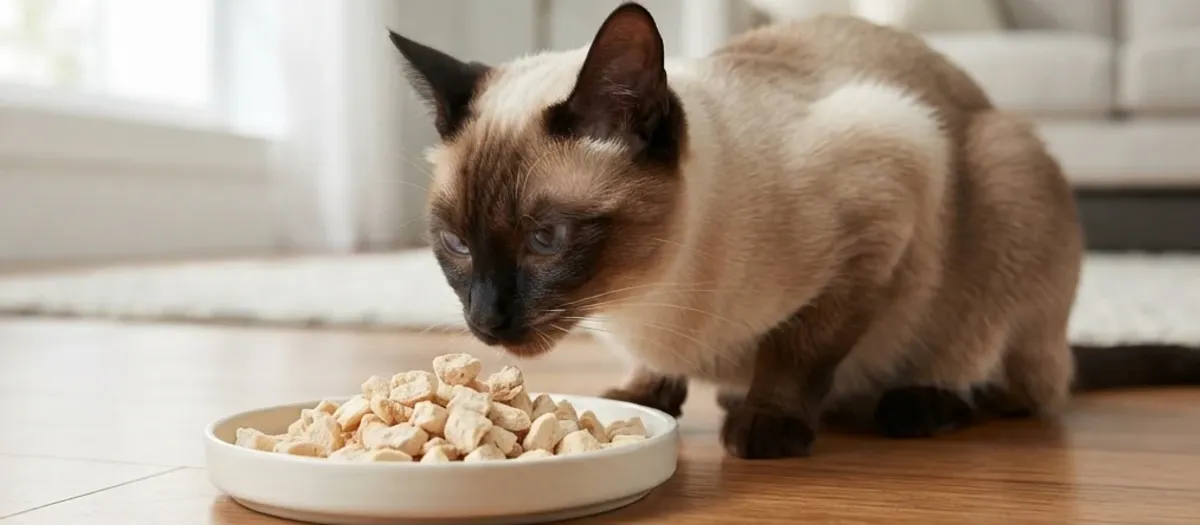
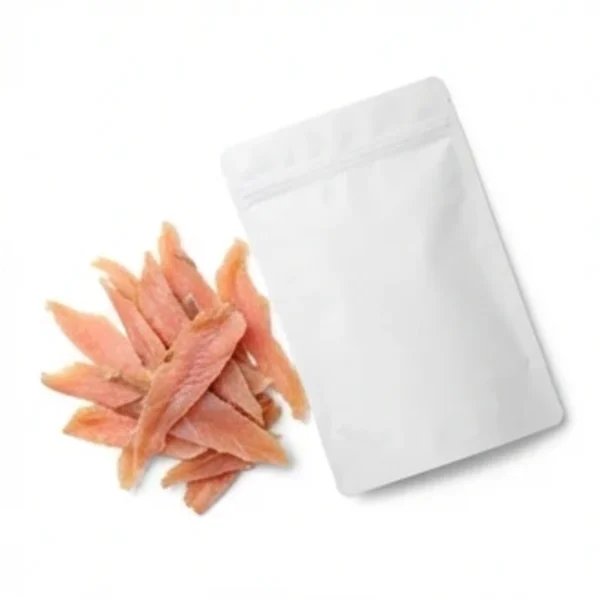
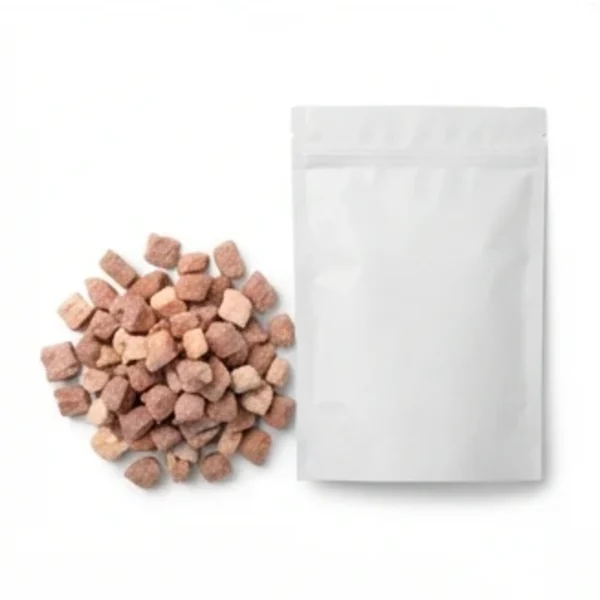
Illustration, not the actual product
Our top pickFeline Natural Beef freeze-dried treats, 50 g
Freeze-dried treats look like the tidy answer to a long label: a bag of dried beef, lamb or salmon and not much else. This guide compares four on Amazon Australia, shows what each listing does and doesn't say, and covers the hygiene that goes with them. Our Temptations and Greenies guides cover cooked crunchy treats, and our how many treats a day guide has the daily numbers.
We're not pitching freeze-dried as a health upgrade. Vets are wary of raw treats, and no listing here gives a calorie figure. The case for them is simplicity and a short ingredient list, nothing more.
Quick picks
Our top pickBest overall
Feline Natural Beef freeze-dried treats, 50 g
Four beef ingredients listed in full, with a 30 day limit once opened
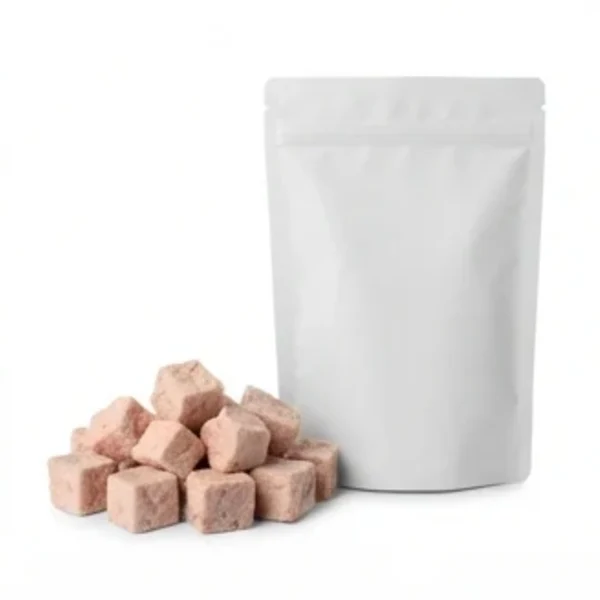
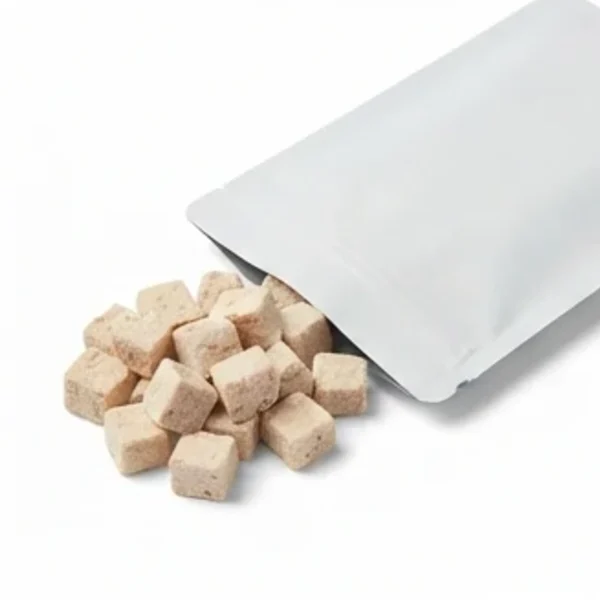
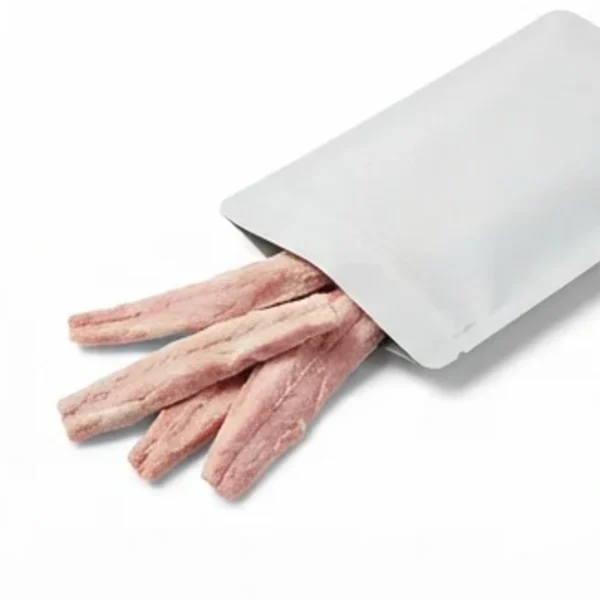
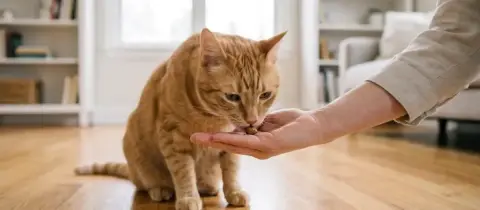
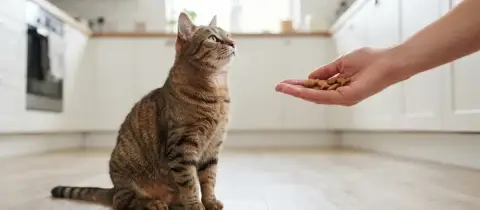
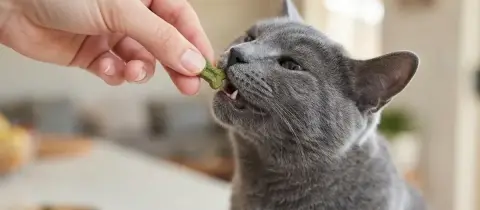
Pictures are illustrations, not the actual products.
Are freeze-dried treats good for cats?
They can be a simple, single-ingredient treat, but they aren't a health upgrade. VCA Hospitals advises caution with freeze-dried or dehydrated raw treats because they carry a risk of bacterial contamination that can affect the cat and spread through saliva and faeces to other pets and people (VCA Hospitals, "Cat treats", last updated 26 September 2024, page read 21 November 2026). That's why our best cat treats guide doesn't pick one as a main treat.
So the honest framing is this: if you decide on freeze-dried, here is how to choose and handle it. A cooked treat is the simpler choice for many homes, and the same VCA page says treats should be about 10% of daily calories, with the rest from complete and balanced food.
Are freeze-dried cat treats raw?
Treat them as raw. The CDC lists freeze-dried treats as a raw product, and says freeze-drying, dehydrating or freezing raw animal protein only reduces the amount of germs, it doesn't remove them (CDC, "About Pet Food Safety", 30 January 2025, page read 21 November 2026). The CDC doesn't recommend raw pet food or treats for dogs and cats, and names Salmonella and Listeria as the germs of concern.
None of the four listings says the meat was cooked first. "Freeze-dried" on a pack tells you how it was dried, not that it is safe to eat without care. RSPCA Australia also says raw meat isn't recommended because of bacteria that can make animals and people ill, and that if raw food is fed it should be human-grade (RSPCA Australia Knowledgebase, "What should I feed my cat?", updated 23 November 2026, page read 25 November 2026). We can't see how any of these four was made, so we handle all four as raw.
Our picks in detail
1. Feline Natural Beef freeze-dried treats, 50 g: best overall
The fullest ingredient list of the four: the listing gives beef, beef liver, beef kidney and beef heart, and says grain-free and made in New Zealand. The pouch is resealable, and the listing says to use it within 30 days of opening, which is a useful limit to follow. The age field says all life stages, but kittens are a question for your vet.
The listing also says packaging and formulation are being updated, that you may receive either version, and recommends a 7 to 10 day feeding transition. Read the pack you receive. Health wording on the listing is the brand's, and we don't repeat it.
Pros: four ingredients listed in full; no chicken listed; resealable pouch; opened-pack time limit
Cons: raw handling needed; no calorie figure; the pack you receive may be the older or the new version
Best for: a cat who likes beef and a home that can follow the handling steps
Skip it if: anyone at home is in a higher-risk group, or your cat needs a vet-directed diet
2. Feline Natural Lamb freeze-dried treats, 50 g: best for rotating proteins
Same maker and format as pick 1, with lamb, lamb heart, lamb kidney and lamb liver listed, and no beef. It suits a cat who has had enough beef, or an owner who wants to change protein now and then. The listing carries the same packaging-change note and 7 to 10 day transition advice.
This listing gives no opened-pack time. The beef pack says 30 days, so follow what is printed on your lamb pack, and if it isn't clear, use it up quickly.
Pros: four lamb ingredients listed in full; no beef or chicken listed; same pouch as pick 1
Cons: raw handling needed; no calorie figure; no opened-pack time on this listing
Best for: cats who prefer lamb, or rotating with pick 1
Skip it if: you want a stated shelf life after opening, or anyone at home is in a higher-risk group
3. Whole Life Pet Just One salmon fillet, about 28 g: best fish option
The title says single-ingredient freeze-dried pure salmon fillet, which is the plainest fish treat here. The listing's ingredient field says only "All-Natural", not a named list, so check that the pack says salmon only. The age field says adult in one place and all life stages in another, so follow the pack and ask your vet for a kitten.
It's fish only, so it isn't for a fish-allergic cat. The bag is about 28 g, which is small, so it suits a trial.
Pros: single ingredient per the title; small bag for a trial
Cons: the listing doesn't list the ingredient by name; raw handling needed; imported, so check the delivery details on Amazon before you order; very small bag
Best for: a cat who loves fish and a first try
Skip it if: your cat is fish-allergic, or you want a full ingredient list on the listing
4. Cat-Man-Doo Wild Alaskan salmon treats, about 142 g: best bigger bag of fish cubes
A larger bag of freeze-dried salmon cubes. The listing says single ingredient and grain-free, with directions to serve 2 to 3 treats per serving, and to store at room temperature in a cool, dry place. It is a resealable, stand-up bag.
This one is made for cats and dogs, not cats only. Health claims on the listing are the brand's, so we don't repeat them. No calorie figure is given.
Pros: bigger bag; single-ingredient salmon per the listing; clear serving wording
Cons: raw handling needed; made for cats and dogs; no calorie figure; imported, so check the delivery details on Amazon before you order
Best for: a fish-loving cat in a home that will use a larger bag within a sensible time
Skip it if: your cat is fish-allergic, or you'd rather buy a small trial bag first
Add-on: a freeze-dried food, not a treat
Feline Natural Lamb and King Salmon freeze-dried cat food, 320 g is a food, not a treat. The listing says to serve it as a regular part of your cat's diet, and lists lamb, tripe, lung, king salmon, liver, kidney, heart, ground lamb bone and green mussel, plus vitamins, minerals and taurine. Because it's made as a food, it isn't something to hand out freely on top of meals, and used as a topper it replaces part of a meal. Change foods gradually and ask your vet first. Health and quality claims on the listing are the brand's.
Wash your hands, keep the pouch sealed and clean up afterwards, the same as for raw meat. The steps below follow the CDC page above, with our own wording for how they look in a kitchen.
Step
What to do
Before and after
Wash hands with soap and water before and after handling the treats. Supervise children so they wash properly
Storage
Keep the pouch sealed and away from human food
Clean up
Clean bowls, scoops and surfaces the treats touched
After eating
Try not to let your cat lick your face or mouth right after eating
Higher-risk people
The CDC says children under 5, adults 65 and older, pregnant people and anyone with a weakened immune system are at greater risk of serious illness from foodborne germs. In those homes, skip raw treats
Follow the routine every time, even when your cat seems well. Feed from your hand or a bowl that you wash, not from a surface where you prepare food.
How many freeze-dried treats can a cat have?
Very few, in small pieces. None of the four listings gives a calorie figure, so we can't turn a piece into a number. Count them inside the roughly 10% treat allowance, and check your own pack for any feeding amount. Our how many treats can a cat have a day guide has the allowance by cat weight. As an example, a neutered 4.5 kg adult at ideal weight needs about 260 kcal a day, so about 26 kcal for treats, which is a starting point your vet can refine.
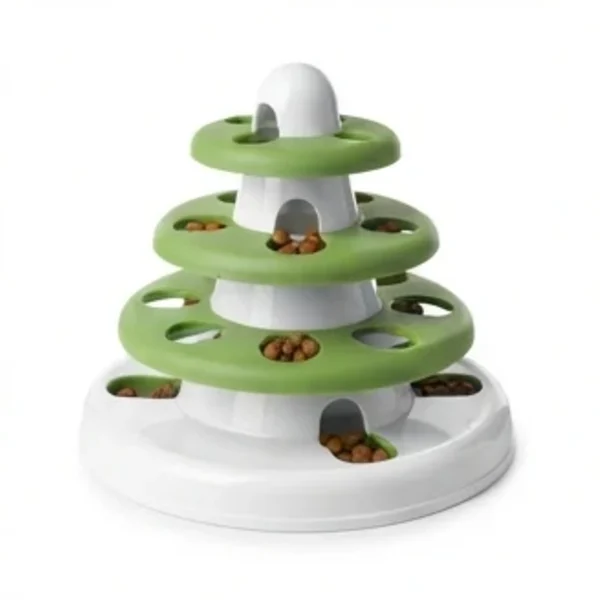
Break pieces small. They don't suit treat balls, so crumble small pieces over food or hand-feed them (our cat puzzle feeder guide covers treats that do fit). Offer one new treat at a time, starting with a small piece, as VCA suggests for any new treat. Don't add a freeze-dried treat on top of your cat's usual treats. Swap it in.
Freeze-dried cat treats compared
Details from each Amazon Australia listing, checked on 20 Nov 2026. "Not given" means the listing doesn't say.
Swipe sideways to see every column
Treat
Protein
Ingredients on listing
Made in
Bag size
Opened-pack guidance
Calories
Feline Natural Beef
Beef
Beef, beef liver, beef kidney, beef heart
NZ Made (title)
50 g
Use within 30 days of opening
Not given
Feline Natural Lamb
Lamb
Lamb, lamb heart, lamb kidney, lamb liver
NZ Made (title)
50 g
Not given
Not given
Whole Life Pet Just One
Salmon
Field says only "All-Natural"
Not given
28 g (1 oz)
Store cool and dry
Not given
Cat-Man-Doo salmon
Wild Alaskan salmon
Not listed in full; described as single ingredient
Not given
142 g (5 oz)
Store cool and dry at room temperature
Not given
How does freeze-dried compare with other treat types?
We searched Amazon Australia for freeze-dried and single-ingredient cat treats, then shortlisted those that met all of these checks:
Well rated: a strong average rating with plenty of buyer reviews.
No red flags: no pattern of poor reviews, safety complaints or listing problems.
Available on Amazon Australia when we checked.
Full ingredient list or a single named protein on the listing.
Meat or fish treats only, not a food, a grass stick or a treat marketed as medical.
Where a listing is imported, thin or makes health claims, we say so in the cons. These are researched picks, not products we've personally tested. We compared the specifications and features on each Amazon Australia listing, checked on 20 Nov 2026, and we didn't accept payment from any brand.
Left out this time: two freeze-dried cat grass sticks, whose listings make stomach and hairball claims and suggest mixing with milk, which RSPCA Australia advises against; a urinary tract treat marketed as a treatment, since a urinary problem needs a vet; a baked crunchy treat that isn't freeze-dried; and Greenies Dental treats, which are cooked and covered on our Greenies guide.
Where else can you buy freeze-dried cat treats?
Pet shops and vet clinics sell freeze-dried treats in a range of single-protein options. Wherever you buy, read the ingredient list, the opened-pack guidance and the age on the pack. Your vet can also tell you whether any raw treat suits your cat.
When to see a vet
Book a vet visit if your cat has vomiting or diarrhoea after a new treat, isn't eating, or seems lethargic. Raw foods can carry germs, and a vet can work out the cause. Tell your vet if anyone in your household is unwell after handling the treats too, and talk to your own doctor.
Ask first before any treat if your cat has kidney disease, diabetes or eats a urinary or prescription diet.
Call the Animal Poisons Helpline on 1300 869 738 (24/7) or go to a vet straight away if your cat may have eaten something toxic. Our what can cats eat guide lists foods to avoid.
Frequently asked questions
Do I need to rehydrate freeze-dried cat treats?
None of the four listings gives rehydration directions, so follow your pack. Many cats eat them dry. If you do add water, the general hygiene for raw food applies: serve it straight away, throw away leftovers and wash the bowl.
Can kittens have freeze-dried treats?
Ask your vet first, because raw foods carry germs and the age fields on these listings differ. We don't give kitten treat amounts. Follow the age on your pack and your vet's advice.
Are freeze-dried treats good for fussy cats?
They may tempt some cats, and the Feline Natural listings say their treats suit picky eaters, but no treat works for every cat. Offer a small piece, introduce it slowly, and if your cat is suddenly fussy about food generally, a vet can check for a cause.
How should I store freeze-dried cat treats once opened?
Reseal the pouch, keep it in a cool, dry place and away from human food. The Feline Natural beef listing says to use it within 30 days of opening. For the others, follow your pack and use it up promptly.
Can my cat eat freeze-dried treats made for dogs?
Only if the pack says cats. The Cat-Man-Doo salmon is made for cats and dogs per its listing. We haven't read dog treat listings for this guide, so check the pack's species and ingredients, and ask your vet if you're unsure.
Freeze-dried or dehydrated: what's the difference?
Both remove moisture, but the CDC says freeze-drying, dehydrating or freezing raw animal protein only reduces the amount of germs. Unless the pack clearly says the meat was cooked, handle both as raw.
Are freeze-dried treats safe in a home with a baby or a pregnant person?
The CDC says children under 5, pregnant people and others at higher risk face greater risk of serious illness from germs in raw pet food, and doesn't recommend raw treats. In those homes, choose a cooked treat and speak to your doctor about pet food handling.
Can freeze-dried treats upset my cat's stomach?
Any new food can. Rich or new treats may cause loose stools or vomiting in some cats. Start with a small piece, as VCA suggests, and add one new treat at a time. Contact your vet if signs continue or your cat seems unwell.
Product details from each linked Amazon Australia listing, checked on 20 Nov 2026.
This guide provides general information and isn't a substitute for veterinary advice. If you're concerned about your cat's diet or health, speak with your vet.