Research guide. WhiskerFinds may earn a commission from links, at no extra cost to you.
Quick answer: Cat puzzle feeders and treat balls for dry food make your cat paw and roll their kibble out instead of eating it from a bowl. Our top pick is the Catit Senses 2.0 Food Tree, which has three difficulty levels and catches the food in a bowl. Start on the easiest setting and move part of the day's food in, not extra food.
A puzzle feeder is a toy that holds dry food or treats and releases them as your cat paws, rolls or fishes them out. This guide compares six on Amazon Australia, sets out a four-step way to get a cat started, and shows how to use the toy without adding calories. For the daily treat allowance, see our how many treats a cat can have guide. For tinned food, our wet food puzzle feeder guide is the better fit, because none of the picks here suit it.
Quick picks
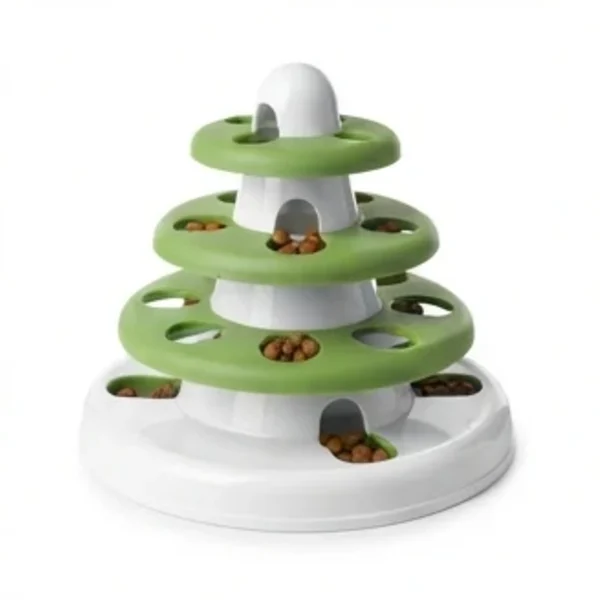
Catit Senses 2.0 Food Tree
Three difficulty levels, a broad base and a bowl at the bottom that catches the kibble
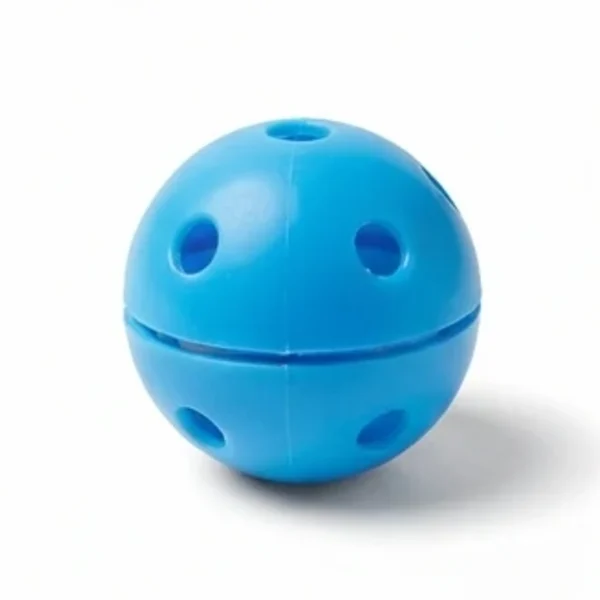
PetSafe SlimCat food-dispensing ball
Adjustable openings, dishwasher safe on the top rack
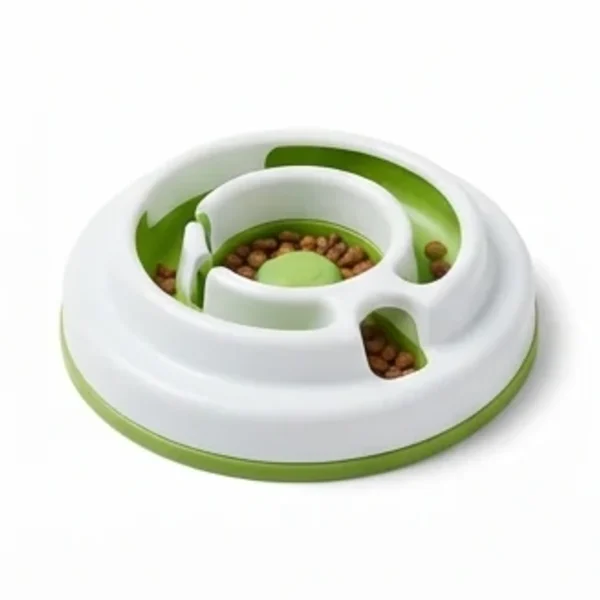
Catit Senses 2.0 Food Digger
Stays put, with a sloped front where the first kibble is easy to reach
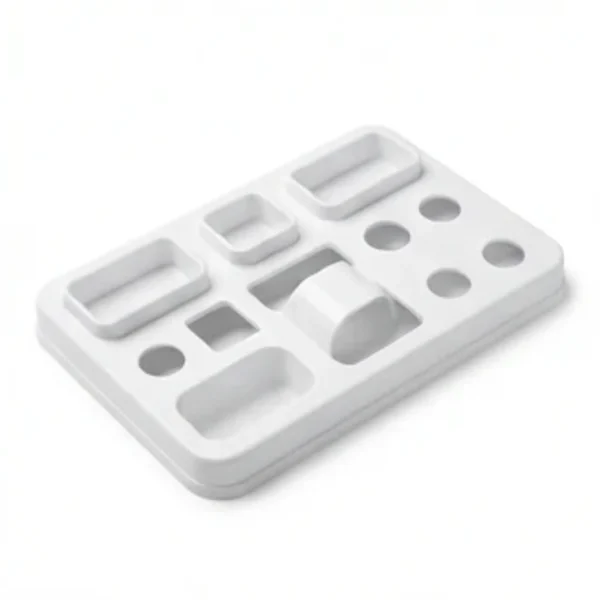
Trixie Activity Fun Board, 30 x 40 cm
Five game modules and rubber feet
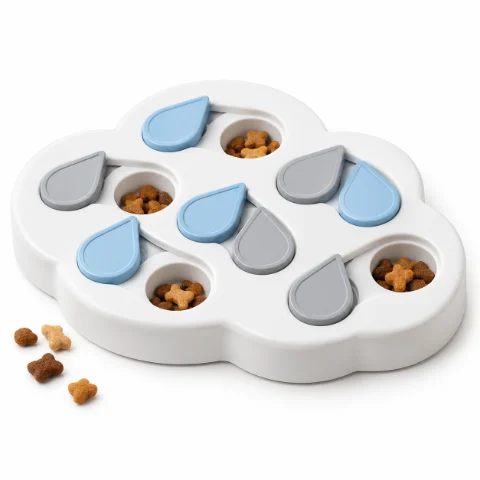
Petstages (Catstages) Nina Ottosson Rainy Day Puzzle and Play
14 hidden compartments, difficulty set by cups or peg holes
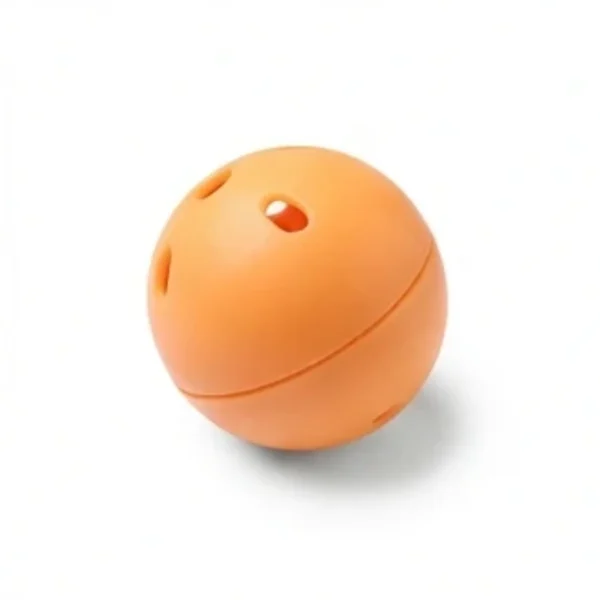
Trixie Cat Activity Snack Ball, 6 cm
Small and light, with an adjustable opening
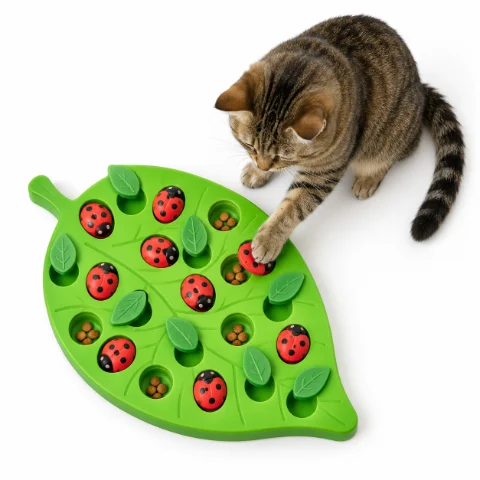
Petstages Buggin' Out Puzzle and Play
A play puzzle for a cat that likes pawing and hunting for things.
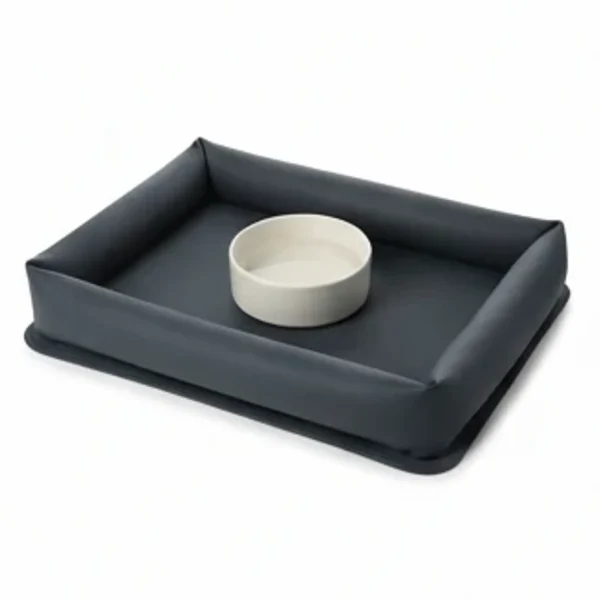
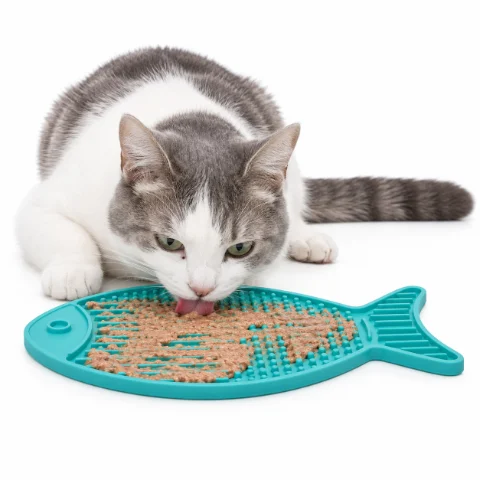
Silicone cat feeding mat
A raised-edge mat that keeps the mealtime area tidy under a puzzle or bowl.
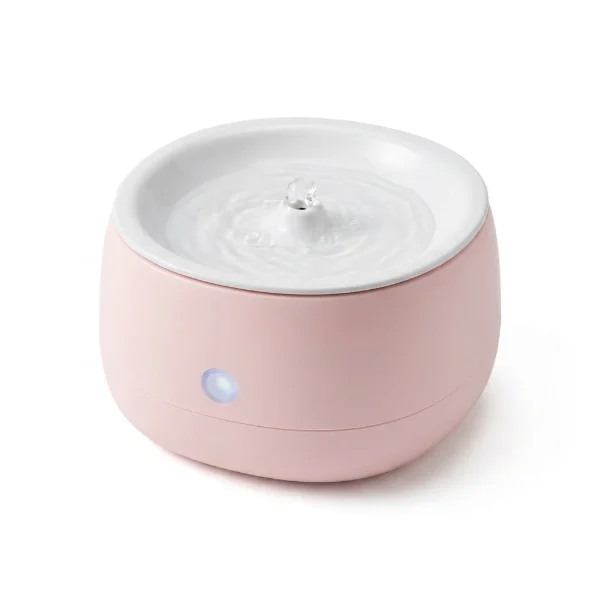
Catit Pixi water fountain
A cat who is busy eating from a puzzle still needs fresh water close by.
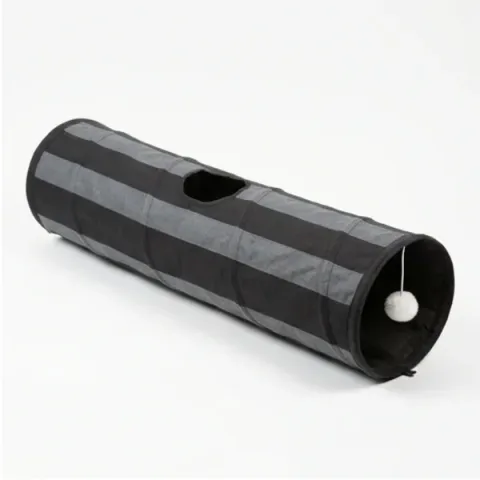
lionto cat tunnel
A play tunnel adds a hide-and-pounce game to the day.
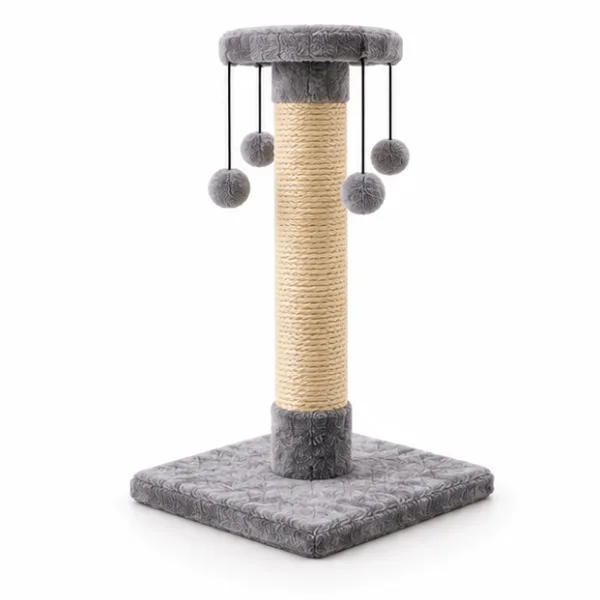
Dimaka sisal scratching post
A post gives your cat somewhere to stretch and scratch after play.
Pictures are illustrations, not the actual products.
Are puzzle feeders good for cats?
Yes, for most indoor cats they are a useful extra, though not a cure for anything. A food puzzle makes a cat work for food, which suits the way cats naturally hunt. It also turns part of a meal into play. It doesn't treat boredom, weight or behaviour problems on its own.
The main source is a 2016 paper in the Journal of Feline Medicine and Surgery by Dantas, Delgado, Johnson and Buffington. Its authors describe food puzzles as devices that release food when a cat interacts with them, and they say that with time, patience and a proper introduction most cats can adjust (ScienceDaily summary of the SAGE release, 1 September 2016, page read 21 November 2026; the paper, DOI 10.1177/1098612X16643753). The cases they describe come from their own practices. They include an obese cat that lost 20% of his body weight over 12 months of puzzle feeding. That is one reported case, not a typical result, and a cat on a weight plan needs a vet's plan, not a toy.
Some listings claim more, including behaviour and weight benefits. Those are the brands' claims, so treat any puzzle as enrichment.
How do I introduce a puzzle feeder?
Start with the easiest setup, fill it with food your cat already likes, and let your cat work it out at their own pace. Never withhold meals to push a cat into using one. If your cat ignores it, put the usual bowl beside it and try again another day.
The paper's authors stress an appropriate introduction, give ways to make puzzles harder for "advanced foragers", and say the end goal is several types of puzzle (same ScienceDaily summary). Here is our own four-step ladder built from the six toys on this page. The order is our suggestion, not something the paper prescribes.
| Step | What to use | How to set it up |
|---|---|---|
| 1 | Food Digger (pick 3) | Put a handful of kibble on the sloped front, where it's easy to reach, then a little in the short narrow tubes |
| 2 | Food Tree (pick 1) | Start on the easiest of the three levels, then turn the middle disc to tighten the openings |
| 3 | SlimCat ball (pick 2) | Open the holes wide enough for your cat's kibble, so it falls out with a gentle bat |
| 4 | Fun Board (pick 4) or Rainy Day (pick 5) | Rainy Day's cups first, then food in the peg holes so your cat has to slide the peg |
Move up only when your cat clears the current step without fuss. If your cat gives up, go back one step. A cat who is bored by the Digger may still love the ball, so rotate toys rather than ranking them. Reward interest, never frustration: stop the session if your cat walks away or seems stressed.
Our picks in detail
1. Catit Senses 2.0 Food Tree: best overall
An upright tower that your cat works from the top down. The listing says cats move dry kibble or treats from the top to the bottom by pawing through the side openings, and the food ends up in a bowl at the base that's designed to be easy on whiskers. It has three difficulty levels, set by rotating the middle disc and changing the opening sizes. The base is broad so the tower is hard to knock over, and the top opening is smaller so a cat can't scoop kibble straight from the bowl. It's described as BPA-free, which is the brand's claim.
What sets it apart is the catch bowl. Food ends up in one place instead of across the floor, so a whole dry meal suits it better than it does a ball.
- Pros: three difficulty levels; broad base; food ends up in a bowl; comes apart for cleaning
- Cons: hand wash only; no size or capacity on the listing
- Best for: a whole dry meal, or the next step after the Food Digger
- Skip it if: your cat only plays with things that roll (try the SlimCat), or you want to put it in the dishwasher
2. PetSafe SlimCat food-dispensing ball: best treat ball for dry meals
A ball you fill with dry food or treats, and the one here with a dishwasher instruction. The listing says the holes adjust to the size of your cat's kibble and to how easy you want it to be, for cats of any size. The maker gives a two-year warranty, and says to read all instructions before use.
Some of the listing's claims about weight, exercise and behaviour are the brand's own, so we don't repeat them as fact. The practical points are simpler. It rolls, so it moves around a room and can clatter on hard floors. Capacity isn't on the listing. Check your cat's kibble passes through the holes at the widest setting before you fill it for the first time.
- Pros: adjustable holes; dishwasher safe, top rack only; two-year warranty
- Cons: can be noisy on hard floors; capacity not on the listing; scatters kibble across a room
- Best for: a cat who loves to bat and chase, with a meal or treats split across the day
- Skip it if: your household is light-sleeping or your cat is already prone to waking you at night (see why cats are active at night)
3. Catit Senses 2.0 Food Digger: best easy start for a beginner
A low, stationary puzzle with tubes. The listing says there are 3 short narrow tubes and 2 long wide tubes, so you can change difficulty, with rounded ends that are easy to use and clean. The sloped surface at the front is for extra kibble that's easy to reach, so a new cat gets a quick win before moving to the tubes. It has a stable base, and the listing says it's BPA-free.
It's our pick for step 1 of the ladder because nothing rolls away and there's nothing to chase. The listing calls it a dish for when you're not at home, but we'd supervise a new puzzle first, as with any toy. Capacity and a cleaning method aren't on the listing.
- Pros: stays put; easy first wins; two tube sizes for difficulty; rounded ends
- Cons: no capacity on the listing; cleaning method not given; a confident cat will clear it quickly
- Best for: a first-time puzzle cat, a nervous cat or a senior
- Skip it if: your cat already clears a puzzle in minutes (try the Fun Board or Rainy Day)
4. Trixie Activity Fun Board, 30 x 40 cm: best for a puzzle-savvy cat
A flat board with five game modules, 30 x 40 cm, so it needs some clear floor. The listing says it has rubber feet for grip and can also be used for daily feeding with dry food. It suits a cat who has mastered the Food Tree and wants something new, and it gives you five different ways to hide treats. The listing's breed field says "medium, small", which describes the pet, not the toy.
The listing says to follow the directions on the packaging, and gives no cleaning method or capacity. Because it has modules, watch for pieces coming loose and take it away if one breaks.
- Pros: five modules; rubber feet; a good step up from the tower
- Cons: no cleaning details or capacity on the listing; needs 30 x 40 cm of floor
- Best for: a cat who has outgrown the beginner puzzles
- Skip it if: your cat is new to puzzles, or you want a toy that holds a whole meal
5. Petstages (Catstages) Nina Ottosson Rainy Day Puzzle and Play: best board with no loose parts
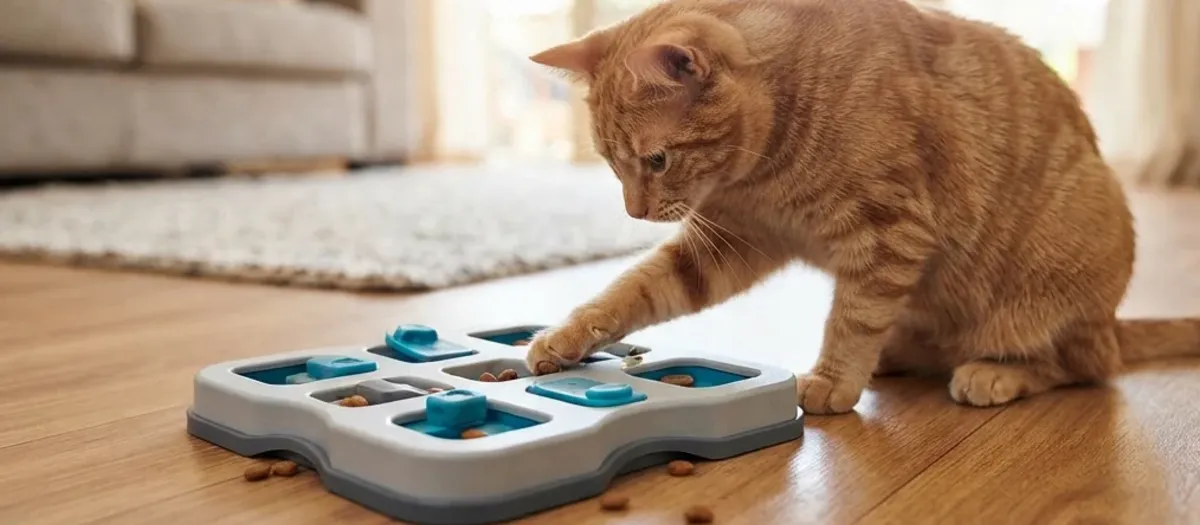
A board with 14 hidden compartments. The listing says it holds up to 1/4 cup of food, and that you set the difficulty by putting treats in the cups for beginners or in the holes of the peg piece, so your cat has to slide the peg. It says it has no removable parts and is made without BPA, PVC and phthalates, which is the brand's claim. The listing also says it can replace a bowl for daily feeding, but with 1/4 cup of capacity we see it as a snack or part-meal puzzle.
As with every toy on this page, we'd supervise play, show your cat how the game works, not leave your cat alone with it, and take it away if it's chewed or damaged. Follow the instructions on the pack.
- Pros: no removable parts per the listing; two difficulty methods; 14 compartments
- Cons: holds only about 1/4 cup; the listing gives no cleaning method beyond "easy cleaning"; needs supervised play
- Best for: a cat who likes pawing at hidden things, or a household worried about loose pieces
- Skip it if: your cat chews plastic, or you want a toy that can hold a full dry meal
6. Trixie Cat Activity Snack Ball, 6 cm: best small ball for treats
A small plastic ball. The listing says it's 6 cm across, has an adjustable opening, and treats fall out as it rolls. It's simple and suits small treats. It's light plastic, so supervise play and throw it out if it cracks.
- Pros: 6 cm; adjustable opening; light enough to bat
- Cons: small, so check your treats fit; no material grade or cleaning instructions; light plastic that can crack
- Best for: small treats and a cat who loves to chase
- Skip it if: your cat chews toys, or your cat's kibble is large
How much of the day's dry food goes in?
Move part of your cat's normal daily food in, never extra. The puzzle changes how the food arrives, not how much your cat gets. This is how we'd do it:
- Weigh your cat's whole day of dry food on kitchen scales, as you normally would.
- Take out a portion for the puzzle, and leave the rest for the bowl or a second puzzle.
- Put only that portion in the toy, then tip any leftovers back into tomorrow's allowance.
We haven't put a gram figure here because the right amount depends on your cat and their food, and the packet or your vet is the source for it. The only capacity any listing gives is the Rainy Day's 1/4 cup, which is roughly 60 ml.
If you fill a puzzle with treats, they count toward the day's allowance. Vets commonly say treats should make up no more than about 10% of a cat's daily calories, with the rest from complete and balanced food (VCA Hospitals, "Cat treats", last updated 26 September 2024, page read 21 November 2026). Our how many treats a day guide has a table by cat weight. If you use treats in a ball, small ones fit best: the Temptations Catnip Fever and Greenies SmartBites listings both say their treats suit dispenser toys. Our Temptations and Greenies guides cover how many.
Which type suits your cat?
There are two types, and the authors of the paper describe both: mobile puzzles that your cat rolls or pushes, and stationary puzzles that stay in one place. The paper says puzzles can hold wet or dry food, but every pick here is made for dry food or treats.
- Mobile (balls): the SlimCat and the Trixie ball. They suit a cat who loves to bat and chase, and they spread a meal out over time. They roll, so they can be noisy on tiles or floorboards. The authors list night-time noise as an owner concern. They also scatter kibble about, so expect to find a few pieces under the couch.
- Stationary towers: the Food Tree and Food Digger. They don't move, so they're quieter for an evening feed, and the Tree catches food in a bowl. A cat that expects a bowl may need some coaxing.
- Stationary boards: the Fun Board and Rainy Day. These hide treats in compartments and suit a clever cat who enjoys a challenge. The Rainy Day holds only 1/4 cup and the Fun Board listing gives no capacity, so we'd use boards for part of a meal or treats.
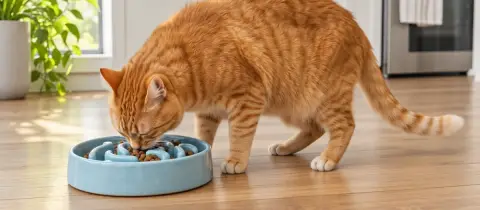
A puzzle isn't a slow feeder bowl, though the Food Tree listing says it's designed to slow fast eaters. If your cat gulps food and brings it back up, read the vomiting section of our slow feeder cat bowl guide first, and see your vet if it happens often.
Dry food puzzle feeders compared
Details from each Amazon Australia listing, checked on 20 Nov 2026. "Not on the listing" means the listing doesn't say.
| Product | Type | Difficulty settings | Size or capacity | Cleaning on listing | Loose parts? |
|---|---|---|---|---|---|
| Catit Food Tree | Stationary tower | 3 levels, by rotating the middle disc | Not on the listing | Hand wash with mild, non-abrasive soap; base and top come off | Base and top detach for cleaning |
| SlimCat ball | Mobile ball | Adjustable hole size | Not on the listing | Dishwasher safe, top rack only | Not stated |
| Catit Food Digger | Stationary | 3 short narrow tubes and 2 long wide tubes | Not on the listing | Rounded tube ends, "easy to clean" | Not stated |
| Trixie Fun Board | Stationary board | 5 game modules | 30 x 40 cm | Not on the listing | Not stated |
| Rainy Day | Stationary board | Cups (easier) or peg holes (harder) | Holds up to 1/4 cup (about 60 ml) | "Easy cleaning" claim only | None, per the listing |
| Trixie Snack Ball | Mobile ball | Adjustable opening | 6 cm diameter | Not on the listing | Not stated |
Choose by situation
| Your situation | What to look for | Our pick |
|---|---|---|
| Beginner or timid cat | A stationary puzzle with an easy start | Food Digger (3), then Food Tree (1) |
| A whole dry meal | A tower that catches the food | Food Tree (1) |
| Treats only | A small ball or board | SlimCat (2), Trixie ball (6) or Rainy Day (5) |
| Fast eater | A puzzle that slows the pace | Food Tree (1), plus our slow feeder cat bowl guide |
| Two or more cats | One puzzle per cat, set well apart | Two Food Digger or Food Tree units rather than one shared toy |
| Night-time noise | Stationary, not a ball | Food Tree (1) or Digger (3) |
| Senior or arthritic cat | Low, stationary, easy setting | Food Digger (3) on its easiest tubes |
| Wet food | A lick mat or wet-food puzzle | Our wet food puzzle guide |
| Weight plan | A vet's plan first | Ask your vet before changing how much your cat eats |
How we chose
We searched Amazon Australia for cat puzzle feeders, treat balls and food boards, then shortlisted those that met all of these checks:
- Well rated: a strong average rating with plenty of buyer reviews.
- No red flags: no pattern of poor reviews, safety complaints or listing problems.
- Available on Amazon Australia when we checked.
- Made for dry food or treats on the listing, not only for wet food.
- Type and difficulty settings described on the listing.
- Cleaning or loose parts stated, or marked "not on the listing" when missing.
Where a listing is missing a detail, we say so in the cons. These are researched picks, not products we've personally tested. We compared the specifications and features on each Amazon Australia listing, checked on 20 Nov 2026, and we didn't accept payment from any brand.
Left out this time: the Catstages Buggin' Out puzzle (it's on our cat toys guide), the Catit treat ball (its listing gave no size or specifications), duplicate SlimCat listings of the same toy, a small ball made for rodents and small dogs, and a lick mat for wet food.
Where else can I buy a cat puzzle feeder?
Pet shops and vet clinics sell food puzzles, balls and boards, often under different brand names. Wherever you buy, check what the toy is made for (dry food, wet food or treats), how it's cleaned and whether any parts can come off. Staff at a vet clinic can also tell you how much dry food your cat should be getting before you move any of it into a toy.
When to see a vet
Book a vet visit if your cat is gaining or losing weight, eats much more or less than usual, vomits after meals or won't touch food for more than a day. A puzzle won't treat any of these, and RSPCA Australia says a vet can weigh your cat and assess their body condition to advise on portions (RSPCA Australia, "What should I feed my cat?", updated 23 November 2026, page read 25 November 2026). Check with your vet before changing how much food a cat on a weight, kidney, urinary or prescription plan receives.
Go to a vet or emergency clinic straight away if your cat has swallowed a piece of a puzzle or is vomiting, drooling or in pain after chewing one. Supervise play, and put a puzzle away if it's cracked or chewed. Our what can cats eat guide lists foods to avoid. If you think your cat has eaten something toxic, call the Animal Poisons Helpline on 1300 869 738 (24/7).
Frequently asked questions
Can I feed my cat's whole meal from a puzzle feeder?
Often, yes, if the puzzle holds it. The paper's authors say the aim is to offer all of a cat's meals this way. Only the Rainy Day listing gives a capacity (1/4 cup), so check your cat's portion fits. The Food Tree is the simplest for a full dry meal because the food lands in its bowl. Build up slowly, keep a bowl as a back-up, and ask your vet if your cat is on a special diet.
What if my cat won't use a puzzle feeder?
Go back a step. Use the easiest setting, put in food your cat loves, and sit with them for a few minutes while they sniff it out. Cats vary in how fast they take to a new toy. Never remove a bowl to force the issue. If your cat still ignores it, try a different type, such as a tower in place of a ball.
Are treat balls noisy at night?
They can be. A ball clatters on tiles or floorboards, and the paper's authors list night-time noise as an owner concern. If that's a problem, use a stationary tower or board, put the ball on carpet, or keep puzzle time to the evening. Our cat active at night guide covers the wider problem.
Can two cats share a puzzle feeder?
It's better not to. One cat can guard the toy while the other watches, which can lead to tension. Give each cat their own puzzle and set them well apart, as with food bowls. If one cat is quicker, putting each puzzle in a different room means both get to eat in peace.
Can kittens use puzzle feeders?
Kittens can play with them, but we found no vet source giving kitten amounts, so we don't give any. Use the easiest setting, supervise closely and keep treats tiny. The Catit and Petstages listings give no minimum age. Check the pack for an age and ask your vet how much a growing kitten should eat.
Do puzzle feeders help a cat lose weight?
They can make mealtimes more active, but they don't set how much your cat eats. The one weight-loss case in the paper is a single reported case, not a promise. A cat that needs to lose weight needs a vet's plan, and the puzzle is only a way to serve the portion the vet sets.
Can I make a puzzle feeder at home?
Yes. The paper's authors mention cutting holes in an egg box or a water bottle. Cover or trim any sharp edges, use clean cardboard, and only use it when you're watching. Throw it away when it's soggy or chewed. A homemade one is a good way to test whether your cat likes the idea before you buy.
How do I clean a cat puzzle feeder?
Follow each listing. The Food Tree is hand washed with mild soap and water, and the SlimCat is dishwasher safe on the top rack only. The Rainy Day listing says "easy cleaning" but gives no method, so wash it by hand with mild soap and dry it fully. Check for cracks as you go.
Related guides
- How many treats can a cat have a day?
- Temptations cat treats
- Greenies cat treats
- Freeze-dried cat treats
- Best cat puzzle feeders for wet food
- Slow feeder cat bowls
- Best cat toys
- Best interactive cat toys
- Cat enrichment ideas
- Best cat treats
- Best dry cat food
- Cat guides
Sources
- Dantas LMS, Delgado MM, Johnson I, Buffington CAT, "Food puzzles for cats: Feeding for physical and emotional wellbeing", Journal of Feline Medicine and Surgery, 2016 (https://doi.org/10.1177/1098612X16643753)
- ScienceDaily, "Food puzzles for cats" (SAGE release, 1 September 2016), page read 21 November 2026 (https://www.sciencedaily.com/releases/2016/09/160901092831.htm)
- VCA Hospitals, "Cat treats", last updated 26 September 2024, page read 21 November 2026 (https://vcahospitals.com/know-your-pet/cat-treats)
- RSPCA Australia Knowledgebase, "What should I feed my cat?", updated 23 November 2026, page read 25 November 2026 (https://kb.rspca.org.au/knowledge-base/what-should-i-feed-my-cat/)
- Product details from each linked Amazon Australia listing, checked on 20 Nov 2026.
This guide provides general information and isn't a substitute for veterinary advice. If you're concerned about your cat's weight or feeding, speak with your vet.