Best dry cat food in Australia: how to choose, and how much to feed
By Anish PuriUpdated 19 Nov 202614 min readResearched, not tested by us
Research guide. WhiskerFinds may earn a commission from links, at no extra cost to you.
Quick answer: Dry cat food suits most healthy adult cats when it's a complete food for their life stage, fed in measured portions alongside fresh water and, ideally, some wet food. Our pick for most adult cats is Royal Canin Digestive Care Adult, also the one to try if stools are soft. Two other formulas cover hairballs and weaning kittens.
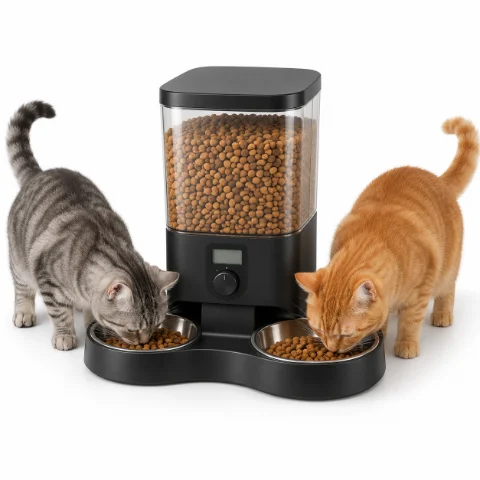
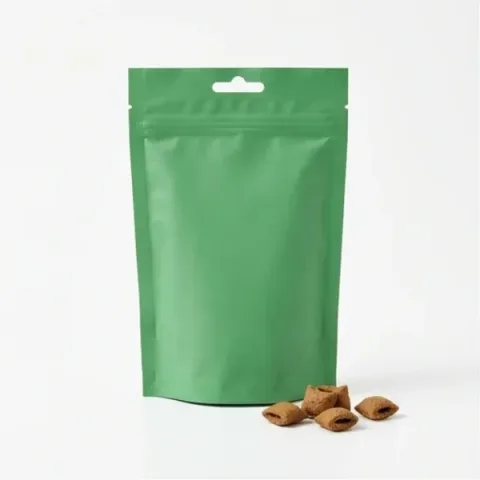
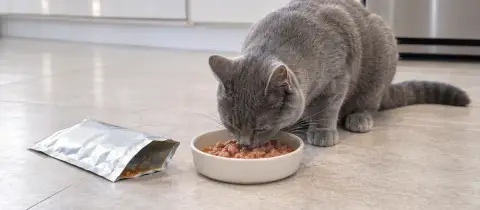
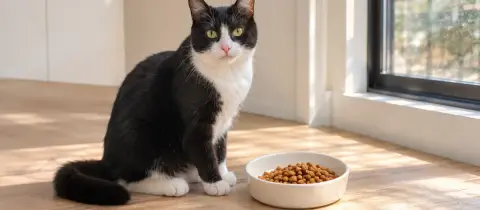
Illustration, not the actual product
Our top pickRoyal Canin Digestive Care Adult dry cat food, 2 kg
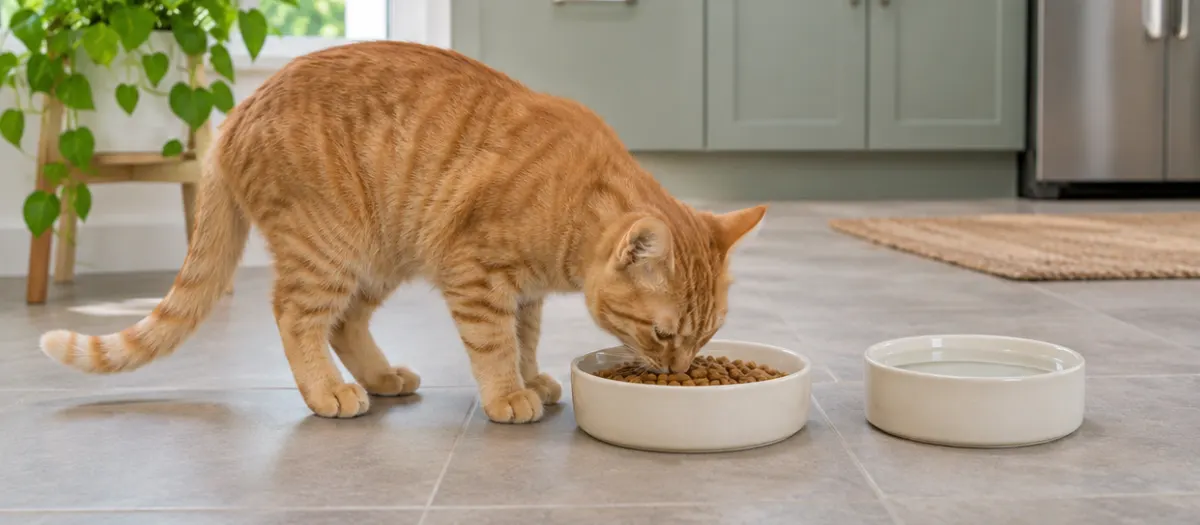
Dry food is easy to store, easy to portion and easy to use in a puzzle feeder, which is why so many cats eat it. It also has real limits, mostly around water, so this guide answers the questions behind the search: is dry food bad for cats, how much to feed, and what the label should say.
One thing to know about the range: the dry foods we could check on Amazon Australia this time are all Royal Canin. Plenty of other everyday adult dry foods from other brands are sold in pet shops, vet clinics and supermarkets, and we haven't compared them here. The same rules in this guide (label, amounts, wet and dry balance) apply to any of them.
Quick picks
Our top pickBest overall
Royal Canin Digestive Care Adult dry cat food, 2 kg
For cats over 1 year; prebiotic and psyllium formula; ring-shaped kibble
Cats are obligate carnivores, which means they rely on nutrients found only in animal products, including taurine. RSPCA Australia says never to feed puppy or dog food to a cat for that reason, whatever the bag looks like (same RSPCA page as above).
Wet or dry cat food: which is better?
Neither wins outright, and mixing them is what RSPCA Australia prefers. Wet food adds water and is easier to portion by the pouch; dry food keeps in the bowl and suits puzzle feeders. If your cat has any urinary history, the vet's advice comes first.
Swipe sideways to see every column
Dry food
Wet food
Moisture (Cornell)
About 6 to 10%
At least 75%
Left in the bowl
Doesn't dry out, so it can be fed free choice (Cornell)
Spoils; unused portions are refrigerated, and it shouldn't sit out in heat
Feeding pattern
Measured meals; RSPCA suggests 4 to 5 small meals a day
The same small-meal pattern, pouch by pouch
Water
Cat needs to drink more; keep fresh water out
Contributes to daily water intake (RSPCA)
Teeth
Ordinary kibble isn't a dental product; see the FAQ below
Same
Good for
Puzzle feeders, automatic feeders, travel
Fussy eaters, cats that drink little
Our wet cat food guide compares complete pouches and cans, and the "plus a pouch" tables below show how much dry to cut when you mix them.
Our picks in detail
1. Royal Canin Digestive Care Adult, 2 kg: best overall
Our pick for most adult cats, and the one to try if stools are soft. The listing says it's for cats over 1 year, with highly digestible proteins, prebiotics (FOS) to help support a balance in the gut, and fibres including psyllium "to help regulate intestinal transit". It says the ring-shaped kibble is designed to slow eating, which may suit a cat that gulps. Ingredients start with meat and animal derivatives, then cereals and vegetable protein extracts, with various sugars listed. It comes in 2 kg and 4 kg bags, and Royal Canin Australia also lists 400 g.
The listing's analysis figures match a wet pouch, not a dry food, so we haven't printed them. Check the analysis on the bag. Royal Canin says, citing its own study, that over 95% of cats had healthy stool quality after 10 days. That's the maker's internal study, and results vary. The feeding amounts are in the table on this page.
Pros: stated for adults over 1 year; ring-shaped kibble; fibre and prebiotic blend; feeding guide for dry only and for dry plus a pouch; ingredients listed
Cons: the listing's analysis figures look copied from a wet food, so you'll need the bag; contains cereals and "various sugars" per the listing; no complete-and-balanced statement in the listing text
Best for: most healthy adult cats, and those with softer stools
Skip it if: your cat is under 1 year, has a diagnosed digestive condition (ask your vet first) or needs a vet-prescribed diet
2. Royal Canin Hairball Care Adult, 2 kg: best for cats prone to hairballs
The listing says this is for adult cats from 1 to 7 years old, made with psyllium (0.5% husks and seeds) and insoluble fibres. Royal Canin says the formula "helps your cat eliminate swallowed hair by natural digestion", and says its anti-hairball complex helps a cat eliminate twice as much hair. Those are the maker's claims. Royal Canin Australia's page adds that the food is "proven to reduce hairball formation in 14 days", citing its own study. Treat it as a maker's claim: VCA says to ask your vet whether a hairball diet suits your cat, and the independent evidence for these diets is thin, as our hairball remedies guide explains.
Ingredients start with dehydrated poultry protein and wheat gluten, then corn, vegetable fibre and rice. The kibble is triangular. The listing says the shape promotes chewing to help reduce plaque and tartar, which is the maker's claim, not a VOHC-accepted dental food. The listing says to feed it "as directed by a veterinarian", so check with your vet if hairballs are a regular problem.
Pros: stated for adults 1 to 7; fibre blend with psyllium; ingredients listed; feeding guide for dry only and dry plus a pouch; also made in 400 g and 4 kg bags
Cons: wheat gluten and corn are among the first ingredients, so it may not suit a cat your vet has found sensitive to them; the hairball claim is the maker's; limited to 1 to 7 years
Best for: an adult that brings up hairballs and does well on dry food
Skip it if: your cat is under 1 or over 7, or is vomiting often, since a vet should check that first
3. Royal Canin Mother and Babycat, 4 kg: best for weaning kittens and nursing cats
The listing's directions say to use it for gestating and lactating queens and first-age kittens, from 1 to 4 months old, during weaning. Ingredients start with dehydrated poultry meat, then animal fats, rice and vegetable protein isolate, with fish oil, taurine and L-carnitine in the list. The listing's vitamins C and E and DHA lines are the maker's words about immune and brain support.
This listing has a defect: its bullet points describe a book, not the food, so we used only the title, details, ingredients and directions. Check the bag for the feeding guide, because we couldn't confirm Royal Canin's gram amounts. Our kitten food guide covers the whole growing-kitten picture, including wet foods.
Pros: the only dry pick labelled for queens and weaning kittens; taurine in the ingredients; larger bag suits a litter or a nursing mum
Cons: the listing text is partly mismatched, so check the pack; no feeding amounts or complete statement in the listing; kitten-specific wording only goes up to 4 months
Best for: weaning kittens (1 to 4 months) and pregnant or nursing cats
Skip it if: your kitten is over 4 months (move to a kitten food, as our kitten guide explains) or your cat is an adult
How much dry food should I feed my cat?
Follow the pack's feeding guide for your cat's weight, then adjust by body condition. For a cat at its ideal weight, Royal Canin's Australian guide gives 43 to 45 g at 3 kg, rising to 71 to 74 g at 6 kg, depending on the formula. A vet can tell you whether your cat is at ideal weight or overweight.
These are Royal Canin's own amounts for its own foods, from its Australian pages (Digestive Care and Hairball Care, page read 19 November 2026). Neither page states the period, so treat these as the day's amount only once the pack confirms it. Other brands have different energy contents, so a gram figure from one bag doesn't carry across to another.
Royal Canin's Australian feeding guide, grams of dry food (the pages don't state the period; confirm the daily amount on the pack)
Swipe sideways to see every column
Cat weight
Digestive Care, ideal
Digestive Care, overweight
Hairball Care, ideal
Hairball Care, overweight
3 kg
43 g
35 g
45 g
36 g
4 kg
53 g
43 g
55 g
44 g
5 kg
62 g
50 g
65 g
52 g
6 kg
71 g
57 g
74 g
59 g
If you also feed one wet pouch a day (ideal weight, grams of dry)
Swipe sideways to see every column
Cat weight
Digestive Care dry plus one Digestive Care gravy pouch
Hairball Care dry plus one Hairball Care wet pouch
3 kg
24 g
26 g
4 kg
33 g
36 g
5 kg
43 g
46 g
6 kg
51 g
55 g
Two things to take from the tables. First, adding a pouch cuts the dry amount a lot, which is the same point Greencross Vets makes for kittens: when you feed both wet and dry, adjust the amount of each, and ask your vet team if you're unsure (Greencross Vets, "Kitten Feeding Guide", page read 19 November 2026). Second, the overweight column is lower, but a weight plan belongs with your vet.
For a rough shopping idea: if Royal Canin's 53 to 55 g is the day's amount, a 4 kg cat gets through a 2 kg bag in a little over five weeks (our arithmetic: 2,000 g divided by 55 g is about 36 days).
Use a kitchen scale or the cup that matches the pack, not a guess; our slow feeder cat bowl guide helps if your cat gulps.
What should a dry cat food label say?
Look for a statement of the life stage the food is complete for, a feeding guide by weight, and a reference to Australian Standard AS 5812 or an equivalent audited standard. RSPCA Australia advises food that meets AS 5812, an equivalent international standard verified by independent audit, or human-grade ingredients.
CHOICE explains that AS 5812 covers wet, dry and packaged raw food and treats, setting requirements for production, food safety, nutrition and labelling. It's voluntary, and no authority enforces it (CHOICE, "Pet food regulation", last updated 9 July 2018, page read 19 November 2026). We can't tell you any food below is certified, because none of the listings say so. Check the pack.
On the pack
What to look for
Life stage
Adult, kitten, or all life stages; Cornell says the claim should name the stage the food is complete for
Complete statement
Wording such as "complete and balanced" for that stage
Standard
AS 5812 or an equivalent audited standard, if the maker states it
Ingredients
The first ingredient is the largest by weight; named animal protein suits an obligate carnivore
Feeding guide
Amounts by cat weight, in grams or cups
Best before
A date well ahead, and storage directions
None of the three listings carries a "complete and balanced" statement; the nutritional adequacy statement is on the bag, so read it before you buy.
Which dry food for hairballs or a sensitive stomach?
For soft stools, try Royal Canin Digestive Care; for a cat that coughs up hairballs, Royal Canin Hairball Care. Both are the maker's formulas, and neither is a treatment. A cat with ongoing vomiting, loose stools or weight loss needs a vet to work out why, not a food swap.
Any of the three, using the "plus a pouch" table; see our wet cat food guide
How we chose
We searched Amazon Australia for dry cat food and shortlisted those that met all of these checks:
Well rated: a strong average rating with plenty of buyer reviews.
No red flags: no pattern of poor reviews, safety complaints or listing problems.
Available on Amazon Australia when we checked.
A stated life stage in the listing (adult, adult 1 to 7, or kitten and queen).
Ingredients listed, so you can see what's in the bag.
A feeding guide we could confirm on the maker's Australian page, for the adult foods.
Where a listing is missing something or contains a mistake, we say so in the cons. These are researched picks, not products we've personally tested. We compared the specifications and features on each Amazon Australia listing, checked on 18 Nov 2026, and read the maker's Australian feeding guides on 19 November 2026. We didn't accept payment from any brand.
Left out this time: a grain-free salmon dry food whose listing gave no ingredients, analysis, feeding guide or complete statement, and Royal Canin's Anallergenic diet. That's a veterinary range, so it's only for cats a vet has put on it. Vets can tell you about vet-only diets, and we don't link them as picks for general readers.
When to see a vet
Book a vet visit if your cat is losing weight or gaining it fast, vomits more than occasionally, has loose stools that don't settle, drinks far more than usual or goes off their food. These signs can have many causes, and a vet can work out which. A food change won't fix them on its own. VCA lists vomiting, abdominal pain and not passing stools as signs of a blockage.
Go to a vet or emergency clinic straight away if your cat is straining to wee with little or nothing coming out, especially a male. It can mean a urinary blockage, which Cornell calls an absolute emergency. Our litter box guide has the full list of urinary signs.
Also see a vet before moving a cat with a medical condition onto any new food. Our Royal Canin cat food guide explains why veterinary diets are for vet-advised cats only.
Frequently asked questions
Should I leave dry food out all day?
It's possible, because dry food doesn't dry out, but portion feeding is safer for weight. VCA warns that free choice can lead to excess body fat in kittens, and RSPCA suggests four to five small meals for adults. Weigh out the day's amount instead, and use a timed feeder or puzzle bowl if you're out.
Is grain-free dry food better for cats?
We didn't find a vet or standards source we could cite saying grain-free is better, so don't choose on that alone. Cats need animal protein, a complete statement for their life stage and a food that suits them. Both adult picks here contain cereals or corn, per their listings. A cat with a diagnosed food allergy needs a vet.
How long does dry cat food last once opened?
Follow the bag's best-before date and storage directions. The Digestive Care listing says to keep it dry. Our own advice is to reseal the bag, store it somewhere cool, and use it before the date, since summer heat can shorten how fresh it stays. Smaller bags suit a single cat.
Does dry food clean cats' teeth?
Not in general. Ordinary kibble isn't a dental product, and vets point to VOHC-accepted products when teeth are the aim. See our cat dental treats guide for the seal, and our guide to cleaning your cat's teeth for brushing.
Why does my cat vomit after eating dry food?
It can be eating too fast, hairballs or something else, so look at the pattern. Slower bowls and smaller meals may help a cat that gulps. If vomiting happens often, or your cat seems unwell, see your vet; VCA lists vomiting with belly pain and no stools as blockage signs.
What's the difference between kitten and adult dry food?
Kitten food is formulated for growth. Royal Canin Australia says its Kitten dry is for kittens from 4 to 12 months, while the adult foods here are for cats over 1 year. Its Kitten guide runs from 66 g a day at 4 months down to 51 g at 12 months (Royal Canin Australia, "Kitten Kibble", page read 19 November 2026). See our kitten food guide.
Do indoor cats need a special dry food?
Not necessarily. A complete adult food at the right portion works for many indoor cats; body condition matters more than the label. Royal Canin makes indoor formulas, and we cover its Indoor Sterilised wet pouches in our Royal Canin cat food guide. We didn't have an indoor dry listing to check this time.
How do I switch my cat to a new dry food?
Change slowly. PetMD suggests moving from the old food to the new over about seven to 10 days, and some vets stretch it to about two weeks, as Greencross Vets describes. Mix a little new into the old, increase gradually and slow down if stools loosen. Ask your vet first if your cat has a health condition.
Product details from each linked Amazon Australia listing, checked on 18 Nov 2026.
This guide provides general information and isn't a substitute for veterinary advice. If you're concerned about your cat's diet or health, speak with your vet.