Quick answer: A cat hairball remedy usually starts with the simple things: regular brushing and plenty of water. Hairball gels, pastes and foods, such as CatLax gel, can help some cats. Vets say a hairball once every week or two is normal, but more often than that, or retching with nothing coming up, needs a vet.
Most cats bring up the odd hairball, and it's usually more gross than worrying. This guide covers what helps, what a normal pattern looks like, and the signs that mean something else is going on. Brushing is the foundation, so it pairs well with our guide to how to groom a cat.
Quick picks
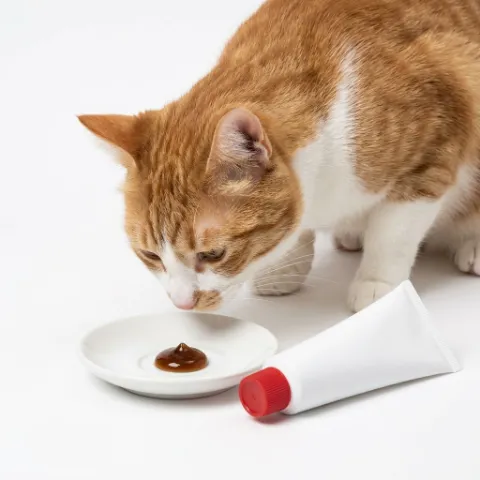
CatLax hairball gel
A petroleum-based laxative gel from a veterinary brand, with a tip for fussy cats
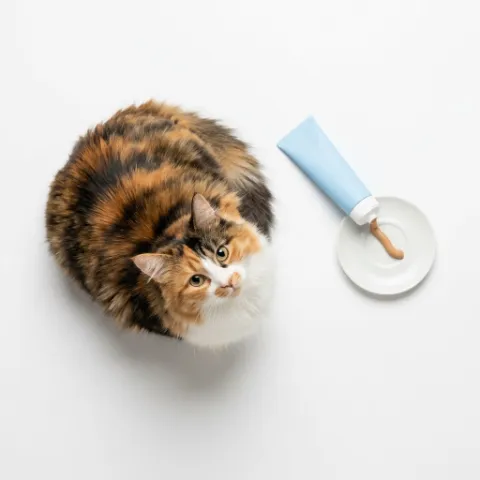
Hartz Hairball Remedy Plus paste
Salmon-flavoured paste in a 70 g tube, with directions on the listing
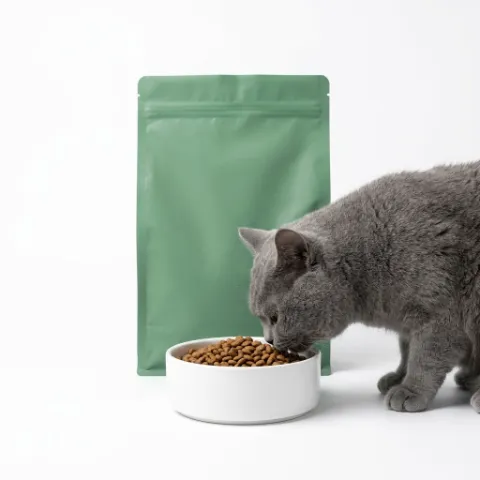
Royal Canin Hairball Care Adult
A dry food with a fibre blend made to help hair pass
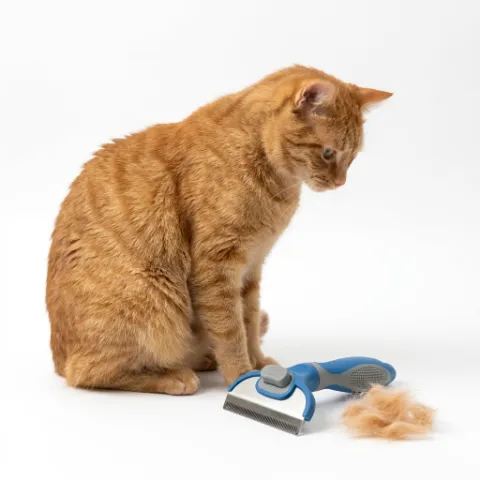
FURminator Undercoat deShedding Tool
Removes loose undercoat hair before your cat swallows it
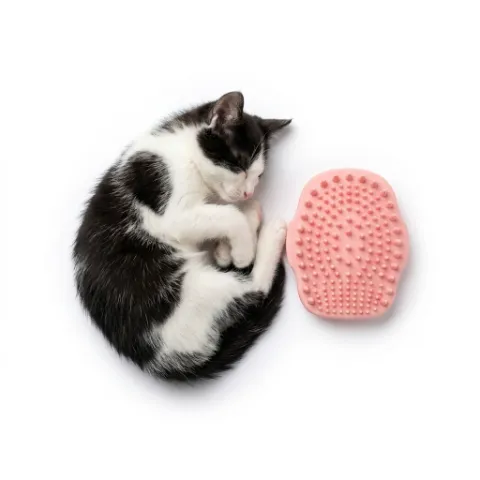
KONG Cat ZoomGroom
A soft rubber brush for cats who don't like metal pins
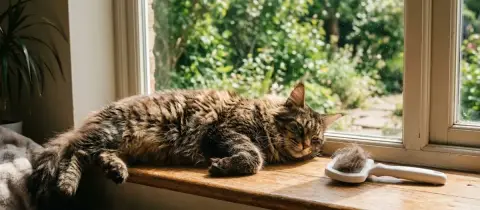
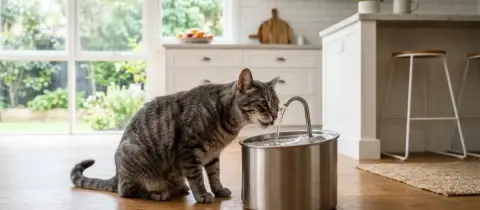
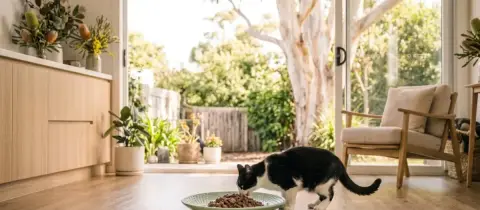
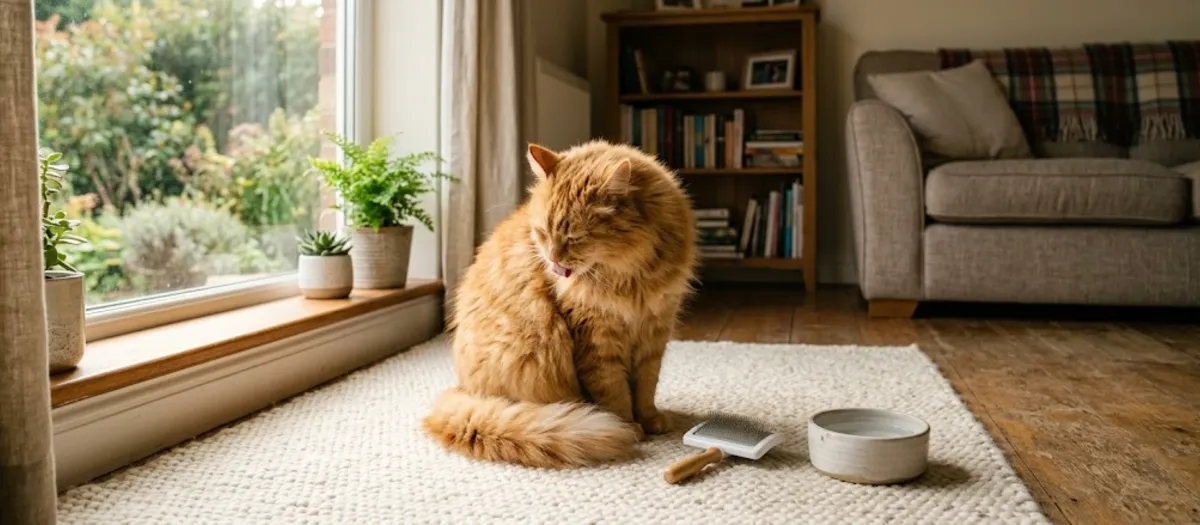
Pictures are illustrations, not the actual products.
Brushing and water do the most for most cats, so start there. A paste, gel or food is a tool within that routine, not a cure. If your cat's hairballs are frequent, talk to your vet first. For more brushes, see our guide to the best cat brushes.
What is a hairball, and is it normal?
A hairball is a wad of hair your cat swallowed while grooming and couldn't pass. Cornell Feline Health Center says bringing one up once every week or two is considered normal (Cornell Feline Health Center). Anything more often than that is worth a chat with your vet.
Cats' tongues have backward-slanting barbs that carry loose hair down the throat. Hair is mostly keratin, which cats can't digest. Most of it passes out in the poo, but some can stay in the stomach and clump together (Cornell Feline Health Center).
A hairball that's brought up is usually a wet, tube-shaped wad of hair rather than a round ball (VCA Animal Hospitals, updated 8 May 2025). Seeing one now and then, with a cat who is otherwise eating and behaving normally, is the usual pattern.
Is it really a hairball? Coughing versus hacking up hair
A cat that coughs, crouched low with the neck stretched out, is often thought to be bringing up a hairball. But VCA says a cough is often confused with that, and no hairball is produced (VCA Animal Hospitals, updated 3 September 2025). Cornell says frequent hacking may point to another problem, such as asthma.
Here's how to tell the difference. If you see hair at the end of the episode, it's more consistent with a hairball. If the episodes repeat and nothing comes up, or you hear wheezing, treat it as a possible breathing problem. VCA says an asthma attack is an emergency: look for open-mouth breathing and blue or grey gums.
Posture alone doesn't separate the two, because cats crouch and stretch their necks for both. A short phone video of an episode is useful for your vet. Cornell also lists lethargy, refusing food and true vomiting as reasons for a prompt vet visit, so look at the whole cat, not just one moment.
Bringing up food is different again. Vomiting a meal soon after eating, or vomiting several times in a day, isn't a typical hairball pattern and is worth a call to your vet.
What are the signs of a hairball blockage?
A hairball can occasionally become a blockage, which is an emergency. Cornell lists lethargy, refusing food for more than a day or two, repeated unproductive retching and true vomiting as warning signs. VCA adds abdominal pain and no bowel movements. Hair may not appear in the vomit (VCA Animal Hospitals).
A hairball stuck in the small intestine is uncommon but very serious, and Cornell says it can be fatal without surgery. VCA says cats usually do well if surgery is prompt. If you notice these signs, don't wait to see if they pass. Ring your vet or an emergency clinic. There's a full checklist in the vet box below.
What causes hairballs in cats?
Cats swallow loose hair every time they groom, so any cat can get hairballs. Some are more likely to: Cornell says long-haired cats may be at higher risk, hairballs are more frequent during seasonal shedding, and some cats are simply more fastidious groomers. Kittens and young cats are less likely to get them than older cats.
Over-grooming adds to the pile. VCA says the risk is higher when stress or pain leads to over-grooming, when allergies or skin disease increase licking, and when gut disease slows the movement of food. A 2013 paper in the Journal of Feline Medicine and Surgery also lists fleas, itchy skin disease and dietary intolerance as causes not to overlook (Cannon, JFMS, 2013).
If you think boredom or stress could be behind the grooming, more play and a calmer routine may help. Our cat enrichment guides are a good place to start.
Cat hairball remedies compared
The options below work in different ways. Brushing cuts down how much hair gets swallowed, while pastes, gels and foods aim to help hair pass. Evidence for the products is limited: the 2012 paper above says the evidence for most hairball prevention strategies is thin, so treat them as helpers.
| Remedy | How it helps | Best for | Watch out for | Our pick |
|---|---|---|---|---|
| Regular brushing | Removes loose hair before it's swallowed | Every cat, especially in shedding season | Over-brushing can irritate skin | FURminator or KONG ZoomGroom |
| Hairball gel or paste | A lubricant laxative that coats the hair so it passes | Cats with occasional hairballs, once your vet is happy | Follow the label; ask your vet before long-term use | CatLax or Hartz |
| Hairball diet | Extra fibre may help hair move through the gut | Cats who do well on dry food | Change food gradually; check with your vet first | Royal Canin Hairball Care |
| More moisture | Hydration helps hair move through the digestive tract | All cats | A sudden jump in thirst needs a vet check | See water fountains and wet food feeders |
| Hairball treats | Contain fibre or lubricants | Cats who refuse a paste | Pack contents vary | No pick, see below |
We haven't picked a hairball treat. One hairball treat listing contradicted itself about what was in the pack, and the others we checked didn't pass our red flags check. A well-chosen paste or food does the same job.
How do hairball gels and pastes work?
Hairball gels and pastes are lubricant laxatives. They're made to coat swallowed hair so it slides through the gut. The Merck Veterinary Manual says mineral oil can help cats pass hair, if needed (Merck Veterinary Manual). The two pastes in this guide use petroleum-based lubricants for the same idea.
Cornell advises owners not to give a cat a laxative without veterinary approval (Cornell Feline Health Center). A simple way to follow that: ask your vet before you start, follow the label, and ask about ongoing use. Don't force paste into your cat's mouth, which could make them cough or breathe it in. Offer a small amount on a spoon, or follow the listing's tip of putting a little on the paw so the cat licks it off.
Do hairball diets work?
Some cats seem to do better on a hairball food, but it isn't guaranteed. VCA says a hairball-specific diet high in fibre may help move hair through the gut, and to ask your vet whether it suits your cat (VCA Animal Hospitals). The 2013 JFMS paper notes evidence for these diets is limited.
If you switch, do it gradually. PetMD (8 March 2026) suggests moving from the old food to the new over seven to 10 days and checking with your vet first, since the right diet depends on your cat's age, health and weight. If your cat has a health condition or a special diet, ask your vet before changing anything. Our Royal Canin cat food guide explains which formula is which, and our dry cat food guide covers feeding amounts.
How to help a cat with hairballs at home
The most useful home steps are the least dramatic ones. Cornell's main prevention advice is to brush or comb daily, which is more than a short-haired cat needs for coat care alone; if hairballs are the problem, daily is the aim. VCA recommends regular brushing too, especially for long-haired cats and in shedding season, plus plenty of fresh water. Here's a simple routine to work through, one step at a time.
- Brush often. Pick a brush your cat accepts. Short sessions are fine. See our guide to the best cat brushes and how to groom a cat.
- Boost water. VCA says fresh water in several spots, and adding wet food, can help hair move through. A cat water fountain can encourage drinking, and a puzzle feeder for wet food adds interest at mealtimes.
- Reduce stress-grooming. Daily play and a predictable routine may help cats who groom when they're bored or anxious. See cat enrichment.
- Check for fleas and itchy skin. These can make a cat groom more. Ask your vet about safe flea control for cats. Never use dog flea products on a cat.
- Use a paste or food only as a helper, with your vet's okay.
Home remedies to skip. Don't give butter, cooking oils or other kitchen "lubricants" unless your vet says so. Cornell's advice is not to give a laxative without veterinary approval, and we'd apply that to kitchen versions too. Don't try to pull a hairball out by hand. If your cat seems stuck or distressed, call your vet.
Can you prevent hairballs?
You can usually reduce them, though not always stop them. Fewer loose hairs swallowed means fewer hairballs, so brushing is the best lever. Cornell recommends daily brushing or combing as its main prevention advice. Adding water, a gradual switch to a fibre-rich food and treating fleas or skin problems cover the rest.
Seasonal shedding can bring a spike, so brush a bit more often then. If your cat grooms heavily, Cornell suggests asking a vet about food allergy-related skin problems. If you've done all that and hairballs are still frequent, the cause may be something else, so book a vet check.
Hairballs in long-haired cats and kittens
Long-haired cats usually need daily brushing, because their coats hold more loose hair. Cornell lists breeds like Persians and Maine Coons as possibly at higher risk. A steel comb for the tail and britches, plus a slicker brush, covers most coats. Our cat brushes guide has options.
Kittens are less likely to get hairballs than older cats, according to Cornell. If a kitten is retching, gagging or off its food, don't assume it's a hairball. Take it to the vet. Check the age guidance on any paste before offering it to a kitten, and ask your vet.
When to see your vet
See a vet straight away if your cat has any of these. They can be signs of a blockage or a breathing emergency:
- repeated retching with nothing coming up
- vomiting several times in a day
- not eating for more than a day, or lethargy
- constipation, straining or no poo
- a swollen or painful belly
- open-mouth breathing, blue or grey gums, or a cough that won't stop
Book a vet check soon if your cat has:
- hairballs more than occasionally
- coughing or wheezing
- weight loss
- diarrhoea
- overgrooming, bald patches or sore skin
How we chose
We searched Amazon Australia for hairball gels, pastes, foods and brushes, then shortlisted products that met all of these checks:
- Well rated: a strong average rating with plenty of buyer reviews.
- No red flags: no pattern of poor reviews, safety complaints or listing problems.
- Available on Amazon Australia when we checked.
- Made for cats, with dosing directions on the listing.
- Ingredients or safety information shown on the listing.
These are researched picks, not products we've personally tested. We compared the specifications, ingredients and directions shown on each Amazon Australia listing, checked on 19 Oct 2026. We didn't accept payment from any brand, and no brand saw this page before it was published.
Left out this time: hairball treats (one hairball treat listing contradicted itself about what was in the pack, and the others we checked didn't pass our red flags check); homeopathic hairball drops; and two hairball pastes that were no longer available on Amazon Australia.
Our picks in detail
1. CatLax hairball gel: best hairball gel
A gel from Dechra Veterinary Products. The listing says its petroleum-based laxatives coat swallowed hair so it can pass, with cod liver oil and vitamin E added. The directions say once daily for hair removal, and for fussy cats, a little on the paw.
- Pros: made by a veterinary brand; directions on the listing; the paw tip helps fussy cats
- Cons: petroleum-based, so ask your vet about ongoing use; some cats may still refuse it; imported, so check the delivery details on Amazon before you order
- Best for: cats with occasional hairballs, once your vet is happy for you to try a gel
- Skip it if: your cat is on medication or has a gut condition (ask your vet first), or is a kitten (check the age directions on the pack and ask your vet)
2. Hartz Hairball Remedy Plus paste: best salmon-flavour paste
A salmon-flavoured paste in a 70 g tube. The listed ingredients are liquid petrolatum (0.38 g per 1 g), malt extract, glycerin, salmon oil, sunflower oil, gum arabic and vitamin E. The directions say to give a 1 inch (about 2.5 cm) ribbon for 3 to 4 days, then follow the label.
- Pros: salmon flavour; clear ingredient list; a bigger tube
- Cons: the flavour won't suit every cat; petrolatum-based, so ask your vet about longer use; it only works if your cat takes it
- Best for: cats who like fishy flavours
- Skip it if: your cat has a health condition or special diet and your vet hasn't okayed it
3. Royal Canin Hairball Care Adult: best food option
A 400 g bag of dry food for adult cats. The listing says a natural fibre blend helps hair pass through, and cites a Royal Canin internal study. That's a brand claim, not independent evidence. The listing says it's non-returnable.
- Pros: works within your cat's daily meal, with no extra step; fibre blend described on the listing
- Cons: a brand claim only; dry food adds no extra water; non-returnable, so be sure before you buy
- Best for: adult cats who already eat dry food
- Skip it if: your cat has a health condition or a special diet. Ask your vet first. Change food over seven to 10 days
4. FURminator Undercoat deShedding Tool: best for short coats that shed heavily
A deShedding tool for medium to large short-haired cats. The listing says the stainless steel edge reaches through the topcoat to remove loose undercoat hair, and describes a Skin Guard, a curved edge, a FURejector button to clear hair, and an edge guard. The safety information warns against over-brushing.
- Pros: removes loose hair before it's swallowed; easy hair-release button
- Cons: the listing warns against over-brushing, so keep sessions short and no more than about once a week, as our cat brushes guide explains; check the size band for your cat
- Best for: short-haired cats that shed a lot
- Skip it if: your cat has a long coat, mats or sore skin, or hates being brushed
For the other cat sizes, see our FURminator guide.
5. KONG Cat ZoomGroom: best gentle brush
A flexible rubber brush. The listing says you can use it to groom, bathe and massage your cat, and says it helps prevent hairball formation. That last part is the listing's claim.
- Pros: soft and gentle; no metal pins; can be used dry or at bath time
- Cons: a lighter touch than a metal brush, so heavy shedders may need more
- Best for: cats with sensitive skin or who dislike metal brushes
- Skip it if: your cat has a very thick undercoat or tangles
Frequently asked questions
What is the best home remedy for hairballs in cats?
Regular brushing is the simplest home remedy, because it removes hair before your cat swallows it. Fresh water in several spots, and some wet food, can also help hair move through. Skip kitchen oils and butter unless your vet says so. See our home steps.
What is the best treatment for hairballs in cats?
For occasional hairballs, brushing plus a hairball gel, paste or food may help. For frequent hairballs, the best treatment depends on the cause, and that needs a vet. VCA says your vet may look for skin disease, allergies or gut problems behind recurring hairballs.
What do vets recommend for cat hairballs?
The sources we read point to brushing, hydration and sometimes a hairball diet. Cornell recommends daily brushing or combing and says not to give a laxative without a vet's approval. Merck says mineral oil can help in some cases. Your vet will tailor advice to your cat.
How can I help my cat cough up a hairball?
Don't try to make your cat bring one up, and don't pull on anything. Most cats do this on their own. If your cat is retching repeatedly with nothing coming up, seems distressed, or is struggling to breathe, call your vet or an emergency clinic straight away.
Does wet food help cats pass hairballs?
It may help. VCA says adequate hydration helps hair move through the digestive tract, and that adding wet food increases water intake. Wet food isn't a guaranteed fix, but it's an easy extra. See our guide to puzzle feeders for wet food.
Can cats poop out their hairballs?
Yes. Cornell and VCA both say most swallowed hair passes through the gut and out in the poo. A hairball that's too big to pass is what causes trouble. If your cat is straining, constipated or has no poo along with vomiting, see your vet.
Is it healthy for cats to have hairballs?
Bringing one up every week or two is considered normal (Cornell Feline Health Center). That's not the same as healthy, though. Frequent hairballs can be linked to skin problems, fleas or gut disease, so more than occasional hairballs are worth a vet visit.
What cat treats are good for hairballs?
Hairball treats usually contain fibre or lubricants, and VCA lists them as an option. We now compare the fibre-based treats sold on Amazon Australia in our hairball treats for cats guide. A paste or hairball food is still the more dependable choice for frequent hairballs, and brushing helps most. Ask your vet before relying on any treat.
Related guides
- Royal Canin cat food: which formula suits your cat?
- Best dry cat food
- Hairball treats for cats
- FURminator guide: which size and tool
- How to groom a cat
- Best cat brushes
- Best cat water fountains
- Best puzzle feeders for wet food
- Cat enrichment
Sources
- Cornell Feline Health Center: The Danger of Hairballs
- VCA Animal Hospitals: Trichobezoars (hairballs) in cats (updated 8 May 2025)
- VCA Animal Hospitals: Hairball remedies for cats
- VCA Animal Hospitals: Coughing in cats (updated 3 September 2025)
- Merck Veterinary Manual: Managing hairballs in cats
- Cannon M. Hair balls in cats: a normal nuisance or a sign that something is wrong? Journal of Feline Medicine and Surgery 2013;15(1):21-29 (published online December 2012)
- PetMD: How to switch cat food (8 March 2026)
- Product details and ingredients from each linked Amazon Australia listing, checked on 19 Oct 2026.
This guide provides general information and isn't a substitute for veterinary advice. If you're concerned about your cat's hairballs, vomiting or coughing, speak with your vet.