Hairball treats for cats: do they work, and which to buy
By Anish PuriUpdated 18 Nov 202613 min readResearched, not tested by us
Research guide. WhiskerFinds may earn a commission from links, at no extra cost to you.
Quick answer: Hairball treats for cats are fibre-based treats that may help swallowed hair pass through, and our top pick is the INABA Churu Hairball Control purée. They are a small helper, not a fix: brushing does more, and hairballs more often than every week or two need a vet. Count every treat inside about 10% of daily calories.
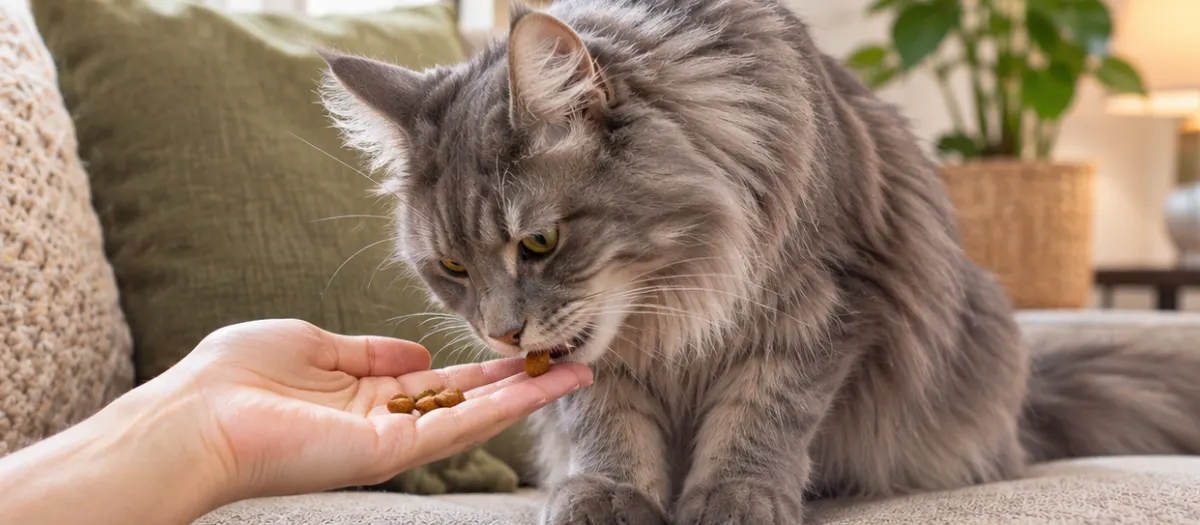
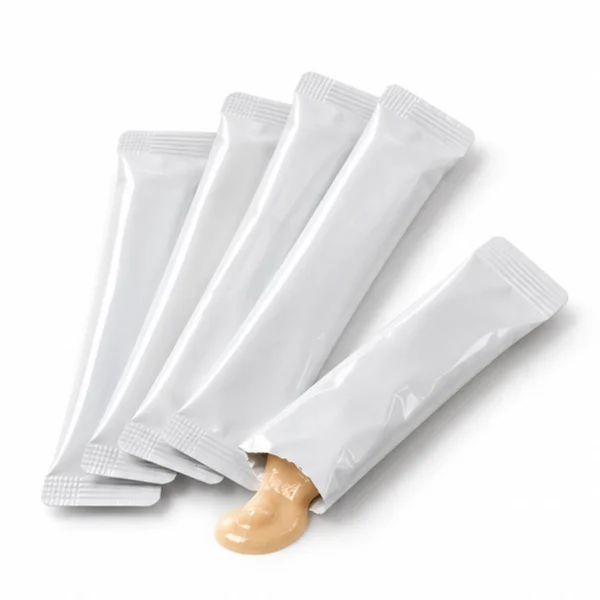
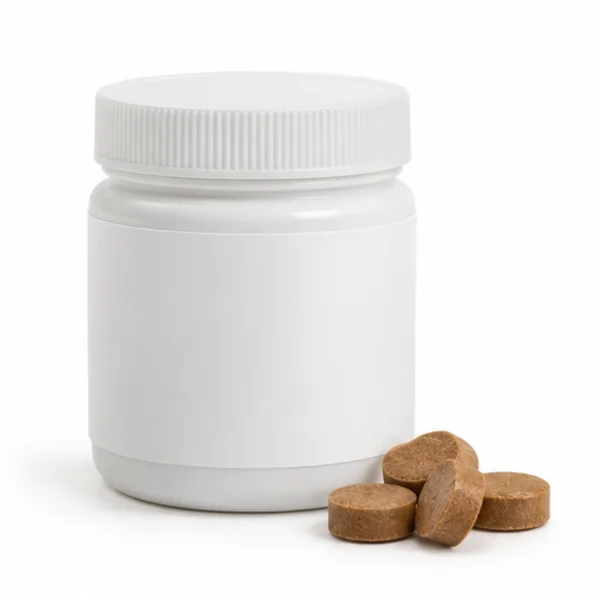
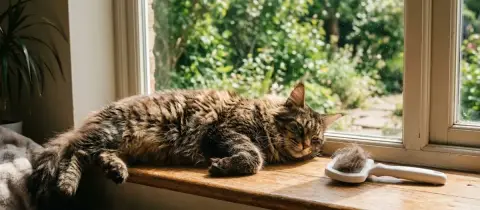
Illustration, not the actual product
Our top pickINABA Churu for Cats Hairball Control purée, 24 tubes
Most cats bring up a hairball now and then, and a treat feels like an easy way to help. This guide compares the three fibre treats and one fibre supplement that passed our checks on Amazon Australia, works out how many fit inside the daily treat allowance, and says plainly when a treat is the wrong tool. For pastes, gels and hairball food, see our cat hairball remedies guide.
Quick picks
Our top pickBest overall
INABA Churu for Cats Hairball Control purée, 24 tubes
Lickable fibre purée that also adds water; 6 calories a tube per the listing
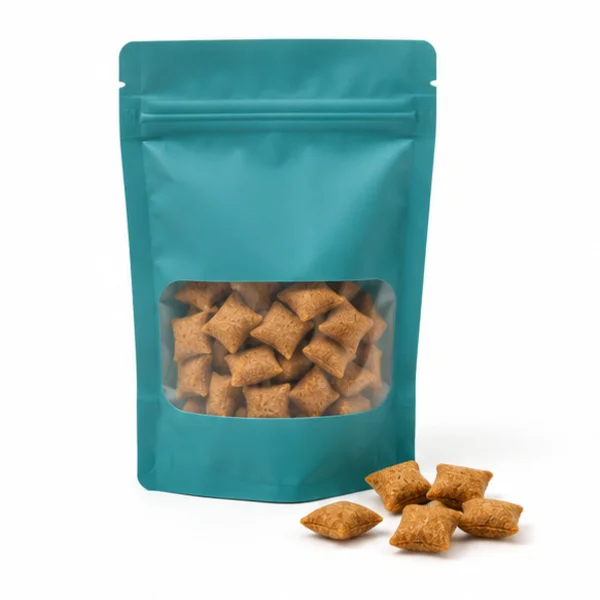
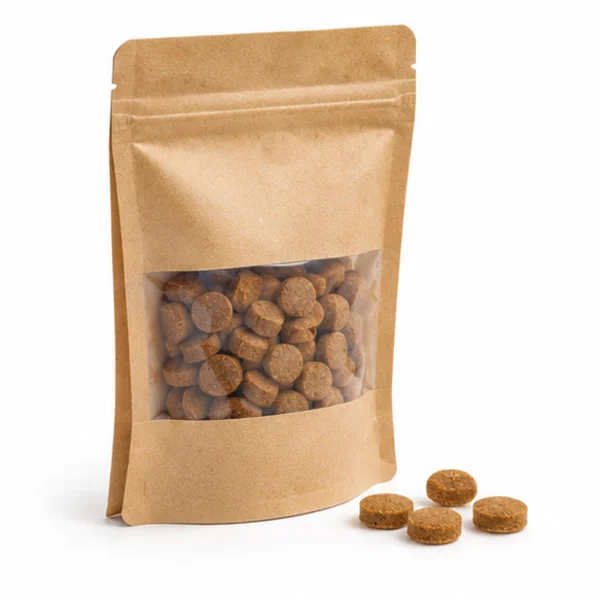
Pictures are illustrations, not the actual products.
Hairball treats compared
Details from each Amazon Australia listing, checked on 18 Nov 2026. "Not listed" means the listing doesn't say.
Swipe sideways to see every column
Pick
Form
Fibre source as listed
Calories per piece
Pack
Age on the label
Daily guidance on the label
INABA Churu
Lickable purée
Powdered cellulose ("insoluble vegetable fiber")
6 per tube
24 tubes of 14 g (0.5 oz each)
All life stages
None
Greenies SmartBites
Crunchy bite
Plant-fibre blend with powdered cellulose and dried beet pulp
1.3 per treat
4.6 oz (about 130 g)
All life stages
None
Cherish
Crunchy treat
Cellulose
Not listed
120 g
All life stages
Start at 4, no more than 15 a day unless your vet advises
Vet's Best
Chewable tablet
Psyllium seed, slippery elm bark, marshmallow root
Not listed
180 tablets
Not listed
One tablet twice daily
The listing for the Greenies pack gives ounces, and we've converted using 1 oz as about 28 g.
Do hairball treats for cats work?
They may help some cats, but the evidence is thin. A 2013 paper in the Journal of Feline Medicine and Surgery says the evidence for hairball prevention strategies is limited (Cannon, JFMS, 2013). The Merck Veterinary Manual says some commercial diets and treats are formulated to help prevent hairballs, but puts frequent brushing first (Merck Veterinary Manual, "Managing Hairballs in Cats", page read 18 November 2026).
So think of a treat as a helper. It doesn't replace brushing, and it won't help a cat that is retching right now. Our cat brushes guide and how to groom a cat cover the part that does the most.
Our picks in detail
1. INABA Churu for Cats Hairball Control purée, 24 tubes: best overall
A lickable chicken purée in tubes of 14 g, 24 in the pack. The listing says it adds an insoluble vegetable fibre to the original Churu formula, and the ingredients list powdered cellulose. It also says 88% moisture, 6 calories a tube, taurine and vitamin E, and no grains, preservatives, artificial colours or carrageenan. The listing says it suits cats of all ages, and that you can hand-feed it, use it as a topper or hide medication in it. Refrigerate after opening and serve soon after.
It's the only pick that adds water as well as fibre, and at 6 calories a tube two or three tubes fit the example allowances in the table on this page. The ingredients include natural scallop flavour, so mention it to your vet if your cat has a known seafood sensitivity. Our Churu cat treats guide covers the rest of the Churu range.
Pros: adds water as well as fibre; low calories per tube per the listing; hand-feeding builds a routine; all life stages per the listing
Cons: needs a cat that licks; scallop flavour in the ingredients; no daily count on the listing, so use the table on this page
Best for: cats who lick rather than crunch, and owners who want water as well as fibre
Skip it if: your cat won't take food from a tube, or you want a crunchy treat
A small dry bite in tuna flavour, which the listing says offers texture variety. The listing says it contains a plant-fibre blend it calls Fiberblend, gives 1.3 calories a treat, and says all life stages. The full ingredient list is printed, and it includes powdered cellulose, dried beet pulp, chicken meal and wheat. The listing calls it veterinarian-designed, which is the maker's wording. Our Greenies cat treats guide compares SmartBites with the VOHC-listed Dental treats.
It's a US pack labelled in ounces, so check the pack size and best-before on the listing. The listing gives no feeding guide, so stay inside the 10% allowance.
Pros: a printed calorie figure; small pieces that are easy to count; a known brand from the Greenies range we cover on our dental treats guide
Cons: ounces on the label; no feeding guide; wheat and chicken in the ingredients
Best for: a known brand in a small tuna bite with a printed calorie figure
Skip it if: you want grams on the label, or your cat already eats a hairball-control food
3. Cherish Hairball Control Treat for Cats, 120 g: best budget crunchy treat
A dry treat in a 120 g bag. The listing says the dietary cellulose "may assist in reducing hairball symptoms and aid in faecal hair excretion", that it's for supplemental feeding only, and that it suits all ages. Ingredients include chicken, sorghum, Tasmanian salmon, chickpeas and chicken fat. The directions say to start at 4 treats a day, adjust for moulting season, and not exceed 15 unless your vet advises.
A newer listing with a short record on Amazon Australia, so judge it on the label. The maker caps it at 15 a day and gives no calorie figure, so you can't check it against the 10% allowance without asking the maker or your vet.
Pros: a printed daily cap; a plain fibre source; grams on the label
Cons: no calorie figure; newer listing; chicken and salmon in the ingredients
Best for: a crunchy treat with a printed daily cap and a plain fibre source
Skip it if: your cat has few teeth, or you want a calorie count for the 10% maths
4. Vet's Best Cat Hairball Relief Digestive Aid, 180 chewable tablets: best measured daily fibre
This is a fibre supplement in tablet form, not a treat. Ask your vet before starting it, especially if your cat takes medication or eats a prescription diet, and don't combine it with another fibre product without advice.
The listing gives per-tablet amounts of psyllium seed, marshmallow root and slippery elm bark, plus an enzyme blend and papaya extract, and the directions say to break the tablets into smaller pieces and give one tablet twice daily. It says tablets can be hand-fed as a treat or given with meals, says it supports normal digestion, and says the bottle carries the US National Animal Supplement Council seal. It lists no calorie figure and no age range.
Pros: ingredients and a daily amount printed; a measured routine rather than a count of treats
Cons: a supplement, not a reward; no age range or calories listed; at two tablets a day the bottle lasts about three months; ask your vet first
Best for: owners who want a measured daily fibre amount rather than a treat
Skip it if: your cat is on medication or a therapeutic diet, or you want something to hand out as a reward
What is in a hairball treat?
Hairball treats come in two families. Fibre treats add plant fibre that may help swallowed hair move through the gut and out in the poo. Lubricant pastes and gels coat the hair so it slides through. Every pick here is fibre-based; the lubricants stay on our remedy page because Cornell says not to give a laxative without a vet's approval.
The four picks use three kinds of fibre:
Powdered cellulose in INABA Churu (the ingredients list it by name) and Cherish (the listing says "dietary cellulose" and "cellulose").
A plant-fibre blend in Greenies SmartBites. The listing calls it Fiberblend, and the ingredients include powdered cellulose and dried beet pulp.
Psyllium, slippery elm and marshmallow root in the Vet's Best tablets, a plant-based supplement blend.
Two points set the picks apart. Churu is the only one that adds water as well as fibre: the listing says 88% moisture, and VCA says more water and wet food help hair move through. Vet's Best is the only one that isn't really a treat, which matters for the allowance below.
The numbers below are examples only, not your cat's needs. They show how many pieces fit if the hairball treat is the only treat that day, rounded down.
Swipe sideways to see every column
Example daily calories
10% allowance
INABA Churu (6 per tube)
Greenies SmartBites (1.3 per treat)
150
15
2 tubes
11 treats
200
20
3 tubes
15 treats
250
25
4 tubes
19 treats
Cherish and Vet's Best print no calorie figure on their listings, so we can't place them in the table. For Cherish, follow the label: start at 4 treats and don't go past 15 a day unless your vet advises. If your cat also gets other treats, dental chews or scraps, subtract those first, and don't forget that these figures are the listings' own.
Choose by situation
Brushing first, for every cat. After that, pick the format your cat will actually take: treat, paste, food or a vet visit.
Swipe sideways to see every column
Your situation
What to try
Our pick
A hairball every week or two, otherwise well
Brushing, plus a fibre treat inside the allowance if you like
INABA Churu
Long coat or shedding season
More brushing first (our brushes guide); a treat is a minor extra
Brush, then Churu or Greenies
Cat who licks but won't crunch
A lickable purée
INABA Churu
Cat who crunches but won't lick
A crunchy treat
Greenies SmartBites or Cherish
Want a plain count and a printed cap
A treat that states one
Cherish (cap of 15)
Want a measured daily amount, not a reward
A fibre supplement, only after asking your vet
Vet's Best
Cat who won't be brushed
Short, gentle sessions, or a vet or groomer's help; a treat doesn't make up for it
We searched Amazon Australia for hairball treats, chews and fibre products for cats, then shortlisted those that met all of these checks:
Well rated: a strong average rating with plenty of buyer reviews.
No red flags: no pattern of poor reviews, safety complaints or listing problems.
Available on Amazon Australia when we checked.
A fibre source we can name from the ingredients on the listing.
A listing that matches the product, with ingredients printed.
Calories and daily guidance given where the listing has them, and "not listed" where it doesn't.
Three of the four picks have a limitation worth knowing (a US pack in ounces, a newer listing, a supplement rather than a treat), and each is stated plainly in its write-up. These are researched picks, not products we've personally tested. We compared the specifications and ingredients on each Amazon Australia listing, checked on 18 Nov 2026, and we didn't accept payment from any brand.
Left out this time: lubricant pastes and gels (they live on our remedy page); a lubricant chewing-drop course sold as a remedy, not a treat; a lickable paste whose listing named no fibre source; a Greenies pack whose title said hairball control but whose description described a different recipe; a multi-pack whose listing no longer seemed to match the product; and unbranded cat-grass treats with thin listings.
A brush does more than a treat
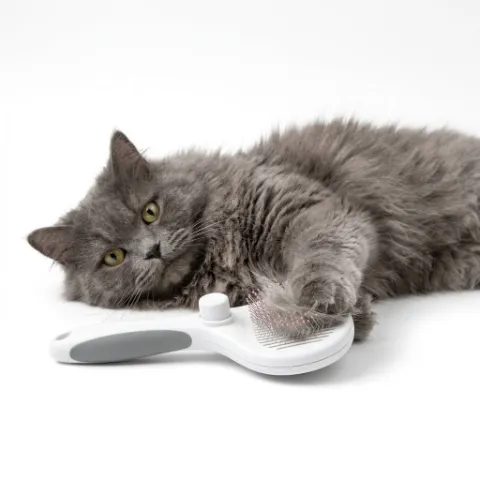
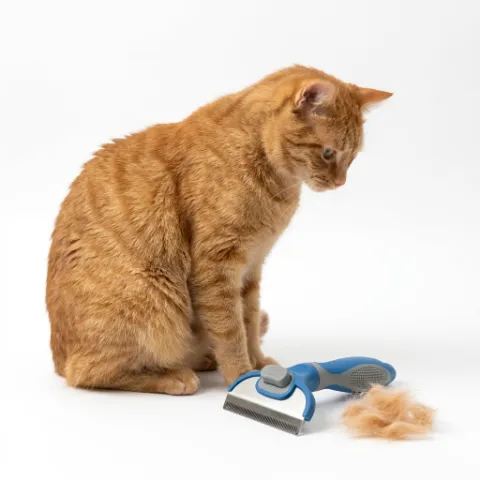
If you only add one thing, make it a brush. A soft rubber brush suits cats who dislike metal pins, and a deshedding tool suits short coats that shed heavily. Our remedy page picks one of each, and the cat brushes guide compares more by coat type. Keep sessions short and stop if your cat's skin looks sore.
Where else can you buy hairball treats?
Pet shops and vet clinics sell hairball treats, pastes and foods, and a vet clinic can tell you which suits your cat. Check the pack for a feeding guide and calories, because label details vary a lot.
When to see a vet
See a vet straight away if your cat has any of these. They can be signs of a blockage or a breathing problem, and a treat won't help:
repeated retching with nothing coming up
vomiting several times in a day
not eating for more than a day, or lethargy
constipation, straining or no poo
a swollen or painful belly
open-mouth breathing, blue or grey gums, or a cough that won't stop
Book a vet check soon if hairballs are more frequent than once every week or two, or if your cat has weight loss, diarrhoea, bald patches or sore skin. VCA says your vet may look for underlying causes behind recurring hairballs. If your cat has eaten something toxic, call your vet or the Animal Poisons Helpline (1300 869 738, 24/7), and see our what can cats eat guide for foods to keep away from cats.
Frequently asked questions
How many hairball treats can I give my cat a day?
Follow the label's cap if it has one, and keep all treats inside about 10% of daily calories. Cherish says start at 4 and don't go past 15 a day unless your vet advises. Churu and Greenies print no count, so use the example table above and your vet's calorie figure for your cat.
Can kittens have hairball treats?
Ask your vet first. The Churu, Greenies and Cherish listings say all life stages, and the Vet's Best listing gives no age range. Cornell says kittens and young cats are less likely to have hairballs, so a retching or off-colour kitten needs a vet check rather than a treat.
Can hairball treats cause diarrhoea or constipation?
Any new food can upset a cat's gut. VCA suggests offering one new treat at a time in a small amount, so you can spot the cause. Stop it and call your vet if your cat has loose poo, vomits or strains. No poo at all is a vet-straight-away sign.
Hairball treats or hairball paste: which should I use?
For occasional hairballs, a treat is easier to give and fits the allowance. A paste is a lubricant, and Cornell says not to give a laxative without your vet's approval. If hairballs are frequent, skip both and see your vet. Our remedy page covers pastes and gels.
Do indoor cats need hairball treats?
Not because they live indoors. Cornell links hairballs to coat length, seasonal shedding and how fastidiously a cat grooms, and doesn't single out indoor cats. A long-haired cat or a heavy shedder may get more, so brushing matters more than the treat. Treats are optional for any cat.
Will a hairball treat help a cat that is gagging right now?
No. A treat is a slow, everyday helper, not a rescue, and the listings only say they may help hair pass. If your cat keeps retching with nothing coming up, or seems unwell or struggles to breathe, call your vet or an emergency clinic.
Are hairball treats OK with a prescription or hairball diet?
Ask your vet first. A treat still counts toward the 10% allowance, and a fibre supplement on top of a hairball diet doubles the fibre, so it needs your vet's say-so. Cats on a prescription diet should have nothing extra until the vet agrees.
What is the difference between hairball treats and hairball cat food?
A treat is a small extra that counts inside the 10% allowance. A hairball food is the cat's main meal, with fibre built into the recipe, and VCA says a vet may suggest one. Our remedy page covers food. Changing a cat's main diet is a vet conversation.
Product details from each linked Amazon Australia listing, checked on 18 Nov 2026.
This guide provides general information and isn't a substitute for veterinary advice. If you're concerned about your cat's hairballs, digestion or appetite, speak with your vet.