Best cat milk: lactose-free milk for cats and kitten formula
By Anish PuriUpdated 7 Nov 202613 min readResearched, not tested by us
Research guide. WhiskerFinds may earn a commission from links, at no extra cost to you.
Quick answer: Cat milk is a lactose-reduced treat made for adult cats, and it's optional, because fresh water is the only drink a cat needs. Ordinary cow's milk can upset many cats' tummies. Our top pick is animonda Milkies Variety. A rescued kitten needs a vet and a kitten milk replacer, never cow's milk.
This guide covers cat milk for adult cats, kitten milk replacer for carers, and the dishes and bottles that go with them. If you're sorting out the whole treat jar, start with our what can cats eat guide and our cat treats guide.
Quick picks
Our top pickBest overall
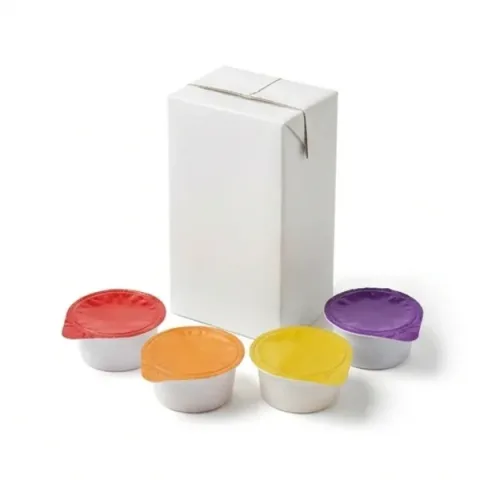
animonda Milkies Variety, 4 x 20 cups
Four flavours of lactose-reduced cat milk in single-serve 15 g cups
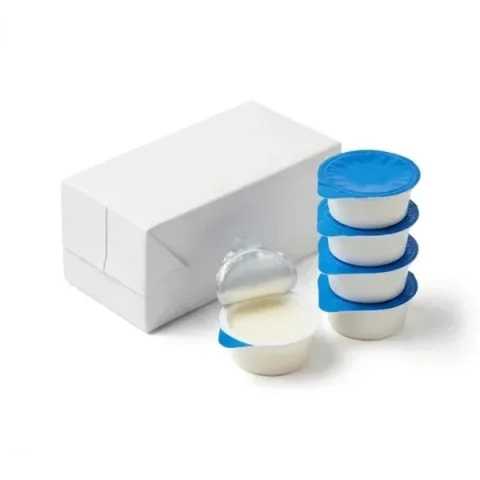
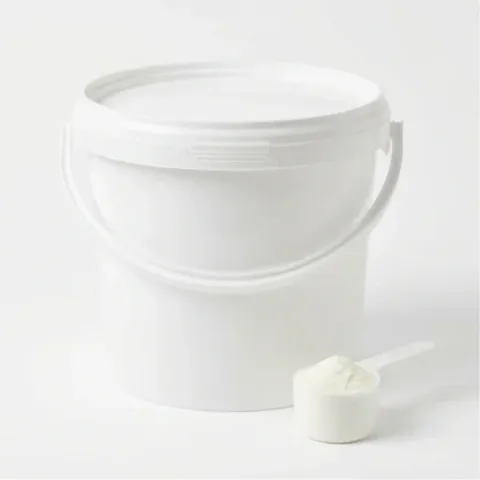
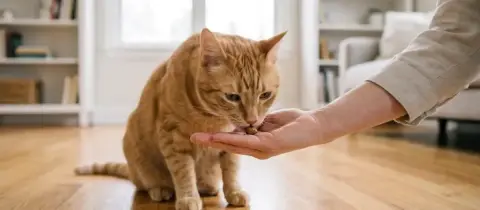
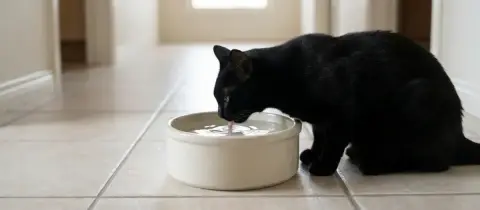
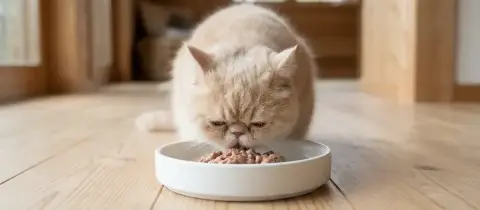
Pictures are illustrations, not the actual products.
Supermarkets and pet shops also sell lactose-free cat milk, and kitten milk replacers such as Wombaroo and Di-Vetelact are also sold through vet clinics and pet shops.
Can cats drink milk?
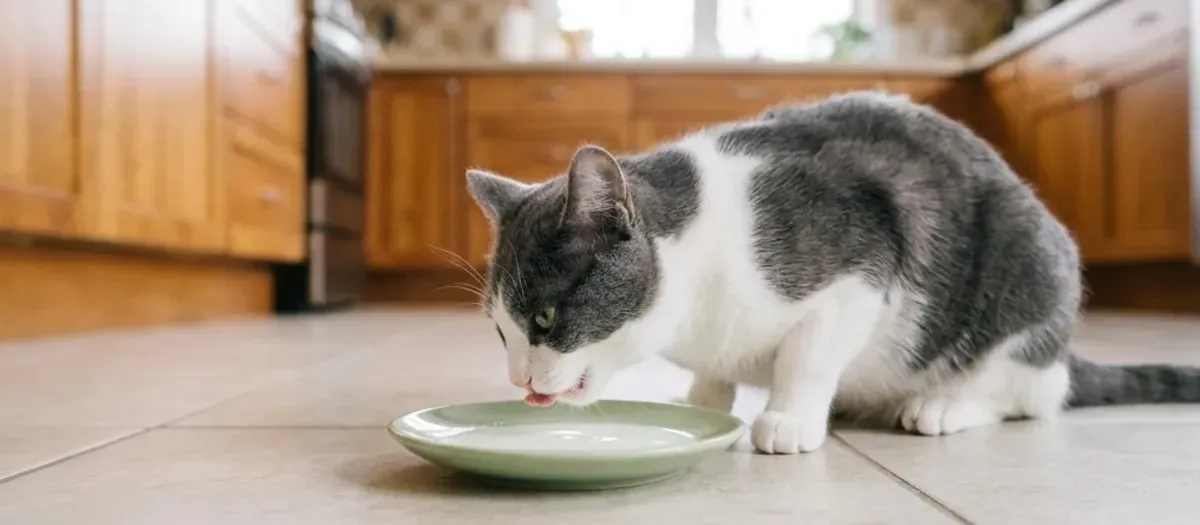
Most adult cats don't need milk and many don't digest it well. Cow's milk can cause diarrhoea, and fresh water is the only drink a cat needs. A lactose-reduced milk made for cats is an occasional treat that counts toward the daily treat allowance, never a replacement for water or meals.
International Cat Care advises avoiding milk because cats can't fully digest cow's, sheep's or goat's milk, which may cause diarrhoea (International Cat Care, page read 7 November 2026). Some cats cope with a little and some don't, so watch how yours responds.
What's the difference between milk and cat milk?
Cat milk is made with most of the lactose removed or reduced, which is the sugar many adult cats struggle to digest. Ordinary milk keeps all its lactose. The Milkies listings say the cups are lactose-reduced, with no added sugar, soy, colours or preservatives. Those are the brand's claims, so read the pack.
Cat milk is still a treat with calories, fat and protein. The Milkies listings give protein 6%, fat 7.5% and moisture 76%, with taurine added.
Our picks in detail
1. animonda Milkies Variety, 4 x 20 cups: best overall
Single-serve cups of cat milk, 15 g each, in a pack of 4 x 20 (80 cups). The listing's main description says lactose-reduced, with no flavour enhancers, soy, sugar, colours or preservatives. It names four flavours (Power, Happy, Passion and Adventure) with tiny amounts of beetroot, carrot, pineapple or cranberry, and gives protein 6%, fat 7.5% and moisture 76%, with taurine added, plus the same 1 to 3 cups a day guide for a 3 to 5 kg cat as the Active pack.
The listing suggests using the cups as a topping, a snack, or dissolved in drinking water. If you try the water idea, keep plain fresh water available too.
Pros: single-serve cups; four flavours to try; lactose-reduced per the listing; adult cats per the listing; protein and fat figures given
Cons: one detail line says lactose-free while the bullets say lactose-reduced, so go by the pack; still a calorie-bearing treat; imported, so the pack's label and feeding guide may not be in English
Best for: an adult cat owner who wants a small cat-made milk treat and a few flavours to try
Skip it if: your cat has a sensitive tummy, kidney disease, diabetes, a weight problem or a prescription diet (ask your vet first), or you need a kitten milk replacer
2. animonda Milkies Active, 4 x 20 cups: best single-flavour pack with a feeding guide
The same 15 g cups, 4 x 20, in the Active flavour, with 1200 g listed. The listing says lactose-reduced, free from added sugar, colours and preservatives, with milk, a little malt and fruit named. It gives the same protein 6%, fat 7.5% and moisture 76%, and a feeding guide of 1 to 3 cups a day for a cat of 3 to 5 kg.
That guide is the listing's, and it counts toward the 10% treat allowance, so your cat may need less. The age field reads "Jungtier", German for young animal, which is unclear. The pack's own guidance wins, and these cups aren't a kitten milk replacer.
Pros: one flavour, easy to rotate; feeding guide by cat weight on the listing; single-serve cups; lactose-reduced per the listing
Cons: the age field is unclear; the guide covers 3 to 5 kg cats only; not a kitten food; imported, so the pack's label and feeding guide may not be in English
Best for: owners who want a weight-based guide on the listing and a single flavour
Skip it if: you have a kitten under a vet's care, a cat under 3 kg or over 5 kg who needs different advice, or a cat on a prescription diet
3. Di-Vetelact Low Lactose powder, 5 kg: best kitten milk replacer for carers
A 5 kg tub of milk replacer powder. The listing calls it a milk replacer for infant animals that have been rejected, orphaned or weaned early, and also a nutritional supplement for all life stages. Ingredients named on the listing are a Di-Vetelact low lactose dairy blend (whey protein concentrate, milk protein concentrate, cream and milk solids), dried vegetable oils, glucose solids, maltodextrin, lecithin, mixed tocopherols, sucrose, FOS prebiotics and taurine. The listing says to follow the packaging for directions. It never names cats or kittens, so ask your vet whether it suits your kitten before you use it.
Many other claims on the listing (calming, anti-inflammatory, coat) are the brand's, and we haven't found a vet source for them.
Pros: low lactose blend; ingredients and directions given; made for infant animals; large tub suits carers
Cons: 5 kg is far more than one kitten needs; made for many species, not cats only; the listing weight field says 1 kg while the tub is 5 kg; broad health claims are the brand's; ask your vet about mixing and amounts
Best for: foster carers, shelters and breeders raising several kittens
Skip it if: you have one kitten, or want a smaller tub made only for cats
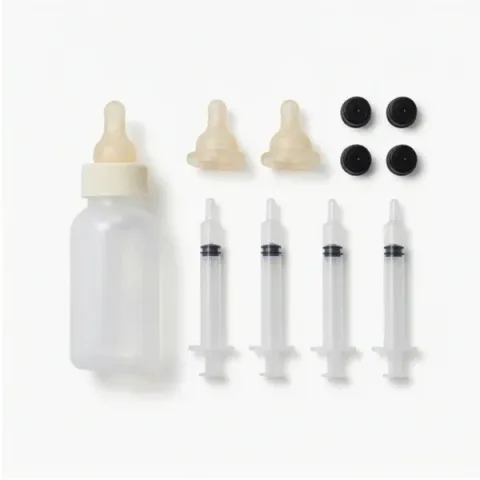
4. Mini Pet Feeding Bottle and Syringes kit: best bottle kit for a hand-raised kitten
A kit with a 50 ml bottle, four mini teats, two 3 ml syringes, two 1 ml syringes and four caps. The listing says the teats are food-grade silicone, come with a pre-made small hole and are washable and reusable. It's listed for newborn kittens, puppies and other small animals.
A vet should show you how to bottle-feed safely, because a kitten that's cold or weak needs help first.
Pros: bottle and syringes in one kit; four spare teats; silicone and washable per the listing; small 50 ml size
Cons: the listing says battery powered, which doesn't fit a plain bottle, so check the contents; the unit count reads 1 ml; made for many small animals, not kittens only; imported, so check the delivery details on Amazon before you order
Best for: carers whose vet has asked them to bottle-feed a kitten
Skip it if: you haven't spoken to a vet yet, or your kitten still has its mother
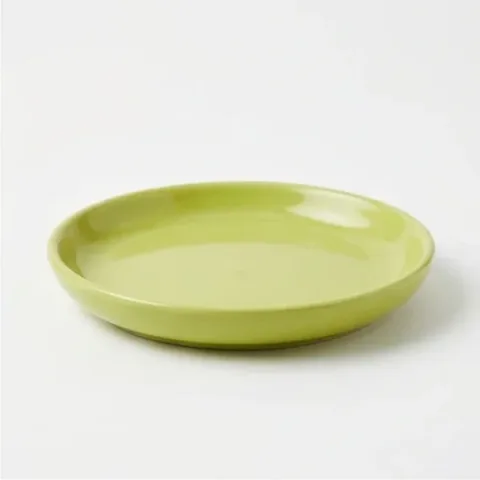
5. Nobby Ceramic Cat Milk Dish, 14 cm: best dish for serving
A small light green ceramic dish, 14 cm across and 2 cm high, with a listed capacity of 0.1 L and a weight of 0.3 kg. The listing says it's non-slip and hand wash only. Wash it after each use.
Pros: shallow, wide shape; ceramic; non-slip per the listing; small enough for a treat serve
Cons: hand wash only; it holds 0.1 L, so it's too small for a main water bowl; imported, so check the delivery details on Amazon before you order
Best for: serving a small cat milk treat
Skip it if: you want a main water bowl (see our cat water bowl guide) or a food bowl
Is lactose-free milk OK for cats?
Cat-made milk is the safer choice. We didn't find a vet source that clears lactose-free milk made for people, which can still carry the fat and calories of ordinary milk and isn't designed around a cat's needs. If you want to try it, ask your vet first and keep it tiny.
Milk made for cats is lactose-reduced, so it removes the main digestive problem, and it's made with cats in mind. Even then, it's a treat.
How much cat milk can a cat have?
Treat it as part of the treat allowance. Vets commonly say treats should stay at about 10% of the day's calories, with the rest from complete and balanced food (VCA Hospitals, page read 7 November 2026). Milk, treats and kitchen scraps all count toward that 10%.
The Milkies Active listing gives a feeding guide of 1 to 3 cups a day for a 3 to 5 kg cat. That's the listing's guide and it still counts toward the 10%, so a small or less active cat may need fewer. Follow the pack, and ask your vet for your cat's real allowance.
Found an orphaned kitten?
Contact a vet or your local shelter straight away. A young kitten needs a kitten milk replacer made for kittens, not cow's milk, and a vet can show you how to feed safely. VCA Hospitals says kittens don't feed well when cold, so ask the vet how to warm the kitten safely while you wait.
VCA Hospitals says commercial kitten milk replacers are recommended over cow's milk and homemade mixtures, and to follow the label instructions. It adds that kittens don't eat well when they're cold, and that a vet can show you other feeding methods and help with a kitten too weak to suckle (VCA Hospitals, page read 7 November 2026). PetMD says kittens lack the enzymes to digest lactose, so cow's milk can quickly cause diarrhoea and dehydration in very small kittens (PetMD, page read 7 November 2026).
We haven't given amounts or schedules here on purpose. They depend on the kitten's age and weight, so your vet and the product label are the right guides. Once your kitten is weaned, see our best kitten food guide for complete wet and dry foods.
What can I give a kitten to drink?
A kitten that's still on milk needs its mother's milk or a kitten milk replacer, as VCA Hospitals and PetMD advise. Call a vet or shelter if there's no mother. Kitten replacer comes in powders and ready liquids, and vet clinics and pet shops also sell it. Follow the label and your vet's advice, because a young kitten's needs depend on its age.
Cat milk compared
Details from each Amazon Australia listing, checked on 7 Nov 2026. Brand claims are marked as the listing's.
Swipe sideways to see every column
Pick
Type
Pack or size
For (per listing)
Key facts
Milkies Variety
Lactose-reduced cat milk cups
4 x 20 cups of 15 g (80 cups)
Adult cats
Protein 6%, fat 7.5%, taurine added; four flavours named
Milkies Active
Lactose-reduced cat milk cups
4 x 20 cups of 15 g, 1200 g listed
Age field unclear
Guide of 1 to 3 cups a day for 3 to 5 kg
Di-Vetelact
Milk replacer powder
5 kg tub
Infant animals, all life stages
Low lactose; cats not named on the listing
Feeding bottle kit
Bottle and syringes
50 ml bottle, 4 teats, 4 syringes
Newborn kittens, puppies and other small animals
Silicone teats; 2 x 3 ml and 2 x 1 ml syringes
Nobby dish
Ceramic dish
14 cm across, 2 cm high, 0.1 L
Cats
Ceramic, hand wash only
Choose by situation
Swipe sideways to see every column
Your situation
What to look for
Our pick
Adult cat, you want a small treat
Lactose-reduced cat milk in single-serve cups
animonda Milkies Variety
Orphaned or rejected kitten
Vet or shelter now, then a kitten replacer and bottle
Ask your vet; Di-Vetelact and the bottle kit if they agree
We searched Amazon Australia for cat milk, kitten milk replacer and feeding bottles and shortlisted ones that met all of these checks:
Well rated: a strong average rating with plenty of buyer reviews.
No red flags: no pattern of poor reviews, safety complaints or listing problems.
Available on Amazon Australia when we checked.
Lactose wording on the listing (reduced or free) and any mismatch.
Who the listing says it's for (adult cats, kittens, many species).
Pack size and serving size stated.
A feeding guide where the listing gives one.
These are researched picks, not products we've personally tried. We compared the specifications and features shown on each Amazon Australia listing, checked on 7 Nov 2026. We didn't accept payment from any brand, and no brand saw this page before it was published.
Left out this time: a kitten formula whose listing gave no ingredients or directions, other kitten bottle sets that didn't pass our checks, other Milkies flavours (same cups, different flavourings), and cow's, goat's and plant milks.
When to see a vet
See your vet if your cat has vomiting or diarrhoea after milk or any new food, stops eating for more than a day, loses or gains weight, or drinks much more or much less than usual. Cats with kidney disease, diabetes or a prescription diet need the vet's go-ahead before milk.
A kitten that won't feed, or is cold or weak, needs a vet straight away. Cow's milk can quickly cause diarrhoea and dehydration in very young kittens.
Frequently asked questions
Is cat milk good for cats?
It's a treat, not a need. Cat milk is lactose-reduced, so it's gentler than cow's milk, but it still carries calories. Keep it within the treat allowance of about 10% of the day's calories, and ask your vet first if your cat has kidney disease, diabetes or a weight problem.
Can kittens drink milk?
Kittens need their mother's milk or a kitten milk replacer, not cow's milk, which can cause diarrhoea and dehydration in very small kittens. If a kitten has no mother, contact a vet or shelter straight away and follow the replacer's label.
Can cats drink milk every day?
No. Milk made for cats is a treat that counts toward the 10% allowance, and fresh water is the only drink a cat needs. Daily milk adds calories, so ask your vet first if your cat is overweight or has kidney disease or diabetes.
What kind of milk is OK for cats?
For an adult cat, a lactose-reduced milk made for cats, in small amounts within the treat allowance. For a kitten with no mother, a kitten milk replacer made for kittens. International Cat Care says cow's, sheep's and goat's milk can't be fully digested by cats. PetMD says plant milks such as almond, oat, soy and coconut are also not a good idea (PetMD, published 1 August 2023). Fresh water is the drink every cat needs.
Can kittens have cat milk such as Milkies?
The Variety cups are listed for adult cats, the Active listing's age field is unclear, and neither is a kitten milk replacer, so don't use them to feed a kitten. A kitten that still needs milk needs its mother or a replacer made for kittens, with a vet's advice. Once weaned, ask your vet before offering any treat.
Can cats have almond or coconut milk?
Plant milks aren't recommended for cats. PetMD says almond, oat, soy and coconut milks are not a good idea for cats, and notes they can be high in fat and contain sugars or additives. If you want a milky treat, a milk made for cats in small amounts is the better choice.
Can cat milk replace water?
No. Cats need fresh water at all times, and milk is a treat on top. Put water bowls away from food, offer more than one, and talk to your vet if your cat suddenly drinks much more or much less.
Product details from each linked Amazon Australia listing, checked on 7 Nov 2026.
This guide provides general information and isn't a substitute for veterinary advice. If you're concerned about your cat's or kitten's feeding, speak with your vet.