Silvervine for cats: what it does, safety and best picks
By Anish PuriUpdated 20 Oct 202610 min readResearched, not tested by us
Research guide. WhiskerFinds may earn a commission from links, at no extra cost to you.
Quick answer: Silvervine is a plant that can make cats lick, rub and roll much like catnip does, and in one study slightly more cats responded to it than to catnip, and the responses were stronger. Our top pick is Meowy Janes Silver Vine powder. We skip silvervine sticks because wood can splinter.
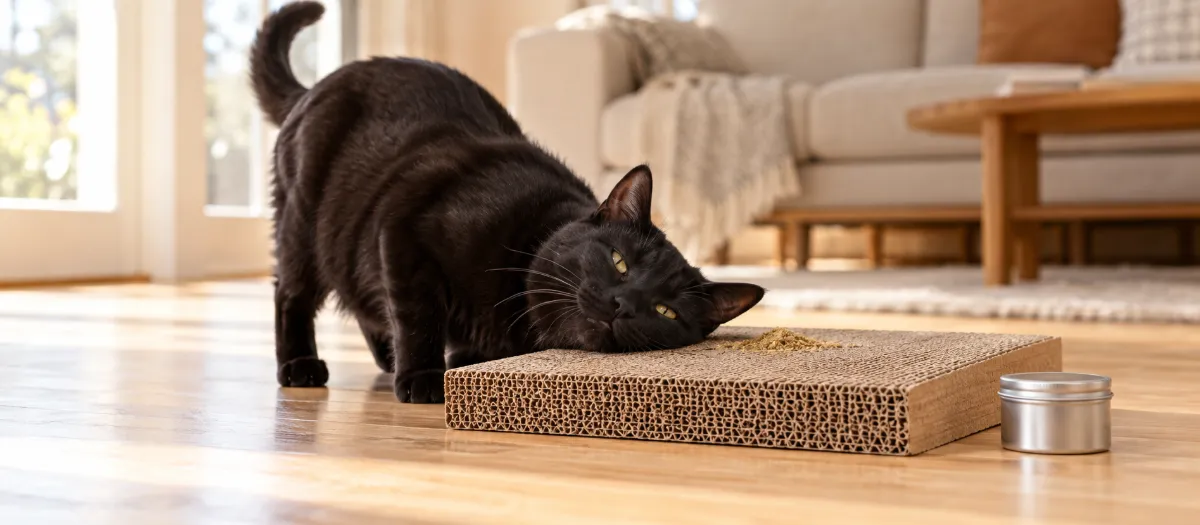
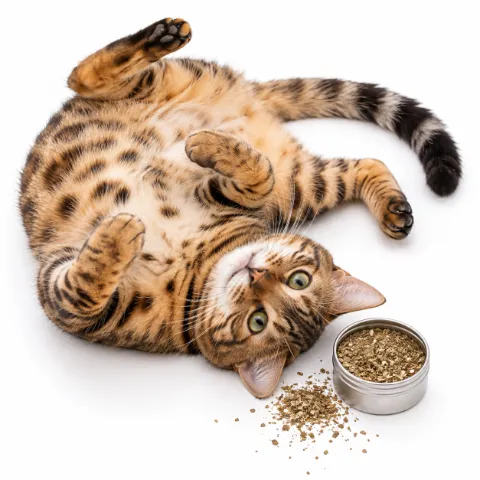
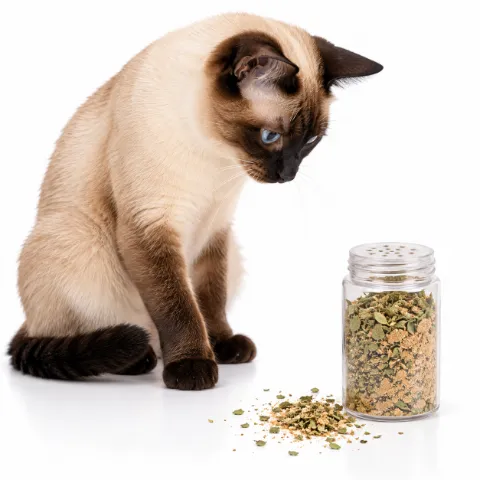
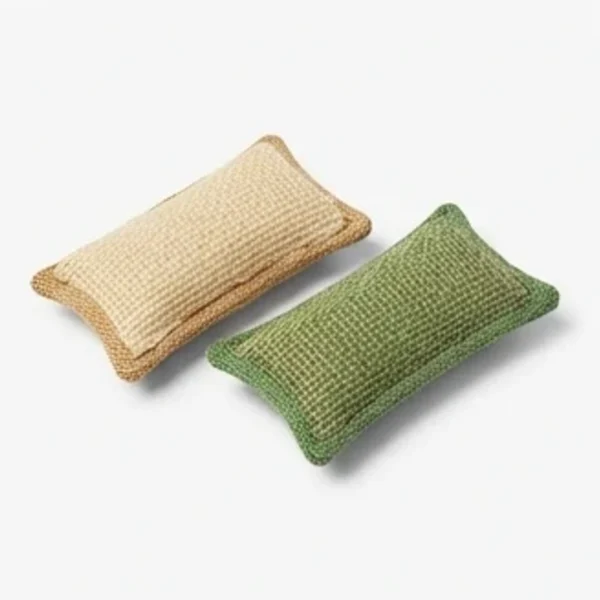
Illustration, not the actual product
Our top pickMeowy Janes Silver Vine powder, 45 g tin
This guide explains what silvervine is, how it compares with catnip and which two forms we'd pick. It sits alongside our guide on what catnip does to cats and our catnip toys picks.
Quick picks
Our top pickBest overall
Meowy Janes Silver Vine powder, 45 g tin
Silvervine granules in a reusable tin, no sticks to splinter
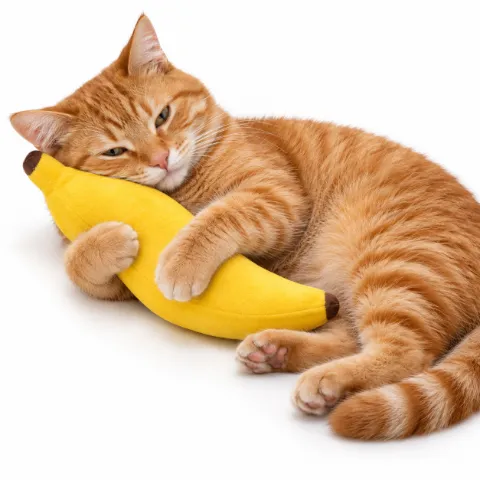
Pictures are illustrations, not the actual products.
Both are loose plant material, so they can't splinter, but a cat can still eat a pinch. Use a little at a time (see how to use silvervine powder).
What is silvervine?
Silvervine (Actinidia polygama, also called matatabi) is a climbing plant. For cat products, the useful part is usually the dried fruit gall, ground to a powder, though sticks, leaves and blends are also sold. Most listings you'll see on Amazon Australia are powder, sticks or blends with catnip.
In the main study on silvervine and cats, the most effective form was powder made from dried fruit galls. The normal fruit, leaves and woodchips were largely ineffective in the nine cats they were offered to (one cat responded to woodchips) (Bol et al., BMC Veterinary Research, March 2017). So if you're going to try it, powder is the form with the best evidence behind it, and it's also the form that can't splinter.
What does silvervine do to cats?
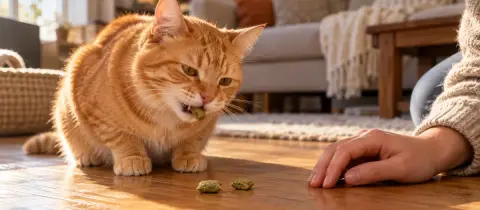
Silvervine can make a cat sniff, lick, chew, rub their cheeks and face on it, roll over and sometimes drool, a lot like catnip. The main driver is a compound called nepetalactol, which researchers found in silvervine leaves (Uenoyama et al., Science Advances, January 2021).
The same study found the rubbing may have a practical purpose. When cats rubbed on nepetalactol, mosquitoes landed less often on them in the lab tests. It's a likely explanation for the behaviour, but it doesn't mean silvervine is a pest treatment, and it shouldn't replace your usual parasite protection.
Cats that respond often seem to be having a good time, then wander off after a short while. PetMD's vet-written page says the effects last up to 30 minutes (PetMD, updated 19 December 2024). Some cats don't respond at all, and that's normal.
Our picks in detail
1. Meowy Janes Silver Vine powder, 45 g tin: best overall
Granules in a reusable tin. The listing says the silvervine is processed in the USA from the raw fruit, and that you sprinkle it on toys, scratchers or beds. The listing also makes claims such as "nearly 80% of cats react" and "stronger than catnip". Those are the maker's words, not something we've verified. It's imported.
Pros: powder, so no splinters; reusable tin for storing it; the listing says it's made from the raw fruit
Cons: Imported, so check the delivery details on Amazon before you order; a plant powder can be messy; not every cat will react
Best for: cats that ignore catnip, and owners who want to try silvervine in its best-evidenced form
Skip it if: your kitten is very young, or you'd rather have a toy than loose powder
A blend of organic catnip leaves and silvervine powder in a shaker. The listing says it's for cats that react to one or the other, which makes it a sensible way to cover both.
Pros: covers catnip and silvervine in one product; easy to sprinkle
Cons: a shaker of loose plant material can be messy; you can't tell which plant your cat is responding to
Best for: cats you haven't tried on either plant yet
Skip it if: you want to test silvervine on its own, or you'd rather skip loose powder
Silvervine vs catnip: how do they compare?
Both plants can trigger the same kind of play, but silvervine got a response from more cats in the best-known study. In 100 pet cats, 79% responded to silvervine and 68% to catnip. The difference in the number of responders wasn't statistically significant, but silvervine responses were stronger (Bol et al., 2017).
Swipe sideways to see every column
Silvervine
Catnip
Plant
Actinidia polygama
Nepeta cataria, a mint-family herb
Key compounds
Nepetalactol (Uenoyama 2021)
Nepetalactone
Cats that responded in Bol 2017
79%
68%
Form used in the study
Powder from dried fruit galls
Dried leaves and flowers
How to use
A tiny pinch on a toy, scratcher or bed
A tiny pinch, or a catnip toy
The part that matters for owners: of the cats in that study that didn't respond to catnip, 22 of 31 (71%) did respond to silvervine. So if your cat shrugs at catnip, silvervine is a reasonable thing to try. Our catnip toys guide covers the catnip side.
Is silvervine safe for cats?
Silvervine is generally considered safe for cats. The Bol study authors say the plants they looked at are generally considered safe, not toxic and not addictive for cats, but they also note there is no cat-specific data. PetMD says large amounts can upset the stomach.
So the plant itself is low risk, and the real risks come from the form and the amount. Fragments of chew sticks can cause choking or an intestinal blockage, according to PetMD. A tiny pinch of powder, offered now and then, avoids that. Enrichment plants are not a treatment for anxiety, stress or behaviour problems, and a cat whose behaviour changes suddenly should see a vet.
Young kittens often don't react. International Cat Care says kittens under about three months old don't respond to catnip (International Cat Care, updated 26 September 2025), and some cats only start responding when they're older. Don't read much into a kitten shrugging silvervine off.
Why we don't recommend silvervine sticks
We left silvervine sticks out of our picks because they're wood, and wood can splinter or break into pieces a cat may swallow. PetMD advises watching cats closely with new chews because fragments can cause choking or intestinal obstruction.
Vet sources are clear that swallowed objects in cats can be serious. VCA Animal Hospitals says a foreign body can be potentially life-threatening and to contact a vet as soon as possible if you think your cat has swallowed one (VCA Animal Hospitals, updated August 2024). Cats also hide illness well, so waiting to see what happens isn't a good plan.
Some stick listings suggest the chewing helps clean teeth. We couldn't find a credible source that backs that up for silvervine sticks. Products that have shown a plaque or tartar effect carry the Veterinary Oral Health Council seal, and we haven't seen it on a silvervine stick. If dental health is the goal, look at products with proven results instead (see our dental treats guide and how to clean your cat's teeth).
If you already have sticks and want to use them anyway, stay in the room, take the stick away once it splinters or gets small, and throw it out. We'd still choose powder.
Silvervine compared
Details from each Amazon Australia listing, checked on 20 Oct 2026.
We searched Amazon Australia for silvervine products, then shortlisted ones that met all of these checks:
Well rated: a strong average rating with plenty of buyer reviews.
No red flags: no pattern of poor reviews, safety complaints or listing problems.
Available on Amazon Australia when we checked.
Silvervine named on the listing.
A form that can't splinter (powder or loose blend).
These are researched picks, not products we've personally tested. We compared the specifications and features shown on each Amazon Australia listing, checked on 20 Oct 2026. We didn't accept payment from any brand, and no brand saw this page before it was published.
Left out this time: silvervine sticks and stick packs (splinter and swallowing risk), silvervine and catnip sprays (plant extracts), and silvervine toys that didn't pass our red flags check.
How to use silvervine powder
Start with a tiny pinch. Sprinkle it on a scratcher, a cardboard box, a bed or a toy. Less is plenty.
Stay nearby and watch. Rolling, rubbing and licking are normal. If your cat eats a lot of it, stop.
Keep it occasional. The scent can lose its pull if it's out all the time. Offering it now and then keeps it interesting, and we'd keep sessions short.
Store it sealed and out of reach. Put the lid back on and keep the tin where your cat can't get it.
Pair it with play. A wand toy or puzzle from our cat toys guide turns it into exercise. Never leave string or ribbon toys out.
Call your vet urgently if your cat may have swallowed a piece of a stick or toy, or if they gag, vomit, drool, paw at their mouth, have a mouth injury or stop eating. A swallowed object can be an emergency.
Book a check if your cat's behaviour or routine changes suddenly, or if stomach upset carries on after silvervine. Silvervine is enrichment, not a treatment for anxiety or stress. For more on safe indoor enrichment, see our indoor cat guide.
Frequently asked questions
What happens when a cat sniffs silvervine?
Silvervine can make cats sniff, lick, chew, rub their face and roll, much like catnip. Researchers link the response to nepetalactol, found in silvervine leaves. Some cats show no response at all. Read more in what does silvervine do to cats.
Is silvervine safe for kittens?
Silvervine is generally considered safe, but young kittens often don't react. International Cat Care says kittens under about three months old don't respond to catnip, and some cats only start responding when they're older. Offer only a tiny pinch of powder, keep sticks away, and check with your vet if your kitten has a health problem.
Is silvervine stronger than catnip?
In one study of 100 cats, silvervine responses were stronger than catnip responses, and more cats responded to silvervine (79% against 68%). The difference in responder numbers wasn't statistically significant (Bol et al., 2017). Individual cats vary, so try a tiny pinch of each and watch your own cat.
Can cats have silvervine every day?
We didn't find a vet source that sets a safe daily amount. PetMD says to use it as directed and ask your vet. We'd keep it occasional, in tiny amounts, and stop if your cat has stomach upset. Large amounts can upset the stomach.
Are silvervine sticks good for cats' teeth?
We didn't find a credible source showing that silvervine sticks clean cats' teeth, and wood can splinter. Brushing is the best-supported home routine. See our dental treats guide for options that have been checked, and why we skip sticks.
What if my cat doesn't react to silvervine or catnip?
That's common. Among the cats in the Bol study that skipped catnip, Tatarian honeysuckle wood drew a response from 32% and valerian root from 19%. We don't recommend a product for them, and play with a wand toy works well for many cats.
Product details from each linked Amazon Australia listing, checked on 20 Oct 2026.
This guide provides general information and isn't a substitute for veterinary advice. If you're concerned about your cat's health or behaviour, speak with your vet.