Cat netting for balconies: the best nets and how to fit them safely
By Anish PuriUpdated 30 Oct 202614 min readResearched, not tested by us
Research guide. WhiskerFinds may earn a commission from links, at no extra cost to you.
Quick answer: Cat netting for balconies works best when it closes every open side and any open top, so your cat has no way out. Our top pick is the JUMXSRLE Wire-Reinforced Cat Netting, which suits chewers and high balconies. The JUMXSRLE Clear Nylon net is the low-visibility choice for calm cats.
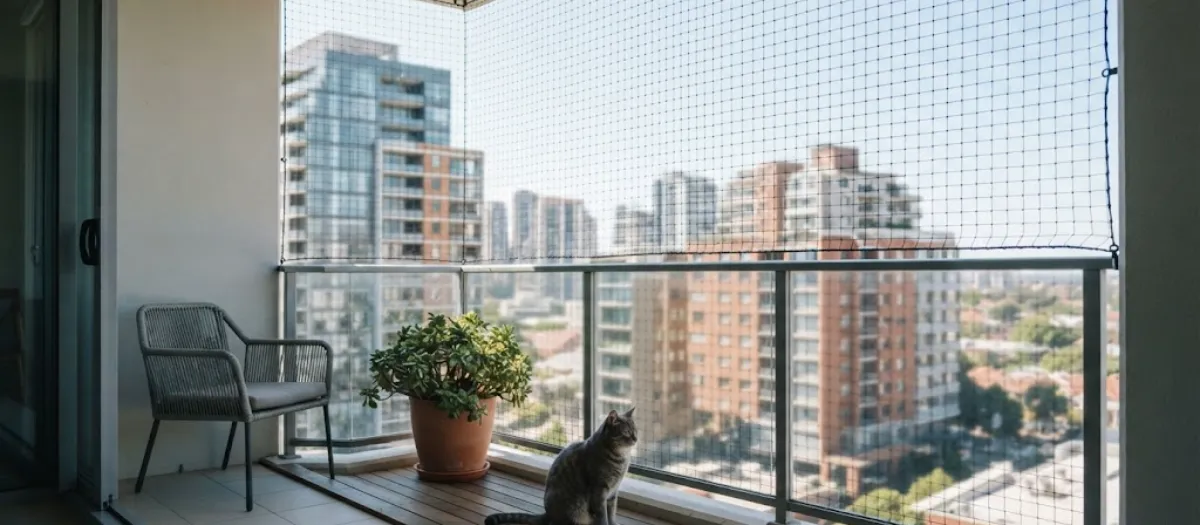
Illustration, not the actual product
Our top pickJUMXSRLE Wire-Reinforced Cat Netting, 6 x 3 m
A balcony can be a lovely patch of fresh air for an apartment cat, but only if it is properly enclosed. This guide compares two cat nets on Amazon Australia, explains how much net you need, and covers fitting, strata and landlord permission, and keeping your cat safe once the net is up. For other ways to give a cat outdoor time, see our catio ideas hub.
Quick picks
Our top pickBest overall
JUMXSRLE Wire-Reinforced Cat Netting, 6 x 3 m
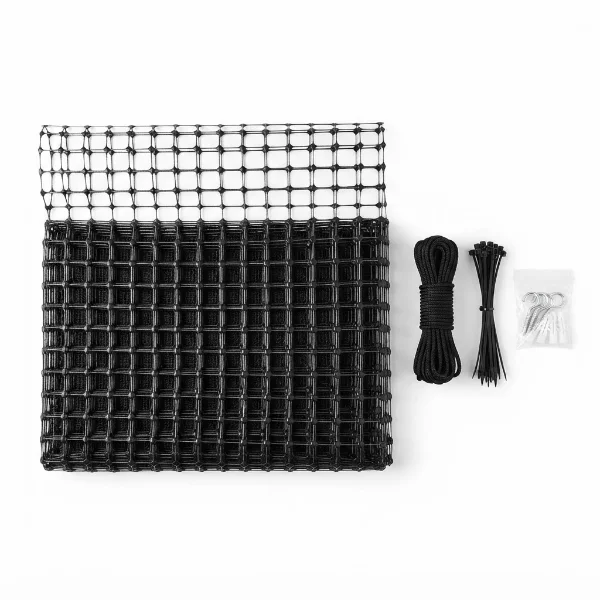
HDPE net with steel wire inside, 3 x 3 cm mesh; the listing says it resists cat bites, sun and weather
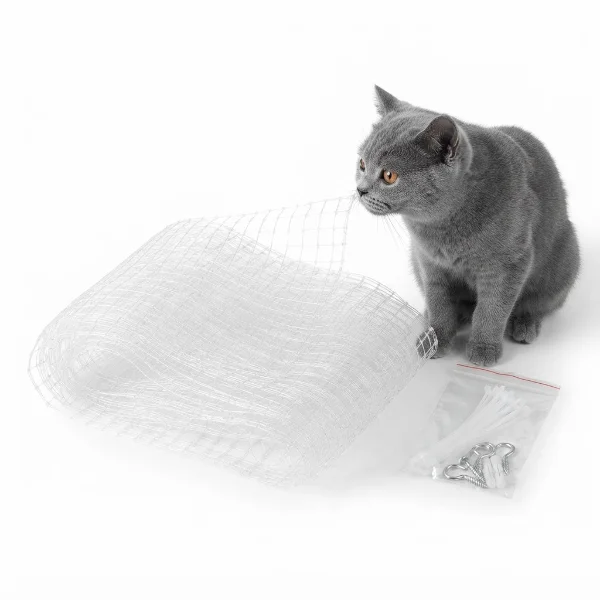
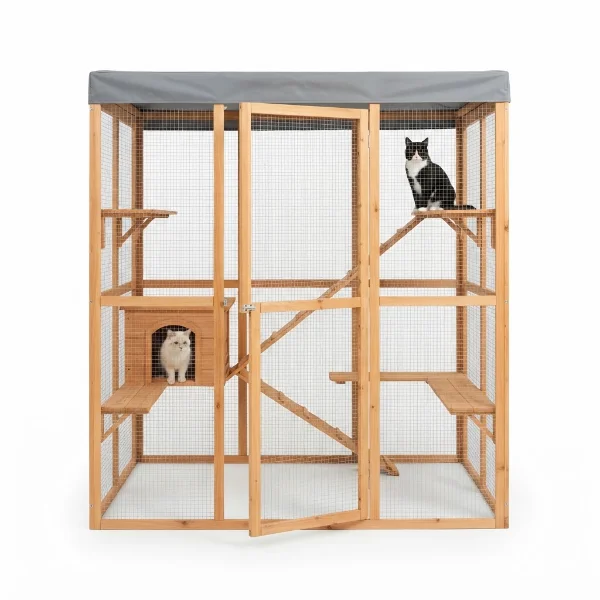
Pictures are illustrations, not the actual products.
Both nets come from the same brand. Most cat nets on Amazon Australia right now are new listings, and these two have been sold for longer, which is why they are the two we are comfortable recommending.
Is cat netting safe for cats?
Yes, when it is the right type, fitted with no gaps and checked often. Cat netting exists to stop falls, which can cause serious injuries. Poor fitting is the main risk: a loose edge or a gap at a corner can trap a head or paw, or let a determined cat squeeze out.
The Cat Protection Society of NSW says cats can lose their footing after a fright or while chasing a bird, and that falls can cause broken limbs, jaw and pelvic fractures and internal injuries that may not show straight away. It recommends cat-safety netting that resists UV and chewing, run from floor to roof so the balcony is fully enclosed (Cat Protection Society of NSW, balcony safety factsheet, page read 30 October 2026).
That is the standard to aim for. A net across the railing only, with the top left open, is not an enclosure if your cat can climb a post, a chair or the net itself. Cover the top as well as the sides wherever there is a way up. A net is a safety tool, not a reason to leave your cat out alone for hours, so read keeping your cat safe on a netted balcony below.
Wire-reinforced or nylon: which cat netting is best?
Wire-reinforced net is the tougher choice and suits cats that chew, scratch or climb. Clear nylon is lighter and almost invisible, so it suits calm cats on a balcony where the view matters. Neither is a cure for a cat that is set on escaping.
Here is how the two differ on their listings:
Wire-reinforced: HDPE (a hard plastic) with steel wire running through it. The listing says it is resistant to cat bites, wear and tear, and to sun and weather, with 3 x 3 cm mesh. It says it resists sun and ageing for up to 3 years, which is the brand's claim, so keep checking it yourself. It is black, so it is more visible than a clear net.
Clear nylon: nylon that the listing says is UV and weather resistant and bite and tear resistant. Plain nylon is softer than a wire-reinforced net, so a chewer or a determined climber can damage it. It is much lighter too, about 0.31 kg for the 3 x 4 m size, against about 1.13 kg for the 6 x 3 m wire net.
The Cat Protection Society notes that transparent netting can help satisfy building rules and keep views clear, which is a fair reason to pick nylon in a strata building. If your cat chews, scratches at barriers or has already tried to climb the railing, choose the wire-reinforced net.
Our picks in detail
1. JUMXSRLE Wire-Reinforced Cat Netting: best overall
An HDPE net with steel wire reinforcement and 3 x 3 cm mesh. The listing says it resists cat bites, wear, sun and weather, and that it resists sun and ageing for up to 3 years. It comes in 4 x 3 m, 6 x 3 m and 8 x 3 m, and we linked the 6 x 3 m size, which weighs about 1.13 kg. It can be cut to size. The box has the net, rope, cable ties, screw-in hooks, expansion anchors and instructions. It is made in China, per the listing.
Pros: wire reinforcement for chewers and climbers; weather and sun resistant per the listing; can be cut to size; fixings included; three sizes
Cons: check on arrival that the wire is actually in the net before you cut or fit it, because a net without it is only as strong as plain plastic; fitting takes time; renters who can't drill need a no-drill method; black net is more visible than clear
Best for: cats that chew or scratch, and high or sunny balconies
Skip it if: you want the least visible net, or you can't fix to the building at all
2. JUMXSRLE Clear Nylon Cat Netting: best low-visibility
A transparent nylon net, linked in the 3 x 4 m size and weighing about 0.31 kg. The listing says it is UV and weather resistant and bite and tear resistant, and that it can be cut to fit. It comes with rope, cable ties, screw-in hooks and expansion anchors. Other sizes are listed, including 8 x 3 m.
Pros: almost invisible, so it keeps your view; very light; can be cut to fit; fixings included
Cons: plain nylon is softer than wire-reinforced net, so a determined chewer or climber can damage it; it needs checking often; we couldn't confirm the mesh size, so check the listing before you buy
Best for: calm cats that don't chew, and balconies where the view matters
Skip it if: your cat chews, scratches at barriers or climbs
How much cat netting do I need?
Measure every open side from floor to ceiling, add the top if it is open, then add a little extra for overlaps and fixing. Cats need a fully closed space, so a net that is a bit short leaves a gap. Measure twice and buy one size up if you are between sizes.
Work it out like this:
Each open side: width x height, from the floor (or the top of a solid balustrade) up to the ceiling or roof line.
The top: if there is no ceiling or solid roof above, measure the width x depth of the balcony as well.
Add extra: a hand's width or more on every edge, so you can fold it over and fix it.
An example, so the numbers make sense: a balcony 3 m wide and 1.5 m deep with a 2.4 m ceiling has a front of 3 x 2.4 m and two sides of 1.5 x 2.4 m. Cat netting is sold as one piece, so you cut it to size. The listings say both nets can be cut to fit, so a 6 x 3 m wire net could cover a front and a side. The wire net comes in 4 x 3 m, 6 x 3 m and 8 x 3 m sizes; the clear net's listing includes an 8 x 3 m size as well as the 3 x 4 m one we linked. Check the size shown before you add to cart.
Cat netting compared
Details from each Amazon Australia listing, checked on 30 Oct 2026.
We searched Amazon Australia for cat netting made for balconies, then shortlisted nets that met all of these checks:
Well rated: a strong average rating with plenty of buyer reviews.
No red flags: no pattern of poor reviews, safety complaints or listing problems.
Available on Amazon Australia when we checked.
Lists the net material and mesh size (we couldn't confirm the clear net's mesh size, so check the listing before you buy).
Can be cut to size.
Fixings included in the box.
Comes in sizes that fit a typical balcony.
These are researched picks, based on specifications rather than use in our own homes. We compared the features shown on each Amazon Australia listing, checked on 30 Oct 2026. We didn't accept payment from any brand, and no brand saw this page before it was published.
Left out this time: brand-new nets with little buyer history, railing-only nets that leave the top open, and privacy screens sold as cat nets.
How do I fit cat netting to a balcony?
Fix the net to solid points all the way round, pull it taut and leave no gap your cat could push a head through. Overlap joins and fix them closely. Work from the top down. Once it is up, press along every edge and corner with your hand to find soft spots.
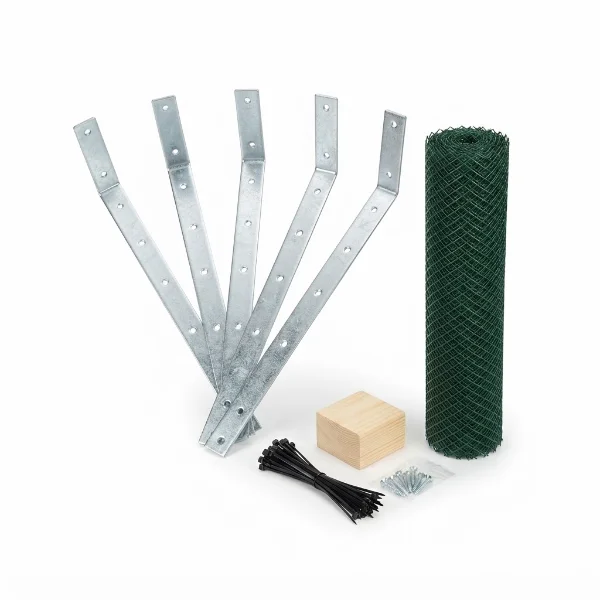
Both nets include rope and cable ties, and both listings include screw-in hooks and expansion anchors, so they are made for fitting with a drill. Wear gloves and eye protection when you cut wire-reinforced net, and use cutters made for the job.
With drilling
Mark fixing points along the ceiling edge and each side wall, close together, so the net can't sag between them.
Check for hidden pipes and wiring before you drill. Never drill into a waterproof surface or a railing that isn't yours to alter without asking first.
Fit the screw-in hooks (with the expansion anchors in masonry), hang the net from the top and tie it off with the rope.
Pull the net tight along the bottom edge and fix it to the floor or base of the railing so there is no gap beneath it.
Secure joins and corners with cable ties, trim the ends so they can't be chewed, and check every edge.
Without drilling (for renters)
Renters can still enclose a balcony without drilling. These options are general ideas, so check the fixings are strong enough for your balcony and your lease allows them:
Tension poles or clamps: poles that wedge from floor to ceiling, or clamps on the railing, give you fixing points without holes.
Cable ties on the railing: thread the net to the existing balustrade with cable ties along its length.
Adhesive hooks only for light top edges: they can hold a light net edge but not the weight of a climbing cat, so never rely on them for the load-bearing parts.
Weigh down the bottom edge: heavy planters or a rail along the floor stop the base lifting.
No gaps: fold the net at corners and where it meets walls, and tie it off closely.
Before you let your cat out, push on the net in several places and check that nothing gives or slips.
Do I need permission from strata or my landlord?
Often, yes. A net fixed to the building can count as a change to common property or to the outside of the building, and renters usually need their landlord's written consent too. Rules vary by state and by scheme, so ask your strata manager or agent first and keep the reply in writing.
NSW is one example. The NSW Government says by-laws that ban all pets aren't valid, that an owners corporation can set rules about how pets are kept, and that renters also need their landlord's consent (NSW Government, Pets in strata, last updated 22 June 2026). Its renovation page says changes that affect the outside of a property are major renovations needing an owners corporation vote, and that work affecting common property may need by-law changes (NSW Government, Strata renovation rules, last updated 22 June 2026). Neither page mentions cat netting, so ask what your scheme says.
Other states have their own strata rules, so check your state's government page. A clear net or a no-drill fit is often easier to get agreed, but it is still worth asking. Your council may also have its own rules about cats and containment, which we cover in cat curfew rules in Australia.
Keeping your cat safe on a netted balcony
Sit out there with your cat several times before leaving them alone, check the net daily, and never leave them out in heat, storms or for long stretches. Always have shade, fresh water and an easy way back inside. A net lowers the risk of a fall but does not remove it.
The Cat Protection Society suggests sitting on the balcony with your cat first, so you can see whether the space is escape-proof and your cat can settle. Then keep these habits:
Check the net every day: look for chewing, loose cable ties, stretched or sagging sections and gaps at corners. Wire-reinforced net still needs checking, and plain nylon needs it more.
Keep furniture away from the net: a chair, planter or shelf against the net gives your cat a way to climb onto it or over it. Place climbing posts and perches well back.
Plan for sun and wind: a high balcony can be hot and gusty, and a west or north-facing balcony can get strong afternoon sun. Give shade, a water bowl or cat water fountain, and bring your cat in when it is hot. Our guide to keeping cats cool in summer has more.
Offer something to do: a cat tree kept clear of the net, safe plants like cat grass or catnip, and a few cat toys you put away when you go in can make the balcony more rewarding to sit on than to escape from. Never leave string, ribbon or wand toys out there. Check any plant on a reliable toxic plant list first, such as our cat-safe indoor plants list, never use lilies, and use heavy pots that can't be tipped.
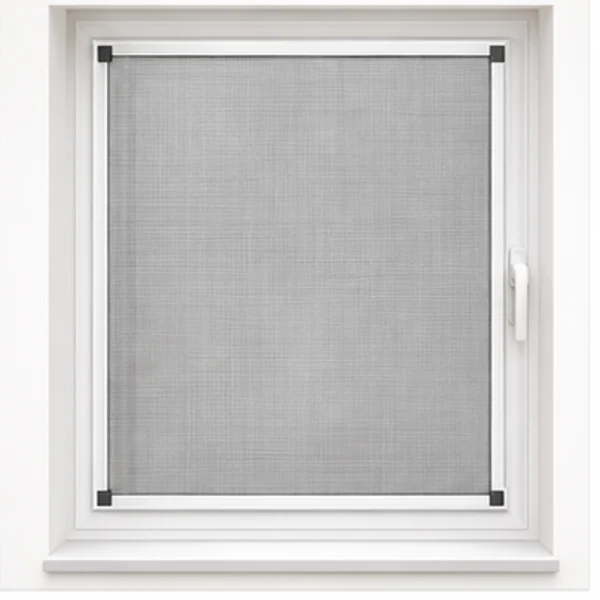
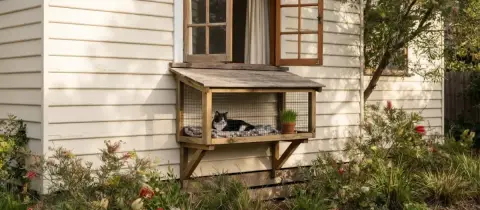
Don't forget the windows: an open window without a secure screen is another way out. Fly screens aren't built to hold a cat, so keep windows closed or fitted with something strong when your cat is nearby. A window catio is one option. For each window type, see our high-rise syndrome guide and our picks for window restrictors. Tougher pet-proof fly screen mesh resists claws, but it isn't a fall barrier either.
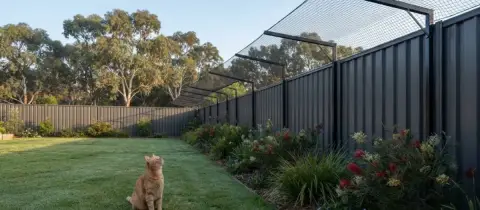
Think about fences too: if you have a courtyard or garden, see our cat proof fence guide.
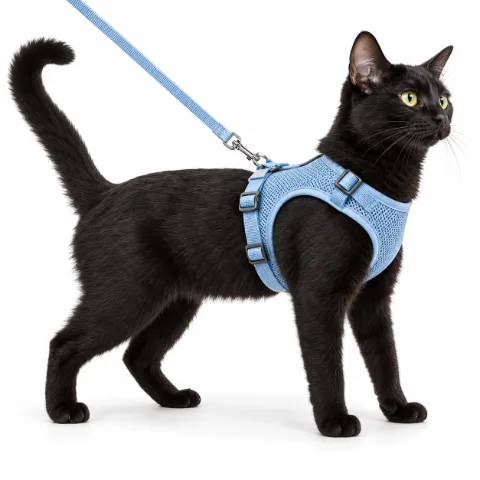
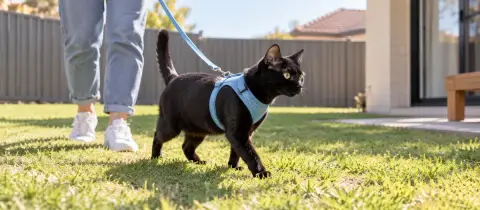
If you'd rather go outside with your cat than leave them on the balcony, a cat harness is another way to do supervised time. And if your cat is stressed by the change, see our Feliway guide, remembering that products are tools, not cures.
When to get help
Call your vet straight away if your cat falls from a balcony or window, even if they seem fine. The Cat Protection Society of NSW says falls can cause injuries, such as internal ones, that may not show straight away. Keep your cat calm and quiet while you contact a vet or an emergency clinic.
Call a licensed tradesperson if you aren't sure what is behind a wall or ceiling before you drill, and your strata manager or landlord before you fix anything to the building.
Frequently asked questions
Can cats climb cat netting?
Yes, some can. Cats can climb mesh with their claws, which is why the top needs covering and nothing should sit against the net. Pull the net taut, keep furniture away from it, and check any section your cat uses as a ladder.
Can cats tear through mesh?
Some can, with enough chewing or clawing. The wire-reinforced listing says its net resists bites and wear, but that is the brand's claim, and plain nylon is softer. Check the net daily, repair damage straight away and choose wire-reinforced net for a chewer.
What type of cat netting is best?
It depends on your cat. Wire-reinforced suits chewers, climbers and sunny, windy balconies, while clear nylon suits calm cats and keeps the view. Either one only works when it is fitted taut with no gaps and checked daily. See wire-reinforced or nylon above for the listing details.
How do I attach netting to a balcony without drilling?
Use tension poles, clamps and cable ties around the railing, weigh down the bottom edge, and keep adhesive hooks to light top edges only. Check that no gap is wide enough for a head. Our fitting section has the no-drill steps.
Do I need strata approval for cat netting?
Often you do, because a net can change the look of the building or use common property. Ask your strata manager or owners corporation before you fix anything, and get the answer in writing. See permission from strata or your landlord above.
Can I leave my cat on a netted balcony alone?
Not until you've checked the setup carefully, and not for long even then. Sit out with your cat first, make sure there is shade, water and a way back inside, and don't leave them out in heat or storms. Check the net daily.
Product details from each linked Amazon Australia listing, checked on 30 Oct 2026.
This guide provides general information and isn't a substitute for veterinary advice. If you're concerned about your cat's safety at home, speak with your vet.