Research guide. WhiskerFinds may earn a commission from links, at no extra cost to you.
Quick answer: The best cat enclosure depends on how long your cat will use it. For daily, longer stays, a walk-in catio with a roof and shelves, like the PetsCosset 71 inch catio, is our top pick. Soft pop-up tents and tunnel sets suit short, supervised garden time, always in shade.
A cat enclosure gives an indoor cat fresh air and sunshine without the risks of roaming, and it protects local wildlife too. This guide compares four enclosures on Amazon Australia, from a wooden walk-in to pop-up tents, and covers size, heat, escape checks and settling your cat in. If you're still weighing up your options, start with our catio ideas guide.
Quick picks
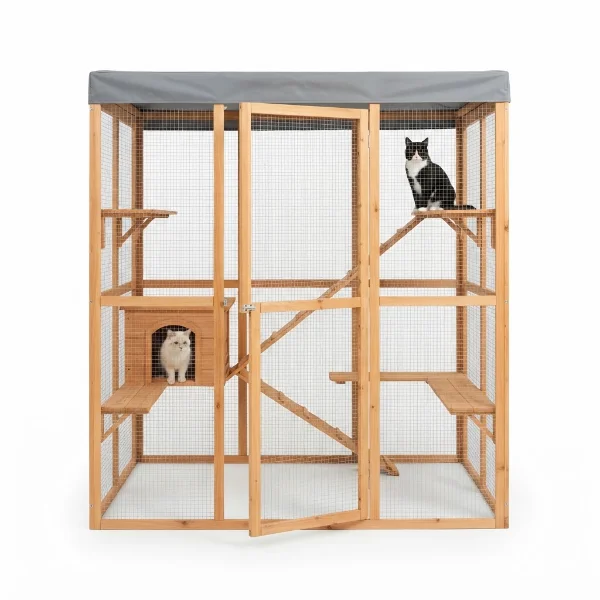
PetsCosset 71 inch walk-in catio
Wooden frame with a roof cover, 6 platforms and 2 resting houses
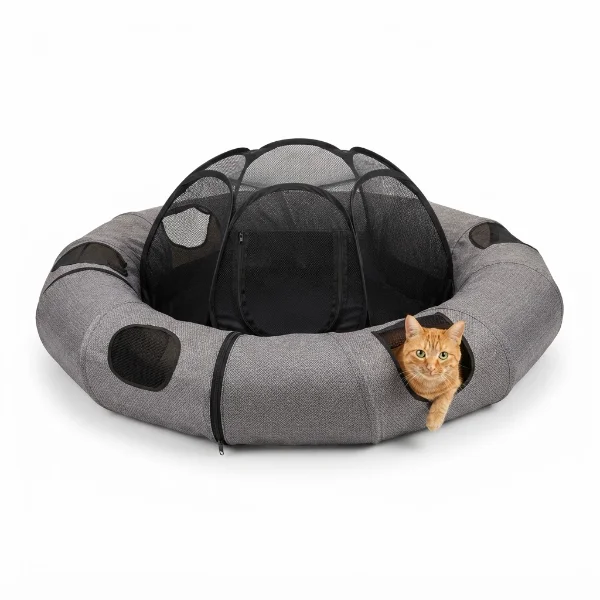
Homegroove cat tent with surround tunnel
Tent plus a wrap-around tunnel joined by zip doors
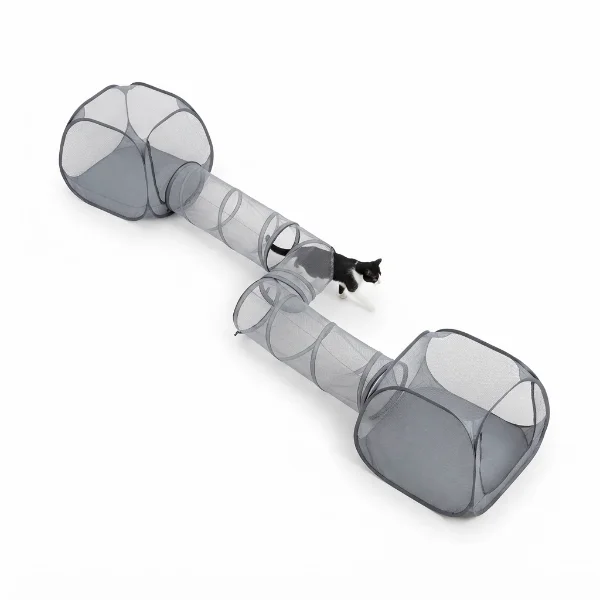
6-in-1 portable cat enclosure with tunnels
Three tents and three tunnels that can be used together or apart
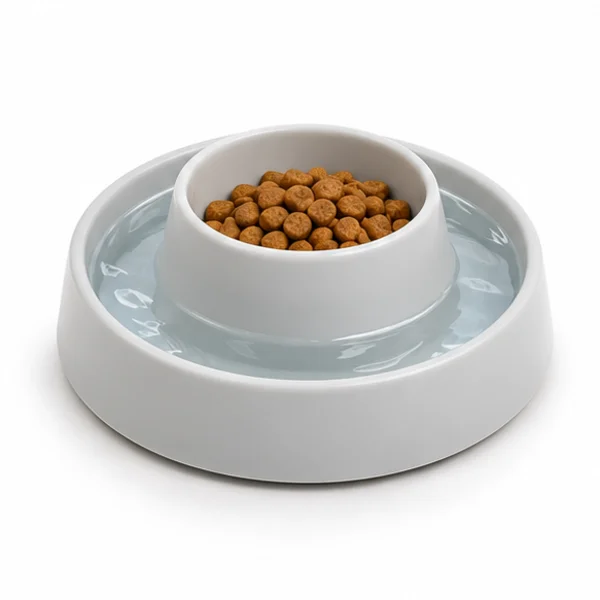
Ant-proof water and food bowl
Fresh water matters in an enclosure, and a bowl with a moat keeps ants out of it.
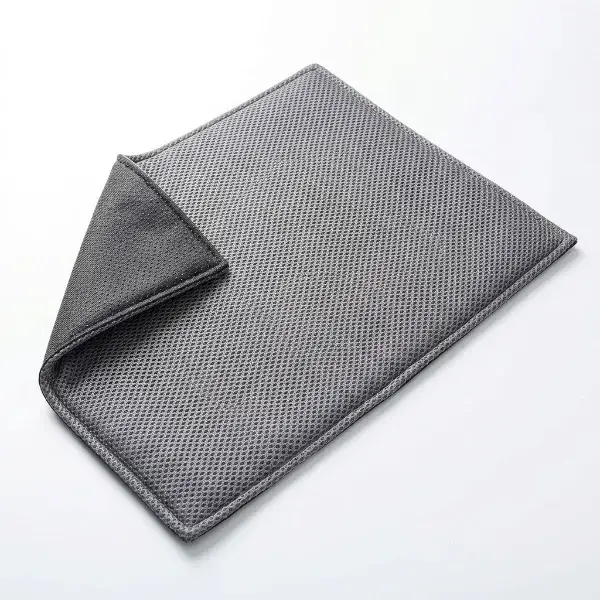
Cooling mat for cats
A cooler spot to lie on helps in the shaded part of an enclosure on warm days, as long as your cat is never left out in the heat.
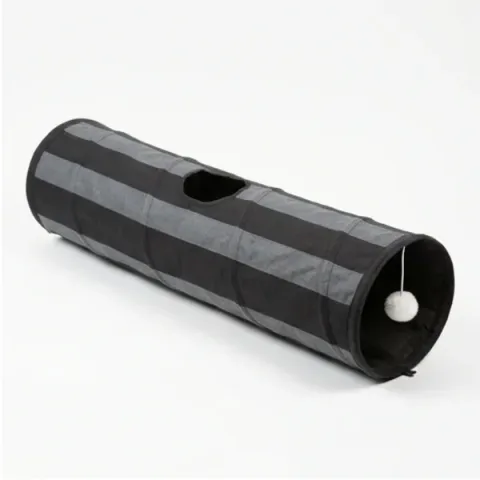
Cat tunnel
A tunnel gives your cat somewhere to dash through and hide, which suits a nervous cat settling into a new space.
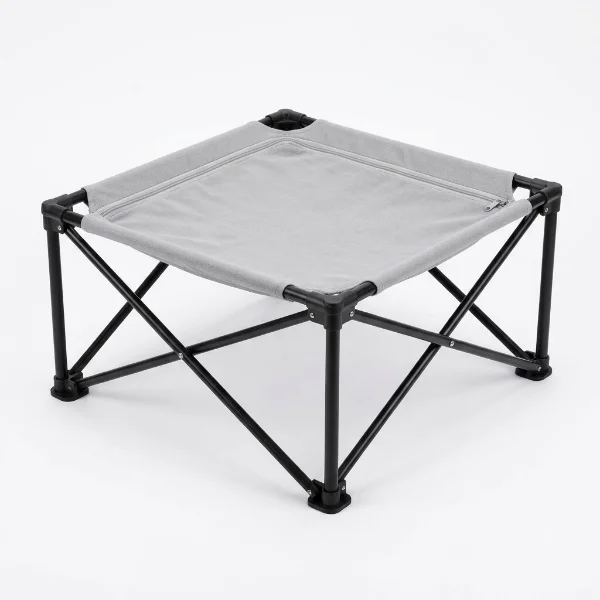
Raised cat hammock bed
A raised, airy spot to lounge in the shaded part of an enclosure.
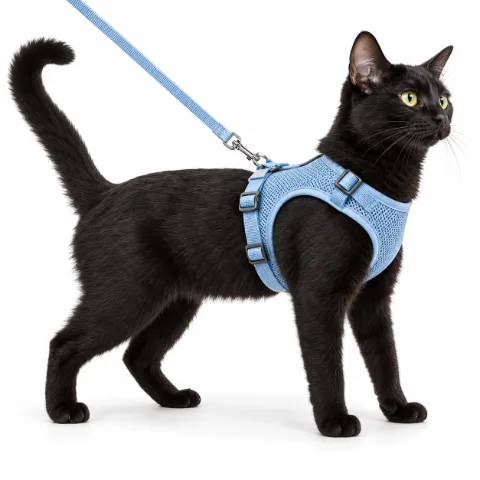
Cat harness and lead set
Supervised outdoor time for a cat who enjoys it, with the lead clipped to the harness and never a collar.
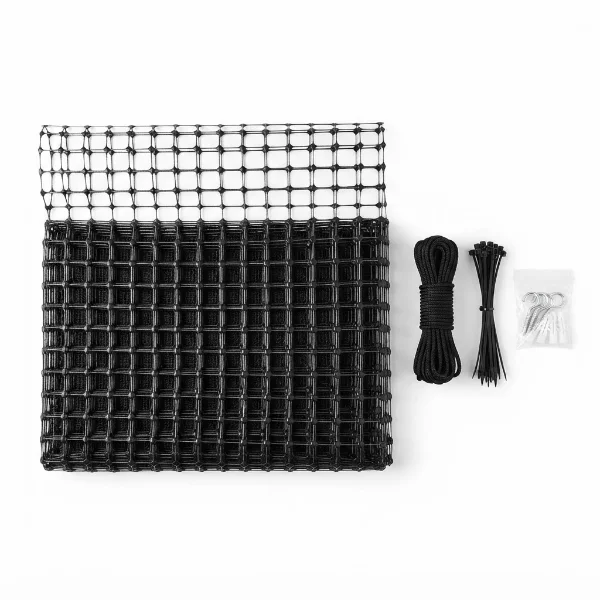
Wire-reinforced cat netting
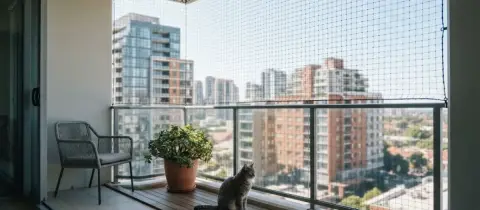
A way to close in a balcony or similar space if a full catio isn't practical.
Pictures are illustrations, not the actual products.
If you want something permanent, such as netting, a fence system or a built catio, see the section on catios near the end. For a contained space inside the house, see our cat cage guide.
What type of cat enclosure do you need?
Match the type to your cat and your home. A soft pop-up tent suits short, supervised time on a lawn or patio. A walk-in catio suits daily use and gives room to climb. A permanent build or netting suits owners who want a lasting outdoor space, and renters often need a removable option.
| Type | Best for | Watch out for |
|---|---|---|
| Pop-up tent | Supervised garden time, travel, trying an enclosure for the first time | Heat in the sun, wind, claws and dog teeth on mesh |
| Tent and tunnel set | Cats who like to explore, small patios | Zips and joins to check, less height to climb |
| Walk-in catio | Daily use, several cats, owners who want to step inside | Assembly, weight, needs a flat, sheltered spot |
| Permanent build or netting | Long-term outdoor access, big yards, balconies | Cost, approvals, installation; see our netting, fence and catio guides below |
Which type suits whom?
- Renters: a freestanding pop-up or a walk-in kit you can take apart is usually easier than anything fixed to the building. Check your lease, and for balconies see our cat netting for balconies guide.
- Big yards: a walk-in catio or a cat-proof fence gives more room than a tent.
- Nervous cats: choose something with a hiding spot and shelves, and introduce it slowly (see below).
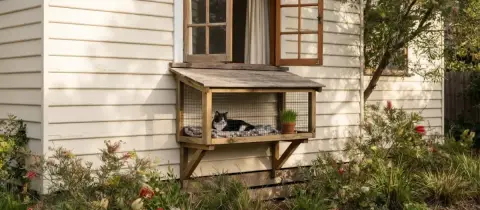
- Cats at a window: a window catio lets a cat connect to the house without a freestanding structure.
RSPCA Australia (article published 20 June 2025, page read 31 October 2026) says a safe, escape-proof outdoor enclosure or fenced space is highly recommended where you have a balcony, courtyard or garden (RSPCA Australia). The same article suggests raised spots where a cat can watch the world and still feel tucked away, and quiet places to retreat to.
How big should a cat enclosure be?
There isn't one size that suits every cat, so use the room to climb and move as your guide. Your cat should be able to stand, stretch, turn around and rest away from the litter tray and water. More cats need more space, and cats like height as much as floor area.
RSPCA Australia's article suggests offering raised places, hiding spots and a choice of places for eating, drinking, toileting and resting. RSPCA Australia's Safe and Happy Cats guide (page read 31 October 2026) also says outdoor spaces should include both cosy warm spots and cooler shaded ones so the cat can regulate its temperature (Safe and Happy Cats). A low tent gives a cat floor space but little to climb, so think of it as a play pen, not a home. RSPCA Australia's Safe and Happy Cats guide gives no minimum enclosure floor area, so we don't state one. As a guide, the walk-in pick below is about 1.8 m tall and 1.8 m long, with room for 6 platforms and two resting houses.
For the picks in this guide, the listings give these sizes. Where a listing gives more than one set of numbers, we say so.
Our picks in detail
1. PetsCosset 71 inch walk-in catio: best walk-in catio
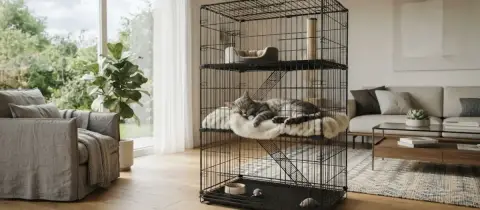
A wooden-framed walk-in catio, listed at about 176.5 x 119.4 x 180.3 cm. The listing says it has reinforced galvanised steel wire mesh, 6 platforms, 2 resting houses and a wide front door you can step through for feeding and cleaning. Two small doors at the bottom can link to a pet door, a tunnel or a window catio setup, per the listing. A removable waterproof roof cover is described as giving shade and rain cover, and can come off for more sun. It ships in two boxes and needs assembly, with parts pre-drilled and numbered according to the listing.
- Pros: room to walk in; platforms and resting houses; roof cover you can remove; can connect to a pet door or tunnel
- Cons: assembly needed; wooden frame needs weather care; 15.42 kg and needs a flat spot; listing claims about keeping cats from escaping are the maker's
- Best for: daily outdoor time, multi-cat homes, a patio or sheltered garden
- Skip it if: you rent and can't leave a structure in the yard, or you only want something for occasional trips
2. Gaorui large pop-up cat tent: best large pop-up
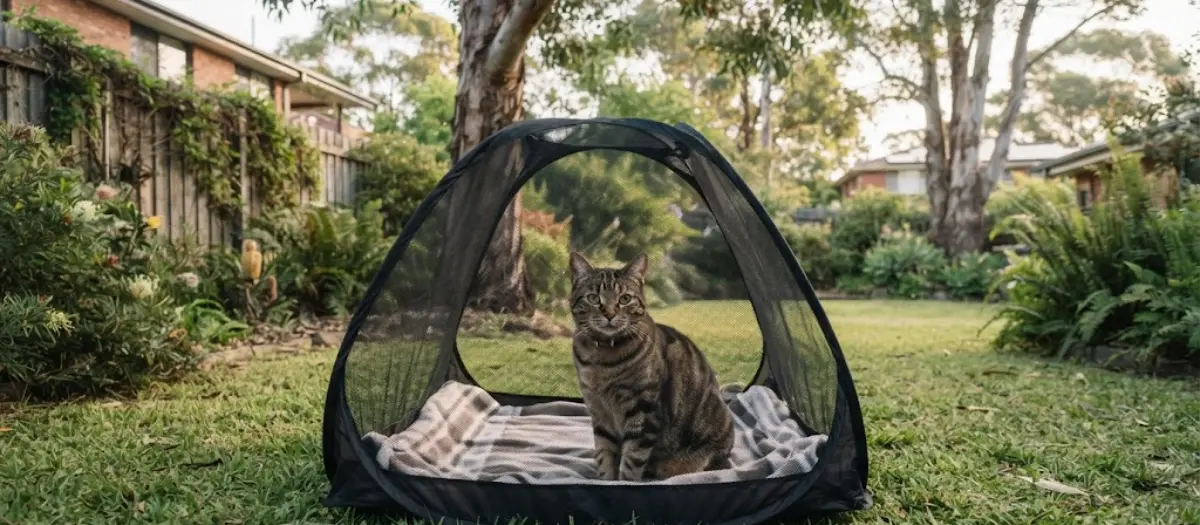
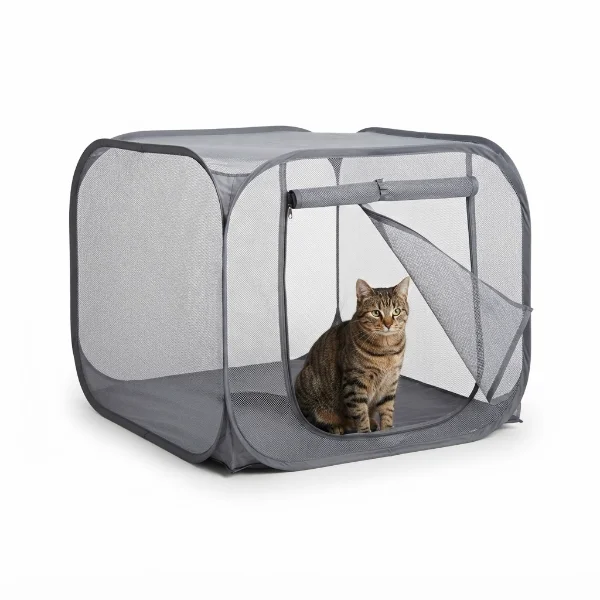
A big pop-up mesh run. The listing gives the size as 74 x 63 x 36 inches and says a hydraulic pop-up system sets it up in seconds, with a carry bag. It's described as nylon, with a zipper closure, and as suited to patios, lawns, balconies and decks. The listing says the mesh keeps pets cool in summer and keeps bugs out, which are the maker's claims; a cat in direct sun can still overheat, so shade it.
- Pros: quick to set up and pack away; carry bag; large footprint for a pop-up
- Cons: low (about 91 cm), so little climbing; the listing doesn't state a mesh size, so check the photos; soft sides can be clawed or bitten through; not for leaving unattended
- Best for: supervised lawn or patio sessions, and cats new to enclosures
- Skip it if: you have a big climber, a dog that mouths things, or want a spot for all-day use
3. Homegroove cat tent with surround tunnel: best tent and tunnel set
A tent plus a wrap-around tunnel, joined through a zip door. The listing describes steel frames, mesh and waterproof oxford fabric, with two large zipper doors, and says setup takes about a minute and it packs into a storage bag. The listing text gives the tent as about 120 x 45 cm and the tunnel as 30 x 315 cm, but the details table lists 30 cm on every side, so the size is unclear. Check before you buy.
- Pros: tunnel adds interest; folds into a bag; zip doors
- Cons: conflicting sizes in the listing; the tent is low, so cats can't climb; the 30 cm tunnel is narrow for a large cat; warranty listed as none
- Best for: small to medium cats who like tunnels, for short supervised time
- Skip it if: your cat is large or you want shelves and height
4. 6-in-1 portable cat enclosure with tunnels: best for multi-piece layouts
A set of three tents (a hexagon, a square cube and a tall conical tent) and three tunnels, with 16 ground stakes and a carry bag. The listing gives the pieces as roughly 70 cm cubes, a hexagon about 120 cm long, a conical tent about 125 cm tall and tunnels about 120 x 42 cm. It describes nylon mesh and a metal frame with six zip doors, and says the pieces can be used together or separately. The listing also says it suits rabbits, ferrets, puppies and small animals, so it isn't made only for cats.
- Pros: flexible layouts; stakes included; a taller tent section for a bit of height
- Cons: many joins and zips to check; the listing names dogs and small animals too; the overall dimensions are given for the whole layout and are hard to compare; soft mesh
- Best for: supervised garden play where you want to change the layout
- Skip it if: you want a single sturdy room or have a determined escape artist
Cat enclosures compared
Details from each Amazon Australia listing, checked on 31 Oct 2026.
| Enclosure | Type | Size from listing | Best for |
|---|---|---|---|
| PetsCosset 71 inch catio | Wooden walk-in | About 176.5 x 119.4 x 180.3 cm, 2 levels | Daily use, several cats |
| Gaorui large pop-up tent | Pop-up mesh run | 74 x 63 x 36 inches (about 188 x 160 x 91 cm) | Lawn or patio sessions |
| Homegroove tent and tunnel | Tent plus tunnel | Tent about 120 x 45 cm, tunnel about 30 x 315 cm (listing text; the details table says 30 cm cube) | Cats who like tunnels |
| 6-in-1 portable enclosure | Tents and tunnels | Tents about 70 cm cube up to 125 cm tall, tunnels about 120 x 42 cm | Flexible layouts |
How we chose
We searched Amazon Australia for cat enclosures, tents and catios, then shortlisted ones that met all of these checks:
- Well rated: a strong average rating with plenty of buyer reviews.
- No red flags: no pattern of poor reviews, safety complaints or listing problems.
- Available on Amazon Australia when we checked.
- Fine mesh: mesh or wire described as fine or small on the listing, or shown that way in its photos, so paws and heads can't get through.
- Zip or latch closures on the listing.
- Room to move: a size that lets a cat stand, stretch and climb.
- Shade-friendly: it can be shaded or moved out of the sun.
These are researched picks, not products we've personally tested. We compared the specifications and features shown on each Amazon Australia listing, checked on 31 Oct 2026. We didn't accept payment from any brand, and no brand saw this page before it was published.
Left out this time: pop-up tents and metal playpens with a pattern of poor reviews or safety complaints such as torn mesh or broken zips, very small den tents too small for a cat to move around, and permanent custom-built enclosures, which aren't sold on Amazon (see our catio ideas guide).
Setting up an outdoor cat enclosure safely
Put the enclosure in shade, give fresh water, and check every zip, join and peg before each use. Soft tents are for supervised time, not for leaving a cat out in the sun. Heat is the biggest risk, because a closed tent in the sun can heat up quickly.
- Shade and heat: Safe and Happy Cats says an outdoor space should protect a cat from sun, rain, wind and extreme heat or cold, and that a freestanding enclosure that isn't connected to the house is not recommended; it suggests a tunnel and cat flap so the cat can get back inside. Never leave a cat in a tent in the sun, and see our keep your cat cool in summer guide. Put it under a tree, shade cloth or a covered patio, and bring your cat in on hot days.
- Water: Safe and Happy Cats says outdoor enclosures need clean water at all times, away from food and the toilet area, with a spoon in the bowl so insects can climb out, and changed daily.
- Shelter: give a hide, a shelf or a covered box. The PetsCosset has resting houses; for tents, add a bed in the shaded part. For something to climb inside it, see our outdoor cat tree guide.
- Pegs and wind: use all the stakes or weights provided. A light tent can blow or slide with a cat inside, so don't use one on a windy day.
- Escape checks: before each session, check zips are fully closed, the mesh has no holes and no gaps sit at the base. Look for claw marks and loose stitching. A dog or another cat outside the mesh may frighten your cat, so choose a spot out of their sight where you can.
- Supervision: be nearby for soft enclosures. Brief, watched sessions are the safest way to use them.
- Plants and extras: keep lilies out of any cat space and out of the garden bed around it. Cat-safe plants such as cat grass are fine, and Safe and Happy Cats suggests plant cover for hiding spots, but avoid plants or food that attract wildlife. A cat tree or a shelf adds height inside a bigger enclosure.
A route back inside, such as a cat flap or door linked to the enclosure, is ideal, so your cat can leave when they've had enough. Safe and Happy Cats advises immediate indoor access for cats with outdoor time.
Getting your cat used to an enclosure
Go slowly and let your cat set the pace. Start with the enclosure indoors or on the lawn with the door open, add treats and a favourite blanket, and keep first sessions short. Never push or force a cat inside. Results vary, so watch your cat's body language.
RSPCA Australia's advice for moving a roaming cat to life at home follows the same pattern: make the home appealing first, change things slowly, extend the time only once the cat has settled, and expect it to take a couple of months or more. The same patience applies to a new enclosure. It also advises watching for stress, such as loss of appetite or toileting outside the litter tray, and asking a vet if that continues. Our cat peeing outside the litter box guide covers what that can mean.
A few things can help: put a familiar blanket inside, offer a few treats, play with a wand toy (not a laser) and stay close. Our cat toys guide and cat enrichment page have ideas. If a cat will be in an enclosure for longer, a hidden spot for litter matters too, and our litter box enclosure guide covers options for indoor areas.
Is a cat run the same as a catio?
Mostly, yes. People use "cat run", "cat enclosure" and "catio" for a contained outdoor space for cats. "Run" is often used for a long, narrow enclosure, sometimes joined to the house by a tunnel, while "catio" is often used for a roomier build with shelves and a roof, but shops use the words interchangeably. The picks on this page cover the portable end; for permanent runs and catios see below.
When a soft enclosure isn't enough, a more permanent option is the better buy. If you want your cat out daily, think about a catio, netting for a balcony, a cat-proof fence or a window catio. For living-room options without going outdoors, see our best cat cage guide.
Council rules differ across Australia, so check yours. Some councils require cats to be contained at night or at all times, and an enclosure is one way to meet that; see our cat curfew rules guide. Whitehorse City Council in Victoria lists purpose-built enclosures, cat-proof fencing and keeping cats inside as ways to confine a cat (Whitehorse City Council, page read 31 October 2026). Planning rules for permanent structures vary too, so ask your council before you build.
When to get help
Heat stress: signs can include panting, restlessness, drooling, red gums or tongue, vomiting, then lethargy, weakness or collapse. The Royal Veterinary College says signs in cats are often more subtle than in dogs. Move your cat to a cool, ventilated spot, use cool (not ice-cold) water, and call your vet straight away. Have your cat checked even if they seem better. See our keep your cat cool in summer guide and the Royal Veterinary College heatstroke fact file.
Injuries: call your vet if your cat has been caught in a zip, bitten or scratched by another animal, or has hurt their claws or paws on the mesh.
Stress: if your cat stops eating, hides for long periods or toilets outside the tray after you introduce an enclosure, check in with your vet.
Frequently asked questions
Are cat enclosures worth it?
For many owners, yes. An enclosure lets an indoor cat enjoy fresh air and climbing while keeping them off the road and away from wildlife. RSPCA Australia highly recommends a safe, escape-proof outdoor space where you have a garden, courtyard or balcony. A soft tent is an easy way to try one first.
What is the best cat enclosure for renters?
A freestanding option you can pack away is usually the easiest for renters, such as a pop-up tent or tent and tunnel set. A walk-in kit like the PetsCosset can be taken apart but is heavier. Check your lease first, and ask before attaching anything to the building. For balconies, see our netting guide.
Can a cat enclosure keep other animals out?
It can help, but check it. Soft mesh can be clawed or bitten through, and gaps at the base let small animals in or your cat out. Look over zips, joins and pegs before each session, and choose a spot out of sight of dogs and other cats so your cat isn't frightened.
Can I leave my cat in an outdoor enclosure all day?
Soft pop-up tents shouldn't be used that way. They can heat up in the sun, and mesh can be clawed or bitten. A sturdier catio with shade, water, shelter and a way back inside is safer for longer stays, but still check on your cat often, especially in hot weather.
Do cats like cat tents?
Many cats do, but it varies. Some enjoy the view and sun, while others find a new tent stressful. Introduce it slowly with treats and a familiar blanket, keep sessions short and never force a cat inside. If your cat avoids it, try a different spot or a sturdier option.
What should I put inside a cat enclosure?
Start with shade, fresh water in a spot away from the toilet area, and a hide such as a covered box or bed. Add a shelf or cat tree for height and some cat grass. Keep lilies and string or ribbon toys out of the space.
Do I need council approval for a cat enclosure?
It depends on the council and the structure. A pop-up tent usually needs nothing, but a permanent or attached catio may need approval, so ask your council. Some councils also have cat containment or curfew rules that an enclosure can help you meet. Our curfew guide covers each state.
Can a cat enclosure go on a balcony?
Often yes, if it's stable, shaded and can't be blown off. A freestanding tent or small catio can sit on a balcony, but check your strata or lease rules, and the weight limit. Fixed balcony netting may suit better, and our guide on cat netting for balconies compares options.
Related guides
- Best outdoor cat houses
- Best cat tunnels
- Best cat cage: indoor enclosures
- Best litter box enclosure: hidden litter box furniture
- Catio ideas
- Best cat netting for balconies
- Best cat-proof fence
- Best window catio
- Cat curfew rules in Australia
- How to keep your cat cool in summer
- Cat enrichment
- Outdoor cat trees for catios and runs
Sources
- RSPCA Australia: How to create a cat-friendly contained environment for your cat (published 20 June 2025, page read 31 October 2026)
- RSPCA Australia, Safe and Happy Cats: cat-proofing and outdoor space advice (page read 31 October 2026)
- Royal Veterinary College: Heatstroke in dogs and cats fact file (page read 31 October 2026)
- Whitehorse City Council: Confining your cat to your property (page read 31 October 2026)
- Product details from each linked Amazon Australia listing, checked on 31 Oct 2026.
This guide provides general information and isn't a substitute for veterinary advice. If you're concerned about your cat's outdoor time or safety, speak with your vet.