Window restrictors for cats: limit how far a window opens, by window type
By Anish PuriUpdated 23 Nov 202611 min readResearched, not tested by us
Research guide. WhiskerFinds may earn a commission from links, at no extra cost to you.
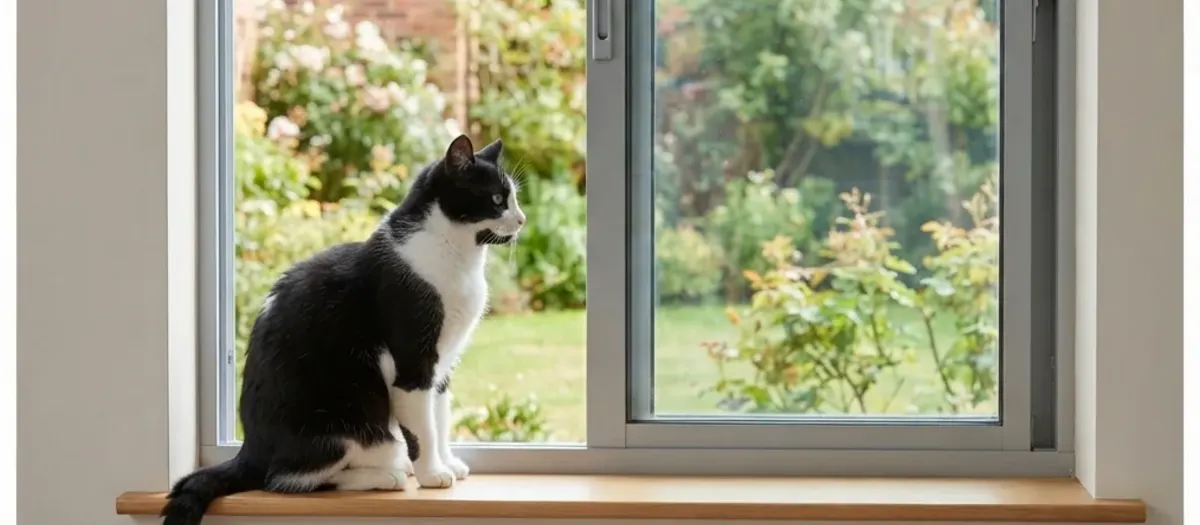
Quick answer: A window restrictor for cats limits how far a window opens, and for a horizontal sliding window the ZRFCXE track lock pack is our top pick. It isn't a cat barrier on its own: the ASPCA warns that cats can slip through childproof window guards. Set the smallest gap that gives you airflow, keep a strong screen fitted, and watch your cat first.
Most window restrictors are sold as child safety, and that's the job they were built for. Cats are smaller, more flexible and better at squeezing through gaps. This guide compares six restrictors on Amazon Australia by window type, with track sizes and cable lengths in centimetres, and shows how to check the gap before you trust it. For the bigger picture, see our high-rise syndrome guide.
Quick picks
Our top pickBest overall
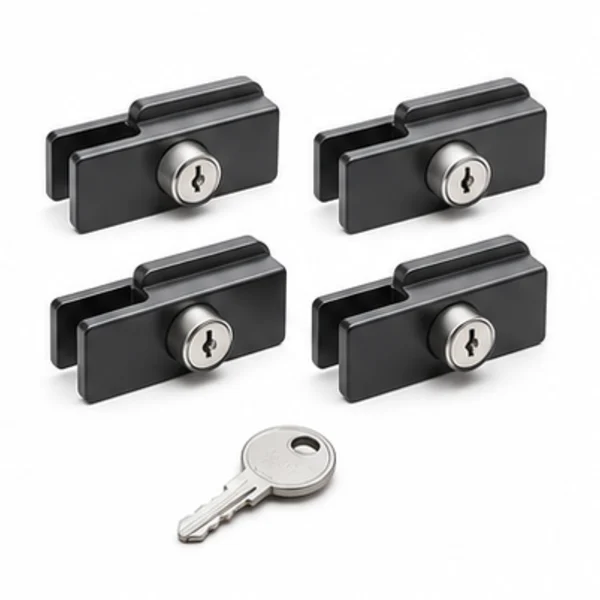
ZRFCXE sliding window locks, 4 pack
Clamps in the track, fixes a slider at any gap, four locks cover several windows
Watch your cat with the window open before you trust the setup.
Close the window when you're out or unsure.
Keep the key or hex key where every adult can grab it fast, and think twice before locking a window your household would need as a way out in a fire (our suggestion).
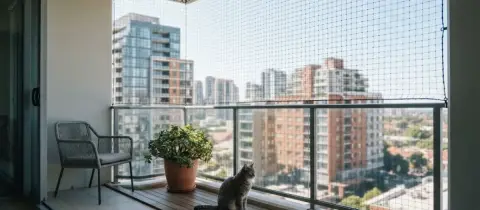
Insect screens aren't built to hold a cat, and none of the restrictors below changes that. For balconies, a restrictor is the wrong tool: see cat netting for balconies.
That rule is about children. The ASPCA says cats can slip through childproof window guards, which is why we don't give a "safe" cat gap here. Use 12.5 cm as a comparison only, never as a target.
Check the gap before you trust it
Fit the restrictor and open the window to the stop.
Measure the gap in centimetres at its narrowest and widest points.
Compare it with the widest part of your cat's head. If the head fits, the gap is too big. Our suggestion, not a standard: aim well below that.
Test with your cat supervised, with you in the room, and look for any spot where a paw, a head or a body gets through.
Re-check after the window has been used for a while, because clamps and adhesive can shift.
Our picks in detail
1. ZRFCXE sliding window locks, 4 pack: best overall
The most flexible fix for the window type many Australian homes have. The listing says aluminium with a powder-coated finish, two fixing holes per lock, protective gaskets, and a clamp that screws into the track with no drilling. The pack has 4 locks, 4 hex keys, 4 gaskets and one vertical key for centre tracks. Each lock is about 4 x 2.9 x 2.1 cm. It fits horizontal and vertical sliding windows and doors, and you can lock the window slightly open, then move the lock when you want a different gap.
The measuring step matters. The listing says track height must be more than 1.22 cm and width less than 1.55 cm, so measure your track before ordering. The lock holds the glass sash, not the fly screen, so a cat can still push a loose sliding screen. Fix the screen with our pet-proof fly screen guide.
Pros: fixes a slider at any gap; four locks for several windows; gaskets protect the track; vertical key for centre tracks
Cons: only fits tracks in the listed range; stops the sash, not the screen
Best for: horizontal sliding windows, and vertical sash windows
Skip it if: your track is outside the listed range, or your window opens outward on hinges
2. Aileem window safety cable lock, 2 pack: best for awning and casement windows
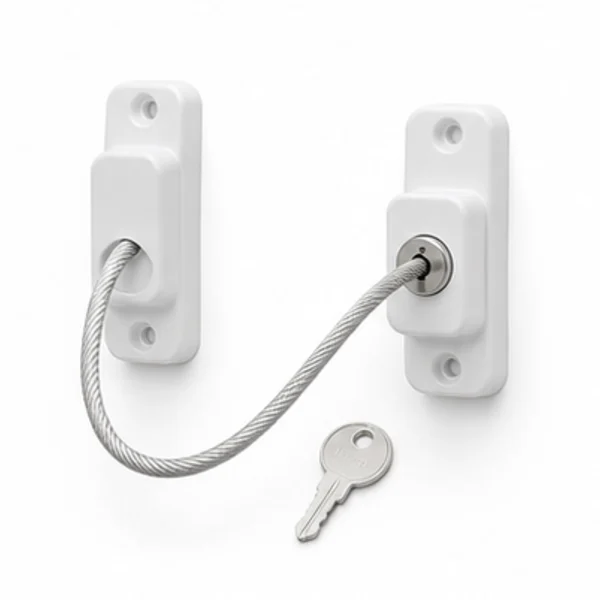
A short steel cable that stops a hinged window swinging wide. The listing says a 17 cm steel cable, a 7.5 x 3.2 cm base, self-adhesive with screw holes, and a key to release it. It names wooden, PVC and aluminium hinged, casement and sliding windows, and says it withstands a horizontal force of 100 kg, which is the maker's claim.
The 17 cm cable length isn't the gap. The gap depends on where you mount the two plates, so fit it, open the window to the stop and measure the real opening. The adhesive needs a clean, smooth frame. Keep the key out of reach but easy to find in an emergency.
Pros: the shortest cable here, which helps keep the gap small; adhesive, with screw holes for extra hold; keyed
Cons: the real gap depends on your mounting; adhesive needs a clean, smooth frame; adhesive plates can lift over time, so re-check them
Best for: awning and casement windows that swing out
Skip it if: you need to hold a sliding window at several widths, where a track lock is neater
3. uPVC window restrictor cable locks, 2 pack: best for heavier frames
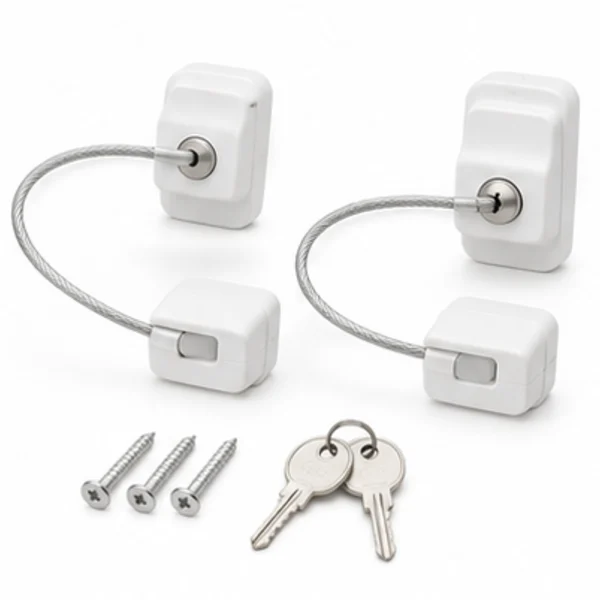
A firmer-fixing cable lock for a heavy or often-used window. The listing says a 3 mm steel cable, 18.8 cm long, with a rubber outer coat, either self-adhesive or 8 screws, and 2 keys included. It names uPVC, wood, aluminium and metal, and says you unlock one end with the key to open the window fully.
Screws give a stronger hold than adhesive on a window you use every day. The cable is longer than pick 2, so the possible gap is wider: mount the plates close together and measure the opening.
Pros: screws and adhesive both included; cable thickness stated; fits several frame materials
Cons: longer cable than pick 2, so mount the plates close; generic brand with little detail beyond the listing
Best for: heavier casement or awning frames, and windows you open often
Skip it if: you only want a stick-on fix (pick 2's shorter cable keeps the gap smaller)
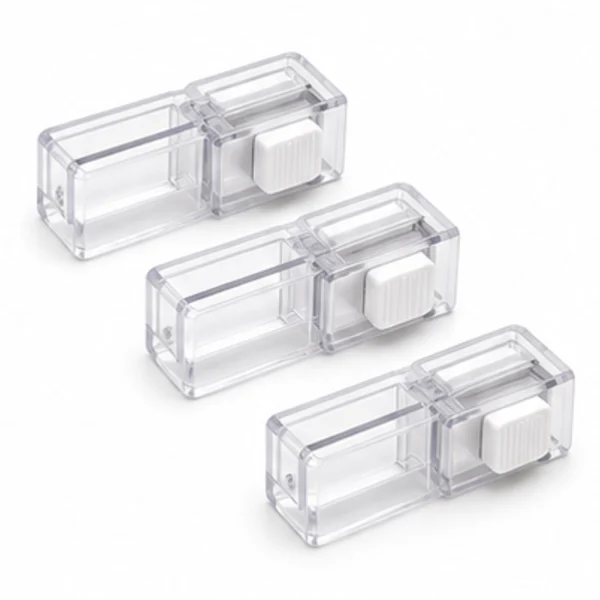
Nearly invisible, with no screws or clamps in the track. The listing says clear, tape-on with no tools, and that you slide a button so the wings spring out and block the window, then press the wings back to unlock. It says it withstands thrust up to 30 kg, which is the listing's claim, and that fitting several locks lets you choose the opening width. It's also made for sliding doors and wardrobe doors.
The hold depends on the tape and the surface.
Pros: no tools; clear; spring wings you can release quickly; fit several to choose the width
Cons: tape hold depends on a clean surface and may not suit textured frames; stick-on parts can leave residue in a rental, so test first
Best for: renters who don't want screws, on smooth sliding frames
Skip it if: your frame is textured, dusty or flaking, or the window is heavy and used daily
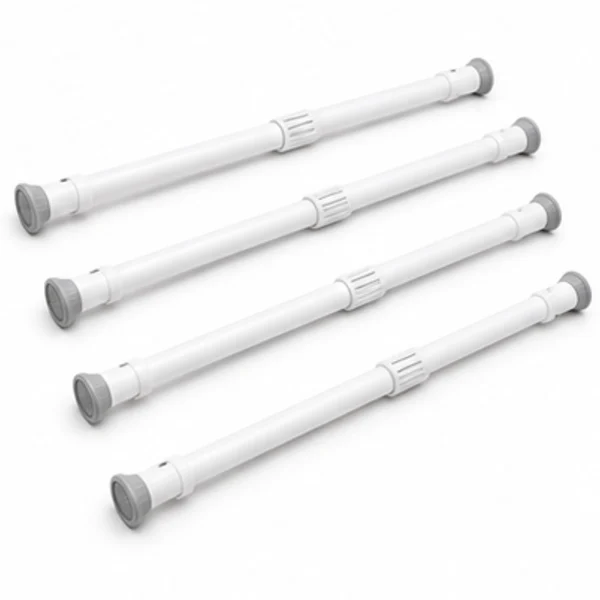
5. AOBOPLE window security bar, 4 pack, 40 to 70 cm: best for sliding doors and wide sliders
A spring bar that sits in the track and fixes the sash at a set gap. The listing says steel with an electrostatic coating, adjustable from 40 to 70 cm (15.8 to 27.6 in), anti-slip rubber ends, spring tension and no drilling. Adjusted to the length of the leftover track, it stops the door or window sliding open past that point, and it lifts out when you want the window open.
Size it so the gap that remains is small. The gap is how far the panel can slide minus the bar's length, so if your door or window slides much more than 70 cm, this bar leaves too much room for a cat. A bar only works in a track and tops out at 70 cm, so measure the leftover track first. The listing also describes use as a curtain rod, which isn't what we're recommending it for.
Pros: no drilling; lifts out by hand; four bars; suits wide sliders and sliding doors
Cons: must be sized so the remaining gap is small; only works in a track; 70 cm maximum
Best for: sliding patio doors and wide horizontal windows
Skip it if: your window isn't a sliding type, or the track is wider than 70 cm
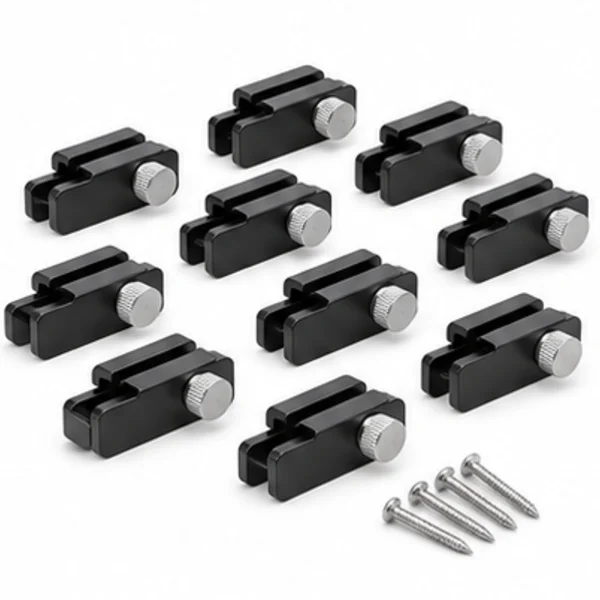
6. FIRAWER sliding window locks, 10 sets: best whole-house pack for deeper tracks
Ten track locks for a whole home, for a taller track than pick 1. The listing says hard aluminium alloy, double fixing holes, rubber protection pads, 10 locks and 10 hex keys, and a fit for horizontal and vertical windows and horizontal doors. Check the listing's size range: track height more than 1.9 cm and width less than 1.7 cm.
Pros: ten locks for a whole home; a different track range from pick 1; rubber pads protect the track
Cons: won't fit shallow tracks under 1.9 cm high; no key for centre tracks listed
Best for: apartments or houses with many sliding windows and deeper tracks
Skip it if: your track is shallow, or you only need one or two locks
Which restrictor suits which window type?
Match the restrictor to how the window moves. We use the same five window names across our window guides: horizontal sliding, vertical sash, awning, casement and louvre.
Swipe sideways to see every column
Window type
How it opens
Restrictor that suits
Picks
Horizontal sliding
Sash slides sideways in a track
Track lock, or a security bar for wider windows
1, 4, 5, 6
Vertical sash
Sash slides up from below
Track lock with the vertical fit
1 or 6 (plus an expandable screen, see our screen guide)
Awning (winder, opens outward)
Hinged at the top, gap at the bottom
Cable restrictor
2, 3
Casement (side-hung)
Hinged at the side, swings outward
Cable restrictor
2, 3
Louvre
Angled glass or timber blades
Restrictors don't suit louvres; keep the screen fitted
We searched Amazon Australia for window restrictors, track locks, cable locks and security bars, then shortlisted those that met all of these checks:
Well rated: a strong average rating with plenty of buyer reviews.
No red flags: no pattern of poor reviews, safety complaints or listing problems.
Available on Amazon Australia when we checked.
States which windows it fits.
Gives a track size or cable length.
Locks or fixes at a partial opening.
These are researched picks, not products we've personally tested. We compared the specifications and features on each Amazon Australia listing, checked on 23 Nov 2026, and we didn't accept payment from any brand. None of the listings says the lock meets an Australian standard or the NSW child-safety rule, so we don't claim it does.
Left out this time: a listing with no description or specifications to check, a second 18.8 cm cable lock that duplicates pick 3, a second track lock that duplicates pick 1, and flip locks made mainly for cupboards and sliding doors.
When to see a vet
Go to a vet or emergency clinic straight away after any fall from a window, balcony or roof, even if your cat seems fine, because injuries may not be obvious at first. Phone ahead and keep your cat calm and still. Our high-rise syndrome guide explains the signs and what to do.
Book a vet visit if a paw or tail was caught in a closing window or track and you see swelling, limping or bleeding. Never give your cat human pain medicine.
Frequently asked questions
How wide can a window be open with a cat at home?
There's no cat standard for window gaps, and we haven't found a source that gives one. Set the smallest gap that gives you airflow, keep a snug, sturdy screen fitted as the ASPCA advises, and watch your cat with the window open. Close it when you're out or unsure.
Do window restrictors meet Australian child-safety rules?
Not by default. In NSW, residential strata buildings must have devices that limit openings to under 12.5 cm and withstand 250 newtons. None of the listings here says it meets that rule, so check the maker's claims and ask your strata or landlord if you need a compliant device.
Can I fit window locks in a rental?
Often, but ask first. The NSW page says a landlord must allow a child-safety device if a tenant asks, and needn't monitor its use, but that rule is about children. For a cat-only request, ask your landlord or strata. The SAFELON tapes on and the AOBOPLE bar holds by spring tension, so neither needs screws, though tape can leave residue. The ZRFCXE clamps in without drilling.
Will a restrictor work on an awning window with a winder?
A cable restrictor suits a hinged window. The Aileem listing names hinged and casement windows, and pick 3 is a similar cable lock. Mount one plate on the frame and one on the sash, open the window to the stop and measure the gap. Check the cable clears the winder arm before you rely on it.
Can a restrictor stop my cat pushing a sliding fly screen open?
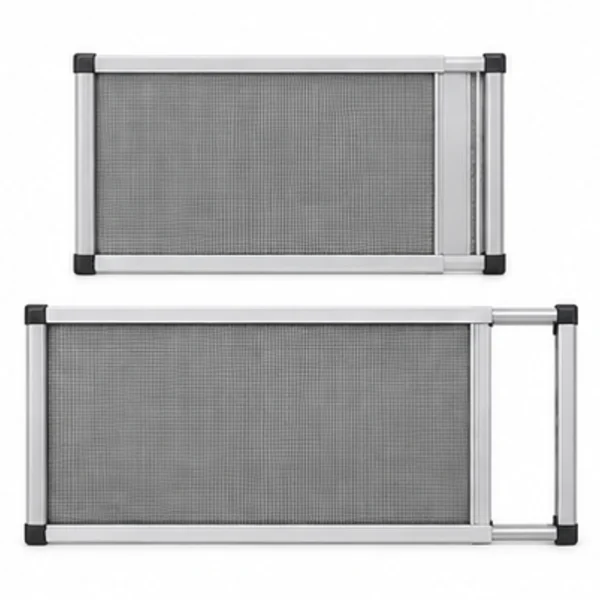
No. A track lock holds the glass sash, not the screen, so a cat can still push a loose sliding screen. Fix the screen itself with tougher mesh from our pet-proof fly screen guide, or add a screen with our adjustable window screen picks.
What's the difference between a window lock and a window restrictor?
A lock usually fixes a window shut or at one position. A restrictor limits how far it opens and often lets you release it with a key. On this page, the track locks work as restrictors because you choose where to clamp them.
Do I need a restrictor if my windows have screens?
Yes, for windows you leave open. Screens can pop out or tear, and a cat can push or paw at one. The ASPCA advises snug, sturdy screens, and adjustable ones tightly wedged. A restrictor keeps the opening small behind the screen, but it still isn't fall-proof.
Where else can I buy window restrictors?
Hardware stores and locksmiths sell window locks and restrictors, mostly made for child safety, and a locksmith can fit one to an awkward or heavy frame. Take your track or frame measurements with you, and ask whether the lock holds a partial opening, not just a closed window.
Product details from each linked Amazon Australia listing, checked on 23 Nov 2026.
This guide provides general information and isn't a substitute for veterinary advice. If you're concerned about your cat's health after a fall or an injury at a window, speak with your vet.