
Found a tick, or noticed a changed bark or meow, gagging, wobbly legs or laboured breathing? Go to a vet now, even after hours. Don't wait until morning. If you live in a tick area, save the number of your nearest 24-hour emergency vet today.
Quick answer: Paralysis ticks live along Australia's east coast and can make dogs and cats seriously ill within days. Check your pet every day, starting with the head, neck and ears, and use a vet recommended tick preventative made for their species. If you find a tick or notice any signs, see a vet straight away, even after hours.
Tick paralysis is one of the most serious seasonal dangers for pets in eastern Australia, and it's largely preventable. This guide explains where paralysis ticks are found, the signs to watch for, what to do if you find one, how tick paralysis is treated, and how to protect your dog or cat.
Quick picks
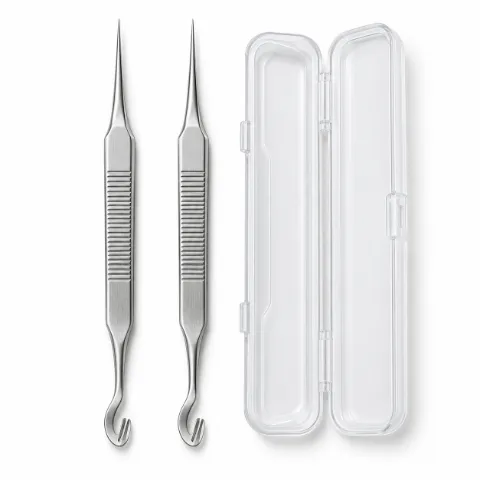
PAFASON Dual-Headed Tick Removal Tweezer Set
Has a fine-pointed end and a slotted, hook-style end, so you choose what suits the tick.
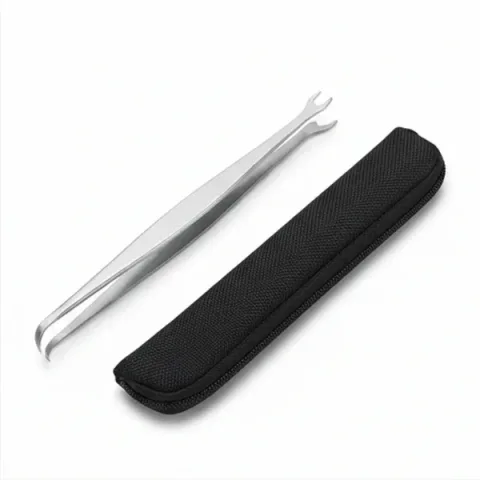
EasyULT 2-in-1 stainless steel tick tweezers and hook
Gives you a hook and tweezers in one tool for removing a tick close to the skin.
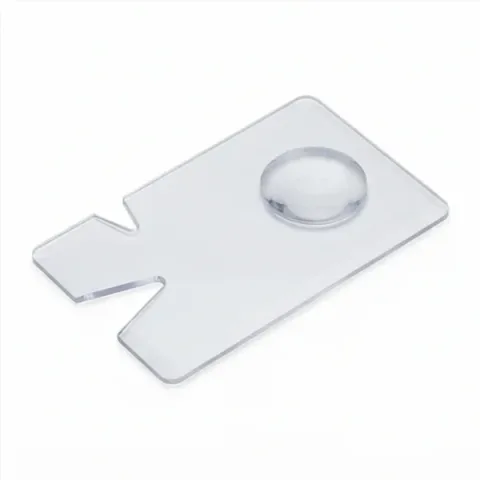
Lifesystems tick removal card with magnifier
A card-style remover with a magnifier, to look closely at a small tick or lump.

Blukar Rechargeable Head Torch
Keeps both hands free to part the fur after the evening walk.

Hartz Flea Comb
A fine-tooth comb helps you part long or thick fur to look closely at a lump.
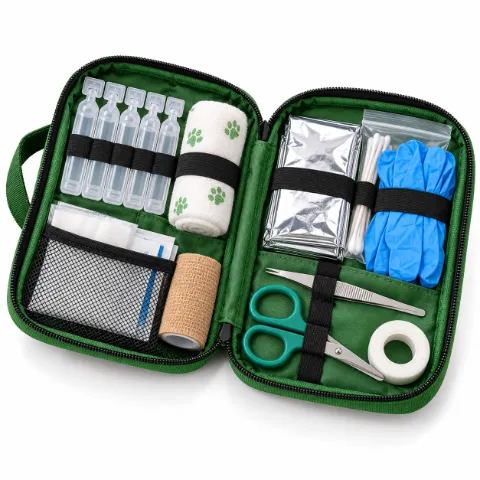
Reliance Medical Pet First Aid Kit
Tweezers, saline, gauze, bandages, gloves and pouches, including one to keep a removed tick.

aumuca Self-Cleaning Slicker Brush
A regular brush is a handy time to check a cat's neck and coat.
EasyULT 2-in-1 stainless steel tick tweezers and hook
A hook and tweezers in one tool, so you can pick what suits the tick.
Lifesystems tick removal card with magnifier
A card-style remover with a magnifier, which helps you look closely at a small tick or lump.
aumuca Self-Cleaning Slicker Brush
A cat brush, and a regular brush is a handy time to check a cat's neck and coat.
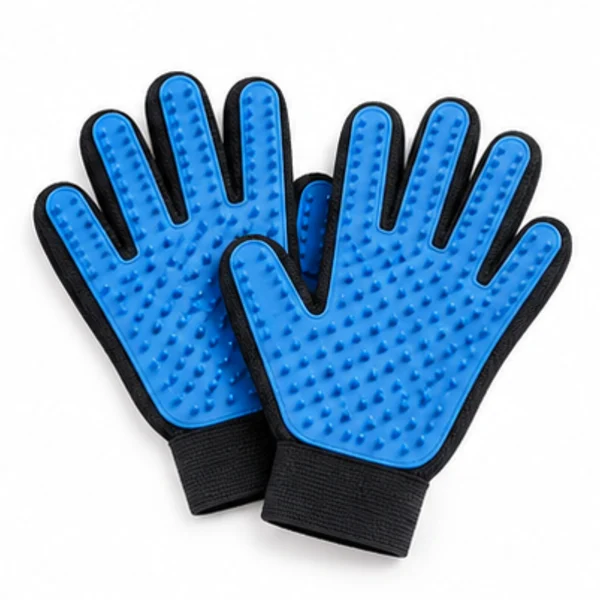
Makife pet grooming gloves, pair, blue
Glove-style grooming makes a daily hands-on coat check feel like a pat.
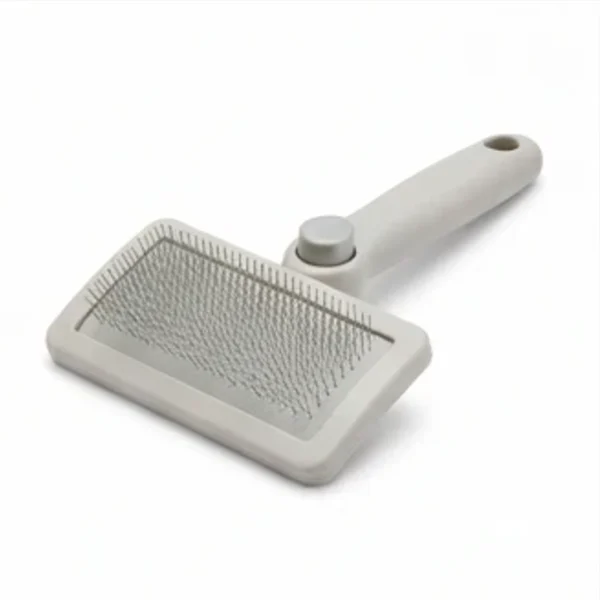
Hertzko self-cleaning slicker brush
A brush for a regular grooming session, which is another chance to feel for lumps.
Pictures are illustrations, not the actual products.
More detail on most of these is in Gear for tick checks and tick removal below, and the rest are the "You may also like" cards at the end of the row. These help with the routine; they don't replace your vet or a vet-recommended tick preventative.
What is a paralysis tick?
The paralysis tick (Ixodes holocyclus) is a small tick whose natural hosts are native animals, but it also attaches to pets. As it feeds on blood, it releases a toxin that affects the nervous system. That's what causes the weakness, breathing problems and paralysis seen in tick paralysis (RSPCA Australia).
Where are paralysis ticks found in Australia?
Paralysis ticks are generally found along the eastern seaboard, from North Queensland down to Victoria, and can also turn up inland where there's suitable bush or scrub (RSPCA Australia).
- Where: along the eastern seaboard, and in suitable bushland further inland (RSPCA Australia).
- When: in the north, ticks are around all year. Further south, the main season runs from spring to late autumn, and it can start earlier after a mild winter (RSPCA Australia). Even in Sydney, ticks can be active year round, so many vets recommend prevention all year (University of Sydney).
Your local vet knows how common ticks are in your area. If you live in or visit a tick area, even for a weekend, plan ahead. If you're planning a trip without your dog, ask the sitter or kennel to keep up daily tick checks too.
Paralysis tick symptoms in dogs
The first signs of tick paralysis in dogs are often a change in bark, gagging or retching, wobbly back legs and noisy or laboured breathing. Signs usually begin a few days after a tick attaches and can get worse quickly. If you notice any of them, or find a tick, see a vet straight away, even after hours.
Signs often start subtly. Watch for:
- a change in the sound of their bark
- gagging, retching, coughing or regurgitating food (sometimes frothy)
- wobbly or weak back legs, which can spread to the front legs
- noisy, grunting or laboured breathing
- drooling, or not wanting to eat
Not every pet shows the typical signs (RSPCA NSW).
Paralysis tick symptoms in cats
Cats can be affected too, including indoor cats. Signs in cats can be different from dogs, and weakness may be less obvious at first:
- agitation, or becoming unusually quiet or reluctant to move
- a change in their meow
- unusual breathing, often with a soft grunt as they breathe out
- gagging, drooling or not eating
- wobbliness or weakness
(RSPCA NSW; University of Sydney)
Tick paralysis is an emergency
If you notice any of these signs, or find a tick on your pet, contact your vet straight away. After hours, go to a 24-hour emergency vet. Don't wait until the morning (RSPCA NSW).
On the way, keep your pet calm, quiet and at a comfortable temperature, and don't give them food or water, because a pet with tick paralysis may not be able to swallow safely (RSPCA Australia).
How quickly do signs appear?
Signs usually start a few days after a tick attaches, often around three to five days, and can then progress quickly (MSD Veterinary Manual). Removing the tick is important, but it doesn't stop the toxin that's already been released. Signs can keep getting worse for 24 hours or longer after removal, which is why vets advise a check-up even if you've taken the tick off (Australian Veterinary Association).
What to do if you find a tick on your pet
Stay calm, keep your pet quiet and remove the tick with a tick hook or fine-tipped tweezers, close to the skin, without squeezing its body. Put the tick in a sealed container, check for more, and call your vet even if your pet seems fine, because the toxin can keep acting for 24 hours or more.
Not sure what kind of tick it is? In a tick area, treat any tick as a paralysis tick: take it off, keep it in a sealed bag, check for more and ring your vet. You can compare what you've found with the tick identification table below.
If your pet already has any signs, the vet comes first. Call your vet or nearest emergency vet and head straight in. Take off any tick you can see quickly, but don't let a long search hold you up, because the vet will search your pet thoroughly (RSPCA Queensland; Sydney Animal Hospitals).
How to remove a tick from a dog or cat
If your pet seems well, work through these steps:
- Stay calm and keep your pet calm. Keep them quiet and at a comfortable temperature, not too hot or cold (RSPCA Australia; RSPCA NSW).
- Remove the tick as soon as you can. Use a tick hook or fork-type tick remover, or fine-tipped tweezers. Slide it under the tick right where it meets the skin and remove it with a steady twist or pull, without squeezing the tick's body (RSPCA Australia; RSPCA NSW). Vets describe the exact movement a little differently, so if you're unsure, ask your vet to show you.
- Don't put chemicals, oils or heat on the tick. Only use products registered for ticks on pets (Sydney Animal Hospitals).
- Keep the tick. Put it in a sealed container or zip-lock bag (RSPCA Australia) and take it with you to the vet.
- Keep searching. Some pets carry several ticks at once, so keep looking after you find the first one (RSPCA Australia).
- See your vet, even if your pet seems fine. The toxin can take time to show its effects (RSPCA NSW; Australian Veterinary Association). Don't give food or water if your pet has any signs.
How is tick paralysis treated?
Tick paralysis is treated at a vet clinic, usually with tick antiserum (antitoxin), fluids and supportive hospital care. Taking the tick off at home is first aid, not treatment. Your vet will search for and remove any ticks and check how affected your pet is. Severely affected pets may need oxygen or help to breathe (RSPCA NSW; MSD Veterinary Manual). The earlier treatment starts, the better the chance of recovery (Australian Veterinary Association). Your vet will also tell you how long to keep your pet quiet and cool afterwards.
How long does recovery from tick paralysis take?
Recovery varies with how early treatment starts and how badly your pet is affected, so ask your vet what to expect. Signs can keep getting worse for a day or more after the tick comes off, and many pets need a stay in hospital for nursing care (RSPCA NSW; University of Sydney). The MSD Veterinary Manual notes that most dogs start to improve within hours of tick antiserum treatment, but pets who need help to breathe can need much longer care (MSD Veterinary Manual).
What does treatment cost, and does insurance cover it?
Costs vary between clinics and depend on how unwell your pet is and how long they need hospital care. One Sydney emergency hospital says treatment can run into the hundreds or thousands of dollars (Sydney Animal Hospitals). Ask your vet for an estimate, and check with your pet insurer whether tick paralysis is covered under your policy. Never delay treatment while you sort out the cost; ask the clinic about payment options when you arrive.
How to check your pet for ticks every day
A daily tick search is the most reliable way to catch a tick early, even if your pet is on a tick preventative (RSPCA Australia). It takes a few minutes once you get the hang of it.
- Use your fingertips, not just your eyes. Feel slowly against the direction of the fur for small lumps or bumps.
- Start at the nose and work back. Check the face, around the eyes and lips, inside and outside both ears, and the neck. Take the collar off to check underneath.
- Then do the rest of the body: shoulders, front legs and between the toes, armpits, chest, belly, groin, back legs and toes, tail and around the bottom.
- Focus on the front half. In a University of Queensland study of more than 10,000 cases, ticks were found on the head, neck or ears in 73% of dogs and 63% of cats (University of Queensland).
- Check after every walk in bushland, long grass or near the coast.
- Long-haired pets: a shorter summer clip can make ticks much easier to find. Ask your groomer or vet (Sydney Animal Hospitals).
- Cats: pay extra attention to the neck, which cats can't groom themselves (Australian Veterinary Association). A regular brush is a handy time to check: see our cat grooming guide.
How do I prevent tick paralysis?
Use a tick preventative recommended by your vet and made for your pet's species, and keep doses up to date through tick season. Add a daily tick search, because no product replaces checking. Never use a dog product on a cat: some contain permethrin, which is highly toxic to cats.
Use a tick preventative recommended by your vet. For dogs, options include chews, spot-ons and collars (Greencross Vets), and your vet may suggest longer-acting options. Use an APVMA-approved tick product and ask your vet which one suits your pet (Australian Veterinary Association). Follow the label exactly, and keep doses up to date through tick season. We compare how long each product's tick cover lasts in our flea and tick treatment guide for dogs, the cat guide and NexGard Spectra vs Simparica Trio. If you have a kitten, our kitten flea treatment guide shows which products list paralysis tick cover and from what age, so check the label and ask your vet.
Cats need cat products only. Never use a dog tick or flea product on a cat. Some dog products contain permethrin, which is highly toxic to cats, even in small amounts. Cats can also be poisoned by close contact with a dog that's recently been treated, so follow the product label about keeping them apart (International Cat Care; RSPCA NSW).
Keep up the daily tick search as well. RSPCA Australia calls it the most essential preventative measure, even when tick control products have been applied (RSPCA Australia). Finding a tick doesn't necessarily mean the product has failed (University of Sydney), but still see your vet.
Other simple steps:
- Avoid long grass and dense bush during tick season where you can. If you're heading out anyway, our guides to hiking with a dog and camping with a dog cover tick checks on the trip.
- Keep lawns mown and garden edges trimmed.
- Keeping cats indoors reduces, but doesn't remove, the risk. Ticks can come inside on people, other pets or plants. For other everyday hazards indoors, see our tips on keeping an indoor cat safe at home.
Tick season runs into the hottest months, so it's worth reading our hot day and heatstroke guide for dogs, and our tips on keeping cats cool in summer.
Gear for tick checks and tick removal
These are handy to keep at home during tick season. They help you find and remove a tick quickly, but none of them replace a vet visit after a tick or a vet-recommended tick preventative. We compared them on specs and listings on Amazon Australia (checked 25 Nov 2026); we haven't used them ourselves.
A fine-tipped tick remover. The PAFASON Dual-Headed Tick Removal Tweezer Set has a fine-pointed end and a slotted, hook-style end, so you can choose what suits the tick. Fine tips need a steady hand, so practise the movement with your vet if you're unsure.
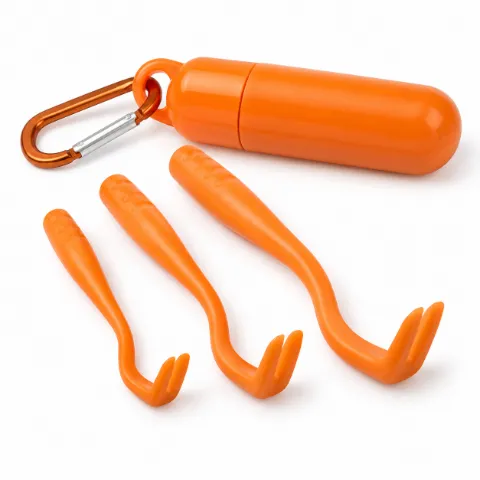
A tick hook in three sizes. The Tick Twister ClipBox holds three hooks, from tiny to large, in a small case you can clip to a lead or keep in the car. You slide the hook under the tick and turn it, with no squeezing. It is imported, so check the delivery details on Amazon before you order. We compare hooks, tweezers and cards in our tick remover guide.
A head torch for evening checks. Ticks are small and grey, and many owners check after the evening walk. A head torch keeps both hands free to part the fur. The Blukar Rechargeable Head Torch is one rechargeable option.
A fine-tooth comb for fluffy coats. Your fingertips are still the main tool, but a fine-tooth comb helps you part long or thick fur to look closely at a lump. The Hartz Flea Comb is a fine-tooth comb you can keep with your tick kit.
A basic pet first aid kit. The Reliance Medical Pet First Aid Kit is a small kit with tweezers, saline, gauze, bandages, gloves and plastic pouches you can use to keep a removed tick for the vet.
A bigger kit for the car or trips away. Our dog first aid kits guide compares bigger kits by what's inside, and what to add for ticks, snakes and stings.
If your pet already shows any signs of tick paralysis, don't stop to shop or search for gear: go straight to the vet.
Paralysis tick vs bush tick: what does a paralysis tick look like?
An engorged paralysis tick is pale grey to bluish, with long mouthparts and legs grouped near the head. The first and last leg pairs are brown and the middle two are pale. Bush and brown dog ticks have short mouthparts and legs spread along their sides. Often only a vet can identify a tick reliably.
Telling ticks apart isn't easy, especially before a tick has fed. As a rough guide (Greencross Vets):
| Tick | Body | Mouthparts | Legs |
|---|---|---|---|
| Paralysis tick | Pale grey to bluish when engorged | Long | Grouped near the head; the first and last pairs are brown and the middle two pairs pale |
| Bush tick | Reddish-brown to blue-black | Short | Spread along the sides, all one colour |
| Brown dog tick | Brown | Short | Brown, spread along the sides |
Bush ticks and brown dog ticks aren't as dangerous as paralysis ticks, but they can still irritate the skin and spread other diseases, so mention any tick to your vet (Greencross Vets). If you live in or have visited a paralysis tick area, treat any tick as a paralysis tick until your vet says otherwise. If your dog is scratching or licking a lot and you can't find a tick, see our guide to dog itchy skin for other common causes.
A note about ticks on people
Advice for removing ticks from people is different. The Australasian Society of Clinical Immunology and Allergy (ASCIA) recommends freezing the tick with an ether-containing spray rather than pulling it, and seeing a doctor if you're unsure or allergic (ASCIA). For your own health, follow ASCIA's advice or speak to your doctor.
Frequently asked questions
Can a dog survive a paralysis tick?
Many do, especially when treated early. But tick paralysis can be fatal, and pets can get worse quickly. A University of Queensland tick researcher estimated about 5,000 vet visits for tick paralysis in eastern Australia in 2024, with around 1 in 10 of those pets dying (University of Queensland). If you're worried, see a vet straight away.
Should I take my dog to the vet if I've removed the tick and they seem fine?
Yes, vets recommend a check-up. The toxin can keep affecting your pet for 24 hours or more after the tick is removed (Australian Veterinary Association).
What should I do if my pet already has signs of tick paralysis?
Go to your vet or nearest emergency vet straight away, even after hours. Take off any tick you can see quickly, but don't delay the trip to search, because the vet will search thoroughly. Keep your pet calm and at a comfortable temperature, and don't give food or water on the way (RSPCA Queensland; RSPCA Australia).
When is paralysis tick season?
It depends where you live. Ticks are around all year in the north. Further south, they're most active from spring to late autumn, and can be active year round in places like Sydney (RSPCA Australia; University of Sydney).
Are there paralysis ticks in Victoria?
Yes. RSPCA Australia says the paralysis tick is generally found along the eastern seaboard, from North Queensland down to Victoria (RSPCA Australia). Ask your local vet how common ticks are where you live or holiday.
What does a paralysis tick look like?
A paralysis tick has a pale body, long mouthparts and legs grouped near its head, with pale middle legs and brown outer legs. Once it has fed, it looks pale grey to bluish. Bush and brown dog ticks have short mouthparts and legs spread along the body. Often only a vet can tell them apart reliably (Greencross Vets).
Can indoor cats get paralysis ticks?
Yes, although it's less likely. Ticks can be carried inside on people, other pets or plants, so check indoor cats too if you live in a tick area (Greencross Vets).
Do I still need to check my dog if they're on a tick preventative?
Yes. RSPCA Australia recommends a thorough search at least once a day even when tick control products have been applied, and calls it the most essential preventative step (RSPCA Australia; Greencross Vets).
Can I use my dog's tick treatment on my cat?
No. Some dog products contain permethrin, which can kill cats. Only use products made and registered for cats (International Cat Care).
Can paralysis ticks affect people?
Yes, people can react to tick bites too, and the advice for removing ticks from people is different from pets. Follow ASCIA's advice (see our note on ticks on people above) and speak to your doctor if you're unsure or have a reaction.
Related guides
- Dog beaches on the Gold Coast and dog-friendly beaches in Australia
- Snake bite in dogs: symptoms and first aid
- Puppy flea treatment
- Best dog first aid kits
- Dog stung by a bee
- Best tick removers
- Best flea treatment for dogs
- Best flea treatment for cats
- Kitten flea treatment by age and weight
- NexGard Spectra vs Simparica Trio
- Best flea combs
- How to keep your dog cool in summer
- How to keep your indoor cat cool in summer
- Going on holiday? How to choose care for your dog
- Aussie Seasons: seasonal care for dogs and cats
- Dog guides
- Cat guides
How we wrote this: This guide is based on pages from the RSPCA, Australian universities, the Australian Veterinary Association, vet hospitals and the MSD Veterinary Manual, which we link throughout. We're not vets, and it isn't veterinary advice. Read more about how we research and source health information.
Sources
- RSPCA Australia: How can I protect my dog or cat from tick paralysis?
- RSPCA NSW: Tick season, protecting your pet
- RSPCA Queensland: Tick warning, protect your pets
- University of Sydney Veterinary Hospital: Ticks in dogs
- University of Sydney Veterinary Hospital: Ticks in cats
- University of Queensland: Paralysis ticks prefer heads and necks of pets
- Australian Veterinary Association: Put a tick prevention plan in place for pets
- Greencross Vets: Ticks on dogs guide
- Greencross Vets: Get ticked off
- Sydney Animal Hospitals: Performing a tick search
- Sydney Animal Hospitals: Paralysis tick emergency care
- MSD Veterinary Manual: Overview of tick paralysis
- International Cat Care: Permethrin poisoning
- ASCIA: Ticks
- Product details from each linked Amazon Australia listing, checked on 25 Nov 2026.
This guide provides general information and isn't a substitute for veterinary advice. If you're concerned about your dog's or cat's health, or think they may have tick paralysis, contact your vet or an emergency vet straight away.