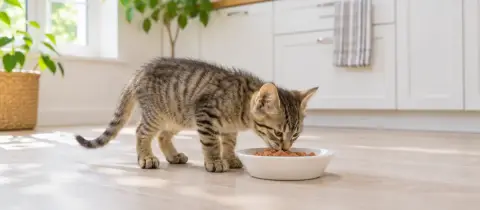
Kitten flea treatment: what's safe at each age and weight
By Anish PuriUpdated 25 Nov 202615 min readResearched, not tested by us
Research guide. WhiskerFinds may earn a commission from links, at no extra cost to you.
Quick answer: Kitten flea treatment depends on age and weight, and the label minimum is the rule. For most kittens, Advocate for kittens and small cats is our top pick: Elanco's page says from 9 weeks, in a pack for cats up to 4 kg. No product here is labelled for a kitten under 4 weeks. Never use a dog product.
Illustration, not the actual product
Our top pickAdvocate for kittens and small cats up to 4 kg, 3 pack
A flea-covered kitten feels urgent, but the limits on the pack are there for a reason. This guide sorts four kitten-suitable products by the youngest and lightest kitten each label allows, says what to do while your kitten is too young, and covers the house and the mother cat. If you're hand-raising a very young kitten, our bottle feeding guide covers the feeding side, with our kitten milk replacer and kitten feeding bottle guides for the gear. For adult cats, see flea treatment for cats.
Quick picks
Our top pickBest overall
Advocate for kittens and small cats up to 4 kg, 3 pack
One monthly spot-on for fleas, heartworm and worms, from 9 weeks per Elanco
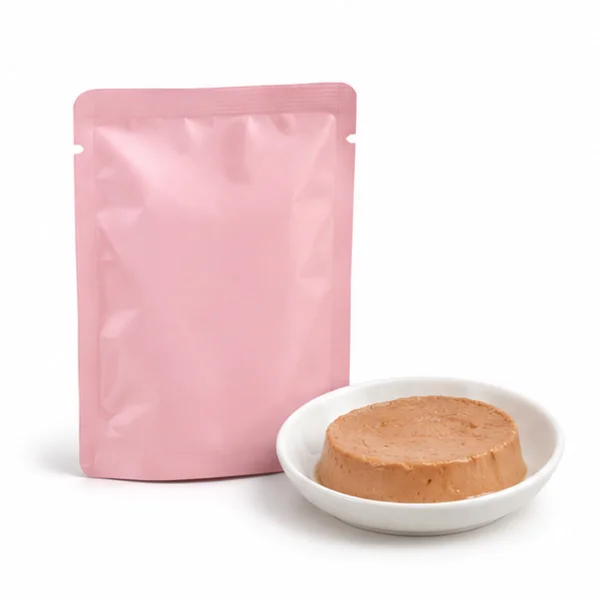
Pictures are illustrations, not the actual products.
What age and weight does each product need?
Between 4 and 11 weeks, depending on the product, and the kitten must meet the weight limit too. Capstar has the lowest limits. Advocate starts at 9 weeks, Seresto at 10, and Bravecto Plus at 11 weeks on its listing. A kitten under a label minimum needs your vet's advice, not a trimmed-down adult pack.
Swipe sideways to see every column
Product
Minimum age
Minimum weight
Pack band
Source
Capstar tablet
4 weeks
0.5 kg
0.5 to 11 kg
Listing
Advocate for kittens and small cats
9 weeks
Not stated
Up to 4 kg
Elanco Australia page
Seresto cat collar
10 weeks
Not stated
One size
Elanco Australia page
Bravecto Plus (this pack)
11 weeks, see pick 3
2.8 kg for this pack (the listing says the range starts at 1.2 kg, in a smaller pack)
2.8 to 6.25 kg
Listing
"Not stated" means the maker page we read gives no minimum weight, so ask your vet about a very small kitten. Capstar's figures match our cat flea treatment guide, which also lists the other monthly spot-ons.
Why can dog flea products kill kittens?
Some dog spot-ons contain permethrin, which cats can't handle, and a small amount on a kitten can cause serious illness. International Cat Care lists tremors, shaking, twitching, sensitivity to touch or sound and unsteadiness as signs (International Cat Care, "Permethrin poisoning", page read 25 November 2026). RSPCA Australia says flea products made for dogs can be fatal if given to cats.
Contact counts too. International Cat Care says a cat can be affected by rubbing against a recently treated dog, and advises keeping the two apart for 72 hours after a permethrin dog product. If a dog product touches your kitten, call your vet straight away. Our puppy flea treatment guide is for puppies only, so keep the two packs apart in the cupboard as well.
Our picks in detail
1. Advocate for kittens and small cats up to 4 kg: best overall
A monthly spot-on that the listing says contains 100 g/L imidacloprid and 10 g/L moxidectin. Elanco's Australian page says it can be used from 9 weeks and covers fleas, heartworm, roundworms, hookworms, lungworm and ear and mange mites. The small pack is for kittens and small cats up to 4 kg, and the listing says to part the fur at the back of the neck and apply to the skin, monthly. A 6 pack is here if you'd rather buy more at once.
The listing's safety directions say it is harmful if swallowed, will damage the eyes, and to wash your hands after use. Elanco's page doesn't list ticks or tapeworm, so if you live in paralysis tick country, ask your vet what to add. Our paralysis tick guide explains the daily search. Once a kitten passes 4 kg, you need the next band up.
Pros: fleas, heartworm and common worms in one product; one pack size covers a kitten until 4 kg; label age from 9 weeks
Cons: monthly; no tick or tapeworm cover on Elanco's page; no minimum weight stated; not for pregnant or nursing cats, per Elanco
Best for: a kitten of 9 weeks or more that needs fleas, worms and heartworm handled together
Skip it if: your kitten is under 9 weeks, or you need tick cover in the same product
2. Capstar tablets for cats and small dogs 0.5 to 11 kg: best for the youngest kittens, vet-led
A tablet with nitenpyram. The listing says it is safe for kittens from 4 weeks and 0.5 kg, starts killing adult fleas within 30 minutes, and can be given with or without food on any day fleas are seen, no more than once a day.
It clears adult fleas on the kitten and does nothing for eggs in the house, so it's a bridge, not a plan. It can suit a flea-covered kitten too young or light for the spot-ons, on your vet's advice. Never split a tablet between pets. It is also a pick on our cat flea treatment guide.
Pros: the lowest age and weight limits here; fast on adult fleas; no applicator
Cons: no lasting protection; a tablet to give by mouth; no ticks, worms or heartworm
Best for: a flea-covered kitten of 4 to 8 weeks, on your vet's advice
Skip it if: you want ongoing cover from one product
3. Bravecto Plus spot-on for cats 2.8 to 6.25 kg: fewest applications, for older kittens
One spot-on instead of a monthly routine. The listing says it treats fleas for 3 months, controls paralysis ticks for 10 weeks, prevents heartworm for 2 months, and controls roundworm, hookworm and ear mites for 3 months. It says kittens from 11 weeks and over 1.2 kg, though a brand banner on the same page says 9 weeks, so check the maker's label and ask your vet.
The limitation: this is the 2.8 to 6.25 kg blue pack, so a kitten under 2.8 kg needs the smaller band, and the listing's own description text describes that smaller green pack. Check the colour and weight band in your cart. The mixed timings (2 months for heartworm, 3 for fleas) are easy to get wrong, so follow the label. Bravecto Plus belongs to the isoxazoline class, so tell your vet first if your kitten has ever had tremors or a seizure; our cat flea treatment guide explains the caution.
Pros: the fewest applications; paralysis tick cover per the listing
Cons: mixed 2 and 3 month timings; muddled listing text; wrong band for a kitten under 2.8 kg; isoxazoline class
Best for: a kitten already over 2.8 kg and over the label age whose owner can't manage monthly dates
Skip it if: your kitten is under 2.8 kg, or you want a simple same-date routine
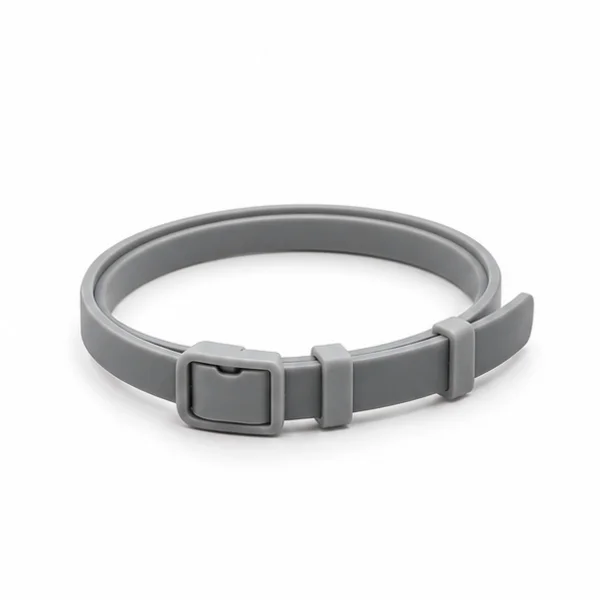
4. Seresto collar for kittens and cats: best for no monthly routine
A polymer collar with imidacloprid and flumethrin. Elanco's page says kittens can wear it from 10 weeks, that it covers fleas and paralysis ticks for 8 months and bush and brown dog ticks for 4, and that it has a built-in breaking point if a cat is caught. Fit it with room for two fingers and trim the spare length to about 2 cm past the second loop, as the listing says; for kittens, leave extra length so you can let it out as they grow.
Check the fit often, because a kitten's neck changes quickly. Our kitten collar guide covers fitting and breakaway buckles. Elanco says it isn't recommended for pregnant or lactating cats, and nothing in it treats worms.
Pros: up to 8 months from one collar; no applicator to fight; breaking point
Cons: a collar on a small kitten needs frequent fit checks; nothing for worms or heartworm; not for pregnant or nursing cats
Best for: a kitten of 10 weeks or more whose owner prefers a collar to drops
Skip it if: your kitten is under 10 weeks, or chews or fights its collar
5. A flea comb: for kittens too young for any product
No medicine at all, so no age limit. A fine-toothed comb lifts fleas and flea dirt off a kitten, which makes it the first step for a kitten under 4 weeks, with your vet's advice. It only clears fleas on the kitten and does nothing for the house. See our flea comb guide for the top pick and how to use one.
Pros: no medicine, so no label age; shows you what you're dealing with
Cons: only removes fleas from the kitten; slow
Best for: under 4 weeks, or any kitten under every label weight
Skip it if: your kitten won't tolerate being combed; ask your vet instead
What can I use on a kitten under 8 weeks?
Almost nothing is labelled for it, so start with your vet. Under 4 weeks, none of the products here applies. From 4 weeks and 0.5 kg, Capstar is the only one with a label, and only on your vet's advice. At any age, a flea comb, hot-washed bedding and treating the mother help while you wait.
Swipe sideways to see every column
Kitten's age
What you can do
Product with a label
Vet
Under 4 weeks
Fine-toothed flea comb, wash bedding hot, vacuum, ask your vet about the mother
Do flea shampoos and home remedies work on kittens?
Not reliably, and we don't pick a shampoo. A wash can kill fleas on the kitten that day but gives no lasting cover. We left out the one flea shampoo we looked at because its listing gave no minimum age. Bathing a very young kitten can also chill it, so check the label age and ask your vet. For washing a settled older kitten, see our cat shampoo guide.
RSPCA Australia says there's no evidence that alternatives such as tea leaves or citronella work against fleas. We also don't suggest essential oils or "natural" oil products on cats, because some plant oils are toxic to cats. If a product isn't labelled for cats and your kitten's age, leave it on the shelf.
Treating the mother cat and the house
Most of the flea problem is in the home, not on the kitten. RSPCA Australia says flea eggs, larvae and pupae can survive for weeks to months, and that every pet should be treated with a product suited to that animal. Its steps include weekly vacuuming of floors and furniture and washing bedding at a high temperature.
Merck lists four parts to flea control: killing fleas on the animal, reducing fleas in the home and yard, preventing reinfestation, and supportive care. For a litter, that means the mother needs a plan from your vet, especially if she is nursing, because not every product suits a lactating cat. Elanco's pages say neither Advocate nor the Seresto collar is recommended for pregnant or lactating cats.
Do these treat worms as well?
Only Advocate lists worms here. Elanco's page lists fleas, heartworm, roundworms, hookworms, lungworm, and ear and mange mites, but doesn't mention tapeworm or ticks. Flea products are separate from a kitten's wormer, so see our kitten wormer guide and cat worming tablets guide, and ask your vet before doubling up.
Swipe sideways to see every column
Product
Fleas
Heartworm
Roundworm and hookworm
Ticks
Advocate
Yes
Prevents
Yes
Not listed on Elanco's page
Capstar
Adult fleas, no lasting cover
No
No
No
Bravecto Plus
Yes, 3 months per the listing
Prevents, 2 months
Yes, 3 months
Paralysis ticks, 10 weeks
Seresto
Yes, up to 8 months
No
No
Paralysis ticks, up to 8 months
Ear mites also show up in kittens, and the signs can look like other problems, so a vet should confirm them; see ear mites in cats.
Choose by situation
Swipe sideways to see every column
Your situation
What to look for
Our pick
Kitten of 9 weeks or more, under 4 kg, fleas and worms
A spot-on labelled for the band
Advocate (1)
Fleas on a kitten of 4 to 8 weeks
A tablet labelled from 4 weeks, vet first
Capstar (2)
Over 2.8 kg, hard to handle monthly
Fewer applications
Bravecto Plus (3)
Dislikes spot-ons, 10 weeks or more
A flea collar with a safety release
Seresto (4), fit checked often
Under 4 weeks
No product, call the vet
Flea comb and home steps
Nursing mother
Ask your vet; not every product suits
Vet's choice
Dog in the house
A cat product for the cat only
Never swap packs
How we chose
We searched Amazon Australia for flea products suited to kittens, then checked each against these:
Well rated: a strong average rating with plenty of buyer reviews.
No red flags: no pattern of poor reviews, safety complaints or listing problems.
Available on Amazon Australia when we checked.
Labelled for cats, never a dog product.
Minimum age and weight taken from the maker's Australian page where we could read one, and from the listing where we say so.
A weight band that includes kittens, so the pack suits a young cat.
Where a listing is silent or muddled, we say so. These are researched picks, not products we've personally tested. We compared the specs on each Amazon Australia listing, checked on 25 Nov 2026, read the maker's page where one was available, and we didn't accept payment from any brand.
Left out this time: one kitten and small cat spot-on whose registered label and strength we couldn't confirm, a flea shampoo with no minimum age, adult-weight packs, a collar built on plant oils, a spray with no sign of Australian registration, and anything labelled for dogs.
Where else can you buy kitten flea treatment?
Vet clinics and pet shops sell products like these and can weigh your kitten and match the pack to the band. Pharmacies stock some too. A vet can also check your kitten for anaemia and worms and advise on tick risk where you live. Buy only the pack for your kitten's weight today.
When to see a vet
Go to a vet or emergency clinic straight away if your kitten is drooling, trembling, twitching or wobbly after any flea product, or if a dog product has touched it. Call your vet or the Animal Poisons Helpline (1300 869 738, 24/7). See the International Cat Care page on permethrin poisoning.
See a vet promptly if your kitten has fleas and pale gums, seems weak or sleepy, is under any label minimum, has skin sores or red, hairless skin under a collar, or you see rice-like tapeworm segments around its bottom. Our flea dirt guide shows how to check. A kitten under 4 weeks with fleas needs advice the same day.
Frequently asked questions
Can I use a half pipette of an adult flea treatment on my kitten?
No. The packs are made for set weight bands, and a part pipette isn't a labelled amount. Never split a pipette or tablet between cats, and don't use part of an adult pack. If your kitten is under every label limit, your vet will say what suits.
How often do I treat a kitten for fleas?
Follow the label on your product, because it differs: Advocate is monthly, Seresto lasts up to 8 months per Elanco, and Capstar is a tablet for the day fleas are seen, no more than one a day. Your vet can set the plan, and treat the other pets on the same day.
Do indoor kittens need flea treatment?
Often yes, because fleas arrive on other pets, visitors and clothes. RSPCA Australia says eggs, larvae and pupae can survive in a home for weeks to months. Ask your vet whether a plan suits your kitten, and what to use until the label age.
Can my kitten wear a flea collar?
Seresto's Australian page says from 10 weeks, with a breaking point and extra length left for growth. Check the fit often, take it off if the skin looks sore, and ask your vet first. Our kitten collar guide covers breakaway collars and fit.
What if my kitten has fleas and is too young for anything?
Call your vet the same day. Meanwhile comb with a flea comb, wash bedding hot and vacuum. Fleas can cause iron-deficiency anaemia in young animals, per Merck Veterinary Manual, so a heavily infested kitten needs a check rather than a wait.
How do I check a kitten for fleas?
Run a fine-toothed flea comb through the coat and tap what it collects onto damp white paper. Specks that smear rusty red are flea dirt, which means fleas have been feeding. Our flea dirt guide shows the test step by step, and your vet can confirm what you've found.
Can a kitten have worming and flea treatment together?
Advocate covers both, so a separate wormer on top could double up. Ask your vet before combining products. Our kitten wormer guide covers worming from the label ages, and a vet can set both plans.
Product details from each linked Amazon Australia listing, checked on 25 Nov 2026.
This guide provides general information and isn't a substitute for veterinary advice. If you're concerned about your kitten's fleas or parasite protection, speak with your vet.