Quick answer: Flea dirt is flea poo: tiny black or dark brown specks, like ground pepper, in your dog's or cat's coat. Comb some onto damp white paper. If the specks smear rusty red, it's flea dirt, because it's digested blood. Then ask your vet about treating every pet in the home.
Finding black specks on your pet is unsettling, but it's an easy thing to check at home. This guide shows you how to confirm flea dirt, what else those specks might be, and the steps to take next. It sits alongside our guides to dog itchy skin and flea combs, and the Dogs and Cats pages.
Quick picks
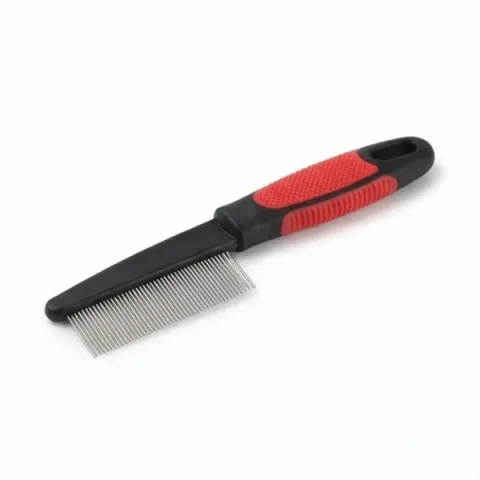
Ferplast GRO flea comb
A metal-toothed comb listed for both dogs and cats, for the damp paper test
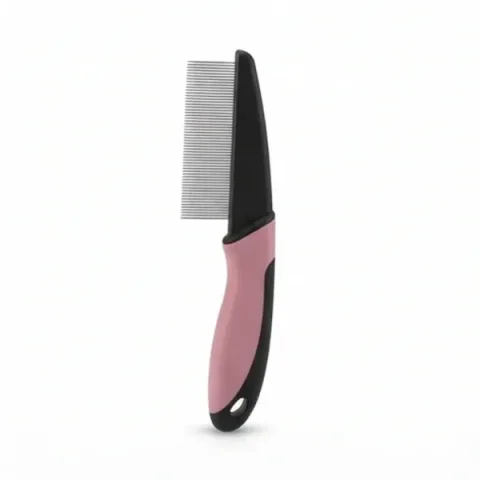
Trixie flea and dust comb for cats, 15 cm
Cat-specific comb with a non-slip handle insert (German listing)
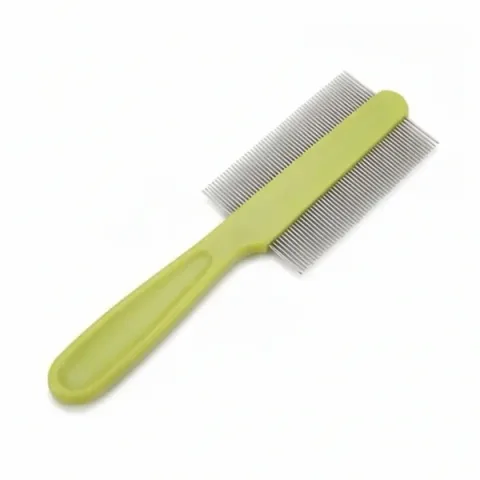
Coastal Safari double-row flea comb
Two rows of teeth in a plastic comb, sold as the dog version
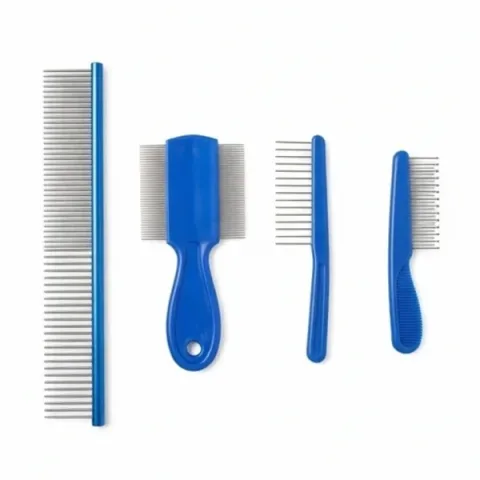
Brillirare 4-comb flea and grooming set
One fine comb plus a double-sided comb and two pin combs for knots

INVENHO washable rectangle bed
The whole bed is machine washable per the listing, so bedding can be washed

BISSELL PowerClean FurGuard 280W cordless
Two batteries, a self-cleaning brush roll and a motorised pet tool for the couch
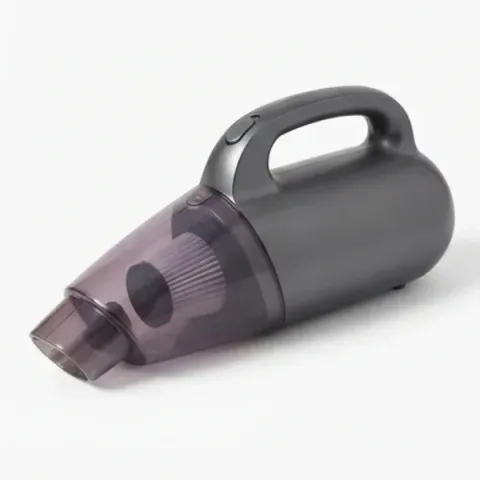
BLACK+DECKER 18V Pet Dustbuster
Motorised pet brush and a 700 mL bowl for couch, car and stairs
Trixie flea and dust comb for cats, 15 cm
A cat-specific comb with a non-slip handle insert, listed in a German listing.
Coastal Safari double-row flea comb
Two rows of teeth, sold as the dog version, for thick coats.
Brillirare 4-comb flea and grooming set
One fine comb plus a double-sided comb and two pin combs for knots and small spots.
INVENHO washable rectangle bed
The whole bed is machine washable per the listing, which fits the advice to wash bedding.
BISSELL PowerClean FurGuard 280W cordless
Two batteries, a self-cleaning brush roll and a motorised pet tool for the couch, for vacuuming the places your pet rests.
BLACK+DECKER 18V Pet Dustbuster
A handheld with a motorised pet brush and a 700 mL bowl for couch, car and stairs.
Pictures are illustrations, not the actual products.
More detail on the comb is in Useful gear below. A comb helps you check; treatment is a job for your vet.
What is flea dirt?
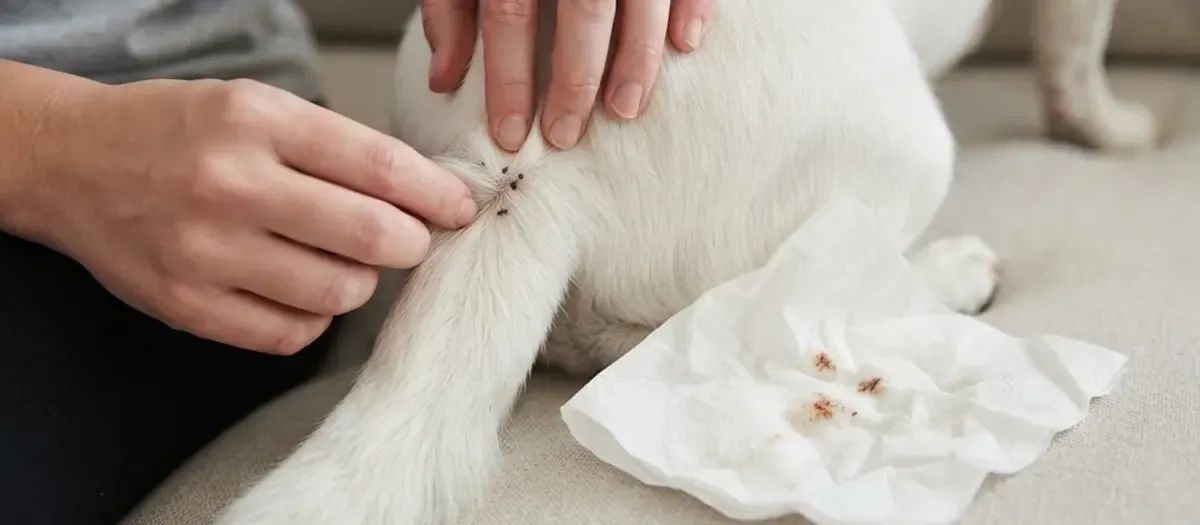
Flea dirt is the droppings of adult fleas. It's made of digested blood, so finding it means fleas have been feeding on your pet. It looks like coarse black or dark reddish-brown specks, about the size of ground pepper, sitting close to the skin at the base of the hairs (Webvet, medically reviewed, published July 2026).
The University of Sydney vet hospital describes flea dirt as small black specks in the coat and a sign of a flea problem (University of Sydney Veterinary Hospitals, page read 8 November 2026).
What does flea dirt look like on a dog or cat?
Expect small black or dark brown grit, about the size of ground pepper, often in clusters. It tends to collect where fleas like to feed and where your pet can't groom easily. It can sit in the fur, or you might see it on the bedding where your pet sleeps.
Good places to look first, based on Webvet's checklist:
- the base of the tail and lower back
- the belly and inner thighs
- the neck and behind the ears
- under the chin
- the bedding
On a dark-coated pet, specks are hard to spot in the fur. Comb over a white surface instead of searching by eye.
How to check for flea dirt
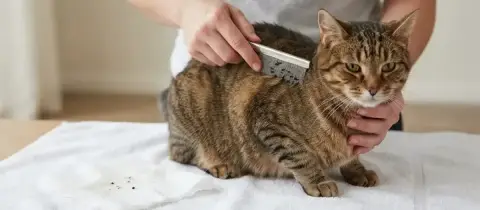
You need a fine-tooth comb, a sheet of white paper or a white paper towel, and a little water. Go gently and stop if the skin looks sore or broken. Webvet's method, which we've put into plain steps:
- Sit your pet somewhere calm, on a towel or over a sheet of white paper, so anything that falls is easy to see.
- Comb slowly through the tail base, lower back and belly. Use light strokes, from the skin outwards.
- Tip the specks onto the paper towel. Don't wipe them; you want the grit itself.
- Add a drop or two of water and wait around 30 seconds.
- Read the result. Specks that turn rust red or reddish brown are flea dirt. Specks that stay grey or brown are more likely ordinary dirt. White flakes that go see-through are more likely dandruff (Webvet); Banfield Pet Hospital says the same, because flea dirt is digested blood (Banfield, page read 8 November 2026).
- If it's unclear, comb a wider area and try again.
Also look at what the comb picks up: fleas are small, dark and quick, and may jump. Wash your hands afterwards.
Is it flea dirt or just dirt?
Ordinary dirt, soil or crumbs stay grey or brown and don't smear red when wet. Flea dirt is the one that turns rusty red, because of the blood in it. That colour change is the quickest way to tell them apart.
| What you see | What it may mean | What to do |
|---|---|---|
| Specks that smear rusty red on damp paper | Flea dirt, which means fleas have been feeding | Call your vet about treatment for every pet, and wash bedding |
| Specks that stay grey or brown on damp paper | More likely ordinary dirt | Recheck in a few days, and see your vet if your pet keeps itching |
| Flea dirt but no fleas seen | Fleas are probably in the home, not just on your pet | Follow the steps under "What to do next" |
| Scabs, hair loss or constant scratching | Itchy skin, which can include flea allergy | See your vet. Our itchy skin guide lists other causes |
| Kitten or puppy with fleas | Young animals can lose blood quickly | Call your vet the same day |
| White rice-like bits near the tail | Can be a sign of tapeworm, which the University of Sydney vet hospital says fleas can pass on | Ask your vet about worming |
Flea dirt but no fleas: what does it mean?
Seeing flea dirt without a flea is very common. Most of the flea life cycle happens in the home, in bedding, carpet and outdoor areas, rather than on your pet. Adult fleas are small and quick, and the pupal stage can survive for a long time before new adults emerge (University of Sydney Veterinary Hospitals).
So flea dirt with no fleas still counts as a flea problem. Some pets with a flea allergy itch badly from just a few bites, while others show few signs even with plenty of fleas (the same source).
Black specks on a cat's chin: flea dirt or cat acne?
Black specks on a cat's chin can be either, and the damp paper test helps. Flea dirt lifts off easily and bleeds red when wet. Chin acne blackheads are stuck in the skin, resist the comb and don't transfer onto paper, according to Webvet's guide.
If the specks won't comb off and the paper stays clean, that is more consistent with a skin problem than fleas. Your vet can tell the two apart, so book a visit if the chin looks red, swollen, sore or scabby. Don't squeeze or scrub it.
What to do next if you find flea dirt
Treat flea dirt as a household job, not a one-pet job. Work through these in order:
- Call your vet about flea treatment that suits each pet's species, age and weight. Follow the label and your vet's directions. Never use a dog product on a cat (see the safety box below). Our guides to flea treatment for dogs and flea treatment for cats compare what each registered product covers, so you can talk options through with your vet.
- Treat every dog and cat in the home, not only the pet with the specks. The University of Sydney vet hospital says all pets in the household need treating to break the life cycle.
- Wash bedding. Washing bedding and vacuuming regularly help reduce fleas in the home, particularly with an established problem (University of Sydney). Webvet suggests the hottest wash the fabric allows.
- Vacuum carpet, rugs, pet beds and the places your pet rests. Empty the vacuum outside afterwards.
- Recheck with the comb on damp paper. Webvet notes that flea dirt can keep turning up for a couple of weeks after treatment starts because existing specks need to be combed or groomed out. Results vary, so ask your vet what to expect for your pet.
- Keep up prevention. The University of Sydney vet hospital recommends year-round flea prevention in Australia, because fleas can survive all year in many environments.
A flea comb helps you find and remove some fleas and flea dirt, but it doesn't clear an infestation. Ask your vet which flea treatment suits each pet, treat every dog and cat in the home, and wash their bedding.
Cat safety: why you must never use a dog flea product on a cat
Some dog flea products contain permethrin, which is toxic to cats. A cat's liver can't break it down, so even a small amount can make a cat seriously ill. Signs include tremors, twitching, being very sensitive to touch or sound, and wobbliness (International Cat Care, page read 8 November 2026).
Cats can also be affected by contact with a recently treated dog, because the product can rub off onto the cat's coat. International Cat Care advises keeping the two apart for 72 hours after a permethrin product is used on a dog. Follow your vet's directions and the label on the product you use, and ask your vet about a dog treatment that suits a home with cats.
If your cat is drooling, twitching, trembling or wobbly after any flea product, go to a vet straight away. Please don't try essential oils, garlic or home remedies on any pet. Our paralysis tick guide covers the tick-product side of the same warning.
Can fleas make a kitten or puppy sick?
Yes. Fleas feed on blood, and a very small animal can lose a lot of it quickly. Severe infestations may contribute to anaemia, especially in puppies (University of Sydney Veterinary Hospitals). Webvet advises a same-day vet call for a kitten under about eight weeks, or any kitten with pale gums, cold ears, fast breathing or weakness.
Flea products have minimum age and weight limits. Don't use anything on a kitten or puppy until your vet has chosen it. For products labelled for puppies, by age and weight, see our puppy flea treatment guide.
Do indoor cats get fleas?
They can. An indoor cat can still meet fleas if another pet in the home has them, or if fleas arrive on people or a visiting animal, so flea dirt on an indoor cat is worth taking seriously. Most of the flea life cycle lives in the home, so ask your vet to plan around every pet in the house.
Can flea dirt be on my bed or on people?
Yes on the bed. Flea dirt falls off your pet and collects where they rest, so check the bedding, blankets and any spot your pet sleeps, wash what you can and vacuum the rest. Fleas can bite people too, but advice for people belongs with your doctor or pharmacist. This guide covers pets.
Useful gear
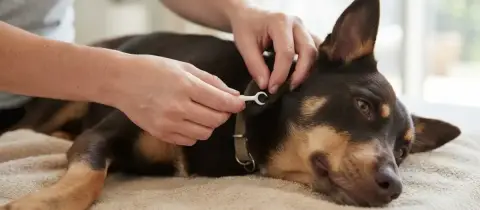
A fine-tooth comb is the one tool this check really needs. Our best flea comb guide compares combs for cats and dogs. The best overall pick there is the Ferplast GRO flea comb, a metal-toothed comb listed for both dogs and cats. Vet clinics and pet shops also sell flea combs, if you'd rather see one in person.
For treatment, ask your vet: the right product depends on your pet's species, age and weight.
When to see a vet
Call your vet the same day if a kitten or puppy has fleas or flea dirt, or if any pet has pale gums, weakness or seems flat. Fleas feed on blood, and small animals can become anaemic.
Book a vet visit if your pet has:
- hair loss, scabs, sores or constant scratching, which can be a flea allergy or another skin problem
- a heavy flea burden, or flea dirt that keeps coming back after treatment
- white rice-like bits near the tail, which can be a sign of tapeworm
- a red, swollen or sore chin (cat acne can need treatment)
- any reaction to a flea product
Go to a vet straight away if a cat is drooling, twitching, trembling or wobbly after a flea product. Please don't use a dog flea product on a cat. See the International Cat Care page on permethrin poisoning.
Frequently asked questions
What are the early signs that my cat might have fleas?
Scratching, over-grooming, small black specks in the coat and specks on the bedding are common early signs. Some cats show very little, so check the tail base and belly with a fine-tooth comb over white paper. If the specks smear red on damp paper, ask your vet about treatment.
Where do fleas hide?
Adult fleas live in your pet's coat, but most of the flea life cycle happens in the home, in bedding, carpet and outdoor areas. That's why vets advise washing bedding, vacuuming and treating every pet in the household, not just the one with fleas on it.
What do fleas look like on a kitten?
Fleas are small, dark and quick, so you're more likely to see flea dirt first. Check the neck, belly and tail base by combing gently over white paper. A kitten with fleas can lose blood fast, so call your vet the same day and don't use any flea product until they choose one.
Where does flea dirt show up on a dog?
Check the base of the tail and lower back first, then the belly, inner thighs, neck and behind the ears, where fleas feed and a dog can't groom easily. Part the coat down to the skin, because the specks sit at the base of the hairs. On a dark coat, comb over white paper rather than searching by eye.
Is flea dirt dangerous to my pet?
The dirt itself isn't the main concern. It tells you fleas are feeding, and fleas can cause itchy skin, flea allergy, tapeworm and, in small or young animals, anaemia. Ask your vet about treatment and worming, especially for kittens, puppies and heavily infested pets.
Will flea dirt go away on its own?
Not while fleas are still around, because they keep making it. Flea dirt can also keep appearing for a while after treatment starts, until it's groomed or combed out. Results vary, so ask your vet how long to expect it, and recheck with the comb.
Can I wash flea dirt off my pet?
Combing it out is the simplest approach, followed by a wipe with a damp cloth. Bathing is optional and depends on your pet. Don't use a dog shampoo on a cat. Washing alone won't clear fleas, so you still need your vet's treatment plan and clean bedding.
Related guides
- Puppy flea treatment
- Best flea treatment for dogs
- Best flea treatment for cats
- Ear mites in cats: signs, vet treatment and what not to do
- Best flea comb for cats and dogs
- Allergies in cats
- Dog itchy skin: causes, relief and when to see a vet
- Paralysis ticks: how to check your pet
- Best tick remover for dogs and cats
- Best cat brushes
- Dog guides
- Cat guides
Sources
- Webvet, Flea dirt on cats: what it looks like and how to confirm it (medically reviewed, published July 2026; page read 8 November 2026) (https://www.webvet.com/flea-dirt-on-cats/)
- University of Sydney Veterinary Hospitals, Fleas in dogs (page read 8 November 2026) (https://www.sydney.edu.au/vet-hospital/small-animals/dogs/preventative-health/parasites/fleas.html)
- International Cat Care, Permethrin poisoning (page read 8 November 2026) (https://icatcare.org/articles/permethrin-poisoning)
- Banfield Pet Hospital, How to check for fleas (page read 8 November 2026) (https://www.banfield.com/Wellness-at-banfield/Skin-and-coat-care/How-to-check-for-fleas)
- Product details from the linked Amazon Australia listing, checked on 8 Nov 2026.
This guide provides general information and isn't a substitute for veterinary advice. If you're concerned about fleas on your dog or cat, speak with your vet.