Research guide. WhiskerFinds may earn a commission from links, at no extra cost to you.
Quick answer: The best tick remover for dogs and cats is a tick hook that slides under the tick and rotates, and our top pick is a set of three plastic hooks. Fine tweezers suit tiny ticks and a pocket card suits a walking pack. Whichever you use, call your vet after you take a tick off.
A tick remover is a small tool that lifts a tick out close to the skin without crushing its body. This guide compares four of them on Amazon Australia, explains which one suits which tick, and covers what to do afterwards. For symptoms, emergency steps and prevention, read our paralysis tick guide first, and keep this page for choosing the tool.
Quick picks
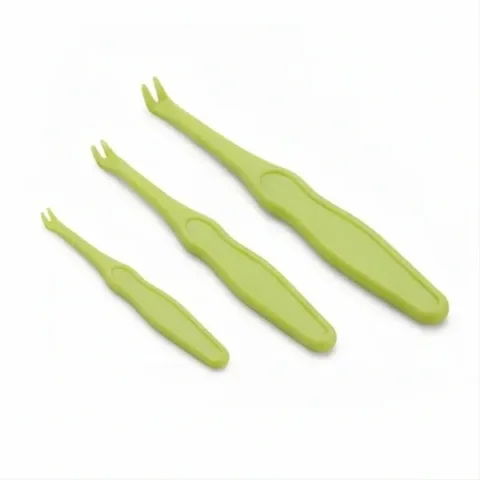
Plastic tick hooks, set of 3
Three hooks in one pack, slide under the tick and rotate, 4.54 g
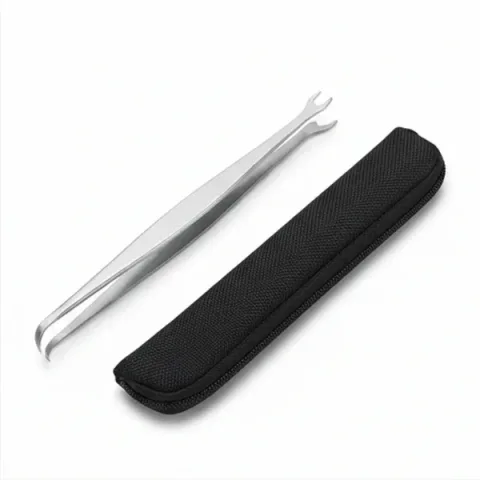
EasyULT 2-in-1 stainless steel tick tweezers and hook
Fine curved tweezers plus a hook, 14 cm, comes with a case
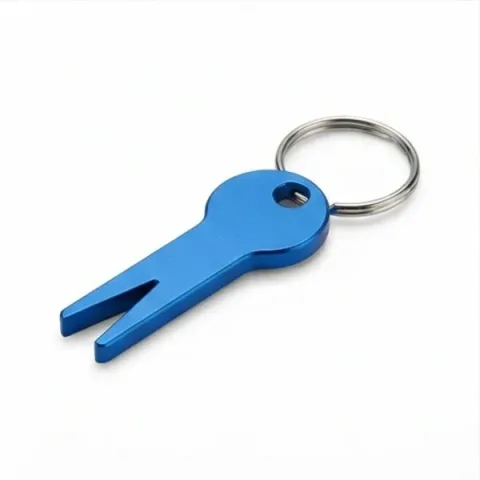
Tick Patrol keyring tick remover
Anodised aluminium slide tool that clips to a keyring, collar or pack
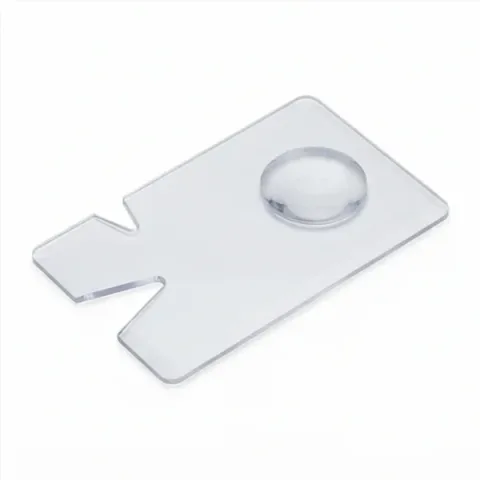
Lifesystems tick removal card with magnifier
Card with a magnifying lens, 54 x 36 x 1 mm, 2 g
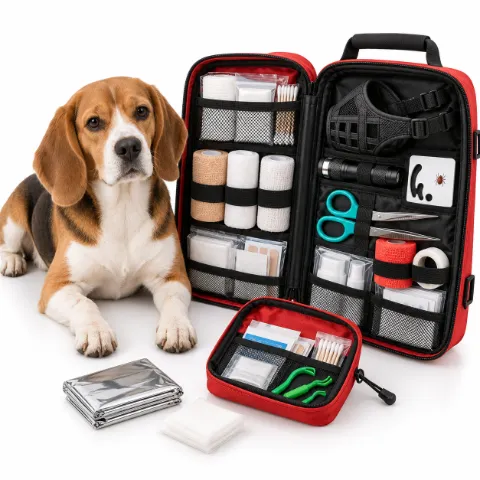
ARCA PET Cat & Dog First Aid Kit, hard case
A first aid kit keeps basic supplies in one place for either pet.
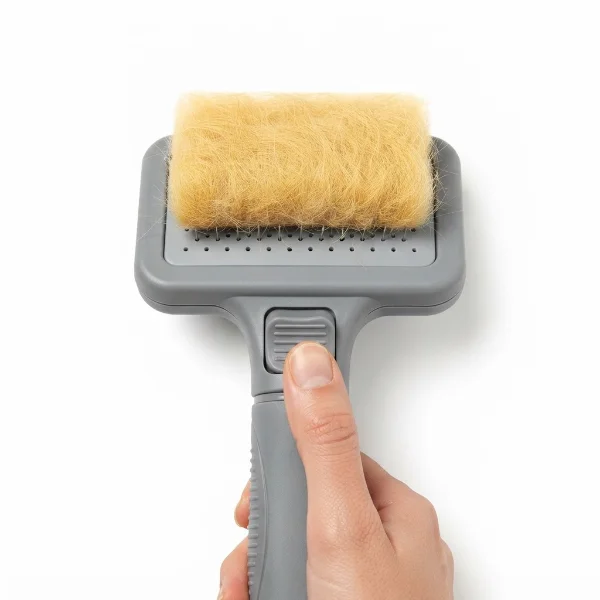
aumuca self-cleaning slicker brush
Regular brushing is a good chance to feel through your dog's coat.
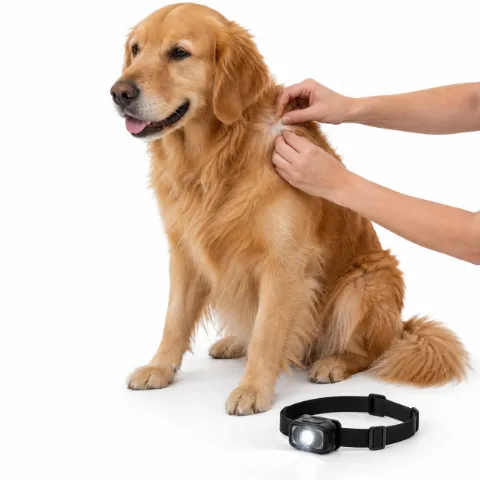
Blukar rechargeable head torch
A head torch leaves both hands free and helps you see a small tick in a thick coat, especially in the evening.
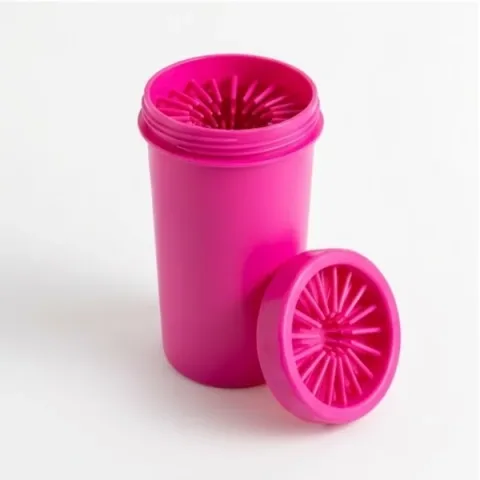
Dexas MudBuster paw washer
After a bush or park walk, a quick paw rinse is a good time to check between the toes.

BUGALUGS plastic-free dog wipes
Wipes help you clean up after a walk, and wiping the coat is another chance to check for anything stuck on.
Pictures are illustrations, not the actual products.
Choose by situation
| Your situation | Tool type | Our pick |
|---|---|---|
| Tiny nymph on a cat's ear | Fine-tipped tweezers | EasyULT |
| Engorged tick on a dog's neck | Hook, large size | Plastic hooks, set of 3 |
| Found on a bushwalk | Light tool you already carry | Tick Patrol or Lifesystems card |
| Ticks in a dense or long coat | Hook or tweezers you can angle | Plastic hooks or EasyULT |
| Several pets in tick season | A tool for each room, car and pack | Plastic hooks, set of 3 |
| You're nervous about squeezing | Hook that rotates under the tick | Plastic hooks, set of 3 |
What is the best tick remover for dogs?
For most dogs, a tick hook is the easiest tool to use well, because it slides under the tick and turns without pinching the body. A set with more than one hook helps with different tick sizes. Keep fine tweezers as a second option for tiny ticks.
RSPCA Australia describes a fork-like tick remover, one that slides in on either side of the tick, as a useful aid, and says not to squeeze the tick's body (RSPCA Australia, page read 8 November 2026). It says to aim for the tick's head at the point where it enters the skin, and that your vet can show you the best way to remove one. Dogs with thick coats need a tool you can angle, plus a good light.
Tick hook or tweezers: which is better?
Neither wins every time. A hook rotates under the tick and keeps your fingers away from its body, which suits engorged ticks on the neck and chest. Fine tweezers grip small ticks precisely, but they need a steady hand and good light, because squeezing the body is the main risk.
Tools also differ in how they lift. Hooks rotate. Cards and many tweezers lift or pull. The listings for our picks give different instructions, and vets describe the movement a little differently too, so follow the leaflet that comes with your tool and ask your vet to show you once. Don't twist tweezers unless the tool's leaflet says to, and never crush the tick.
Tick removers compared
Details from each Amazon Australia listing, checked on 19 Nov 2026. Where a listing doesn't give a figure, the table says so.
| Pick | Type | How it removes | Best tick size | Material and size |
|---|---|---|---|---|
| Plastic hooks, set of 3 | Hook set | Slide under the tick, rotate | "All tick sizes" per the listing, hook sizes not stated | Polyoxymethylene plastic, 6.4 x 0.99 x 0.51 cm, 4.54 g |
| EasyULT | Tweezers and hook | Tweezers grip small ticks, hook for large ones | Small ticks (tweezers), large ticks (hook) | Stainless steel, 14 cm, 10 g, PVC case |
| Tick Patrol | Keyring slide tool | Slide flat on the skin, catch the tick in the smallest end, lift | Not stated | Anodised aluminium, 12.7 x 6.35 x 0.25 cm, 9.07 g |
| Lifesystems card | Card with lens | Pull, not twist, per the included instructions | Not stated | Plastic, 5.4 x 3.6 x 0.1 cm (54 x 36 x 1 mm), 2 g |
How we chose
We searched Amazon Australia for tick removers, tick hooks and tick tweezers, then shortlisted ones that met all of these checks:
- Well rated: a strong average rating with plenty of buyer reviews.
- No red flags: no pattern of poor reviews, safety complaints or listing problems.
- Available on Amazon Australia when we checked.
- Tool type and how it removes a tick is clear from the listing.
- Material and size are stated on the listing.
- The listing explains how to use it, or the maker's directions are shown.
- Suits dogs and cats, per the listing (we attribute this to the listing, and note where it names dogs and people but not cats).
These are researched picks, not products we've personally tried. We compared the specifications and features shown on each Amazon Australia listing, checked on 19 Nov 2026. We didn't accept payment from any brand, and no brand saw this page before it was published.
Left out this time: tick tweezers or hooks with listings too thin to describe, tick sprays (they aren't removal tools), any tick prevention products (ask your vet), and the two removers already on our paralysis tick guide.
Our picks in detail
1. Plastic tick hooks, set of 3: best overall
A set of three hooks made of polyoxymethylene, a hard plastic. The listing's description names the maker as MyHappyPet. The listing gives 6.4 x 0.99 x 0.51 cm and 4.54 g, without saying whether that is one hook or the set of three. The listing says you slide the head of the hook between the tick and the skin and make two full rotations, and that it pulls the tick out without crushing it. It also says the hooks reach behind the ear and into the armpit. Those are the brand's claims. The title says the hooks suit all tick sizes, but it doesn't give the size of each hook, so check the pack when it arrives.
Alternative: a similar set of 3 tick hooks is also on Amazon Australia. Its listing doesn't state the material or hook sizes, so we haven't given it its own write-up.
- Pros: three hooks in one pack; the listing states the method and the material; very light; slim enough to carry in a first aid kit
- Cons: the branding on the main photo doesn't match the name in the listing's description, so check the pack when it arrives; the listing says the plastic withstands strong forces, but any plastic hook can snap if you lever it, so go slowly; the listing doesn't give each hook's size; imported, so check the delivery details on Amazon before you order
- Best for: a first tick remover for a dog or cat, and for engorged ticks on the neck and chest
- Skip it if: you want a metal tool, or you want fine tweezers for very small ticks
2. EasyULT 2-in-1 stainless steel tick tweezers and hook: best for tiny ticks
A single 14 cm stainless steel tool, 10 g, with fine curved tweezers for small ticks and a hook for large ones. The listing says the curved shape helps you grab the tick close to the skin, and that it is easy to clean. It comes with a PVC case. It is listed for dogs, cats, other pets and people.
- Pros: two tools in one; steel is easy to wipe clean; fine tips for nymph-sized ticks; case included
- Cons: tweezers need a steady hand and good light; the listing's directions say to rotate and not pull, so they differ from the lift advice on cards; the listing doesn't state the tip width; imported, so check the delivery details on Amazon before you order
- Best for: cats, small dogs and tiny ticks, and a home first aid kit
- Skip it if: your hands shake, or you would rather use a single-motion hook
3. Tick Patrol keyring tick remover: best for walks
A slim anodised aluminium tool, 12.7 x 6.35 x 0.25 cm and 9.07 g, made in the USA per the listing. It attaches to a keyring, a collar, a backpack or a first aid kit. The directions on the listing say to place the tear-shaped opening over the tick, slide the tool flat along the skin so the tick is caught in the smallest conical end, then pull slightly up and away. The listing claims it removes the tick head and all and works on people and pets.
- Pros: clips to keys, a pack or a collar so it's with you on walks; metal; no moving parts; one flat shape
- Cons: one slot shape, so a very swollen tick may not seat well; the colour is assorted, so you can't choose it; the listing doesn't give tick sizes; imported, so check the delivery details on Amazon before you order
- Best for: walkers who want a remover always in the pocket or on the keys
- Skip it if: your dog has a dense coat and ticks sit deep in fur, or you want a tool that handles several tick sizes
4. Lifesystems tick removal card with magnifier: best for a wallet or bushwalk pack
A credit-card style plastic card, 54 x 36 x 1 mm (5.4 x 3.6 x 0.1 cm) and 2 g, with a magnifying lens built in. The listing says you pull the tick, not twist it, and that the instructions are included. It is listed for dogs or people.
Its detail fields give a 5.4 cm cube and a 9 kg weight figure that make no sense for a card, so we used the bullet size.
- Pros: the lightest and flattest of the four; slips into a wallet or first aid pouch; the lens helps you see small ticks
- Cons: a card needs a flat patch of skin, so it is awkward in ear folds and between toes; the listing names dogs and humans but not cats; its detail fields contradict its bullets; imported, so check the delivery details on Amazon before you order
- Best for: a backup remover for a wallet, car glovebox or bushwalk pack
- Skip it if: your pet has a thick coat, or you want a tool for ears and toes
How to remove a tick with each tool
Always follow the leaflet that comes with your tool, and read our paralysis tick guide for the full first-aid steps. RSPCA Australia suggests wearing disposable gloves and keeping your pet calm. If your pet shows any signs of paralysis, go to the vet first.
Hook:
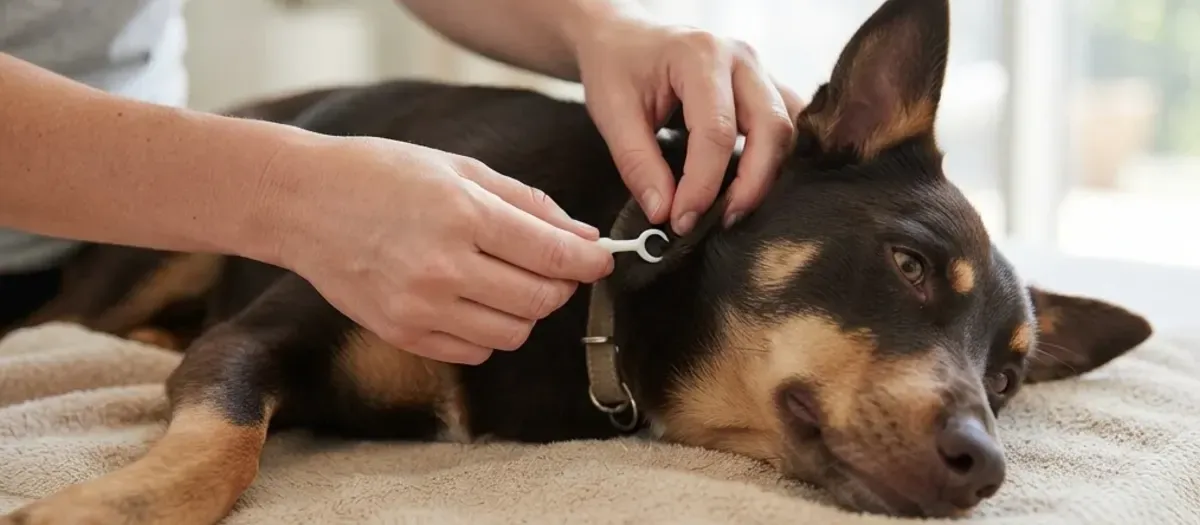
- Slide the hook between the tick and the skin, close to the skin.
- Rotate it, as the leaflet describes. The listing for our top pick says two full turns.
- Lift the tick away without squeezing it.
Tweezers:
- Grip the tick as close to the skin as you can, without pinching its body.
- Lift with steady pressure, following your vet's demonstration.
- Don't twist unless your tool's instructions say to.
Card or keyring tool:
- Slide the notch flat along the skin until the tick is caught.
- Pull up and away, following the tool's instructions.
- Check the spot, and look for more ticks.
Can I use a tick remover on my cat?
Yes, if the tool suits the tick's size. Cats usually carry smaller ticks, often on the head, neck and ears, so fine tweezers or a small hook work best. The listing for our top pick says it reaches behind the ear.
Cats can get paralysis ticks too, including indoor cats, so check them daily in tick season. Never use a dog flea or tick product on a cat: some dog flea products contain permethrin, which is highly toxic to cats, and a cat that is twitching, trembling or wobbly after any flea or tick product needs a vet straight away (International Cat Care, page read 8 November 2026). See the paralysis tick guide for the signs.
Daily tick checks
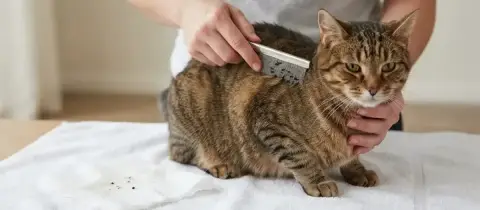
Run your fingertips slowly over your pet's body each day in tick season, starting with the head, ears and neck, where most ticks are found, then the rest of the body down to the toes and tail. Part dense fur with a flea comb.
Check after walks in long grass or bush, and see our guides to hiking with a dog and camping with a dog.
What do I do with the tick after removing it?
Put the tick in a lidded container or zip-lock bag. Once the tick is off your pet, RSPCA Australia suggests a little alcohol in the container to kill it; keep it in case your vet wants to see it. Note the date. Dab the spot with mild antiseptic, as RSPCA Australia suggests, and check your pet for more ticks.
What if the tick's head stays in?
Don't dig at the skin. RSPCA Australia warns that leftover mouthparts are likely to cause inflammation and possibly a local infection, and gives no steps for removing them, so ask your vet to deal with them (RSPCA Australia, page read 8 November 2026).
Tell your vet you took the tick off and when.
Should I see a vet after removing a paralysis tick?
Yes. Even after a clean removal, call your vet. The University of Sydney Veterinary Hospital says signs of tick paralysis can continue to develop or worsen after the tick is removed, and our paralysis tick guide explains why vets advise a check even when your pet seems fine: the toxin can keep acting for 24 hours or more.
Any paralysis sign means go now, even after hours. A tick remover never replaces a vet visit.
Where else can you buy tick removers?
Vet clinics and pet shops also sell tick removers, and seeing one in person lets you check the size and feel of the tool. Ask your vet to show you how to use it, and which tick prevention suits your pet.
When to see a vet
If you find a tick on the east coast, call your vet even if your pet seems fine. Signs can appear or worsen after removal, so a check is worth it.
Go now, even after hours, for any paralysis sign: a change in bark or meow, gagging or retching, wobbly back legs, or noisy or laboured breathing. Don't wait until morning. See our paralysis tick guide for the full list.
Also see your vet if the tick's head or mouthparts may be left behind, or the spot becomes red, swollen or sore. Ask your vet which tick prevention suits your pet. For more, see RSPCA Australia.
Frequently asked questions
How do you use a tick twister or hook?
Slide the hook between the tick and the skin, close to the skin, then rotate it as the leaflet says until the tick lets go. Don't squeeze or yank. The listing for our top pick says two full rotations, then lift it away.
Do I need a tick remover if my pet is on a tick preventative?
Yes, keep one at home. RSPCA Australia recommends a daily tick search even when tick control products are used, so you may still find a tick. Finding one doesn't necessarily mean the product has failed, but call your vet. Ask your vet which prevention suits your pet.
What is the easiest way to remove a tick from a dog?
A tick hook, because it slides under the tick and rotates without pinching the body. Keep the dog calm, work close to the skin and don't squeeze. If you aren't sure, ask your vet or a vet nurse to show you once, then keep the hook where you can find it.
How do I remove ticks from my dog in Australia?
Use a tick hook or fine-tipped tweezers close to the skin, without squeezing the body, then keep the tick in a sealed container and call your vet. In east coast tick areas, treat any tick as possibly a paralysis tick. Our paralysis tick guide has the full steps.
Can I use a human tick remover on my dog?
Several tools here are listed for both people and pets, so the tool itself can work. The advice differs, though. Steps for removing ticks from people are not the same as for pets, so follow your doctor for your own bites and your vet for your pet.
Is a tick card as good as a hook?
A card is handy to carry and works on a flat patch of skin, but it can be awkward in ear folds and between toes. A hook gets under engorged ticks more easily. A sensible setup is a hook at home and a card in the car or pack.
Should I put alcohol or oil on a tick first?
No. Don't burn, freeze, smother or squeeze a tick, and don't put chemicals, oils or heat on it. Our paralysis tick guide, which cites Sydney Animal Hospitals, advises against it. Remove it with a proper tool, then ask your vet for advice.
Related guides
- Best dog first aid kits
- Paralysis tick in dogs and cats
- Best flea comb
- Best flea treatment for dogs
- NexGard Spectra vs Simparica Trio
- Flea dirt on dogs and cats
- Dog itchy skin
- Camping with a dog
- Dog guides
- Cat guides
Sources
- RSPCA Australia, How can I protect my dog or cat from tick paralysis?, page read 8 November 2026 (https://kb.rspca.org.au/knowledge-base/how-can-i-protect-my-dog-or-cat-from-tick-paralysis/)
- University of Sydney Veterinary Hospital, Ticks in dogs, page read 8 November 2026 (https://www.sydney.edu.au/vet-hospital/small-animals/dogs/preventative-health/parasites/ticks.html)
- International Cat Care, Permethrin poisoning, page read 8 November 2026 (https://icatcare.org/articles/permethrin-poisoning)
- Product details from each linked Amazon Australia listing, checked on 19 Nov 2026.
This guide provides general information and isn't a substitute for veterinary advice. If you're concerned about ticks on your dog or cat, speak with your vet.