By Anish PuriUpdated 31 Oct 202613 min readResearched, not tested by us
Research guide. WhiskerFinds may earn a commission from links, at no extra cost to you.
Quick answer: The best dog brush is the one that matches your dog's coat. Most dogs do well with a slicker brush plus a metal comb, and the Wahl Premium dual level slicker is our top pick. Short coats suit a rubber or bristle brush, and double coats also need a deshedding tool.
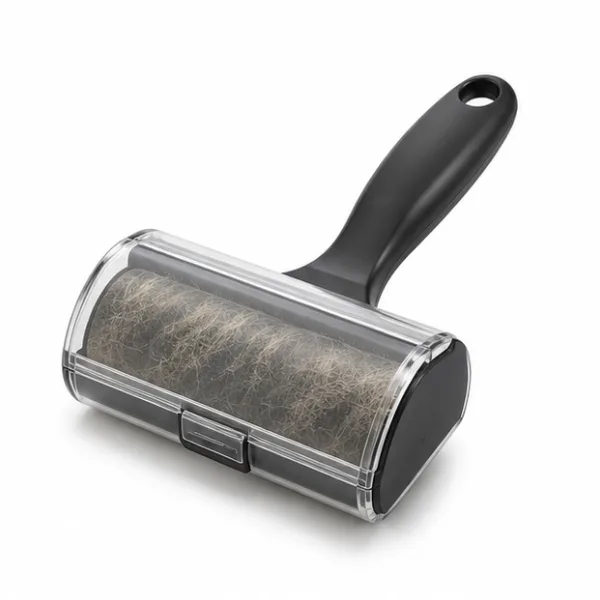
Illustration, not the actual product
Our top pickWahl Premium dual level sensitive skin slicker
A brush that suits one coat can be useless, or uncomfortable, on another. This guide compares six dog brushes on Amazon Australia by coat type and shows how to brush without pulling or scratching. It covers everyday brushing only. Heavy shedding has its own page, our deshedding brush guide, hair on furniture is covered in our pet hair remover guide, and the bigger picture is in our dog grooming kit guide.
Pictures are illustrations, not the actual products.
Short on time? Match the brush to the coat table below, then add a metal comb to check your work. We haven't linked a comb because we haven't checked one for this guide.
Which dog brush does your dog's coat need?
Short coats need a rubber or bristle brush, long and curly coats need a slicker or pin brush plus a metal comb, and double coats need a slicker for everyday tidying plus an undercoat tool. The American Kennel Club (AKC) groups brushes this way, and the frequencies below follow its general advice (AKC, page read 31 October 2026).
Swipe sideways to see every column
Coat
Brush
How often
Example breeds
Short, smooth
Rubber curry or bristle
A few times a week
Staffy, Kelpie, Boxer
Medium or long, silky
Slicker or pin, plus a comb
Often daily
Cavalier, Spaniel, Setter
Curly or woolly
Slicker, plus a comb to the skin
Often daily, ask your groomer
Poodle, doodle, Bichon
Double coat
Slicker, bristle finish, undercoat tool
A few times a week, daily in heavy shedding
Golden Retriever, Husky, Border Collie
The AKC says most dogs do well with a few brushing sessions a week, long-coated breeds often do best with daily brushing, and a Labrador's shedding can mean daily combing at peak times (AKC how to groom a dog, AKC Labrador grooming, both read 31 October 2026). Your dog's coat, lifestyle and groomer's advice come first, so treat the table as a starting point.
What is a slicker brush for?
A slicker brush has fine, angled pins on a flat pad. It lifts loose hair and dirt from medium, long, wire and curly coats and helps work through small tangles. The AKC advises light pressure, because pressing hard can cause discomfort (AKC, page read 31 October 2026).
That is why we put slickers first. One tool covers a lot of coats. Pins with rubber or plastic tips are kinder on sensitive skin, and a slicker is not a deshedding rake. If your dog sheds heavily, add one of the tools in our deshedding guide.
Our picks in detail
1. Wahl Premium dual level sensitive skin slicker: best overall
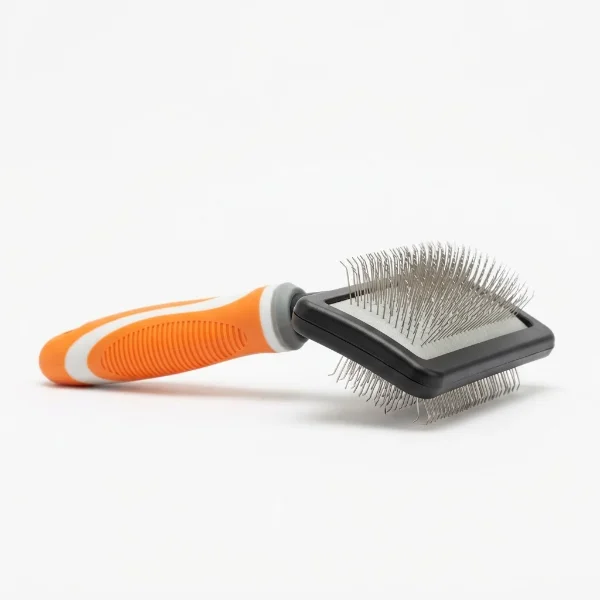
A large slicker with two pin heights, so it reaches the lower coat while the upper coat gets a lighter pass. The listing says the pins are stainless steel with rubber safety tips, and the handle is a no-slip rubber grip. The head is large, so it covers big sections quickly, and the listing says it suits dogs and cats. The listing also mentions deshedding, but we treat it as an everyday slicker.
Pros: rubber-tipped pins; two pin levels; comfortable grip
Cons: the large head is awkward on small dogs and around faces and paws; still needs gentle pressure
Best for: most medium and long coats, including dogs with sensitive skin
Skip it if: you have a tiny dog (try the small Miracle Care slicker) or a short-coated dog that doesn't tangle
2. aumuca self-cleaning slicker brush: best self-cleaning
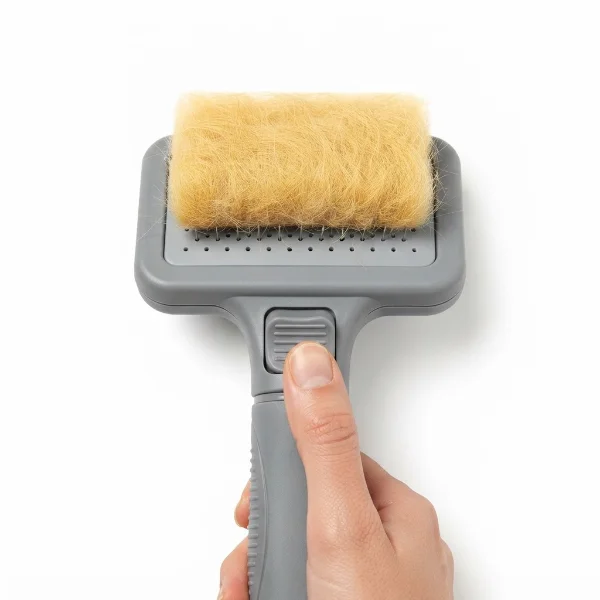
A round slicker with a button on the handle. Press it and a plate pushes the hair off the pins, so you wipe it away instead of picking it out. The listing says the stainless steel pins are bent at 150 degrees, have round plastic tips and suit sensitive skin, and the body is ABS with a silicone hanging loop.
Pros: quick to clear hair; rounded pin tips; hangs up for storage
Cons: the listing lists the bristle material as rubber while the text says steel pins, so the details conflict; small round head
Best for: thick or long coats that fill a brush fast
Skip it if: you want a larger head for a big dog, or a plain brush with no moving parts
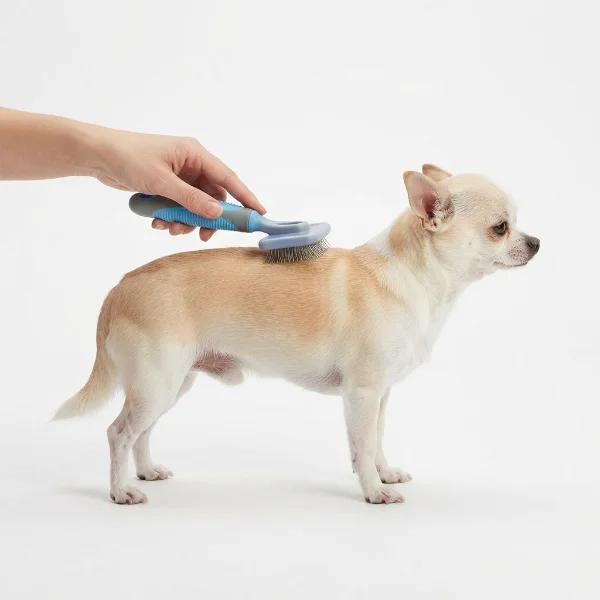
A small slicker with angled, flexible pins on a soft pad. The listing says the head is smaller for small dogs and cats, the pins reach the undercoat on double-coated breeds, and the grip is cushioned. It measures about 27.9 cm long.
Pros: small head for small dogs; flexible pins; cushioned grip
Cons: no self-cleaning feature, so you pull hair off by hand; too small to be quick on a large dog
Best for: toy and small breeds, and fine coats
Skip it if: your dog is medium or large, where the Wahl will save time
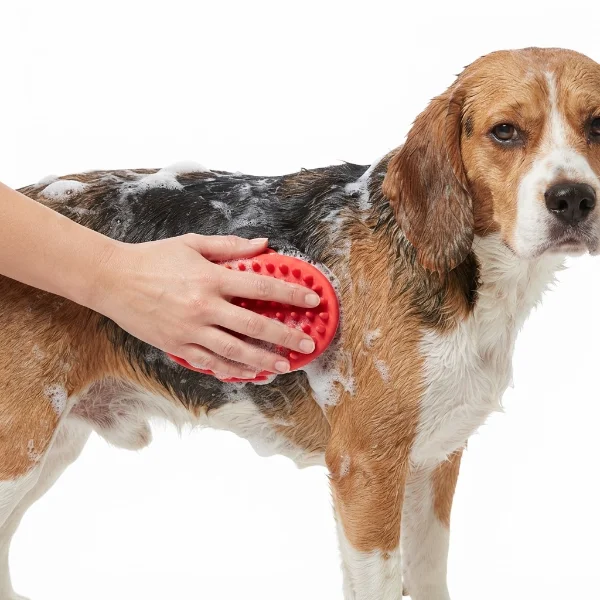
A rubber curry-style brush. It's an oval, hand-sized tool and the listing says the bristles are plastic and the handle is rubber. The listing text is minimal, so we're describing the type of tool rather than brand claims. Rubber brushes are used on short coats to loosen hair and massage the skin.
Pros: gentle on short coats; the AKC says a rubber brush works wet or dry
Cons: the listing says very little; imported, so check the delivery details on Amazon before you order; not enough for long or tangled coats
Best for: short, smooth coats, and bath time
Skip it if: your dog has a long, curly or double coat
5. BioSilk for Dogs boar hair bristle brush: best for a shiny finish
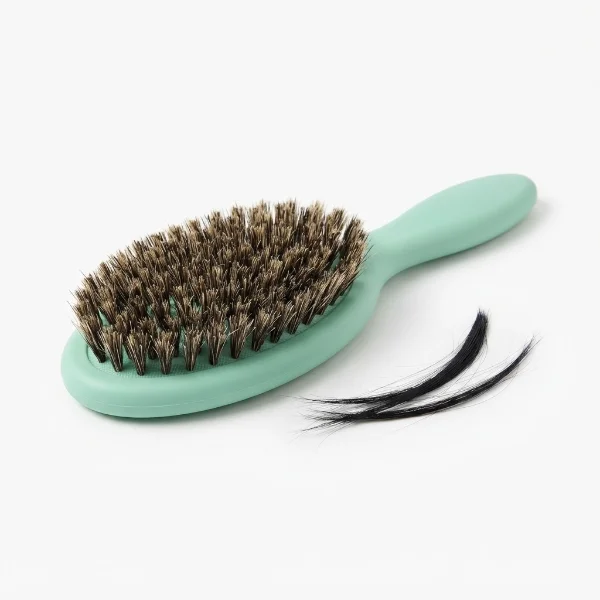
A natural bristle brush with a wooden handle. The listing says the boar hair bristles remove loose hair and debris and spread natural oil for shine, and that it's meant for everyday use. The directions say to brush with the hair growth, from the skin out, and to be gentle near the face.
Pros: soft on short coats; a good finishing brush
Cons: won't get through tangles or mats; soft natural bristles make it a finisher rather than a detangler
Best for: short coats, or a finishing pass after a slicker
Skip it if: your dog's coat is long, thick or prone to knots
6. 2 in 1 pin and soft bristle grooming brush: best budget two-sided
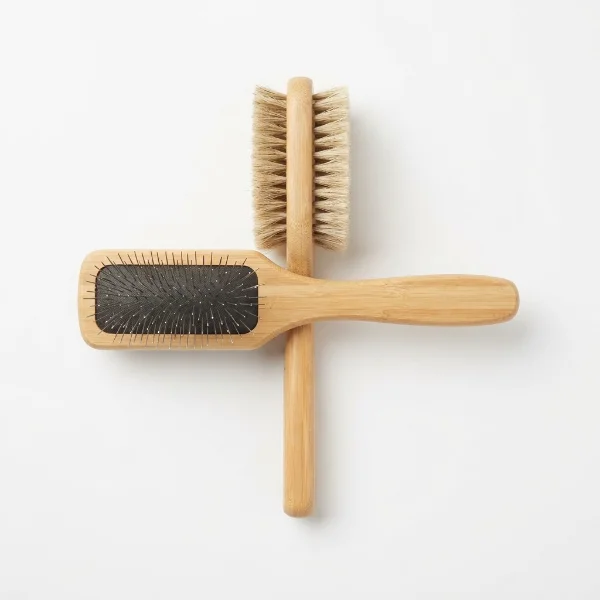
A bamboo and wood brush with round-head pins on one side and soft bristles on the other. The listing says it suits short, medium and long coats and weighs about 80 grams. Use the pin side to tidy and the bristle side to smooth.
Pros: two tools in one; light; natural materials
Cons: the listing doesn't say what the pins are made of; won't handle mats
Best for: a first brush, or a dog that needs light, regular tidying
Skip it if: your dog has a thick or curly coat that needs a proper slicker
Is a pin brush or a slicker brush better?
Neither is better for every dog. A slicker handles loose hair and small tangles, while a pin brush has wider, rounded pins and works as a finishing brush on long coats. The AKC describes pin brushes as a way to smooth long hair and pick up dirt, and some models pair pins with bristles on the other side.
Pick a slicker if your dog's coat tangles or curls. Pick a pin brush for a soft, long, silky coat that mostly needs smoothing. The two-sided brush in our picks has a pin side and a bristle side, so it suits dogs that need a bit of both.
What brush is best for short-haired dogs?
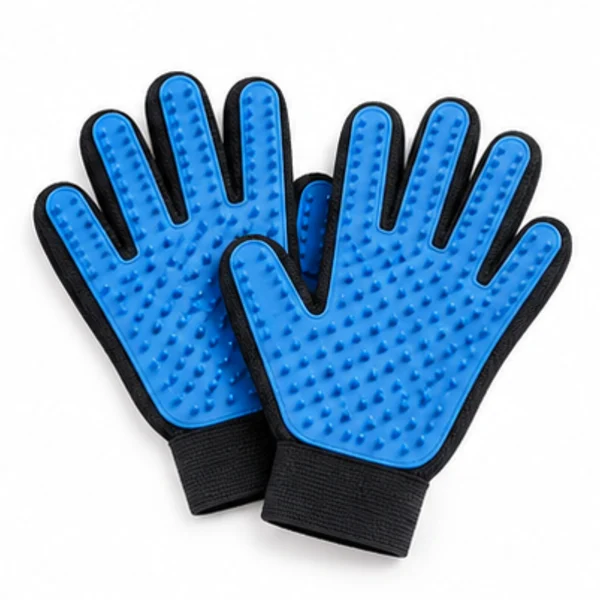
A rubber curry brush or a soft bristle brush suits short-haired dogs best. Rubber loosens hair and dirt and massages the skin, and a bristle brush then sweeps it away and spreads natural oils. The AKC notes a rubber brush works wet or dry, so it can help in the bath too. A rubber-nub grooming glove does a similar job to the ZoomGroom for dogs who prefer being stroked.
Short coats don't tangle much, so a slicker isn't always needed. The KONG ZoomGroom is our rubber pick and the BioSilk boar hair brush is our bristle pick. Use the rubber brush first, then the bristle brush for a smooth finish.
Dog brushes compared
Details from each Amazon Australia listing, checked on 31 Oct 2026.
We searched Amazon Australia for dog brushes and shortlisted ones that met all of these checks:
Well rated: a strong average rating with plenty of buyer reviews.
No red flags: no pattern of poor reviews, safety complaints or listing problems.
Available on Amazon Australia when we checked.
A pin type that suits the coat, with flexible or coated pins for sensitive skin.
A comfortable grip.
Easy to clear hair.
Sizes for small and large dogs where offered.
These are researched picks, not products we've personally tested. We compared the specifications and features shown on each Amazon Australia listing, checked on 31 Oct 2026. We didn't accept payment from any brand, and no brand saw this page before it was published.
Left out this time: deshedding blades and rakes (see our deshedding brush guide), brushes with a pattern of pins bending or falling out in buyer feedback, and listings that copy another brand's claims.
How to brush your dog
Brush in the direction the hair grows, with light pressure, and work in sections. The AKC advises brushing down to the skin and checking for burrs, mats, cuts and scrapes as you go (AKC, page read 31 October 2026).
Start with a calm dog. After a walk is often easier than when your dog is wound up.
Use light pressure. Let the pins glide through. A slicker pressed hard can scratch, and the AKC says hard pressure can cause discomfort. If your dog flinches, ease off.
Line brush long and curly coats. Part the hair, brush a thin layer at a time from the skin out, then move to the next layer. It stops you missing the layers underneath.
Do the comb test. Run a metal comb through each section. If it glides to the skin, the section is done. If it catches, go back with the slicker.
Mats: stop and get help. Mats often form behind the ears and under the legs. The AKC suggests working small ones loose from the outer edge, a little at a time. A matted coat close to the skin is a job for a groomer or vet. Our dog clippers guide covers clippers for thick coats, but a groomer is the safer choice for a badly matted dog.
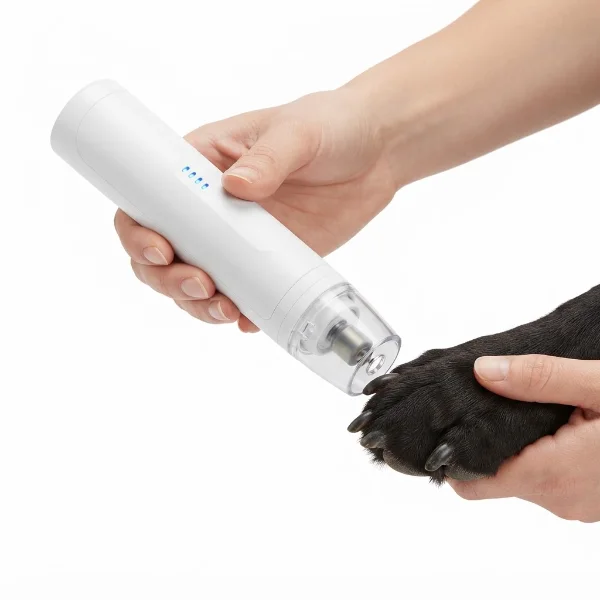
Brushing sits alongside the rest of grooming. Our nail grinder guide covers nails, and the nail clippers guide shows the small-amounts-at-a-time method.
Brushing a dog who hates it
Keep sessions to a few minutes, start somewhere easy like the shoulders, and reward calm behaviour. The AKC suggests short, frequent sessions, a high-value treat during or right after grooming, and a tool suited to the coat (AKC, page read 31 October 2026). In our view a brush that pulls or scratches is a common reason a dog starts to dread the whole thing, so matching the tool to the coat comes first.
Let your dog sniff the brush first and give a treat for staying still.
Brush one small patch, then stop while your dog is still calm.
Build up to the legs, belly and tail slowly. Go back a step if your dog stiffens or pulls away.
Results vary, so watch how your dog responds, and never hold a dog down or use force.
If your dog snaps or shows fear, stop and ask your vet or a reward-based trainer for help.
When to see a vet
Book a vet visit if you find sores, redness, lumps, bald patches, a bad smell or constant scratching while you brush. Keep an eye out for fleas and ticks too. If you find a tick, see our guide to paralysis ticks, and read dog itchy skin for what an itchy dog may need.
A matted coat that sits against the skin should be handled by a groomer or vet, as pulling at it can hurt.
Frequently asked questions
What type of brush is best for my dog?
It depends on the coat. Short coats suit a rubber or bristle brush, long and curly coats suit a slicker or pin brush plus a metal comb, and double coats need a slicker plus an undercoat tool. Use the coat table above to match your dog, and ask a groomer if you're unsure.
Do groomers use slicker brushes?
Many groomers do use slicker brushes, usually alongside a metal comb, to find and work out small tangles before a bath or trim. We haven't found a reliable figure for which tool they reach for most. Ask your own groomer which brush and comb suit your dog's coat.
How often should you brush your dog?
Most dogs do well with a few sessions a week, and long-coated dogs often do best with daily brushing, according to the AKC. Heavy shedders may need daily brushing at peak shedding. Check your dog's coat each time, and ask your groomer how often suits your dog's coat.
Should you brush a dog wet or dry?
Brush before the bath, as the AKC advises combing first to remove debris and tangles. Rubber brushes are the exception, since the AKC says they work wet or dry and can help work in shampoo. For a matted coat, ask a groomer before wetting it.
Can I use a human hairbrush on my dog?
It's better to use a brush made for dogs. Human brushes aren't designed around dog coat types, and the AKC advises a tool suited to the coat. A pin or bristle brush from our picks is usually a better fit, and a sore or tangled coat is a job for a groomer.
Can a slicker brush hurt my dog?
It can if you press hard, because the fine pins can scratch the skin. The AKC says to keep pressure light. Use short, gentle strokes, choose rubber-tipped pins for sensitive skin, and stop if your dog flinches. Redness or sore patches after brushing are worth a vet check.
Why does my dog's coat still look dull after brushing?
Brushing removes loose hair and spreads natural oils, which can add shine, and a bristle brush like the BioSilk is made for that finishing pass. A coat that stays dull, dry or flaky can have many causes, so if it doesn't improve or the skin looks unhappy, ask your vet.
What should I do about mats?
The AKC suggests holding the base of a small mat and working it loose from the outer edge, a few minutes at a time over several days. A large or tight mat, or irritated skin, is a job for a groomer or vet, so stop and get help rather than pulling.
Product details from each linked Amazon Australia listing, checked on 31 Oct 2026.
This guide provides general information and isn't a substitute for veterinary advice. If you're concerned about your dog's coat or skin, speak with your vet.