Best deshedding brushes for dogs: rakes and blades compared
By Anish PuriUpdated 31 Oct 202613 min readResearched, not tested by us
Research guide. WhiskerFinds may earn a commission from links, at no extra cost to you.
Quick answer: The best deshedding brush for dogs is usually an undercoat rake or a deshedding blade, used gently once or twice a week in shedding season to lift loose undercoat. Our top pick is the Maxpower Planet double-sided rake. No tool stops shedding, it just puts the loose hair in the brush instead of on your couch.
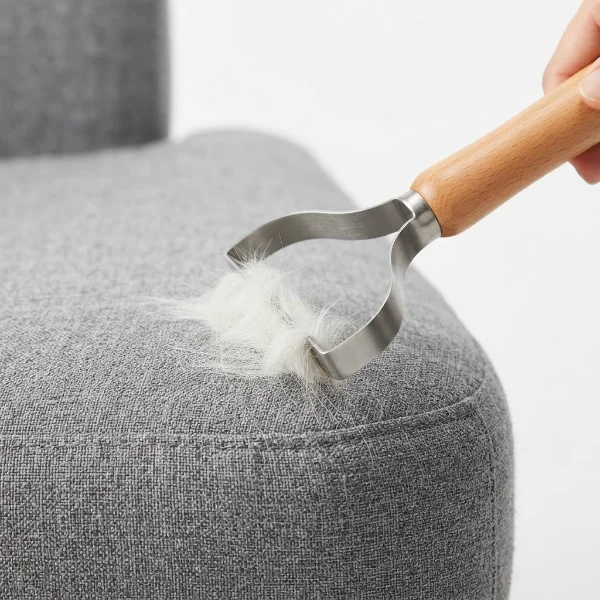
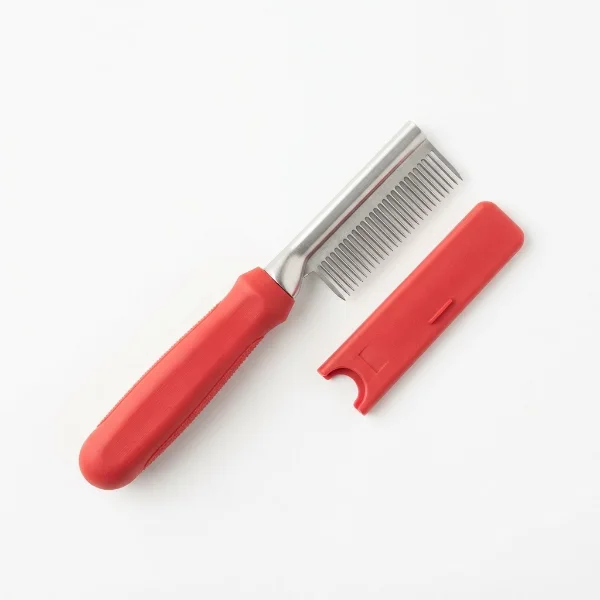
Illustration, not the actual product
Our top pickMaxpower Planet double-sided undercoat rake
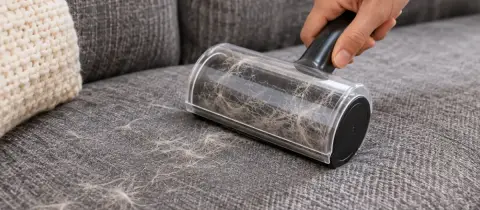
Deshedding tools reach under the topcoat and pull out hair that is already loose. This guide compares five on Amazon Australia by tool type, shows which coats suit which, and explains how to use one without hurting your dog's coat. If you're still choosing between brush types, start with our best dog brush by coat type guide or the dog grooming kit overview. For the hair that still ends up on the couch and in the car, see our pet hair remover guide.
Quick picks
Our top pickBest overall
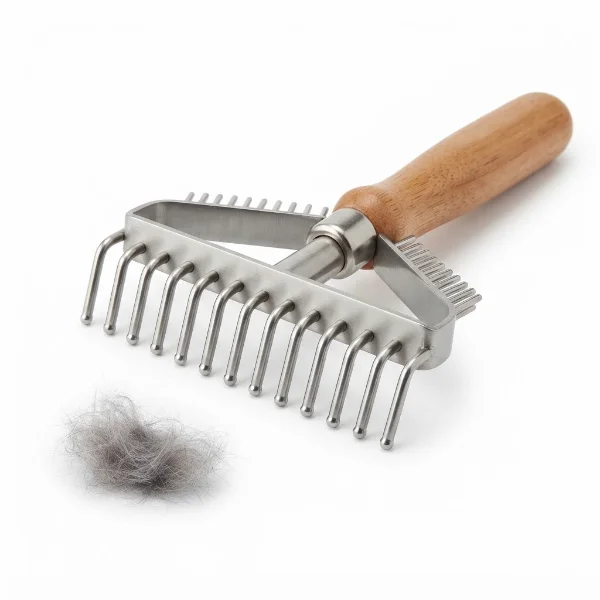
Maxpower Planet double-sided undercoat rake
A 9-teeth side for tangles and a 17-teeth side for thinning, with rounded teeth per the listing
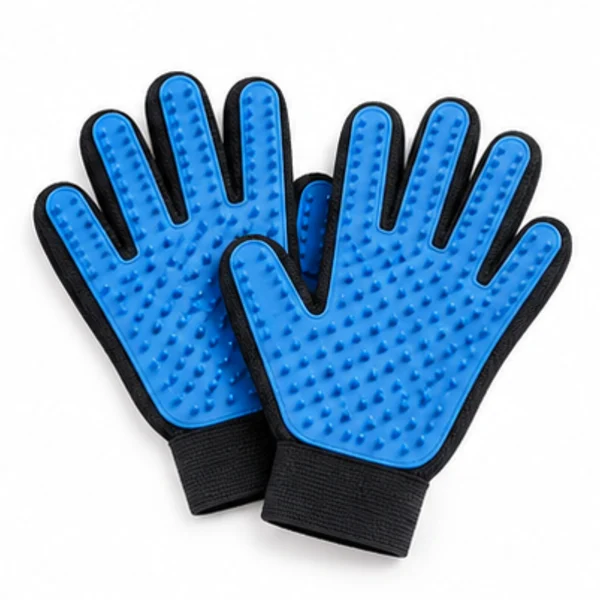
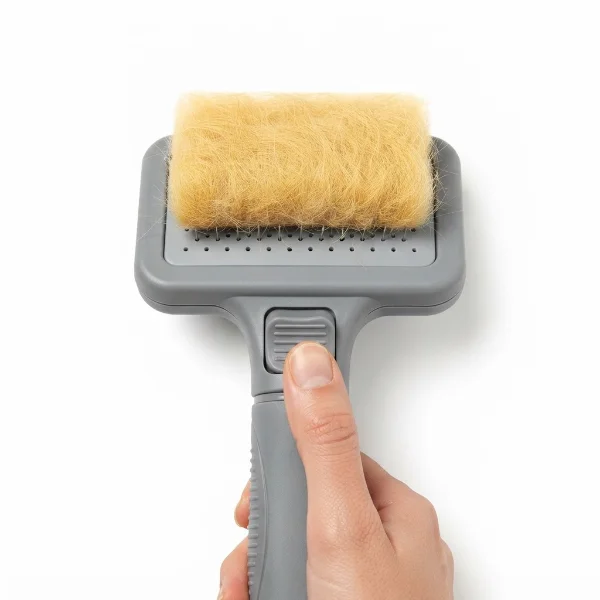
Pictures are illustrations, not the actual products.
Sizes and hair lengths matter for the FURminator. The listing we linked is the large, short hair version, so check the size and coat length on the listing before you order. Our FURminator guide lists every size by weight band and coat length, for dogs and cats. If you're working on small knots rather than loose undercoat, a dematting comb is the better tool, and tight mats close to the skin are a job for a groomer or vet.
Should you use a deshedding brush on your dog?
Yes, if your dog has a thick undercoat or sheds heavily. A deshedding tool takes out loose undercoat before it ends up on the floor. It isn't right for every coat, though, and it won't stop shedding, which is a normal part of a dog's coat cycle. The "up to 90%" or "95%" figures some listings quote are the brands' own claims.
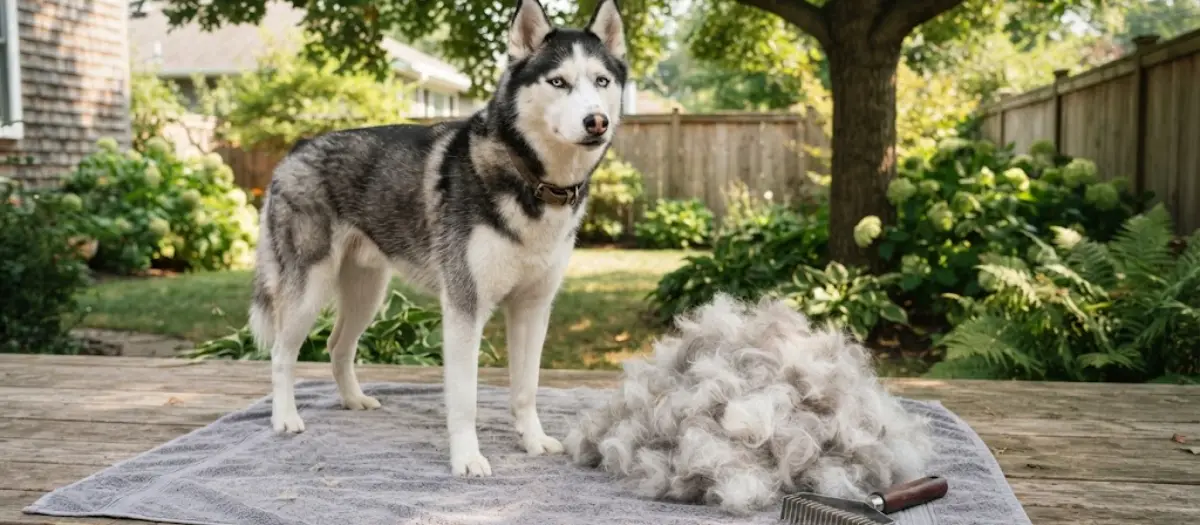
Usually a good fit: double-coated and heavy-shedding dogs such as huskies, German shepherds, golden retrievers, border collies and labradors. The AKC suggests moving to a coat rake or shedding tool during peak shedding to reach the undercoat (AKC, page read 31 October 2026).
Usually not a good fit: dogs with no undercoat, such as poodles, bichons and many silky or curly coats, and dogs with sensitive skin. FURminator says not to use its tool on animals without an undercoat or with very sensitive skin, and to check with a vet first if your dog has injuries, sores or inflammation (FURminator, page read 31 October 2026). For those coats, a slicker brush and comb are the safer tools, and our dog brush guide covers them.
Matted fur near the skin is a job for a groomer or vet, not a deshedding blade.
Undercoat rake, deshedding blade or slicker?
A rake has widely spaced teeth that comb through the coat, a deshedding blade has a fine toothed edge that reaches through the topcoat, and a slicker has short bent pins that smooth and untangle. Pick by coat type and by how much shedding you're facing.
Swipe sideways to see every column
Tool
How it works
Best for
Watch out for
Undercoat rake
Long, spaced teeth pull loose undercoat and ease out tangles
Thick double coats, medium to long hair
Heavy pressure on thin coats
Deshedding blade
A toothed metal edge lifts loose undercoat in long strokes
Short to medium double coats and heavy shedders
Overuse or hard pressure can irritate skin
Slicker brush
Fine pins smooth the topcoat and remove light tangles
Silky, curly and single coats, finishing
Doesn't reach deep undercoat
A common approach is a mix: a slicker or comb first to find tangles, then a rake or blade on the undercoat. The AKC also suggests working through tangles with a steel comb before a shedding tool (AKC).
Our picks in detail
1. Maxpower Planet double-sided undercoat rake: best overall
A two-sided rake for thick coats. The listing says to start with the 9-teeth side to work through mats and tangles, then finish with the 17-teeth side to thin out and deshed. It describes the teeth as sharpened but finely rounded, with a stainless steel head, a rubber handle and a non-slip base. It's listed for dogs and cats, in extra wide.
Pros: two tooth spacings in one tool; rounded teeth per the listing; non-slip handle
Cons: no size range on the listing, so very small dogs may find the head awkward; no hair release button, so you pull hair off by hand; the listing says "sharpened", so use light pressure
Best for: thick double-coated dogs, from a husky to a golden retriever
Skip it if: your dog has a silky, curly or single coat, or you want a tool that automatically releases hair
2. FURminator Undercoat deShedding Tool, large, short hair: best for short-haired heavy shedders
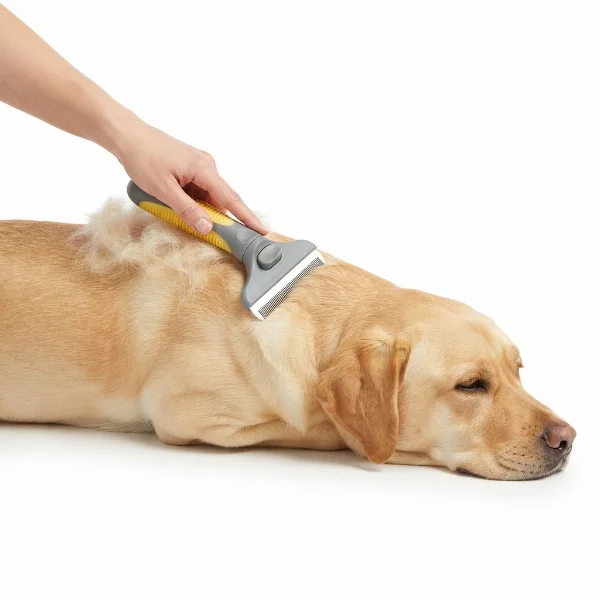
A blade-style tool with a stainless steel deshedding edge. The listing says the edge reaches through the topcoat to remove loose undercoat without damaging it, and lists a skin guard for even pressure, a curved edge, a FURejector button to release hair and an edge guard for storage. This version is the large, short hair size for dogs 23 to 41 kg. You will see figures like "reduces shedding by up to 90%" on deshedding tools and in Google's AI answers. Those are brand claims, not independent tests, and we don't repeat them as fact. Results vary by dog and coat.
A single-sided rake with a 2.2 inch (about 5.6 cm) wide stainless steel head, rounded tips and a protective blade cover. The listing recommends brushing in the direction of hair growth with gentle pressure, and one to two sessions a week. It also lists dematting for ears, chest and legs.
Pros: compact head reaches tight spots per the listing; blade cover for storage; light; rounded tips
Cons: the listing gives one size only; the listing lists hair type as medium and long, so check it for short coats; the listing also mentions rabbits and horses, which doesn't tell you much about dogs
Best for: medium to long thick coats, such as a collie or a malamute
Skip it if: your dog has a short coat or you want a hair release button
4. SleekEZ deshedding tool: best for short, smooth coats
A compact 5 inch (about 13 cm) tool with a wooden handle. The listing says it suits all coat types and lengths and can also lift hair off couches, cars and blankets. It makes shedding-reduction claims, which we don't repeat as fact.
Pros: small and easy to handle; can double as a pet hair remover for furniture per the listing; one tool for most coats per the listing
Cons: the listing details are unclear, with the bristle material shown as "silk (soft bristles)" and the material type as metal, so check the photos; no size options
Best for: short, smooth coats and a quick clean-up of furniture
Skip it if: your dog has a thick double coat, where a rake will do the job faster
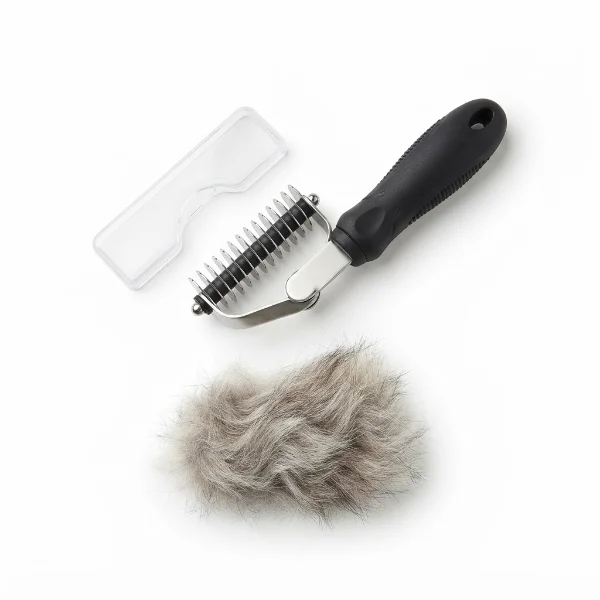
A blade-style tool with a 4 inch (about 10 cm) stainless steel comb head. The listing says the head is detachable, there's a safety blade cover and the handle is anti-slip. The listing also makes a shedding-reduction claim, which we treat as marketing.
Pros: blade cover; anti-slip handle; stays at the simple end of the range; light at about 100 grams
Cons: one size only; the listing wording is confusing in places, including a line about combing the "upper layer" of the coat, so check what it suits before buying; no skin guard mentioned
Best for: an owner trying a blade-style tool on a short to medium double coat
Skip it if: you want a skin guard, hair release button or clear sizing for a large dog
Is an undercoat rake better than a deshedding tool?
Neither is better for every dog. A rake is usually gentler and suits thicker, longer double coats. A blade-style deshedding tool tends to suit short to medium double coats and heavy shedders. Both can irritate skin if you press hard or overuse them, so watch your dog's skin either way.
How often should you deshed a dog?
Most brand guidance is once or twice a week, for short sessions, with more brushing in heavy shedding seasons. FURminator suggests about 10 to 20 minutes, once or twice a week, and warns that brushing too often or too hard can irritate the skin (FURminator). The aumuca listing also suggests one to two sessions a week.
When is coat blow season? Double-coated dogs typically lose the heavy winter coat as it warms up and a lighter coat as it cools down. The AKC says shedding peaks in spring and autumn and heavy shedding usually lasts a few weeks to a couple of months (AKC). In most of Australia that means roughly September to November and March to May, though dogs living indoors or in warmer areas may shed more evenly across the year. Results vary, so go by what you see in the brush.
Deshedding brushes compared
Details from each Amazon Australia listing, checked on 31 Oct 2026.
We searched Amazon Australia for dog deshedding brushes, undercoat rakes and deshedding tools, then shortlisted tools that met all of these checks:
Well rated: a strong average rating with plenty of buyer reviews.
No red flags: no pattern of poor reviews, safety complaints or listing problems.
Available on Amazon Australia when we checked.
Rounded or protected teeth, or a skin guard, per the listing.
A way to clear hair from the tool, or a design that makes it easy.
Sizes for different dogs, or a clear note on which dogs it suits.
A listing that says which coats it suits.
These are researched picks, not products we've personally tested. We compared the specifications and features shown on each Amazon Australia listing, checked on 31 Oct 2026. We didn't accept payment from any brand, and no brand saw this page before it was published.
Left out this time: tools with a pattern of blades loosening or teeth scratching skin in buyer feedback, and look-alike blades that copy another brand's claims.
How to use a deshedding tool without hurting the coat
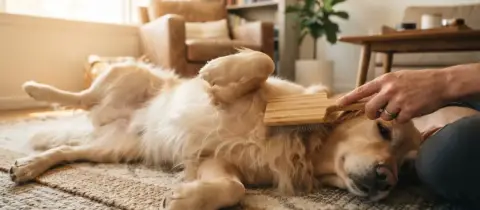
Brush a dry, tangle-free coat with light pressure, in the direction of hair growth, in short sessions. Stop if the skin looks pink or red. Heavy pressure and too much brushing are what cause trouble.
Start with a dry coat. FURminator says to use its tool on a completely dry coat (FURminator). Comb out any tangles first.
Go outdoors. The loose hair is easier to sweep up and won't land on the couch.
Use light, even strokes. Let the tool glide over the coat. Go gently around the belly, legs, tail base and other sensitive spots.
Keep sessions short. About 10 to 20 minutes is the brand guidance. A few minutes is plenty if your dog fidgets.
Clear the tool often, and store it with the guard on.
Check the skin. If you see redness or irritation, stop. If it doesn't settle, see your vet.
Most shedding is normal. Dogs shed to replace old hair, and many shed more with the change of seasons. Shedding that is even across the body, with healthy skin underneath, is more consistent with a normal coat cycle than a health problem.
Greencross Vets says to seek vet advice as soon as you notice your dog losing hair, and lists hair loss in focal patches, inflamed skin, rashes, sores or scabs, general thinning of the coat and excessive scratching as reasons to speak to your vet (Greencross Vets, page read 31 October 2026). The AKC notes that thinning fur, bald patches, irritated skin or a sudden increase in hair loss can be linked to conditions such as allergies or thyroid problems (AKC).
A balanced diet supports a healthy coat, but no brush or supplement replaces a vet check. If you wonder about omega-3s, ask your vet first, and see our fish oil for dogs guide for what to ask.
When to see a vet
Book a vet visit if your dog has hair loss in patches, general thinning of the coat, red or inflamed skin, a rash, sores or scabs, or scratches a lot (Greencross Vets, page read 31 October 2026). A sudden change in how much hair they lose, a skin smell, or constant licking or chewing is also worth a check.
Don't use a deshedding tool over injuries, sores or inflamed skin without checking with your vet. If your dog is itchy as well as shedding, our dog itchy skin guide explains what to look for, and a vet visit comes before switching products.
Frequently asked questions
Can I use a deshedding tool on a puppy?
Puppy coats and skin are delicate, and we haven't found brand or vet guidance we can cite for a set age. Ask your vet or groomer when to start, choose a tool whose listing says it suits your dog's size and coat, and keep sessions very short and gentle.
Does a deshedding tool hurt dogs?
Used gently on a suitable coat, it shouldn't hurt. Problems come from pressing hard, brushing too often, or using a blade tool on the wrong coat or on sore skin. FURminator warns that overuse can irritate skin, so stop if you see redness and see your vet if it continues.
Which dogs should not use a FURminator?
Dogs without an undercoat, such as poodles and bichons, and dogs with very sensitive skin, injuries, sores or inflammation. FURminator says to avoid its tool on animals without an undercoat. If you're unsure, ask your groomer or vet which tool suits your dog's coat. The maker's full breed list, filtered to Australian breeds, is in our FURminator guide.
What do groomers use for shedding dogs?
Groomers often combine tools: a slicker brush or comb first to find tangles, then an undercoat rake or deshedding blade for the loose undercoat, and a high-velocity dryer in the salon to blow out the rest. Ask your groomer about a coat-care plan, particularly for heavy double coats in shedding season.
Why does my dog shed more in spring?
Many double-coated dogs lose their heavy winter coat as the weather warms. The AKC says shedding peaks in spring and autumn, with heavy shedding usually lasting a few weeks to a couple of months. Expect more hair in the brush then, and keep sessions short and gentle (AKC, page read 31 October 2026).
Does deshedding shampoo help dogs?
Some shampoos are sold to help with shedding, but no shampoo stops it, and we haven't found evidence that they do. Always use a dog shampoo, not human shampoo, and see a vet before changing shampoos if skin is itchy, red or smelly. Our dog shampoo guide has everyday picks.
How do I get rid of my dog's shedding hair?
You can't stop shedding, but regular brushing removes loose hair before it spreads. Brush often in spring and autumn, use the right tool for the coat, and vacuum or sweep up outdoors. If shedding seems sudden or heavy, or the skin looks off, check with your vet. A grooming glove suits short coats and dogs who hate brushes.
Product details from each linked Amazon Australia listing, checked on 31 Oct 2026.
This guide provides general information and isn't a substitute for veterinary advice. If you're concerned about your dog's shedding, coat or skin, speak with your vet.