Quick answer: A basic dog grooming kit is a brush and comb that suit your dog's coat, a dog shampoo, nail clippers or a grinder, and a towel. Add clippers or a dryer if your dog's coat really needs them. Vacuum kits are an extra for shedding mess, not a starting point.
Walk down the grooming aisle and it looks like you need a dozen gadgets. You don't. This guide builds a kit around your dog's coat, puts the jobs in a sensible order, and shows where a professional groomer is the better call. It ties together our guides on dog brushes, deshedding brushes, dog clippers, nail grinders and dog shampoo, then covers all-in-one vacuum kits and dryers.
Quick picks
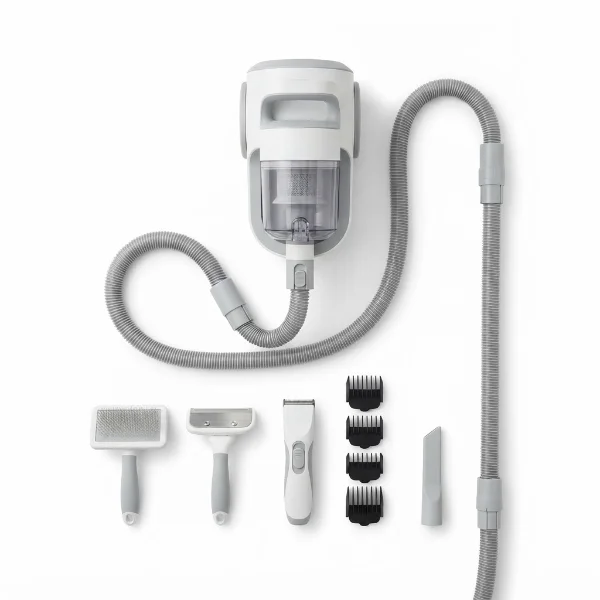
oneisall 7-in-1 dog grooming vacuum kit
A vacuum with brush, deshedding tool, clipper, paw trimmer and nail grinder in one box.
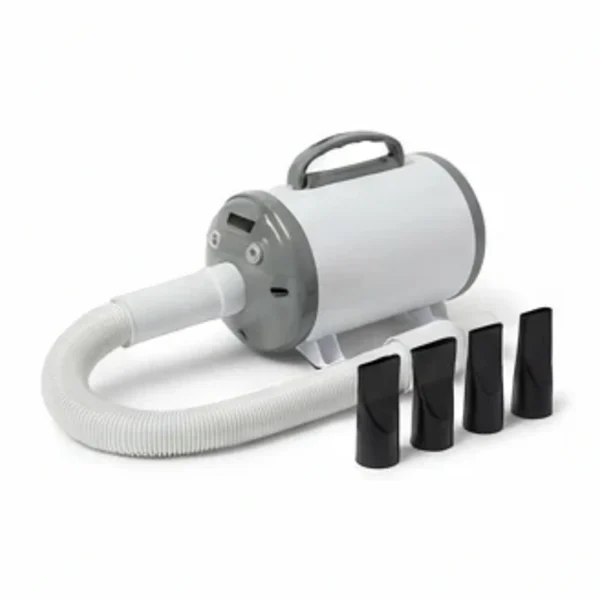
ADVWIN pet hair dryer 2000W
A 2,000 W dryer with a 230 cm hose and four nozzles, within a normal power point's supply.
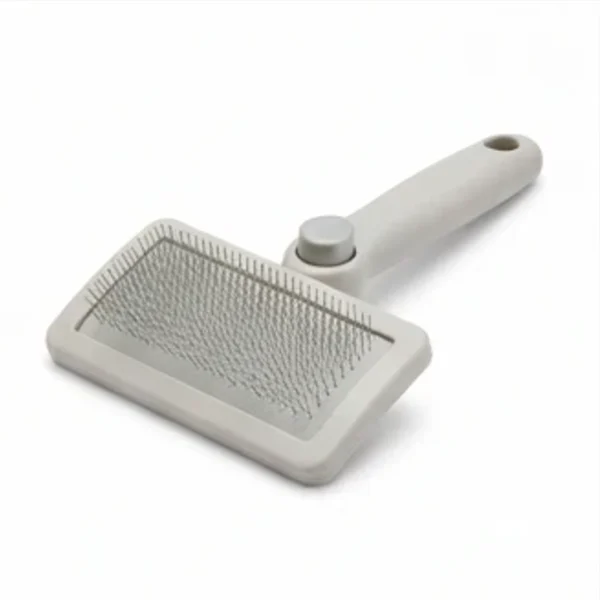
Hertzko self-cleaning slicker brush
Fine bent pins and a retracting button for lifting loose hair and tangles.
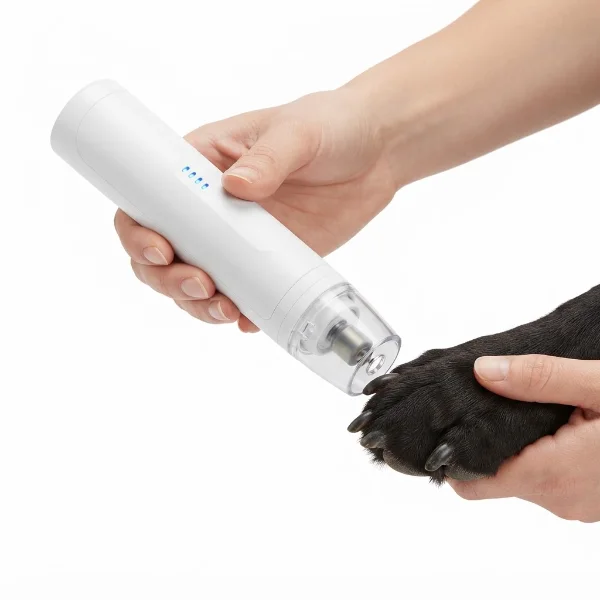
Casfuy 6-speed dog nail grinder
Six speeds on a diamond drum bit; the listing says it's imported.
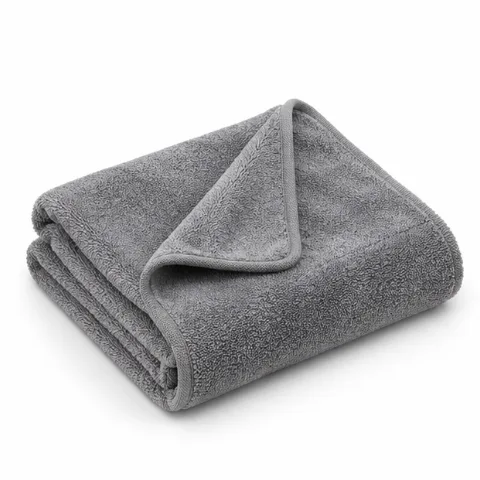
Lucky Paws Dog Towel, Extra Large 140 x 70 cm
A large towel that soaks up water fast, so the coat isn't damp for long.
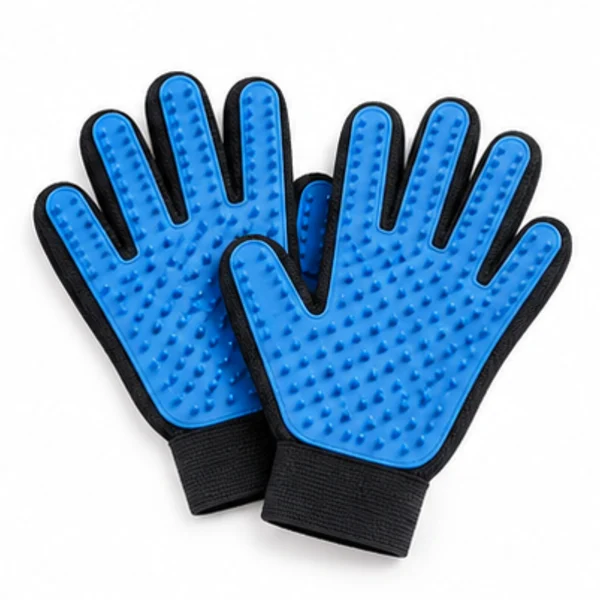
Makife pet grooming gloves, pair, blue
A true pair that lifts loose hair from short coats and works wet or dry.
Hertzko self-cleaning slicker brush
A slicker brush for lifting loose hair and tangles, the usual start for double and curly coats.
Casfuy 6-speed dog nail grinder
Files nails down gradually, which suits nervous owners.
Lucky Paws Dog Towel, Extra Large 140 x 70 cm
Soaks up water fast after a bath, and most short coats need only a towel.
Makife pet grooming gloves, pair, blue
Lifts loose hair from short coats and lathers shampoo at bath time.
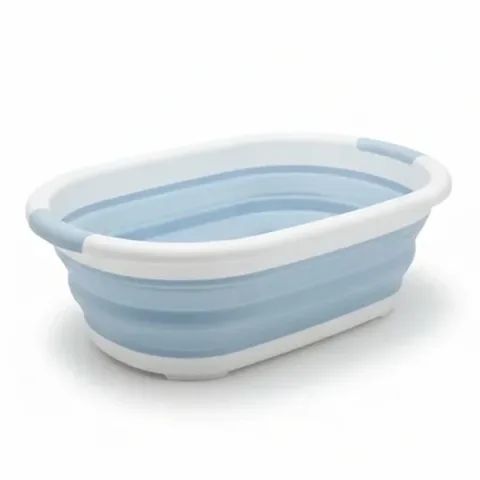
BREENHILL 23 L Collapsible Dog Bath Tub
A folding tub that gives bath time a contained spot and packs away afterwards.
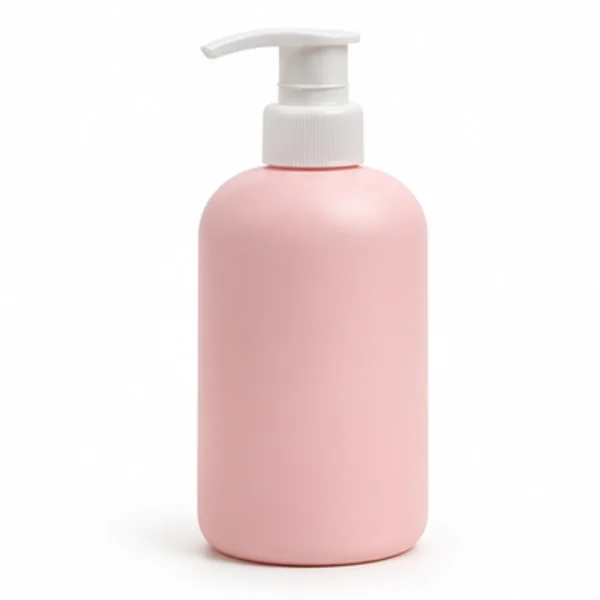
Bugalugs 3 in 1 Shampoo, Conditioner and Detangler, 500 ml
One bottle that covers the wash, so the kit's brushing and drying have something to follow.
Pictures are illustrations, not the actual products.
More detail on the first two is in All-in-one vacuum kit below, and the rest are the "You may also like" cards at the end of the row. Start with the basics and add one tool at a time.
What goes in a dog grooming kit?
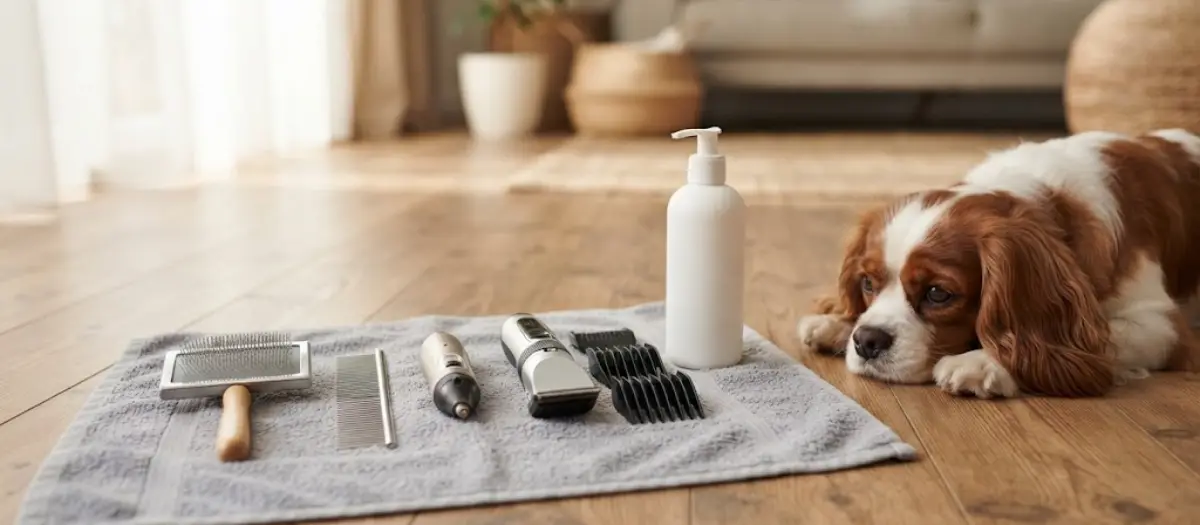
Every home kit covers four jobs: brushing, bathing, nails and a quick check of ears, teeth and skin. Clippers and dryers are extras for particular coats. Start with the first four, add one tool at a time, and let your dog get used to each before you buy the next.
| Tool | What it's for | Our guide |
|---|---|---|
| Brush and comb | Removes loose hair, tangles and dirt; the right type depends on coat | Best dog brush |
| Deshedding brush | Pulls out loose undercoat on heavy shedders | Best deshedding brush for dogs |
| Dematting comb | Works through small tangles before they become mats | Dematting comb for dogs |
| Detangler spray | Helps a comb glide through long or curly coats | Best dog detangler spray |
| Grooming glove | Lifts loose hair from short coats and lathers shampoo at bath time | Dog grooming gloves |
| Dog shampoo | Cleans the coat without upsetting dog skin | Best dog shampoo |
| Puppy shampoo | A gentler option for young puppies | Best puppy shampoo |
| Dry shampoo | A quick freshen-up between baths | Best dry shampoo for dogs |
| Medicated shampoo | When your vet suggests it for a skin problem | Best medicated dog shampoo |
| Bath tub | Keeps the bath contained for small and medium dogs | Best dog bath tub |
| Towel | Soaks up water fast so the coat is not damp for long | Dog towels and bathrobes |
| Dryer | Helps thick, long or curly coats dry properly | Best dog hair dryers |
| Nail clippers | Trims nails in small amounts | Best dog nail clippers |
| Nail grinder | Files nails down gradually, good for nervous owners | Best dog nail grinder |
| Nail file | A slow, manual way to smooth nail edges | Dog nail file |
| Styptic powder | Helps stop a nail bleeding if you trim too close | Styptic powder for dogs |
| Clippers | Trims coats that keep growing, and paws | Best dog clippers |
| Paw trimmer | A small, quiet tool for pads, toes and tight areas | Dog paw trimmer |
| Ear cleaner | Cleans healthy ears as part of the routine | Best dog ear cleaner |
| Toothbrush and paste | Teeth cleaning as part of the routine | How to clean your dog's teeth |
Also keep a pot of small treats on the tray. The AKC lists brushing, bathing, nails, ears, eyes and teeth as the core parts of grooming a dog (AKC, How to groom a dog, page read 31 October 2026).
What is the best dog grooming kit?
The best dog grooming kit is the one built for your dog's coat, not the box with the most pieces. Most homes need a brush and comb, a dog shampoo, a nail tool and a towel. Use this table to pick a pet grooming kit by coat, then add dog grooming tools one at a time.
| Coat | Starter kit | Add later |
|---|---|---|
| Short and smooth | Rubber curry brush or grooming glove, dog shampoo, nail clippers, towel | Nail file or nail grinder |
| Double coat | Slicker brush, comb, deshedding brush, dog shampoo, nail clippers or a grinder, towel | Dryer; grooming vacuum for shedding mess |
| Curly, long or doodle | Slicker brush, long-toothed comb, detangler spray, dog shampoo and conditioner, nail clippers or a grinder, round-tip scissors | Clippers and a paw trimmer; a groomer for full trims |
If you'd rather buy one box, the all-in-one vacuum kit is covered further down.
What should a puppy grooming kit include?
A puppy grooming kit can be very simple: a soft brush, a puppy shampoo, a towel, small treats and nail clippers or a grinder for later. The first sessions are about getting used to handling, not getting results, so let your puppy sniff each tool first and keep it short.
Our puppy shampoo guide covers gentle options, our nail clippers guide helps with the first trims, and our dog training treats guide has small, soft rewards for handling practice.
Grooming kit by coat type
The right brush depends on the coat. The AKC suggests pin brushes for long coats, bristle brushes for short and medium coats, slicker brushes for mats and dead hair, and rubber curry combs for smooth coats, with clippers, rakes and stripping knives for certain coats (AKC, How to groom a dog, page read 31 October 2026). Use this table as a starting point.
| Coat | Brush | Clip? | How often |
|---|---|---|---|
| Smooth and short (Staffy, Beagle) | Rubber curry brush or bristle brush | No | A quick brush now and then, more in a shedding season |
| Double coat (Golden Retriever, Husky, Border Collie) | Slicker brush then a comb, plus a deshedding brush | Usually no, see below | At least weekly |
| Long or silky (Cavalier, Maltese) | Pin brush and a comb | Paws and face tidy-ups | Brush often, because tangles form quickly |
| Curly or doodle (Poodle, Cavoodle) | Slicker brush and a long-toothed comb | Yes, the coat keeps growing | Brush often and book regular trims |
| Wiry (Terriers, Schnauzers) | Slicker brush and comb | Hand stripping is a groomer job | Brush regularly, groom as your groomer advises |
For double-coated breeds, the AKC advises using a slicker brush followed by a comb at least once a week, brushing the hair rather than the skin (AKC, How to groom a double-coated dog, page read 31 October 2026). If your dog sheds heavily, see our deshedding brush guide, or our FURminator guide if you've settled on that brand. For everything else, our dog brush guide goes coat by coat.
Should I shave my double-coated dog?
Usually not. The AKC says to avoid shaving a double coat unless tangles and dense hair stop the skin drying out. It adds that shaving doesn't stop shedding, can damage the topcoat and undercoat, and raises the risk of skin problems and sunburn (AKC, How to groom a double-coated dog, page read 31 October 2026).
Our dog clippers guide has the fuller answer, including what a vet school says about the coat trapping cool air. Shave if a vet or groomer advises it, not before. For keeping your dog comfortable in hot weather, see keeping your dog cool in summer.
How do you groom a dog at home?
Work from the calmest job to the messiest: brush, nails, bath, dry, then any trim. Keep sessions short, hand out small treats, and stop if your dog gets stressed. Doing it in this order means loose hair and tangles are out before water goes on.
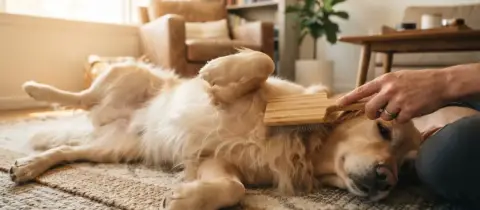
- Brush first. Remove loose hair and tangles. Brushing before the bath means shampoo isn't working through a snarled coat, and it helps before any trim too.
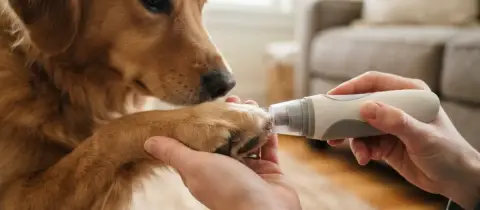
- Trim nails in small amounts. Take off a little at a time, stop before the quick, and keep styptic powder nearby. Black nails need extra care because the quick is hard to see. Our step-by-step guide on how to cut dog nails at home covers black nails and the quick, and our nail clippers guide and nail grinder guide help you choose the tool.
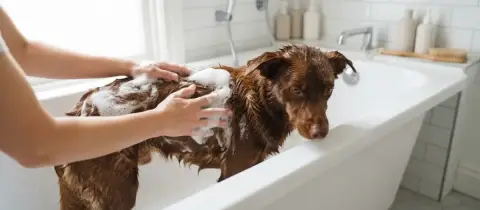
- Bath with dog shampoo. The AKC suggests wetting your dog thoroughly with warm water, working a dog shampoo in from the neck backwards, and rinsing completely (AKC, How to groom a dog, page read 31 October 2026). See best dog shampoo.
- Towel dry, then dry further if needed. Most short coats are fine with a towel. See the dryer section below for thick or long coats.
- Trim only if the coat calls for it. Paws, face and sanitary areas on a curly coat are the usual jobs. See how to trim the fur on your dog's paws, our dog paw trimmer guide and best dog clippers.
- Quick check. Look at ears, teeth, eyes, skin and paws for anything new, then finish with a treat. Our dog ear cleaner guide shows how to clean healthy ears, and when not to. Our dog training treats guide has small, soft options.
How often should I groom my dog?
It depends on the coat, the climate and how well you keep up the brushing. The AKC says how often a dog needs a professional depends on home upkeep, coat type and climate, and that dogs in humid areas that aren't brushed regularly can end up with packed undercoats that trap moisture and encourage skin infections (AKC, How to groom a double-coated dog, page read 31 October 2026). Bath frequency by coat is in how often to wash your dog.
In practice, brushing is the regular job, nails are a small, frequent job, and baths are as needed. Ask your groomer or vet how often suits your dog, particularly for long, curly or double coats.
Should I brush my dog before or after a bath?
Brush before. Loose hair and tangles are easier to remove from a dry coat, and a snarled coat can be harder to rinse clean. Brush again lightly once your dog is dry if you like. If you find a mat close to the skin, don't try to wash it out, because that is a job for a groomer.
Use a dog shampoo. PetMD explains that dog skin differs from human skin, and that human shampoos can disrupt a dog's skin pH, which may lead to flaking, dryness or infection (PetMD, Can you use human shampoo on dogs?, page read 31 October 2026). If skin is itchy, red, flaky or smelly, see your vet before switching shampoos and read why dogs itch. A vet may suggest a medicated dog shampoo, and for dry, flaky skin that your vet has already seen, our dog dandruff shampoo guide compares gentler options.
Are dog grooming vacuum kits worth it?
They can be, for the right dog and owner. A grooming vacuum catches loose hair as you brush or clip, so you get less mess on the floor and couch. They are not essential, they add noise some dogs hate, and they take up far more room than a brush. Introduce the sound slowly with treats.
They suit heavy shedders and owners who find the hair clean-up the worst part. They don't suit nervous dogs who panic at vacuum cleaners, or small homes with little storage. Little snacks help so the vacuum noise doesn't make them nervous. If your dog is scared, start with the machine off in the room, then on at a distance, then close, one step per session. If it's the floors and couch you want to tackle, our pet hair vacuum guide compares floor vacuums.
All-in-one vacuum kit
This kit pairs a vacuum with brushes and a clipper. Specs below come from the listing, and the dB and suction figures are the brand's claims.
oneisall 7-in-1 dog grooming vacuum kit. The listing says it includes a grooming brush, a deshedding tool, an electric clipper, a paw trimmer, a nail grinder, a nozzle head and a cleaning brush. The brand claims 59 dB noise, three suction levels and a 1.5 L dust box, and says the clipper, trimmer and grinder are cordless and work without the hose. Working voltage is listed as 220V to 240V.
- Pros: the one kit here with a nail grinder included, and the clipper works with or without the vacuum.
- Cons: the listing is vague about power (it says battery powered, but also gives a cable length), and it doesn't say which plug is supplied.
We compare it with other kits in our dog grooming vacuum guide.
If you want just the dryer, read on. If you want a nail grinder, compare it with the stand-alone choices in our nail grinder guide.
Do you need a dog dryer?
Most dogs don't. A good towel dry is enough for smooth and short coats, and a warm, draught-free room does the rest. A dryer helps with thick, long or curly coats that stay damp for hours, because a coat that stays wet can irritate skin. Keep it on low heat and keep it moving.
PetMD suggests introducing a dryer gradually, starting on low with no heat and pointed down, then moving closer over several short sessions with treats. It also says to test the heat on your own hand and keep air moving so skin doesn't overheat (PetMD, Tips for getting your dog comfortable with a dog dryer, page read 31 October 2026). Vetstreet adds that you should keep the nozzle a few inches (about 10 cm) from the coat, use the lowest heat setting, and watch your dog closely, because dogs can't tell you when they're getting too hot (Vetstreet, Is it safe to blow-dry my dog?, page read 31 October 2026).
Never use high heat close to the skin, and don't leave a dog unattended with a dryer running, including in a crate. Vetstreet's advice to watch your dog closely, because dogs can't tell you when they're too hot, is the reason: dryers are for you to hold, with your dog in view (Vetstreet, page read 31 October 2026). Some dogs accept a soft ear cover while a dryer runs; our dog ear muffs guide covers fit.
Check the wattage
A standard Australian 10 A power point at 240 V supplies about 2,400 W (10 A times 240 V). This is simple arithmetic rather than a quote from a regulator. That is why dryer listings that claim 3,000 W or more don't add up for a normal home power point, and why we left them out. Choose a dryer rated near or under that figure, with an Australian plug, and don't run it from a shared power board with other heaters.
ADVWIN pet hair dryer 2000W. The listing says 2,000 W, and its spec image shows 220 to 240 V. It gives a temperature range of 35 to 57 degrees Celsius, airflow of 20 to 72 m/s, two settings, a hose that extends to 230 cm and four nozzles. It weighs 3.69 kg.
- Pros: the wattage sits inside what a normal power point can supply, and the hose reach and four nozzles give you options for different coats and dog sizes.
- Cons: there are few owner reports so far, and the listing text names no plug type, so check the plug on the product page before you buy. It is also a bulky machine at 3.69 kg.
How we chose the kits and dryer
- Well rated: a strong average rating with plenty of buyer reviews.
- No red flags: no pattern of poor reviews, safety complaints or listing problems.
- Available on Amazon Australia when we checked.
- Works with Australian power (240 V and an Australian plug, where the listing says so).
- Collects hair while you groom, with adjustable speed and attachments for the jobs listed.
These are researched picks. We compared the specifications on each Amazon Australia listing, checked on 25 November 2026 for the kit and dryer picks, and took no payment from any brand.
Left out this time: dryers whose listings claim 3,000 W or more (a standard Australian 10 A power point supplies about 2,400 W, so those claims don't add up), and grooming tables, because there were too few suitable options on Amazon Australia when we checked.
Can I use a human hair dryer on my dog?
You can, with care, but a dog dryer is better. Human dryers can run hot and loud, and their motors aren't built to run for as long as it takes to dry a big dog. If you do use one, choose the lowest heat, keep it a few inches (about 10 cm) from the coat, and keep it moving.
Vetstreet calls using your own hair dryer possible but not ideal and suggests a dryer made for dogs if you bathe often (Vetstreet, Is it safe to blow-dry my dog?, page read 31 October 2026). PetMD notes human dryers tend to be loud and their motors aren't designed to run for the time it takes to dry a large dog (PetMD, Tips for getting your dog comfortable with a dog dryer, page read 31 October 2026).
When should I book a professional groomer?
Book a groomer for matted coats, hand stripping, nervous dogs and any trim you're unsure about. For small trims at home, our dog grooming scissors guide covers round-tip scissors and safe technique. Matted coats close to the skin are a job for a groomer or vet, because trying to cut them out risks nicking the skin. A groomer can also spot lumps, sore skin or ear problems early.
The AKC says groomers can safely remove mats, trim coats when needed and hand-strip wiry coats, which is preferable to shaving them, and can notice lumps, soreness, cracked paw pads, ear problems and dental or eye concerns (AKC, How to groom a double-coated dog, page read 31 October 2026). Look for a groomer who is gentle and patient with nervous dogs, and avoid anyone who uses force.
When to see a vet
See your vet if you notice:
- red, itchy, flaky, smelly or sore skin, or hot spots (see also our itchy skin guide)
- lumps, bumps or sores that are new or growing
- ear smell, discharge, redness, or lots of head shaking (see our dog ear infection guide)
- a cut or nick from clippers, or a nail that bleeds and won't stop
- a mat close to the skin that you can't brush out
Don't switch shampoos to treat a skin problem on your own. Your vet may suggest a medicated shampoo, and our medicated dog shampoo guide explains the options.
Frequently asked questions
What do I need to groom my dog at home?
Start with a brush and comb for your dog's coat, a dog shampoo, nail clippers or a grinder, a towel, styptic powder and treats. Add clippers or a dryer if the coat needs them. Our dog brush guide and dog shampoo guide help you pick the first two.
Do I need a grooming table at home?
Usually not. A non-slip mat on the floor or a sturdy, stable surface works for most home grooming, as long as your dog feels secure and you can reach every part of the coat. Never leave a dog alone on a raised surface, because they can jump or fall. Our dog grooming table at home guide shows how to set up a bench safely with a clamp-on arm.
What is the best order to groom a dog?
Brush, trim nails, bath, dry, then trim if the coat needs it. Finish with a quick check of ears, teeth, eyes and skin. Keep each session short with small treats, and stop if your dog is stressed rather than pushing through.
How do I introduce a grooming vacuum to a scared dog?
Go slowly, one step per session. Start with the machine off in the room, then on at a distance, then closer, with small treats at each step. Small snacks help with the noise. If your dog stays frightened, stop and stick to a brush and towel.
Can I use my dog's grooming kit on my cat?
Brushes and combs can be shared once they're washed clean, but shampoo and clippers should be made for cats. A product made for dogs isn't automatically right for a cat, so check the label. See our guides to grooming a cat at home and the best cat brushes.
Can I groom my dog myself instead of using a groomer?
For brushing, baths, nails and a quick check, yes, many owners do. Leave matted coats, hand stripping, big trims and nervous dogs to a groomer or vet. If you're unsure about any step, ask your groomer to show you before you try it at home.
How long does a home groom take?
It varies with the coat, the dog and how used to handling they are. A short-coated dog may need only a quick brush, while a long or curly coat takes longer. Plan short sessions, spread jobs across a few days if needed, and stop if your dog is stressed.
Related guides
- How to cut dog nails at home
- How to trim the fur on your dog's paws
- Dog hair dryers
- How often to wash your dog
- Dog grooming gloves
- Best oatmeal dog shampoo
- Best dog conditioner
- Best pet hair removers for couch, car and clothes
- Best dog brush by coat type
- Best deshedding brush for dogs
- FURminator guide: which size and tool
- Best dog clippers
- Best vacuum for pet hair
- Best dog nail grinder
- Dog nail file
- Best dog shampoo
- Best dog nail clippers
- Best medicated dog shampoo
- How to clean your dog's teeth
- All our dog guides
Sources
- AKC, How to groom a dog, page read 31 October 2026 (https://www.akc.org/expert-advice/health/how-to-groom-a-dog/)
- AKC, How to groom a double-coated dog, page read 31 October 2026 (https://www.akc.org/expert-advice/dog-grooming/how-to-groom-a-double-coated-dog/)
- PetMD, Can you use human shampoo on dogs? page read 31 October 2026 (https://www.petmd.com/dog/general-health/can-you-use-human-shampoos-on-dogs)
- PetMD, Tips for getting your dog comfortable with a dog dryer, page read 31 October 2026 (https://www.petmd.com/dog/grooming/tips-getting-your-dog-comfortable-dog-dryer)
- Vetstreet, Is it safe to blow-dry my dog? page read 31 October 2026 (https://www.vetstreet.com/dr-marty-becker/is-it-safe-to-blow-dry-my-dog)
- Product details from each linked Amazon Australia listing, checked on 25 November 2026.
This guide provides general information and isn't a substitute for veterinary advice. If you're concerned about your dog's coat, skin or grooming, speak with your vet.