Quick answer: A dog ear infection usually shows up as head shaking, scratching at the ear, redness, a smell or a discharge, and a vet needs to look down the canal before anything goes in. Treatment is usually a clean plus drops your vet prescribes for the cause, which may be yeast, bacteria or both. Shop ear cleaners don't treat infection.
If your dog has started shaking their head or digging at an ear, this guide covers what to look for, what causes it, what the vet does and what to keep out of the ear. For the cleaning side of ear care, see our dog ear cleaner guide.
Quick picks
Virbac Epi-Otic Advanced ear cleanser
For cleaning alongside prescribed drops when your vet says to. It doesn't treat infection.
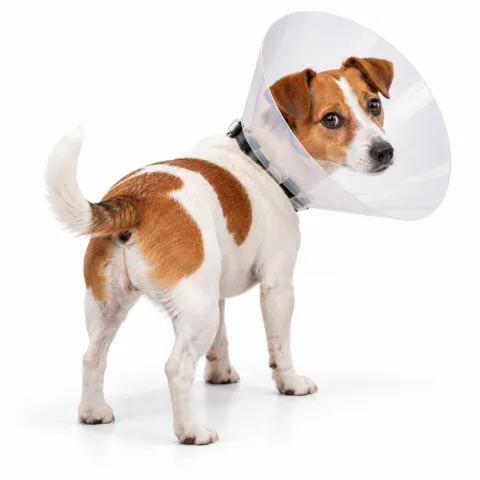
WacHomz Adjustable Plastic E-Collar
A cone with an adjustable fit, if your vet agrees, to keep paws off a sore ear.

Lucky Paws Dog Towel, Extra Large 140 x 70 cm
A large towel for drying ear flaps and coat after swims and baths.
Pet MD Dog Ear Cleaner Wipes, 100 wipes
A gentle way to wipe outer-ear wax on healthy ears only, never a sore one.
Virbac Epi-Otic Ear Cleaner, 125 ml
A cleaner also sold by vets and pet shops in Australia. Use as your vet directs.
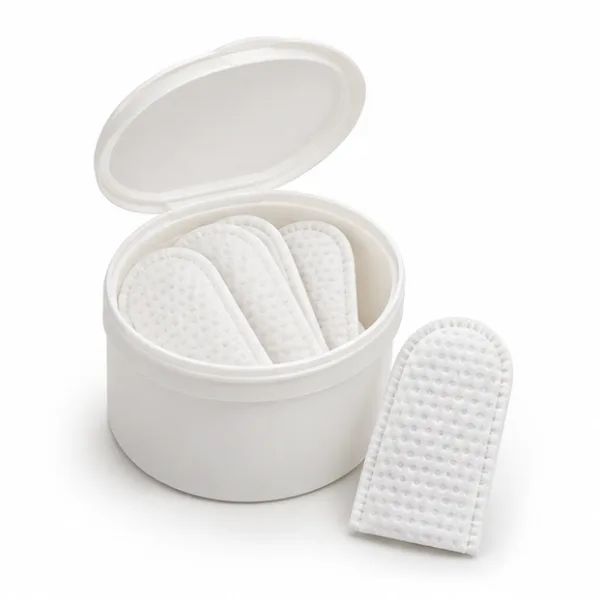
Canosept Dog Ear Wipes, 50 finger pads
Finger pads for wiping dirt and wax from the visible part of a healthy ear.
An adjustable plastic cone
If your vet agrees, it keeps paws off a sore ear between doses of drops.
An extra-large dog towel
Handy for drying the ear flaps and coat after swims and baths.
Dog ear cleaning wipes
A gentle way to wipe outer-ear wax on healthy ears only, never a sore or smelly one.
Virbac Epi-Otic Ear Cleaner, 125 ml
The Virbac cleaner also sold by vets and pet shops in Australia, for cleaning only as your vet directs.
Canosept Dog Ear Wipes, 50 finger pads
Finger-shaped pads for wiping dirt and wax from the visible part of a healthy ear, never a sore or smelly one.
Pictures are illustrations, not the actual products.
More detail on each is in Useful gear below. These are support tools; they don't treat an infection, so see your vet first.
What does a dog ear infection look like?
Head shaking, scratching at the ear, redness, a bad smell and a dark or yellowish discharge are the usual signs. VCA Animal Hospitals lists these, and the Merck Veterinary Manual adds swelling, scaly skin and damage to the ear flap from scratching (VCA Animal Hospitals; Merck Veterinary Manual, both read 25 November 2026). One ear or both can be affected, and it can come on suddenly or build slowly.
A look can't tell you the cause, so treat this table as a guide to what the vet may find, not a diagnosis.
| What you see | May be more consistent with | Who can confirm |
|---|---|---|
| Red, smelly ear, head shaking, dark or yellow discharge | A yeast or bacterial infection | A vet, who looks down the canal and checks a sample under a microscope |
| Dark, crumbly debris like coffee grounds, itchy, often in puppies | Ear mites (sometimes with an infection on top) | A vet, with an otoscope or microscope |
| Sudden head shaking or pawing after a walk in long grass | Something stuck in the ear, such as a grass seed | A vet, promptly |
| Soft, puffy swelling of the ear flap | A blood blister from heavy shaking or scratching | A vet |
| A little light brown wax, no scratching | Normal wax | A vet, if you are unsure |
What causes ear infections in dogs?
Usually an underlying problem lets yeast or bacteria overgrow. The Merck Veterinary Manual says healthy ears carry small numbers of these microbes, and they can multiply when the ear changes. Allergies, ear mites, objects stuck in the canal and ear shape are the common triggers.
VCA says allergies are involved in up to 43% of cases. It also lists foreign bodies, polyps and tumours, which drops alone can't fix. Grass seeds are another reason for a sudden, painful ear. PDSA says to check your dog after walks in long grass, names the ears as one of the common places to find a seed, and says to book a vet visit if you find or suspect one (PDSA, read 25 November 2026).
What is a yeast ear infection in dogs, and how is it different from a bacterial one?
Both are overgrowths of microbes that normally live in the ear. Yeast is a fungus, bacteria are not, so the vet chooses different medicine for each. Merck says dark discharge often suggests yeast or parasites but can also occur with bacterial infections, so a smear under the microscope is how a vet tells them apart.
That is why a guess at home can miss. VCA says treatment is chosen from the otoscope exam and the microscope findings, using antibiotics for bacteria, antifungals for fungi, or a combination that also calms inflammation. Some ears have both at once.
How do vets treat a dog ear infection?
The vet looks down the canal with an otoscope, checks the eardrum, takes a sample, then cleans the ear and prescribes drops matched to what they find. They also look for the cause underneath. Merck says most ear drops combine an antibiotic, an antifungal and an anti-inflammatory.
A few details worth knowing:
- Cleaning first. Merck says discharge and wax can inactivate medication, so the ear is cleaned and dried first. A very painful ear may need sedation or anaesthetic.
- Hair and objects. Merck says hair around the ear is usually clipped for better cleaning and treatment. Cornell says plant material stuck in the ear may be flushed out or removed with forceps under sedation.
- Finish the course. Give the drops for as long as your vet says, even if the ear looks better, and go back for the recheck. Merck says checkups continue until no infection shows, often over two to four weeks. Results vary, and some dogs with long-term problems need ongoing care.
- Tablets and other options. Oral or injected medicine may be added for deeper or long-standing cases, and VCA says some chronic cases eventually need surgery.
- The cause. If allergies are behind it, treating them is part of treating the ear. Our dog itchy skin guide covers that side.
Ear mites are treated with a parasite product your vet chooses, not with an ear cleaner. See our dog ear mite treatment guide for how the labels compare, and our ear mites in cats guide if you have cats too, because mites spread between pets.
Can I treat my dog's ear infection at home without a vet?
No. VCA says a vet must diagnose the exact cause, and it warns against treating with over-the-counter drops without a diagnosis. Some medicated drops are unsafe if the eardrum is ruptured, and only a thorough ear exam can tell. Until the vet has looked, put nothing in a sore ear.
Our own reading of the Merck, VCA and Cornell pages gives this list:
| Don't use | Why |
|---|---|
| Cotton buds down the canal | Merck says to avoid swabs and anything that pushes debris deeper |
| Vinegar mixtures | Merck says irritating home remedies like these can worsen swelling and discharge |
| Peroxide, alcohol or oils | Even products that suit healthy ears can irritate an inflamed one (Merck), so we don't recommend them for a sore ear |
| Human ear drops or creams | Some human medicines are dangerous for dogs, so ask your vet before giving anything |
| Shop wax removers or "infection" drops | Merck says to avoid over-the-counter wax removers unless your vet approves |
| Ear powder after plucking | Merck says powders can clump into irritating masses; vets are divided on powder and plucking, so ask yours |
Our ear drops for dogs guide explains what the shops sell and why cleansers aren't a treatment. Our ear powder guide covers the powder question.
If you have already put something in the ear, call your vet and tell them what it was.
Why does my dog keep getting ear infections?
Because the cause underneath hasn't been found or fixed. Merck says that unless every cause is treated, the condition often returns, and VCA says recurrence is likely when an underlying cause isn't identified. Allergies are the usual suspect, but ear shape, hair, mites and hormone problems can all play a part.
Talk to your vet about it rather than treating each flare alone. VCA says 65% to 80% of dogs with food allergies get ear infections, so a vet may suggest a diet trial. Our hypoallergenic dog food guide explains what those diets are. Chronic infections can also narrow the canal over time, which makes treatment harder (VCA).
Can swimming or bathing cause ear infections in dogs?
Yes, they can. Cornell says swimming in lakes, rivers and streams is a common cause, because a canal that stays warm and moist lets yeast and bacteria grow, and that drop-eared dogs such as Labradors and golden retrievers are affected more. It says gently drying the ear after a swim can help (Cornell Riney Canine Health Center, read 25 November 2026).
Merck says to keep water out of the ears at bath time and to use vet-recommended drying agents for dogs that swim often. Ask your vet which one suits your dog, and don't use drying products on an ear that is already red or sore. If your dog is just learning to enjoy the water, our guide to teaching a dog to swim covers the safety side.
Useful gear
These are support tools only. None of them treats an infection.
- Virbac Epi-Otic Advanced ear cleanser: for cleaning only when your vet says to clean, including alongside prescribed drops. The listing says it contains 0.2% salicylic acid with a mild citrus scent, is safe to use with other ear preparations, and is for routine cleansing of sensitive ears. It is a US-format import, and the listing gives no safety warnings, so follow the bottle and your vet. Our dog ear cleaner guide covers the Australian Epi-Otic, other cleaners and how to clean.
- A soft cone, if your vet agrees, to stop scratching while the ear heals. Cornell mentions a cone or an ear wrap for this. See our dog cone guide.
- A drying towel for the ear flaps after swims and baths. See our dog towel guide.
Ear wipes are a gentler option for outer-ear wax on healthy ears only, and they are covered in our dog ear wipes guide. Vet clinics and pet shops also sell ear cleaners, and your vet can tell you which suits your dog.
When to see a vet
Book a vet visit if your dog has any of these:
- head shaking or scratching at an ear
- redness, swelling or a puffy ear flap
- a smell, or brown, yellow or bloody discharge
- pain when the ear is touched
- an ear problem that keeps coming back
Go the same day for any of these:
- a head tilt, loss of balance or walking in circles
- unusual eye movements or a drooping face
- sudden, severe pain, especially after long grass (a grass seed is possible)
- a swollen ear flap after heavy shaking
- a dog that seems unwell or stops eating
VCA says untreated infections can lead to a swollen ear flap that needs surgery, eardrum damage, inner ear infection and permanent hearing loss. Cornell says a dog that holds its head to one side or walks unsteadily needs a vet to rule out a middle ear infection. Don't wait to see if it clears.
If you think your dog has had something harmful in or near the ear, or has swallowed it, call the Animal Poisons Helpline on 1300 869 738 (24/7) and your vet. Our ear drops guide and dog poisoning guide have more.
Frequently asked questions
Is a dog ear infection an emergency?
Usually it needs a prompt vet visit rather than a midnight dash, but some signs are urgent. A head tilt, wobbling, circling, unusual eye movements, sudden severe pain or a dog that stops eating should be seen the same day. Cornell and VCA both warn that deep infections can affect balance and hearing.
Will a dog ear infection go away on its own?
Don't count on it. VCA says a vet must find the exact cause, and Merck says treatment continues until the infection is fully cleared. Leaving it can let the problem deepen, and a vet visit early usually means simpler treatment.
Can I use human ear drops or creams on my dog?
No. Some human medicines are dangerous for dogs, and some ear medicines are unsafe if the eardrum is damaged, which only a vet can check (VCA). Ask your vet before giving anything. If your dog has already had something put in the ear, tell the clinic what it was.
Are ear infections contagious between dogs?
The microbes behind most infections already live in the ear, so a typical infection isn't something dogs simply catch. Ear mites are different: Cornell says they can spread to other pets, so all pets should be treated. If one pet in the house has mites, ask your vet about the rest.
Can I clean my dog's ears if they look dirty?
Only as your vet directs. Merck says to clean ears as your vet advises, using a vet-approved cleaner and cotton balls rather than cotton buds. A sore, red or smelly ear needs a vet first, because even products suited to healthy ears can irritate an inflamed one. Our dog ear cleaner guide covers healthy-ear routines.
Do some breeds get ear infections more than others?
Yes. VCA says dogs with large, floppy or hairy ears, such as cocker spaniels, poodles and Old English sheepdogs, are more prone, and Merck says ear shape can make some dogs more susceptible. Any breed can get one. Merck suggests regular ear checks for changes such as skin colour or sudden moisture, so you catch problems early.
Can an ear infection cause hearing loss?
It can. VCA says deep infections may damage the eardrum, lead to an inner ear infection and cause permanent hearing loss, and that some surgery for severe chronic cases can also affect hearing. Early vet care is the best protection, so don't leave a painful or smelly ear untreated.
Related guides
- Best dog ear cleaner
- Ear drops for dogs
- Dog ear mite treatment
- Ear powder for dogs
- Dog ear wipes
- Dog itchy skin
- Ear mites in cats
Sources
- Merck Veterinary Manual, pet owner version, "Ear infections and otitis externa in dogs" (https://www.merckvetmanual.com/dog-owners/ear-disorders-of-dogs/ear-infections-and-otitis-externa-in-dogs), page read 25 November 2026.
- VCA Animal Hospitals, "Ear infections in dogs (otitis externa)" (https://vcahospitals.com/know-your-pet/ear-infections-in-dogs-otitis-externa), page read 25 November 2026.
- Cornell University College of Veterinary Medicine, Riney Canine Health Center, "Itchy ear problems" (https://vet.cornell.edu/departments/riney-canine-health-center/canine-health-information/itchy-ear-problems), page read 25 November 2026.
- PDSA, "Grass seeds in dogs" (https://pdsa.org.uk/pet-help-and-advice/pet-health-hub/conditions/grass-seeds-in-dogs), page read 25 November 2026.
This guide provides general information and isn't a substitute for veterinary advice. If you're concerned about your dog's ears, speak with your vet.