Hypoallergenic dog food: what works for allergies, and which to buy
By Anish PuriUpdated 25 Nov 202613 min readResearched, not tested by us
Research guide. WhiskerFinds may earn a commission from links, at no extra cost to you.
Quick answer: "Hypoallergenic" on a dog food label has no single agreed meaning. For a suspected food allergy, vets use a hydrolysed or novel-protein diet in a strict trial, and our top pick for that is Royal Canin Veterinary Hypoallergenic, a vet formula you should check with your vet first. Everyday "sensitive" foods are a different job.
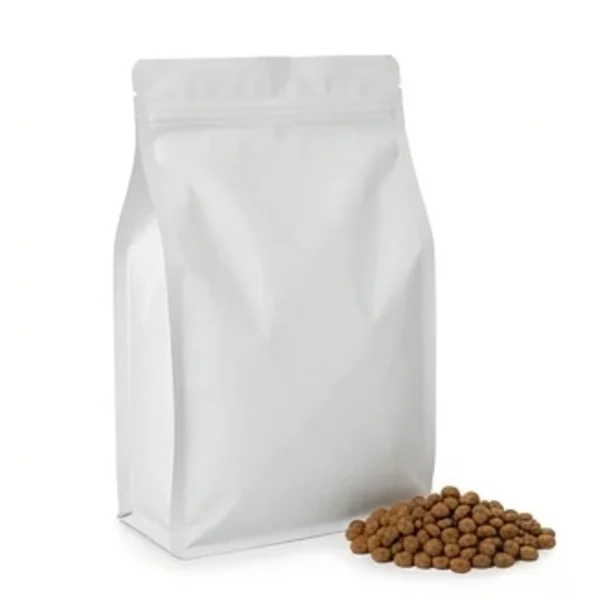
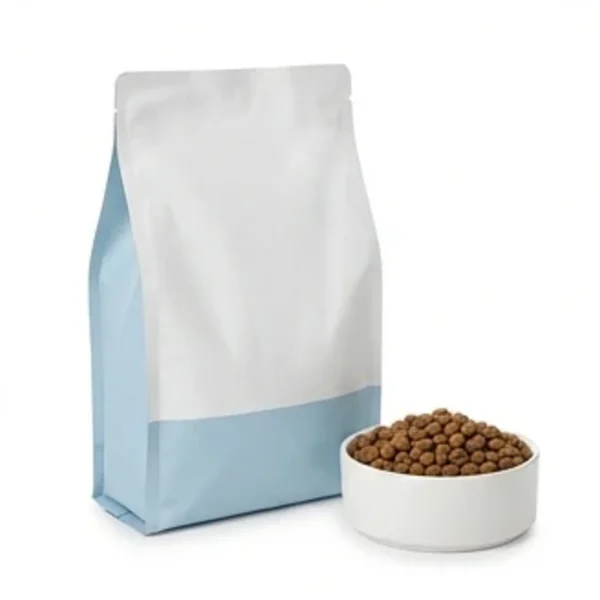
Illustration, not the actual product
Our top pickRoyal Canin Veterinary Hypoallergenic, 14 kg
Search for hypoallergenic dog food and you'll find everything from vet-only kibble to supermarket bags with "sensitive" on the front. They are not the same thing. This guide explains what the label really means, compares five foods on Amazon Australia by ingredient list and bag size, and walks through how a vet-led diet trial works, because the trial matters more than the brand.
Food allergy is also less common than flea or environmental allergy (Greencross Vets puts food reactions at roughly 10 to 15% of allergic skin disease), so rule those out with your vet first. Our dog itchy skin guide and flea treatment guide cover them.
Quick picks
Our top pickBest overall, for a vet-led trial
Royal Canin Veterinary Hypoallergenic, 14 kg
Hydrolysed protein vet diet; a 3.5 kg Small Dog version also exists
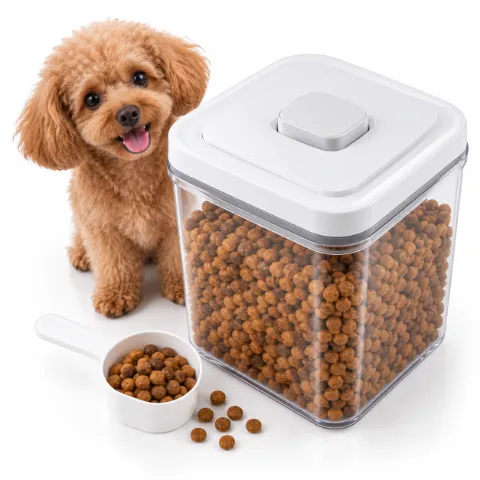
Pictures are illustrations, not the actual products.
What does hypoallergenic dog food actually mean?
It means the maker thinks the food is less likely to set off an allergic reaction, and nothing more. "Hypoallergenic" doesn't tell you which proteins are inside. Two quite different things sit under the word, and only one of them is designed for diagnosing a food allergy.
Vets mean hydrolysed protein diets (the protein is broken into pieces so small that the immune system should not recognise them) or novel protein diets (no ingredient your dog has eaten before). VCA Animal Hospitals describes both this way, and adds that retail "limited-ingredient" foods aren't made under the same cross-contamination controls as veterinary diets (VCA Animal Hospitals, "Food Allergies in Dogs", last updated 24 January 2022, page read 25 November 2026).
Then there is the shelf of everyday foods marketed as sensitive, grain free or "kangaroo". Many of those still contain chicken, beef or poultry fat somewhere in the ingredient list, so a dog allergic to chicken can still react. Read the whole ingredient list, not the front of the bag.
Hydrolysed vs novel protein vs "sensitive" food
Swipe sideways to see every column
Type
How it works
Examples on this page
Best for
Vet needed?
Hydrolysed protein vet diet
Protein is broken down so the immune system is less likely to react
Royal Canin Hypoallergenic (pick 1)
An elimination trial
Yes. The maker says to ask a vet before use
Novel protein vet diet
A protein source and carbohydrate your dog hasn't had before
Royal Canin Sensitivity Control (pick 2), duck and tapioca
A trial when your vet picks this route
Yes. The maker says to ask a vet before use
Everyday fish or limited recipe
Avoids some common proteins, but isn't made to vet-diet controls
Ivory Coat (3), Wellness CORE Ocean (4)
Long-term feeding once a vet has ruled things out, or a dog that reacts to chicken
Not required, but tell your vet
"Sensitive stomach and skin" food
Gentle, digestible recipe, often with chicken
Hill's Science Diet (5)
Mild tummy or skin sensitivity without a food allergy
No
Our picks in detail
1. Royal Canin Veterinary Hypoallergenic, 14 kg: best for a vet-led elimination trial
Royal Canin Australia's page lists the composition as rice flour, hydrolysed soya protein isolate, animal fats, rice, hydrolysed poultry liver, beet pulp, minerals, soya oil and a few others, with rice as the carbohydrate source. It says the food is for dogs with food sensitivities and can be used in an elimination trial. The Amazon listing itself is thin and doesn't spell out the ingredients, so rely on Royal Canin's page and the bag.
Note the hydrolysed poultry liver: it is broken down, but ask your vet whether it suits a dog that reacts to poultry. Royal Canin says a vet's opinion should be sought before use and before extending the period of use (Royal Canin Australia, Hypoallergenic dry food for dogs, page read 25 November 2026). That matches our Royal Canin dog food guide, where the Veterinary range is for diagnosed conditions. The maker lists bag sizes of 2, 7 and 14 kg. A Small Dog version is a separate 3.5 kg listing, which the listing says has hydrolysed soy protein isolate and hydrolysed poultry liver as its protein sources: Royal Canin Veterinary Hypoallergenic Small Dogs.
Pros: hydrolysed protein built for trials; ingredients on the maker's page; a small-dog option; a 14 kg bag means fewer reorders during a long trial
Cons: a veterinary formula, so ask your vet before using it; contains hydrolysed poultry liver; not grain free; the Amazon listing gives little detail; a big bag to commit to if your dog won't eat it
Best for: a vet-supervised elimination trial
Skip it if: your vet hasn't recommended it, or your dog is a puppy (Royal Canin describes it for adult dogs)
2. Royal Canin Veterinary Sensitivity Control, 1.5 kg: best for a novel-protein trial your vet recommends
A small bag of a duck and tapioca vet diet. The listing says dried duck at 28%, hydrolysed poultry protein at 4.2% and tapioca at 47%, with fish oil, psyllium and beet pulp. The description mentions "dairy flour", but the listing's ingredient list shows no dairy (it lists tagete, or marigold, flour in that spot), so check the bag or ask your vet if your dog reacts to dairy. It suggests feeding for three to eight weeks, then up to a year if signs go away. That's shorter than the 8 to 12 weeks VCA gives for a trial, so let your vet set the length.
It is not poultry free, because duck is poultry and so is the hydrolysed protein. The listing also includes animal fat without naming the species, so ask your vet if your dog reacts to a particular meat. It's a sensible route only if your dog hasn't eaten duck and your vet has chosen it. The 1.5 kg bag suits a try-out or a small dog, but a large dog will need more bags. Same veterinary-formula caveat as pick 1.
Pros: a novel protein and carbohydrate (duck and tapioca) for dogs that haven't had them; ingredient percentages on the listing; a small bag to try first
Cons: a veterinary formula, so ask your vet before using it; contains poultry; the listing's description and ingredient list don't agree on dairy; small bag; the listing's three to eight week feeding note is shorter than a typical trial
Best for: a trial where your vet has chosen a novel-protein diet
Skip it if: your dog reacts to poultry, or has eaten duck before
3. Ivory Coat Grain Free Ocean Fish & Salmon, 2 kg: best for a dog that reacts to chicken
An Australian brand with a fish-first recipe. The listing says it is made without poultry, an option for dogs sensitive to poultry protein, and the ingredient list starts with dehydrated Australian salmon, then peas, lentils and chickpea flour, with Australian ocean fish further down. It also lists beef fat, which is easy to miss, and "natural digest" without naming the animal it comes from.
This is an everyday food, not a vet diet, so it isn't built for a diagnostic trial. It suits a dog that reacts to chicken once your vet has ruled out other causes. We couldn't open the maker's own page, so check the ingredient list on the bag if your dog reacts to beef or to legumes.
Pros: no poultry per the listing; fish protein; Australian brand; 2 kg is a sensible size to trial
Cons: beef fat is listed, so check the label if your dog reacts to beef; "natural digest" isn't specified; several proteins and legumes, so it isn't a single-protein food; not a vet diet
Best for: an everyday food for a dog that reacts to chicken, with your vet's OK
Skip it if: you need a strict trial diet, or your dog reacts to beef or fish
4. Wellness CORE Grain Free Ocean, 1.8 kg: best high-protein fish food
A fish-heavy kibble. The listing's ingredient list starts with whitefish, herring meal and whitefish meal, then peas, lentils, canola oil, potatoes and salmon meal. No chicken or poultry appears by name, and the listing says it has no poultry by-products. It also lists "natural flavor" without saying what that is, and says it is made in a facility that also processes grains.
Those two lines are why it isn't a trial food. For a dog with a firm chicken allergy, check with the maker before relying on the unspecified flavour. The listing doesn't give a fat figure, so if your vet has put your dog on a low-fat plan, check with them first (see our pancreatitis guide).
Pros: fish-first recipe; no poultry listed by name; no beef fat in the list; probiotics and omega fatty acids per the listing
Cons: imported, so check the delivery details on Amazon before you order; "natural flavor" isn't specified; made in a facility that also handles grains; not a vet diet
Best for: a high-protein fish-based everyday food
Skip it if: you need a strict trial diet, or your vet has your dog on a low-fat plan and hasn't OK'd it
5. Hill's Science Diet Sensitive Stomach & Skin Adult, 1.81 kg: best for sensitive stomach and skin when food allergy isn't the problem
A gentle everyday food, not an allergy diet. The listing says it has prebiotic fibre for gut bacteria, vitamin E and omega-6 fatty acids for skin, and a recipe that is easy to digest. The ingredient list begins with chicken, brewers rice and chicken meal, and also has egg product, chicken fat and pork liver flavour, so it is a chicken recipe through and through with other animal proteins too.
That makes it a poor fit for a dog that may be allergic to chicken. It suits a dog with a touchy tummy or dull coat once your vet has ruled out a food allergy. The 12 kg bag is here if it works for your dog.
Pros: a recognised brand; simple everyday feeding; two bag sizes; the listing gives a 7-day switching plan
Cons: a chicken recipe with egg and chicken fat; also lists pork liver flavour; not a vet diet
Best for: mild tummy or skin sensitivity without a food allergy
Skip it if: your dog may be allergic to chicken, egg or pork
Is it a food allergy? Signs and what else causes itching
A food allergy may show up as itchy skin, often around the paws, ears, face or belly, or as vomiting or diarrhoea. VCA lists itchy skin, paws and ears, plus digestive upsets, as the usual signs. Greencross Vets adds ear infections, hot spots, hair loss and gas (Greencross Vets, "Food Allergy in Pets", page read 25 November 2026).
None of these signs points to food on its own. Fleas, pollen, dust mites and skin infections cause much the same pattern, and a vet can work out which is more likely. Look at the context: does the itch come and go with the seasons, or is it all year round? Does it follow a change of food? Our guides to dog itchy skin, paw licking and hot spots cover the other causes.
How a food elimination trial works
A diet trial is the way vets check for a food allergy, and it works only if it is strict. Your vet picks one food, you feed only that, and you keep going for the length your vet sets. VCA says 8 to 12 weeks, and Greencross says 12 weeks, with gut signs usually improving sooner than skin signs.
See your vet first. They check for fleas, infections and other causes, and choose the diet.
Feed only that food for the whole trial, in the amounts the maker and your vet advise.
Keep a simple diary of itch, ears, stools and anything your dog ate by accident.
Re-challenge. If signs settle, your vet may have you go back to the old food. VCA says that if signs return within about a week of the challenge, that confirms the allergy.
Build a long-term plan with your vet, which may be the trial food or another food that suits.
Results vary between dogs, so don't judge it after a fortnight. VCA says to give no other foods, treats or supplements during a trial, and names flavoured vitamins and certain parasite preventives as things to watch. Here is the checklist we'd put on the fridge.
Change over gradually, over about a week, unless your vet says otherwise. For a diet trial, your vet may want the new food to take over completely, so follow their timing. The Hill's Science Diet listing suggests mixing growing amounts of the new food with shrinking amounts of the old over a 7-day period. If your dog has loose stools through the switch, slow down and call your vet if it continues. Our dog diarrhoea guide explains when it's a vet job.
Hypoallergenic dog foods compared
Details from each Amazon Australia listing, checked on 25 Nov 2026. Ingredients for the Royal Canin foods are from Royal Canin Australia's page; the others are from each Amazon listing. Recipes change, so check the bag.
Swipe sideways to see every column
Food
Main protein
Chicken or poultry?
Grain free?
Bag sizes on this page
Vet formula?
Royal Canin Hypoallergenic
Hydrolysed soy protein, hydrolysed poultry liver
Hydrolysed poultry liver (5%), ask your vet
No, rice
14 kg (Small Dog 3.5 kg)
Yes
Royal Canin Sensitivity Control
Dried duck, hydrolysed poultry protein
Yes, duck and poultry protein
No grains listed (tapioca)
1.5 kg
Yes
Ivory Coat Ocean Fish & Salmon
Salmon and ocean fish
None listed; beef fat listed; "natural digest" not specified
Yes
2 kg
No
Wellness CORE Ocean
Whitefish, herring, salmon
None listed; "natural flavor" not specified
Yes
1.8 kg
No
Hill's Sensitive Stomach & Skin
Chicken
Yes, chicken, chicken meal and chicken fat
No
1.81 kg (12 kg also listed)
No
Choose by situation
Swipe sideways to see every column
Your situation
What to look for
Our pick
Your vet has started a diet trial
The exact food your vet names
Royal Canin Hypoallergenic (1), or Sensitivity Control (2) if your vet chooses a novel protein
Small adult dog on a trial
A vet diet made for small kibble
Royal Canin Hypoallergenic Small Dog, 3.5 kg
Your dog reacts to chicken, and your vet has ruled out other causes
A recipe with no poultry in the list
Ivory Coat (3), then Wellness CORE Ocean (4)
You want a high-protein fish food
Fish first, no chicken in the list
Wellness CORE Ocean (4)
Mild tummy or skin sensitivity, no chicken problem
We searched Amazon Australia for hypoallergenic, sensitive and limited-ingredient dog foods, then shortlisted those that met all of these checks:
Well rated: a strong average rating with plenty of buyer reviews.
No red flags: no pattern of poor reviews, safety complaints or listing problems.
Available on Amazon Australia when we checked.
Full ingredient list on the listing or the maker's page, so the protein sources can be named.
Honest about the job: vet diets labelled as vet diets, everyday foods not sold as a diagnosis.
A clear bag size in kilograms.
Ingredient lists were checked against the Amazon Australia listings on 25 November 2026, and against Royal Canin Australia's own page where it opened. These are researched picks, not products we've personally tested. We compared specifications and features, and we didn't accept payment from any brand.
Left out this time: supermarket-style kangaroo and "sensitive" foods whose ingredient lists also include chicken or other meats, so they don't suit a dog with a chicken allergy despite the name; and raw and freeze-dried foods, because raw meat can carry bacteria that spread to pets and people, as our kangaroo treats guide explains, and a trial needs a vet-chosen diet anyway.
Where else can you buy hypoallergenic dog food?
Vet clinics stock and prescribe veterinary diets, and your vet can tell you which one to use. Pet shops stock the everyday sensitive and limited-ingredient foods. Whichever you buy, read the full ingredient list and compare it with what your dog has eaten before.
When to see a vet
See a vet before starting a diet trial. Itching can have many causes, and a vet can work out which is more likely and choose the diet. Skin infections, constant scratching, red or smelly ears, hot spots and long-running tummy upsets all need a vet. A new food won't fix them on its own.
Go to a vet or emergency clinic straight away for facial swelling, hives, trouble breathing, repeated vomiting or bloody diarrhoea.
Never give your dog human antihistamines or other human medicines. Some are dangerous for dogs, so ask your vet before giving anything. See our dog itchy skin guide.
Frequently asked questions
What is the best hypoallergenic dog food?
There's no single best, because it depends on what your dog reacts to. For a suspected food allergy, vets use a hydrolysed or novel-protein diet in a strict trial, such as our top pick, Royal Canin Veterinary Hypoallergenic, once your vet agrees. Everyday sensitive foods suit milder problems.
What is the most common food allergy in dogs?
VCA lists proteins as the usual cause, especially dairy, beef, chicken, chicken eggs, soy and wheat gluten, and says almost any ingredient can cause an allergy. That's a pattern, not a rule for your dog. Your vet can help work out which foods your dog has already eaten.
Is grain-free food hypoallergenic?
Not necessarily. VCA says the most common triggers are proteins, especially dairy, beef, chicken, chicken eggs, soy and wheat gluten, so a grain-free food that still contains chicken or beef can set off a dog allergic to those. Check the full ingredient list for proteins your dog has reacted to, and ask your vet before changing food.
How long until hypoallergenic food works?
A diet trial runs 8 to 12 weeks, according to VCA, and Greencross says 12 weeks, with digestive signs often improving within about four weeks and skin signs after about eight. Results vary between dogs, so keep the diet strict and let your vet judge progress rather than checking after a week or two.
Is kangaroo good for dogs with allergies?
Only if your dog hasn't eaten kangaroo before and the food has no other proteins your dog reacts to. Many kangaroo foods also contain chicken or other meats, so read the whole ingredient list. Kangaroo treats count as food in a trial. See our kangaroo treats guide for later.
Can I buy hypoallergenic vet food without a vet?
Veterinary diets are sold online, but the makers say to get a vet's opinion before use. Royal Canin's Australian page says so. A trial also needs a vet to check for other causes and to guide the length and the re-challenge, so talk to your vet before you buy.
Are allergy tests for dogs accurate?
The vet sources we read, VCA and Greencross, describe a food elimination trial as the way to check for a food allergy, and Greencross calls it the definitive test. Neither covers blood or hair tests sold online. Ask your vet what a test can and can't tell you before you pay for one.
Can puppies eat hypoallergenic food?
Only a formula labelled for puppies, or one your vet recommends, because growing puppies have different nutrition needs. The foods on this page are described for adult dogs. Check the label and ask your vet, and see our puppy food guide.
Product details and ingredient lists from each linked Amazon Australia listing, checked on 25 Nov 2026.
This guide provides general information and isn't a substitute for veterinary advice. If you're concerned about your dog's skin, itch or tummy, speak with your vet.