Hypoallergenic dog shampoo: what the label means, and which to buy
By Anish PuriUpdated 25 Nov 202614 min readResearched, not tested by us
Research guide. WhiskerFinds may earn a commission from links, at no extra cost to you.
Quick answer: Hypoallergenic dog shampoo is the maker's label, not a promise. Whole Dog Journal says the word has no legal definition in the US, and we found no Australian standard. Our top pick is the Buddycare Derma Sensitive 500 ml, listed as free from fragrance, dyes, SLS and parabens. A gentle wash supports your vet's plan; it doesn't treat allergies.
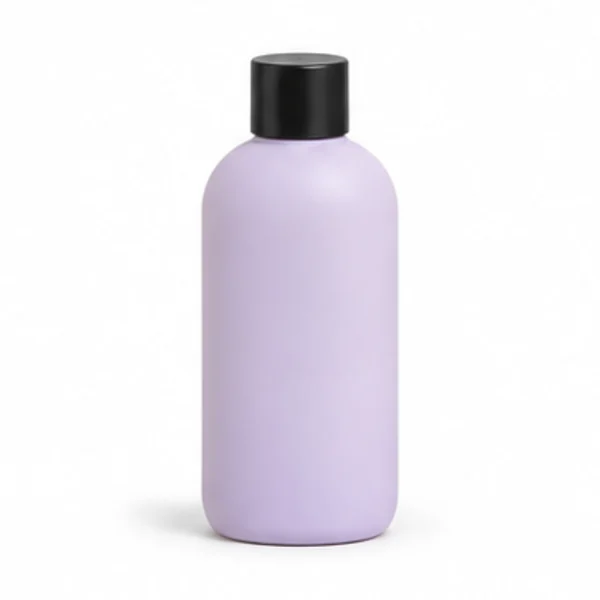
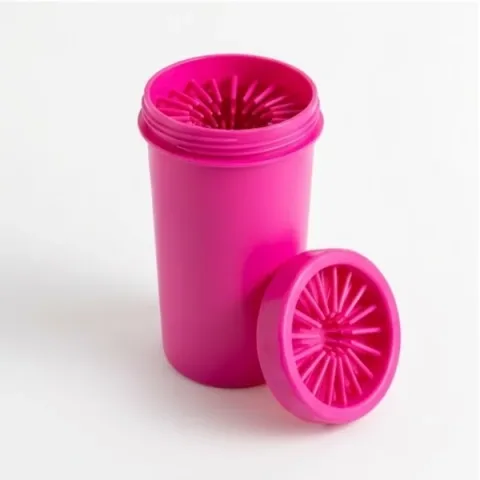
Illustration, not the actual product
Our top pickBuddycare Derma Sensitive Dog Shampoo, 500 ml
If your dog reacts to most shampoos, the word "hypoallergenic" on a bottle looks like the answer. It's really a starting point. This guide compares six hypoallergenic and sensitive-skin shampoos on Amazon Australia by what each listing says it leaves out, then shows you how to read a label and patch test. For bath frequency, see our guide to how often to wash your dog.
Three of the six are fragrance-free or unscented, one is an Australian-made set, and two are scented labels that we've included with the limitation printed. Three are imported, which we note in the cons.
Quick picks
Our top pickBest overall
Buddycare Derma Sensitive Dog Shampoo, 500 ml
Fragrance, dye, SLS and paraben free per the listing, with directions and a stated puppy age
Pictures are illustrations, not the actual products.
Hypoallergenic dog shampoos compared
Details from each Amazon Australia listing, checked on 25 Nov 2026. "Not stated" means the listing doesn't say. No listing shows a full ingredient list.
Swipe sideways to see every column
Pick
Fragrance
Soap or SLS
Dyes
Parabens
pH
Other named exclusions
Minimum age
Buddycare, 500 ml
Free from fragrances
SLS free
Dye free
Paraben free
Not stated
None named
8 weeks (puppy use)
HYPONIC, 300 ml
Unscented
Sulfate free
Free
Free
Not stated
PEG, CAPB, DEA, silicone, mineral oil
Puppies, no age given
Fido's set, 250 ml shampoo
Not stated
Soap free
Not stated
Not stated
Not stated
"Harsh detergents"
Not stated
Pet Head, 300 ml
Coconut with vanilla
Not stated
No dyes
No parabens
pH balanced
Gluten and nut free
Not stated
Espree, 355 ml
Floral, herbal oils
Coconut-based cleaners
Not stated
Paraben free
Not stated
Alcohol free
6 weeks
Burt's Bees, 473 ml
Fragrance free
Sulfate free
Colourant free
Paraben free
Not stated
"Harsh chemicals" (the maker's wording)
Not stated
What does hypoallergenic mean on a dog shampoo?
It means the maker thinks the product is less likely to cause a reaction. It isn't a guarantee for your dog. Whole Dog Journal says there is no legal definition of "hypoallergenic" in the US, and dictionaries define it as a lowered chance of an allergic reaction. We found no Australian standard for the word on dog products either.
The same article says shampoos for sensitive skin should have as few ingredients as possible, and suggests avoiding perfumes, fragrances and dyes, parabens, formaldehyde-releasing preservatives and methylchloroisothiazolinone. Sulfates are worth avoiding if the skin is dry. Soap on its own isn't the problem. It's a US trade publication, not a vet body, so we use it only for what the word means and what to look for on a label (Whole Dog Journal, "What is Hypoallergenic Dog Shampoo?", updated 21 February 2025, page read 19 November 2026).
The clearest fragrance-free, dye-free label in a 500 ml ready-to-use bottle. The listing says aloe vera and pro-vitamin B5, free from fragrances, dyes, SLS and parabens, vegan, and for sensitive skin. It also calls the shampoo ideal as a puppy shampoo from 8 weeks. Directions are written out: moisten, apply, massage into coat and skin, leave on for a few minutes, then rinse thoroughly with warm water.
The listing also sells it for smelly dogs and says it neutralises odours. That's the brand's claim, as is a skin-tolerance claim in a bullet heading that we haven't verified. The listing shows no full ingredient list.
Pros: fragrance, dye, SLS and paraben free per the listing; 500 ml with written directions; puppy age stated
Cons: no full ingredient list and no country of origin on the listing; "neutralises odours" and "dermatologically tested" are the brand's claims
Best for: a dog that reacts to fragrance, and puppies from 8 weeks
Skip it if: you want a scent, or your vet has prescribed a medicated wash
2. HYPONIC Hypoallergenic Premium Dog Shampoo, unscented, 300 ml: best "free from" list
Unscented, with the longest list of named exclusions: the listing says free of sulfates, parabens, PEG, CAPB, DEA, silicone, mineral oil and dyes. It says no separate conditioner is needed and that it suits all dogs and puppies. Directions are short: wet, apply, lather, rinse, repeat if needed.
"Dermatest" skin-tolerance, "EWG green grade" and "clinically proven" are all the brand's claims, and we can't verify them. Treat the exclusions list as what matters.
Pros: truly unscented; the longest named exclusion list on the page
Cons: imported, so check the delivery details on Amazon before you order; a small bottle for a big dog; the brand's testing claims can't be verified; no full ingredient list on the listing
Best for: a fragrance-sensitive dog that's small or medium
Skip it if: you bathe a large dog often
3. Fido's Gentle & Mild Dog Shampoo 250 ml and Oatmeal Conditioner set: best Australian set for reactive skin
An Australian-made set from Fido's (Mavlab). The listing calls it the mildest shampoo in the Fido's range, with minimal active ingredients, free from harsh detergents, soap free, and suitable for regular use on all coat types. The oatmeal conditioner is for after-wash soothing. "Backed by veterinary science" is the maker's claim.
One limitation to know before you buy: it's a new listing with no full ingredient list, no scent statement and no size for the conditioner. Read the bottles when they arrive and patch test first.
Pros: made in Australia; soap free; includes a conditioner
Cons: new listing; no ingredient list, scent or conditioner size on it
Best for: an owner who wants a local brand and a shampoo and conditioner together
Skip it if: you want every ingredient named before you buy, or you only need a shampoo
4. Pet Head Sensitive Soul Dog Shampoo, coconut, 300 ml: best if you want a scent
For owners who'd like a sensitive-skin label that still smells nice. The listing says oatmeal, marula oil, calendula extract, aloe vera and vegetable protein, pH balanced, no parabens or dyes, gluten and nut free and vegan, with a coconut scent that has vanilla notes. Directions: wet, massage, rinse thoroughly, towel or blow dry. The same brand sells a matching conditioner and spray.
It is scented, so it isn't the choice for a dog that reacts to fragrance. "Hypoallergenic" and "anti-inflammatory" are the maker's words. The listing's "no surfactants" claim can't be right for a shampoo that lathers, so take the free-from wording with care.
Pros: oatmeal, marula oil and aloe on the label; pH balanced per the listing; no parabens or dyes
Cons: scented; the free-from wording is loose; no soap or SLS statement
Best for: a dog with mild skin sensitivity and no known fragrance problem
Skip it if: your vet suspects a contact or fragrance sensitivity
5. Espree Natural Hypoallergenic Shampoo, 355 ml: best for the youngest puppies on this page
The listing says organic aloe vera, mild coconut-based cleaners and jojoba, a tear-free formula, no dilution needed, and safe for puppies and kittens over 6 weeks. Directions: apply, lather, rinse thoroughly, and avoid eyes and ears. It also says it doesn't affect current flea and tick products. That's the maker's claim, so check your flea product's label or ask your vet, or see our flea treatment guide.
It's scented, with a floral fragrance from "natural essential herbal oils", so it isn't fragrance-free. "Human-grade" and "perfect for allergy sufferers" are the brand's claims.
Pros: puppy age stated at 6 weeks; no dilution; alcohol and paraben free per the listing
Cons: scented with herbal oils; imported, so check the delivery details on Amazon before you order; no ingredient panel on the listing
Best for: a young puppy whose vet is happy with a scented shampoo
Skip it if: your dog reacts to fragrance, or you want a listed ingredient panel
6. Burt's Bees for Dogs Hypoallergenic Shampoo with Shea Butter and Honey, 473 ml: best larger fragrance-free bottle
A well-known brand with a fragrance-free label, in a 473 ml (16 fl oz) bottle that suits a medium or large dog better than a 300 ml one. The listing says it's formulated without fragrances, sulfates, colourants and harsh chemicals, lists the scent as fragrance free, and names shea butter and honey as special ingredients. The title says puppy and dog shampoo. Directions: wet the coat well, massage gently to a foam, avoid the eyes, rinse thoroughly, and repeat as needed.
The listing's safety note says the shampoo won't wash off topical flea and tick treatment when you follow that treatment's directions. That's the maker's claim, so check your flea product's label or ask your vet. The listing is thin: one feature line, "ingredients on packaging" in place of a list, and no puppy age in weeks. Buddycare stays our top pick because its listing says more, including a puppy age from 8 weeks, but the fragrance-free claim here is similar. "Natural" is the brand's word, and as VCA says, natural doesn't automatically mean safe.
Pros: fragrance and sulfate free per the listing; paraben free; larger bottle; written directions
Cons: imported, so check the delivery details on Amazon before you order; very thin listing with no ingredient list and no puppy age in weeks; "natural" is the brand's word
Best for: a fragrance-sensitive medium or large dog, where a 300 ml bottle runs out fast
Skip it if: you want the full ingredient panel before buying, or you need a stated minimum puppy age
Is hypoallergenic shampoo good for a dog with itchy skin?
It may be gentler on the skin, but it's unlikely to stop the itch on its own. Merck describes atopic dermatitis as a lifelong condition that needs long-term management and regular vet checks, with bathing one part of it. VCA says itching can often be controlled rather than cured. Neither page mentions hypoallergenic shampoo. A gentle wash may suit a dog your vet has diagnosed.
Itching is a sign, not a diagnosis, so the right next step depends on what your dog's skin is doing. Where to go instead:
Itching with no clear cause: our dog itchy skin guide covers the usual causes and when to see a vet.
Fragrance-free, unscented or scented: which wording matters?
Look for the word "fragrance" in the ingredient list, not just the front of the bottle. "Fragrance-free" suggests no fragrance was added. "Unscented" describes how it smells, and on some products a masking scent may still be added. That's our reading of the wording, and the makers' own definitions vary, so check the bottle when it arrives. A fragrance-sensitive dog should skip colognes and body sprays too; our dog perfume guide explains what to look for in one for a dog that copes with scent.
Swipe sideways to see every column
Wording
What it usually means
On this page
Fragrance-free
No fragrance ingredient added, per the maker
Buddycare, Burt's Bees
Unscented
Doesn't smell of anything; check the ingredients for a masking scent
HYPONIC
Scented, with a "natural" or "essential oil" source
A fragrance can still come from plant oils
Pet Head (coconut), Espree (herbal oils)
Not stated
Listing gives no scent information
Fido's set
Essential oils are a separate concern. Pet Poison Helpline says tea tree poisoning comes from concentrated oil on the skin or swallowed, not the very low levels in dog shampoos, and still advises talking to a vet about any essential oil use (Pet Poison Helpline, "Essential oils and dogs", page read 19 November 2026). We leave tea tree and oil-heavy shampoos out of our guides. If a cat grooms or cuddles your dog, keep tea tree products away from the cat, and don't use a dog shampoo containing tea tree in that home. That's our own precaution.
How do you patch test a new dog shampoo?
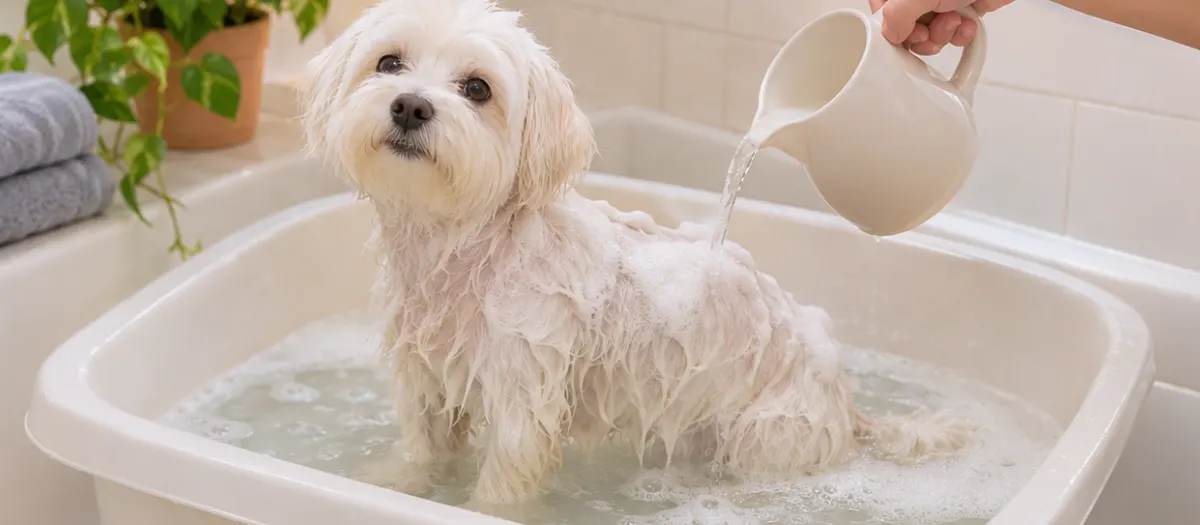
Patch test on a small spot before the first full bath. This is common grooming practice, not a vet protocol, and it can't rule out a slower reaction, but it can catch an obvious one.
Dab a little diluted shampoo (as the bottle directs) on a small area, such as the belly or inner thigh.
Rinse it off as the directions say.
Wait 24 hours and look for redness, bumps, scratching or licking at the spot.
If there is any reaction, stop using it and call your vet. If not, wash as normal and rinse thoroughly.
Where else can you buy a hypoallergenic dog shampoo?
Vet clinics and pet shops also sell hypoallergenic cleansers from vet brands. Dermcare's Natural Shampoo is one example. Dermcare describes it as a gentle hypoallergenic emollient cleanser derived from coconut oil, with no soap, for dogs, cats and horses, and recommends veterinary advice for dermatological concerns. We haven't checked it as a pick. Your vet can say which suits your dog.
How we chose
We searched Amazon Australia for hypoallergenic, sensitive-skin and fragrance-free dog shampoos, then shortlisted those that met all of these checks:
Well rated: a strong average rating with plenty of buyer reviews.
No red flags: no pattern of poor reviews, safety complaints or listing problems.
Available on Amazon Australia when we checked.
A "free from" claim the listing states, which we set out and attribute as the maker's own.
Directions on the listing, and a minimum age where one is given.
No tea tree or essential-oil-heavy formulas.
Where a listing is new, imported or missing a detail, we say so in the cons. These are researched picks, not products we've personally tested. We compared the specifications and features on each Amazon Australia listing, checked on 25 Nov 2026, and we didn't accept payment from any brand.
Left out this time: HYPONIC cat and waterless variants (use our cat shampoo guide or dry shampoo guide); two HYPONIC Cotton Blossom bottles whose listings say fragrance free but name a scent; a lavender shampoo with two different puppy ages on its listing; two Japanese-market products and a puppy-and-kitten soap; an organic shampoo whose listing names lemongrass and rosemary essential oils; a shampoo that calls itself hypoallergenic but lists a proprietary fragrance; and the Douxo 2-in-1, which sits in our shampoo and conditioner guide.
When to see a vet
Book a vet visit if your dog's itching doesn't settle, or you see redness, sores, scabs, flaky or greasy skin, hair loss, a recurring smell, ear discharge or head shaking, or a rash or swelling after a bath. Merck says itching is a sign, not a diagnosis, and the usual causes are parasites, infections and allergies. A vet can work out which. Whole Dog Journal suggests seeing a vet if skin hasn't improved after about a week of gentle bathing. See our dog itchy skin guide and medicated shampoo guide.
Some human medicines are dangerous for dogs, and Merck says current research doesn't support antihistamines for itching in dogs, so ask a vet before giving anything. If your dog swallows shampoo or a concentrated essential oil, call the Animal Poisons Helpline on 1300 869 738 (24/7) or an emergency vet.
Frequently asked questions
Is hypoallergenic dog shampoo the same as sensitive-skin shampoo?
Not necessarily. Both are the maker's labels with no legal definition that we found in Australia, so they can mean very different things. Read the "free from" list and ingredients rather than the front label. Our comparison table shows what each listing here says it leaves out.
How long should I leave hypoallergenic shampoo on?
Follow the bottle. Buddycare's listing says to leave it on for a few minutes, while the other listings that give directions say to lather or massage in and rinse, with no set time. Whatever the label says, rinse until the water runs clear, so no shampoo is left on the skin.
Is soap-free dog shampoo better for sensitive skin?
Not by itself. Whole Dog Journal says soap isn't the issue, and what matters is a short ingredient list without fragrance, dyes and the other irritants it names. Soap-free is the maker's description of the cleanser, so treat it as one clue on the label, not a guarantee of gentleness.
Is hypoallergenic shampoo a good idea for a dog with hot spots?
Ask your vet first. Hot spots are sore, raw patches of skin that can need vet care, and a shampoo isn't the treatment. A vet may advise a medicated product. A gentle wash on broken skin can sting, so don't start one on your own.
Does bathing my dog help if I'm the one allergic to dogs?
It may. The AKC says owners allergic to dander may benefit from a weekly bathing routine, though it also says overbathing can strip a thick coat's oils (AKC, "How often should you wash your dog?", page read 19 November 2026). Any gentle shampoo on this page will do. Talk to your own doctor about your allergy.
Does "natural" on a dog shampoo mean it's hypoallergenic?
No. "Natural" describes where ingredients come from, not how likely they are to cause a reaction, and VCA's colloidal oatmeal handout puts it plainly: just because a product is natural does not mean it is safe (VCA Animal Hospitals, "Colloidal Oatmeal Topical", page read 19 November 2026). Plant oils can still carry fragrance, so read the "free from" list, not the front label.
Can I use hypoallergenic dog shampoo on my cat?
Only if the label names cats. Espree's listing says puppies and kittens over 6 weeks, but other dog shampoos here don't mention cats, so use a cat shampoo for a cat. Our cat shampoo guide has gentle picks. Cats groom themselves by licking, so rinsing well matters.
Product details from each linked Amazon Australia listing, checked on 25 Nov 2026.
This guide provides general information and isn't a substitute for veterinary advice. If you're concerned about your dog's skin or health, speak with your vet.