Quick answer: How often you should wash your dog depends on coat, lifestyle and skin, and most healthy dogs need a bath only when they are dirty or smelly. Vets put the sensible range anywhere from about weekly to a few times a year. Washing too often strips natural oils, and a dog with a skin problem should follow the vet's schedule, not ours.
Bath day is easy to get wrong in both directions: too often leaves a dry, itchy dog, and too rarely leaves a smelly one. This guide gives you a coat-by-coat table, a quick "wash now or wait" chart for beach and mud days, and the signs that mean skin trouble rather than a dirty coat. For the gear side, start with our best dog shampoo guide.
Quick picks
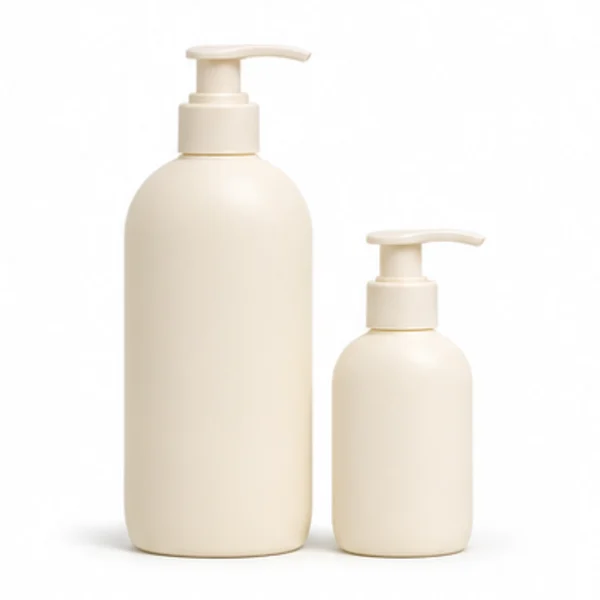
Aloveen Oatmeal Shampoo and Conditioner Starter Pack
A gentle oatmeal wash and conditioner pair for dogs with dry-feeling skin
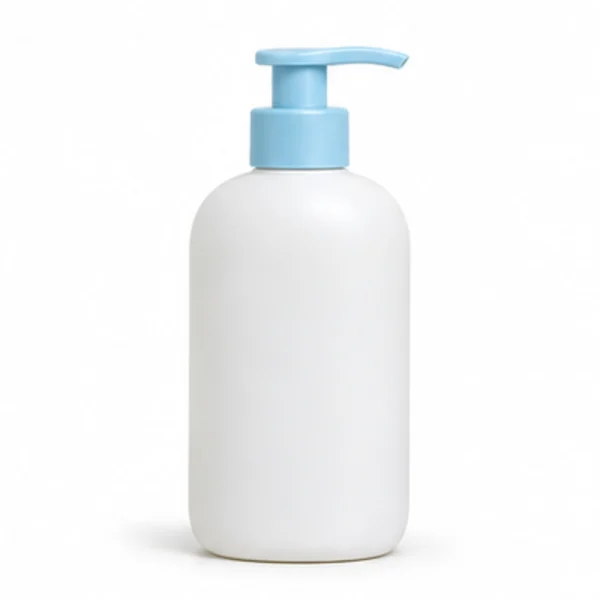
Buddycare Derma Sensitive Dog Shampoo, 500 ml
A fragrance-free wash for dogs with sensitive skin
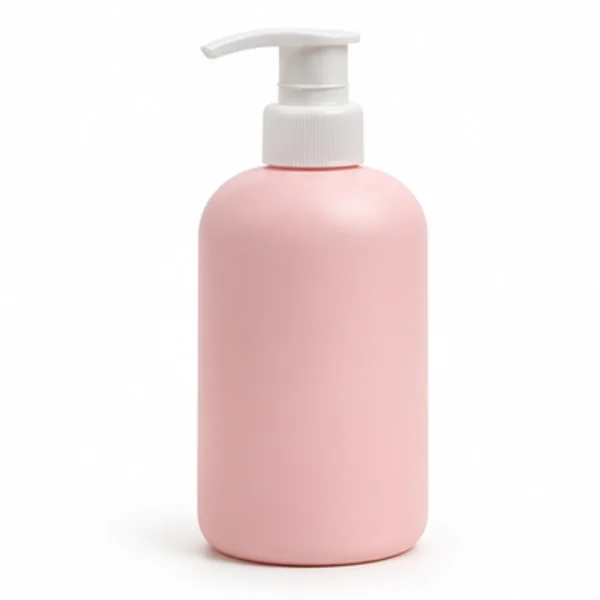
Bugalugs 3 in 1 Shampoo, Conditioner and Detangler, 500 ml
One bottle for shampoo, conditioner and detangling on tangle-prone coats
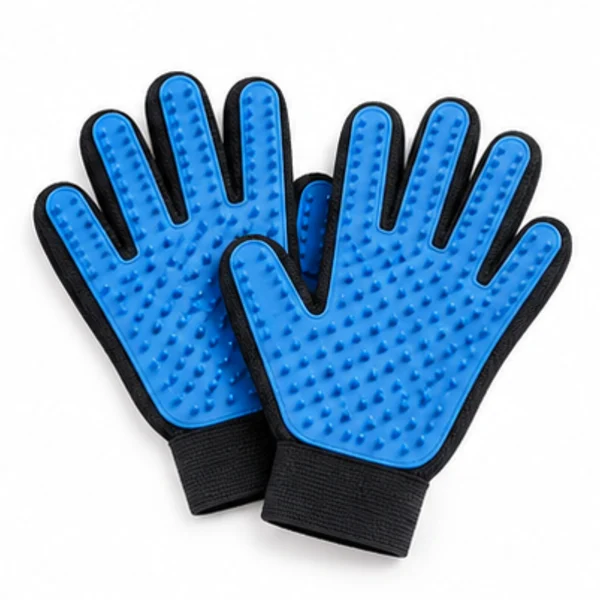
Makife pet grooming gloves
A pair of gloves for loose hair and bath days on short coats
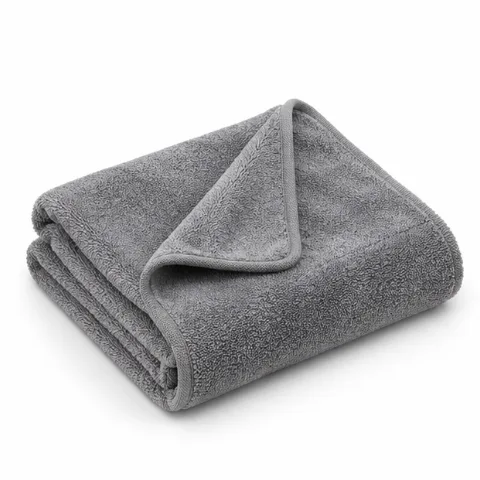
Lucky Paws Dog Towel, Extra Large 140 x 70 cm
A 400gsm microfibre towel, machine washable at up to 40 degrees
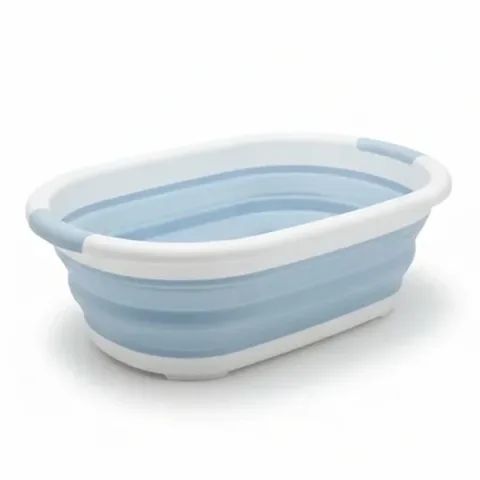
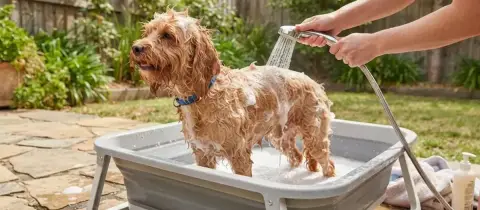
BREENHILL 23 L Collapsible Dog Bath Tub
Weighs 1.18 kg and folds to about 9 cm, for puppies and small dogs
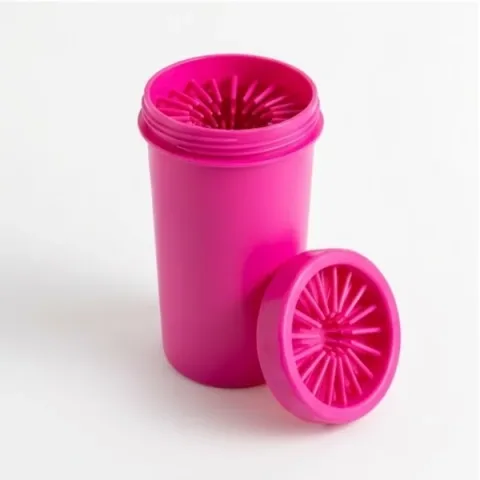
Dexas MudBuster Paw Washer, Large
Silicone cup for paws over 8.9 cm wide, saving a full bath
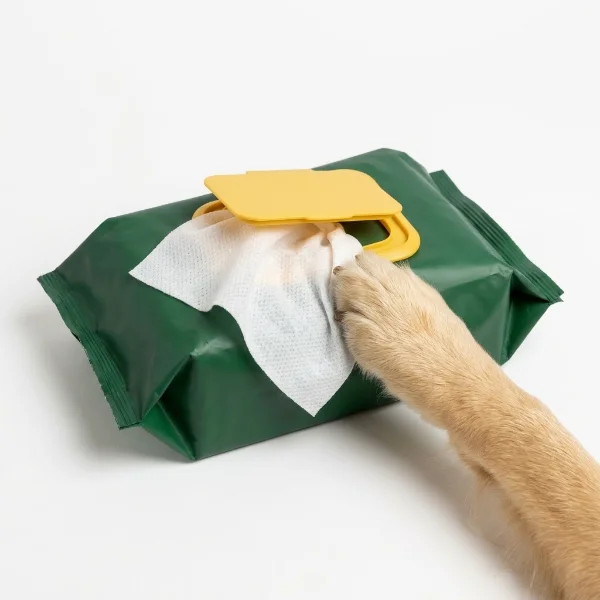
Earth Rated unscented dog wipes, 100
Textured 20 cm wipes for paws, body and bottom, listed as alcohol-free
Lucky Paws Dog Towel, Extra Large 140 x 70 cm
A large microfibre towel for a thorough dry-off after a bath or swim.
BREENHILL 23 L Collapsible Dog Bath Tub
It weighs 1.18 kg and folds to about 9 cm, so it suits puppies and small dogs and stores easily.
Dexas MudBuster Paw Washer, Large
A silicone cup for muddy paws, so a rinse can replace a full bath.
Earth Rated unscented dog wipes, 100
Textured wipes for paws, body and bottom between baths.
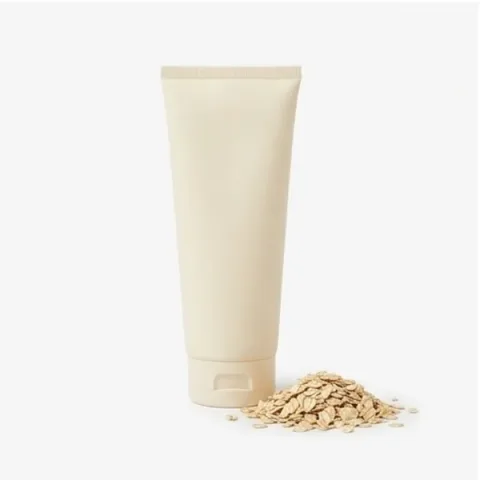
Burt's Bees Oatmeal Dog Conditioner
A conditioner to follow the shampoo for a softer, easier-to-brush coat.
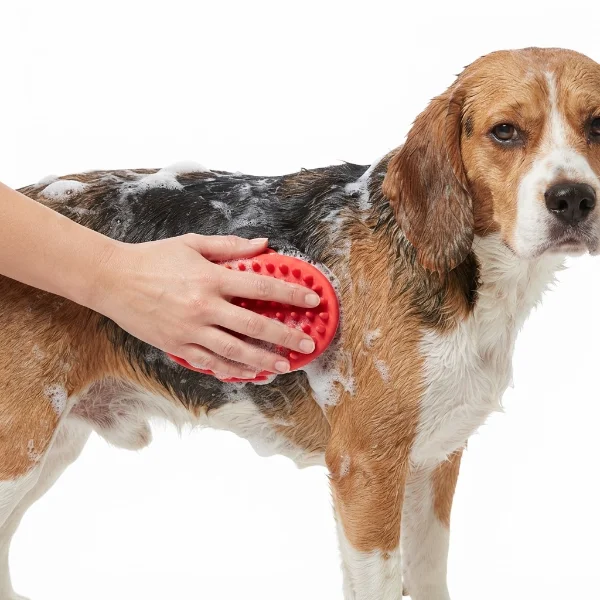
KONG ZoomGroom
A rubber brush that works shampoo through the coat at bath time and lifts loose hair when dry.
Pictures are illustrations, not the actual products.
More detail on the first four is in Useful gear for bath day below. These support the routine; a skin problem needs your vet, not a different shampoo.
How often should you wash your dog?
There's no single schedule. PetMD's vet author says it runs from about weekly to a few times a year, and that breed is a huge factor. For a healthy dog, bathe when your dog is dirty or smelly, then let coat, lifestyle and skin decide the rest. A skin condition changes the plan, so see the vet box below.
PetMD adds that bathing too rarely causes problems too, including odour, so "never" isn't the safe default (PetMD, Sandra C. Mitchell DVM DABVP, published 3 August 2023). You'll often see "every 4 to 8 weeks" quoted online, but none of the vet sources we read sets one number for every dog, so judge by coat, lifestyle and skin instead of the calendar.
Does coat type change how often to wash a dog?
Yes. Coat type is the biggest reason one dog needs a bath far more often than another. Smooth coats can often cope with a damp cloth, thick double coats lose helpful oils if over-washed, and long silky coats stay tidier with regular baths plus brushing between them. The table uses numbers only where a source gives one.
| Coat (examples) | Typical bath frequency | Source | Between baths |
|---|---|---|---|
| Smooth or short (Staffy, Kelpie, Beagle) | When dirty or smelly. A damp cloth rubdown often does | AKC | Rubber curry comb to lift loose hair |
| Double or thick (Labrador, Golden Retriever, Husky, Border Collie) | When dirty or smelly. Over-bathing strips the insulating oils | AKC | Slicker, then comb, at least weekly |
| Long or silky (Cavalier, Maltese, Shih Tzu) | From weekly to every 4 to 6 weeks if the coat is kept up between baths | AKC (its range for medium to long coats) | Regular brushing and combing, conditioner |
| Curly or doodle (Poodle, Cavoodle) | No sourced number. Many owners follow the groomer's trim cycle | None found | Brush often to stop mats |
| Hairless (Chinese Crested) | About weekly | AKC | Skin care as your vet advises |
| Puppy under 8 weeks | No bath. Wipe with a warm cloth | Kirrawee Veterinary Hospital | Warm cloth only |
| Puppy 8 weeks and over | About monthly is a general starting point | Kirrawee Veterinary Hospital | Wipe dirty spots, see our puppy shampoo guide |
| Any dog with a skin condition | Your vet's schedule and product | PetMD, Merck Veterinary Manual | As your vet directs |
Sources: AKC, how often to wash your dog, AKC, double-coated dogs, Kirrawee Veterinary Hospital. Pages read 19 November 2026.
Can you wash a dog too often?
Yes. Both AKC pages and PetMD say frequent bathing can strip the skin's natural oils and leave the coat dry and brittle, and PetMD links it to dry coats and skin problems. Dry, flaky skin or a dull coat after regular baths is a hint to stretch the gap and check the shampoo.
Two details matter more than the calendar. Human skin is more acidic (pH 5.2 to 6.2) than dog skin (6.2 to 7.5), so a human shampoo can disrupt a dog's protective acid mantle, and VCA Animal Hospitals says to use a shampoo made for pets (VCA Animal Hospitals, page read 19 November 2026). Our dog shampoo guide covers that in more detail. And leftover shampoo irritates, so AKC's advice is to rinse completely, then rinse again.
When does your dog need a bath sooner?
Some days beat the calendar: a swim in the sea, a roll in something foul, a muddy creek. Not every mess needs a full bath, though. Rinsing paws or flushing out salt may be enough, and some situations call for the vet, not the shampoo. Use this table as a quick check.
| Situation | What to do | Why |
|---|---|---|
| Swam in the sea or a river | Rinse with clean fresh water, then dry the ears | PetMD says a dog that swims needs a good rinse in clean water. AKC says moisture in the ears can contribute to ear problems |
| Rolled in something smelly | Full bath with a dog shampoo | Rinsing alone rarely lifts it |
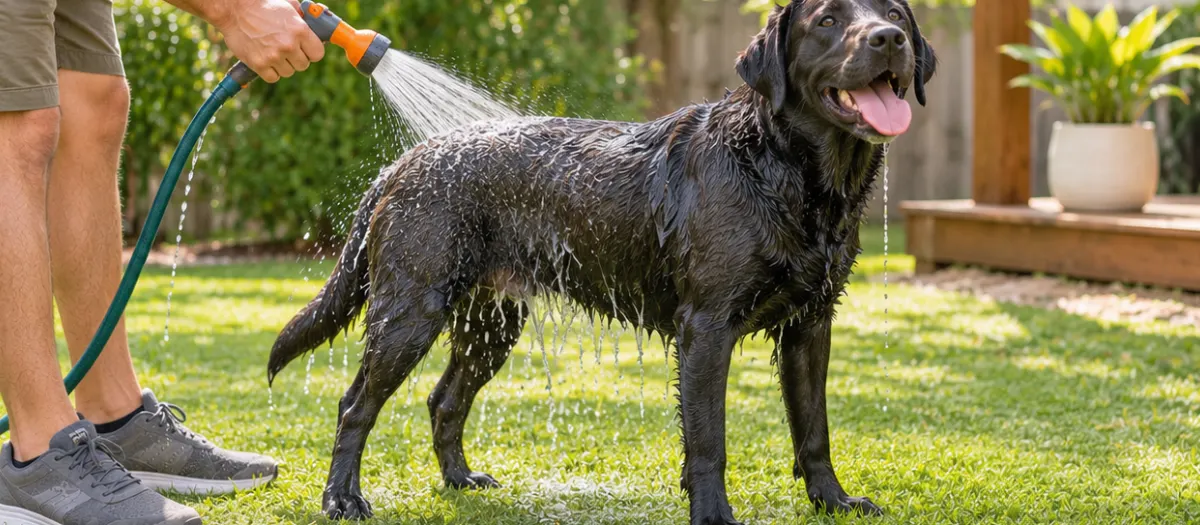
| Muddy paws only | Rinse the paws, or use a paw cleaner | Saves a full bath and the oils that go with it |
| Spot-on flea treatment day | Check the product's label and ask your vet before bathing | Some shampoo listings say they won't wash off a topical treatment when its directions are followed, but that varies by product |
| Itchy, red, smelly or flaky skin | Vet first, not a different shampoo | The cause matters. See our itchy skin guide |
| Hot, humid week of bush walks | Do a tick check before worrying about a bath | A bath doesn't replace searching the coat. See our paralysis ticks guide |
| Cold snap | Bathe indoors with warm water, never outdoors in cold weather | AKC says a bath outdoors in the cold can drop body temperature |
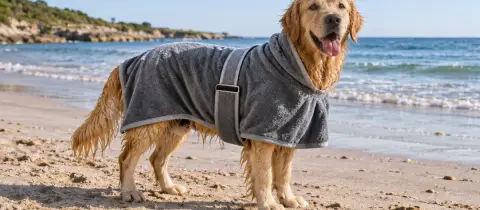
Australian beaches add one more reason to rinse: salt and sand sit in the coat and the ears. If your dog swims often, a fresh-water rinse after each trip is a different job from a shampoo bath, and a dog towel makes drying quicker. Fleas are a separate problem, and shampoo isn't the fix. Our flea treatment guide covers the options.
How do you wash a dog at home without upsetting the skin?
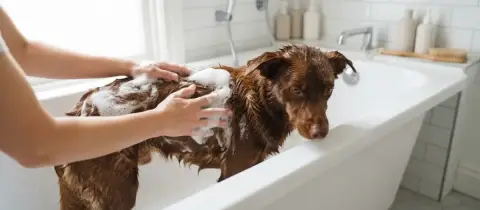
Brush first, use warm water, work a dog shampoo from the neck backwards, keep it out of the eyes and ears, and rinse until the water runs clear. Then dry the ears, towel the coat, and use a dryer on a low, comfortable setting if your dog tolerates it. These steps follow AKC's grooming advice.
- Brush out tangles and loose hair first. Water tightens mats, and AKC says to brush the hair, not the skin, on a double coat.
- Wet the coat with warm water. Start at the neck and work back, so you don't soak the face.
- Lather a dog shampoo and massage gently. Keep it clear of eyes and ears. If your dog has sensitive skin, pick the wash with care (see the next section).
- Rinse, then rinse again. AKC's line is to rinse, rinse and, when you think you're done, rinse once more. Leftover residue can irritate.
- Dry the ears thoroughly. Moisture can contribute to ear problems, per AKC. If your dog's ears often smell or itch, see our dog ear cleaner guide.
- Towel dry, then use a dryer if needed. Pick the setting by coat and comfort, and keep your dog warm.
A raised or collapsible dog bath tub saves your back and helps keep a wriggly dog in one spot, and our dog grooming kit guide lists the rest of a home setup. The steps above follow AKC, "How to groom a dog", page read 19 November 2026.
Which shampoo for which dog?
Pick the shampoo by what your dog needs, not by what the bottle promises. A gentle everyday wash suits most healthy dogs. Soothing, sensitive-skin and conditioning products are extra options, and medicated washes belong with a vet's advice. Here's a quick finder, with a guide for each.
| If your dog... | Look at |
|---|---|
| Has dry-feeling skin and you want a gentle wash | Oatmeal dog shampoo |
| Reacts to scents or products | Hypoallergenic dog shampoo |
| Has a long, curly or tangle-prone coat | Dog shampoo and conditioner |
| Needs a general everyday pick by coat | Best dog shampoo |
| Needs conditioner as a separate step | Best dog conditioner |
| Is a young puppy | Puppy shampoo |
| Needs a quick tidy between baths | Dry shampoo for dogs or dog wipes |
| Has a vet-diagnosed skin problem | Medicated dog shampoo, with your vet's go-ahead |
"Oatmeal" and "hypoallergenic" are makers' claims, and neither guarantees a calmer coat. Whole Dog Journal notes that the term "hypoallergenic" has no legal definition in the US, and we found no Australian standard for it either (Whole Dog Journal, updated 21 February 2025).
Do grooming gloves and brushing mean fewer baths?
Often, yes. A regular brush lifts dirt, dead hair and loose coat before it builds up, and AKC says brushing, combing and conditioning matter more to a dog's health than bath time. A glove helps on short coats, but it won't replace a slicker and comb on a thick or long coat.
PetMD says routine grooming with a slicker brush, a FURminator or a hand mitt removes dead hair before it is shed (PetMD, updated 16 November 2023). Our dog grooming gloves guide compares silicone and fabric options, our dog brush guide matches brushes to coats, and the deshedding brush guide covers heavy shedders.
Useful gear for bath day
Gear supports the routine, and none of it replaces vet advice for skin problems. These are starting points from our research guides, each linked to the full comparison with its pros, cons and who should skip it.
- Aloveen Oatmeal Shampoo and Conditioner Starter Pack: a gentle oatmeal wash and conditioner pair for dogs with dry-feeling skin. See our oatmeal dog shampoo guide.
- Buddycare Derma Sensitive Dog Shampoo, 500 ml: a fragrance-free wash for dogs with sensitive skin. See our hypoallergenic dog shampoo guide.
- Bugalugs 3 in 1 Shampoo, Conditioner and Detangler, 500 ml: one bottle for tangle-prone coats. See our dog shampoo and conditioner guide.
- Makife pet grooming gloves: a pair of gloves for loose hair and bath days on short coats. See our dog grooming gloves guide.
Pet shops and vet clinics also sell dog shampoos and grooming tools if you'd rather pick them up in person.
When to see a vet
Book a vet visit instead of changing shampoo if your dog has any of these:
- itching or scratching that doesn't settle
- red, sore, scabby or weeping skin
- flaky or greasy skin, or a coat that stays dull
- a smell that keeps coming back after baths
- hair loss or bald patches
- ear discharge, a bad smell or frequent head shaking
- a rash, swelling or new redness after a bath
Itching is a sign, not a diagnosis. The Merck Veterinary Manual says common causes include parasites, infections and allergies, and a vet can work out which. Some human medicines are dangerous for dogs, and Merck says current research doesn't support antihistamines for itch relief in dogs, so ask your vet before giving anything. See our itchy skin guide and our hot spots guide.
Frequently asked questions
Why is my dog's coat dry or flaky after a bath?
It can mean the baths are too frequent, the shampoo is too harsh for your dog, or some product was left in the coat. Stretch the gap, rinse more thoroughly and use a dog-specific shampoo. If flaking, itching or redness continues, a vet can check for an underlying skin problem.
Should I rinse my dog after swimming or a day at the beach?
Yes, a rinse in clean fresh water is a good habit after a swim, according to PetMD. Dry the ears too, as AKC says moisture can contribute to ear problems. You don't need a shampoo bath every time, which saves the coat's oils. A shampoo is for when your dog is actually dirty or smelly.
How long after a spot-on flea treatment can I wash my dog?
Check the flea product's label and ask your vet, because timings differ between products. Some shampoo listings say they won't wash off a topical treatment when their directions are followed, but we wouldn't rely on that. Ask before bathing, and never double up on flea products without advice.
Why does my dog smell again a few days after a bath?
A smell that returns quickly can come from a damp undercoat, dirty bedding or ears that weren't dried. It may also point to skin or ear trouble. PetMD says too few baths cause odour as well. Wash the bedding, dry thoroughly, and see your vet if the smell keeps coming back.
Do indoor dogs need washing as often as outdoor dogs?
Not necessarily. AKC says dogs that swim in oceans, hunt in muddy water or herd may need more baths, so an active outdoor dog often gets washed more. An indoor dog on a smooth coat may only need a rubdown or an occasional bath. Judge by the coat, the smell and the skin.
Is a DIY dog wash or a groomer better than washing at home?
Neither is better for every dog. A groomer helps with matted coats, large dogs, trims and dogs that dislike baths, while washing at home suits a calm dog with a routine coat. Either way, the same coat and skin rules apply, and a skin problem still needs your vet.
Can I wash my dog outside in winter?
It's best not to. AKC advises against bathing a dog outdoors in cool or cold weather because body temperature can drop. Wash indoors in warm water, dry thoroughly and keep your dog warm until the coat is dry. Many dogs are fine with a damp cloth between baths in winter.
Related guides
- Best oatmeal dog shampoo
- Hypoallergenic dog shampoo
- Best dog shampoo and conditioner
- Dog grooming gloves
- Best dog shampoos
- Best dog bath tub
- Dog itchy skin: causes, relief and when to see a vet
- Dog grooming kit: what you need to groom at home
Sources
- PetMD: How Often Should You Bathe Your Dog?, Sandra C. Mitchell DVM DABVP, published 3 August 2023, read 19 November 2026
- AKC: How often should you wash your dog?, read 19 November 2026
- AKC: How to groom a double-coated dog, read 19 November 2026
- AKC: How to groom a dog, read 19 November 2026
- Kirrawee Veterinary Hospital: How often does your puppy need a bath?, read 19 November 2026
- VCA Animal Hospitals: True or false, it's okay to use human shampoos on pets, read 19 November 2026
- Merck Veterinary Manual: Itching (Pruritus) in Dogs, updated May 2025, read 19 November 2026
- Whole Dog Journal: What is Hypoallergenic Dog Shampoo?, updated 21 February 2025, read 19 November 2026
- PetMD: Excessive Shedding in Dogs, updated 16 November 2023, read 19 November 2026
- Product details from each linked Amazon Australia listing, checked on 19 Nov 2026.
This guide provides general information and isn't a substitute for veterinary advice. If you're concerned about your dog's skin or coat, speak with your vet.