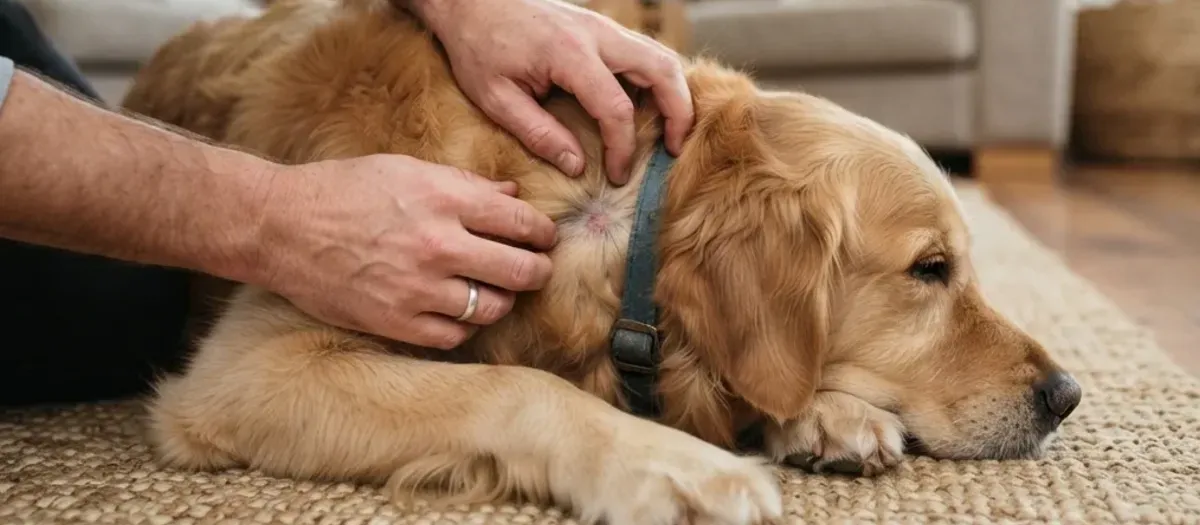
Quick answer: Hot spots on dogs are red, raw, oozing patches of skin that appear fast, usually because a dog licks or scratches an itchy spot until it breaks open. At home, the safe steps are stopping the licking with a cone or suit and keeping the area dry. Clipping, cleaning and medicine are usually a vet's job.
A hot spot can grow from a small red patch to a large raw sore within a day or so (VCA says they appear quickly), and dogs find them painful. This guide covers what they look like, what sets them off, what you can do before the appointment, and how to tell them apart from other skin problems. If your dog is itchy all over, our dog itchy skin guide covers the wider picture.
Quick picks
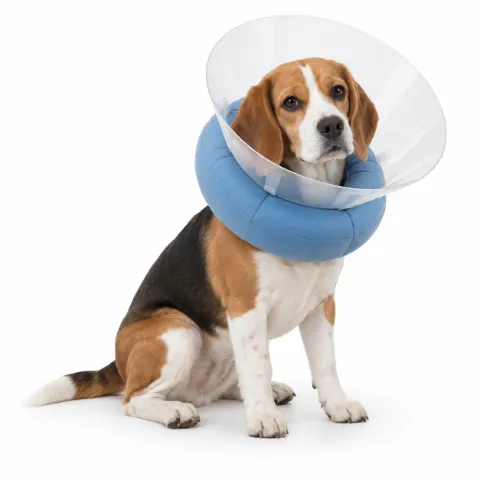
Avont 2-in-1 inflatable cone with clear shield
A soft donut with a removable clear shield; stopping the licking is VCA's first step
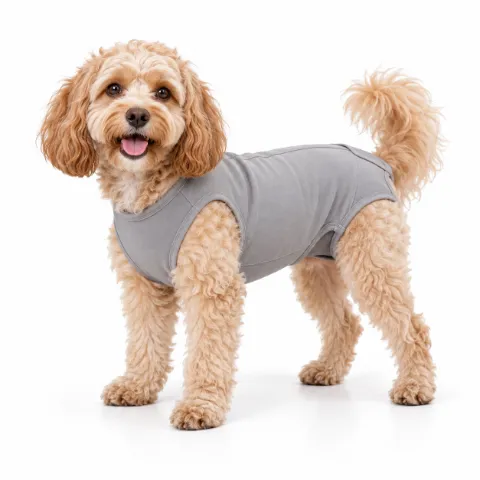
Kuoser recovery suit
Covers the body or flank where a cone doesn't reach, in sizes XS to 2XL
Virbac Wound Gard antiseptic bitterant spray, 50 ml
Bitter taste to discourage licking; ask your vet first, after they have seen the sore
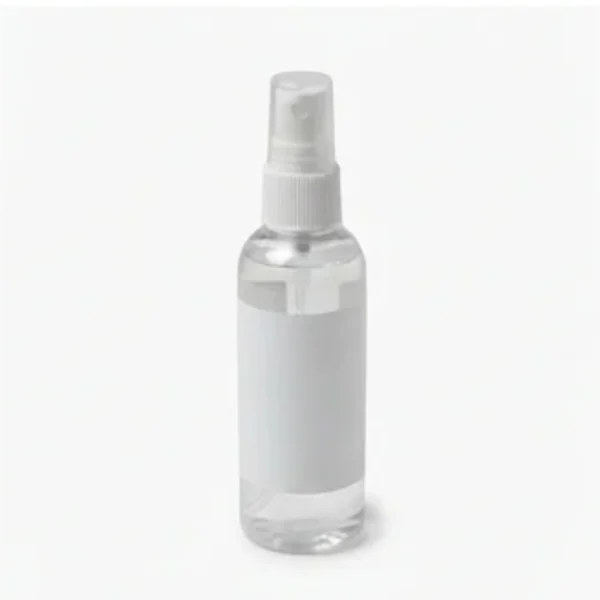
Vetericyn Plus Hot Spot Spray, about 236 ml (8 oz)
Hypochlorous spray the listing says is safe if licked; ask your vet first
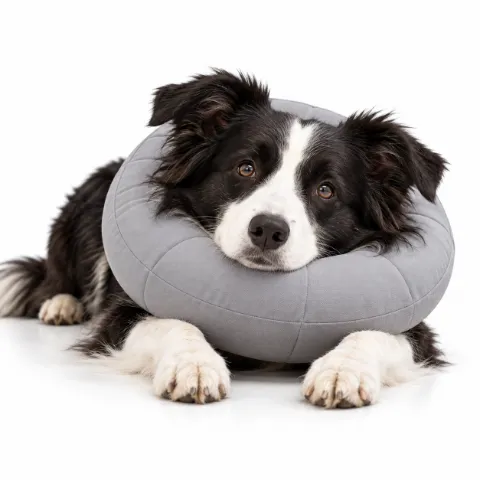
KIKNIN Inflatable Donut Cone
Simple inflatable collar in sizes small to extra large
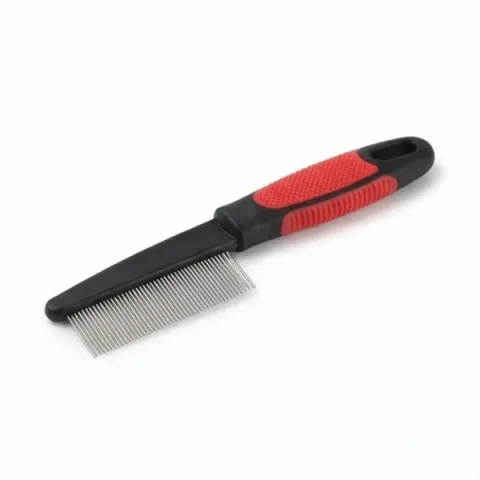
Ferplast GRO flea comb
A metal-toothed comb for checking the coat for fleas, a common itch trigger
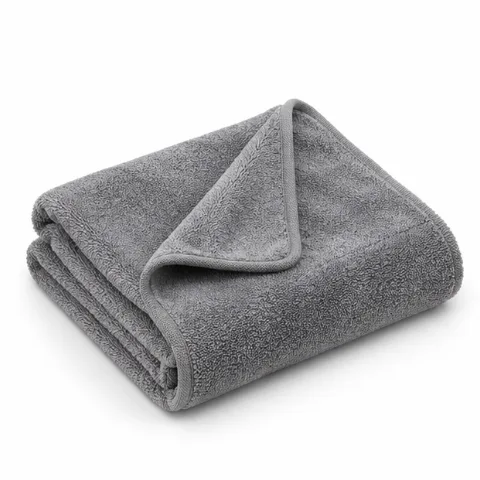
Lucky Paws Dog Towel, Extra Large 140 x 70 cm
Large microfibre towel; a coat that stays damp is a common setting for hot spots
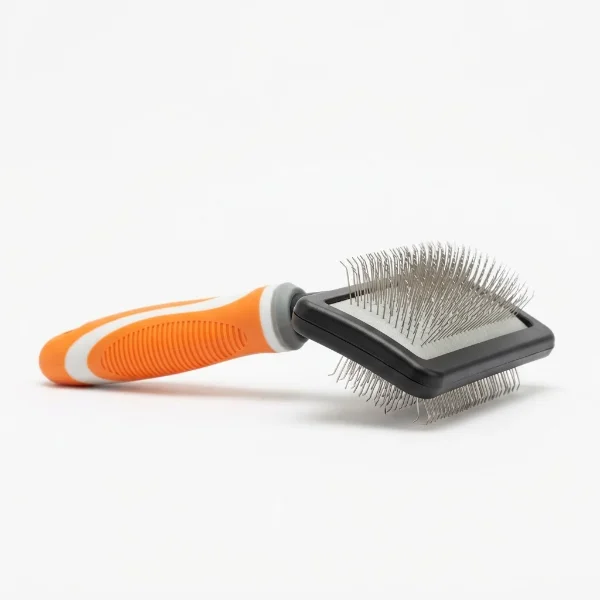
Wahl Premium dual level sensitive skin slicker
Two pin lengths with rubber tips; matted fur traps moisture against the skin
KIKNIN Inflatable Donut Cone
A simple inflatable collar in sizes small to extra large.
Ferplast GRO flea comb
A metal-toothed comb for checking the coat for fleas, which can set off the itching.
Lucky Paws Dog Towel, Extra Large 140 x 70 cm
A big microfibre towel, machine washable, for drying thoroughly after swims and baths.
Wahl Premium dual level sensitive skin slicker
Two pin lengths with rubber tips and a large head, for brushing out mats before they trap moisture.
Buddycare Derma Sensitive Dog Shampoo, 500 ml
A plain shampoo for dogs with sensitive skin, for routine baths between vet visits.
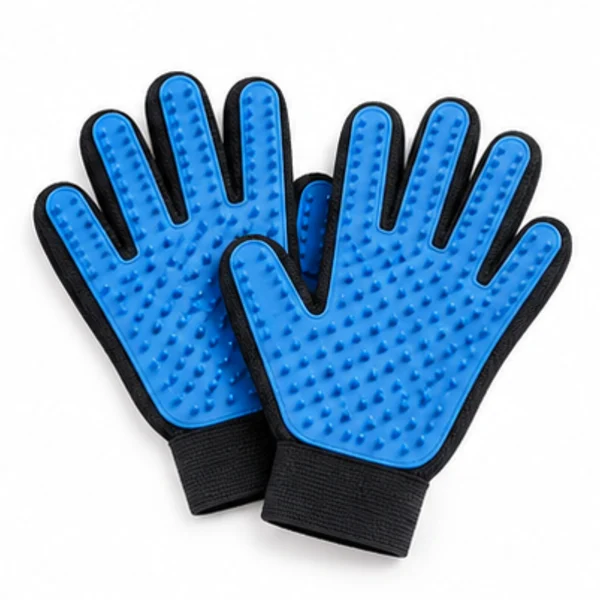
Makife pet grooming gloves, pair
Rubber-tipped gloves that lift loose hair during brushing, so the coat stays easier to keep clean and dry.
Pictures are illustrations, not the actual products.
More detail on the first four is in Useful gear for a dog with a hot spot below. These support your vet's plan; they don't treat a hot spot.
How do I know my dog has a hot spot?
Hot spots are red, inflamed, moist patches of skin that appear quickly and may ooze or contain pus. They show up most often on the head, legs and hips, and the fur around them is often matted, damp or missing. VCA Animal Hospitals also calls them pyotraumatic dermatitis or acute moist dermatitis (VCA Animal Hospitals).
You might notice:
- a raw, shiny or weeping patch, often with hair loss around it
- crusty or sticky fur stuck to the skin
- a dog who keeps licking, chewing or scratching one spot
- a smell, or flinching when you go near the area
The table further down compares hot spots with other skin problems that can look similar.
Why do dogs get hot spots?
Hot spots start when something itchy or sore makes a dog lick or scratch until the skin breaks. The broken skin itches more, so the dog licks more. VCA calls this the "lick-itch-lick" cycle. The trigger can be allergies, insect bites, mites, an ear infection, a skin infection or sore joints (VCA Animal Hospitals).
VCA's list of triggers includes:
- allergies, including food and environmental ones
- insect bites and stings, and mites (see our flea dirt guide for checking for fleas)
- ear infections, which can lead to sores on the ear flap, behind the ear or on the neck (our dog ear infection guide covers the signs)
- bacterial or yeast skin infections
- poor grooming, where matted fur traps moisture against the skin
- boredom, which can lead to licking
- arthritis or back problems, where a dog licks a sore joint
- inflamed anal glands
The Merck Veterinary Manual adds that moisture makes skin more likely to become infected, and that skin infections are usually secondary to parasites, allergies or injury (Merck Veterinary Manual). So a wet coat that stays damp, after swimming or in humid weather, is a common setting for a hot spot to take hold. Our keep your dog cool guide has tips for drying off after summer swims.
Hot spot treatment for dogs: what can I do at home?
At home you can stop the licking and keep the area dry. Clipping, cleaning and medicine are usually vet jobs, and most hot spots need prescription treatment. VCA also says to treat the underlying cause, or the sores tend to return.
VCA lists four steps vets follow (VCA Animal Hospitals):
- Stop the self-trauma. An Elizabethan collar (cone), or a barrier such as a sock or bandage. Vets may also use medicine to reduce the itch.
- Treat the cause. For example flea control, allergy management, treating an ear infection, pain relief for arthritis, or more activity for a bored dog.
- Clip the hair around the sore so it can dry. VCA calls this crucial, and says it can be painful enough that a dog needs sedation. VCA also warns not to use scissors, because it is easy to cut the skin.
- Clean the area. VCA mentions chlorhexidine, and says topical antibiotics and drying sprays work better on clean, clipped skin. Serious cases may need oral antibiotics or steroids.
Here is how that splits between you and your vet:
| What you can do today | What your vet usually does |
|---|---|
| Stop the licking with a cone or recovery suit | Examines the sore and works out the cause |
| Keep the area dry and clean, and keep your dog out of the water | Clips the fur safely, with sedation if it hurts too much |
| Photograph the sore so you can show how fast it's changing | Cleans the skin and chooses topical or oral medicine |
| Check for fleas, ticks and a smelly ear | Treats the trigger, such as fleas, allergy or ear infection |
| Book the visit | May prescribe a medicated wash for the surrounding skin |
For surface skin infections like hot spots, Merck says topical treatment is usually enough on its own, and medicated baths are vet-directed, with set contact times. Your vet may prescribe a medicated wash for the surrounding skin. Never bathe an open hot spot without their say-so. Our medicated dog shampoo guide explains what those products are.
Home remedies to skip
If you searched for a hot spot home remedy, the safest answer is that most home fixes can do more harm than good. Skip these:
- Human creams, including nappy rash and zinc creams. A dog will usually lick a cream off, and swallowing it can upset the stomach. Pet Poison Helpline says dogs that eat nappy rash ointment may vomit, so it is a reason to ring your vet (Pet Poison Helpline, page read 25 November 2026).
- Tea tree oil and other essential oils. Pet Poison Helpline says concentrated tea tree oil can cause severe poisoning in pets, even a few drops on the skin (Pet Poison Helpline, page read 25 November 2026).
- Anything greasy or thick on matted, damp fur. It can trap moisture against the skin, which is what a hot spot doesn't need.
- Bathing an open sore without your vet's say-so. Medicated washes are vet-directed (Merck).
- Human painkillers or antihistamines. See the next section.
If your dog has licked off a cream or oil, call your vet or the Animal Poisons Helpline on 1300 869 738 (24/7).
Why can't I use human creams or tablets on a hot spot?
Many human medicines are toxic to dogs, so don't use human creams, antihistamines or painkillers unless your vet tells you to and gives the dose. VCA says human medicines are often toxic to dogs, and that even small amounts of ibuprofen can cause poisoning (VCA Animal Hospitals).
Ask your vet what suits your dog, and see the vet box below for when it's urgent.
How do I stop my dog licking a hot spot?
Block access to the sore, because the licking keeps the cycle going. A cone works for most dogs, a recovery suit can cover sores on the body or flank, and a sock or bandage is a vet-guided option for paws. VCA lists a collar, sock or bandage as ways to stop self-trauma (VCA Animal Hospitals).
Practical notes:
- Check the fit. A cone should let your dog eat and drink, and a suit should not chafe; loosen or ask your vet if it rubs. Our dog cone guide compares soft, inflatable and hard styles, and our recovery suit guide covers sizing.
- Don't leave a bandage on unchecked. Ask your vet how to do it and how often to change it.
Stopping the licking protects the skin, but it doesn't treat the cause.
Hot spot or something else?
Several skin problems can look alike, and only a vet can tell them apart. This table is a rough guide to the general pattern, not a way to diagnose your dog. The hot spot row is from VCA and Merck; the other rows summarise our dog itchy skin guide and flea dirt guide, so treat any "usually" as a clue to ask about, not an answer.
| Skin problem | What it can look like | How fast it appears | Itch | Usual spots | See a vet? |
|---|---|---|---|---|---|
| Hot spot | Red, moist, raw, oozing patch, often with matted fur | Hours to days | Yes, often intense | Head, legs, hips | Yes, soon |
| Flea allergy dermatitis | Scabby, itchy skin, often over the rump and base of the tail | Can build over days | Yes | Back end, tail base | Yes, and treat all pets for fleas |
| Ringworm | A fungal skin infection, often with patchy hair loss | Usually slower | Varies | Anywhere | Yes, as it needs a proper diagnosis |
| Lick granuloma | A thick, raised sore on a limb a dog keeps licking | Slow, over weeks | Dog licks constantly | Often the lower leg | Yes |
| Mange (mites) | Hair loss, crusts and itch | Varies | Often strong | Varies | Yes, mites need testing |
| Skin fold dermatitis | Red, damp, smelly skin inside folds | Gradual | Varies | Face, lips, tail, body folds | Yes |
Skin infections are more likely where skin stays moist, such as folds (Merck Veterinary Manual).
Useful gear for a dog with a hot spot
These are tools to support your vet's plan, not treatments.
- Avont 2-in-1 inflatable cone with clear shield: a soft inflatable donut with a removable clear shield, so you can use the shield early on and take it off later. It's for stopping the licking, which VCA lists as the first step. See our dog cone guide.
- Kuoser recovery suit: a soft suit that covers the body, for sores on the body or flank where a cone doesn't reach. The listing names hot spots among its uses and sells sizes from XS to 2XL. Measure your dog and size up if they sit at the top of a size range. See our recovery suit guide.
- Virbac Wound Gard antiseptic bitterant spray, 50 ml: a veterinary-brand spray sold in Australia. The listing says it has antiseptic and antifungal activity, a bitter taste to discourage licking, and mild local anaesthetic properties. It's a thin listing with little detail. Use it only after your vet has seen the sore and said yes, and never as the treatment.
- Vetericyn Plus Hot Spot Spray, about 236 ml (8 oz): a no-rinse hypochlorous cleansing spray that the listing says is safe if licked and steroid-free. It's a US product, so check the delivery details on Amazon. The listing says it cleans and soothes; it doesn't replace the clipping, cleaning and medication most hot spots need from a vet. We compare it with other sprays in our dog itch relief spray guide.
Sprays like these are also sold by pet shops and vet clinics, so ask your vet what they'd suggest.
How do I stop hot spots coming back?
Prevention means dealing with whatever started the licking. VCA says to treat the underlying cause, and that some dogs benefit from seasonal grooming, regular brushing and bathing (VCA Animal Hospitals).
Things that may help, alongside your vet's advice:
- Keep flea control up to date, and see our flea comb guide for checking.
- Dry your dog thoroughly after swimming or bathing, especially thick-coated dogs in humid weather.
- Brush regularly so mats don't trap moisture, and check under thick fur.
- Get ear problems checked early rather than cleaning them yourself. Our dog ear infection guide and dog ear cleaner guide explain why.
- Give bored dogs more exercise and enrichment. See our dog enrichment ideas.
- Treat itchy skin and arthritis early, because they are common triggers.
Dogs that get repeat hot spots in the same place are worth a proper work-up with your vet.
When to see a vet
See a vet straight away if your dog has a hot spot and is also lethargic, off their food, feverish, in obvious pain, or has swelling of the face or trouble breathing.
Book a vet visit soon for any hot spot, particularly if:
- the sore is growing, weeping, bleeding or has a bad smell or pus
- your dog won't let you near it, or yelps when it's touched
- you can't stop your dog licking or chewing it
- there is more than one sore, or they keep coming back
- the sore is near the eye, ear or on the face
Never give human medicines, including antihistamines, paracetamol, ibuprofen or anti-diarrhoea tablets, unless your vet has told you to and given the dose. Many are toxic to dogs (VCA).
Frequently asked questions
What do hot spots look like on dogs?
They look like red, moist, raw patches of skin, often with hair loss, oozing or crusting around the edges. They tend to appear quickly on the head, legs or hips. VCA says they can ooze or contain pus. A vet can tell a hot spot from other skin problems.
Can I use a hot spot spray instead of going to the vet?
No. The sprays on this page clean the skin or discourage licking, but they don't replace clipping, cleaning and a vet finding the cause. Use one only if your vet agrees. Our dog itch relief spray guide explains what these products can and can't do.
Can I treat a hot spot at home?
You can stop the licking with a cone or suit and keep the area dry, but the rest is usually vet work. Clipping, cleaning and medicine are best done by your vet, and VCA says clipping can be painful enough to need sedation. Don't use human creams or medicines.
How long do hot spots take to heal?
There is no fixed time. VCA gives none, and says hot spots heal faster once the hair is clipped so the sore can dry. How long it takes depends on the cause, how large the sore is and the treatment. Ask your vet what to expect for your dog.
Are hot spots contagious to humans or other dogs?
They are not described as a catching disease. VCA and Merck explain hot spots as the result of a dog's own licking and scratching, with a skin infection often following. If another pet or person also has a rash, tell your vet, because that can mean a different problem.
Are hot spots dangerous?
They are painful and can spread or become infected if the licking continues, so they shouldn't be left. Most are treatable once a vet finds the cause. See a vet quickly if the sore is growing, smelly or your dog seems unwell.
Do hot spots go away on their own?
Don't count on it. Waiting tends to make them worse, because the licking keeps the cycle going and the trigger is still there. A vet can clip, clean and treat the sore and the cause. Until then, a cone or suit and keeping the area dry are sensible steps.
Why does my dog get hot spots in summer?
Moisture is a common setting for them. Merck says moisture makes skin more likely to become infected, so swimming, humid weather and a thick coat that stays damp can all help a hot spot take hold. Dry your dog well afterwards. Our keep your dog cool guide has tips.
Related guides
- Dog wound sprays for minor cuts
- Why does my dog keep licking their paws?
- Dog itch relief sprays
- Hypoallergenic dog shampoo
- Dog itchy skin: causes, relief and when to see a vet
- Dog ear infection: signs, treatment and when to see a vet
- Flea dirt on dogs and cats
- Best dog cones
- Best dog recovery suits
- Medicated dog shampoo
- Dog stung by a bee
- Best dog first aid kits
- How to keep your dog cool in summer
Sources
- VCA Animal Hospitals: Hot spots in dogs (page read 11 November 2026)
- Merck Veterinary Manual: Overview of pyoderma (page read 11 November 2026)
- VCA Animal Hospitals: Ibuprofen poisoning in dogs (page read 11 November 2026)
- Pet Poison Helpline: Tea tree oil (page read 25 November 2026)
- Pet Poison Helpline: My dog ate diaper rash ointment, will they be okay? (page read 25 November 2026)
- Product details from each linked Amazon Australia listing, checked on 25 Nov 2026.
This guide provides general information and isn't a substitute for veterinary advice. If you're concerned about your dog's skin or a hot spot, speak with your vet.