Research guide. WhiskerFinds may earn a commission from links, at no extra cost to you.
Quick answer: 4CYTE for dogs comes as Epiitalis Forte gel, which the listing says suits dogs with a prior sensitivity to marine products, and as granules that contain marine ingredients. Our pick is the 100 ml gel. Antinol is a different product. Trial evidence is mixed, so ask your vet before starting any of them.
This guide compares the gel, the granules and Antinol on what each listing says, and what two dog trials showed. For the wider picture, see our guide to fish oil for dogs.
Quick picks
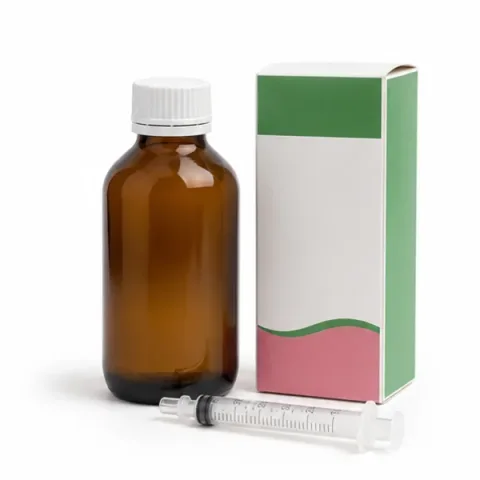
4CYTE Epiitalis Forte gel, 100 ml
The gel form, which the listing says suits dogs with a prior sensitivity to marine products
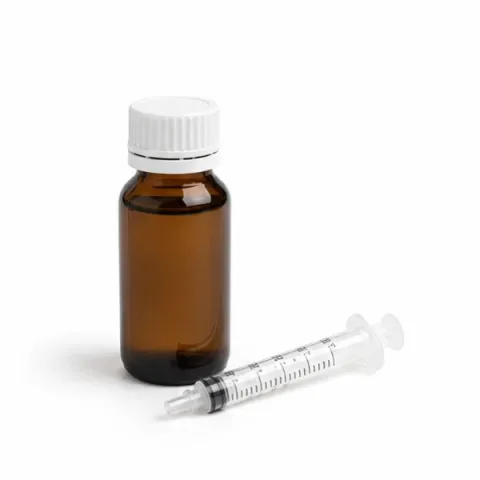
4CYTE Epiitalis Forte gel, 50 ml
The same gel in a smaller pack for small dogs or a first try
4CYTE Canine granules, 50 g
Granules with marine-based ingredients, given with a scoop
Antinol Plus for dogs, 60 capsules
Green-lipped mussel and krill oil capsules, with weight-based dosing on the listing
Antinol Plus for dogs, 180 capsules
The larger capsule pack of the same product
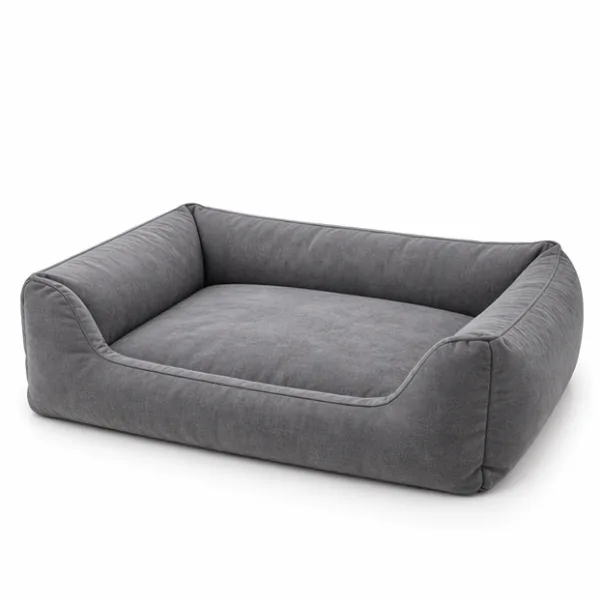
Orthopaedic couch bed for stiff or older dogs
A supportive bed can make lying down and getting up easier on sore joints.
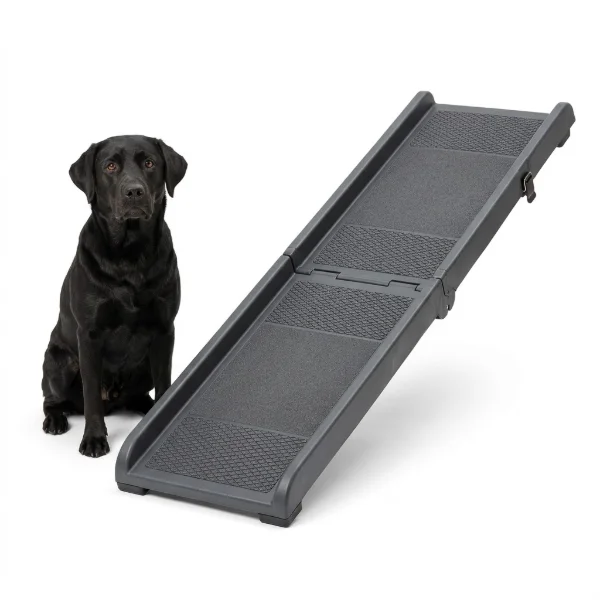
PetSafe Solvit bi-fold car ramp
A ramp spares your dog a jump into the car or ute, which many stiff dogs find hard.
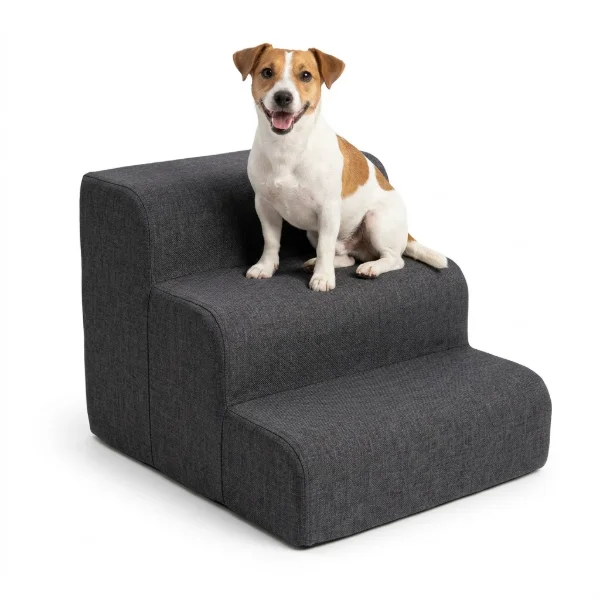
Gimars 3-step foam dog stairs
Steps let a stiff dog climb onto the bed or sofa without jumping.
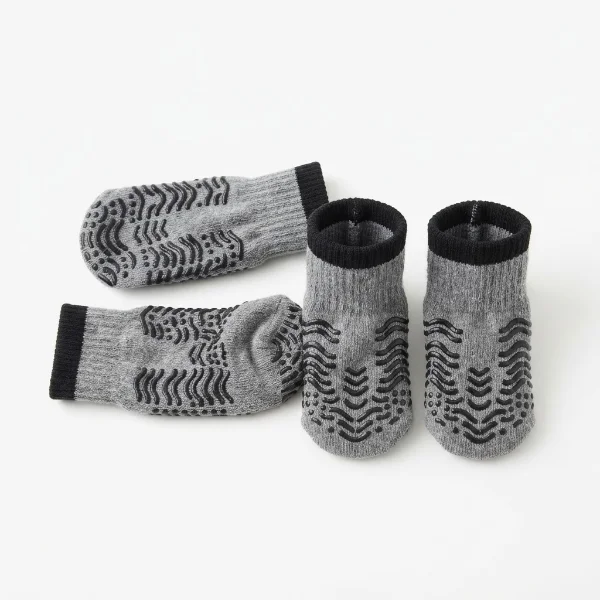
DOK TigerToes non-slip dog socks
Grip socks can help a dog who slips on tiles and timber floors.
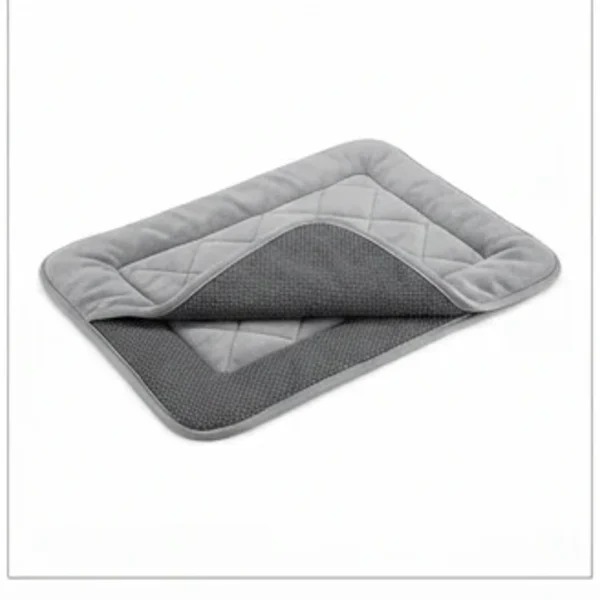
K&H self-warming pet pad
A self-warming pad adds a cosy layer to a bed or crate for a dog who likes to curl up on cool mornings.

Feandrea Waterproof Sherpa Dog Blanket
A soft, wipe-clean blanket gives a spot on the sofa or in the car an extra layer of comfort.
Pictures are illustrations, not the actual products.
Antinol isn't a 4CYTE product; we've included it because owners often compare the two.
What is 4CYTE and what's in it?
4CYTE is an Australian joint supplement brand for dogs. The granules combine a plant ingredient, Epiitalis, with marine ingredients. The Epiitalis Forte gel is the form the listing says suits dogs sensitive to marine products; it gives no ingredient panel, so check the pack. Neither is a medicine.
4CYTE gel or granules: which is better for my dog?
Neither is better overall. The gel is the form the listing says suits dogs with a prior sensitivity to marine products, and the granules contain marine ingredients. So the first question is whether your dog has a seafood or shellfish allergy or a sensitive stomach. If so, ask your vet and lean towards the gel.
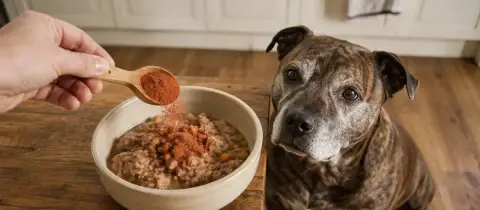
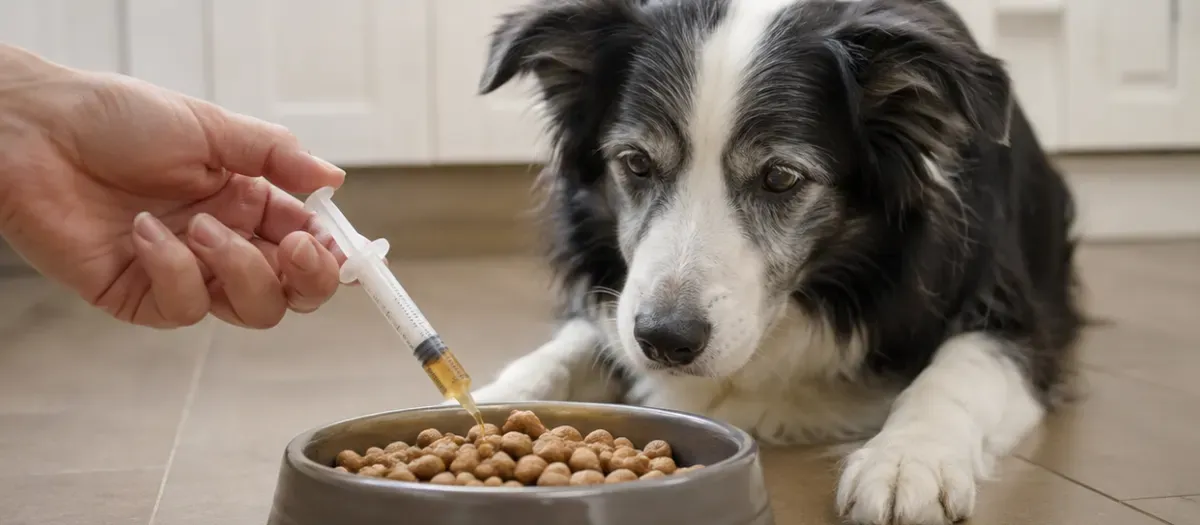
The second is how your dog eats. The gel mixes into a meal by applicator, while a fussy eater may leave scooped granules in the bowl.
Our picks in detail
1. 4CYTE Epiitalis Forte gel, 100 ml: the form that suits most dogs
A 100 ml pack made in Australia, with an applicator. The listing says it suits dogs with a prior sensitivity to marine products. It also makes strong treatment and prevention claims, which we don't repeat.
- Pros: the form the listing says suits dogs sensitive to marine products; applicator supplied; Australian made
- Cons: no weight table or ingredient panel on the listing; the gel's trial evidence is equivocal
- Best for: most dogs, once your vet agrees
- Skip it if: you want the form studied against carprofen (that trial used the granules), or a stronger evidence base
2. 4CYTE Epiitalis Forte gel, 50 ml: smaller pack for small dogs or a first try
The same gel in a 50 ml pack. The listing's title, manufacturer, model number and directions identify it as 4CYTE Epiitalis Forte.
- Pros: smaller pack; same directions and model line as the 100 ml per the listing
- Cons: the listing's data fields are messy (the brand field shows an unrelated name, and the weight field says 50 milligrams although the volume is 50 millilitres), so check the pack on arrival; no weight table; the same equivocal trial evidence
- Best for: small dogs or a first try, with your vet's go-ahead
- Skip it if: your dog is big, or the mixed-up listing details put you off
3. 4CYTE Canine granules, 50 g: the marine-ingredient form
A 50 g pack of granules with a scoop. The listing says it contains marine-based ingredients, can be used from 6 months of age, complements prescription joint pain treatments and should be introduced slowly over several days. This is the form the 2021 trial tested against carprofen.
- Pros: the form with the carprofen trial; scoop supplied; flavoured to be palatable, per the listing
- Cons: marine ingredients; no weight table on the listing; the carprofen trial had no placebo group
- Best for: dogs without marine sensitivity whose owners want the form with that trial
- Skip it if: your dog has a shellfish allergy or sensitive stomach, or won't eat food with powder on it
4. Antinol Plus for dogs, 60 capsules: the main alternative (different ingredients)
A different product, not 4CYTE: green-lipped mussel and krill oil in soft gel capsules, given once a day whole or opened onto food. The listing's weight table is in the pack-length table on this page, and it says to restart the loading dose after a break of five days or more.
- Pros: a weight table on the listing; capsules can be opened onto food
- Cons: shellfish; the listing's claims that mussel is "175 times stronger" than other oils aren't ones we repeat; 60 capsules is only the loading period for a dog over 22 kg
- Best for: a dog up to 22 kg trying a capsule, once your vet agrees
- Skip it if: your dog is over 22 kg (go for the 180) or has a seafood allergy
5. Antinol Plus for dogs, 180 capsules: Antinol for big dogs or long-term use
The larger pack of the same product, with the same directions. See the pack-length table on this page for how long it lasts.
- Pros: covers a big dog's loading and several months
- Cons: shellfish; the listing's unit count field says 60 although the title says 180, so check the pack count on arrival; the same "175 times stronger" style claims
- Best for: dogs over 22 kg, or long-term use your vet supports
- Skip it if: you want to trial it first or your dog has a seafood allergy
Gel, granules or Antinol: which suits your dog?
| Situation | What to think about |
|---|---|
| Dog with a seafood or shellfish allergy | Talk to your vet first. The gel is the form its listing says suits dogs sensitive to marine products. Skip the granules and Antinol, which are marine-based. |
| Fussy eater who won't take powder | The gel is mixed into food. Capsules can be given whole or opened into a meal (Antinol listing). |
| Big dog on long-term use | A bigger pack makes sense once your vet agrees. See the pack-length table below. |
| Small dog or a first try | The 50 ml gel is the smaller pack. |
| Dog already on vet pain relief | Tell your vet about every supplement. They decide. |
| Someone offers a horse (equine) version | Never. See the horse question below. |
Does 4CYTE work? What the research says
The evidence is mixed and comes from two trials. Whittem and colleagues (2021) tested the granules against an anti-inflammatory medicine with no placebo group, and Kampa and colleagues (2024) tested the gel against a placebo and found it didn't differ on the main measure. Each trial tested one form, so neither proves anything about the other.
Whittem et al., Australian Veterinary Journal, 2021. A randomised, masked trial at the University of Melbourne in 69 dogs with osteoarthritis, 66 of whom finished the 28 days. It compared 4CYTE Canine (the granules) with carprofen, a veterinary anti-inflammatory. The authors concluded the granules were "not inferior" to carprofen. There was no placebo group (Europe PMC record, read 9 November 2026). Without a placebo, we can't tell how much of the improvement came from the supplement.
Kampa et al., Frontiers in Veterinary Science, 2024. A double-blinded, placebo-controlled trial in 101 dogs with hip osteoarthritis over 6 weeks. The Epiitalis Forte gel did not differ from placebo on the main measure (force plate weight bearing), and the authors called the evidence for a benefit "equivocal". A mussel and krill oil blend called EAB-277, sold as Antinol Rapid, and meloxicam both did better than placebo on that measure. The study was funded by Pharmalink International, which makes EAB-277, so that's a conflict to keep in mind. The authors list limits: 6 weeks, no validated owner-reported measures, and an unregistered protocol (Frontiers, read 9 November 2026).
The wider picture is cautious. A 2012 review found the strength of evidence low for all joint nutraceuticals except omega-3 fatty acids, and RSPCA Australia says many joint supplements lack robust evidence and shouldn't replace conventional treatment (RSPCA Australia, updated 17 June 2024).
4CYTE vs Antinol: what's the difference?
They're different products from different companies. 4CYTE uses Epiitalis, with marine ingredients in the granules. Antinol Plus, per its listing, is a green-lipped mussel and krill oil capsule. The 2024 trial above compared the gel with Antinol Rapid and was funded by that blend's maker; we haven't confirmed Antinol Plus is the same formula.
| Product | Form | Key ingredients (from listing) | Contains marine or shellfish | How it's given |
|---|---|---|---|---|
| 4CYTE gel 100 ml | Gel | Not listed on Amazon, check pack | Listing says suits dogs sensitive to marine products | Applicator, in food |
| 4CYTE gel 50 ml | Gel | Not listed on Amazon, check pack | As above | Applicator, in food |
| 4CYTE granules 50 g | Granules | Marine-based ingredients (listing) | Yes | Scoop, in food |
| Antinol Plus 60 | Soft gel capsule | Green-lipped mussel and krill oil | Yes | Whole or opened into food |
| Antinol Plus 180 | Soft gel capsule | Green-lipped mussel and krill oil | Yes | Whole or opened into food |
The Antinol listings give a weight table. Here's how long each pack lasts at the listing's doses, worked out from its numbers (the 15 day loading dose is doubled):
| Dog's weight | Capsules a day (loading, 15 days, then maintenance) | 60 capsules last | 180 capsules last |
|---|---|---|---|
| Up to 22 kg | 2, then 1 | 45 days | 165 days |
| Over 22 kg | 4, then 2 | 15 days (loading uses the whole pack) | 75 days |
How do I give 4CYTE to my dog?
Follow the pack and your vet. The gel listing says to shake well, draw up the volume with the applicator and give it in food. The granule listing says to use the supplied scoop, add to food and build up slowly over several days. Neither Amazon listing gives a weight table, so use the one on the pack or leaflet.
Results vary, so watch how your dog responds. Keep packs cool, dry and out of reach, because dogs can find flavoured granules appealing.
How we chose
We searched Amazon Australia for 4CYTE products and Antinol and shortlisted those that met all of these checks:
- Well rated: a strong average rating with plenty of buyer reviews.
- No red flags: no pattern of poor reviews, safety complaints or listing problems.
- Available on Amazon Australia when we checked.
- Ingredients and form: the form is clear from the listing.
- Marine or shellfish content: stated or clear from the listing.
- Dosing guidance: the directions appear on the listing, and we say when they don't give a weight table.
- Australian labelling and seller: attributed to the listing.
These are researched picks, not products we've personally used. We compared specifications and features from each Amazon Australia listing, checked on 9 November 2026, and we didn't accept payment from any brand.
Left out this time: the equine 4CYTE gel (a horse product, dosed for a 600 kg animal per its own listing), two 4CYTE sizes we couldn't buy on Amazon Australia when we checked, and products covered on our joint supplements guide.
Does 4CYTE have side effects?
The listings don't list side effects, and we haven't found a source we opened that does, so we won't guess. With any new supplement, watch for loose stools, vomiting or a dog who refuses food, and call your vet if you see them. Dogs with a shellfish allergy shouldn't have the marine-based forms.
Ask your vet first if your dog is pregnant, nursing, a puppy, on other medicines, or has kidney, liver or pancreas problems. None of the listings gives a safety statement on these.
Do you need a prescription for 4CYTE?
Ask your vet or pharmacist. We couldn't open a source that settles how 4CYTE products are classified, and the listings say nothing on it. Vet clinics and pharmacies also sell these products, and your vet can tell you what suits your dog.
Can I give my dog the horse version of 4CYTE?
No. The equine 4CYTE gel is a horse product, and its own listing doses it for a 600 kg animal. It's not labelled or dosed for dogs, so don't measure a "small share" yourself. We haven't linked it.
Can I use 4CYTE with my dog's arthritis medicine?
Tell your vet about every supplement before you start. The gel and granule listings both say they can be used alongside prescription joint pain treatments, but that's the maker's claim. Never stop a prescribed medicine yourself, and let your vet decide the plan.
When to see a vet
See your vet before starting any supplement if your dog is stiff, limping, slowing down or struggling on stairs, because those signs have many causes, and other conditions can mimic arthritis. A supplement goes alongside your vet's plan (weight control, exercise, any pain relief they prescribe), never instead of it.
See a vet promptly for sudden lameness, a leg your dog won't put weight on, a swollen joint, crying out in pain, or a dog who won't eat. Stop the supplement and call your vet if your dog has repeated vomiting, diarrhoea or any allergic signs such as facial swelling. For comfort at home, see our guides to the best dog bed for older dogs and the best orthopaedic dog bed.
Frequently asked questions
What is the active ingredient in 4CYTE?
The listings don't give an ingredient panel for the gel. Epiitalis, a plant ingredient, is what the product line is named for. Check the pack for the exact formula.
What is the best joint supplement for dogs?
It depends on your dog, and no supplement suits every dog. A 2012 review found low evidence for most joint nutraceuticals except omega-3. Start with your vet, then compare options on our joint supplements guide and fish oil guide.
How fast does 4CYTE work?
We don't give a timeline, because results vary and we found none we could stand behind. A label's loading dose is an instruction, not a promise. Give it the time your vet suggests, and tell your vet if nothing changes.
Is 4CYTE safe for dogs with a shellfish allergy?
The granules contain marine ingredients, so they're not for dogs with a shellfish or seafood allergy. The gel listing says it suits dogs with a prior sensitivity to marine products, but check with your vet before giving it.
Can puppies have 4CYTE?
The granule listing says it can be used from 6 months of age. The gel listings give no minimum age. Growing puppies have different needs, so ask your vet before giving any joint supplement to a dog under 6 months.
Is the 50 ml gel the same as the 100 ml?
The 50 ml listing's title, manufacturer and directions match the 100 ml gel, so it appears to be the same product in a smaller pack. Its data fields are messy, so check the label.
Where else can I buy 4CYTE?
Vet clinics and pharmacies also sell 4CYTE and Antinol, and your vet can advise which form suits your dog. Wherever you buy, check the pack is the canine product, not the equine gel, and check the use-by date.
Related guides
- Best fish oil for dogs
- Arthritis in dogs
- Best joint supplements for dogs
- Rose-Hip Vital for dogs
- Green-lipped mussel for dogs
- Best probiotics for dogs
- Best dog bed for older dogs
- Best orthopaedic dog bed
- Best dog stairs for bed
- Best dog car ramp
- Dogs
Sources
- Whittem et al., "A randomised controlled masked clinical trial of two treatments for osteoarthritis in dogs", Australian Veterinary Journal 99(7):267 to 272, 2021 (https://europepmc.org/article/MED/33904159), read 9 November 2026
- Kampa et al., Frontiers in Veterinary Science 11:1464549, 2024 (https://www.frontiersin.org/journals/veterinary-science/articles/10.3389/fvets.2024.1464549/full), read 9 November 2026
- RSPCA Australia Knowledgebase, "I think my dog has arthritis, what can I do?", updated 17 June 2024 (https://kb.rspca.org.au/knowledge-base/i-think-my-dog-has-arthritis-what-can-i-do/)
- Vandeweerd et al., "Systematic review of efficacy of nutraceuticals to alleviate clinical signs of osteoarthritis", Journal of Veterinary Internal Medicine 26:448 to 456, 2012, abstract (https://orbi.uliege.be/handle/2268/132492), read 9 November 2026
- Product details from each linked Amazon Australia listing, checked on 9 November 2026
This guide provides general information and isn't a substitute for veterinary advice. If you're concerned about your dog's joints or mobility, speak with your vet.