Research guide. WhiskerFinds may earn a commission from links, at no extra cost to you.
Quick answer: The best pet heating pad (also called a pet heat pad or heated mat) for most cats and small dogs is the SnuggleSafe microwave disc: no cord, no plug, and a 22 cm pad that slips under a bed. Heat it only for the time printed on it and use it in a cover. For bigger dogs, a self-warming mat is the simplest choice.
This guide compares five pet heat pads on Amazon Australia: a microwave disc, a soft microwave warmer and three self-warming pads that need no power. It also covers what to check on an electric pad, and who shouldn't have a heat pad at all. If you're after a whole bed, see our heated cat bed guide.
Quick picks
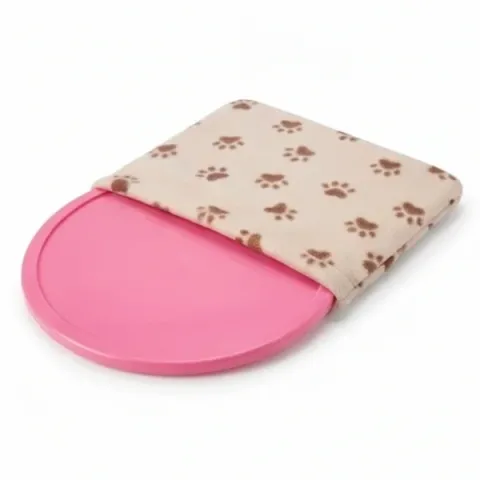
SnuggleSafe microwave heat pad
No cord or plug, 22 cm disc, small enough for a carrier or kennel
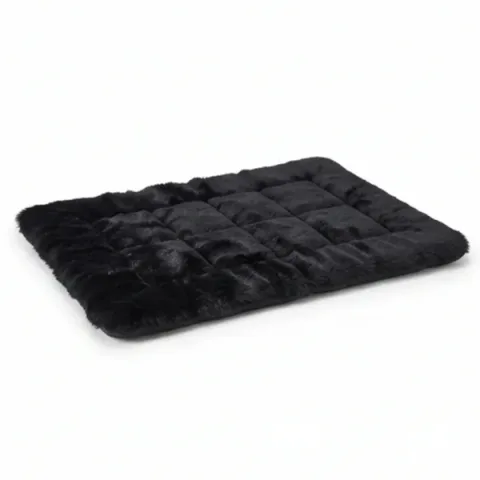
Furhaven ThermaNAP self-warming pad
Thin 43 x 56 cm pad with a reflective layer, machine washable
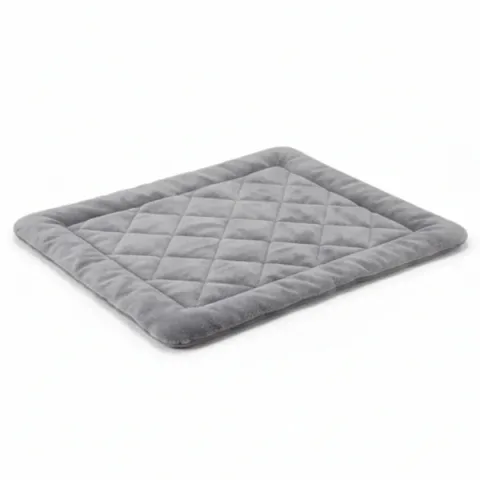
AUPETEK self-warming pet mat
The only pick in dog-length sizes, up to 90 x 60 cm
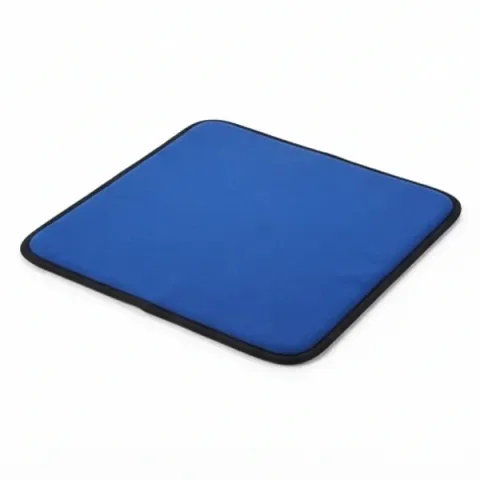
K&H microwaveable pet bed warmer
A squishy 23 x 23 cm neoprene-covered square
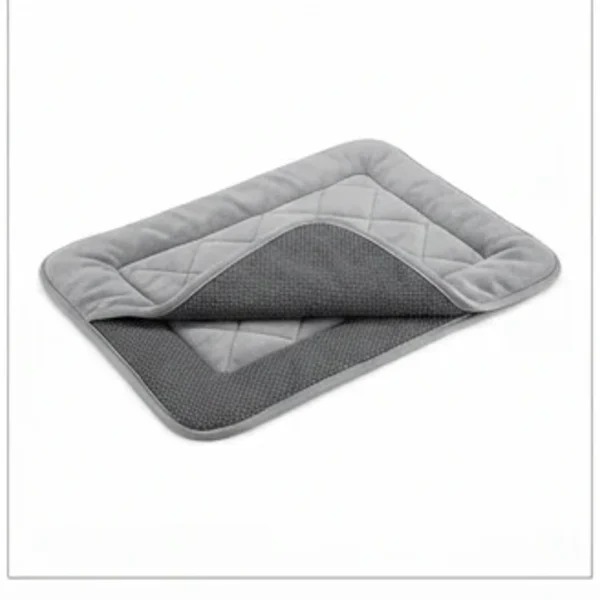
K&H self-warming pet pad
2.5 cm thick and reversible, so it works on a couch or shelf as well as in a bed
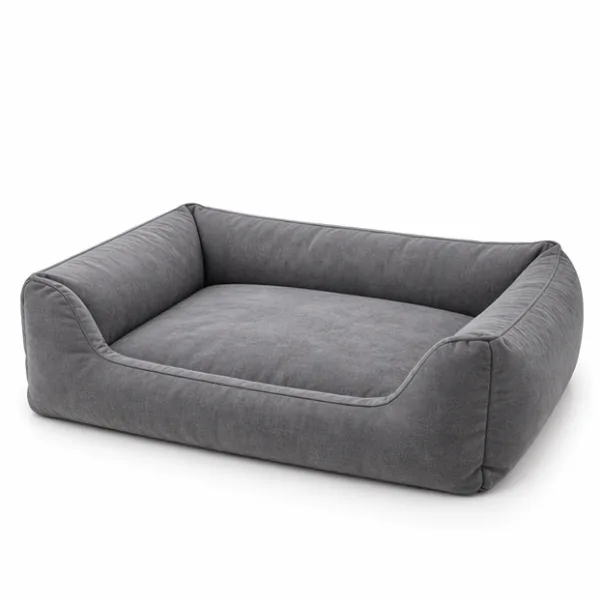
BFPETHOME orthopaedic couch bed
A supportive bed for an older dog, with space to move off the pad.
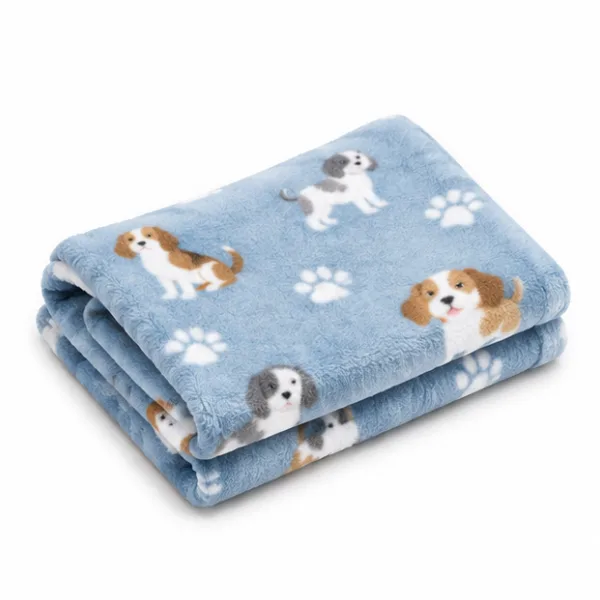
Luciphia fleece dog blanket
A soft layer for a bed, so your dog isn't lying straight on the pad.
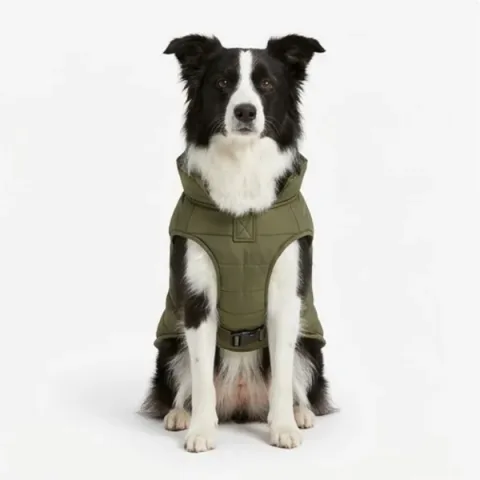
Lelepet warm dog coat
A waterproof coat for chilly walks, so your dog isn't cold before it gets home to the pad.
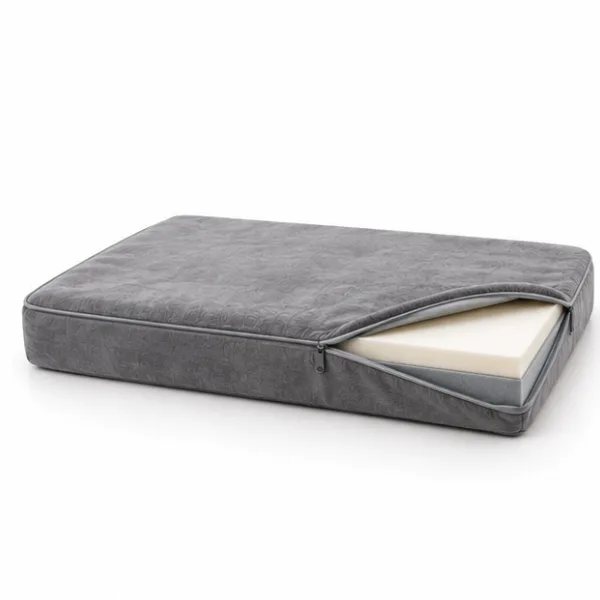
Dogbed4less memory foam bed
Cushioned support under a pad for stiff or older dogs.
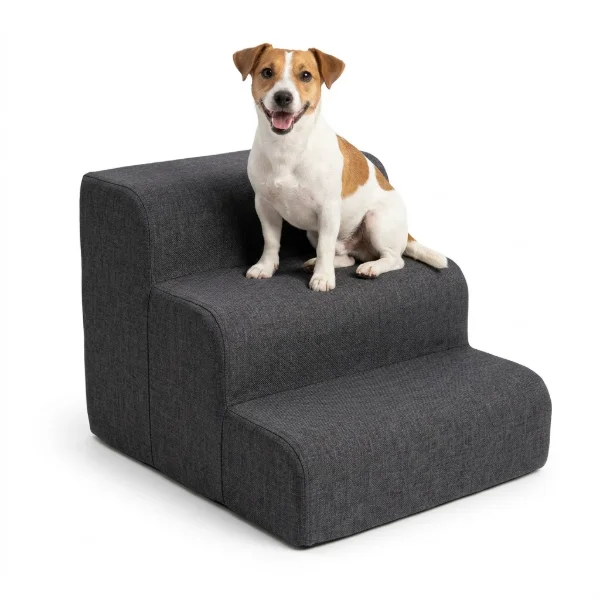
Gimars foam dog stairs
Help a smaller or older dog onto a raised bed without a jump.
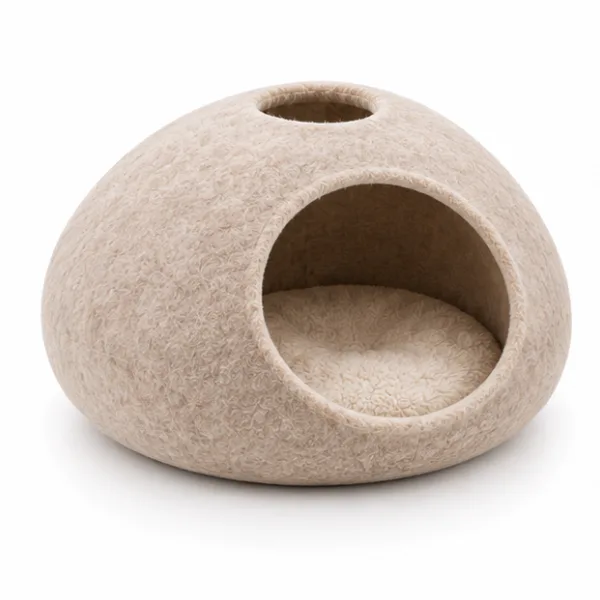
DownyPaws felt cat cave
A snug felt cave for a cat that likes to curl up somewhere enclosed in winter.
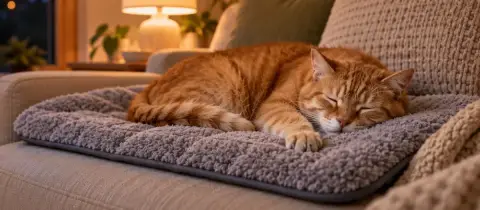
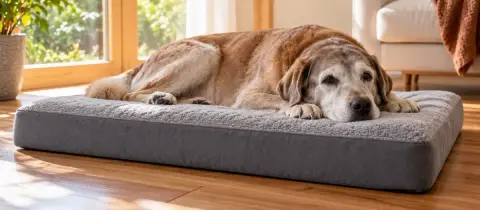
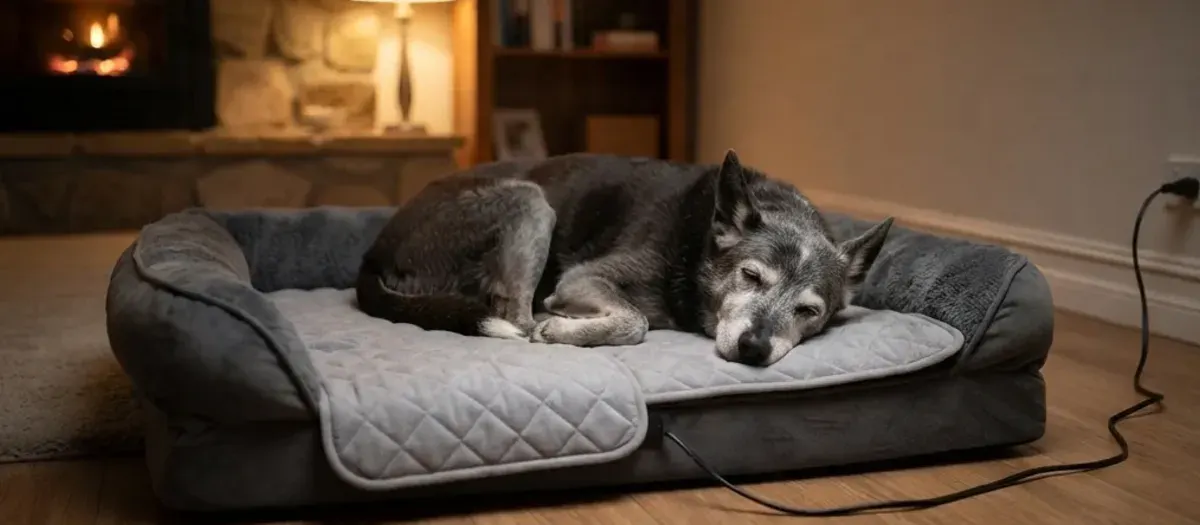
Pictures are illustrations, not the actual products.
Looking for a plug-in heated mat? None of the picks here is electric. The electric mats are in our heated dog bed guide, and the checks to make on any electric pad are further down this page.
Electric, microwave or self-warming: which pet heat pad is best?
For most homes, a microwave disc or a self-warming pad is the better choice. Neither has a mains cord for a pet to chew, and both are easy to move. Electric pads give steadier heat but add a cord, a plug and a thermostat that all need to work properly.
Here is how the three types compare. Warmth times are the makers' claims, not ours.
| Electric | Microwave | Self-warming | |
|---|---|---|---|
| Power | Mains, with a plug | Heated in a microwave | None |
| Cord | Yes | No | No |
| Warmth lasts | As long as it's on | Up to 10 to 12 hours, per the listings | Only while your pet gives off heat |
| Makes its own heat | Yes | Yes, until it cools | No, it reflects your pet's body heat |
| Washable | Usually the cover only | The cover | Machine washable |
| Suits | Pets that need steady warmth, with supervision | Carriers, kennels and small pets, with supervision | Crates, existing beds, cars and kennels |
| Skip it if | Your pet chews cords or can't move off it | You want all-night heat, or your pet chews bedding | You want the pad to make heat |
Which heating pad is best for cats?
A SnuggleSafe disc, the Furhaven ThermaNAP or the K&H self-warming pad suits most cats. A cat is small enough that a 22 cm disc or a pad of about 43 x 56 cm covers only part of a bed, which leaves room to step off.
RSPCA Tasmania says short-haired, young and older pets, and those with health problems, may need extra warmth, and that arthritic older pets can struggle in winter (RSPCA Tasmania, page read 12 November 2026). Put the pad under one half of the bedding so your cat can choose. For a bed that has warmth built in, see our heated cat bed guide and cat cave beds.
Our picks in detail
1. SnuggleSafe microwave heat pad: best overall
A 22 cm round disc, 3.8 cm thick and 962 g, heated in a domestic microwave. The listing says to set full power by your microwave's wattage using the table that comes with it, then leave the pad inside for one more minute. It says the Thermapol filling is non-toxic and keeps warm for up to 10 hours, which is the maker's claim.
The safety text is plain: don't exceed the heating times, because overheating can damage the pad and cause injury, and don't let animals bite or chew it. The listing says an overheated bottle is designed to melt so the filling disperses, and leaked filling is dangerously hot. A second listing sells the same disc with a fleece cover, and says to reheat only once it has cooled to room temperature.
- Pros: no cord, plug or thermostat to fail; small enough for a carrier or kennel; heating times printed on the pad per the listing; a cover version available
- Cons: warmth fades over the hours, so it won't hold all night; needs a cover and supervision; a chewer could damage it
- Best for: cats, small dogs, travel and kennels
- Skip it if: you want steady all-night heat, or your pet chews bedding
2. Furhaven ThermaNAP self-warming pad: best self-warming pad for cats and small dogs
A thin 43 x 56 cm pad, about 0.6 cm thick. The listing says it has insulating fibre batting and a mylar layer that reflects body heat, and a quilted faux fur top. It uses no electricity, is machine washable, and the listing names crates, kennels and travel as uses.
It doesn't make heat. It holds what your pet gives off, so it works best in a draught-free spot. The listing gives a 20 pound limit, about 9 kg.
- Pros: thin and light; no power or cord; machine washable; fits inside an existing bed or crate
- Cons: it only holds your pet's own warmth; the 9 kg limit rules out bigger dogs; the listing's cover is faux fur, so check it suits a pet that chews
- Best for: kittens, cats and small dogs, tucked into a bed or crate
- Skip it if: you want a pad that makes heat
3. AUPETEK self-warming pet mat: best self-warming mat for medium and large dogs
A plush mat with a reflective film inside, in 55 x 40, 75 x 50 and 90 x 60 cm. The 55 x 40 cm size weighs 170 g and is machine washable. The listing says it needs no electricity and names car, indoor and outdoor use, including crates and kennels.
The listing's 25 pound (about 11 kg) weight note sits oddly with the large sizes. Choose by area, and treat it as a thin mat, not a plush bed.
- Pros: the only pick here in dog-length sizes; light and machine washable; no cord; suits cars, kennels and cold floors
- Cons: thin, so it needs a bed or blanket for padding; the maker's weight note (about 11 kg) is unclear against the big sizes; it only holds your pet's own warmth
- Best for: outdoor kennels, car trips and big dogs on cold floors
- Skip it if: you want a plush bed rather than a thin mat
4. K&H microwaveable pet bed warmer: best microwave alternative with a soft cover
A 23 x 23 cm square, 5.1 cm thick and 975 g, with a neoprene cover. The listing says it's non-toxic, needs no electricity, feels soft and squishy when warm, and stays warm up to 12 hours in a climate-controlled room. That is the maker's claim.
The listing gives no microwave times, so follow the instructions printed on the product and never guess.
- Pros: soft, squishy feel; no cord; the neoprene cover is described as durable
- Cons: no heating times on the listing, so you need the product's own instructions; warmth fades over time; needs supervision
- Best for: a cat or small dog that likes a soft warm spot
- Skip it if: you want the heating instructions in front of you before you buy
5. K&H self-warming pet pad: best reversible self-warming pad for cats
A 53 x 43 cm pad, 2.5 cm thick and about 290 g, with a microfleece top and polyester fill. The listing says the plush material captures your pet's body heat and radiates it back, with no electricity, and that it's reversible. At 2.5 cm it's about four times as thick as the Furhaven, so it can sit on its own on a couch or shelf as well as inside a bed or crate.
The listing says to machine wash it separately in cold water on a gentle cycle, then air dry or tumble dry on the lowest setting. It gives a 20 pound limit (about 9 kg), lists indoor use only, and comes with a one year limited warranty.
- Pros: thicker than the Furhaven (2.5 cm against about 0.6 cm); reversible; no cord or power; machine washable
- Cons: it only holds your pet's own warmth; small, with a limit of about 9 kg; indoor use per the listing; a chewer can pull the fill out, so supervise
- Best for: indoor cats and small dogs up to about 9 kg, on furniture or in a crate
- Skip it if: your dog is over about 9 kg (choose the AUPETEK mat by area), you want a pad that makes heat, or you need it for an outdoor kennel
Which heat pad is best for dogs?
For small dogs, the SnuggleSafe disc and the Furhaven and K&H self-warming pads work. For medium and large dogs, a heat disc is too small to matter, so the AUPETEK self-warming mat in its larger sizes is the more practical pick. Measure your dog curled up and sleeping stretched out, and match the pad to the curled-up size. For dog-length mats and electric beds with a thermostat, see heated dog beds.
RSPCA Victoria notes that cold weather can aggravate stiff joints and intensify arthritis, and that keeping an arthritic pet warm may ease their discomfort (RSPCA Victoria, page read 12 November 2026). A warm pad may help a stiff older dog feel more comfortable, but it doesn't treat arthritis. Ask your vet, and see our dog beds for older dogs and orthopaedic dog beds. A covered cave bed traps body warmth without any power.
Is there a dog electric blanket, and can I use my own?
Don't use your own. The AKC says not to share human heating pads or electric blankets with pets, because body temperatures differ. Choose a pad made for pets, with a chew-resistant cord and a thermostat, or a self-warming mat that needs no power at all. Ask your vet before trying any new source of heat.
Our electric mat picks are in the heated dog bed guide.
Microwave heating pads for pets: how they work
A microwave heating pad for pets is a sealed pad you heat in a microwave for the time printed on the product. The warmth then fades over hours, and the makers of our two picks claim up to 10 and 12 hours. Always use one in a cover, never give one to a chewer, and reheat only once it has cooled to room temperature.
Which pets benefit most from a heated mat or heating pad, and which shouldn't have one?
A heated mat or heating pad suits an older, short-coated or small pet that can walk off it whenever it likes. It doesn't suit a pet that can't get up, a puppy or kitten too young to move away, or a pet that chews cords or bedding.
- May benefit: older pets, short-haired pets, small pets and dogs on cold floors (RSPCA Tasmania, RSPCA Victoria).
- Take extra care: puppies and seniors, who need supervision (AKC, updated 20 January 2026, page read 12 November 2026).
- Not for pets that can't move: the AKC warns that dogs with mobility problems who can't get up easily may be at risk of burns. VCA Animal Hospitals says elderly, arthritic or sick pets that sleep deeply or struggle to rise are most at risk.
- Not for newborns: the MSD Veterinary Manual says heating pads risk burning neonates that can't move off a hot surface, and recommends an overhead heat lamp at a safe distance instead.
- After surgery or illness: warmth is your vet's call, so ask before using any pad.
- Small animals: the SnuggleSafe listing also names guinea pigs. Ask an exotics vet before using any heat source with rabbits, guinea pigs or other small pets.
Heat pad safety: burns, cords, plugs and leaving it on
Never leave an electric pad on when you're out, and always leave room for your pet to move off it. Use a cover so your pet isn't in direct contact with the pad, and watch your pet while it's in use.
VCA Animal Hospitals is cautious about heating pads, warning that they can heat up over time and cause burns, and that sleeping pets may not wake in time. If you use one, VCA says use only the lowest setting, put several blankets between pet and pad, and supervise. RSPCA Tasmania says pet-safe pads are a good option as long as they're safe and working properly, never to leave them on when nobody's home, and always to let the animal move away.
Our own cautions, from the same sources:
- Cords. Look for a chew-resistant cord and keep it out of reach (AKC). A pet cord protector can help with other cables in the room. VCA also warns against shutting a pet in a carrier or crate with a heating pad.
- Check for damage. Stop using any pad that is cracked, leaking, lumpy or hot in patches.
Choosing an electric heat pad: what to check
None of the electric pads we checked on Amazon Australia stated the RCM mark on the listing, so we haven't picked one on this page. Pet shops and vet clinics sell electric pads you can check in person. Our heated dog bed guide lists two plug-in mats with a thermostat. Their listings don't state an Australian electrical approval either, so check the plug and the RCM mark on the product before you use one.
Whichever you choose, look for:
- An Australian plug (or a plug pack with one), not an adaptor from overseas.
- The RCM mark. The Australian electrical regulators' EESS page says in-scope electrical equipment must not be sold unless it is marked with the RCM, which shows it meets the electrical safety scheme and ACMA labelling (EESS, page read 12 November 2026). Look for it on the plug pack or the unit.
- A thermostat or overheat protection, and an auto shut-off or timer.
- A chew-resistant cord.
- A waterproof inner pad with a washable cover.
- A low starting setting. Start on the lowest one and use a cover, as VCA advises.
What size heat pad does my pet need?
Pick a pad that covers only part of the bed, so your pet can lie on it or off it. Our rule of thumb is that the pad should be about half the area of the bed, or the length of your pet curled up.
| Pad | Size (cm) | Suits (by curled-up pet) | Listing's weight limit |
|---|---|---|---|
| SnuggleSafe disc | 22 diameter, 3.8 thick | A cat or small dog | Not stated |
| K&H warmer | 23 x 23, 5.1 thick | A cat or small dog | Not stated |
| Furhaven small | 43 x 56, about 0.6 thick | A cat, kitten or small dog | About 9 kg |
| K&H self-warming pad | 53 x 43, 2.5 thick | A cat or small dog | About 9 kg |
| AUPETEK mat | 55 x 40 | A cat or small to medium dog | About 11 kg (unclear against the large sizes) |
| AUPETEK mat | 75 x 50 | A medium dog | About 11 kg (unclear against the large sizes) |
| AUPETEK mat | 90 x 60 | A large dog, by area | About 11 kg (unclear against the large sizes) |
Using a heat pad in an outdoor kennel
A self-warming mat is the simplest option in a kennel, because it needs no power and no cord near a chewer, and wet weather and cords don't mix. The AUPETEK listing names outdoor use and kennels as uses. A mat only holds your dog's own body heat, so it also needs a dry, draught-free, raised kennel.
Keep electric pads out of kennels. The AKC warns that a crate or small space gives a dog little room to escape the heat.
Pet heat pads compared
Details from each Amazon Australia listing, checked on 25 November 2026. Warmth times are the makers' claims.
| Pad | Type | Size (cm) | Weight | Power | Warmth, per the listing | Washable |
|---|---|---|---|---|---|---|
| SnuggleSafe disc | Microwave | 22 diameter, 3.8 thick | 962 g | None (microwave) | Up to 10 hours | Cover (on the cover version) |
| Furhaven ThermaNAP small | Self-warming | 43 x 56, about 0.6 thick | Not stated | None | Holds your pet's own heat | Machine wash |
| AUPETEK self-warming mat | Self-warming | 55 x 40, 75 x 50 or 90 x 60, 1 thick | 170 g (55 x 40) | None | Holds your pet's own heat | Machine wash |
| K&H bed warmer | Microwave | 23 x 23, 5.1 thick | 975 g | None (microwave) | Up to 12 hours indoors | Neoprene cover, wipe |
| K&H self-warming pad | Self-warming | 53 x 43, 2.5 thick | About 290 g | None | Holds your pet's own heat | Machine wash, cold, gentle |
How we chose
We searched Amazon Australia for pet heat pads, then shortlisted products that met all of these checks:
- Well rated: a strong average rating with plenty of buyer reviews.
- No red flags: no pattern of poor reviews, safety complaints or listing problems.
- Available on Amazon Australia when we checked.
- Heat source and safety text: a clear heat source (microwave or self-warming), with the maker's safety warnings on the listing.
- Stated sizes, so you can match the pad to your pet.
- Listing claims about newborn, post-surgery or paralysed pets were ignored, because vet sources don't support them.
These are researched picks, not products we've personally tried. We compared the specifications and features on each Amazon Australia listing, checked on 25 November 2026. We didn't accept payment from any brand.
Left out this time: every electric pad we checked, because none stated the RCM mark on its listing; a microwave pad with too little detail on its listing; and an imported microwave pad.
Choose by situation
| Your situation | What to look for | Our pick |
|---|---|---|
| Older arthritic cat | Gentle warmth in a bed, with room to step off | Furhaven ThermaNAP, or a heated cat bed |
| Cat on a couch or shelf | A thicker pad that works on its own | K&H self-warming pad |
| Short-coated dog on a cold floor | A mat sized to the dog | AUPETEK mat |
| Outdoor kennel | No power, dry, raised | AUPETEK mat |
| Travel carrier | Small, no cord | SnuggleSafe disc, in its cover |
| Chewer | No cord and no hot filling | A thin self-warming pad, with supervision, taken away if it gets chewed |
| You want a plug-in heated mat | Thermostat, timer, chew-resistant cord, RCM mark, never left on when you're out | See the heated dog bed guide |
| A pet that can't get up | No pad | Thick bedding, a warm room and your vet's advice |
When to see a vet
Burns: see a vet if your pet has red, sore, blistered or hairless skin where it lay on a pad, or is licking or avoiding one spot. Don't use a pad again until your vet has looked at it.
Chewing: if your pet has chewed a pad, a cord or its filling, call your vet or the Animal Poisons Helpline on 1300 869 738 (24/7), and keep the packaging.
Always cold or slow to move: a pet that is always cold, shivering, slow to get up or tired may have a health problem a pad can't fix. A vet can work out why. See our Aussie seasons guides for more winter tips.
Frequently asked questions
Can I leave a pet heating pad on all night?
No. Never leave an electric pad on when you're out, and always leave room for your pet to move off it. RSPCA Tasmania says not to leave heating pads on when nobody's home. For overnight warmth, use a self-warming pad or good bedding, and don't reheat a microwave pad until it has cooled to room temperature.
Do self-warming pads for pets really work?
They can help a little. The listings say a reflective layer sends your pet's own body heat back. They don't make heat, so they suit a pet that is already warm and sheltered. Results vary. A self-warming pad is a bed accessory, not a heater. A self-warming blanket does the same job, see our dog blanket guide.
Are self-warming mats safe to leave with a pet overnight?
They have no cord and no heat source, so the burn and electrical risks of a plug-in pad don't apply. The listings say they need no electricity. Still check the mat for chewing and loose filling, and take it away from a pet that chews it.
Do puppies or kittens need a heat pad?
Very young pups and kittens that can't move away shouldn't be put on a pad. The MSD Veterinary Manual says pads risk burning newborns and recommends an overhead heat lamp at a safe distance. Ask your vet or breeder about keeping newborns warm. For newborn litters the whelping box temperatures and cautions are in our whelping box guide.
Is a heat pad good for a dog with arthritis?
It may help a stiff older dog feel more comfortable, but it doesn't treat arthritis. VCA says arthritic pets are most at risk of burns if they struggle to get up. Use a cover, leave room to move off, and ask your vet. See our guide to arthritis in dogs for signs and vet treatment.
What temperature should a pet heating pad be, and how do I know it's too hot?
We can't give a safe figure, because no source we opened states one. VCA says use only the lowest setting and put several blankets between pet and pad. Our own caution, not a figure from a source: rest your palm on the covered pad for a few seconds, and if it's uncomfortable for you, it's too hot for your pet.
Can I put a heat pad in a crate or carrier?
Be careful. The AKC says a crate gives a dog little room to escape the heat, and VCA warns against shutting a pet in a carrier with a pad. A small self-warming pad or a covered microwave disc is safer, with part of the floor left clear.
Where can I buy a pet heating pad besides Amazon?
Pet shops and vet clinics sell pet heating pads, and buying in person lets you check the plug and the RCM mark on an electric pad yourself. Ask staff about the maker's instructions and whether the pad suits your pet's size.
Related guides
- Best heated dog beds
- Whelping box guide
- Heated cat beds
- Dog blankets
- Cat cave beds
- Dog beds for older dogs
- Orthopaedic dog beds
- Arthritis in dogs
- Pet cord protectors
- Dog coats
- Outdoor dog kennels
- Large dog kennels
- Dog guides
- Cat guides
Sources
- RSPCA Tasmania, Keeping your pets warm in winter, 19 June 2023, page read 12 November 2026 (https://www.rspcatas.org.au/?p=15161)
- RSPCA Victoria, Hot pet tips for a cold winter, page read 12 November 2026 (https://rspcavic.org/learn/caring-for-pets-in-winter/)
- American Kennel Club, Are Heated Beds Safe for Your Dog?, updated 20 January 2026, page read 12 November 2026 (https://www.akc.org/expert-advice/vets-corner/heated-beds-safe-dog/)
- VCA Animal Hospitals, True or False: Heating pads are a safe way to keep your pet cozy and warm this winter, page read 12 November 2026 (https://vcahospitals.com/resources/lifestyle-cat/hazards-safety/heating-pads-true-or-false)
- MSD Veterinary Manual, Management of the Neonate in Dogs and Cats, updated August 2025, page read 12 November 2026 (https://www.msdvetmanual.com/management-and-nutrition/management-of-the-neonate/management-of-the-neonate-in-dogs-and-cats)
- EESS, Regulatory Compliance Mark (RCM) general, page read 12 November 2026 (https://www.eess.gov.au/rcm/regulatory-compliance-mark-rcm-general/)
- Product details from each linked Amazon Australia listing, checked on 25 November 2026.
This guide provides general information and isn't a substitute for veterinary advice. If you're concerned about your pet's health or comfort in the cold, speak with your vet.