Quick answer: Dog socks with grip can help some dogs slip less on tiles and floorboards, but they aren't a cure and don't suit every dog. They work best alongside rugs, trimmed nails and a vet check if slipping is new. Our pick is the DOK TigerToes non-slip dog socks.
Plenty of dogs skid on smooth floors, and it's hard to watch an older dog struggle to stand up on tiles. This guide explains what grip socks can and can't do, why dogs slip, what else helps, and how to size and use socks safely. If your dog is wearing something outside, see our best dog boots guide instead.
Quick picks
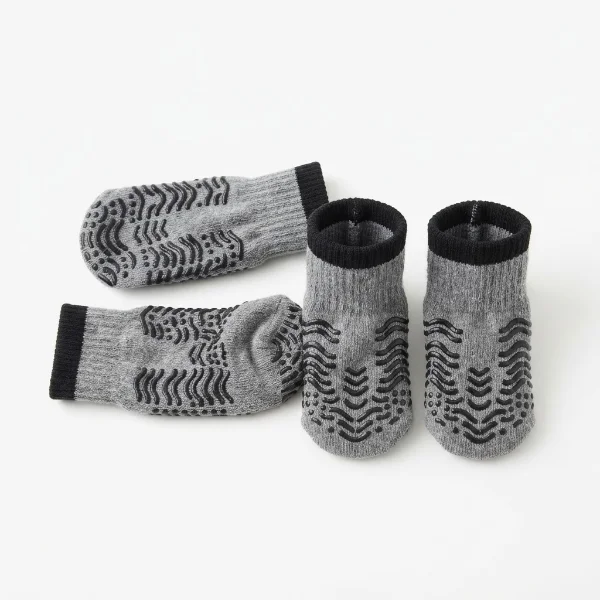
DOK TigerToes non-slip dog socks, 4 pack
Grip all the way round, sizes by paw width, no buttons
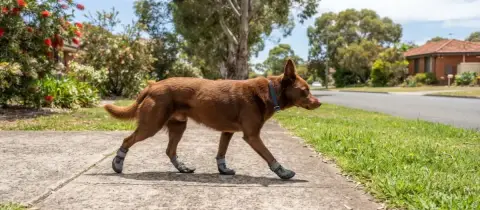
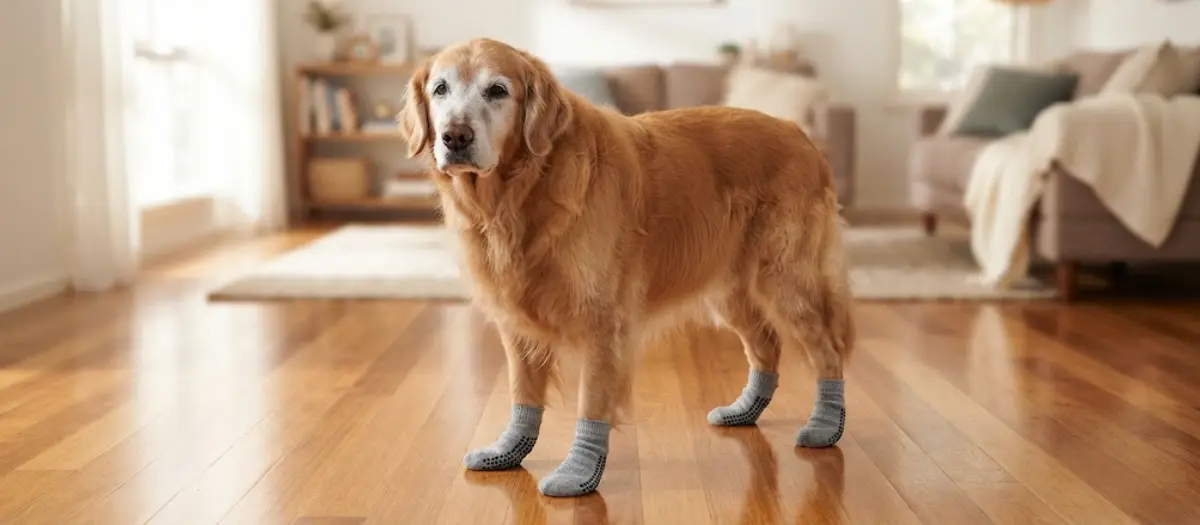
Pictures are illustrations, not the actual products.
This page is a guide with one pick because the other types we looked at (stick-on pads and strap-on socks) didn't make the cut. See "How we chose" below.
Do dog socks with grip work?
They can help some dogs. Rubber-gripped socks or booties add traction on slippery floors, and veterinary sources list them as one option for older dogs. But they don't fix the reason a dog is slipping, and some dogs twist them round, slide out of them or refuse to walk in them.
The Dog Aging Project lists rubber-gripped socks or booties among ways to add traction for older dogs, alongside keeping nails short and using rugs or mats with gripping material (Dog Aging Project). A veterinary news site also suggests non-slip booties for dogs that tolerate them (dvm360, 4 April 2025). Neither source promises that socks work for every dog.
Think of socks as a tool for the floors you can't change. If your dog only slips on one hallway, a runner there may do more than socks on all four paws.
Why is my dog slipping on the floor?
Smooth floors, long nails and weak or sore legs are the usual suspects. Tiles, polished floorboards and laminate give little grip, and a dog who is older, overweight or in pain may struggle more. If slipping is new or getting worse, it's worth a vet check.
Long nails stop the pads from gripping properly, which is why the Dog Aging Project says to keep toenails short so a dog can use their own paw pads for traction (Dog Aging Project). Arthritis and other joint problems can also make slick floors harder, and dvm360 links slipping on slick floors in senior pets with joint problems and falls (dvm360, 4 April 2025).
RSPCA Australia lists slowing down, stiff legs, reluctance to walk, and difficulty getting up, climbing stairs or jumping as possible signs of arthritis. It says other conditions can mimic arthritis, so a vet needs to diagnose it (RSPCA Australia knowledgebase, updated 17 June 2024). Slipping alone doesn't mean arthritis, but it is a reason to ask. Long hair between the pads can also be tidied by a groomer or vet if you're unsure how.
Other ways to stop a dog slipping
Socks are only one option, and often not the first. Rugs and runners on the routes your dog uses most, yoga mats near their bed and food bowl, trimmed nails, and ramps or stairs for beds and sofas all help. Fixing the floor usually costs less effort than fitting socks every day.
- Rugs and runners. Put rugs or mats with gripping material where your dog lies down and along busy routes, and watch the first few uses to make sure they don't bunch up or become a tripping hazard (Dog Aging Project). dvm360 suggests yoga mats, rugs or carpet runners in hallways and high-traffic areas (dvm360).
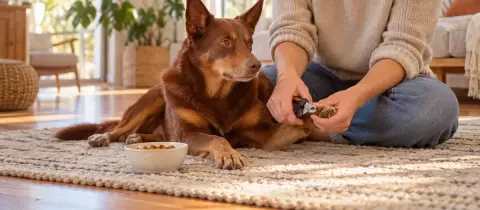
- Nail trims. Short nails help grip. If trimming is hard, ask your vet or groomer for help (the Dog Aging Project says overgrown nails may need frequent, small trims over several months). Our dog nail clippers guide covers the tools.
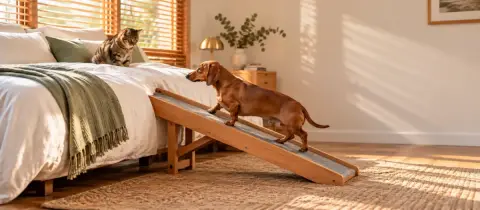
- Ramps and stairs. Fewer jumps means fewer slips on landing. RSPCA Australia suggests a ramp for car access and avoiding stairs for dogs with arthritis (RSPCA Australia). Our dog stairs for bed guide has options for beds and sofas.
- Pain management. If pain is behind the slipping, only your vet can sort out what helps. Socks and rugs make life easier but don't treat the cause.
- Paw fur. Long fur over the pads can add to slipping; our paw fur trimming guide shows how to tidy it.
How to size and use dog socks safely
Measure your dog's paw width while they're standing, then match it to the maker's size chart. Introduce socks indoors for a few minutes with treats, then build up. Check toes and dewclaws after each use, and take the socks off when you can't watch your dog.
Here's a simple routine:
- Measure standing. A paw spreads when it takes weight, so measure the widest part of the paw with your dog standing. The DOK listing sizes by paw width; its Large is about 6.4 to 7.1 cm.
- Fit snugly, not tight. Socks should stay on without squeezing. If your dog's toes look pinched or the sock leaves deep marks, go up a size or stop.
- Start short. Put them on indoors for a minute or two, give a treat, then take them off before your dog gets fed up. Build up slowly.
- Check after every use. Look at the paws, toes and dewclaws for rubbing, swelling or redness.
- Take them off for rest. Don't leave socks on overnight, and don't leave your dog in them unsupervised.
- Skip them for chewers. A dog who chews socks can swallow fabric, so don't leave them alone with socks.
Keep several pairs on hand so you can wash them. Socks that bunch up or twist can make slipping worse, so straighten them often.
Can dog socks stop paw licking?
Only a vet can say whether a cover is right, and finding the cause comes first. Dogs lick their paws for many reasons, including allergies, injuries, pain and boredom. A sock may stop licking for a short time, but it doesn't treat the cause, and a damp sock can make skin worse.
PetMD, in an article checked by a veterinarian, lists injuries, allergies, parasites, arthritis and stress as common causes of paw licking. It advises seeing a vet soon if there is bleeding, swelling, limping, discharge, or your dog cries when the paws are touched (PetMD, updated 18 March 2024). It mentions a recovery cone for allergy-related infections but doesn't mention socks, so ask your vet before covering sore paws. Our dog itchy skin guide covers the common causes.
Do socks help on hot footpaths?
Not reliably. Grip socks are made for indoor floors, and the DOK listing doesn't say they protect against heat. For summer walks, use the back of your hand test and walk early or late. See our burnt dog paws guide for the full pavement advice, and consider dog boots for outdoor protection.
RSPCA Australia says to hold the back of your hand on the footpath for 5 seconds, and if it's too hot for your hand, it's too hot for your dog's paws. It also advises walking early in the morning or late in the evening (RSPCA Australia, page read 31 October 2026). If paws get dry or cracked from hot ground, our dog paw balm guide covers lick-safe options, and our cooling vest guide covers keeping your dog cool on summer outings.
How we chose
We searched Amazon Australia for non-slip dog socks and shortlisted products that met all of these checks:
- Well rated: a strong average rating with plenty of buyer reviews.
- No red flags: no pattern of poor reviews, safety complaints or listing problems.
- Available on Amazon Australia when we checked.
- Grip all round: the listing says the grip works even if the sock twists.
- Sizing by paw width: the listing gives a size chart based on measured paw width.
- No buttons or tight elastic bands: a strap design that doesn't squeeze the leg.
These are researched picks, not products we've personally tested. We compared the specifications on each Amazon Australia listing, checked on 31 Oct 2026. We didn't accept payment from any brand, and no brand saw this page before it was published.
Left out this time: stick-on paw pads and toe grips (fiddly to fit, and they wear off), and strap-on socks with a pattern of fit complaints.
Dog socks compared
| Option | Grip | Sizing | Good for | Watch out for |
|---|---|---|---|---|
| DOK TigerToes non-slip dog socks | All round | By paw width | Indoor floors | Twisting, chewers |
| Rugs and runners | On the floor | Cut to your space | Busy routes and beds | Bunching, trip risk |
| Nail trims | Your dog's own pads | Not applicable | Most dogs | Trimming too short |
Our pick in detail
1. DOK TigerToes non-slip dog socks, 4 pack: best grip socks for floors
An elastic cotton blend sock with grip all the way round. The listing says the grip works even when the sock twists, and that it uses a buttonless strap design. Sizes go by paw width measured standing, and Large is about 6.4 to 7.1 cm. The listing says they are designed in the USA and made with senior dogs and slippery floors in mind.
The pack has four socks, so you get a full set for one dog. Measure carefully before you order, and check the size chart rather than guessing from your dog's weight.
- Pros: grip all the way round, per the listing; sizes by paw width; no buttons; four in a pack
- Cons: socks can twist or slide off on some dogs; not for chewers; they need taking off for sleep and checking toes after use
- Best for: dogs who slip on tiles or floorboards and will tolerate something on their paws
- Skip it if: your dog chews socks, won't leave them on, or the slipping is new and you haven't seen your vet
When to get help
See your vet if your dog:
- starts slipping suddenly, or the slipping is getting worse
- is wobbly, weak, drags a foot or collapses
- cries, limps or seems sore when they get up, climb stairs or have their legs touched. RSPCA Australia lists stiffness, slowing down and trouble with stairs as possible signs of arthritis
- licks or chews one paw raw, or has swollen, bleeding or discharging paws (PetMD)
Heatstroke is an emergency. Heavy panting, drooling, weakness, vomiting or collapse need action now. Cool first, with cool (not ice-cold) tap water over the body, neck, belly and legs, keep air moving, then call your vet and go straight there, even if your dog seems better (Animal Referral & Emergency Network). See our dog cooling guide for the full steps.
Frequently asked questions
Do dog socks with grip actually work?
They can help some dogs on tiles and floorboards, and vet sources list rubber-gripped socks as one option for older dogs. They don't treat the cause of slipping, and some dogs twist or shed them. Try them alongside rugs and trimmed nails.
Can dogs wear socks all day?
No. Use them for short stretches, take them off for sleep, and whenever you can't watch your dog. Check toes and dewclaws for rubbing, swelling or redness each time. A dog who chews socks shouldn't be left with them at all.
Are dog socks better than boots?
They do different jobs. Grip socks are for indoor floors, while boots have thicker soles for outdoors. For bindis, rough ground or hot surfaces, see our best dog boots guide. Socks aren't a substitute for checking the footpath first.
How do I stop my senior dog slipping on tiles?
Put rugs or runners on the routes they use, keep nails short, and consider grip socks. If slipping is new or getting worse, ask your vet, because pain or weakness can be behind it. See the fix list in "Other ways to stop a dog slipping" above.
What size dog socks do I need?
Measure the widest part of your dog's paw while they stand, then match it to the maker's chart. For the DOK socks, Large is about 6.4 to 7.1 cm. Don't size by weight or breed alone, and go up a size if toes look pinched.
Why does my dog hate socks?
Many dogs find them strange at first. Put them on for a minute indoors, give a treat, and take them off before your dog gets upset. Build up slowly, and never force it. If your dog still refuses, rugs and nail trims are the better route.
Can dog socks stop paw licking?
Only on your vet's advice. A sock may block licking for a short time, but licking has causes such as allergies, injury or pain that need finding. See "Can dog socks stop paw licking?" above and our dog itchy skin guide.
Related guides
- How to trim the fur on your dog's paws
- Arthritis in dogs
- Dog lift harnesses
- Burnt dog paws: how hot is too hot for pavement
- Best dog boots
- Best dog paw balm
- Best dog cooling vest
- Best dog nail clippers
- Best dog stairs for bed
- Dog itchy skin: causes and what helps
- How to keep your dog cool in summer
- All our dog guides
Sources
- Dog Aging Project, Mobility tips and tricks for senior dogs (https://content.dogagingproject.org/?p=1694)
- dvm360, Home hacks for geriatric dogs and cats, 4 April 2025 (https://www.dvm360.com/view/home-hacks-for-geriatric-dogs-and-cats)
- RSPCA Australia knowledgebase, I think my dog has arthritis, what can I do?, updated 17 June 2024 (https://kb.rspca.org.au/knowledge-base/i-think-my-dog-has-arthritis-what-can-i-do/)
- PetMD, Why do dogs lick and chew their paws?, updated 18 March 2024 (https://www.petmd.com/dog/general-health/why-do-dogs-lick-chew-paws)
- RSPCA Australia, 4 ways to keep your dog cool this summer, page read 31 October 2026 (https://rspca.org.au/blog/2022/4-ways-keep-your-dog-cool-summer)
- Animal Referral & Emergency Network, First aid for a pet with heat stroke, page read 31 October 2026 (https://www.emergencyvet.com.au/for-vets-and-nurses/resource-centre/pet-parent-education-hub/first-aid-for-a-pet-with-heat-stroke.html)
- Product details from the linked Amazon Australia listing, checked on 31 Oct 2026.
This guide provides general information and isn't a substitute for veterinary advice. If you're concerned about your dog's mobility or paws, speak with your vet.