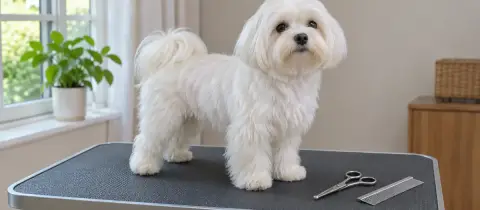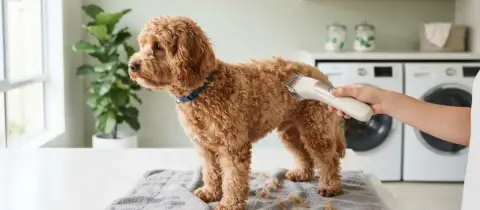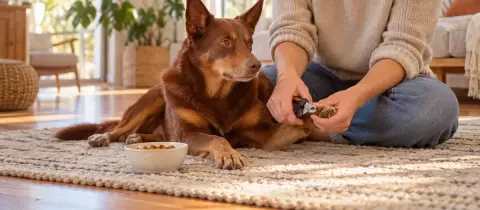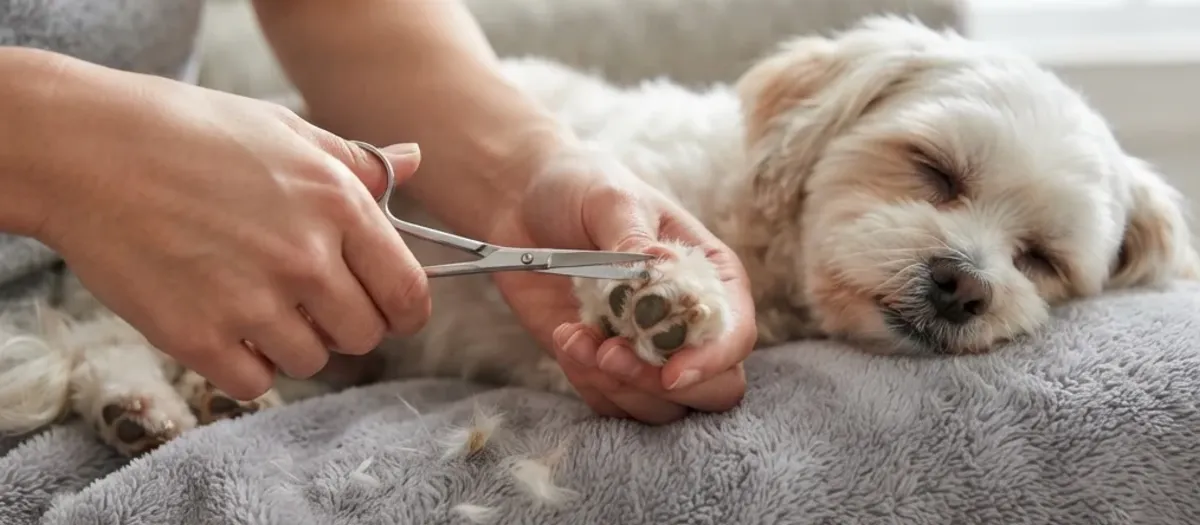
Quick answer: Trimming dog paws means tidying only the fur that covers the pads and pokes out between the toes, using round-tip scissors or a small paw trimmer, with your dog calm and the hair combed up first. Cut level with the pads, never deep between them, and stop if your dog gets stressed.
This is the fur-only how-to. Nails have their own page, so see our dog nail clippers guide for those, and our dog grooming kit guide for the wider tool list.
Quick picks
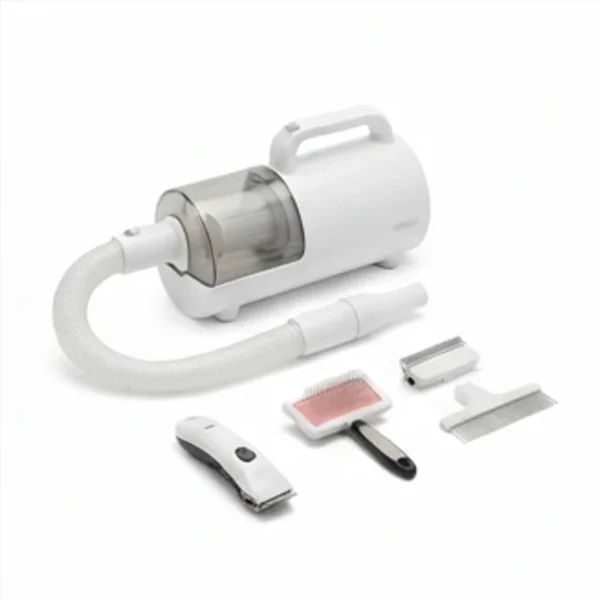
oneisall 4 in 1 dog grooming kit with LCD display (FC08)
A cordless kit that includes a small paw trimmer blade, with three speeds.
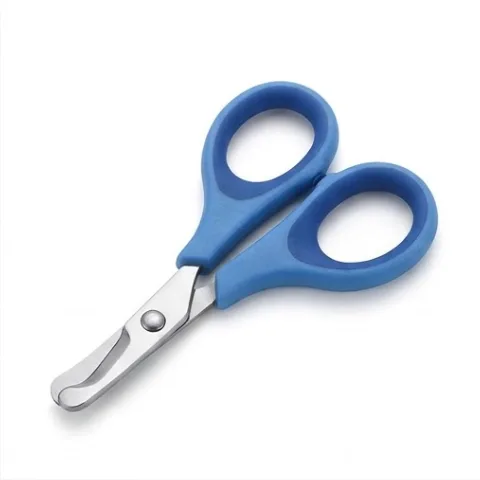
Scaredy Cut Tiny Trim Safety Scissors
One of our paw picks for calm dogs; round tips are gentler near skin.
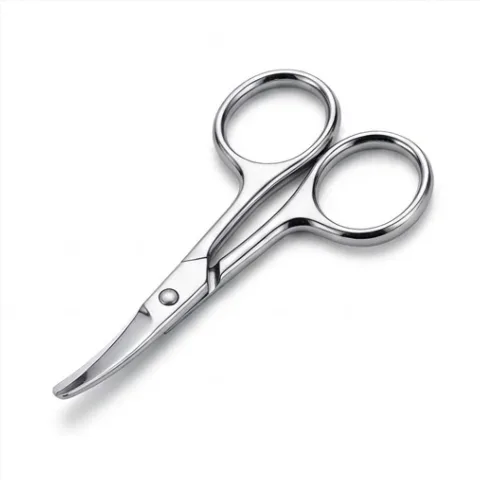
Tenartis Face and Paw Scissors 135
Our other paw pick, quiet and easy to see every cut.
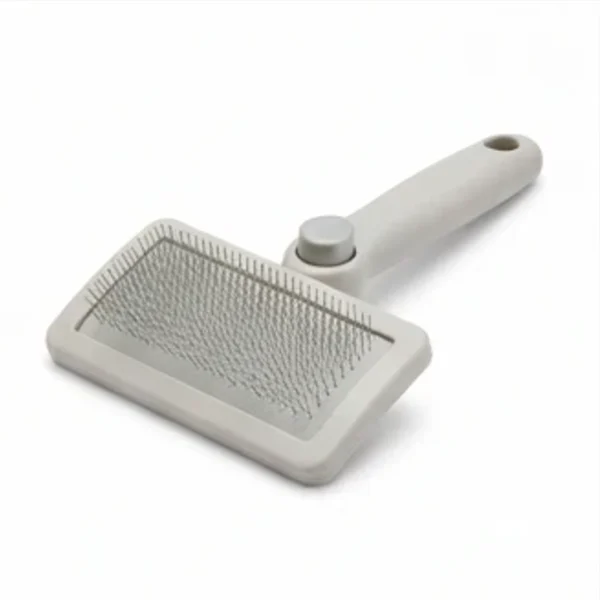
Hertzko self-cleaning slicker brush
A slicker lifts the fur so you can see what you're cutting.
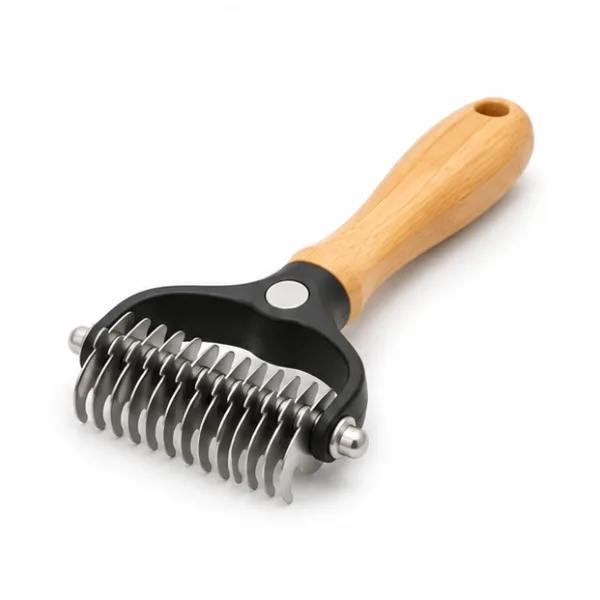
Poodle Pet Dematting Rake
Helps ease out small mats; tight mats near the skin are a job for a groomer.
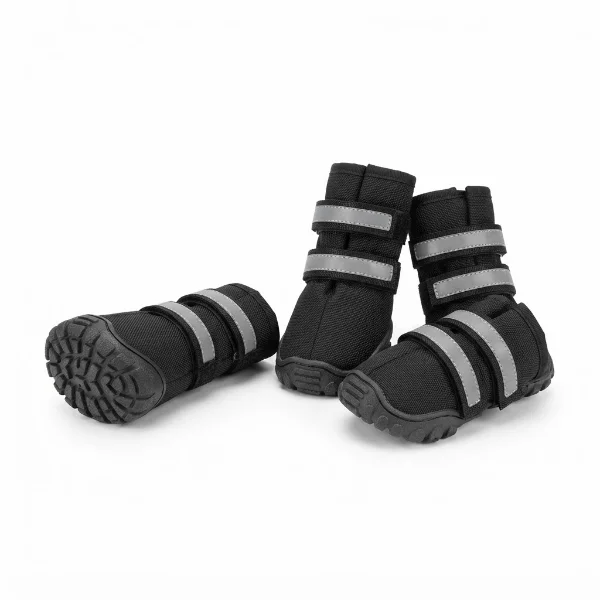
XSY&G waterproof dog boots
Paw protection for bindis and hot pavement, from our dog boots guide.
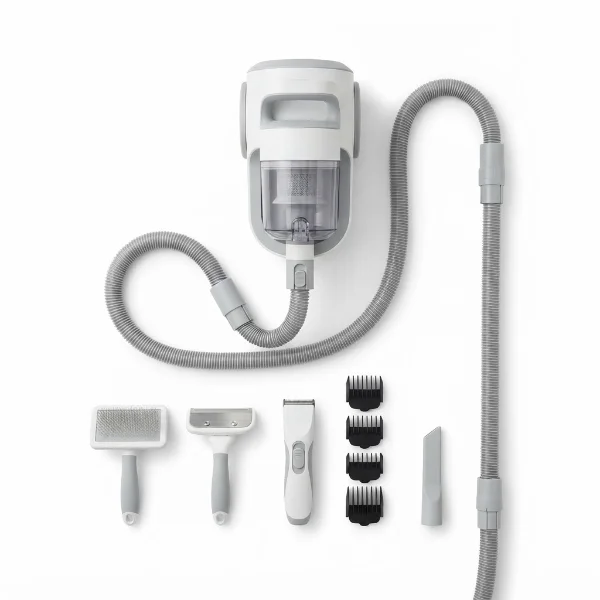
oneisall 7 in 1 dog grooming vacuum kit (LM2)
A grooming vacuum kit helps catch the clippings.
Scaredy Cut Tiny Trim Safety Scissors
Round-tip scissors, held flat against the pad, for calm dogs.
Tenartis Face and Paw Scissors 135
A paw pick in the same guide, quiet and easy to control.
Hertzko self-cleaning slicker brush
Lifts the fur away from the pads before you trim.
Poodle Pet Dematting Rake
For easing out small mats between the toes.
XSY&G waterproof dog boots
Paw protection for bindis and hot pavement.
oneisall 7 in 1 dog grooming vacuum kit (LM2)
A grooming vacuum helps catch the clippings.
Pictures are illustrations, not the actual products.
More detail on the first pick is in Useful gear for paw trims below, and the rest are the "You may also like" cards at the end of the row. Check paws after every walk, and leave tight mats or sore skin to a groomer or vet.
Do you need to trim the fur on your dog's paws?
Not always. Short-coated dogs usually need nothing, but dogs with long, curly or feathered feet can grow fur that covers the pads, collects dirt and burrs, and hides grass seeds. Trim it when it covers the pads or drags on the ground, and otherwise leave the hair between the toes alone.
Walkerville Vet, an Adelaide clinic, says keeping the coat short and combed makes it harder for grass seeds to attach, and suggests asking a groomer for shorter "poodle" feet on hairy dogs in spring (Walkerville Vet, page read 21 November 2026). Here is how that plays out by coat.
| Coat type | Does the paw fur need trimming? | Usual tool | When to check |
|---|---|---|---|
| Short, single coat (Staffy, Whippet) | Rarely | Usually none; a gentle comb of the toe fur | After walks, for seeds and cuts |
| Long, feathered (spaniel, Golden Retriever, Setter) | Often, where it covers the pads | Round-tip scissors | After walks, and when fur covers the pads |
| Curly or doodle (Poodle cross, Cavoodle) | Often; fur grows fast and tangles | Round-tip scissors or a paw trimmer | After walks, and when fur covers the pads |
| Double coat (Husky, Shepherd) | Sometimes, only the fur that sticks out past the pads | Round-tip scissors | After walks; leave the rest of the coat alone |
Scissors or a paw trimmer: which is safer?
Round-tip scissors suit calm dogs and small jobs, because they're silent and you can see every cut. A small paw trimmer suits very hairy feet or owners who find scissors fiddly, but the buzz and vibration upsets some dogs. Never use pointed scissors or human nail scissors.
| Your dog | Better tool | Why |
|---|---|---|
| Calm, happy to have feet held | Round-tip scissors | Quiet, and the rounded tip is gentler near skin. See our dog grooming scissors guide |
| Wriggly or fidgety | Short sessions with a trimmer, or a groomer | Open blades and a moving paw don't mix; a small trimmer head may be easier to keep flat |
| Nervous of buzzing | Round-tip scissors | No noise or vibration to get used to |
| Very hairy, thick feet | A paw trimmer, then scissors to finish | Faster through dense fur. See our dog clippers guide |
Whichever you choose, switch a trimmer on away from your dog first and let them hear it with a treat on offer. The same gradual introduction works for any grooming machine, including a grooming vacuum.
Trimming dog paws step by step
Pick a calm moment, brush the fur up, then snip only the fur that sticks out past the pads, with round-tip scissors held flat. Work one toe at a time, reward often and stop before your dog gets fed up. Finish by checking for nicks and grass seeds.
- Set up. Sit on the floor or use a non-slip mat, with treats in reach. A second person feeding treats makes it easier, as Purdue's canine welfare team suggests for brushing (Purdue, page read 21 November 2026).
- Comb the fur up and away from the pads. A slicker or fine comb lifts the fur so you can see what you're cutting. See our slicker brush guide. Brush out small tangles first.
- Spread the toes gently. Hold the paw like you're holding a hand, with the pads visible.
- Trim level with the pads. Rest the flat of the blades along the pad surface, with the tips pointing away from the skin, and snip the fur that rises above and past the edge of the pads.
- Tidy the outline. Trim the fur sticking out around the edge of the paw so it doesn't drag on the ground.
- Reward and stop. Short sessions work best. If you only finish two paws, that's a good session. Come back later.
- Check the paw. Look at the pads and between the toes for cuts, redness or seeds.
If your dog freezes, tries to escape or bites, stop and ask your vet for help (Purdue). RSPCA Australia also says to keep sessions short and stop before your dog is uncomfortable (RSPCA Australia Knowledgebase, page read 21 November 2026).
How short should the fur between the pads be?
Level with the pads, not down to the skin. None of the sources we read gives a set length, so go by what you can see: the pads should sit clear and the fur shouldn't drag. We suggest leaving a little rather than shaving it at home.
Keep the tool on the surface and never poke it deep into the gaps between the pads, where the skin is thin and a sudden pull can cause a cut. With a trimmer, use the small paw blade flat against the pad surface.
If you find a mat between the toes, ease it out gently with your fingers or a comb. A tight mat close to the skin is a job for a groomer or vet. VCA Animal Hospitals says never to cut mats out with scissors, and RSPCA Australia says to use a groomer or vet if you're unsure or a mat is close to the skin. Our dematting comb guide covers small mats.
Grass seeds, bindis and slipping: why paw fur matters in spring and summer
Long fur between the toes gives grass seeds somewhere to catch, so check between the toes after every walk during seed season. Walkerville Vet, in Adelaide, says extra care is needed from about October to the end of the year, and RSPCA Australia lists removing seeds among the jobs grooming does.
Trimming doesn't prevent seed injuries. Walkerville Vet says short, combed hair makes it harder for seeds to attach, and a tidy paw makes them easier to spot, but you still need to check. Our dog boots guide covers paw protection for bindis and hot pavement.
Check after every walk
| Where to look | What you might see | What it may mean |
|---|---|---|
| Between the toes | A seed, burr or bit of twig | If it's loose, you can lift it out with finger and thumb (Walkerville Vet) |
| Top of the paw | A red bump or blister that your dog keeps licking | A seed is a common cause in seed season (Walkerville Vet); a vet can check |
| Pads | Cuts, cracks, redness or something stuck | Heat, rough ground or an injury; see our burnt paws guide |
| Fur around the toes | Damp, smelly or tangled fur | Fur that stays wet can mat; dry feet fully after a wash (see our dog hair dryer guide) |
Long fur over the pads can also add to slipping on smooth floors. Our dog socks with grip guide covers other options.
When to leave paw trimming to a groomer or vet
Leave it to a professional if your dog won't hold still, the fur is matted tight to the skin, the skin looks red or sore, or you aren't confident. RSPCA Australia says anxious dogs may do better with a groomer, and some need clipping at a vet clinic, sometimes under sedation.
VCA Animal Hospitals agrees (VCA Animal Hospitals, page read 21 November 2026). Ask a groomer to show you the technique, or a vet to demonstrate how to handle your dog's feet. Puppies are easiest: Walkerville Vet suggests getting them used to having their feet handled from the start, with praise and treats.
Useful gear for paw trims
Round-tip scissors do most paw jobs, and our guide has paw picks. If you'd like a trimmer, one budget kit is worth a look because it includes a small paw trimmer blade. Pet shops and vet clinics also sell round-tip scissors and paw trimmers, and many groomers will do a paw tidy if you prefer.
- oneisall 4 in 1 dog grooming kit with LCD display (FC08): a cordless kit with a standard blade, curved trimmer blade, paw trimmer blade and nail grinder head. The listing says it has three speeds and gives the slowest, 6000 RPM, for faces and paws, plus a USB-C charge and a battery percentage display. It asks for clipper oil on the teeth before each use. The brand says the blades can be rinsed under the tap, though the listing's safety note says not to immerse it in water. Budget range. We'd use the paw blade only on paws. For a single paw trimmer or other clipper kits, see our dog clippers guide.
- Round-tip scissors: the Scaredy Cut and Tenartis pairs are our paw picks in the dog grooming scissors guide.
- Mats between the toes: dematting comb guide.
- Catching the clippings: dog grooming vacuum guide, for kits with a paw trimmer.
When to see a vet
Book a vet visit if you see any of these after a walk or a trim.
- Limping, or holding up a paw
- A red lump, a blister on top of the paw or a small hole between the toes
- Constant licking or chewing of one paw
- Swelling or heat in a paw
- A cut that keeps bleeding or looks deep
- A grass seed you can't lift out easily
- A suspected seed in the ear, eye or nose (head shaking, pawing at the face, squinting or sneezing)
Walkerville Vet says a seed caught early can be lifted out, but once it has gone in and only a small hole is left, a vet needs to remove it. See the Walkerville Vet grass seed page. If you're unsure, ring your vet.
Frequently asked questions
Can I use ordinary scissors on my dog's paws?
No. Ordinary scissors, and especially pointed or human nail scissors, can stab or cut skin if your dog moves. Use round-tip or blunt-tip pet scissors, held flat against the pad, or a small paw trimmer. Our dog grooming scissors guide lists paw-friendly pairs.
Is it okay to shave between my dog's pads?
Not at home. Shaving right down between the pads takes the clipper into thin skin a sudden move can nick. Ask a groomer to tidy very hairy or matted feet; Walkerville Vet suggests asking for short "poodle feet" in spring. A groomer can shorten the fur safely and show you how to keep it level with the pads at home.
How often should I trim my dog's paw fur?
There's no set schedule, and it varies with coat and how fast the fur grows. Check after walks, and trim when the fur covers the pads or drags on the ground. Curly and long-coated dogs may need a tidy more often than short-coated dogs, who may never need one.
What should I do if I nick my dog's paw?
Stop, and press a clean cloth gently on the spot. Small nicks usually settle, but keep an eye on it. See your vet if the bleeding doesn't stop, the cut looks deep, or your dog limps or won't let you touch the paw. Don't use human creams or medicines without asking your vet.
My dog won't let me touch their feet. What can I do?
Go slowly. Touch a leg, reward, then work down to the paw over several short sessions, with high-value treats. If your dog freezes, tries to escape or bites, stop and ask your vet for help. A groomer or a vet clinic can step in for dogs that stay anxious.
Should I trim paw fur before or after a bath?
Brush out tangles before the bath, since tangles can be hard to remove once wet. Then trim once the paws are fully dry, because damp fur clumps and is harder to cut evenly. Dry between the toes well, with a towel or a gentle dryer on its lowest setting.
Does trimming paw fur stop my dog slipping on floors?
It can help if long fur covers the pads, because the pads grip better when they're clear. It won't fix slipping from weak or sore joints, worn pads or slick floors. If your dog starts slipping suddenly or struggles to get up, mention it to your vet.
Do short-haired dogs need their paw fur trimmed?
Usually not. Short coats rarely grow long enough to cover the pads. Still look between the toes after walks for seeds, burrs and cuts, which can affect any dog regardless of coat, and trim only if you see fur covering the pads.
Related guides
- Dog grooming kit: what you need to groom at home
- Best dog clippers: picks for thick coats and paws
- Dog grooming scissors: straight, curved and thinning
- Best slicker brush for dogs
- Dematting combs and rakes for dogs
- Dog hair dryers
- Dog grooming vacuums
- Best dog nail clippers
- Burnt dog paws: how hot is too hot for pavement?
- Dog socks with grip
Sources
- RSPCA Australia Knowledgebase, Why and how should I groom my dog? updated 19 January 2022, page read 21 November 2026 (https://kb.rspca.org.au/knowledge-base/why-and-how-should-i-groom-my-dog/)
- Walkerville Vet, Help! My dog has a grass seed, updated 28 November 2020, page read 21 November 2026 (https://www.walkervillevet.com.au/?p=12404)
- Purdue University Canine Welfare Science, Brushing and coat care, page read 21 November 2026 (https://caninewelfare.centers.purdue.edu/resource/brushing-and-coat-care/)
- VCA Animal Hospitals, Grooming and coat care for your dog, updated 30 January 2026, page read 21 November 2026 (https://vcahospitals.com/know-your-pet/care-for-your-dog)
This guide provides general information and isn't a substitute for veterinary advice. If you're concerned about your dog's paws or skin, speak with your vet.