Best dog paw balm: lick-safe picks for dry, cracked pads
By Anish PuriUpdated 31 Oct 202612 min readResearched, not tested by us
Research guide. WhiskerFinds may earn a commission from links, at no extra cost to you.
Quick answer: The best dog paw balm for dry pads is a simple, lick-safe balm with no essential oils and no zinc oxide. Our pick is Palmer's Cocoa Butter Fragrance Free balm. Use a thin layer on dry pads only. Burns, deep cracks, bleeding or infection need a vet, not balm.
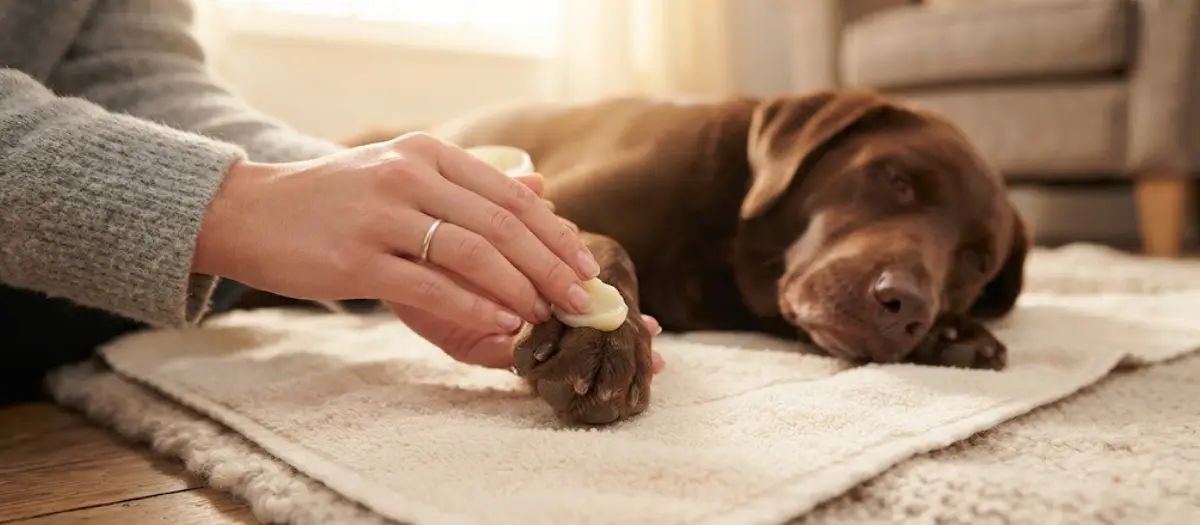
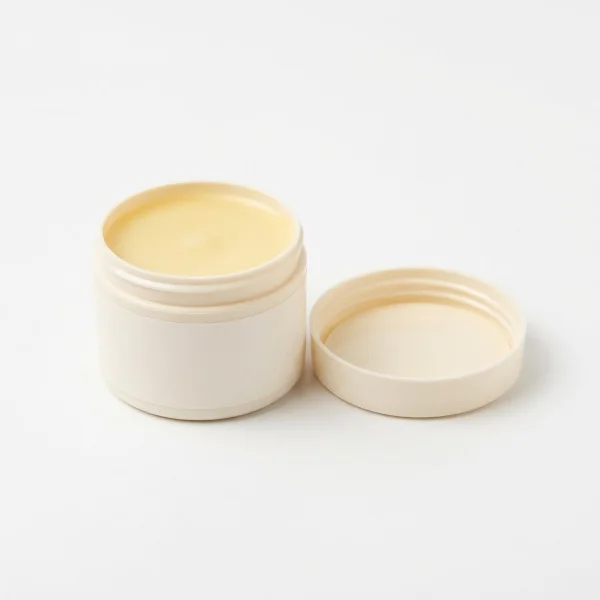
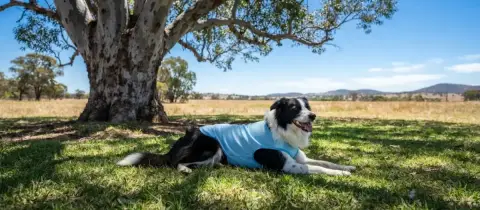
Illustration, not the actual product
Our top pickPalmer's Cocoa Butter Fragrance Free All Over Relief Balm for Dogs
Dogs lick their paws, so what goes on the pad can end up in the stomach. This guide compares three paw balms on Amazon Australia by what's in them, explains what balm can and can't do, and covers how to use it and when cracked paws need a vet. If the problem is hot footpaths, start with our guide to burnt dog paws.
Quick picks
Our top pickBest overall
Palmer's Cocoa Butter Fragrance Free All Over Relief Balm for Dogs
Cocoa butter and vitamin E, fragrance free; for dry skin and rough paw pads
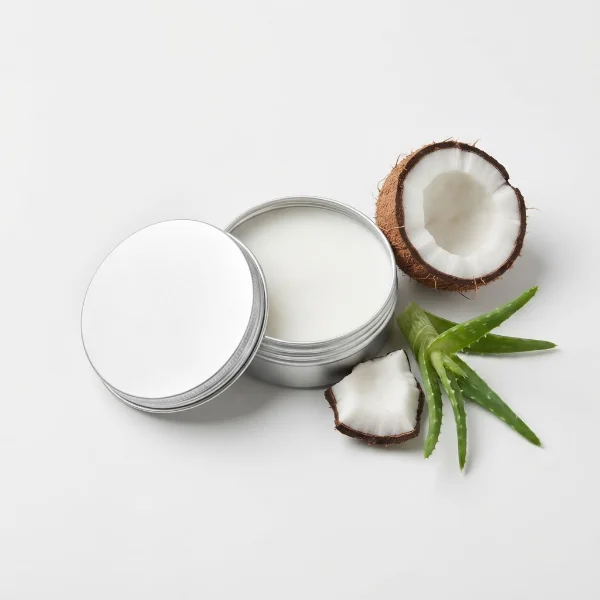
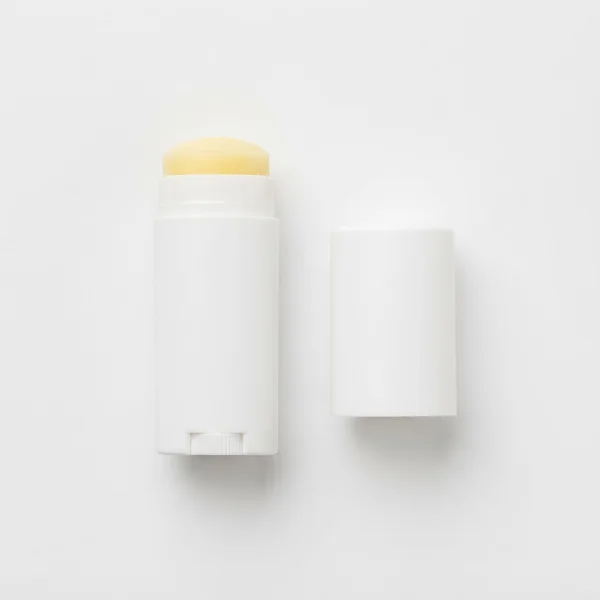
Pictures are illustrations, not the actual products.
A balm is a small tool for dry pads, not a treatment for injuries. Read on before you buy.
Does dog paw balm work?
Paw balm can help soften dry, rough pads and add a thin protective layer. It doesn't repair injuries, and it doesn't protect against hot footpaths. PetMD's vet author says minor cracks that aren't bleeding can be kept clean and moist at home with a dog balm, and that balms are thicker than creams, so they last longer on the pad (PetMD, Dr Barri J. Morrison, 14 November 2024).
Balm is for dry or cracked pads. It isn't for burns, deep cracks, bleeding or infected paws, and it isn't a substitute for checking the footpath. The back of your hand on the ground for 5 seconds is the test: if it's too hot for your hand, it's too hot for your dog's paws (RSPCA Australia, page read 31 October 2026). Hot sand can burn paws too. Walk early or after sunset, and stay on grass and shade. For protection from heat and rough ground, see our dog boots guide.
What should I look for in a dog paw balm?
Look for a short ingredient list you can read, made for dogs, with no essential oils, no fragrance blends and no zinc oxide. Waxes, butters and plain oils are common. Because dogs lick, choose a balm made for dogs, and use it thinly. PetMD's vet author advises products designed for dogs (PetMD).
Ingredients to avoid
Essential oils, including tea tree oil. PetMD says pure tea tree oil isn't safe for dogs, that as little as seven drops of 100% oil has caused poisoning, and that products with under 1 to 2% are generally considered non-toxic only when used exactly as the label says and the dog doesn't lick them off (PetMD, Dr Barri J. Morrison, 2 April 2024). A paw balm gets licked, so we skip anything with essential oils.
Zinc oxide. It's common in nappy rash cream and sunscreen. VCA Hospitals says a one-off swallow of zinc oxide cream usually causes only stomach upset, but swallowing it repeatedly over days to weeks can cause poisoning (VCA Animal Hospitals). Pet Poison Helpline says zinc oxide ointments can irritate a dog's gut, and that a dog trying to vomit one up can inhale it (Pet Poison Helpline).
Vaseline and plain coconut oil. PetMD's vet author doesn't recommend Vaseline, because licked-off petroleum jelly can upset the stomach, and says coconut oil shouldn't be applied to cracked paws, because swallowing it can cause stomach upset or pancreatitis and some dogs react to it (PetMD). Two of our picks contain coconut oil as one ingredient in a blend. That's different from a tub of plain oil, but it's a reason to keep the layer thin and to choose Palmer's if your dog is sensitive.
Human creams and burn products. Paw balm and human products don't go on burns or open wounds. 1st Pet Veterinary Centers advises against butter, oils, essential oils and human burn creams on burned paws unless your vet recommends them (1st Pet Veterinary Centers).
Our picks in detail
1. Palmer's Cocoa Butter Fragrance Free All Over Relief Balm for Dogs: best overall
A fragrance-free balm with cocoa butter and vitamin E, listed for dry skin and rough paw pads. The listing says it's made without parabens, phthalates or gluten, uses plant-based ingredients, is cruelty-free and gives Australia as the country of origin. The tub is about 100 g.
It's an all-over skin balm, so it's softer than a wax stick. That suits a thin layer on dry pads, and it can go on other dry spots as the listing describes. Stop your dog from licking it off straight away.
Pros: short ingredient list; fragrance free; no essential oils listed; larger tub
Cons: softer than a wax stick, so it can be messy; needs a thin layer and a few minutes of distraction; not a protective barrier on its own
Best for: dry or rough pads, and dogs who dislike scented products
Skip it if: you want a firm stick, or the pads are cracked deep or bleeding (see your vet)
2. PawSono lick-safe paw and nose balm with coconut oil: best for paws and nose
A balm for paws and nose. The listing says the ingredients are food-grade and that the balm is lick-safe: coconut oil, shea butter, olive oil, aloe vera, sunflower seed oil and vitamin E. The tub is about 60 g, and the scent is a natural coconut one.
"Lick-safe" is the brand's claim, so we'd still use a thin layer and watch that your dog doesn't lick off a lot of it. It does contain coconut oil as one of several ingredients, so check with your vet if your dog has had pancreatitis or reacts to new products.
Pros: one balm for paws and nose; ingredients listed; no essential oils listed; lick-safe per the listing
Cons: natural coconut scent; "lick-safe" is the brand's claim; smaller tub
Best for: dry paws and a dry nose with one tub
Skip it if: your dog has had pancreatitis, or you want a fragrance-free product
3. Amoyan dog paw balm stick, 68 g: best mess-free stick
A twist-up stick made with beeswax, carnauba wax, shea butter, coconut oil and vitamin E. The listing says to apply it to clean, dry pads or the nose. The wax format keeps your hands clean and is easy to carry on walks.
Very dry pads may need a few strokes. The brand doesn't make a lick-safe claim we could confirm, so use a thin layer and keep your dog from licking it for a few minutes.
Pros: mess-free; wax base; ingredients listed; easy to carry
Cons: needs a few strokes on very dry pads; no lick-safe claim we could confirm; contains coconut oil in the blend
Best for: quick top-ups, and owners who don't like sticky hands
Skip it if: your dog won't stay still while you stroke their pads, or the skin is raw or cracked open
Dog paw balms compared
Details from each Amazon Australia listing, checked on 31 Oct 2026.
Beeswax, carnauba wax, shea butter, coconut oil, vitamin E
Twist-up stick, 68 g
Not stated
How we chose
We searched Amazon Australia for dog paw balms, then shortlisted balms that met all of these checks:
Well rated: a strong average rating with plenty of buyer reviews.
No red flags: no pattern of poor reviews, safety complaints or listing problems.
Available on Amazon Australia when we checked.
No essential oils or added fragrance in the listing.
Ingredients listed on the page.
No zinc oxide in the listed ingredients.
These are researched picks, based on specifications rather than use in our own homes. We compared the features shown on each Amazon Australia listing, checked on 31 Oct 2026. We didn't accept payment from any brand, and no brand saw this page before it was published.
Left out this time: balms with essential oils or tea tree oil, zinc oxide products, human lotions, and products that claim to heal wounds or burns.
How do I use paw balm on my dog?
Clean and dry the pads, rub in a thin layer, and keep your dog from licking for a few minutes. Do it after walks or when your dog is settling for the evening. Never use balm on a burn, an open wound or a bleeding crack. A thin layer is enough, because too much just gets licked off.
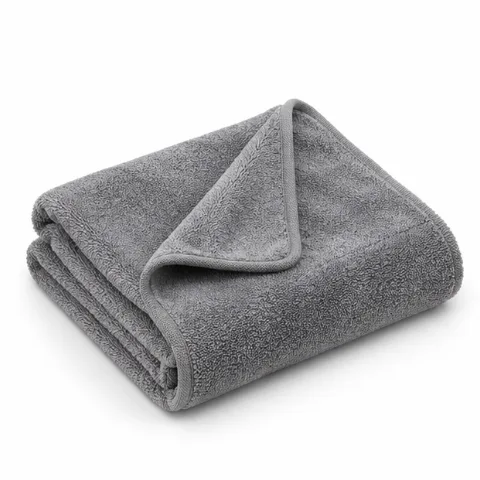
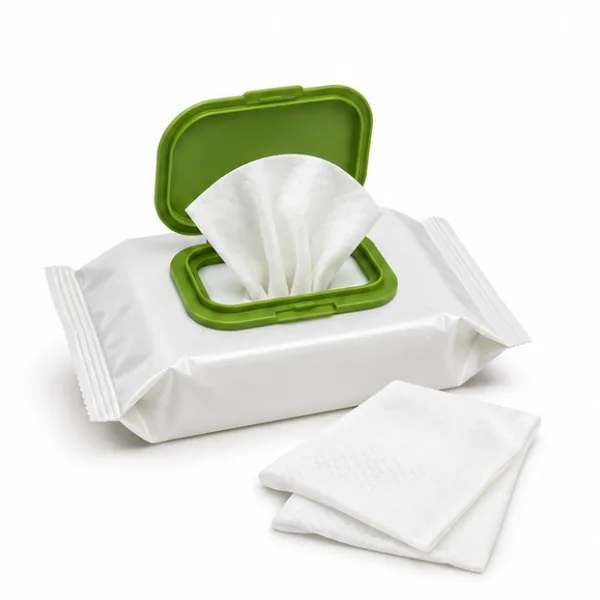
Wipe the paws with a damp cloth or an unscented dog wipe and dry them, including between the toes.
Warm a small amount between your fingers (or stroke a stick across the pad a few times).
Rub it gently over the pads, not between the toes if they're sore.
Offer a chew, a lick mat or a short game for a few minutes while it soaks in. Stay with your dog.
Check the pads, toes and dewclaws each time for redness, swelling or rubbing.
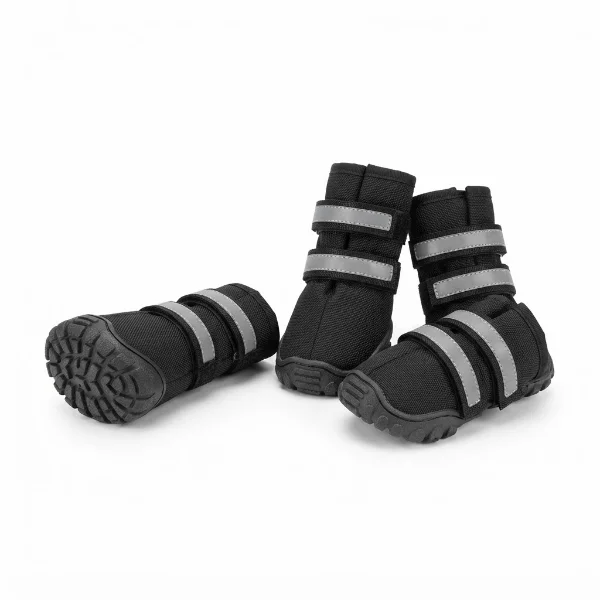
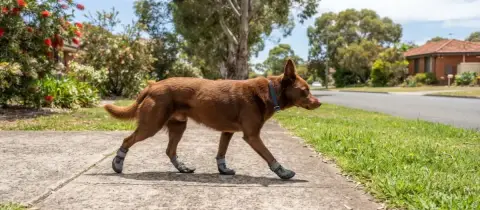
Keep nails and paw hair trimmed too, because long nails can change how your dog puts weight on the pads (our dog nail clippers guide can help). Balm doesn't replace booties on rough or hot ground. If you use boots, fit them by the listing's size chart, introduce them slowly indoors with treats, and take them off after the walk. Slippery floors are a separate problem, and dog socks with grip are one option there. On sunny days, balm doesn't replace shade, and a cooling vest doesn't replace avoiding the heat of the day.
Why are my dog's paws cracked?
Cracked pads can come from rough ground, hot or cold surfaces, irritants such as floor cleaners, dry weather and constant licking. Sometimes they're linked to allergies or other health conditions. PetMD's vet author lists rough surfaces, extreme heat or cold, irritants and underlying conditions such as allergies, liver disease and hyperkeratosis (common in senior dogs) (PetMD).
Licking can both cause and be caused by sore paws. If your dog licks their paws a lot, an itch may be behind it, so see our guide to dog itchy skin. Hot footpaths and sand can burn pads, with signs that can include limping, licking, darker or red pads and blisters (1st Pet Veterinary Centers). PetMD advises a vet visit if cracks or dryness show up for the first time, and as soon as possible for bleeding, swelling, limping or lots of licking or chewing (PetMD). One sore paw, or cracks that don't improve, is worth a call.
When to get help
See your vet if the cracks are deep or bleeding, a pad is swollen, red or has a bad smell or discharge, your dog is limping or constantly licking, only one paw is affected, or the cracks are new and don't improve with gentle care. Don't use paw balm on a burn or open wound.
Paw burns: get your dog off the hot surface, cool the paw with cool (not ice-cold) running water, keep it clean and stop licking, then call your vet the same day. Don't put human creams, butter or ointments on a burn. See our guide to burnt dog paws.
Heatstroke is an emergency. Heavy panting, drooling, weakness, vomiting or collapse need action now. Cool first with cool (not ice-cold) tap water over the body, neck, belly and legs, keep air moving, then call your vet and go straight there, even if your dog seems better. Our dog cooling guide has the full steps.
If your dog swallows a lot of balm, or a product with essential oils or zinc oxide, call your vet or an emergency vet.
Frequently asked questions
Can I use coconut oil on my dog's paws?
PetMD's vet author says not to put coconut oil on cracked paws, because swallowing it can cause stomach upset or pancreatitis and it can trigger a reaction in some dogs (PetMD). A dog balm that has coconut oil in a blend is a different product, but keep the layer thin.
Is Vaseline safe for dog paws?
PetMD's vet author doesn't recommend it, because if your dog licks it off, it can cause serious stomach upset (PetMD). A balm made for dogs, applied thinly, is a safer choice. If the paws are cracked, bleeding or sore, see your vet instead.
Is paw balm safe if my dog licks it?
Choose a balm made for dogs with a short ingredient list, and use a thin layer. "Lick-safe" is a brand claim, so it isn't a guarantee. Distract your dog for a few minutes after applying. Never use balms with essential oils or zinc oxide, and call your vet if your dog swallows a lot.
Does paw balm protect dog paws from hot pavement?
No. Balm isn't heat protection. Use the 5-second back-of-hand test on the footpath, walk early or after sunset, and stay on grass and shade. Boots can add a barrier if they fit well and you introduce them slowly. See our dog boots guide.
Can I put paw balm on a dog's nose?
Some balms are made for it. The PawSono listing says it's for paws and nose, and the Amoyan listing says to apply it to clean, dry pads or the nose. Use a very thin layer. A nose that's crusty, bleeding or changing colour should be checked by your vet.
How often should I apply paw balm?
There's no single schedule. Many owners use a thin layer once a day on dry pads, or after walks, then ease off as the pads soften. Follow the product's directions, and see your vet if the pads aren't improving or look worse.
Can I use paw balm on burnt paws?
No. Balm isn't for burns or open skin. Get your dog off the hot surface, cool the paw with cool (not ice-cold) running water, keep it clean, stop licking and call your vet the same day. Read our guide to burnt dog paws for the steps and signs.