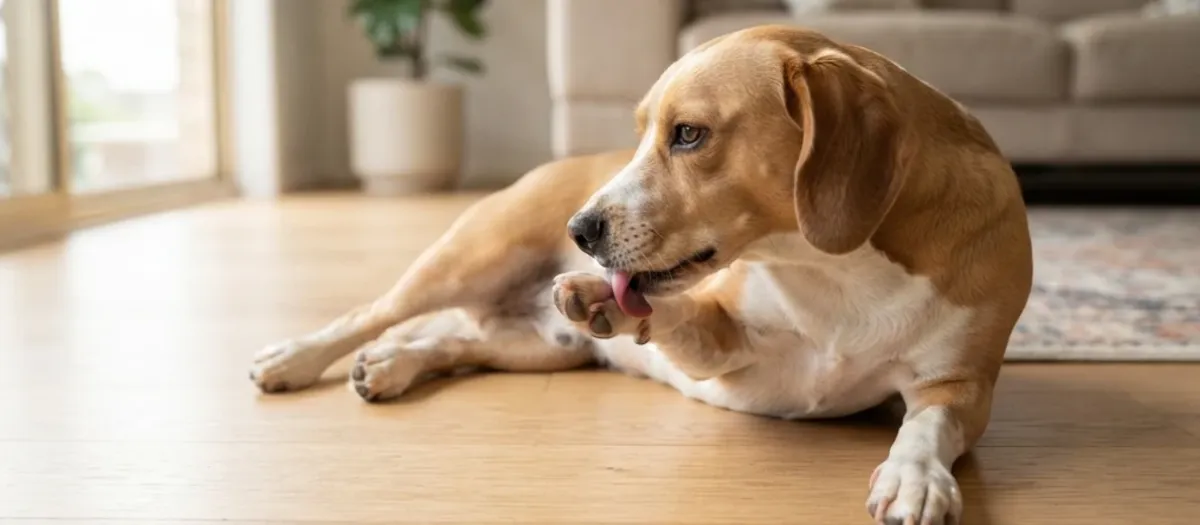
Quick answer: Dog licking paws is most often linked to itchy skin from allergies, but fleas, mites, a grass seed, a cut, sore joints or boredom can all play a part. Look at the pattern: one paw or all four, which season, and what the skin looks like. A vet can work out the cause.
Some paw licking is ordinary grooming. When it becomes a habit, the pattern usually tells you more than any single sign. This guide walks through the likely causes, a simple check you can do after walks, what to keep off your dog's paws, and when it's time for the vet. If your dog is itchy all over, our dog itchy skin guide covers the wider picture.
Quick picks
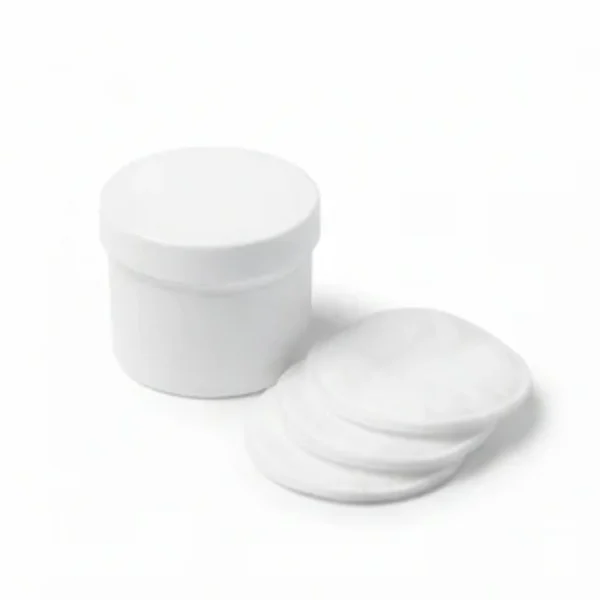
Douxo S3 PYO pads, 30 pads
For between the toes only if your vet suggests it. Ask your vet first.
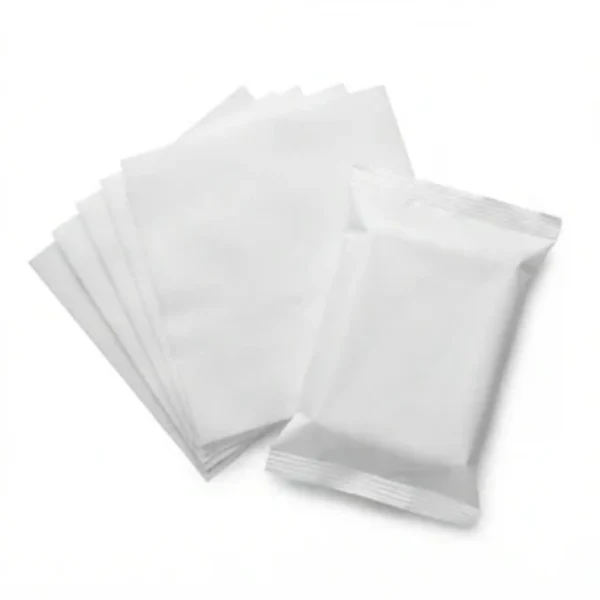
Squishface Wrinkle Wipes, 3 packs
Large wipes for between the toes and skin folds. Ask your vet before using on a licked paw.
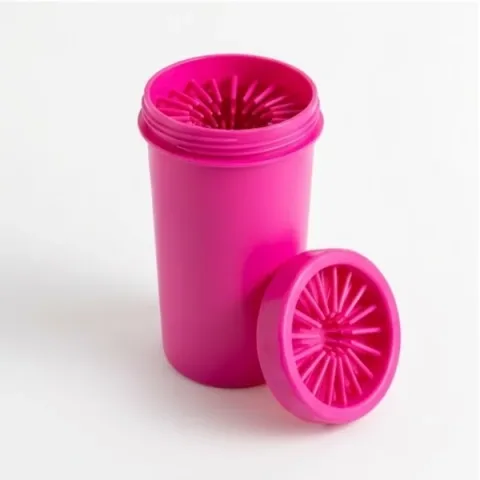
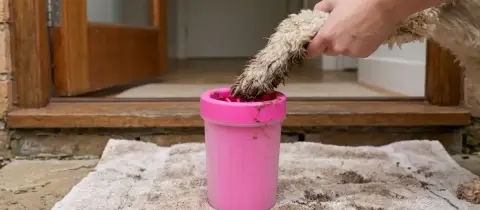
Dexas MudBuster Paw Washer, Large
A silicone cup for rinsing paws after walks; dry well between the toes afterwards.
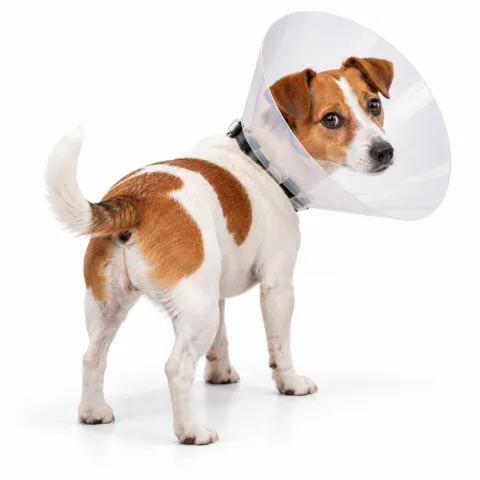
WacHomz Adjustable Plastic E-Collar
A cone with an adjustable fit that blocks licking while you wait for the vet.
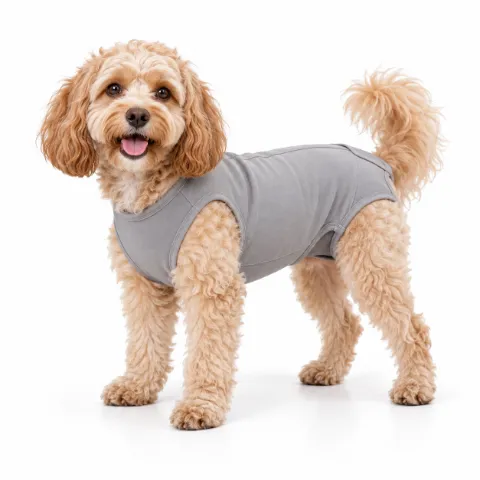
Kuoser Recovery Suit
Six sizes with tapes you undo for toilet breaks. It doesn't treat the cause.
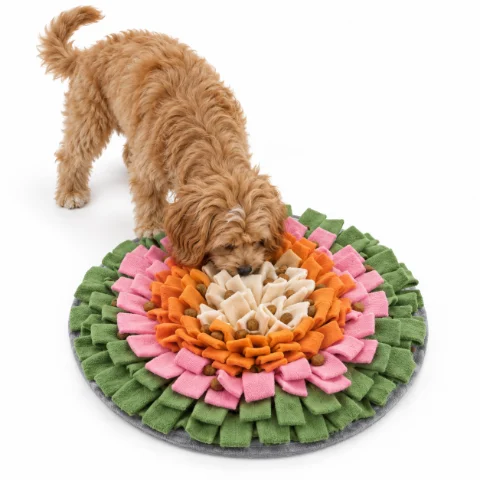
SCHITEC Snuffle Mat
Gives a bored dog something to sniff and forage for; rule out itch and pain first.
Dexas MudBuster Paw Washer, Large
A silicone cup for rinsing muddy paws after walks, and a good prompt to check between the toes.
WacHomz Adjustable Plastic E-Collar
A cone that breaks the lick cycle while you wait for your vet.
Kuoser Recovery Suit
A soft option to protect the skin if your dog hates a cone, sized from XS to 2XL by a chart.
SCHITEC Snuffle Mat
For a dog whose skin looks normal and who licks out of boredom, it gives them something else to do.
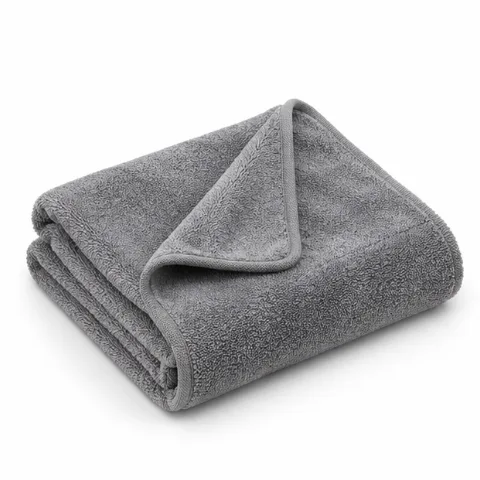
Lucky Paws Dog Towel, Extra Large 140 x 70 cm
A big towel for drying paws properly after wet walks, as damp fur between the toes is worth avoiding.
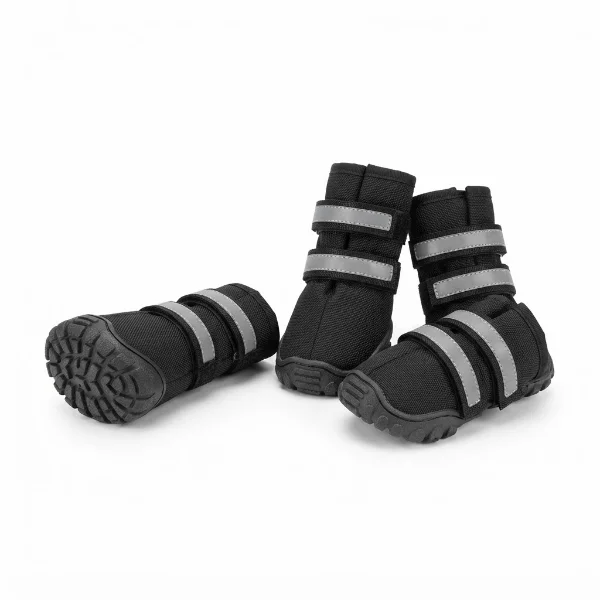
XSY&G waterproof dog boots
A way to shield paws from wet grass or rough ground on walks, if your dog accepts wearing them.
Pictures are illustrations, not the actual products.
More detail on the wipes is in Useful gear for paw licking below, and the rest are the "You may also like" cards at the end of the row. None of these treats allergies or the cause of the licking.
Why does my dog keep licking their paws?
Paw licking is a symptom, not a diagnosis. Allergies are the most common reason for ongoing licking in the vet sources we read. Fleas, mites, yeast or bacterial infection, grass seeds, cuts or burns, sore joints, stress and boredom can all play a part too. Several causes look alike, so a vet usually needs to examine your dog.
Vet sources list a similar set of causes. PDSA says skin allergies can make paws itchy even when the paws haven't touched the trigger, and that mites, fleas, sore feet or joints can all lead to licking. It also says boredom and stress can lead to licking out of frustration, and that some dogs lick their feet when anxious because it makes them feel better. Allergies are by far the most common reason for ongoing paw licking, according to the veterinary dermatologist who reviewed the Pet Insurance Australia guide, which lists environmental allergies (grass, pollen, mould and dust mites) first.
The MSD Veterinary Manual says itching is the most typical sign of allergy, often affecting the feet, face, ears, front legs and belly. It also says atopy (the environmental kind) is lifelong and managed rather than cured. Allergies can also show up as red, weepy eyes or sneezing; see conjunctivitis in dogs and reverse sneezing in dogs.
Constant licking can also make things worse. VCA describes a lick, itch, lick cycle that can break the skin and lead to a hot spot. Our hot spots guide covers what to do if that happens.
Is it normal for a dog to lick their paws?
Yes, a quick lick now and then is normal grooming, especially after a walk or a muddy patch. It's worth a closer look when licking is frequent, goes on for long stretches, focuses on one spot, or comes with redness, a smell, limping or hair loss.
Think about change. A dog who has always given a paw a tidy now and then is different from a dog who suddenly can't leave their feet alone, or who licks until the fur is stained or the skin looks sore. Watching for a pattern over a few days, rather than a single lick, gives a vet far more to work with.
What does the pattern tell you?
Patterns can point toward a likely cause, but they can't confirm one. One paw, all four paws, the season, the time of day and the look of the skin each narrow things down, and a vet makes the call.
This table is our own summary of how the vet sources above describe the common causes. It's a guide for what to do next, not a way to diagnose your dog.
| Pattern | More consistent with | What to do next |
|---|---|---|
| One paw, sudden, maybe limping | A grass seed, cut, splinter or nail injury | Check gently. See a vet the same day if there's swelling or a lump between the toes |
| All four paws, plus face, ears or belly | Allergy | See your vet |
| Worse in spring and summer | Environmental allergy or grass seeds | Keep a diary and see your vet |
| All year round | Food allergy is possible | Needs a vet-run diet trial |
| Red-brown saliva stain, or a musty, yeasty smell | Ongoing licking (the stain); a possible yeast or bacterial infection (the smell) | See your vet |
| After walks or on a new lawn | Contact irritants, fresh lawn chemicals | Rinse and dry the paws |
| When alone or bored, with normal-looking skin | Boredom or stress | Add enrichment. Ask a vet or behaviourist if it continues |
Rows draw on PDSA, the MSD Veterinary Manual and Pet Insurance Australia (links above), and Walkerville Vet for the grass seed row (below). The MSD manual says itch from food allergy varies little between seasons, and that a diet trial of up to 3 months is how a vet confirms it, because blood and skin tests aren't reliable for it.
Could it be a grass seed?
Yes, especially if one paw is affected. Grass seeds often lodge between the toes. Walkerville Vet says a red bump or blister on top of the paw that your dog keeps licking is a common sign in seed season. If you suspect one, see your vet, and never dig it out yourself.
Walkerville Vet in Adelaide says paws, especially between the toes, are the most common place for a seed to end up, and that the season in southern Australia runs roughly from October to the end of the year. Seeds also end up in eyes and ears (see our dog eye drops and eye wash guide). Walkerville says a seed on the body can migrate, and that removing one that has gone in needs deep sedation. A dog who seems better hasn't necessarily shed the seed.
To lower the odds, check between the toes after walks in the season and skip long, dry grass where you can.
What can I do at home?
Rinse your dog's paws in plain, cool water after walks, dry them well between the toes, keep a licking diary, and book your vet. Start vet-recommended flea control, and use a cone or soft suit to break the lick cycle. For boredom, add exercise and enrichment.
Here's a 5-step check you can do after walks. It's our own practical routine, not a vet protocol.
- Spread the toes gently and look between them.
- Look at the pads for cuts, cracks, burns or anything stuck.
- Feel for lumps or swelling, on top of the paw as well as underneath.
- Sniff. A musty or yeasty smell is worth mentioning to your vet.
- Look for a red-brown stain on the fur around the toes.
Beyond the check:
- Rinse and dry. PDSA suggests rinsing paws in cool, plain water after walks, and Pet Insurance Australia's guide says to dry them thoroughly afterwards.
- Keep a diary. Note which paws, what time, the season, and what your dog did that day. Your vet will find it very useful.
- Get flea control sorted. Fleas are a common itch trigger. Our flea treatment for dogs guide compares options to talk through with your vet, and our flea dirt guide shows how to check.
- Break the lick cycle. VCA says a cone or barrier stops self-trauma. A dog cone or recovery suit can protect the skin while you wait for the vet. A cone doesn't treat the cause.
- Work out boredom last. Rule out itch and pain with your vet first. If skin looks normal and licking happens when your dog is under-stimulated, see our bored dog signs, enrichment ideas and exercise guide.
Burns can also cause licking in summer. Our burnt dog paws guide explains how hot is too hot for pavement.
What shouldn't you put on your dog's paws?
Don't use tea tree or other essential oils, human creams or medicines, or vinegar or bleach soaks, especially on broken skin. Dogs lick their paws, so anything you apply can end up swallowed. Ask your vet before putting anything on.
Tea tree oil is the essential oil most often reported in pet poisonings. It's absorbed through the skin, concentrated oil should never go on pets, and cats are even more sensitive (Merck Veterinary Manual, reviewed March 2025). The Merck Veterinary Manual lists vomiting, drooling, lethargy and wobbliness among the common signs. That matters in homes with cats, since a dog can carry a product on their coat.
Some human medicines, creams and eye drops are dangerous for dogs. Ask your vet before giving anything.
Home remedies like vinegar soaks or bleach can sting or burn damaged skin, and we don't suggest them as treatment. Skin that is raw, weeping or smelly needs a vet, not a kitchen experiment.
Why does my dog lick their paws at night?
Night licking often shows up when the house is quiet and there's nothing else to focus on. It can be itch that you didn't notice during the day, boredom, or stress. If it wakes your dog or you, that's a reason to see your vet.
Daytime distractions can mask itch. At night, with nothing happening, your dog may notice it more. A dog who licks mostly when they are left alone, and whose skin looks normal, may be dealing with stress. Our dog separation anxiety guide explains the signs, and a vet or vet behaviourist can help.
Useful gear for paw licking
Gear supports the routine and what your vet advises. None of it treats allergies or the cause of the licking.
- Douxo S3 PYO pads, 30 pads: if your vet suggests an antiseptic wipe for between the toes. The listing names chlorhexidine and ophytrium, with directions to gently wipe the targeted area once a day for 7 to 14 days or as directed by your vet. The label warns that chlorhexidine can rarely cause serious allergic reactions in people, so stop if you react. The listing also says not to use it between the toes of cats. It's an import, so check the delivery details on Amazon before you order.
- Squishface Wrinkle Wipes, 3 packs: large wipes, about 13 x 18 cm per the title, for between the toes, skin folds and tail pockets, and suitable for flat-faced breeds. The listing names chlorhexidine and phytosphingosine and says it is alcohol-free. Ask your vet before using it on a paw your dog keeps licking, use it only on skin that isn't broken, keep it away from the eyes and supervise, as the listing says. The size in the listing's bullets differs from the title, so check the pack. It's an import, so check the delivery details on Amazon before you order.
For everyday care, our dog paw cleaner and dog paw balm guides cover rinsing after walks and dry, cracked pads, and our dog cone and recovery suit guides cover stopping the licking. For a small red patch your vet has seen, our dog itch relief spray guide explains what a spray can and can't do. If the eyes are bothering your dog too, see dog eye drops and eye wash and dog eye wipes. Wipes, balms and sprays are not a fix for a paw that's red, swollen or smelly.
When to see a vet
See your vet if paw licking comes with any of these. If it's after hours and your dog is in pain, call your nearest 24-hour emergency vet.
- Limping, or swelling or a lump between the toes
- Bleeding, pus or an open sore
- Licking that is daily, intense or wakes your dog
- A bad smell or red-brown staining on the fur
- Licking along with ear scratching, face rubbing or hair loss
- A suspected grass seed, or a red bump on top of the paw that your dog keeps licking
If your dog licked their paws after contact with a chemical or plant, or after eating something toxic, call your vet or the Animal Poisons Helpline (1300 869 738, 24/7) now. Our toxic foods list has the common dangers. For the wider itch picture, see our dog itchy skin guide.
Frequently asked questions
Is paw licking a sign of allergies in dogs?
It can be. Itching is the most typical sign of allergy, and the paws, face, ears and belly are common places. Licking alone doesn't prove allergy, though. Fleas, mites, infection and injury look similar, so a vet needs to check, and may suggest a flea-control plan first.
Why are my dog's paws red-brown between the toes?
Saliva can stain light fur reddish brown after a lot of licking, which is more consistent with ongoing licking than a cause on its own. Pet Insurance Australia's vet-checked guide lists brown saliva staining as a sign that licking has gone beyond normal grooming, and a musty or yeasty smell as a sign of an infected paw. A vet can check and tell you what's behind it.
Can I put a sock or bootie on my dog to stop paw licking?
A soft sock may help break the habit for a short time, but supervise closely. Remove it if your dog chews it, it feels tight, or the paw gets damp underneath. A cone or recovery suit is often safer. It still doesn't treat the cause, so see your vet.
Can food cause my dog to lick their paws?
Food allergy is possible, particularly when licking carries on all year round. The MSD Veterinary Manual says a vet-run diet trial of up to 3 months is how it's confirmed. Don't switch foods on a guess, and ask your vet to plan the trial.
Is tea tree oil safe for my dog's paws?
No. Tea tree oil is the essential oil most often reported in pet poisonings, and the Merck Veterinary Manual says concentrated oil should never go on pets. Dogs lick their paws, so it can be swallowed too. If your dog has had contact, call your vet or the Animal Poisons Helpline.
Should I wash my dog's paws after every walk?
A rinse in plain, cool water and a thorough dry is a sensible habit, especially if your dog's paws are itchy or you've been on fresh lawn. Skip soap unless your vet advises it. Take the chance to look between the toes while you do it.
Why does my dog lick one paw only?
One paw is more consistent with a local problem, such as a grass seed, cut, splinter, torn nail or sore joint, than with an all-over allergy. Check gently, and don't dig anything out. If there's limping, swelling or a lump, see your vet the same day. Our dog limping guide has a safe paw check and the signs that need a vet.
Can paw licking turn into an infection?
Yes. Constant licking keeps the skin damp and can break it, which may let yeast or bacteria take hold. VCA describes this lick, itch, lick cycle for hot spots. A smell, red-brown stain, redness or sores means a vet visit, not more home care.
Related guides
- Dog itchy skin: causes, relief and when to see a vet
- Why is my dog limping?
- Hot spots on dogs
- Dog itch relief spray guide
- Dog eye drops and eye wash
- Dog eye wipes
- Conjunctivitis in dogs
- Reverse sneezing in dogs
- Dog paw cleaner
- Dog paw balm
- Dog cone
- Dog recovery suits
- Burnt dog paws
Sources
- PDSA, "Vet Q&A: Why is my dog biting/licking their paws?", 26 August 2020, page read 21 November 2026: https://pdsa.org.uk/what-we-do/blog/vet-qa-why-is-my-dog-bitinglicking-their-paws
- MSD Veterinary Manual (Australia), "Allergies in Dogs", last updated September 2024, page read 21 November 2026: https://www.msdvetmanual.com/en-au/dog-owners/skin-disorders-of-dogs/allergies-in-dogs
- Walkerville Vet (Adelaide, SA), "Help! My Dog Has A Grass Seed", updated 28 November 2020, page read 21 November 2026: https://www.walkervillevet.com.au/?p=12404
- Pet Insurance Australia, "Why is my dog licking their paws?", medically checked by a veterinary dermatologist, page read 21 November 2026: https://www.petinsuranceaustralia.com.au/why-is-my-dog-licking-their-paws/
- VCA Animal Hospitals, "Hot Spots in Dogs", updated 10 July 2026, page read 21 November 2026: https://vcahospitals.com/know-your-pet/hot-spots-in-dogs
- Merck Veterinary Manual, "Toxicoses From Essential Oils in Animals", March 2025, page read 21 November 2026: https://www.merckvetmanual.com/toxicology/toxicoses-from-household-hazards/toxicoses-from-essential-oils-in-animals
This guide provides general information and isn't a substitute for veterinary advice. If you're concerned about your dog's paw licking, speak with your vet.